Submandibular Lymph Node Swelling: Complete Guide
Key Takeaways
- Submandibular lymph node swelling can be an alarming symptom, often pointing to an underlying health issue that demands attention. Imagine waking up one morning, feeling a tender lump under your jaw, perhaps accompanied by discomfort when swallowing or even a throbbing pain in your gums. This scenar
Submandibular lymph node swelling can be an alarming symptom, often pointing to an underlying health issue that demands attention. Imagine waking up one morning, feeling a tender lump under your jaw, perhaps accompanied by discomfort when swallowing or even a throbbing pain in your gums. This scenario is far from uncommon; submandibular lymph node swelling affects countless individuals each year, signaling everything from a common cold to more serious infections, including those originating from your oral cavity. In fact, dental infections are a remarkably frequent culprit, with conditions like a dental abscess or gum swelling over a tooth often triggering this response. Understanding the causes, recognizing the symptoms, and knowing when to seek professional help are crucial steps toward maintaining not just your oral health, but your overall well-being. This comprehensive guide will delve into what submandibular lymph nodes are, why they swell, the various treatment options available, associated costs, and most importantly, how to prevent this often-painful occurrence.
Key Takeaways:
- Submandibular lymph node swelling often indicates an underlying infection or inflammation, with dental issues being a common cause.
- Persistent swelling lasting more than two weeks, rapid growth, severe pain, or accompanying systemic symptoms like fever warrant immediate dental or medical evaluation.
- Treatment ranges from antibiotics for infections (often $50-$200 without insurance) to dental procedures like root canals ($700-$2,000) or extractions ($75-$600).
- Recovery from minor infections typically takes 1-2 weeks with appropriate treatment, while recovery from surgical interventions may extend to several weeks.
- Preventative measures include excellent oral hygiene, regular dental check-ups, and prompt treatment of any dental issues like gum swelling over a tooth.
- Insurance coverage for diagnosis and treatment varies widely, often covering 50-80% of major dental procedures after deductibles.
What It Is / Overview
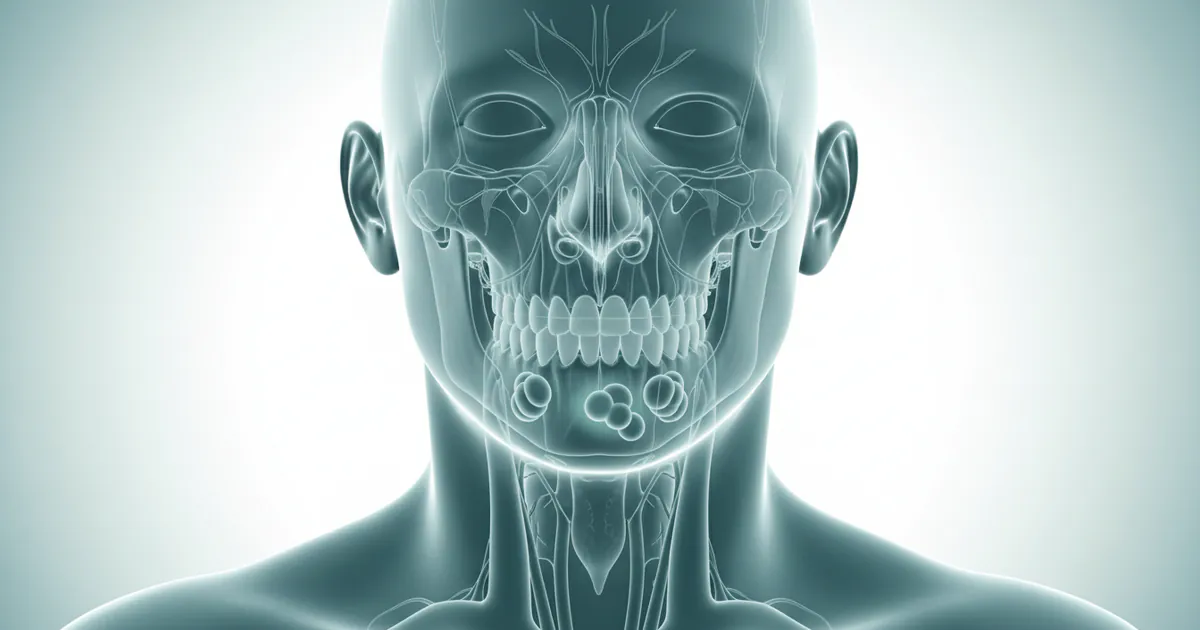
Beneath your jawline, nestled within the tissues of your neck, lies a crucial part of your body's immune system: the submandibular lymph nodes. These small, bean-shaped glands are part of the lymphatic system, a vast network of vessels that transport lymph fluid, nutrients, and waste material throughout the body. More importantly, lymph nodes act as filters, trapping viruses, bacteria, and other harmful substances before they can spread further. They contain immune cells, such as lymphocytes, which help fight off infections.

The term submandibular refers to their location – specifically, under the mandible (jawbone). You have several groups of lymph nodes in your head and neck region, and the submandibular nodes are responsible for draining fluid from areas including the lower lip, the floor of the mouth, the tongue, the submandibular salivary gland, and most significantly for our discussion, the teeth and gums.
When these lymph nodes swell, a condition medically known as lymphadenopathy, it's a clear sign that your immune system is actively working to combat a threat. The swelling occurs as the nodes fill with immune cells that are multiplying to fight off an infection or inflammation detected in their drainage area. While often benign, indicating a minor infection, submandibular lymph node swelling can sometimes signal more serious conditions, making timely diagnosis essential.
Types / Variations
Submandibular lymph node swelling can manifest in various ways, primarily classified by its duration and underlying cause. Understanding these distinctions is key to proper diagnosis and treatment.
Acute vs. Chronic Lymphadenopathy
- Acute Submandibular Lymphadenopathy: This is the most common form, characterized by sudden onset and typically lasting for a few days to a couple of weeks. It is almost always a direct response to an acute infection, such as a viral upper respiratory infection (common cold, flu), a bacterial throat infection (strep throat), or an acute dental abscess. The nodes are often tender, warm, and movable.
- Chronic Submandibular Lymphadenopathy: If the swelling persists for more than two to four weeks, it's considered chronic. This can indicate a prolonged infection, a less common chronic inflammatory condition, or in rarer cases, a more serious issue like a slow-growing tumor or an autoimmune disease. The nodes might be less tender or even painless but remain enlarged.
Infectious vs. Non-Infectious Causes
The vast majority of submandibular lymph node swellings are infectious in nature, but it's important to recognize the non-infectious possibilities too.
- Infectious Lymphadenopathy:
- Bacterial Infections: Common culprits include streptococcal or staphylococcal infections from the throat, skin, or notably, dental sources. A dental abscess, cellulitis, or severe periodontal disease can lead to significant swelling.
- Viral Infections: Viruses like the common cold, influenza, mononucleosis (Epstein-Barr virus), or even herpes simplex can trigger swelling.
- Fungal Infections: Less common but can occur, especially in immunocompromised individuals.
- Parasitic Infections: Toxoplasmosis, for example, can cause lymph node enlargement.
- Non-Infectious Lymphadenopathy:
- Inflammatory Conditions: Certain autoimmune diseases (e.g., lupus, rheumatoid arthritis) can cause generalized lymph node swelling, including in the submandibular region.
- Cancers: Lymphoma (cancer of the lymphatic system) or metastatic cancer (cancer that has spread from another part of the body, such as oral cancer) can present as a hard, non-tender, fixed lymph node. This is a critical distinction from infectious causes.
- Cysts: Benign cysts (e.g., branchial cleft cyst) can sometimes mimic a swollen lymph node.
- Salivary Gland Disorders: Conditions affecting the submandibular salivary gland (e.g., sialadenitis, salivary stones) can cause localized swelling that might be confused with or accompany lymph node swelling.
Understanding these distinctions helps healthcare providers narrow down the potential causes and determine the most appropriate diagnostic and treatment pathway.
Causes / Why It Happens
The submandibular lymph nodes are strategically positioned to guard against pathogens entering the body through the mouth, throat, and face. Therefore, the causes of their swelling are often directly related to issues in these areas.
Dental and Oral Health Causes (Primary Focus)
Dental infections are one of the most common and often overlooked reasons for submandibular lymph node swelling. The close proximity of teeth, gums, and salivary glands to these nodes means that any infection in your mouth can quickly trigger a localized immune response.
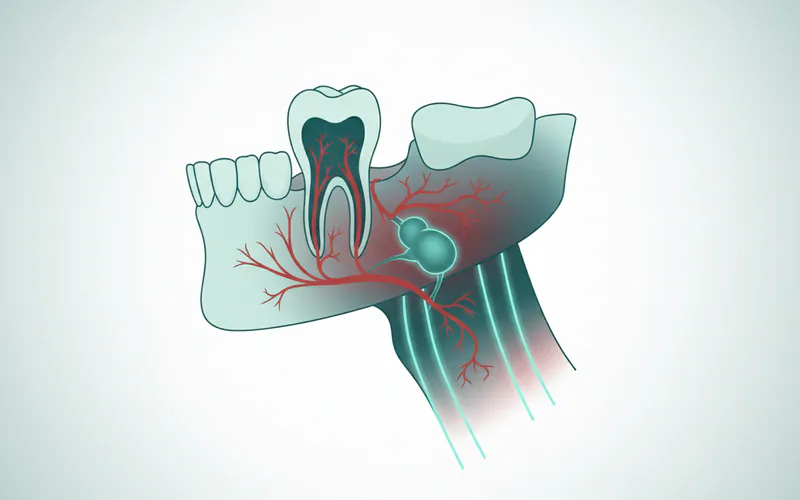
- Dental Abscess: This is perhaps the most significant dental cause. A dental abscess is a pocket of pus caused by a bacterial infection, typically at the root of a tooth (periapical abscess) or in the gums (periodontal abscess).
- Periapical Abscess: Occurs when bacteria invade the tooth pulp (innermost part of the tooth) due to deep decay, a cracked tooth, or trauma. The infection then spreads to the bone surrounding the tooth root.
- Periodontal Abscess: Develops in the gum tissue, often as a complication of severe periodontal (gum) disease. When an abscess forms, the body's immune system sends white blood cells to fight the infection. These cells, along with bacteria and dead tissue, form pus. The nearby submandibular lymph nodes enlarge as they work to filter out these infectious agents. The pain from a dental abscess can be severe, throbbing, and worsen with pressure or hot/cold foods.
- Gum Swelling Over Tooth (Pericoronitis): This specific type of gum swelling is incredibly common, especially with wisdom teeth. Pericoronitis occurs when the gum tissue partially covers an erupting or impacted tooth, creating a flap (operculum) where food particles and bacteria can get trapped. This leads to inflammation and infection of the gum tissue around the tooth, often causing gum swelling over a tooth that is excruciatingly painful. The infection can easily spread to nearby tissues and lymph nodes, leading to noticeable submandibular lymph node swelling. This is particularly prevalent with lower wisdom teeth.
- Pro Tip: If you experience gum swelling over a tooth, especially a wisdom tooth, and notice a lump under your jaw, it's highly likely the two are related. Seek dental attention promptly.
- Severe Gum Disease (Periodontitis): While an acute abscess is more likely to cause sudden swelling, advanced periodontitis, characterized by chronic inflammation and infection of the gums and supporting bone, can also contribute to chronic low-grade lymph node enlargement. The persistent bacterial load triggers a continuous immune response.
- Oral Infections/Ulcers: Canker sores (aphthous ulcers), cold sores (herpes simplex), or other oral lesions that become infected can also cause regional lymph node swelling.
- Tooth Extraction Sites: An infected extraction site or a dry socket can lead to local inflammation and subsequent lymph node enlargement.
Other Infectious Causes
Beyond dental issues, a myriad of other infections can lead to submandibular lymph node swelling:
- Upper Respiratory Infections (URIs): Common colds, influenza, sinusitis, and pharyngitis (sore throat) are very frequent causes. The lymph nodes swell as they fight the viruses or bacteria responsible for these infections.
- Strep Throat: A bacterial infection of the throat and tonsils, often accompanied by severe sore throat, fever, and difficulty swallowing.
- Mononucleosis ("Mono"): A viral infection (Epstein-Barr virus) known for causing significant fatigue, sore throat, and widespread lymph node swelling, including the submandibular nodes.
- Skin Infections: Infections on the face, scalp, or upper neck (e.g., cellulitis, impetigo) can cause nearby lymph nodes to swell.
- Salivary Gland Infections (Sialadenitis): Infection of the submandibular salivary gland itself can cause swelling that may be hard to distinguish from or may accompany lymph node swelling.
- Tonsillitis: Inflammation and infection of the tonsils, often leading to sore throat and swollen lymph nodes in the neck.
Non-Infectious Causes
While less common, these causes are important to consider, especially if the swelling is persistent, painless, or accompanied by other concerning symptoms.
- Cancer: This is a major concern, particularly if the swelling is firm, non-tender, fixed to surrounding tissues, and persistent.
- Lymphoma: Cancer that originates in the lymphatic system itself.
- Metastatic Cancer: Cancer from another part of the body (e.g., oral cancer, thyroid cancer, skin cancer) that has spread to the lymph nodes.
- Autoimmune Diseases: Conditions like Lupus or Sjogren's syndrome can cause generalized lymph node enlargement as the immune system mistakenly attacks healthy tissues.
- Cysts: Benign cysts, such as branchial cleft cysts or thyroglossal duct cysts, can present as lumps in the neck region.
- Medication Side Effects: Certain medications can rarely cause lymphadenopathy as a side effect.
Table 1: Common Causes of Submandibular Lymph Node Swelling
| Cause Category | Specific Conditions | Characteristics of Swelling | Other Key Symptoms | Severity |
|---|---|---|---|---|
| Dental Infections | Dental Abscess, Pericoronitis (gum swelling over tooth), Severe Periodontitis | Often localized, very tender, sometimes warm/red skin | Severe tooth pain, bad taste, gum swelling over tooth, difficulty opening mouth | Moderate to Severe (can be a dental emergency) |
| Upper Respiratory/Throat | Common Cold, Flu, Strep Throat, Tonsillitis, Mononucleosis | Often bilateral, tender, movable nodes | Sore throat, fever, runny nose, cough, fatigue | Mild to Moderate |
| Skin/Facial Infections | Cellulitis, Impetigo, Infected cuts/scrapes | Localized, tender, red, warm, may have pus | Redness, warmth, pain at infection site, skin lesions | Moderate |
| Salivary Gland Issues | Sialadenitis (infection), Salivary Stones | Swelling near gland (under jaw, in front of ear), often worse with eating | Pain, dry mouth, difficulty eating | Mild to Moderate |
| Cancers | Lymphoma, Metastatic Oral/Head & Neck Cancer | Firm, non-tender, fixed (non-movable), persistent, gradually enlarging | Unexplained weight loss, night sweats, persistent fatigue, oral lesions | Potentially Severe (requires urgent investigation) |
Signs and Symptoms
Recognizing the signs and symptoms accompanying submandibular lymph node swelling is crucial for determining the urgency of seeking medical or dental care.
Local Symptoms (Around the Swollen Node)
- Palpable Lump: The most obvious symptom is feeling a lump or mass under your jaw. It can be small (pea-sized) or quite large (golf ball-sized).
- Tenderness/Pain: The swollen nodes are often tender to the touch, and can be painful, especially if the underlying cause is an acute infection. The pain might radiate to your ear or jaw.
- Redness and Warmth: The skin over the swollen node may appear red and feel warm, indicating inflammation and infection.
- Mobility: Infectious nodes are typically movable under the skin. Nodes that are fixed or hard might suggest a more serious condition like cancer.
- Difficulty Swallowing (Dysphagia): If the swelling is significant, it can cause discomfort or difficulty when swallowing.
- Pain with Head Movement: Turning your head or extending your neck might exacerbate discomfort.
Associated Symptoms (Indicating Underlying Cause)
The accompanying symptoms often provide strong clues about the cause:
- From Dental Issues:
- Toothache: Severe, throbbing, constant pain in a tooth, especially when chewing or exposed to hot/cold.
- Gum Pain/Swelling: Localized gum swelling over a tooth, redness, or pus discharge around a tooth (e.g., pericoronitis, abscess).
- Bad Breath/Taste: A foul taste in your mouth, which can indicate an active infection or draining pus.
- Difficulty Opening Mouth (Trismus): Muscle spasms caused by severe infection can make it hard to open your jaw fully.
- From Systemic Infections (e.g., colds, flu, strep):
- Fever and Chills: A common systemic response to infection.
- Fatigue and Malaise: General feeling of being unwell or tired.
- Sore Throat: Pain or scratchiness in the throat, especially with strep or viral infections.
- Runny Nose/Congestion: Classic symptoms of a common cold or sinusitis.
- Headache: Often accompanies viral infections.
- From More Serious Conditions (e.g., Cancer):
- Persistent Swelling: Swelling that doesn't resolve after 2-4 weeks, even without other apparent symptoms.
- Hard, Non-Tender, Fixed Nodes: These are red flags that warrant urgent investigation.
- Unexplained Weight Loss: Significant weight loss without trying.
- Night Sweats: Profuse sweating during sleep.
- Persistent Hoarseness or Difficulty Swallowing: May indicate oral or throat cancer.
Treatment Options
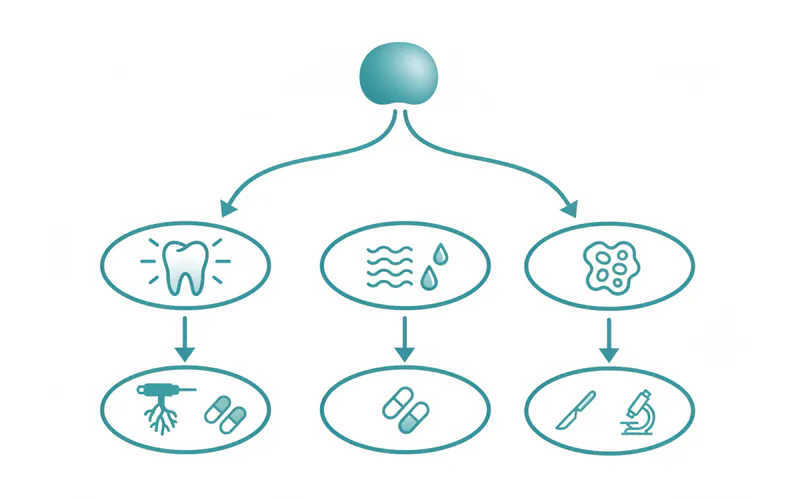
Treating submandibular lymph node swelling isn't about treating the swelling itself, but rather addressing the underlying cause. The approach will vary significantly depending on whether the cause is a bacterial infection, a viral illness, or a more serious condition.
Dental Treatments (For Dental-Related Swelling)
Given that dental issues are a frequent cause, these treatments are particularly relevant for readers experiencing gum swelling over a tooth or other oral infections.
- Antibiotics:
- Purpose: To eliminate bacterial infections (e.g., dental abscess, severe pericoronitis).
- Pros: Can quickly reduce infection and inflammation, alleviate pain.
- Cons: Not a standalone solution for a structural dental problem; can lead to antibiotic resistance if overused. Must complete the full course.
- Cost: $50 - $200 for a typical course (e.g., amoxicillin, clindamycin) without insurance.
- Incision and Drainage (I&D):
- Purpose: To drain pus from a dental abscess or a localized infection in the gums. Often performed in conjunction with antibiotics.
- Pros: Immediate relief from pressure and pain, speeds up healing.
- Cons: Invasive, may require local anesthesia.
- Cost: $100 - $400 without insurance, often included in the cost of a comprehensive visit if minor.
- Root Canal Therapy:
- Purpose: To save a tooth with an infected pulp (e.g., periapical abscess). The infected pulp is removed, the root canals are cleaned and disinfected, and then filled and sealed.
- Pros: Preserves the natural tooth, prevents extraction.
- Cons: Multi-appointment procedure, can be costly.
- Cost: $700 - $1,500 for front teeth, $900 - $2,000+ for molars (excluding crown), without insurance.
- Tooth Extraction:
- Purpose: If a tooth is too severely damaged or infected to be saved (e.g., fractured tooth, recurrent abscess, severely impacted wisdom tooth causing pericoronitis).
- Pros: Eliminates the source of infection completely.
- Cons: Loss of a natural tooth, may require replacement (implant, bridge) which adds cost.
- Cost: $75 - $300 for a simple extraction, $200 - $600+ for a surgical extraction (e.g., impacted wisdom tooth), without insurance.
- Periodontal Treatment:
- Purpose: For severe gum disease or periodontal abscesses. Includes deep cleaning (scaling and root planing), and potentially gum surgery.
- Pros: Controls gum infection, prevents tooth loss.
- Cons: Can be extensive and require multiple appointments.
- Cost: Scaling and root planing can range from $200 - $600 per quadrant; more advanced surgical treatments can be $500 - $3,000+.
Medical Treatments (For Non-Dental Causes)
- Antibiotics: For bacterial infections (e.g., strep throat, skin infections, sialadenitis).
- Antiviral Medications: For specific viral infections (e.g., influenza, herpes simplex) if caught early. Most viral infections, however, are managed with supportive care.
- Pain Relievers and Anti-inflammatories: Over-the-counter medications like ibuprofen (Advil, Motrin) or acetaminophen (Tylenol) can help manage pain and reduce inflammation for all types of swelling.
- Warm Compresses: Applying warm, moist compresses to the swollen area can increase blood flow and promote comfort and healing.
- Observation/Supportive Care: For viral infections like the common cold, treatment primarily involves rest, hydration, and symptom management. The swelling typically resolves as the body fights off the virus.
- Referral to Specialist: If cancer is suspected, a referral to an oncologist or ENT (Ear, Nose, and Throat specialist) is necessary for further diagnostic tests (biopsy, imaging) and specialized treatment (chemotherapy, radiation, surgery).
Step-by-Step Process
Here's what you can generally expect when seeking help for submandibular lymph node swelling, particularly if a dental cause is suspected.
1. Initial Consultation and Diagnosis (Dentist or Physician)
- Medical History & Symptoms: Your healthcare provider will ask about your symptoms (when the swelling started, pain level, other accompanying symptoms like fever, toothache, gum swelling over tooth), medical history, and any recent illnesses.
- Physical Examination:
- Palpation: The provider will gently feel your neck and jaw area to assess the size, tenderness, consistency (soft, firm, hard), and mobility of the swollen lymph nodes. They will also check other lymph node regions (e.g., behind ears, clavicle).
- Oral Examination: If a dental cause is suspected, a thorough oral exam is critical. The dentist will look for signs of decay, gum inflammation, abscesses, gum swelling over a tooth (especially wisdom teeth), or oral lesions. They may tap on teeth or use a cold test to check for pulp vitality.
- Diagnostic Tests:
- Dental X-rays: Periapical X-rays or a panoramic X-ray can reveal dental abscesses, bone loss from gum disease, or impacted teeth.
- Blood Tests: May be ordered to check for signs of infection (elevated white blood cell count) or specific viral/bacterial antibodies.
- Imaging (CT, MRI, Ultrasound): If the cause isn't clear or a more serious condition is suspected, imaging can provide detailed views of the lymph nodes and surrounding structures.
- Biopsy: If cancer is a concern, a fine-needle aspiration (FNA) or excisional biopsy (surgical removal of the node) may be performed to examine tissue under a microscope.
2. Treatment Implementation (Example: Dental Abscess Leading to Submandibular Swelling)
Let's assume the diagnosis points to a dental abscess as the primary cause.
- Step 1: Infection Control (Initial Visit)
- Prescription for Antibiotics: You will likely be prescribed a course of antibiotics to start reducing the bacterial load.
- Pain Management: Recommendations for over-the-counter pain relievers (ibuprofen, acetaminophen) or a prescription painkiller if necessary.
- Minor Drainage (if applicable): If a superficial abscess is readily accessible, the dentist might perform a small incision to allow some pus to drain immediately, providing relief.
- Step 2: Definitive Dental Treatment (Follow-up Visit/s)
- Option A: Root Canal Therapy:
- Anesthesia: Local anesthetic is administered to numb the tooth and surrounding area.
- Access: A small opening is made in the top of the tooth to access the pulp chamber and root canals.
- Cleaning & Shaping: Tiny files are used to remove infected pulp, bacteria, and debris from the canals.
- Disinfection: The canals are irrigated with antiseptic solutions.
- Filling: The cleaned canals are filled with a biocompatible material (gutta-percha) and sealed.
- Restoration: A temporary or permanent filling is placed. A crown is usually recommended afterward to protect the tooth.
- Option B: Tooth Extraction:
- Anesthesia: Local anesthetic is administered.
- Loosening & Removal: The tooth is gently loosened from its socket using specialized instruments and then removed.
- Site Care: The socket is cleaned, and sutures may be placed if needed. Gauze is used to promote clot formation.
- Option A: Root Canal Therapy:
- Step 3: Post-Treatment Care: Instructions for recovery, medication use, and follow-up appointments.
Cost and Insurance
The cost of addressing submandibular lymph node swelling can vary significantly based on the underlying cause, the diagnostic tests required, the chosen treatment, your geographic location, and your insurance coverage.

Average US Price Ranges (Without Insurance)
- Initial Consultation/Exam:
- Dental Exam: $50 - $150
- Medical Office Visit: $100 - $300 (for general practitioner)
- Diagnostic Tests:
- Dental X-rays (periapical, panoramic): $25 - $200
- Blood Tests: $50 - $500 (depending on specific tests)
- CT Scan: $300 - $1,500+
- MRI: $500 - $2,000+
- Ultrasound: $100 - $500
- Biopsy (FNA): $500 - $1,500+ (includes pathologist's fee)
- Medications:
- Antibiotics: $50 - $200 for a typical course.
- Pain Relievers: $10 - $50 for a prescription, significantly less for OTC.
- Dental Treatments:
- Incision & Drainage (minor): $100 - $400
- Simple Tooth Extraction: $75 - $300
- Surgical Tooth Extraction (e.g., impacted wisdom tooth): $200 - $600+
- Root Canal Therapy:
- Front Tooth: $700 - $1,500
- Premolar: $800 - $1,700
- Molar: $900 - $2,000+
- Crown (after root canal): $800 - $2,500+
- Scaling and Root Planing (per quadrant): $200 - $600
- Specialist Consultations:
- Oral Surgeon, Endodontist, Periodontist, ENT: $150 - $500+ (initial consult)
Pro Tip: Costs can vary by region. Major metropolitan areas typically have higher costs than rural areas. Always ask for a detailed estimate before proceeding with treatment.
Insurance Coverage Details
- Dental Insurance:
- Covers a portion of dental procedures. Routine exams and X-rays are often covered at 80-100%.
- "Basic" procedures (extractions, fillings) are typically covered at 50-80%.
- "Major" procedures (root canals, crowns, periodontal surgery) usually covered at 50% after a deductible.
- Many plans have annual maximums ($1,000 - $2,000) that you might hit quickly with extensive treatment.
- There's often a waiting period for major procedures (e.g., 6-12 months).
- Medical Insurance:
- Covers general practitioner visits, specialist consultations (ENT, oncologist), blood tests, imaging (CT, MRI, ultrasound), and biopsies.
- Emergency room visits for acute infections are covered, but usually with higher co-pays and deductibles.
- Antibiotics and other prescription medications are typically covered under the prescription benefits of your medical plan, often with a co-pay.
- Crucially, medical insurance generally does NOT cover dental procedures, even if a dental infection is causing a medical symptom like lymph node swelling.
Payment Plans and Financing Options
Many dental and medical offices offer solutions for patients without insurance or for those facing high out-of-pocket costs:
- In-Office Payment Plans: Some practices allow you to pay for treatment in installments.
- Third-Party Financing: Companies like CareCredit offer healthcare credit cards with deferred interest options if paid within a certain timeframe (e.g., 6, 12, 18 months).
- Dental Discount Plans: These are not insurance but offer a discount on services from participating dentists for an annual fee.
- Community Dental Clinics/Dental Schools: Often provide reduced-cost services, especially for complex procedures, performed by students under supervision.
Recovery and Aftercare
Recovery from submandibular lymph node swelling largely depends on the underlying cause and the treatment received.
General Recovery for Infection-Related Swelling
- Antibiotics: If prescribed, complete the entire course of antibiotics, even if symptoms improve. Stopping early can lead to recurrence or antibiotic resistance.
- Pain Management: Continue with prescribed or over-the-counter pain relievers as needed.
- Warm Compresses: Continue applying warm, moist compresses to the swollen area for 15-20 minutes, several times a day, to aid comfort and circulation.
- Rest and Hydration: Allow your body to rest and drink plenty of fluids to support your immune system.
- Monitor Swelling: The lymph node swelling should gradually decrease as the infection clears. If it worsens or persists, contact your doctor or dentist.
Post-Dental Treatment Recovery (e.g., After Root Canal or Extraction)
- Oral Hygiene:
- Brush gently around the treated area.
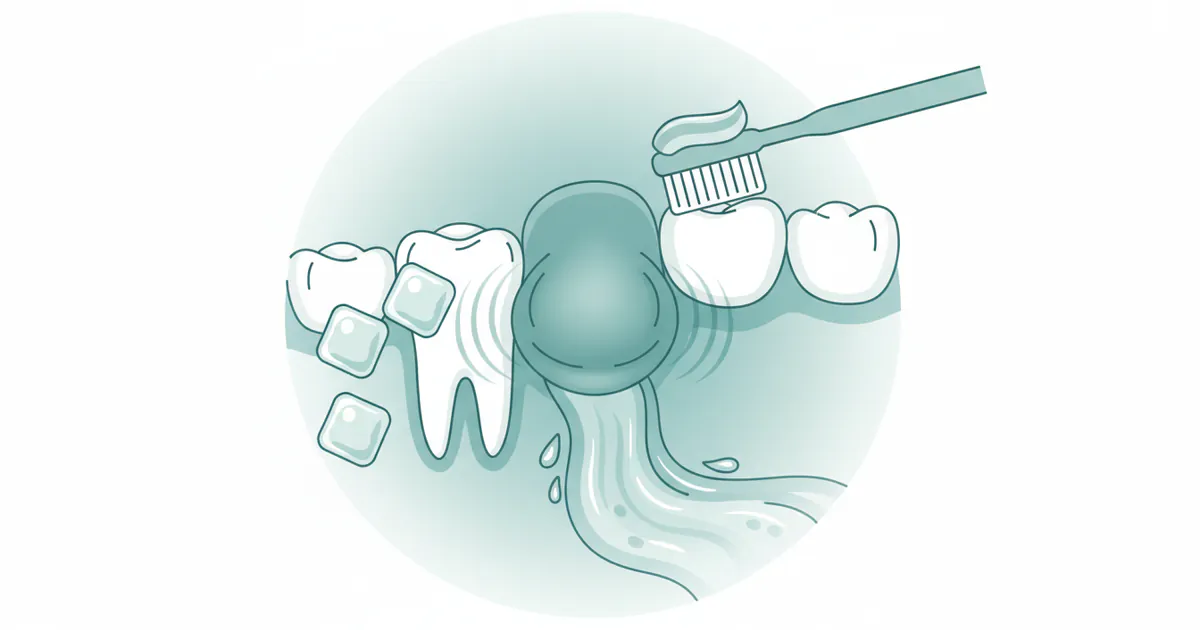
- Rinse with warm salt water several times a day (1/2 teaspoon salt in 8 oz warm water) to keep the area clean and promote healing. Avoid vigorous rinsing, especially after extraction, to prevent dislodging blood clots.
- Diet: Stick to soft foods for the first few days. Avoid extremely hot, cold, spicy, or crunchy foods.
- Pain and Swelling: Some localized pain and swelling are normal after dental procedures. Apply cold compresses externally to the jaw in the first 24 hours to help reduce swelling. Switch to warm compresses after 24 hours.
- Avoid Smoking/Alcohol: These can significantly hinder healing and increase the risk of complications.
- Follow-up Appointments: Attend all scheduled follow-up appointments to ensure proper healing and address any concerns. For a root canal, you'll likely need a crown placed within a few weeks to protect the tooth.
When to Seek Further Help During Recovery
- Worsening Pain or Swelling: If the pain or swelling increases instead of decreases.
- Signs of Spreading Infection: Red streaks extending from the area, increased fever, chills, difficulty breathing or swallowing.
- Persistent Swelling: If the lymph node swelling does not significantly reduce after 2-3 weeks of treatment.
- New Symptoms: Any new or concerning symptoms develop.
Prevention
Preventing submandibular lymph node swelling is largely about preventing the underlying conditions that cause it, particularly dental infections and common illnesses.
Dental Health Prevention
- Excellent Oral Hygiene: This is paramount.
- Brush Twice Daily: Use fluoride toothpaste and brush for two minutes each time. Pay attention to all surfaces, especially around the gum line and wisdom teeth.
- Floss Daily: Remove food particles and plaque from between teeth and under the gum line, preventing plaque buildup and gingivitis, which can escalate to periodontitis.
- Use Mouthwash: An antimicrobial mouthwash can help reduce bacteria in your mouth.
- Regular Dental Check-ups and Cleanings:
- Visit your dentist at least twice a year for professional cleanings and examinations. This allows for early detection and treatment of issues like cavities, gum disease, and impacted wisdom teeth before they become severe and cause lymph node swelling.
- Your dentist can also monitor problematic areas like partially erupted wisdom teeth (prone to pericoronitis) and provide advice on how to get gum swelling to go down if it starts.
- Prompt Treatment of Dental Issues: Don't ignore a toothache, sensitivity, or minor gum swelling over a tooth. Addressing these problems early can prevent them from developing into a full-blown abscess that would cause lymph node involvement.
- Balanced Diet: Limit sugary foods and drinks, which contribute to tooth decay.
- Avoid Tobacco: Smoking and smokeless tobacco significantly increase the risk of gum disease, oral infections, and oral cancer.
General Health Prevention
- Hand Hygiene: Wash your hands frequently with soap and water, especially before eating and after coughing, sneezing, or using the restroom. This helps prevent the spread of viral and bacterial infections.
- Vaccinations: Stay up-to-date on recommended vaccinations (e.g., flu shot, measles-mumps-rubella) to prevent common infectious diseases.
- Avoid Contact with Sick Individuals: When possible, limit close contact with people who are sick.
- Healthy Lifestyle: A balanced diet, regular exercise, and adequate sleep boost your immune system, making you less susceptible to infections.
- Manage Chronic Conditions: If you have chronic medical conditions, manage them effectively with your healthcare provider.
Risks and Complications
While most cases of submandibular lymph node swelling resolve without long-term issues once the underlying cause is treated, there are potential risks and complications, especially if left untreated.
Risks of Untreated Infection
- Spread of Infection: An untreated dental abscess or other oral infection can spread beyond the initial site. This can lead to:
- Cellulitis: A rapidly spreading bacterial skin infection that can be severe.
- Ludwig's Angina: A serious, potentially life-threatening infection of the floor of the mouth and neck, which can cause airway obstruction.
- Cavernous Sinus Thrombosis: A rare but very serious complication where a blood clot forms in a large vein at the base of the brain, potentially leading to vision loss, stroke, or even death.
- Sepsis: A life-threatening systemic response to infection, leading to organ damage.
- Airway Obstruction: Severe swelling in the neck from a spreading infection can compress the airway, making it difficult or impossible to breathe, requiring emergency medical intervention.
- Osteomyelitis: Infection of the bone, which can be chronic and difficult to treat.
- Chronic Pain and Discomfort: Persistent inflammation can lead to ongoing pain and tenderness in the neck and jaw area.
- Tooth Loss: Untreated dental infections often lead to the loss of the affected tooth.
Risks Associated with Treatment
- Antibiotic Side Effects: Nausea, diarrhea, allergic reactions, and the risk of developing antibiotic-resistant bacteria.
- Surgical Complications: (For root canals, extractions, biopsies)
- Infection at the surgical site.
- Bleeding.
- Nerve damage (though rare, can cause temporary or permanent numbness).
- Dry socket (after extraction).
- Failure of treatment, requiring repeat procedures.
- Misdiagnosis: In rare cases, a serious condition like cancer might be initially mistaken for an infection, leading to a delay in appropriate treatment. This highlights the importance of re-evaluation if swelling persists.
- Chronic Lymphadenopathy: Even after successful treatment of the primary infection, some individuals may experience residual enlargement or mild tenderness of the lymph nodes for a longer period, especially if the infection was severe.
Comparison Table: Dental vs. Systemic Causes and Treatments
| Feature | Dental Infection (e.g., Abscess, Pericoronitis) | Systemic Infection (e.g., Cold, Strep) | Suspicion of Cancer (Rare) |
|---|---|---|---|
| Typical Onset | Acute, localized, often linked to specific tooth pain | Acute, often with general illness symptoms | Gradual, persistent, may be painless initially |
| Node Characteristics | Tender, warm, movable, localized | Tender, movable, often bilateral | Firm, non-tender, fixed, potentially rapidly growing |
| Accompanying Symptoms | Severe toothache, gum swelling over tooth, bad taste, difficulty opening mouth | Fever, sore throat, cough, runny nose, body aches | Unexplained weight loss, night sweats, fatigue, new oral lesions |
| Primary Diagnosis | Dental exam, X-rays | Clinical exam, throat swab, blood tests | Biopsy (FNA or excisional), CT/MRI, specialist referral |
| Main Treatment | Root canal, extraction, incision & drainage, antibiotics | Supportive care, antibiotics (if bacterial), antivirals (if applicable) | Surgery, chemotherapy, radiation therapy |
| Typical Recovery | 1-3 weeks (after definitive dental treatment) | 1-2 weeks | Varies widely, often prolonged and complex |
| Typical Cost Range (uninsured) | $500-$3,000+ (depending on procedure) | $100-$500 (visit + meds) | $2,000-$50,000+ (diagnosis to treatment) |
Children / Pediatric Considerations
Children are particularly prone to submandibular lymph node swelling due to their developing immune systems and frequent exposure to infections.
- Common Causes: The most frequent causes in children are viral upper respiratory infections (colds, flu), strep throat, and ear infections. Dental infections, especially those related to deep cavities or developing wisdom teeth, can also occur, though less commonly than in adults.
- "Shotty Lymph Nodes": It's quite common for children, especially those under 12, to have small, palpable, non-tender lymph nodes in their neck (often described as "shotty"). These are usually benign and represent past or ongoing minor immune responses, which is normal for an active immune system.
- When to Be Concerned:
- Swelling that is suddenly painful, red, and warm.
- Rapidly growing swelling.
- Nodes that are fixed (non-movable) and hard.
- Swelling accompanied by high fever, significant weight loss, night sweats, or extreme fatigue.
- Swelling that persists for more than 2-4 weeks without improvement.
- Dental Health in Children: Emphasize excellent oral hygiene from an early age. Regular dental check-ups are crucial to prevent cavities and gum issues that could lead to lymph node involvement. Parents should be vigilant for signs of tooth pain, gum swelling over a tooth, or refusal to eat, as these can indicate a dental infection.
- Treatment: Antibiotics for bacterial infections are common. For viral infections, supportive care (rest, fluids) is usually sufficient. Dental treatments for children are similar to adults but may include specialized pediatric techniques or sedation.
Parents should always consult a pediatrician or pediatric dentist if they are concerned about any lump or swelling in their child's neck or jaw.
Cost Breakdown
Understanding the potential costs involved in diagnosing and treating submandibular lymph node swelling is essential for financial planning.
Average US Costs: Low, Mid, High Estimates (Without Insurance)
| Service/Treatment | Low Estimate | Mid Estimate | High Estimate |
|---|---|---|---|
| Initial Exam/Consult | $50 (Dental) | $150 (Dental) | $300 (Medical) |
| Dental X-rays | $25 | $100 | $200 |
| Blood Tests | $50 | $250 | $500 |
| Antibiotics | $50 | $100 | $200 |
| Simple Extraction | $75 | $150 | $300 |
| Surgical Extraction | $200 | $400 | $600 |
| Root Canal (Molar) | $900 | $1,500 | $2,000 |
| Dental Crown | $800 | $1,500 | $2,500 |
| CT Scan | $300 | $900 | $1,500 |
| Biopsy (FNA) | $500 | $1,000 | $1,500 |

With vs. Without Insurance
- Without Insurance (Self-Pay): You are responsible for 100% of the costs. Prices can often be negotiated with providers or paid through payment plans.
- With Insurance (Dental or Medical):
- Deductible: An amount you must pay out-of-pocket before your insurance begins to cover costs (e.g., $500-$1,500 for medical, $50-$100 for dental).
- Co-pay: A fixed amount you pay for a doctor's visit or prescription (e.g., $20-$50).
- Coinsurance: A percentage of the cost you're responsible for after meeting your deductible (e.g., insurance pays 80%, you pay 20%).
- Out-of-Pocket Maximum: The most you'll have to pay in a plan year before insurance covers 100% of covered services.
- Example: A root canal costing $1,500: If your dental insurance covers 50% after a $50 deductible, and you haven't met your deductible, you'd pay $50 (deductible) + $725 (50% of remaining $1,450) = $775.
Payment Plans and Financing Options
- Dental Payment Plans: Many dental offices offer in-house payment plans, allowing you to pay for treatment in installments over several months, often without interest.
- Medical Bill Assistance: Hospitals and larger medical groups may have financial assistance programs or charity care for low-income patients.
- CareCredit and Other Medical Credit Cards: These offer special financing options, including interest-free periods if the balance is paid in full by the end of the promotional term. Be cautious of high-interest rates if the balance isn't paid off.
- Health Savings Accounts (HSAs) and Flexible Spending Accounts (FSAs): These tax-advantaged accounts allow you to save and pay for qualified medical and dental expenses with pre-tax dollars, effectively reducing your overall healthcare costs.
Cost-Saving Tips
- Preventative Care: Regular dental check-ups and good oral hygiene are the best way to prevent expensive dental emergencies.
- Shop Around: For non-emergency treatments, compare prices from different providers.
- Ask for Itemized Bills: Review your bill carefully for any errors.
- Negotiate: For self-pay patients, don't hesitate to ask for a discount, especially if paying in cash upfront.
- Utilize Community Clinics/Dental Schools: These often provide high-quality care at a reduced cost.
- Understand Your Insurance: Know your policy's deductibles, co-pays, coinsurance, and annual maximums before receiving treatment.
Frequently Asked Questions
Is submandibular lymph node swelling always serious?
No, most cases of submandibular lymph node swelling are caused by common infections like a cold, flu, or a minor dental issue. They typically resolve on their own or with basic treatment. However, persistent swelling, rapid growth, pain, hardness, or accompanying systemic symptoms like fever and weight loss can indicate a more serious underlying condition, such as cancer, and should be evaluated by a medical professional promptly.
How do you get gum swelling to go down if it's causing lymph node swelling?
To get gum swelling over tooth to go down and alleviate associated lymph node swelling, you need to treat the underlying gum infection. This often involves a professional dental cleaning, antibiotics if the infection is severe, and possibly removal of the problematic tooth (like an impacted wisdom tooth). Home remedies like warm salt water rinses can offer temporary relief but are not a substitute for professional dental care.
How long does submandibular lymph node swelling typically last?
For acute infections (like a cold or dental abscess), the swelling usually starts to subside within a few days to a week after the infection is treated or resolves. It may take 1-2 weeks for the nodes to return to their normal size. If the swelling persists for more than 2-4 weeks without improvement, or worsens, it warrants further investigation by a doctor or dentist.
What home remedies can help with pain and swelling?
For temporary relief, you can apply a warm, moist compress to the swollen area for 15-20 minutes, several times a day. Over-the-counter pain relievers like ibuprofen (Advil, Motrin) or acetaminophen (Tylenol) can help manage discomfort. Warm salt water rinses (1/2 teaspoon salt in 8 oz warm water) can also soothe oral infections contributing to the swelling. These are complementary measures and not a substitute for professional diagnosis and treatment.
Can stress cause lymph nodes to swell?
While stress itself doesn't directly cause lymph nodes to swell, prolonged or severe stress can weaken your immune system. A compromised immune system might make you more susceptible to infections, which could then lead to swollen lymph nodes. It's more of an indirect effect rather than a direct cause.
What's the difference between a swollen lymph node and a salivary gland infection?
Swollen submandibular lymph nodes are firm, often tender, and usually movable. A salivary gland infection (sialadenitis), particularly of the submandibular gland, would typically involve swelling directly in the gland itself, often feeling softer and more diffuse, and sometimes associated with pain that worsens with eating. Imaging like an ultrasound can help differentiate between the two.
What are the dental procedures commonly involved if a tooth infection causes swelling?
If a tooth infection leads to submandibular lymph node swelling, common dental procedures include antibiotics to control the infection, incision and drainage of any abscesses, a root canal to save the infected tooth, or tooth extraction if the tooth is beyond repair, especially in cases of severe gum swelling over a tooth from an impacted wisdom tooth.
Will insurance cover the costs of treatment for submandibular lymph node swelling?
Insurance coverage depends on the underlying cause. If the swelling is due to a medical condition, your medical insurance will likely cover doctor visits, diagnostic tests (blood work, imaging), and prescriptions. If the cause is dental, your dental insurance will cover a portion of procedures like X-rays, extractions, or root canals, subject to your plan's deductibles and annual maximums. Remember, medical insurance generally does not cover dental work.
When should I go to the emergency room for a swollen lymph node?
You should go to the emergency room if your submandibular lymph node swelling is accompanied by severe pain, difficulty breathing or swallowing, inability to open your mouth fully (trismus), very high fever, rapid spread of redness or swelling, or if you feel acutely unwell and weak. These can be signs of a rapidly progressing and potentially life-threatening infection.
Can smoking or alcohol worsen submandibular lymph node swelling?
Yes, smoking and excessive alcohol consumption can significantly impair your immune system, making you more susceptible to infections. They also contribute to poor oral health, increasing the risk of gum disease and oral cancers, which can directly cause or worsen lymph node swelling. It is advisable to avoid both, especially during an active infection.
When to See a Dentist
While minor submandibular lymph node swelling can sometimes resolve on its own, especially if it's due to a common cold, there are clear warning signs that necessitate professional dental or medical attention. Delaying care, particularly for dental emergencies, can lead to serious complications.
Immediate Attention (Emergency Dental/Medical Care)
Seek immediate dental or medical attention if you experience:
- Difficulty Breathing or Swallowing: This is a medical emergency, as severe swelling in the neck can obstruct your airway.
- Difficulty Opening Your Mouth (Trismus): This can indicate a severe, spreading infection that requires urgent intervention.
- High Fever and Chills: Especially if accompanied by rapid heartbeat or feeling generally unwell, as this can signal a spreading infection (sepsis).
- Rapidly Worsening Swelling: If the lymph node or surrounding area is quickly becoming larger, redder, or more painful.
- Severe, Throbbing Toothache: Particularly if it keeps you awake at night, is unresponsive to over-the-counter pain relievers, and is accompanied by gum swelling over a tooth or a foul taste in your mouth.
- Red Streaks on the Skin: Extending from the swollen area, indicating a spreading infection (lymphangitis).
Scheduled Appointment (Non-Emergency, but Still Important)
Make an appointment to see your dentist or doctor if you notice:
- Persistent Swelling: The lymph node swelling does not decrease in size or resolve after 1-2 weeks, even if it's not painful.
- Hard, Non-Tender, or Fixed Nodes: These characteristics can be concerning and may warrant further investigation for non-infectious causes like cysts or cancer.
- Recurring Swelling: If the lymph nodes repeatedly swell without a clear cause.
- Any Dental Pain or Swelling: Even if the lymph nodes aren't noticeably swollen yet, pain in a tooth, sensitivity, or gum swelling over a tooth (like pericoronitis around a wisdom tooth) should be checked by a dentist to prevent further complications that could lead to lymph node involvement.
- Unexplained Symptoms: Such as persistent fatigue, night sweats, or unexplained weight loss, accompanying the lymph node swelling.
Pro Tip: If you're unsure whether your situation is an emergency, err on the side of caution and contact your dentist or a healthcare professional. It's always better to get an early diagnosis than to wait until a minor issue becomes a major health crisis. Regular dental check-ups are key to preventing many of the oral issues that can lead to submandibular lymph node swelling.
Frequently Asked Questions
Medically Reviewed Content
This article was written by our dental health editorial team and reviewed for medical accuracy. Our content follows strict editorial guidelines for reliability and trustworthiness.
Medical Disclaimer
This article is for informational purposes only and does not constitute medical advice. Always consult with a qualified dental professional for diagnosis and treatment. Do not delay seeking professional advice because of something you read on this website.
Related Articles
How to Relieve Gum Swelling
When your gums are swollen, it can be an alarming and uncomfortable experience, often signaling an underlying issue that requires attention. Statistics from the Centers for Disease Control and Prevention (CDC) reveal that **nearly half of adults aged 30 or older in the United States have some form o
February 23, 2026
Teeth Swelling: Complete Guide
When you experience teeth swelling, it's more than just a minor discomfort; it's a clear signal from your body that something is amiss within your oral cavity, often indicating an underlying infection or inflammation that requires prompt attention. A recent survey revealed that **over 25% of adu
February 23, 2026
Submandibular Salivary Gland Swelling: Complete Guide
When you notice a peculiar lump or uncomfortable fullness beneath your jaw, it can be an alarming experience. This sensation, often accompanied by pain and difficulty swallowing, could indicate submandibular salivary gland swelling. Affecting an estimated 1 in 10,000 adults annually, conditi
February 23, 2026
What Helps With Gum Swelling
Gum swelling, medically known as gingival swelling or gingivitis, is a common yet often underestimated dental issue affecting millions of Americans. Have you ever woken up with sore, puffy gums that bleed easily when you brush? You're not alone. Research indicates that nearly **half of all a
February 23, 2026