Complete Guide to Dental Technology: Everything You Need to Know
Key Takeaways
- The landscape of dental care has transformed dramatically over the last few decades, moving from traditional impressions and manual fabrication to a world driven by digital precision. Did you know that the global dental CAD/CAM market alone is projected to reach over $2.2 billion by 2029? This i
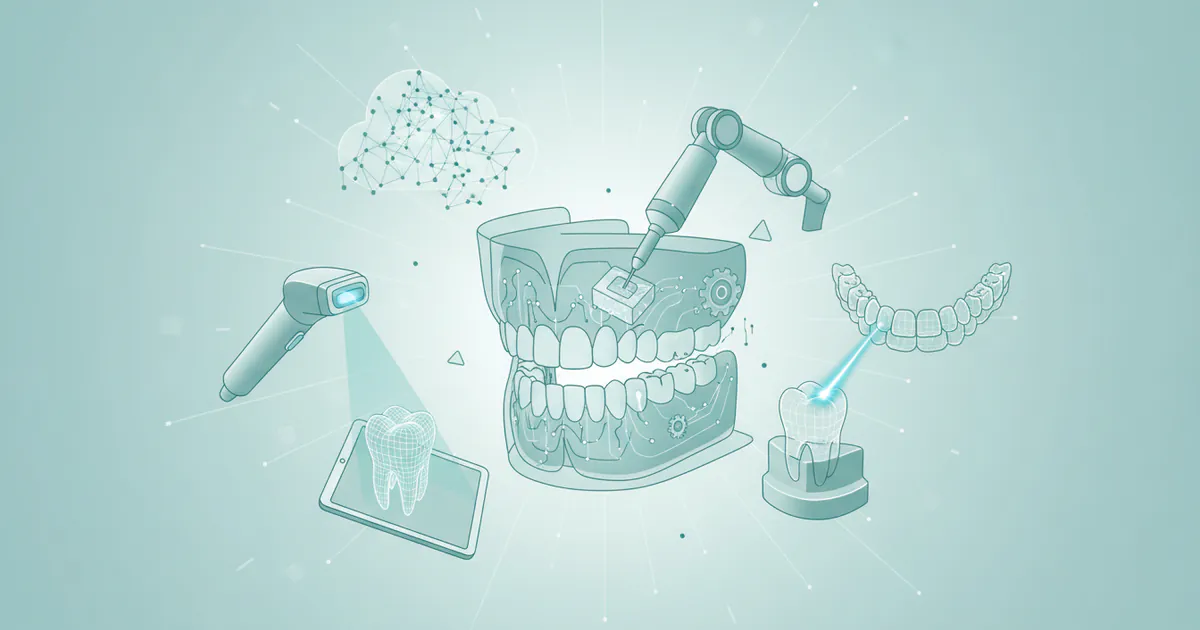
The landscape of dental care has transformed dramatically over the last few decades, moving from traditional impressions and manual fabrication to a world driven by digital precision. Did you know that the global dental CAD/CAM market alone is projected to reach over $2.2 billion by 2029? This incredible growth underscores the profound impact of modern dental technology on everything from routine check-ups to complex restorative procedures. For anyone seeking dental care today, understanding these advancements is crucial, not just for curiosity but for making informed decisions about your oral health. From the marvel of 3d printed teeth to the ubiquitous efficiency of cad cam technology, dental innovations are enhancing diagnostic accuracy, streamlining treatment processes, and ultimately delivering superior patient outcomes. This comprehensive guide will take you on a journey through the cutting-edge tools and techniques shaping contemporary dentistry, exploring everything from advanced imaging to the creation of your next perfect smile using sophisticated cad cam systems. We'll delve into the specifics of various technologies, their practical applications, what to expect during treatment, and the financial considerations involved, ensuring you're fully equipped with the knowledge to navigate the modern dental world.
Key Takeaways:
- Digital Transformation: Modern dental technology, including CAD/CAM and 3D printing, has revolutionized diagnostics, treatment planning, and restorative dentistry, offering superior precision and efficiency.
- CAD/CAM Systems: Computer-aided design and computer-aided manufacturing technology allows for same-day crowns, veneers, and bridges, significantly reducing treatment time. A single CAD/CAM crown can cost anywhere from $800 to $2,500, depending on material and location, often covered partially by insurance.
- 3D Printing: This technology is rapidly expanding beyond models to direct fabrication of dental restorations like surgical guides, aligners, and even 3d printed teeth (prosthetic devices) using advanced biocompatible resins and ceramics. Costs for 3D printed guides can range from $150 to $500, while complex prosthetic teeth can align with traditional crown costs.
- Advanced Diagnostics: Technologies like digital X-rays and Cone Beam Computed Tomography (CBCT) reduce radiation exposure and provide highly detailed 3D images for more accurate diagnosis and treatment planning. A CBCT scan typically costs $300-$600.
- Patient Benefits: Modern technology leads to faster treatment times, reduced discomfort, fewer appointments, improved aesthetics, and longer-lasting restorations.
- Insurance & Cost: While technology-driven treatments can sometimes have higher initial costs, their long-term benefits and efficiency can offset this. Many procedures are covered under standard dental insurance, but specific details should be confirmed with your provider.
- Prevention & Early Detection: Digital tools enhance preventive care by identifying issues earlier, often before they become major problems, aligning with ADA recommendations for proactive oral health.
What is Dental Technology? An Overview
Dental technology refers to the sophisticated tools, equipment, software, and materials employed in modern dentistry to diagnose, treat, and prevent oral health issues. It encompasses a vast array of innovations designed to enhance the precision, efficiency, comfort, and outcomes of dental procedures. From the moment you sit in the dental chair, technology is at play, from the digital sensors used for X-rays to the advanced lasers that can reshape gum tissue with minimal discomfort. At its core, modern dental technology aims to move dentistry beyond traditional, often time-consuming, and less precise manual methods, towards a streamlined, digitally-driven workflow that benefits both the patient and the practitioner. This paradigm shift has made dental care more predictable, less invasive, and often more aesthetically pleasing.
The Evolution of Dental Care: From Manual to Digital
Historically, dentistry relied heavily on skilled hands, plaster models, and mechanical instruments. Creating a crown, for instance, involved multiple appointments: taking gooey impressions, sending them to an off-site lab, fitting a temporary crown, and then returning weeks later for the final placement. The entire process was prone to human error, potential material inaccuracies, and significant waiting times.
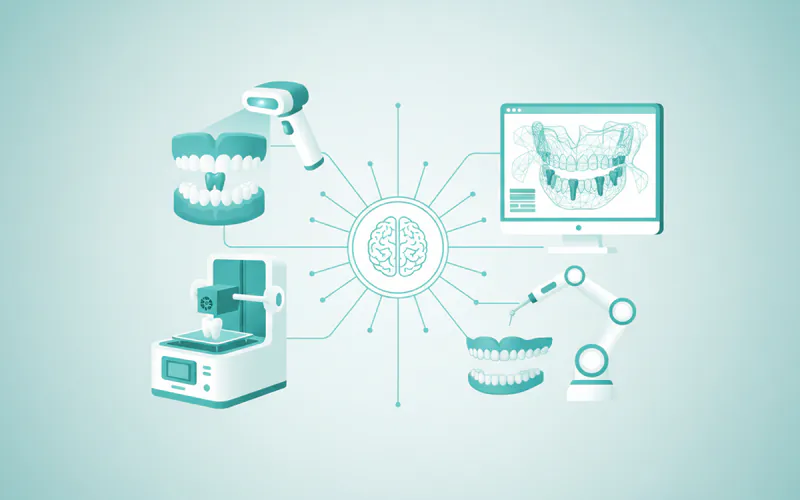
Today, this landscape has been revolutionized by digital dentistry. Intraoral scanners capture highly accurate 3D images of your mouth in minutes, eliminating uncomfortable impressions. Software designs restorations with millimeter precision, and robotic milling machines or 3D printers fabricate them, often while you wait. This digital transformation has not only expedited treatments but also significantly improved the quality and fit of dental prosthetics, ensuring a more natural and durable result. This shift represents a commitment within the dental community to leverage innovation for better patient experiences and superior clinical results, adhering to the highest standards set by organizations like the American Dental Association (ADA).
Why Modern Dental Technology is Essential
Modern dental technology isn't just a luxury; it's a fundamental component of providing high-quality, patient-centered dental care. Its necessity stems from several key benefits it offers over traditional methods:
Enhanced Precision and Accuracy
Digital tools, such as intraoral scanners and CAD/CAM software, eliminate the variables inherent in manual processes like impression taking and wax modeling. This results in restorations that fit more accurately, reducing the need for adjustments and improving longevity. For complex procedures like implant placement, Cone Beam Computed Tomography (CBCT) provides 3D images that allow dentists to precisely plan the implant's position, avoiding critical anatomical structures and ensuring optimal integration.
Increased Efficiency and Reduced Treatment Time
Many procedures that once required multiple appointments spaced weeks apart can now be completed in a single visit thanks to technologies like cad cam technology. This not only saves patients time but also reduces the inconvenience of temporary restorations and repeated anesthesia. For instance, same-day crowns are a prime example of how efficiency has been drastically improved.
Improved Patient Comfort
No one enjoys gooey impressions or lengthy procedures. Digital scanning is far more comfortable, eliminating gagging reflexes and mess. Lasers can perform many procedures with less bleeding, swelling, and post-operative pain compared to traditional scalpels and drills. Advanced anesthesia delivery systems also make injections more comfortable.
Superior Diagnostic Capabilities
Digital X-rays provide clearer images with significantly less radiation exposure (up to 90% less) than traditional film X-rays. CBCT scans offer 3D views of bone structure, nerves, and soft tissues, which are invaluable for complex diagnostics and treatment planning, especially in orthodontics, endodontics, and oral surgery. Artificial intelligence (AI) is also beginning to assist in analyzing these images, identifying subtle issues that might be missed by the human eye.
Better Aesthetics and Predictable Outcomes
With digital design software, dentists can precisely plan the shape, size, and color of restorations to achieve a natural, harmonious look. 3d printed teeth and CAD/CAM milled restorations boast exceptional fit and aesthetics, often indistinguishable from natural teeth. This predictability in cosmetic outcomes empowers patients with greater confidence in their smiles.
Enhanced Patient Education and Engagement
Digital imaging and intraoral cameras allow patients to see what the dentist sees, fostering a deeper understanding of their oral health status. Treatment planning software can visually demonstrate proposed procedures, helping patients make informed decisions and feel more involved in their care.
Core Pillars of Modern Dental Technology
The advancements in dental technology are broad, but several key areas stand out for their transformative impact.
1. Advanced Diagnostic Imaging
Accurate diagnosis is the cornerstone of effective dental treatment, and modern technology provides unprecedented clarity.
Digital Radiography
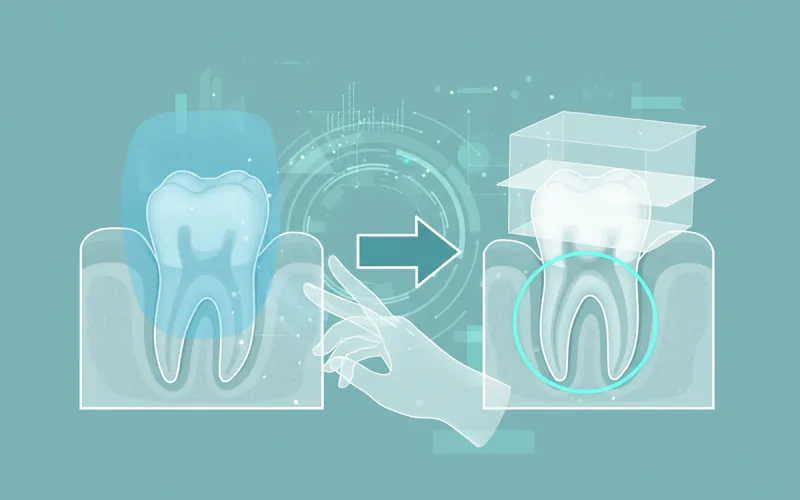
- What it is: Instead of traditional film, digital radiography uses electronic sensors to capture X-ray images, which are then displayed on a computer screen.
- Benefits: Up to 90% less radiation exposure compared to film X-rays, instant image viewing, enhanced image quality (zooming, contrast adjustment), easy sharing with specialists, and environmental friendliness (no chemical processing).
- Cost: Included in routine check-ups, or $25-$200 per individual X-ray series (e.g., bitewings, periapicals).
Cone Beam Computed Tomography (CBCT)
- What it is: A specialized X-ray unit that rotates around the patient's head, acquiring hundreds of images that a computer then reconstructs into a detailed 3D volume of the mouth, jaw, and facial structures.
- Applications: Crucial for dental implant planning, orthodontic assessments, diagnosing temporomandibular joint (TMJ) disorders, detecting root canal issues, assessing impacted teeth, and surgical planning.
- Benefits: Provides comprehensive anatomical information not visible on 2D X-rays, high diagnostic accuracy, lower radiation than medical CT scans.
- Cost: Typically $300-$600, often covered by insurance for specific diagnostic needs.
Intraoral Cameras
- What it is: A tiny camera, often no bigger than a pen, used to capture high-resolution images of individual teeth and gums, displaying them instantly on a monitor.
- Benefits: Excellent for patient education, allowing you to see cavities, cracks, or gum inflammation firsthand. Helps dentists document findings and monitor changes over time.
- Cost: Generally included as part of a dental exam.
Transillumination Devices
- What it is: Uses focused light to detect cracks, fractures, or carious lesions that might not be visible on X-rays or to the naked eye. Light passes through the tooth differently where there's a defect.
- Benefits: Non-invasive, radiation-free early detection.
- Cost: Included as part of a comprehensive exam if used.
2. CAD/CAM Technology: Precision in Prosthetics
CAD/CAM technology, an acronym for Computer-Aided Design/Computer-Aided Manufacturing, is arguably one of the most significant advancements in restorative dentistry. It empowers dentists to design and fabricate dental restorations with unparalleled precision and efficiency.
What CAD/CAM Is
It's an integrated system that typically involves:
- Digital Impressioning: An intraoral scanner captures thousands of images of your teeth and gums in minutes, creating a highly accurate 3D digital model. This eliminates the need for messy, uncomfortable traditional impressions.
- Computer-Aided Design (CAD): Specialized software uses the digital model to design the restoration (e.g., a crown, bridge, or veneer) precisely. The dentist can customize shape, size, and bite alignment, ensuring an optimal fit and aesthetic.
- Computer-Aided Manufacturing (CAM): Once the design is finalized, the software sends the instructions to a robotic milling machine or 3D printer. This machine then carves the restoration from a solid block of high-quality ceramic, resin, or zirconia.
Applications of CAD/CAM Systems
- Same-Day Crowns, Inlays, Onlays, and Veneers: The most common application, allowing patients to receive their permanent restoration in a single visit, avoiding temporary crowns and return appointments.
- Bridges: Multi-tooth restorations can be designed and milled for accurate fit.
- Implant Abutments and Restorations: Custom abutments and crowns for dental implants are precisely fabricated, optimizing fit and aesthetics.
- Dentures: Both full and partial dentures can be designed and milled or 3D printed for enhanced comfort and fit.
- Orthodontic Appliances: Clear aligners and retainers can be planned and fabricated using CAD/CAM processes.
Benefits of CAD/CAM
- Single-Visit Dentistry: Saves time and discomfort.
- Superior Accuracy: Eliminates human error in fabrication, leading to better fit and reduced adjustments.
- Enhanced Aesthetics: High-quality ceramic materials can be color-matched to natural teeth for seamless integration.
- Durability: Restorations are milled from strong, homogeneous blocks of material, minimizing flaws.
- Patient Comfort: No messy impressions.
Step-by-Step Process for a CAD/CAM Crown
- Preparation: The dentist prepares the tooth by removing decay and shaping it to accommodate the crown, similar to a traditional crown preparation.
- Digital Impression: An intraoral scanner is used to capture precise 3D images of the prepared tooth and surrounding teeth. This data is immediately uploaded to the CAD software.
- Design: The dentist uses the CAD software to design the crown. They can rotate the 3D model, adjust margins, ensure proper bite alignment, and select the appropriate shade.
- Milling: Once the design is finalized, a solid block of ceramic (e.g., EMAX, zirconia) that matches your tooth shade is placed into the in-office milling machine. The machine precisely carves the crown according to the digital design, typically taking 10-20 minutes.
- Finishing: The milled crown is polished and may be glazed or characterized in a small oven to achieve a natural, lifelike appearance and strengthen the material.
- Bonding: The dentist checks the fit and bite, and then permanently bonds the new crown to your tooth.
``
Pro Tip: Always ask your dentist if they offer same-day CAD/CAM restorations, especially if you have a busy schedule or anxiety about multiple appointments.
3. 3D Printing in Dentistry
While cad cam technology often refers to subtractive manufacturing (milling), 3D printing is additive manufacturing, building objects layer by layer. This technology is rapidly expanding beyond models to direct fabrication of dental restorations, offering incredible versatility.
What 3D Printing Is
3D printing uses digital designs (often created with CAD software) to create physical objects by layering material. In dentistry, this typically involves biocompatible resins or powders.
Types of Dental 3D Printing
- SLA (Stereolithography) & DLP (Digital Light Processing): These are the most common in dentistry. They use a light source (laser or projector) to cure liquid resin layer by layer, solidifying it into the desired shape.
- Binder Jetting/Material Jetting: Sprays a liquid binder onto layers of powder or jets photopolymer droplets to build objects.
- SLM (Selective Laser Melting) & EBM (Electron Beam Melting): Used for printing metal objects directly, such as frameworks for bridges or partial dentures.
Applications of 3D Printing
- Surgical Guides: Highly accurate guides for dental implant placement, ensuring precise positioning.
- Clear Aligner Models: Printing models that are then used to thermoform clear aligners (like Invisalign).
- Orthodontic Retainers: Custom-fit retainers.
- Temporary Crowns and Bridges: Quick, chairside fabrication of provisional restorations.
- Nightguards and Splints: Custom appliances for bruxism or TMJ.
- Dentures: Printing full and partial denture bases and even 3d printed teeth (denture teeth or temporary crowns/bridges).
- Bioprinting (Emerging): Research into printing living tissues for regenerative dentistry.
Focus on 3D Printed Teeth
While direct fabrication of permanent, full-strength ceramic 3d printed teeth for crowns/bridges is still an evolving area (milling remains dominant for strength), 3D printing is excellent for:
- Temporary Restorations: Fast and cost-effective production of temporary crowns and bridges.
- Denture Teeth: Printing the entire denture, including the individual teeth, in a single process.
- Wax-ups/Models: Creating highly accurate diagnostic wax-ups or models for patient education and treatment planning.
- Future Potential: As materials improve, directly 3D printing permanent ceramic restorations will become more widespread, offering even greater customization and efficiency.
Benefits of 3D Printing
- Complex Geometries: Can create intricate internal structures not possible with milling.
- Speed & Cost-Effectiveness: Faster and often more affordable for producing multiple items (e.g., aligner models, surgical guides).
- Customization: Highly personalized appliances and restorations.
- Material Versatility: Growing range of biocompatible resins and other materials.
``
4. Laser Dentistry
Dental lasers use a concentrated beam of light to perform a variety of dental procedures, often with less pain, bleeding, and faster healing than traditional methods.
Types and Applications
- Soft Tissue Lasers: Used for gum reshaping (gingivectomy), treating gum disease, removing oral lesions, frenectomies, and whitening teeth. They offer precise cutting, cauterization (reducing bleeding), and sterilization.
- Hard Tissue Lasers: Can prepare teeth for fillings, remove old fillings, and even treat tooth sensitivity. They often reduce or eliminate the need for anesthesia and drilling sounds.
Benefits
- Reduced Pain and Discomfort: Often eliminates the need for anesthesia or reduces its dosage.
- Minimal Bleeding and Swelling: Lasers cauterize as they cut.
- Faster Healing: Promotes quicker tissue regeneration.
- Reduced Risk of Infection: Sterilizes the treatment area.
- Precision: Highly accurate for specific tissue removal.
5. Teledentistry
Teledentistry leverages telecommunications technology to provide dental care remotely.
Applications
- Virtual Consultations: Patients can connect with dentists for initial assessments, second opinions, or follow-up appointments from home.
- Remote Monitoring: Orthodontists can monitor aligner progress through submitted photos/videos.
- Emergency Triage: Determining if an in-person visit is immediately necessary for dental emergencies.
- Patient Education: Delivering oral health information and advice remotely.
Benefits
- Increased Access to Care: Especially beneficial for rural areas or those with mobility issues.
- Convenience: Saves time and travel.
- Reduced Exposure: Minimizes in-office visits, helpful in public health crises.
6. Artificial Intelligence (AI) in Dentistry
AI is an emerging force, utilizing algorithms to analyze vast amounts of data and assist dentists.
Applications
- Diagnostic Aid: AI can analyze X-rays and scans to detect subtle signs of decay, gum disease, or other pathologies, often identifying issues earlier than the human eye.
- Treatment Planning: Optimizing orthodontic treatment plans or implant placement based on predictive analytics.
- Practice Management: Automating scheduling, billing, and patient communication.
- Predictive Analytics: Identifying patients at higher risk for certain conditions.
Benefits
- Enhanced Accuracy: Augments human diagnostic capabilities.
- Early Detection: Helps catch problems when they are easier and less costly to treat.
- Efficiency: Streamlines workflows.
Cost and Insurance for Dental Technology Procedures
The cost of dental procedures utilizing advanced technology can vary significantly based on the specific technology used, the complexity of the case, the materials chosen, and your geographic location within the US. While technology-driven solutions may sometimes have a higher upfront cost than traditional methods, their long-term benefits in terms of durability, comfort, and reduced chair time often make them a valuable investment.
General US Price Ranges (Without Insurance)
| Technology/Procedure | Low End (USD) | Mid Range (USD) | High End (USD) | Notes |
|---|---|---|---|---|
| Digital X-ray (full mouth series) | $100 | $150 | $250 | Periapical/Bitewing: $25-$75 each |
| CBCT Scan | $300 | $450 | $600 | Often requires justification for insurance coverage. |
| Intraoral Scan (for records) | $50 | $100 | $200 | Often included in treatment cost. |
| CAD/CAM Crown (Same-day) | $800 | $1,500 | $2,500+ | Material (porcelain, zirconia) and complexity impact cost. |
| CAD/CAM Veneer | $900 | $1,800 | $3,000+ | Per tooth. |
| 3D Printed Surgical Guide | $150 | $300 | $500 | Per guide, crucial for precise implant placement. |
| 3D Printed Temporary Crown | $150 | $300 | $400 | Less expensive than milled temporaries. |
| Laser Gum Contouring (Gingivectomy) | $200 | $500 | $1,000+ | Per quadrant or tooth. |
| Laser Cavity Prep | $150 | $350 | $500 | May or may not require filling, in addition to laser cost. |
Note: These are general estimates and can fluctuate widely based on factors like dentist's experience, urban vs. rural location, and specific clinic overhead.
Insurance Coverage Details
Most standard dental insurance plans will cover a portion of procedures that utilize dental technology, especially if they are deemed medically necessary restorative treatments.
- Diagnostic Imaging: Digital X-rays are almost always covered under preventive care, usually at 80-100%. CBCT scans may be covered at a lower percentage (e.g., 50-80%) if there's a clear diagnostic need (e.g., implant planning, complex root canal). You may need prior authorization from your insurance for CBCT.
- CAD/CAM Restorations: A cad cam crown is typically covered under the same benefit category as a traditional crown (often 50-80% after deductible), as it serves the same restorative purpose. The fact that it's made with technology usually doesn't affect coverage, but rather the type of restoration. However, if a procedure is considered purely cosmetic (like veneers), insurance generally won't cover it.
- 3D Printed Appliances: Surgical guides for implants are often covered as part of the overall implant procedure. Clear aligners (often designed/planned using 3D tech) may be covered under orthodontic benefits.
- Laser Dentistry: Coverage varies. Procedures like laser gum treatment for periodontal disease may be covered, while purely cosmetic laser gum contouring might not be.
Pro Tip: Always contact your dental insurance provider directly or ask your dental office to submit a pre-treatment estimate (predetermination of benefits) before undergoing any major procedure. This will clarify your exact out-of-pocket costs.
Recovery and Aftercare
Recovery and aftercare instructions following procedures involving advanced dental technology are generally similar to those for traditional methods, but with some specific nuances. The primary goal is to ensure the longevity of the restoration or the success of the treatment.
After a CAD/CAM Crown or Veneer
- Immediate: You may experience temporary sensitivity to hot or cold for a few days, especially if deep decay was present. The bite might feel slightly different initially; it's crucial to inform your dentist if your bite feels off after a day or two, as adjustments can be made.
- Eating: Avoid sticky or very hard foods immediately after placement. Once the cement has fully cured (usually within an hour or two), you can typically eat normally.
- Oral Hygiene: Treat your new crown or veneer like a natural tooth. Brush twice daily, floss daily, and use mouthwash as recommended by your dentist. Regular check-ups are essential to monitor the restoration and surrounding gum health.
- Longevity: With proper care, CAD/CAM crowns and veneers can last 10-15 years or more, often exceeding the lifespan of traditional restorations due to their precise fit and strong materials.
After Laser Gum Treatment
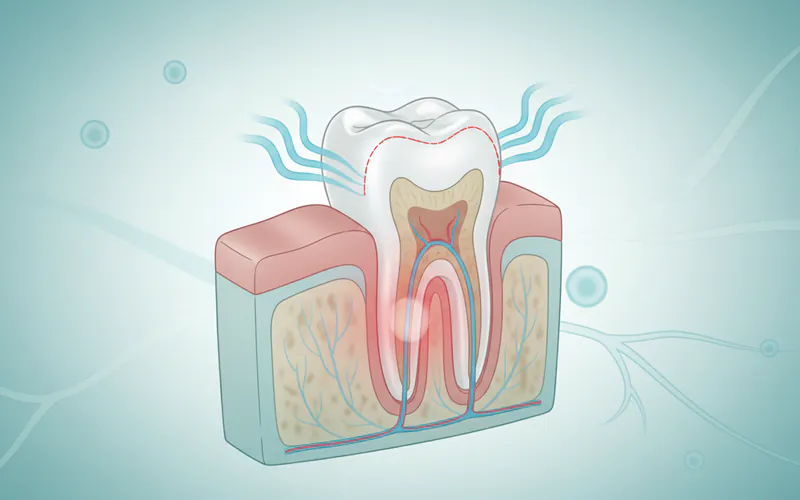
- Immediate: You may notice some tenderness, swelling, or minor bleeding. This is usually significantly less than with traditional surgery.
- Eating: Stick to soft foods for the first few days. Avoid spicy, acidic, or crunchy foods that could irritate the healing gums.
- Oral Hygiene: Your dentist will provide specific instructions, which might include gentle brushing around the treated area, rinsing with a prescribed mouthwash, or warm salt water. Avoid vigorous rinsing initially.
- Healing: Gums typically heal much faster after laser treatment. Follow-up appointments are crucial to monitor progress and ensure proper healing.
After Procedures Using 3D Printed Guides (e.g., Implant Surgery)
- Immediate: Follow all post-operative instructions for dental implant surgery, which will include pain management, swelling reduction, and dietary restrictions. The guide itself is not left in the mouth.
- Oral Hygiene: Be gentle around the surgical site. Your dentist will advise on brushing and rinsing.
- Healing: The precise placement allowed by 3D printed guides can sometimes lead to less invasive surgery and potentially smoother healing, but general implant recovery protocols apply.
Pro Tip: The ADA consistently emphasizes good oral hygiene as the most critical factor for the longevity of any dental work. This includes restorations made with advanced technology.
Prevention through Technology
Modern dental technology isn't just about fixing problems; it's increasingly playing a pivotal role in preventing them.
Early Disease Detection
- Digital X-rays & CBCT: Allow dentists to detect cavities, bone loss, and other issues at their earliest stages, often before they cause pain or become extensive. This enables minimally invasive interventions.
- Intraoral Cameras: Help identify subtle cracks, failing fillings, or early signs of gum inflammation, allowing for timely intervention.
- Caries Detection Aids: Devices that use specific light wavelengths to highlight carious lesions can detect decay in pits and fissures that might be missed by visual inspection or X-rays.
Personalized Risk Assessment
- AI-driven analysis: In the future, AI could analyze patient data (genetics, habits, oral microbiome) to provide highly personalized risk assessments for cavities, gum disease, or oral cancer, allowing for tailored preventive strategies.
Enhanced Oral Hygiene Tools
- Electric Toothbrushes with Sensors: Many modern electric toothbrushes feature pressure sensors and timers to ensure effective and safe brushing. Some even connect to apps that provide real-time feedback on brushing technique.
- Water Flossers: Offer an effective way to clean between teeth and below the gumline, especially beneficial for those with braces, implants, or gum disease.
By integrating these technologies into routine check-ups and daily hygiene, dentists can identify potential issues sooner and empower patients with better tools and knowledge to maintain optimal oral health.
Risks and Complications
While modern dental technology offers numerous advantages, it's important to be aware that no medical procedure is entirely without potential risks or complications. These are generally rare and can often be mitigated by choosing an experienced and reputable dental professional.
For CAD/CAM and 3D Printed Restorations
- Fit Issues: Though rare due to precision, a restoration might not fit perfectly, requiring adjustments or, in very rare cases, re-fabrication. This can happen if the initial scan was incomplete or the design had an error.
- Material Limitations: While strong, ceramic restorations can still chip or fracture under extreme bite forces, similar to natural teeth. 3d printed teeth (temporary or specific denture teeth) might not have the same long-term strength as milled restorations.
- Sensitivity: Post-operative sensitivity to temperature changes can occur after crown or veneer placement, especially if significant tooth structure was removed. It usually subsides within a few days to weeks.
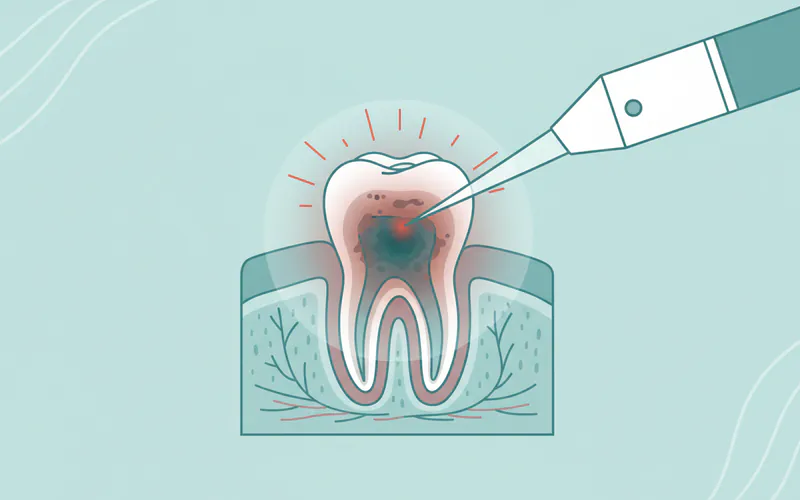
- Pulpitis/Nerve Damage: In rare instances, tooth preparation for a crown or veneer can irritate the nerve, potentially leading to the need for root canal therapy.
For Diagnostic Technologies (e.g., CBCT)
- Radiation Exposure: While significantly lower than medical CT scans, CBCT still involves radiation. Dentists are trained to use the ALARA principle (As Low As Reasonably Achievable) to minimize exposure, only performing scans when diagnostically necessary.
- Interpretation Error: Though AI aids in this, human error in interpreting complex 3D scans can occur, highlighting the need for experienced practitioners.
For Laser Dentistry
- Thermal Damage: Improper use of dental lasers can lead to thermal damage to surrounding tissues. This is why certified training and experience are crucial for dentists using lasers.
- Incomplete Treatment: For some conditions, a laser may not be as effective as traditional surgical methods, requiring subsequent conventional treatment.
General Considerations
- Cost: As discussed, advanced technology often comes with a higher price tag, which can be a barrier for some patients if not adequately covered by insurance.
- Learning Curve for Dentists: Like any new technology, there is a learning curve for dental professionals. Ensure your dentist and their team are well-trained and experienced with the technologies they use. The ADA encourages continuing education for dentists to stay abreast of technological advancements.
Children / Pediatric Considerations
Modern dental technology offers significant advantages for pediatric dentistry, making dental visits more comfortable, efficient, and less intimidating for young patients.
Digital X-rays
- Reduced Radiation: This is a major benefit for children, as their developing bodies are more sensitive to radiation. Digital X-rays reduce exposure significantly, making them safer for routine diagnostic imaging.
- Faster Imaging: Quick image acquisition means less time children need to sit still, reducing anxiety.
Intraoral Scanners
- No Messy Impressions: Children often struggle with traditional alginate impressions due to gagging reflexes and the unpleasant taste/texture. Intraoral scanners eliminate this, making orthodontic records or crown preparations much more tolerable.
- Engaging Visuals: Kids can often see their teeth on a screen, making the process more interactive and less scary.
Laser Dentistry
- "No Shot, No Drill" Fillings: For small cavities, hard tissue lasers can sometimes prepare the tooth without the need for a drill or local anesthesia, which is a huge relief for anxious children.
- Soft Tissue Procedures: Lasers are excellent for frenectomies (tongue-tie or lip-tie release) in infants and children, offering minimal bleeding, faster healing, and often less post-operative discomfort.
3D Printing for Orthodontics
- Clear Aligners: For older children and teenagers, 3D printed models are essential for creating clear aligners, which are often preferred over traditional braces due to aesthetics and comfort.
- Custom Appliances: 3D printing can create precise retainers, space maintainers, or other orthodontic appliances tailored to a child's unique anatomy.
Pro Tip: When choosing a pediatric dentist, inquire about the specific technologies they utilize to ensure a comfortable and efficient experience for your child.
Cost Breakdown (Recap and Expansion)
Understanding the financial aspect of dental technology is critical. Beyond the general ranges, let's look at how costs are determined and strategies for managing them.
Average US Costs (Recap)
- Digital X-rays: Basic series $25-$75, full mouth series $100-$250.
- CBCT Scan: $300-$600.
- CAD/CAM Crown: $800-$2,500. This is a common procedure, and the variance depends on factors like:
- Material: Zirconia is often more expensive than porcelain.
- Location: Major metropolitan areas often have higher costs.
- Dentist's Expertise: Specialists or highly experienced practitioners may charge more.
- 3D Printed Surgical Guide: $150-$500 (part of an implant procedure).
- Laser Treatment (minor): $200-$1,000+ depending on the area treated.
With vs. Without Insurance
- Without Insurance: You will be responsible for 100% of the listed costs. Many dentists offer a discount for cash payments or payment plans.
- With Insurance: As previously mentioned, most dental insurance plans cover restorative procedures at 50-80% after your deductible is met. Preventive care (like X-rays) is typically covered at 80-100%. Diagnostic technologies like CBCT may require a specific diagnostic code and prior authorization for coverage.
- Example: For a $1,500 CAD/CAM crown with a 50% coverage plan and a $50 annual deductible, if your deductible hasn't been met, you'd pay $50 deductible + $725 (50% of $1,450) = $775 out-of-pocket.
Payment Plans and Financing Options
Many dental practices understand the financial burden of advanced procedures and offer solutions:
- In-Office Payment Plans: Some practices allow you to pay for treatment in installments directly to them.
- Third-Party Financing: Companies like CareCredit or LendingClub offer specialized healthcare credit cards or loans with various interest rates and payment terms, including 0% APR for a promotional period.
- Dental Savings Plans: These are not insurance but membership programs where you pay an annual fee and get discounted rates on services from participating dentists. Discounts can range from 10-60%.
Cost-Saving Tips
- Preventive Care: Regular check-ups and cleanings (often 100% covered by insurance) are the best way to prevent costly problems that might require advanced technology.
- Get a Treatment Plan: Always ask for a detailed treatment plan that outlines all recommended procedures, their costs, and estimated insurance coverage.
- Shop Around: Prices can vary. Call different dental offices in your area for quotes, but don't base your decision solely on cost; consider the dentist's experience and reputation.
- Utilize FSAs/HSAs: If you have a Flexible Spending Account (FSA) or Health Savings Account (HSA), you can use pre-tax dollars to pay for dental expenses, effectively saving money.
- Ask About Discounts: Many dentists offer discounts for upfront payment in full or for new patients.
Frequently Asked Questions
### What is the main advantage of CAD/CAM technology?
The primary advantage of cad cam technology is its ability to produce highly accurate, durable, and aesthetically pleasing dental restorations like crowns and veneers in a single dental visit. This significantly reduces the total treatment time, eliminates the need for temporary restorations, and enhances patient comfort by avoiding traditional messy impressions.
### Are 3D printed teeth as strong as traditional crowns?
While materials for 3d printed teeth are rapidly advancing, current 3D printed permanent crowns for heavy biting forces are generally not as strong as milled ceramic or zirconia crowns. 3D printing is excellent for temporary crowns, denture teeth, and other applications where the material strength is sufficient, but milled restorations often offer superior long-term durability for high-stress areas.
### Is dental technology expensive for the patient?
While the equipment for dental technology represents a significant investment for dental practices, the cost to the patient is often comparable to or slightly higher than traditional methods. However, the benefits of precision, speed, and long-term durability can offset initial costs. Many technology-driven procedures are covered by dental insurance, similar to their traditional counterparts.
### Does modern dental technology hurt more than traditional methods?
Generally, modern dental technology aims to reduce discomfort. Digital impressions are more comfortable than physical ones. Lasers often minimize the need for anesthesia and reduce post-operative pain and swelling. The increased precision of procedures also leads to better outcomes and less chance of complications that might cause pain.
### How long do CAD/CAM crowns last?
With proper oral hygiene and regular dental check-ups, CAD/CAM crowns made from high-quality ceramic or zirconia materials can typically last 10-15 years or even longer. Their precise fit, achieved through cad cam systems, often contributes to their excellent longevity and reduces the risk of recurrent decay.
### Can I get a full set of 3D printed teeth (dentures)?
Yes, 3d printed teeth and full dentures are becoming increasingly common. Dentists can now digitally design and 3D print both the denture base and the individual teeth for a full arch, offering a highly customized, accurate, and often more comfortable fit than traditionally fabricated dentures.
### What is an intraoral scanner and why is it used?
An intraoral scanner is a handheld device that captures highly accurate 3D images of your teeth and gums in real-time, displaying them on a computer screen. It is used to create digital impressions for restorations, orthodontic treatment planning, and diagnostic records, eliminating the need for traditional, messy, and uncomfortable impression materials.
### Is teledentistry secure for my privacy?
Reputable teledentistry platforms and providers adhere to strict patient privacy regulations, including HIPAA (Health Insurance Portability and Accountability Act) in the US. This ensures that your personal health information shared during virtual consultations is encrypted and protected. Always confirm your provider's privacy policies.
### What is AI's role in dentistry?
Artificial Intelligence in dentistry primarily aids in diagnostics, treatment planning, and practice management. AI algorithms can analyze X-rays and scans to detect subtle issues like early decay or gum disease, assist in optimizing orthodontic treatment plans, and streamline administrative tasks, ultimately enhancing the efficiency and accuracy of dental care.
### Do all dentists use these advanced technologies?
While the adoption of advanced dental technology, especially cad cam systems and digital X-rays, is widespread, not all dental practices have invested in every available technology. Many factors, including practice size, specialty, and patient demographic, influence a dentist's technology choices. If specific technology is important to you, it's wise to inquire when choosing a dental provider.
When to See a Dentist
Understanding the benefits of modern dental technology can empower you, but knowing when to seek professional dental care remains paramount. Early intervention, often aided by technology, is key to preventing minor issues from escalating.
Schedule a routine dental check-up and cleaning:
- Every six months: This is the general recommendation from the ADA for most adults and children. Routine visits allow your dentist to use digital X-rays and intraoral cameras for early detection of cavities, gum disease, and other potential problems before they become painful or require extensive treatment.
- For preventive care: Even if you feel no pain, regular check-ups are crucial for maintaining oral health and catching issues that technology can quickly identify.
See a dentist if you experience any of these warning signs (red flags):
- Persistent Toothache: Any pain that doesn't go away, especially if it's sharp, throbbing, or worsens with pressure or temperature changes, could indicate a cavity, infection, or cracked tooth.
- Swelling in Gums or Face: This could be a sign of a serious infection (abscess) that requires immediate attention.
- Bleeding Gums (especially when brushing/flossing): While occasional bleeding can happen, persistent bleeding is a primary sign of gum disease (gingivitis or periodontitis).
- Sensitivity to Hot or Cold: Lingering sensitivity might indicate a cavity, exposed root, or a cracked tooth.
- Pain When Chewing or Biting: Could point to a cracked tooth, loose filling, or bite issues.
- Bad Breath (Halitosis) that Won't Go Away: Often a symptom of underlying gum disease or tooth decay.
- Loose or Shifting Teeth: A critical sign of advanced gum disease or trauma.
- Any Visual Changes: Such as new spots, lesions, or changes in color on your gums, tongue, or inside your mouth, which could indicate oral cancer or other issues.
Emergency vs. Scheduled Appointment:
- Emergency: Severe pain, swelling, uncontrolled bleeding, knocked-out tooth, or significant trauma to the mouth should prompt immediate contact with your dentist for an emergency appointment. Modern technology (like CBCT for assessing trauma) can be vital in these situations.
- Scheduled Appointment: For less urgent concerns like persistent sensitivity, a chipped tooth without severe pain, or questions about cosmetic improvements (e.g., getting a cad cam crown or clear aligners), a regular scheduled appointment is appropriate.
Don't hesitate to reach out to your dental professional. They are equipped with the knowledge and advanced dental technology to diagnose and treat a wide range of oral health issues, ensuring you maintain a healthy, beautiful smile for years to come.
Frequently Asked Questions
Medically Reviewed Content
This article was written by our dental health editorial team and reviewed for medical accuracy. Our content follows strict editorial guidelines for reliability and trustworthiness.
Medical Disclaimer
This article is for informational purposes only and does not constitute medical advice. Always consult with a qualified dental professional for diagnosis and treatment. Do not delay seeking professional advice because of something you read on this website.