How Much Do Partial Dentures Cost Without Insurance
Key Takeaways
- Navigating the world of dental care can be overwhelming, especially when faced with tooth loss and the significant costs often associated with restorative treatments. For many Americans, particularly those without dental insurance, the question of "how much do partial dentures cost without insurance
Navigating the world of dental care can be overwhelming, especially when faced with tooth loss and the significant costs often associated with restorative treatments. For many Americans, particularly those without dental insurance, the question of "how much do partial dentures cost without insurance" becomes a critical concern. Losing even a single tooth can profoundly impact your oral health, ability to chew, speech, and self-confidence. In fact, studies show that by age 50, the average American has lost 12 permanent teeth (including wisdom teeth), highlighting the widespread need for solutions like partial dentures.
Partial dentures offer a highly effective and often more affordable solution for replacing one or several missing teeth, preventing remaining teeth from shifting, and restoring both function and aesthetics to your smile. However, without the financial buffer of dental insurance, understanding the true cost and all contributing factors is essential for proper planning and informed decision-making. This comprehensive guide from SmilePedia.net will demystify the expenses involved, explore different types of partial dentures, delve into the treatment process, and provide actionable tips for managing costs when you're paying out-of-pocket. We'll cover everything from the initial consultation to long-term aftercare, ensuring you have all the information needed to make the best choice for your oral health and budget.
Key Takeaways:
- Cost Range: The cost of partial dentures without insurance typically ranges from $300 to $5,000 per arch, depending on the type of material, complexity, and number of teeth replaced.
- Common Types & Costs:
- Acrylic (Flipper): $300 - $800 (temporary, less durable).
- Flexible (Valplast): $800 - $2,000 (more comfortable, aesthetic).
- Cast Metal Framework: $1,000 - $3,000 (most durable, best fit).
- Additional Costs: Initial exams, X-rays (up to $250), extractions (up to $400 per tooth), and adjustments are usually separate expenses.
- Treatment Timeline: The process typically involves 3-5 appointments over 2-6 weeks, with follow-up adjustments needed.
- Payment Options: Without insurance, consider dental school clinics, community dental programs, payment plans (CareCredit), and negotiating with your dentist.
- Durability: With proper care, partial dentures can last 5-10 years, though regular relines or replacements may be necessary.
- Beware of DIY: Over-the-counter or "bikenda dentures" (referring to unprofessionally made kits) are not medically safe or effective long-term solutions and can cause significant harm.
What Are Partial Dentures? An Overview
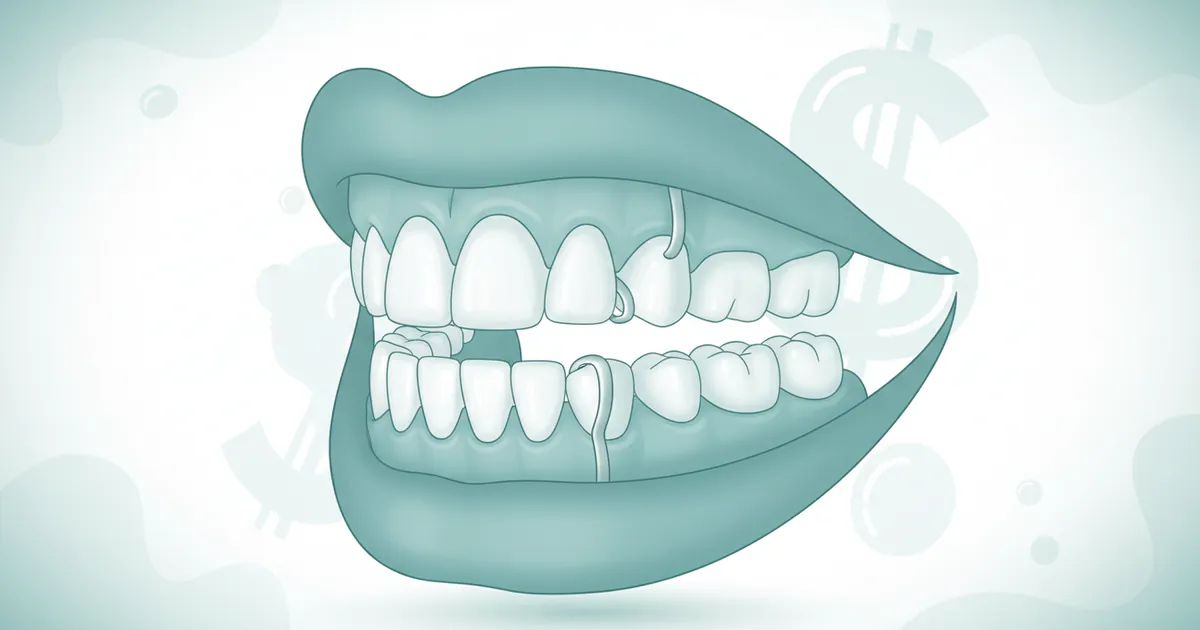
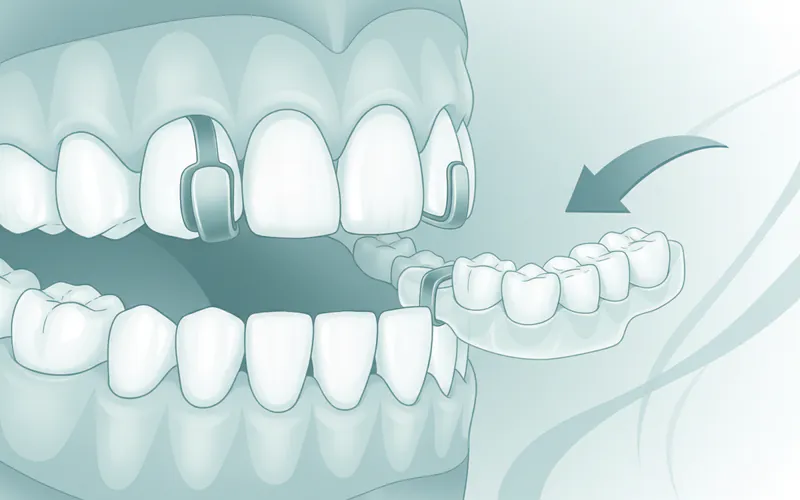
A partial denture is a removable dental appliance that replaces one or more missing teeth while retaining existing natural teeth. It consists of artificial teeth attached to a gum-colored base, often connected by a metal or flexible framework, which is held in place by clasps or precision attachments that grip onto your natural teeth.
The primary purpose of a partial denture is multifaceted:
- Restore Function: They enable you to chew food more effectively, preventing digestive issues and allowing for a more varied diet.
- Improve Aesthetics: By filling in gaps, partial dentures restore the natural appearance of your smile, boosting confidence.
- Maintain Oral Health: They prevent remaining natural teeth from shifting into the empty spaces, which can lead to misalignment, bite problems, and further tooth loss.
- Support Facial Structure: Missing teeth can lead to a sunken appearance. Partial dentures help maintain the structure of your face.
- Aid Speech: Gaps in teeth can affect articulation. Partial dentures help restore clear speech.
Partial dentures are custom-made for each patient, ensuring a comfortable fit and a natural look. They are an excellent solution when some healthy natural teeth remain, unlike complete dentures which replace all teeth in an arch.
Types of Partial Dentures and Their Variations
The material and design of a partial denture significantly influence its cost, comfort, durability, and aesthetics. Understanding the different types is crucial for making an informed decision, especially when considering how much do partial dentures cost without insurance.
1. Cast Metal Partial Dentures (Removable Partial Denture - RPD)
These are often considered the gold standard for long-term removable partial dentures due to their strength, durability, and precise fit.
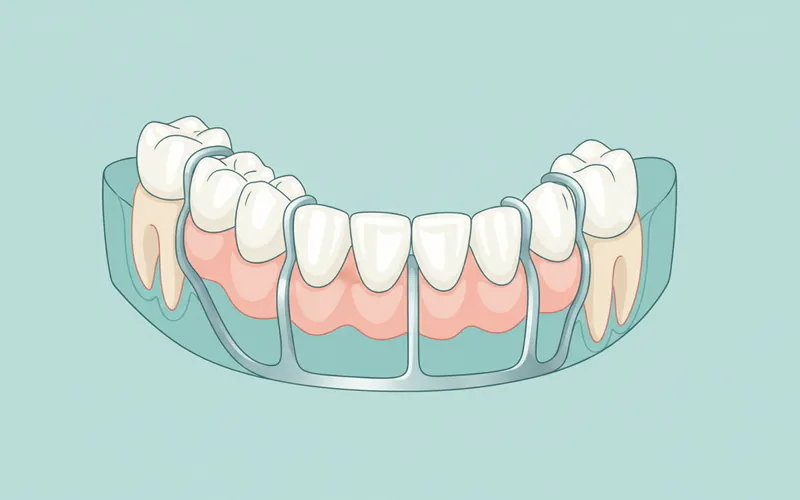
- Composition: They feature a cast metal framework (usually chrome cobalt alloy, sometimes titanium or gold for specific cases) onto which acrylic bases and artificial teeth are attached.
- Pros:
- Exceptional Durability: Highly resistant to breakage and bending.
- Excellent Fit: The metal framework is very thin yet strong, providing a less bulky feel and better oral hygiene access compared to acrylic.
- Longevity: Can last 5-10 years or more with proper care.
- Comfort: A good fit often means better comfort and stability.
- Cons:
- Aesthetics: Metal clasps can sometimes be visible, especially on front teeth, though newer designs aim to minimize this.
- Cost: Generally the most expensive type of removable partial denture.
- Weight: Can feel slightly heavier initially for some patients.
2. Flexible Partial Dentures (e.g., Valplast, Ultaire AKP)
These dentures are made from a type of thermoplastic material, typically nylon resin, which is flexible and can be a good option for certain patients.
- Composition: Made entirely of a flexible, gum-colored material, eliminating the need for metal clasps.
- Pros:
- Superior Aesthetics: The clasps are gum-colored and blend in seamlessly, making them virtually invisible.
- Comfort: The flexible material can adapt well to the contours of the mouth, often feeling less rigid than metal.
- Lightweight: Generally lighter than cast metal dentures.
- Metal-Free: An excellent option for patients with metal allergies.
- Cons:
- Durability: Can be less rigid than cast metal, potentially making them less suitable for extensive chewing forces or large gaps.
- Repairability: Difficult to reline or repair if they crack or break.
- Cost: Often falls in the mid-to-high range.
- Cleaning: Can sometimes be more challenging to clean thoroughly due to their porous nature.
3. Acrylic Partial Dentures (Flippers)
Acrylic partials are generally considered a temporary or transitional solution.
- Composition: A thicker, pink acrylic base with artificial teeth attached, held in place by small wire clasps.
- Pros:
- Most Affordable: Significant cost savings, especially for immediate needs.
- Quick Fabrication: Can often be made relatively quickly.
- Temporary Solution: Ideal for use while waiting for a more permanent solution (like implants or a cast metal partial) or immediately after tooth extraction.
- Cons:
- Bulky: The acrylic base is thicker than metal frameworks, which can feel bulky and interfere with speech.
- Less Durable: More prone to breakage and less stable in the mouth.
- Comfort: Can cause more gum irritation due to direct pressure on the gums.
- Aesthetics: Wire clasps can be noticeable.
4. Precision Attachment Partial Dentures
These are a more advanced and aesthetic variation of cast metal partials.
- Composition: Similar to cast metal partials but utilize internal clasps or interlocking mechanisms that fit into crowns placed on adjacent natural teeth, rather than visible external clasps.
- Pros:
- Excellent Aesthetics: No visible clasps.
- Superior Stability: Very stable and secure in the mouth.
- Reduced Stress on Natural Teeth: The attachments distribute chewing forces more evenly.
- Cons:
- High Cost: Significantly more expensive due to the need for crowns on abutment teeth and the precision laboratory work.
- Invasive: Requires preparing and crowning healthy adjacent teeth.
- Repairability: More complex to repair if damaged.
5. Implant-Supported Partial Dentures (A more "Permanent" Solution)
While traditional partial dentures are removable, modern dentistry offers more "permanent dentures" options that provide enhanced stability and function. When patients search for "permanent dentures cost," they often refer to solutions like dental implants supporting a partial denture or a fixed bridge.
- Composition: Several dental implants (small titanium posts surgically placed into the jawbone) are used to anchor a partial denture. The denture can be removable but snaps onto the implants, or it can be fixed (non-removable).
- Pros:
- Exceptional Stability: No movement, superior chewing efficiency.
- Preserves Bone: Implants stimulate the jawbone, preventing bone loss.
- No Clasps on Natural Teeth: Protects remaining healthy teeth.
- Durability and Longevity: Can last decades with proper care.
- Cons:
- Highest Cost: Involves surgical procedures and multiple components, making it the most expensive option.
- Treatment Time: Longer treatment duration (several months) due to healing time for implants.
- Surgical Risk: Involves minor surgery.
Causes of Tooth Loss and the Need for Partial Dentures
The necessity for partial dentures arises from the loss of one or more natural teeth. Understanding the common causes can highlight the importance of preventative care and timely intervention.
- Periodontal Disease (Gum Disease): This is the leading cause of tooth loss in adults. Chronic inflammation and infection of the gums and supporting bone can lead to bone loss around the teeth, eventually causing them to loosen and fall out.
- Dental Caries (Tooth Decay): Untreated cavities can progress deep into the tooth, infecting the pulp and eventually leading to tooth destruction or the need for extraction if the tooth cannot be saved with a filling, crown, or root canal.
- Trauma: Accidents, falls, sports injuries, or blows to the face can knock out teeth or damage them severely enough to require extraction.
- Congenital Conditions: Some individuals are born with congenitally missing teeth (hypodontia), where certain teeth simply never develop. Partial dentures can be a solution for these gaps, even in younger individuals (see Pediatric Considerations section).
- Failed Dental Work: Old fillings, crowns, or bridges can sometimes fail, leading to decay underneath or structural damage that necessitates tooth removal.
- Aging: While not a direct cause, the cumulative effect of wear and tear, coupled with a higher likelihood of gum disease or decay, can increase the risk of tooth loss as individuals age.
Signs and Symptoms Indicating a Need for Tooth Replacement
If you've lost a tooth, the gap is an obvious sign. However, even if you're not immediately bothered by a missing tooth, other signs and symptoms might indicate the need for a partial denture or other restorative treatment:
- Visible Gaps: The most obvious sign is a space where a tooth once was.
- Difficulty Chewing: Problems with biting and chewing food, especially on one side of the mouth, can indicate a need for tooth replacement.
- Speech Changes: Lisping or difficulty pronouncing certain words can result from missing front teeth.
- Shifting Teeth: Adjacent teeth may start to drift into the empty space, leading to misalignment, bite problems, and potential further tooth loss.
- Altered Facial Appearance: Loss of posterior teeth can lead to a collapse of the facial profile, making the person look older.
- Jaw Pain or Discomfort: An uneven bite caused by missing teeth can put undue stress on your temporomandibular joints (TMJ), leading to pain.
- Increased Decay Risk: Shifting teeth can create new food traps, making cleaning difficult and increasing the risk of decay on remaining teeth.
Treatment Options: Beyond Removable Partial Dentures
While partial dentures are the focus, it's important to understand other options for tooth replacement, especially when considering "permanent dentures cost." Each has its pros and cons, as well as significant cost implications, particularly without insurance.
1. Removable Partial Dentures (RPDs)
- Pros: Most affordable option, non-invasive (no surgery), relatively quick fabrication.
- Cons: Removable (can be misplaced), may feel bulky, requires daily cleaning, potential for gum irritation, clasps can be visible, does not prevent bone loss.
- Cost without insurance: $300 - $5,000 per arch.
2. Dental Bridges (Fixed Partial Dentures)
A bridge is a "permanent" restoration that uses existing teeth on either side of a gap to support an artificial tooth (or teeth).
- Pros: Fixed (non-removable), stable, good aesthetics, relatively quick procedure (2-3 appointments).
- Cons: Requires grinding down healthy adjacent teeth (abutment teeth) to support crowns, does not prevent bone loss in the missing tooth area, challenging to clean underneath, if an abutment tooth fails, the entire bridge may fail.
- Cost without insurance: $2,000 - $5,000 per tooth for a traditional bridge (a 3-unit bridge replacing one tooth could cost $6,000 - $15,000). This is often what people are thinking of when they consider "permanent dentures cost" for a more localized solution.
3. Dental Implants
Often considered the most ideal and truly "permanent" solution for single or multiple missing teeth. Each implant acts as an artificial tooth root.
- Pros: Mimics natural teeth, preserves bone, does not affect adjacent teeth, highly durable and long-lasting (can last a lifetime with proper care), superior chewing ability and aesthetics.
- Cons: Most expensive option, requires surgery, longer treatment timeline (3-9 months), not suitable for all patients (requires sufficient bone density).
- Cost without insurance: $3,000 - $6,000 per single implant (this includes implant post, abutment, and crown). If multiple implants are needed to support a partial denture (e.g., implant-supported overdenture), the cost can range from $15,000 - $30,000+.
4. No Treatment
Choosing to do nothing may seem like a cost-saving measure in the short term, but it carries significant long-term risks:
- Pros: No immediate cost.
- Cons: Remaining teeth can shift, leading to misalignment and bite problems; increased risk of decay and gum disease; difficulty chewing; speech impediments; bone loss in the jaw; altered facial appearance; potential for further tooth loss.
Pro Tip: Always discuss all available options with your dentist. While cost is a major factor, especially without insurance, understanding the long-term health implications and benefits of each choice is paramount.
Step-by-Step Process of Getting Partial Dentures
The process of getting custom-made partial dentures typically involves several appointments over a few weeks. Knowing what to expect can ease any anxiety, especially when paying out-of-pocket for each visit.
1. Initial Consultation and Examination
- What happens: Your dentist will conduct a thorough oral examination, take X-rays, and discuss your medical history and specific needs. They will assess the health of your remaining teeth, gums, and jawbone. This is also the time to discuss the different types of partial dentures and their associated costs.
- Cost: Initial exams can range from $50 - $150, and X-rays can add $25 - $250 depending on the type (e.g., panoramic vs. full mouth series).
- Timeline: 1 appointment.
2. Treatment Planning and Impressions
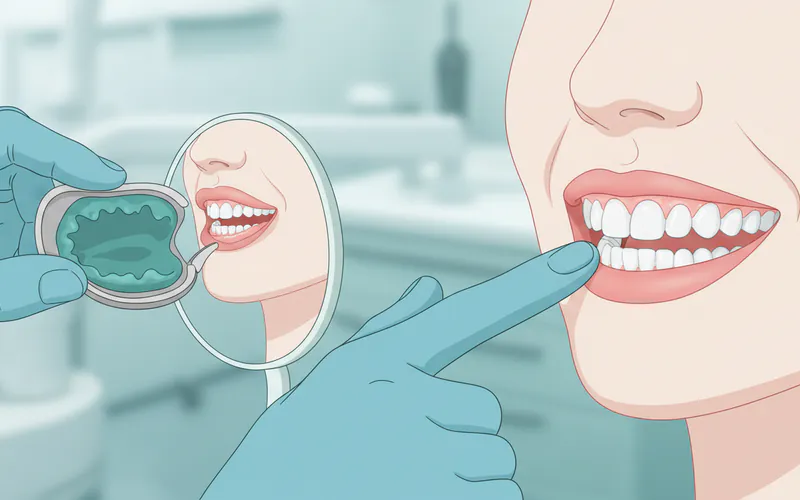
- What happens: If extractions are needed, those will be performed first, allowing for healing time. Once your mouth is ready, precise impressions (molds) of your upper and lower jaws are taken. These impressions are sent to a dental lab, where skilled technicians will fabricate your custom partial denture. The dentist and patient will select the shade and shape of the artificial teeth.
- Cost: This phase includes the lab fees for the denture, which is the bulk of the "how much do partial dentures cost without insurance" inquiry. The impression cost is typically bundled into the overall denture cost.
- Timeline: 1-2 appointments, with a waiting period of 1-3 weeks for lab fabrication.
3. Framework Try-In (for Cast Metal Partials)
- What happens: For cast metal partials, a metal framework is created first. You'll try this framework in to ensure it fits accurately and comfortably before the artificial teeth and gum-colored acrylic are added. This step is crucial for the final fit and stability.
- Cost: Included in the overall denture cost.
- Timeline: 1 appointment.
4. Wax Try-In (Teeth Arrangement)
- What happens: The artificial teeth are set in wax on the framework (or acrylic base for flexible/acrylic partials). You'll try this "wax-up" in your mouth to check the aesthetics (tooth shade, shape, alignment) and your bite. This is your opportunity to provide feedback and ensure you're happy with how your new smile will look and feel.
- Cost: Included in the overall denture cost.
- Timeline: 1 appointment.
5. Final Delivery and Adjustments
- What happens: Once you and your dentist approve the wax try-in, the denture is sent back to the lab for final processing. At the next appointment, the finished partial denture is delivered. Your dentist will ensure it fits properly, adjust any pressure points, and provide detailed instructions on care, insertion, and removal.
- Cost: Included in the overall denture cost. Initial adjustments are usually part of the package.
- Timeline: 1 appointment.
6. Follow-Up Appointments
- What happens: It's common to need one or more follow-up appointments in the weeks following delivery for minor adjustments. As your mouth adapts to the new appliance, small sore spots or pressure areas may develop. These adjustments are crucial for comfort and long-term success.
- Cost: Often included for a limited period after delivery, but extensive adjustments or repairs later on may incur additional fees (e.g., $50 - $200 per adjustment).
- Timeline: 1-3 appointments over several weeks.
Cost and Insurance: Breaking Down Expenses Without Coverage
This section directly addresses the core question: how much do partial dentures cost without insurance. The pricing can vary widely based on several factors, including the type of denture, the materials used, the number of teeth being replaced, the complexity of your case, your geographic location, and the specific fees charged by your dentist and dental lab.
Factors Influencing the Cost of Partial Dentures:
- Type of Denture: As discussed, acrylic is the least expensive, followed by flexible, then cast metal, and finally precision attachment or implant-supported options.
- Number of Teeth: Replacing more teeth generally increases the cost, as it requires more materials and laboratory time.
- Materials Used: High-quality acrylic, advanced flexible resins, or premium metal alloys can affect the price.
- Complexity of Case: If you require extractions, bone grafting, or have a complex bite, the overall treatment cost will be higher.
- Geographic Location: Dental costs tend to be higher in major metropolitan areas and on the coasts (e.g., New York, California) compared to rural areas or the Midwest.
- Dentist's Fees: Specialist prosthodontists (dentists specializing in tooth replacement) may charge more than general dentists due to their advanced training.
- Additional Procedures: Costs for X-rays, impressions, extractions, deep cleanings, or fillings needed before denture fabrication are usually separate.
Average US Costs for Partial Dentures (Without Insurance):
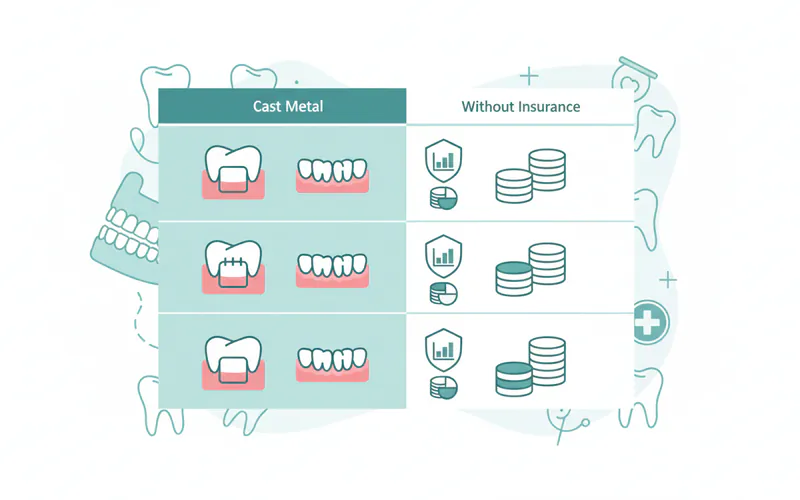
| Partial Denture Type | Cost Per Arch (Without Insurance) | Key Characteristics |
|---|---|---|
| Acrylic (Flipper) | $300 - $800 | Temporary, bulky, wire clasps, most affordable. |
| Flexible (Valplast) | $800 - $2,000 | Aesthetic (gum-colored clasps), comfortable, metal-free, moderate durability. |
| Cast Metal Framework | $1,000 - $3,000 | Strongest, most durable, best fit, often has visible metal clasps, long-lasting. |
| Precision Attachment | $2,500 - $5,000+ | Highly aesthetic (no visible clasps), very stable, requires crowns on adjacent teeth. |
| Implant-Supported | $15,000 - $30,000+ | Most permanent, involves surgery, superior stability and bone preservation, highest initial cost. |
Note: These are ranges for one arch (upper or lower). If you need partial dentures for both arches, the cost will be significantly higher.
Additional Costs to Consider:
Even if you get a quote for the partial denture itself, remember these potential separate expenses:
- Initial Exam & Consultation: $50 - $150
- X-rays: $25 - $250 (per series or panoramic)
- Impressions: Often included in the denture cost, but sometimes billed separately.
- Tooth Extractions: $75 - $450 per tooth (simple), $200 - $800 per tooth (surgical, impacted).
- Scaling and Root Planing (Deep Cleaning): $200 - $400 per quadrant, if gum disease is present.
- Fillings or Crowns: Needed for abutment teeth, if damaged.
- Anesthesia/Sedation: If required for extractions or comfort during procedures.
- Relining or Rebase: After 1-3 years, dentures may need relining due to changes in your mouth ($200 - $500).
- Repairs: If a tooth breaks or a clasp bends ($100 - $400).
Pro Tip: Always ask for a detailed, itemized treatment plan that includes all potential costs before beginning treatment. This transparency is crucial when managing expenses without insurance.
Understanding "Permanent Dentures Cost"
When searching for "permanent dentures cost," patients are typically looking for fixed solutions. As detailed above:
- Dental Bridges: A 3-unit bridge to replace one tooth can cost $6,000 - $15,000 without insurance.
- Dental Implants: A single implant with its crown can cost $3,000 - $6,000. Replacing multiple teeth with implant-supported bridges or partials will increase this substantially. While these options are significantly more expensive upfront, their longevity and stability often make them a worthwhile long-term investment for those who can afford them.
Recovery and Aftercare for Partial Dentures
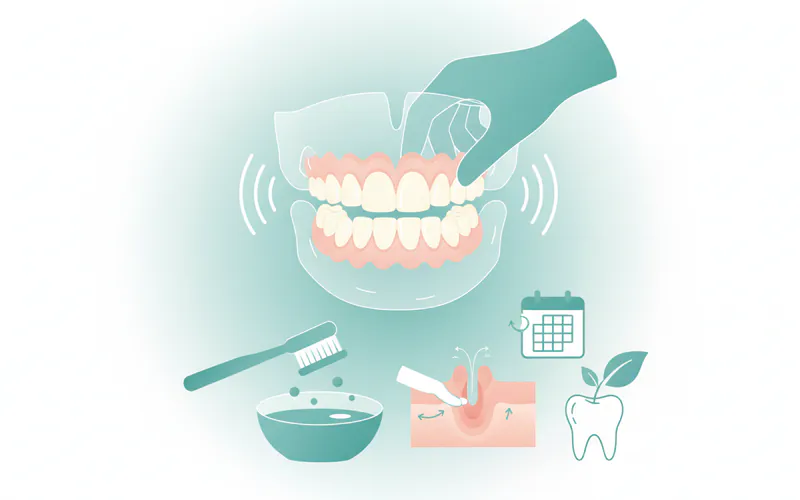
Getting used to new partial dentures takes time and patience. Proper recovery and diligent aftercare are essential for comfort, oral health, and extending the life of your appliance.
Initial Adjustment Period (First Few Weeks)
- Discomfort: You may experience soreness, tenderness, or a feeling of fullness. This is normal as your mouth adjusts. Over-the-counter pain relievers can help. If persistent pain or sore spots occur, contact your dentist for an adjustment.
- Speech Changes: Speaking with new dentures might feel awkward at first, causing a lisp or muffled sounds. Practice reading aloud and repeating challenging words to adapt.
- Eating: Start with soft foods cut into small pieces. Chew slowly and evenly on both sides of your mouth to prevent the denture from tipping. Gradually introduce firmer foods. Avoid sticky, very hard, or tough foods initially.
- Increased Saliva: Your mouth may produce more saliva as it reacts to the new appliance. This usually subsides.
Daily Care and Maintenance
- Cleaning: Remove your partial denture daily for cleaning. Brush it thoroughly with a soft-bristled denture brush and non-abrasive denture cleanser (not regular toothpaste, which can be too abrasive). Clean all surfaces, including the clasps.
- Oral Hygiene: Continue to brush and floss your natural teeth and gums daily. Clean your tongue and the roof of your mouth as well.
- Soaking: Most partial dentures should be kept moist when not in use to prevent warping. Store them in water or a mild denture cleaning solution overnight. Always follow your dentist's specific instructions.
- Handling: Always handle your partial denture carefully. Drop it on a soft towel or basin full of water while cleaning to prevent breakage.
Long-Term Care and Follow-Ups
- Regular Dental Check-ups: Even with partial dentures, regular dental exams (typically every 6 months) are vital. Your dentist will check the fit of your denture, the health of your remaining natural teeth, and your gum tissue.
- Relining/Rebasing: Over time, your jawbone and gum tissue change, causing the denture to fit less snugly. A reline (adding new material to the base) or rebase (replacing the entire base) may be necessary every few years to restore fit and comfort.
- Repairs: If a tooth breaks or a clasp bends, do not attempt to fix it yourself. Contact your dentist immediately.
- Replacement: Partial dentures typically last 5-10 years. Eventually, they will wear out, or your oral structures will change enough to warrant a new one.
Pro Tip: Never sleep with your partial dentures unless specifically instructed by your dentist, as this can lead to gum inflammation and fungal infections. Give your gums a rest!
Prevention: Maintaining Your Natural Teeth
The best way to avoid the need for partial dentures and associated costs is to prevent tooth loss in the first place. Adhering to good oral hygiene practices and proactive dental care can significantly reduce your risk.
- Brush Twice Daily: Use a fluoride toothpaste and a soft-bristled brush for at least two minutes, morning and night.
- Floss Daily: Flossing removes plaque and food particles from between teeth and under the gumline, areas your toothbrush can't reach effectively.
- Regular Dental Check-ups and Cleanings: Visit your dentist every six months for a professional cleaning and examination. This allows for early detection and treatment of cavities and gum disease.
- Balanced Diet: Limit sugary foods and drinks, which contribute to tooth decay. Eat a diet rich in fruits, vegetables, and calcium-rich foods for strong teeth and bones.
- Avoid Tobacco Products: Smoking and chewing tobacco are major risk factors for gum disease and oral cancer, both of which can lead to tooth loss.
- Protect Your Teeth: If you play contact sports, wear a custom-fitted mouthguard. If you grind or clench your teeth (bruxism), a nightguard can protect them from excessive wear.
- Address Dental Issues Promptly: Don't ignore tooth sensitivity, pain, or bleeding gums. These are signs that require professional attention. Early intervention can often save a tooth that might otherwise be lost.
- Fluoride Treatments: Ask your dentist about professional fluoride treatments or prescription fluoride toothpaste if you are at high risk for cavities.
- Sealants: For children and sometimes adults, dental sealants can be applied to the chewing surfaces of back teeth to protect them from decay.
Risks and Complications of Partial Dentures
While generally safe and effective, partial dentures do come with potential risks and complications, especially if not properly fitted or cared for.
- Discomfort and Sore Spots: Ill-fitting dentures can rub against gums and soft tissues, causing irritation, inflammation, and ulcers. This requires adjustments by your dentist.
- Speech Difficulties: As noted, initial adjustment to speech is common. Persistent speech problems may indicate a poor fit or design.
- Difficulty Eating: Chewing efficiency may be reduced compared to natural teeth or implants. Certain foods might remain challenging to eat.
- Damage to Abutment Teeth: The natural teeth used to anchor the partial denture (abutment teeth) can be put under increased stress, leading to wear, decay, or loosening over time if the denture fit is poor.
- Increased Risk of Tooth Decay: Food particles can become trapped under the denture or around clasps, making proper cleaning difficult and increasing the risk of cavities on remaining natural teeth.
- Gum Disease: Poor denture hygiene or an ill-fitting appliance can irritate gum tissue, leading to inflammation (gingivitis) or worsening existing periodontal disease.
- Bone Loss: Unlike dental implants, partial dentures do not stimulate the jawbone in the areas of missing teeth. Over time, this can lead to bone resorption, altering the fit of the denture and changing facial features.
- Denture Breakage: Partial dentures can break if dropped, or if components like clasps or teeth fracture due to wear or chewing on hard objects.
- Allergic Reactions: Though rare, some individuals may have an allergic reaction to the materials used in the denture (e.g., acrylic, certain metals).
- "Bikenda Dentures" and DIY Solutions: Over-the-counter or online "do-it-yourself" denture kits (sometimes referred to by brand names like "Bikenda dentures") pose significant health risks. These are not custom-fitted by a dental professional, leading to:
- Poor Fit: Can cause severe gum irritation, pain, and damage to natural teeth.
- Infections: Improper materials and fit can trap bacteria, leading to oral infections.
- Accelerated Bone Loss: Uneven pressure can accelerate bone resorption.
- Choking Hazards: Ill-fitting devices can become dislodged.
- Long-term Damage: Can lead to more extensive and costly dental problems down the road, far exceeding the initial savings. The American Dental Association (ADA) strongly advises against DIY dental solutions. Always seek professional dental care for tooth replacement.
Children / Pediatric Considerations for Partial Dentures
While partial dentures are most commonly associated with adults, there are specific situations where they may be necessary for children. These cases are less common but are critical for a child's development.
- Congenitally Missing Teeth: Some children are born without certain permanent teeth (hypodontia or anodontia). A partial denture can fill these gaps, maintaining space for future restorative treatments and addressing aesthetic concerns.
- Early Loss of Primary (Baby) Teeth: If a primary tooth is lost prematurely due to severe decay or trauma, a "pediatric partial denture" or a "space maintainer with a fake tooth" (sometimes called a "band and loop" or "crown and loop" space maintainer) might be used. This prevents adjacent teeth from drifting into the empty space, which could block the eruption of the permanent tooth.
- Trauma to Permanent Teeth: In cases where a permanent tooth is lost due to an accident in an older child or adolescent, a temporary partial denture (flipper) can be used as a placeholder until the child's jaw is mature enough for more permanent solutions like implants or bridges.
Key Differences for Children:
- Temporary Nature: Pediatric partial dentures are almost always temporary, designed to maintain space or aesthetics until the jaw grows and permanent solutions can be considered.
- Growth Considerations: As children grow, their jaws and dental arches change. The partial denture will need regular adjustments, and eventually, replacement.
- Material: Often acrylic (flippers) due to their temporary nature and lower cost.
- Compliance: Children need to be diligent with cleaning and wearing their partial, which can be a challenge for parents.
Cost Implications for Children (Without Insurance): The cost for a pediatric partial denture (often a flipper) without insurance would typically be on the lower end of the adult acrylic partial range, likely $300 - $800. However, the need for future replacements and follow-up care for growing jaws should be factored into the long-term financial planning.
Cost Breakdown: Navigating Expenses Without Insurance
When facing the question of "how much do partial dentures cost without insurance," it's crucial to look beyond the base price of the denture itself and understand the full financial landscape.
Average US Costs (Low, Mid, High) – Reiteration with Focus on No Insurance:
- Low End (Acrylic/Flipper): $300 - $800. This is your most basic, temporary option.
- Mid-Range (Flexible): $800 - $2,000. Offers better comfort and aesthetics than acrylic but might not be as durable as metal.
- High End (Cast Metal): $1,000 - $3,000. Best fit, durability, and longevity for a removable partial.
- Premium Options (Precision Attachment): $2,500 - $5,000+. These are for those prioritizing aesthetics and stability, willing to invest in adjacent crowns.
Remember, these are per arch. If you need both an upper and lower partial, double the estimate. Also, these figures generally cover the fabrication and initial fitting of the denture.
With vs. Without Insurance: A Stark Contrast
Dental insurance typically categorizes partial dentures as a "major restorative" procedure.
- With Insurance: Most dental insurance plans cover 50% of the cost of partial dentures after a deductible is met and up to an annual maximum. For example, if your cast metal partial costs $2,000, insurance might pay $1,000, leaving you with $1,000 out-of-pocket (plus deductible).
- Without Insurance: You are responsible for 100% of the cost. This is why understanding the full range of fees and exploring cost-saving strategies is paramount.
Payment Plans and Financing Options
Even without insurance, you have options to make partial dentures more affordable:
- In-Office Payment Plans: Many dental offices offer their own payment plans, allowing you to pay in installments over several months, often interest-free. Don't hesitate to ask your dentist's office about this.
- Third-Party Financing (e.g., CareCredit): Services like CareCredit function like a credit card specifically for healthcare expenses. They often offer interest-free promotional periods (e.g., 6, 12, or 18 months) if you pay off the balance in time, or fixed-interest payment plans for longer durations.
- Personal Loans: Banks or credit unions may offer personal loans, though these typically come with interest.
- Health Savings Accounts (HSAs) or Flexible Spending Accounts (FSAs): If you have access to these through your employer, you can use pre-tax dollars for dental expenses. While not "without insurance," these are often separate from traditional dental insurance.
Cost-Saving Tips for Partial Dentures Without Insurance:
- Shop Around: Get quotes from several dentists in your area. Prices can vary significantly. Don't base your decision solely on cost, but it's a good starting point.
- Consider Dental Schools: Dental schools often provide high-quality care at a reduced cost because students perform the procedures under the close supervision of experienced faculty. This can be a substantial saving.
- Community Dental Clinics: Many communities have non-profit or public health clinics that offer dental services on a sliding scale based on income, or at significantly reduced fixed rates.
- Negotiate with Your Dentist: Sometimes, dentists are willing to offer a discount for cash payments upfront, or work with you on a payment schedule. It never hurts to ask respectfully.
- Choose a Less Expensive Type: If cost is the absolute primary concern, an acrylic partial (flipper) is the cheapest option, though it's important to understand its temporary nature and limitations.
- Dental Discount Plans: These are not insurance but membership plans where you pay an annual fee and get discounts (typically 10-60%) on dental services from participating dentists. Research reputable plans.
- Focus on Immediate Needs: If you need multiple procedures, prioritize the most urgent ones and phase out treatments over time to spread the cost.
- Beware of "Too Good to Be True" Deals: Be extremely cautious of clinics offering unusually low prices, as this might indicate lower quality materials, less experienced practitioners, or hidden fees. Avoid "bikenda dentures" or other DIY solutions at all costs; they will ultimately cost you more in damage and corrective treatment.
Frequently Asked Questions
How long do partial dentures last?
With proper care and maintenance, most partial dentures (especially cast metal or flexible ones) can last 5 to 10 years. Acrylic partials, being more temporary, may only last 1-3 years before needing replacement or significant repair. Jawbone and gum changes over time will eventually necessitate relining, rebasing, or a new denture.
Are partial dentures comfortable?
Initially, partial dentures may feel bulky or uncomfortable as your mouth adjusts. However, a well-fitting, professionally made partial denture should become comfortable over time. Minor adjustments by your dentist are common and crucial for optimal comfort. Persistent discomfort or pain indicates a poor fit and requires dental attention.
Can I eat normally with partial dentures?
You can eat most foods with partial dentures, but it takes practice and adaptation. Start with soft foods, cut into small pieces, and chew slowly on both sides. Avoid excessively sticky, hard, or tough foods, which can dislodge or damage the denture. Your chewing efficiency may not be 100% restored compared to natural teeth or implants.
What are the alternatives to partial dentures?
Alternatives include dental bridges (fixed appliances that rely on adjacent teeth for support), and dental implants (surgical placement of artificial tooth roots that can support individual crowns or multiple-tooth restorations like implant-supported partial dentures). Each has different costs, invasiveness, and benefits.
Is it painful to get partial dentures?
The process of getting partial dentures itself is generally not painful, as no surgery is typically involved (unless extractions are needed). You might experience some discomfort from impressions or minor soreness when adapting to the new appliance. Any pain from extractions will be managed with local anesthetic and post-operative pain relief.
Do partial dentures change your speech?
Yes, it's common to experience temporary speech changes, such as a lisp or difficulty pronouncing certain words, when you first start wearing partial dentures. Your tongue and mouth need time to adjust to the new appliance. Practicing speaking aloud can help you adapt more quickly, and any persistent issues should be discussed with your dentist.
How often do partial dentures need to be replaced?
The average lifespan is 5-10 years. They may need to be replaced due to wear and tear, breakage, or significant changes in your jawbone and gum tissue that affect the fit. Regular dental check-ups will help your dentist determine when replacement is necessary.
Can I sleep with my partial dentures in?
It is generally recommended to remove your partial dentures overnight. This allows your gums and oral tissues to rest, promotes blood circulation, and reduces the risk of gum inflammation, fungal infections, and accelerated bone loss. Always store them in water or a denture cleaning solution to keep them moist.
What is the difference between a partial denture and a bridge?
A partial denture is a removable appliance that replaces missing teeth, using clasps to attach to natural teeth. A dental bridge is a fixed (non-removable) appliance that uses crowns on adjacent natural teeth (abutment teeth) to support an artificial tooth or teeth, literally "bridging" the gap. Bridges are more stable but require grinding down healthy teeth.
What are "permanent dentures cost" referring to?
When people refer to "permanent dentures cost," they are typically thinking of fixed dental bridges or dental implants. These solutions are non-removable and are designed for long-term or lifetime stability, offering superior function and aesthetics compared to removable partial dentures. However, their cost is significantly higher than traditional removable partial dentures.
When to See a Dentist
Maintaining optimal oral health, especially with partial dentures, requires consistent professional oversight. Knowing when to schedule a visit to your dentist is crucial.
Routine Care Guidance:
- Regular Check-ups: Even if you wear partial dentures, you should visit your dentist every six months for a thorough examination. They will check the health of your remaining natural teeth, your gums, and the fit and condition of your partial denture. These visits are critical for early detection of issues that could impact your denture or overall oral health.
- Professional Cleanings: Your natural teeth and gums still require professional cleaning to remove plaque and tartar buildup, which can lead to decay and gum disease.
Warning Signs That Need Prompt Attention (Red Flags):
- Persistent Pain or Sore Spots: While initial discomfort is normal, ongoing pain, redness, or open sores under or around your partial denture are not. This indicates an ill-fitting appliance that needs immediate adjustment to prevent further tissue damage or infection.
- Loose or Ill-fitting Denture: If your partial denture feels loose, slips when you talk or eat, or causes excessive pressure, it's a sign that your jawbone or gums may have changed. A loose denture can lead to discomfort, damage to abutment teeth, and reduced chewing ability.
- Broken or Damaged Denture: Any cracks, chips, broken clasps, or detached teeth on your partial denture require immediate repair by a professional. Do NOT attempt to fix it yourself, as this can worsen the damage or create an unsafe appliance.
- Changes in Your Bite: If your bite feels off, or your teeth no longer come together comfortably, it could be due to denture issues or changes in your natural teeth.
- New Tooth Loss or Damage to Remaining Teeth: If you lose another natural tooth, or if an abutment tooth becomes loose or painful, it's imperative to see your dentist. This could require a modification or replacement of your partial denture.
- Unusual Odor or Taste: A persistent bad odor or taste from your denture or mouth could indicate bacterial buildup, a fungal infection, or poor hygiene, requiring professional assessment.
- Difficulty with Speech or Chewing After Adjustment Period: If initial speech and eating difficulties don't improve after a few weeks, your denture may need further adjustments.
Emergency vs. Scheduled Appointment Guidance:
- Emergency (Call immediately): Severe pain, major denture breakage that prevents you from eating or speaking, a sudden very loose denture that could be a choking hazard, or signs of a serious infection (swelling, fever).
- Scheduled Appointment (Call soon): Persistent mild soreness, minor looseness, minor aesthetic concerns, or any of the non-emergency warning signs listed above.
Your dentist is your partner in maintaining your oral health and the longevity of your partial dentures. Don't hesitate to reach out with any concerns, especially when you are managing your dental care without the support of insurance.
Frequently Asked Questions
Medically Reviewed Content
This article was written by our dental health editorial team and reviewed for medical accuracy. Our content follows strict editorial guidelines for reliability and trustworthiness.
Medical Disclaimer
This article is for informational purposes only and does not constitute medical advice. Always consult with a qualified dental professional for diagnosis and treatment. Do not delay seeking professional advice because of something you read on this website.
Related Articles
Cheap Dentures: Complete Guide
Facing the prospect of tooth loss can be daunting, and the thought of replacing missing teeth often brings financial concerns to the forefront. Did you know that an estimated 36 million Americans are completely edentulous (missing all their teeth), and another 120 million are missing at leas
February 23, 2026
Full Mouth Reconstruction Near Me: Complete Guide
You've been living with dental pain, difficulty eating, or a smile you're too embarrassed to share. Perhaps years of neglect, trauma, or disease have taken a toll on your oral health, leaving you wondering if there's any hope for a complete restoration. You're not alone. **Millions of Americans face
February 23, 2026
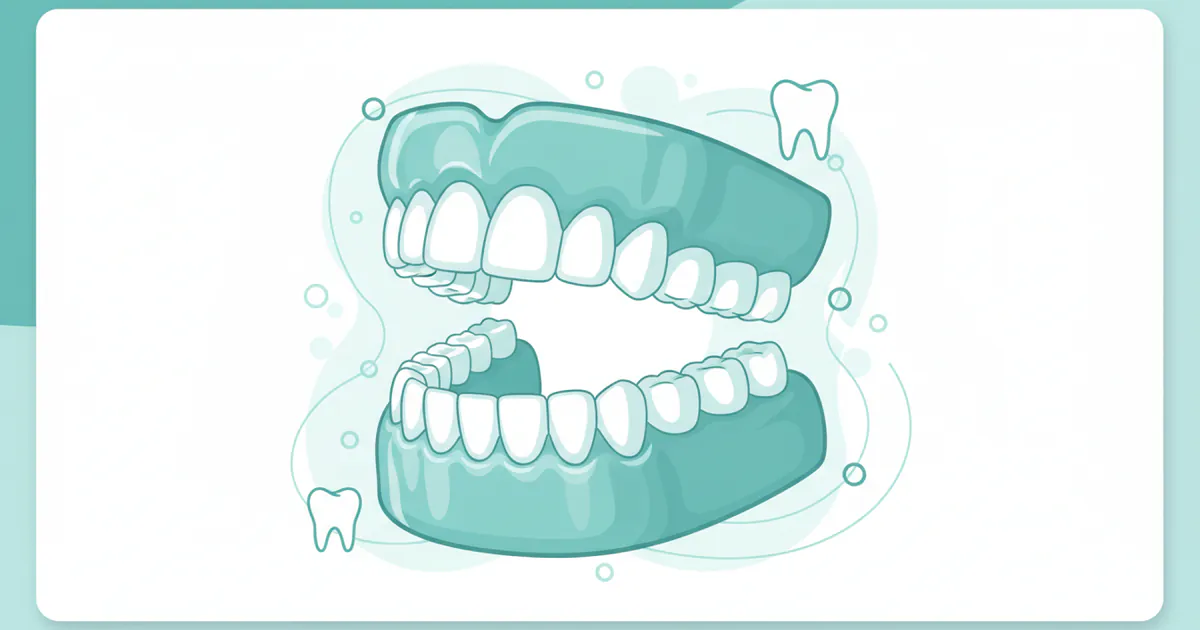
$99 Dentures Near Me: Complete Guide
Losing teeth can significantly impact your quality of life, affecting everything from your ability to chew and speak to your self-confidence. For many, the high cost of dental care can feel like an insurmountable barrier to regaining a healthy smile. This often leads people to search for "affordable
February 23, 2026
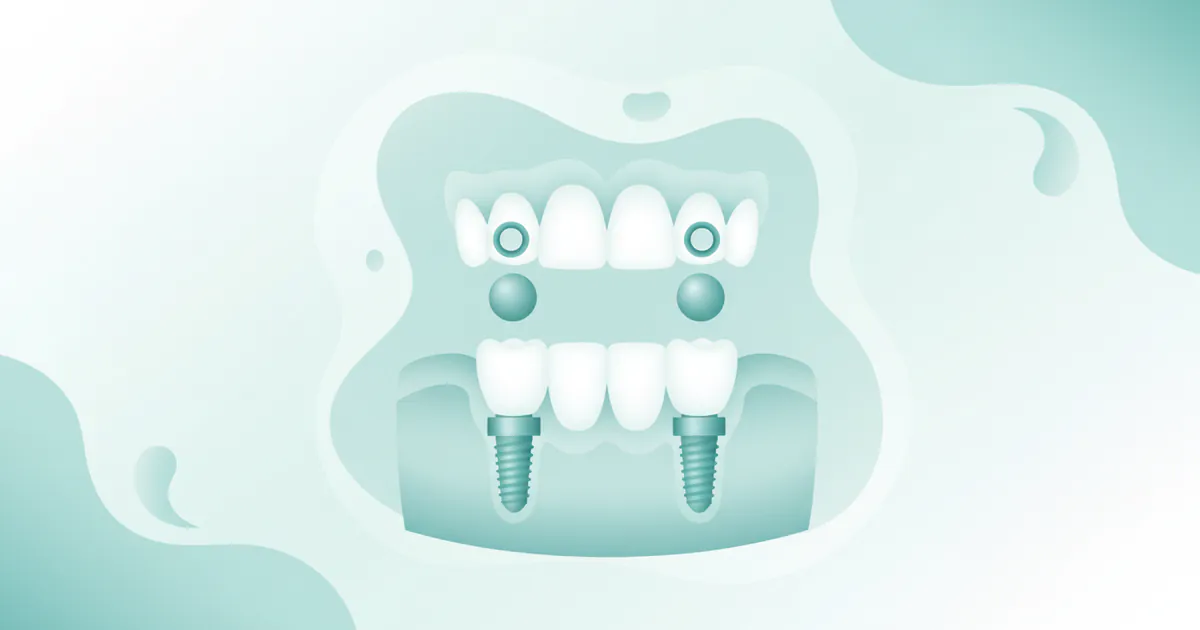
Snap-in Dentures Cost Near Me: Complete Price Guide 2026
For many Americans navigating the challenges of significant tooth loss, the search for a stable, comfortable, and aesthetically pleasing dental solution often leads to implant-supported dentures. Unlike traditional dentures that rely on suction and adhesives, snap-in dentures offer a remarkable impr
February 23, 2026