Oil Pulling Saved My Teeth: Complete Guide
Key Takeaways
- Few dental health topics spark as much passionate discussion as oil pulling. For many, it's a centuries-old tradition that has become a cornerstone of their daily routine, with testimonials proclaiming remarkable improvements. You might have even heard someone say, "oil pulling saved my teeth,"
Few dental health topics spark as much passionate discussion as oil pulling. For many, it's a centuries-old tradition that has become a cornerstone of their daily routine, with testimonials proclaiming remarkable improvements. You might have even heard someone say, "oil pulling saved my teeth," suggesting a profound impact on their oral health journey. But what exactly is this ancient practice, and can swishing oil around your mouth truly transform your dental well-being?
In the United States, where billions are spent annually on dental care, the appeal of a natural, cost-effective method to enhance oral hygiene is undeniable. From battling bad breath to reducing plaque buildup, proponents suggest oil pulling offers a range of benefits that complement traditional dental practices. However, as with any alternative therapy, understanding its mechanisms, proper execution, and limitations is crucial.
This comprehensive guide from SmilePedia.net will delve deep into the world of teeth oil pulling. We'll explore its origins, the scientific perspectives surrounding its claims, a step-by-step guide to integrate it into your routine, and crucial considerations for safety and effectiveness. Whether you're a curious newcomer or looking to refine your existing practice, this article will equip you with the knowledge to make informed decisions about incorporating coconut oil for oil pulling and other oils into your pursuit of a healthier smile.
Key Takeaways:
- Origin & Purpose: Oil pulling is an ancient Ayurvedic practice involving swishing oil in the mouth to draw out toxins and improve oral hygiene.
- Primary Benefits: Users often report reduced plaque, decreased gingivitis symptoms, fresher breath, and potentially whiter teeth.
- Recommended Oil: Coconut oil for oil pulling is most popular due to its lauric acid content (antimicrobial properties), but sesame and sunflower oils are also traditional choices.
- Practice Duration: Typically involves swishing 1 tablespoon of oil for 15-20 minutes daily, preferably on an empty stomach.
- Cost & Accessibility: Highly affordable, with a month's supply of organic coconut oil ranging from $8-$25.
- Scientific Stance: While anecdotal evidence is strong and some studies show promise, the American Dental Association (ADA) views it as a complementary therapy, emphasizing it does not replace brushing, flossing, or professional dental care.
- Results Timeline: Many users report noticeable improvements in breath and gum health within 1-2 weeks, with more significant changes in plaque or tooth sensitivity potentially taking 1-3 months of consistent practice.
What It Is / Overview
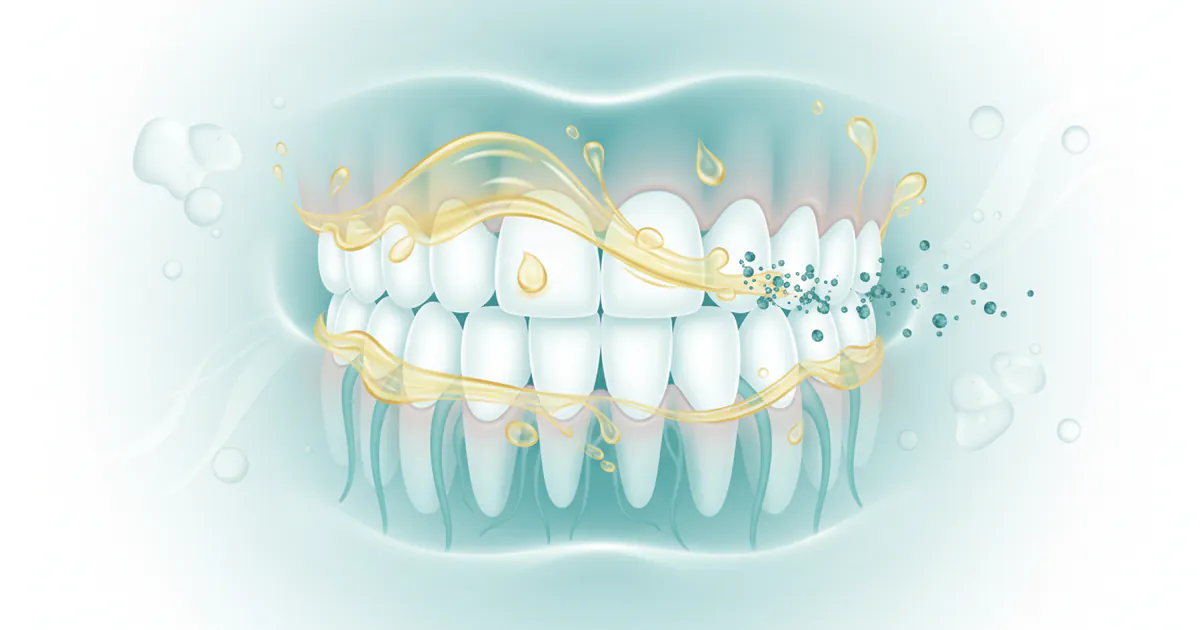
Oil pulling, known in traditional Ayurvedic medicine as "kavala" or "gandusha," is a holistic oral hygiene practice that dates back over 3,000 years to ancient India. The premise is simple: you swish a tablespoon of oil (typically sesame, sunflower, or most commonly, coconut oil for oil pulling) in your mouth for 15 to 20 minutes, then spit it out. The theory behind this practice suggests that as the oil is swished, it "pulls" bacteria, toxins, and debris from the oral cavity, effectively cleaning the teeth, gums, and tongue.

Advocates of oil pulling believe it works through a saponification-like process, where the oil mixes with saliva, creating an emulsion. This emulsion is thought to attract and absorb lipid-soluble toxins and bacteria, which are then removed when the oil is expelled. The antimicrobial properties of certain oils, particularly coconut oil, are also highlighted as a key mechanism. Coconut oil contains a high concentration of lauric acid, a saturated fatty acid known for its antibacterial, antifungal, and antiviral properties. When lauric acid interacts with saliva, it forms a soap-like substance that can effectively clean the mouth.
While it has gained significant traction in recent years within the wellness community, the concept isn't entirely new to Western science. Early 20th-century Russian research explored similar ideas regarding oil-based gargles for oral health. Today, teeth oil pulling is celebrated by many as a natural, gentle, and chemical-free way to supplement their dental care routine, leading to testimonials such as "oil pulling saved my teeth" from individuals who have experienced marked improvements in their oral health.
Types / Variations
While the core practice of oil pulling remains consistent – swishing oil in your mouth – there are variations primarily in the type of oil used and minor technique differences.
Preferred Oils for Oil Pulling
-
Coconut Oil: This is by far the most popular and frequently recommended oil for oil pulling, particularly for those new to the practice.
- Pros: High in lauric acid, which has proven antimicrobial properties against common oral pathogens like Streptococcus mutans (a primary contributor to tooth decay) and Candida albicans (which causes oral thrush). It often has a pleasant taste, especially virgin or unrefined varieties. Widely available and affordable.
- Cons: Solidifies at room temperature below 76°F (24°C), which some find initially unusual, though it quickly melts in the mouth.
- Pro Tip: Choose organic, virgin, unrefined coconut oil for the best quality and maximum beneficial compounds.
-
Sesame Oil: Historically, sesame oil was the traditional choice in Ayurveda.
- Pros: Rich in antioxidants (sesamol, sesamin, sesamolin) and omega-6 fatty acids, which may contribute to anti-inflammatory effects. It also has a natural ability to kill oral bacteria.
- Cons: Some people dislike its nutty taste, which can be quite strong. It's often less accessible than coconut oil in typical grocery stores.
-
Sunflower Oil: Another traditional Ayurvedic option.
- Pros: Contains essential fatty acids and has been studied for its potential to reduce plaque and gingivitis. It's generally mild in flavor.
- Cons: May not have the same level of specific antimicrobial properties as coconut oil.
-
Other Oils: While less common, some individuals experiment with olive oil or other food-grade oils. However, the specific fatty acid profiles and antimicrobial benefits may not be as pronounced as with coconut, sesame, or sunflower oils.
Technique Variations
While the basic method is consistent, slight personal preferences can emerge:
- Duration: Most recommend 15-20 minutes, but some start with shorter periods (5-10 minutes) and gradually increase as they build stamina. Going beyond 20 minutes is generally not recommended as the oil may start to reabsorb toxins.
- Time of Day: Many prefer first thing in the morning on an empty stomach, before brushing or drinking anything. Others incorporate it before meals or at night. Consistency is key, regardless of the exact timing.
- Amount of Oil: A standard tablespoon (15 ml) is typical, but some use a slightly smaller amount, especially when starting out, to avoid jaw fatigue.

Why It Happens (Why People Choose Oil Pulling)
People turn to oil pulling for a variety of reasons, often driven by a desire for a more natural approach to health or a quest to solve persistent oral hygiene issues that conventional methods haven't fully addressed. The belief that "oil pulling saved my teeth" often stems from personal experiences with improvements in these common areas:
1. Plaque and Tartar Buildup:
Plaque is a sticky film of bacteria that constantly forms on your teeth. If not removed through regular brushing and flossing, it hardens into tartar, which can only be removed by a dental professional. Oil pulling is thought to help by physically binding to bacteria and food debris in the mouth, reducing the precursors to plaque formation. The antimicrobial properties, especially of coconut oil, target the bacteria responsible for creating plaque.
2. Gingivitis and Gum Inflammation:
Gingivitis, a mild form of gum disease, is characterized by red, swollen, and sometimes bleeding gums. It's caused by plaque buildup along the gum line. The anti-inflammatory and antimicrobial properties of oils used in oil pulling may help reduce the bacterial load and soothe inflamed gum tissues, thereby alleviating gingivitis symptoms.
3. Halitosis (Bad Breath):
Bad breath is often caused by volatile sulfur compounds (VSCs) produced by bacteria in the mouth, particularly on the tongue and between teeth. Since oil pulling is believed to reduce the overall bacterial population in the mouth and cleanse the tongue, it can be effective in reducing the source of bad breath, leading to fresher breath.
4. Tooth Sensitivity:
While not a direct "cure" for sensitivity caused by exposed dentin, some users report reduced tooth sensitivity after consistent oil pulling. This could be attributed to a reduction in inflammation, improved gum health (which protects tooth roots), or a general strengthening of the oral environment.
5. Tooth Whitening:
Many users claim that oil pulling helps whiten their teeth naturally. This is likely due to the removal of extrinsic stains (surface stains from coffee, tea, red wine, etc.) and a reduction in plaque, which can make teeth appear dull or yellow. It's not a bleaching agent and won't change the intrinsic color of your teeth, but it can brighten your smile by removing surface discoloration.
6. Overall Oral Microbiome Balance:
Holistic dental practitioners suggest that oil pulling helps promote a healthier balance of bacteria in the mouth, fostering beneficial flora while reducing harmful pathogens. This contributes to a more robust oral defense system.
7. Desire for Natural Remedies:
A significant driving force behind the popularity of oil pulling is the increasing public interest in natural and traditional health remedies. For those looking to minimize exposure to chemicals found in some commercial mouthwashes, oil pulling offers an appealing alternative.
It's important to reiterate that while many individuals experience and report these benefits, the scientific community, particularly the American Dental Association (ADA), emphasizes that oil pulling should not replace conventional oral hygiene practices like brushing twice daily and flossing once daily. Instead, it is considered a complementary therapy.
Signs and Symptoms (Problems Oil Pulling Aims to Address)
When individuals embark on an oil pulling regimen, they are often seeking relief from or improvement in specific oral health issues. Understanding these "signs and symptoms" helps clarify why someone might choose to say, "oil pulling saved my my teeth."
- Persistent Bad Breath (Halitosis): One of the most common complaints. If your breath isn't fresh even after brushing, bacteria accumulation is likely the culprit. Oil pulling aims to reduce this bacterial load.
- Bleeding Gums (Gingivitis): Gums that bleed when you brush or floss are a clear sign of inflammation, often due to plaque buildup. This is a primary indicator for many who turn to oil pulling to improve gum health.
- Red, Swollen, or Tender Gums: Similar to bleeding, these are classic symptoms of gingivitis, signaling inflammation and potential infection.
- Excessive Plaque Buildup: If you feel a fuzzy film on your teeth shortly after brushing, or if your dental hygienist frequently notes heavy plaque, oil pulling might be considered to help manage this.
- Yellowish or Dull-Looking Teeth: While not a sign of disease, surface stains and plaque accumulation can make teeth appear less bright. Many use oil pulling to achieve a natural brightening effect.
- Dry Mouth (Xerostomia): While not a direct treatment, the act of swishing and saliva production stimulated by oil pulling may offer temporary relief and help moisturize oral tissues.
- Recurrent Oral Sores or Canker Sores: Some users report a reduction in the frequency or severity of canker sores, potentially due to a healthier oral microbiome and reduced inflammation.
- Morning Breath: For those who wake up with particularly unpleasant breath, oil pulling first thing in the morning can be an attractive solution.
If you experience any of these symptoms, especially persistent bleeding gums or severe pain, it's crucial to consult with a dentist first. Oil pulling can be a beneficial adjunct to professional care, but it should never be seen as a replacement for diagnosis and treatment by a qualified dental professional.
Treatment Options (Oil Pulling as a Complementary Practice)
It's important to clarify that oil pulling is not a "treatment" in the conventional medical sense for established dental diseases like cavities, advanced gum disease (periodontitis), or infections. It is best understood as a complementary oral hygiene practice or a traditional remedy that may enhance the effects of your regular brushing and flossing routine. Its "treatment" potential lies in its ability to support and maintain overall oral health, potentially reducing the incidence and severity of common issues.
Oil Pulling as a Complementary Therapy
Pros:
- Natural and Chemical-Free: Appeals to those seeking holistic alternatives to commercial mouthwashes which may contain alcohol or other chemicals.
- Cost-Effective: The primary cost is the oil itself, which is generally inexpensive compared to specialized dental products or ongoing treatments for preventable issues. A large tub of organic coconut oil (e.g., 54 oz) can cost $15-$30 and last for months.
- Easy to Integrate: Once the routine is established, it's a relatively simple addition to daily life.
- Potential for Multiple Benefits: Users often report improvements in breath, gum health, plaque reduction, and even tooth brightness.
- Low Risk (when done correctly): When performed as directed and not swallowed, the risks are minimal.
Cons:
- Not a Replacement for Professional Care: The ADA explicitly states that oil pulling cannot replace regular brushing, flossing, or professional dental check-ups and cleanings. It does not treat cavities, heal deep gum pockets, or remove calcified tartar.
- Time-Consuming: The 15-20 minute daily commitment can be challenging for some individuals to maintain consistently.
- Lack of Strong Scientific Consensus: While promising studies exist, larger, long-term, double-blind clinical trials are needed to unequivocally establish its efficacy as a primary dental treatment according to Western scientific standards.
- Potential for Misuse/Over-Reliance: Some individuals might delay professional dental care, believing oil pulling can resolve serious issues, which can lead to worsening conditions.
- Taste/Texture Aversion: The sensation of swishing oil for an extended period can be off-putting for some.
Comparison to Traditional Oral Hygiene
| Feature | Oil Pulling | Brushing & Flossing (ADA Recommended) |
|---|---|---|
| Primary Mechanism | Adsorption of bacteria/toxins, antimicrobial | Physical removal of plaque, food particles |
| Scientific Support | Growing, but limited; mostly observational | Extensive, robust, long-standing |
| Cost | Very low ($8-$25 for months of oil) | Low-to-moderate ($5-$20 for brushes/floss) |
| Time Commitment | 15-20 minutes daily | ~2 minutes brushing twice, ~2 minutes flossing once |
| Treats Cavities | No | No (prevents, but doesn't treat existing) |
| Removes Tartar | No | No (requires professional cleaning) |
| Reduces Gingivitis | Studies show potential | Highly effective and proven |
| Freshens Breath | Often reported as effective | Effective through plaque/food removal |
| Replaces Core Hygiene | No, complementary only | Essential core hygiene |
- Pro Tip: View oil pulling as an enhancer to your routine, not a substitute. Continue to brush twice daily with fluoride toothpaste and floss once daily, as recommended by the American Dental Association (ADA).
Step-by-Step Process
Incorporating oil pulling into your daily routine is straightforward. Follow these steps for an effective and beneficial experience.
Materials You'll Need:
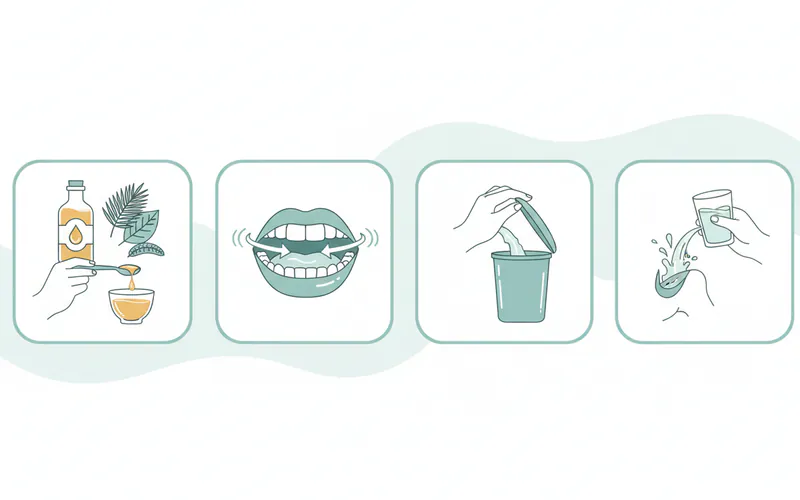
- High-quality oil: Organic, virgin coconut oil is most popular. Alternatively, organic sesame or sunflower oil.
- A spoon: For measuring.
- A trash can: Or toilet to spit into. Never spit oil into a sink drain, as it can solidify and clog pipes over time.
The Oil Pulling Process:
-
Choose Your Time: The best time for oil pulling is first thing in the morning, on an empty stomach, before you've brushed your teeth or had anything to eat or drink (except maybe a glass of water). This ensures the oil can best interact with the overnight accumulation of bacteria.
- Pro Tip: If using coconut oil and it's solid, you can warm it slightly in a clean spoon or by letting it melt in your mouth for a few seconds.
-
Measure the Oil: Take about one tablespoon (15 ml) of your chosen oil. For beginners or those with a smaller mouth, starting with a teaspoon (5 ml) might be more comfortable and gradually increasing the amount.
-
Swish, Don't Gargle: Place the oil in your mouth. Begin to gently swish it around, pushing and pulling it between your teeth, over your gums, and around your tongue. The motion should be gentle, not aggressive, to avoid jaw fatigue. Do NOT swallow the oil, as it contains the toxins and bacteria you're trying to remove.
- Pro Tip: Distract yourself! Many people oil pull while showering, preparing breakfast, getting dressed, or even reading the news. This makes the 15-20 minutes fly by.
-
Maintain Duration: Continue swishing for 15 to 20 minutes. As you swish, the oil will become thinner, milky, and increase in volume as it emulsifies with your saliva and absorbs bacteria. For first-timers, start with 5-10 minutes and work your way up.
-
Spit It Out: Once the time is up, spit the oil into a trash can. The oil should appear milky white or yellowish, indicating it has absorbed impurities. If it's still clear, you likely didn't swish long enough.
-
Rinse Thoroughly: Immediately after spitting, rinse your mouth thoroughly with warm water. You can also use salt water to further cleanse your mouth. This helps remove any remaining oil residue and lingering toxins.
-
Brush Your Teeth: After rinsing, brush your teeth as you normally would, using your regular toothpaste. This ensures complete removal of any residual bacteria and prepares your mouth for the day.
What to Expect During the Process:
- Taste/Texture: Initially, the feeling of oil in your mouth might be unusual. If using coconut oil, it will melt into a liquid within seconds.
- Salivation: You might notice increased salivation, which is normal and helps the oil emulsify.
- Jaw Fatigue: Beginners might experience jaw fatigue. If this happens, reduce the swishing intensity or duration and gradually increase it over time.
- Mucus/Phlegm: Some people report an increase in mucus or phlegm, especially initially. This is believed to be part of the detoxification process.
Consistency is key to seeing potential benefits. Aim to practice oil pulling daily or at least several times a week.
Cost and Insurance
One of the most appealing aspects of oil pulling is its remarkable affordability. Unlike many dental procedures or specialized oral care products, the primary cost associated with oil pulling is the oil itself.
Cost of Oils:
The cost of oils for oil pulling is generally very low, making it accessible to most budgets. Prices can vary based on the type of oil, brand, whether it's organic/virgin, and the size of the container.
-
Coconut Oil (Organic, Virgin, Unrefined):
- Small Jar (14-16 oz): Typically $6 - $12. Lasts about 1-2 months with daily use.
- Medium Jar (30-32 oz): Roughly $10 - $20. Lasts 2-4 months.
- Large Tub (54 oz+): Can range from $15 - $30. Often lasts 4-6 months or more.
- Average Monthly Cost: $5 - $10 (assuming a large tub purchase).
-
Sesame Oil (Organic, Cold-Pressed):
- Bottle (16-32 oz): Ranges from $8 - $20. Lasts 2-4 months.
- Average Monthly Cost: $4 - $8.
-
Sunflower Oil (Organic, Cold-Pressed):
- Bottle (16-32 oz): Generally $7 - $15. Lasts 2-4 months.
- Average Monthly Cost: $3 - $7.
Overall Monthly Cost: For most individuals, consistent oil pulling will cost approximately $3 to $10 per month for the oil, depending on their choice and purchasing habits. This is significantly less than many specialized mouthwashes or dental supplements.
Insurance Coverage:
Dental insurance policies in the United States do NOT cover oil pulling. Oil pulling is considered a complementary or alternative health practice, and dental insurance focuses on evidence-based diagnostic, preventative, and restorative procedures (e.g., exams, cleanings, fillings, crowns, extractions).
Since oil pulling doesn't involve a procedure performed by a dental professional, there are no CPT or CDT codes for it, and thus, no insurance reimbursement. The cost of the oil is an out-of-pocket expense, similar to purchasing toothpaste or dental floss.
Cost-Saving Tips:
- Buy in Bulk: Larger containers of oil are almost always more cost-effective per ounce.
- Look for Sales: Keep an eye out for discounts at grocery stores, health food stores, or online retailers.
- Store Brands: Sometimes store-brand organic oils offer comparable quality at a lower price point.
- Consider Multi-Purpose Oils: If you use coconut oil for cooking, skin care, or hair care, you're already buying it for multiple uses, which can justify the purchase further.
While oil pulling itself is not covered, some proponents argue that by potentially improving oral hygiene and reducing issues like gingivitis or excessive plaque, it might indirectly lead to fewer dental issues requiring costly professional intervention down the line. However, this is a speculative benefit and should not be relied upon as a substitute for regular dental check-ups and preventative care.
[TABLE: Average Monthly Cost Comparison of Oral Hygiene Practices]
| Oral Hygiene Practice | Estimated Monthly Cost (US Dollars) | Insurance Coverage | Notes |
|---|---|---|---|
| Oil Pulling | $3 - $10 | No | Cost of organic, virgin coconut, sesame, or sunflower oil. |
| Brushing/Flossing | $1 - $5 | No | Toothpaste, toothbrushes (replaced every 3-4 months), floss. |
| Therapeutic Mouthwash | $5 - $15 | No | Varies by brand and purpose (e.g., antiseptic, fluoride). |
| Professional Cleaning (Annualized) | $10 - $40 (if uninsured) | Partial/Full | Based on 1-2 cleanings per year, can be higher or lower. |
| Electric Toothbrush Heads | $3 - $8 | No | Cost of replacement heads (typically every 3 months). |
This table illustrates the direct costs to the consumer. Insurance often covers a percentage of professional cleanings, reducing the out-of-pocket expense for those with dental plans.
Recovery and Aftercare
In the context of oil pulling, "recovery and aftercare" isn't about healing from a dental procedure, but rather about the immediate steps following a session and how to maintain the benefits long-term.
Immediate Aftercare:
- Spit into Trash Can: As emphasized in the step-by-step guide, always spit the used oil into a trash can or toilet, not a sink. This prevents potential plumbing issues, as oils (especially coconut oil) can solidify and clog drains.
- Rinse Thoroughly: Immediately rinse your mouth thoroughly with warm water. Many find a saltwater rinse particularly effective. This helps remove any residual oil, bacteria, and toxins that might still be lingering in your mouth. You want to ensure no trace of the "pulled" impurities remains.
- Brush and Floss: After rinsing, proceed with your regular oral hygiene routine: brush your teeth with fluoride toothpaste and floss. This is non-negotiable. Oil pulling is a complementary practice, not a substitute for brushing and flossing, which physically remove plaque and food particles.
- Pro Tip: Some users prefer to wait 5-10 minutes after rinsing before brushing, believing it gives the gums a chance to absorb beneficial compounds from the rinse, but immediate brushing is perfectly fine.
Long-Term Maintenance for Sustained Benefits:
The benefits of oil pulling, like any oral hygiene practice, are sustained through consistency and integration with a comprehensive dental care plan.
- Consistent Practice: For optimal results, aim to oil pull daily. If daily isn't feasible, several times a week is better than none. The more consistent you are, the more likely you are to notice and maintain improvements in breath, gum health, and plaque reduction.
- Regular Dental Check-ups: This cannot be stressed enough. Continue to visit your dentist for routine check-ups and professional cleanings, typically every six months. Even if you feel "oil pulling saved my teeth," it doesn't replace the need for professional examination, X-rays, and removal of hardened tartar (calculus) that only a dental hygienist can address. Your dentist can also monitor your progress and advise on the overall health of your oral cavity.
- Balanced Diet: A diet low in sugar and refined carbohydrates contributes significantly to better oral health by reducing the food source for harmful oral bacteria.
- Stay Hydrated: Drinking plenty of water helps wash away food particles and bacteria, stimulates saliva flow, and maintains overall oral health.
- Listen to Your Body: If you experience any discomfort, jaw pain, or adverse reactions (e.g., allergic reaction to the oil, though rare), discontinue oil pulling and consult your dentist.
By combining consistent oil pulling with diligent traditional oral hygiene and professional dental care, you create a robust strategy for maintaining a healthy and vibrant smile.
Prevention
While oil pulling is often adopted to address existing issues, its primary long-term role, especially when combined with conventional practices, is preventative. Many individuals who state "oil pulling saved my teeth" are actually referring to its role in preventing the worsening of minor issues or the onset of new ones.
Here's how oil pulling contributes to prevention, alongside essential traditional methods:
How Oil Pulling Helps Prevent Oral Issues:
- Reduces Bacterial Load: By attracting and removing a significant portion of oral bacteria, particularly those responsible for plaque formation and bad breath, oil pulling can help prevent the cascade of events that lead to dental problems.
- Inhibits Plaque Formation: Less bacteria means less plaque. Consistent oil pulling, especially with coconut oil's lauric acid, can help prevent the sticky film from accumulating rapidly on tooth surfaces. This, in turn, reduces the risk of cavities and gum disease.
- Prevents Gingivitis: By keeping bacterial populations in check and potentially reducing inflammation, oil pulling can be a proactive measure against gingivitis (the earliest stage of gum disease), preventing it from escalating to more serious forms like periodontitis.
- Combats Halitosis: Regular oil pulling ensures that odor-producing bacteria are consistently removed, preventing chronic bad breath.
- Maintains Healthy Oral Microbiome: While direct evidence is still emerging, the theory is that by reducing harmful pathogens, oil pulling helps foster a more balanced and healthy oral microbiome, making the mouth more resilient to disease.
Comprehensive Prevention Strategy:
For true long-term prevention, oil pulling should be part of a broader, evidence-based strategy endorsed by dental professionals like the ADA.
- Brush Twice Daily: Use a fluoride toothpaste and a soft-bristled toothbrush. Brush for at least two minutes each time, covering all surfaces of your teeth and gently cleaning your tongue.
- Floss Daily: Flossing removes plaque and food particles from between your teeth and under the gumline, areas your toothbrush can't reach effectively.
- Regular Dental Check-ups and Cleanings: Visit your dentist every six months for a professional cleaning and examination. This allows for early detection and treatment of issues, and professional removal of hardened tartar.
- Balanced Diet: Limit sugary foods and drinks, which feed harmful oral bacteria. Focus on nutrient-rich foods, including plenty of fruits, vegetables, and whole grains.
- Stay Hydrated: Drink water throughout the day to keep your mouth moist, wash away food debris, and promote healthy saliva production.
- Avoid Tobacco Products: Smoking and chewing tobacco are major risk factors for gum disease, oral cancers, and other serious oral health problems.
- Limit Alcohol Consumption: Excessive alcohol intake can contribute to dry mouth and other oral health issues.
By diligently combining teeth oil pulling with these established preventative measures, you empower yourself with a comprehensive defense against dental issues, significantly improving your chances of maintaining a healthy smile for life.
Risks and Complications
While oil pulling is generally considered safe when performed correctly, it's crucial to be aware of potential risks, complications, and misconceptions. Misinformation can lead to adverse effects or prevent individuals from seeking necessary professional dental care.
1. Delaying Necessary Dental Treatment:
This is arguably the most significant risk. Some individuals, encouraged by anecdotal evidence or the belief that "oil pulling saved my teeth," might delay or forego essential professional dental care for serious issues like cavities, advanced gum disease (periodontitis), or infections. Oil pulling does not cure cavities, repair damaged teeth, or remove hardened tartar. Delaying treatment for these conditions can lead to severe pain, extensive damage, expensive procedures, or even tooth loss.

2. Aspiration Pneumonia (Rare but Serious):
There is a slight risk of accidentally inhaling (aspirating) the oil, particularly for individuals with compromised gag reflexes, swallowing difficulties, or conditions that affect lung health. Aspiration of any foreign substance, including oil, can lead to aspiration pneumonia, a serious lung infection. This risk is very low for healthy individuals performing oil pulling correctly.
3. Lipid Pneumonia (Extremely Rare):
While distinct from aspiration pneumonia, lipid pneumonia can theoretically occur if oil is repeatedly and chronically inhaled into the lungs. This is extremely unlikely with proper oil pulling technique where the oil is swished in the mouth and then fully spit out.
4. Digestive Upset:
Accidentally swallowing a significant amount of used oil can lead to mild digestive upset, such as nausea, stomach cramps, or diarrhea, as it contains bacteria and toxins. This is why it's strongly advised to spit out all the oil.
5. Jaw Fatigue or Discomfort:
Especially for beginners, or if swishing too vigorously, 15-20 minutes of continuous jaw movement can lead to temporary jaw fatigue or discomfort in the temporomandibular joint (TMJ). Reducing the duration or intensity can help.
6. Allergic Reactions (Rare):
While uncommon, individuals can be allergic to specific oils (e.g., sesame oil). Symptoms might include itching, swelling, or rash in the mouth or throat. If an allergic reaction is suspected, discontinue use immediately and seek medical attention.
7. Clogging Drains:
This is a common practical complication. Oils, especially coconut oil, solidify at cooler temperatures. Spitting used oil down a sink drain can lead to significant plumbing blockages over time, requiring costly repair. Always spit into a trash can.
8. Exacerbation of Existing Conditions (Unsubstantiated):
While not scientifically proven, there is theoretical concern that if oil pulling is not followed by proper rinsing and brushing, or if someone has an underlying oral infection, the act of swishing might theoretically spread bacteria, though this is largely speculative and unlikely with good hygiene.
Important Considerations:
- Pregnancy and Breastfeeding: While generally considered safe, pregnant or breastfeeding individuals should consult with their healthcare provider before starting oil pulling, as with any new health practice.
- Children: Oil pulling is generally not recommended for young children (under 5-7 years old) due to the risk of accidental swallowing. For older children, supervision is essential (see "Children / Pediatric Considerations" below).
- Not a Whitening Agent: While it can remove surface stains, oil pulling does not chemically whiten teeth like professional bleaching treatments.
- Not a Cure for All: It is not a panacea for all dental problems. Deep pockets from periodontitis, extensive tooth decay, or abscesses require professional intervention.

Understanding these risks is crucial for making informed decisions and integrating oil pulling safely and effectively as a complementary part of your overall oral health strategy. Always prioritize advice from your dentist for any serious dental concerns.
Children / Pediatric Considerations
The discussion around oil pulling for children requires a cautious approach, primarily due to the risk of accidental swallowing and the ability of a child to understand and perform the technique correctly.
Age-Specific Guidance:
- Under 5-7 Years Old: Oil pulling is generally NOT recommended for children in this age group. Young children lack the muscular control and understanding to reliably swish without swallowing the oil. Swallowing the used oil, which contains bacteria and toxins, can lead to digestive upset.
- Ages 7-12: For children in this age range, oil pulling may be considered with significant parental supervision and only if the child demonstrates good control and understanding of the process.
- Start Small: Begin with a very small amount of oil (1/2 teaspoon) and a very short duration (1-2 minutes).
- Practice with Water: Have them practice swishing and spitting water without swallowing first.
- Emphasize "Spit, Don't Swallow": Reinforce this rule repeatedly.
- Monitor Closely: Remain present during the entire oil pulling session.
- Listen to Them: If the child finds it uncomfortable or difficult, do not force the practice.
- Adolescents (13+): Teenagers who understand the instructions and can manage the technique effectively can generally incorporate oil pulling into their routine, similar to adults. However, parental guidance on proper technique and hygiene remains beneficial.
Important Considerations for Parents:
- Safety First: The primary concern is preventing accidental swallowing. If a child shows any signs of difficulty, discontinue the practice.
- Not a Replacement: For children, oil pulling is absolutely not a replacement for rigorous brushing and flossing. Children are highly susceptible to cavities, and fluoride toothpaste, proper brushing, and flossing are the cornerstones of pediatric dental health.
- Consult a Pediatric Dentist: Before introducing oil pulling or any new oral hygiene practice to your child, always consult with their pediatric dentist. They can provide personalized advice based on your child's specific oral health needs and developmental stage.
- Taste Preferences: Some children may find the taste or texture of oil off-putting. Coconut oil, with its milder, slightly sweet flavor, might be more palatable than sesame or sunflower oil.
- Focus on Fundamentals: For children, the most impactful preventative measures are consistent brushing (with fluoride toothpaste), daily flossing, a healthy diet, and regular dental check-ups. Oil pulling, if introduced, should be an optional supplement to these foundational practices.
While the idea of "oil pulling saved my teeth" might inspire parents to explore this for their children, caution and professional guidance are paramount to ensure the child's safety and optimal oral health.
Cost Breakdown (Beyond Just the Oil)
While the cost of the oil itself is minimal, it's worth reiterating the broader financial context of oral health, especially for those considering oil pulling as a primary solution.
Direct Costs of Oil Pulling:
As discussed, the direct cost is simply the oil.
- Low End: $3-$5 per month (buying larger, less expensive brands of sesame or sunflower oil).
- Mid-Range: $5-$10 per month (buying organic, virgin coconut oil in bulk).
- High End: $10-$15 per month (for premium or smaller-batch organic coconut oils).
Indirect Costs (if oil pulling replaces essential care):
This is where significant financial risks arise. If someone neglects professional dental care because they believe "oil pulling saved my teeth" and it has resolved all their issues, they could face substantial costs down the line.
- Undetected Cavities: A small cavity that could be treated with a simple filling (e.g., $150-$400 per tooth) can, if ignored, progress to require a root canal (e.g., $700-$2,000 per tooth, plus a crown for another $800-$3,000).
- Progressed Gum Disease: Untreated gingivitis can lead to periodontitis, requiring deep cleanings (scaling and root planing, $200-$500 per quadrant, often 4 quadrants) and potentially gum surgery (ranging from $500-$10,000 depending on severity).
- Lost Teeth: Severe decay or gum disease can lead to tooth extraction (e.g., $75-$600) and then costly replacement options like dental implants (e.g., $3,000-$6,000 per implant, including crown) or bridges (e.g., $2,000-$5,000).
With vs. Without Insurance:
- Oil Pulling: Never covered by dental insurance. Always an out-of-pocket expense.
- Professional Dental Care:
- With Insurance: Most dental insurance plans cover 80-100% of preventative care (exams, cleanings, X-rays). Basic restorative care (fillings) often has 50-80% coverage, while major procedures (crowns, root canals) might have 20-50% coverage after deductibles are met. This significantly reduces out-of-pocket costs.
- Without Insurance: All costs for professional dental care are 100% out-of-pocket. This can quickly add up, especially for complex or multiple procedures.
Payment Plans and Financing Options for Dental Care:
Since oil pulling is not a professional service, payment plans don't apply directly. However, for those facing significant dental costs that oil pulling cannot address, several options exist:
- Dental Payment Plans: Many dental offices offer in-house payment plans for larger treatments, often interest-free for a period.
- Healthcare Credit Cards: Services like CareCredit offer financing specifically for healthcare expenses, often with promotional interest-free periods.
- Personal Loans: Banks or credit unions may offer personal loans for healthcare costs.
- Dental Schools: University dental schools often provide services at a reduced cost, as patients are treated by students under faculty supervision.
- Community Dental Clinics: Some non-profit or government-funded clinics offer sliding scale fees based on income.
Cost-Saving Tips for Overall Oral Health:
- Utilize Preventative Benefits: If you have dental insurance, make sure to attend your regular check-ups and cleanings. This is almost always covered at 100% and is the best way to catch problems early.
- Daily Home Care: Consistent brushing, flossing, and potentially oil pulling, can reduce the incidence of issues that require expensive treatments.
- Healthy Lifestyle: A balanced diet and avoiding tobacco prevent a host of dental problems.
- Ask for Estimates: Always get a written estimate from your dentist before major procedures and understand what your insurance will cover.
- Shop Around (for non-emergency care): For major work, it's acceptable to get a second opinion and compare costs from different providers.
The true "cost-saving" benefit of oil pulling comes from its potential to complement and enhance preventative care, thereby reducing the likelihood of needing expensive restorative procedures, not from replacing them.
Frequently Asked Questions
Is oil pulling scientifically proven to work?
While a growing body of research, particularly from India, suggests that oil pulling can offer benefits like reducing plaque, gingivitis, and bad breath, the scientific community in the West, including the American Dental Association (ADA), states that more extensive, long-term, and rigorously designed clinical trials are needed to fully validate its efficacy and mechanism of action. It's currently considered a complementary practice, not a substitute for conventional oral hygiene.
How long does it take to see results from oil pulling?
Many users report noticeable improvements in breath freshness and gum health (less bleeding/inflammation) within 1 to 2 weeks of consistent daily oil pulling. More significant changes, such as reductions in plaque or perceived tooth whitening, may take 1 to 3 months of regular practice. Individual results can vary based on consistency, initial oral health, and other hygiene habits.
Can oil pulling whiten my teeth?
Oil pulling can help to naturally brighten your teeth by removing extrinsic surface stains caused by food, drinks, and plaque buildup. It can also make your teeth appear whiter by reducing overall plaque and making them feel cleaner. However, it does not chemically bleach or change the intrinsic color of your teeth like professional whitening treatments do.
What kind of oil should I use for oil pulling?
Organic, virgin, unrefined coconut oil for oil pulling is the most popular choice due to its high concentration of lauric acid, which has proven antimicrobial properties against common oral pathogens. Traditional Ayurvedic practices also used sesame oil and sunflower oil, which are also good options if you prefer their taste or have sensitivities to coconut oil.
Can oil pulling replace brushing and flossing?
Absolutely not. The American Dental Association (ADA) and virtually all dental professionals emphasize that oil pulling is a complementary therapy and should never replace your essential daily oral hygiene routine of brushing twice a day with fluoride toothpaste and flossing once a day. Brushing and flossing mechanically remove plaque and food debris in ways oil pulling cannot.
What happens if I accidentally swallow the oil during oil pulling?
While it's important not to swallow the oil, accidentally ingesting a small amount of used oil is generally not harmful and might only lead to mild digestive upset, such as nausea or stomach cramps. The concern is that the oil contains the bacteria and toxins you're trying to remove, so consistent swallowing would defeat the purpose of the practice.
Does oil pulling help with cavities or tooth decay?
No. Oil pulling does not have the ability to reverse or cure existing cavities. While it may help reduce the bacteria that contribute to decay, it cannot repair damaged tooth structure. If you have a cavity, you need to see a dentist for professional treatment, such as a filling, to prevent further damage and pain.
When is the best time of day to do oil pulling?
The most commonly recommended time for oil pulling is first thing in the morning, on an empty stomach, before you've eaten, drunk anything (other than water), or brushed your teeth. This allows the oil to interact most effectively with the overnight accumulation of bacteria in your mouth.
How much does oil pulling cost monthly?
The monthly cost for oil pulling is very low, typically ranging from $3 to $10 in the US, depending on the type and brand of oil you choose and whether you buy in bulk. A large tub of organic coconut oil can last for several months, making it a very economical addition to your oral care routine.
Is oil pulling safe for people with dental work (fillings, crowns, braces)?
Yes, oil pulling is generally considered safe for individuals with fillings, crowns, veneers, and even braces. The oil is gentle and does not put any mechanical stress on dental work. However, if you experience any discomfort or dislodgement, discontinue the practice and consult your dentist immediately.
When to See a Dentist
While oil pulling can be a beneficial addition to your oral hygiene routine, it is crucial to understand its limitations and when professional dental intervention is absolutely necessary. Oil pulling is not a substitute for regular dental check-ups, cleanings, or the treatment of existing dental conditions.
Immediate Attention (Red Flags):
- Severe or Persistent Toothache: If you experience sharp, throbbing, or constant tooth pain, especially if it interferes with eating or sleeping, it could indicate a deep cavity, infection, cracked tooth, or abscess. Oil pulling will not resolve this.
- Swelling in the Mouth or Face: Swelling, particularly around a tooth or in the jaw, can be a sign of a serious infection or abscess that requires immediate dental or medical attention.
- Pus or Foul Discharge: The presence of pus around a tooth or gum, accompanied by a foul taste, is a clear sign of infection.
- Difficulty Swallowing or Breathing: If oral pain or swelling extends to your throat, making it hard to swallow or breathe, seek emergency dental or medical care immediately.
- Trauma to the Mouth: Any injury to your teeth, gums, or jaw (e.g., chipped, fractured, or knocked-out tooth) requires prompt evaluation by a dentist.
Scheduled Appointment (Routine Care & Persistent Symptoms):
- Bleeding Gums (Persistent): While oil pulling might reduce some bleeding, if your gums consistently bleed when brushing or flossing, or if they are red, swollen, or tender, you need a professional dental evaluation for gingivitis or periodontitis.
- Chronic Bad Breath (Halitosis): If oil pulling and regular hygiene do not fully resolve persistent bad breath, a dentist can help identify underlying causes, which could range from gum disease to dry mouth or systemic issues.
- Visible Cavities or Tooth Discoloration: Any dark spots, holes, or significant changes in tooth color should be examined by a dentist to check for decay.
- Increasing Tooth Sensitivity: If sensitivity to hot, cold, or sweets becomes bothersome or worsens, it's important to determine the cause (e.g., exposed roots, decay).
- Loose Teeth: Adult teeth should not be loose. This is a serious sign of advanced gum disease or other underlying issues.
- Jaw Pain or Clicking: While oil pulling can sometimes cause temporary jaw fatigue, persistent jaw pain, clicking, or difficulty opening/closing your mouth should be evaluated for TMJ disorders.
- Canker Sores or Lesions That Don't Heal: Any oral sore, lesion, or white/red patch that persists for more than two weeks should be examined by a dentist to rule out more serious conditions.
Remember, a narrative like "oil pulling saved my teeth" often refers to an improvement in minor, manageable issues or the prevention of new ones, usually within the context of a robust, professional dental care plan. Your dentist is your primary partner in maintaining optimal oral health.
Frequently Asked Questions
Medically Reviewed Content
This article was written by our dental health editorial team and reviewed for medical accuracy. Our content follows strict editorial guidelines for reliability and trustworthiness.
Medical Disclaimer
This article is for informational purposes only and does not constitute medical advice. Always consult with a qualified dental professional for diagnosis and treatment. Do not delay seeking professional advice because of something you read on this website.
Related Articles
What Coconut Oil to Use for Oil Pulling
For centuries, across various cultures, people have sought natural remedies to maintain oral health and enhance their smiles. One practice that has gained significant traction in the modern wellness landscape is oil pulling. While many are curious about its potential benefits, a common question aris
February 23, 2026

What Are the Benefits of Oil Pulling
More than 80% of American adults experience some form of periodontal (gum) disease, and a significant number struggle with issues like chronic bad breath or sensitivity. In the pursuit of optimal oral health, many people explore various practices beyond routine brushing and flossing. One such an
February 23, 2026

How Long to Do Oil Pulling
More than half of all American adults suffer from some form of periodontal disease, a condition that can lead to tooth loss and impact overall health. For those seeking complementary approaches to traditional oral care, ancient practices like oil pulling have garnered significant attention. But
February 23, 2026

Does Oil Pulling Actually Work
Imagine a simple, ancient practice capable of transforming your oral health – reducing bad breath, whitening teeth, and even preventing cavities, all with a spoonful of oil. This is the promise of oil pulling, an age-old tradition that has seen a significant resurgence in popularity across the Unite
February 23, 2026