Oil Pulling Side Effects: Complete Guide
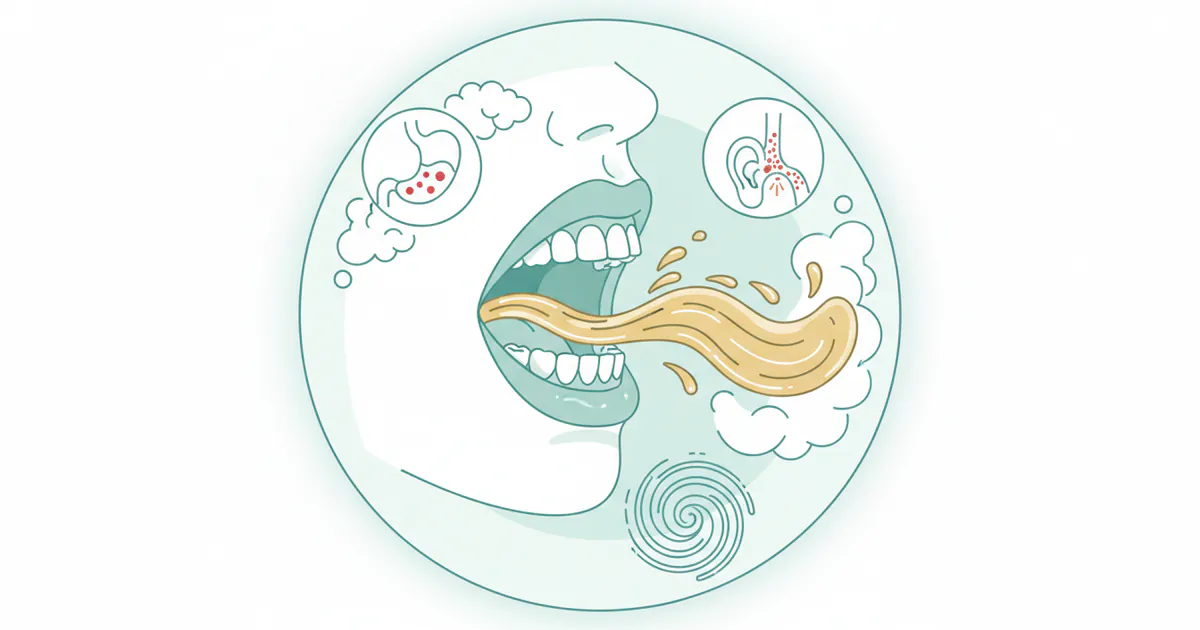
Key Takeaways
- In recent years, oil pulling has surged in popularity as a natural, holistic approach to oral hygiene. Proponents tout its potential to whiten teeth, reduce bad breath, and improve overall gum health. Indeed, a 2020 survey revealed that nearly 1 in 5 Americans have tried oil pulling, drawn by th
Oil Pulling Side Effects: Complete Guide
In recent years, oil pulling has surged in popularity as a natural, holistic approach to oral hygiene. Proponents tout its potential to whiten teeth, reduce bad breath, and improve overall gum health. Indeed, a 2020 survey revealed that nearly 1 in 5 Americans have tried oil pulling, drawn by the promise of a healthier smile without harsh chemicals. However, like any health practice, understanding the full spectrum of its impact is crucial, especially concerning potential oil pulling side effects.

While often presented as a harmless ancient remedy, oil pulling is not without its considerations and potential pitfalls. Misinformation and improper technique can lead to unexpected and sometimes serious complications, ranging from mild discomfort to more significant dental or systemic issues. This comprehensive guide will meticulously explore the known and purported adverse effects associated with oil pulling, delve into why they occur, and provide actionable advice on prevention and management. We'll also examine what oil to use for oil pulling, compare different types like olive oil pulling, and equip you with the knowledge to make informed decisions about incorporating this practice into your dental routine—or whether to avoid it altogether.
By the end of this article, you'll have a complete understanding of the nuances of oil pulling, ensuring your pursuit of better oral health remains safe and effective.
Key Takeaways:
- Oil pulling involves swishing oil (typically coconut, sesame, or sunflower) in the mouth for 10-20 minutes to "pull" toxins.
- Common side effects include jaw stiffness, headaches, upset stomach, and gagging, often due to improper technique or duration.
- More serious, though rare, complications can include allergic reactions, lipoid pneumonia (from aspiration), and worsening existing dental conditions.
- The American Dental Association (ADA) does not endorse oil pulling as a substitute for traditional oral hygiene due to insufficient scientific evidence supporting its purported benefits and potential risks.
- To minimize risks, always use food-grade, unrefined oils; start with short durations (5 minutes); never swallow the oil; and avoid it if you have a sensitive gag reflex or existing respiratory conditions.
- A 1-liter bottle of suitable oil (e.g., organic virgin coconut oil) typically costs $12-$25, lasting several months.
- If you experience persistent discomfort, pain, or unusual symptoms after oil pulling, discontinue the practice and consult a dentist.
What Is Oil Pulling? An Overview
Oil pulling, also known as "kavala" or "gundusha" in Ayurvedic medicine, is an ancient Indian folk remedy that involves swishing a tablespoon of edible oil in the mouth for a period, typically between 5 and 20 minutes, then spitting it out. The underlying theory is that the oil "pulls" bacteria, toxins, and other debris from the oral cavity, leading to improved oral hygiene and various systemic health benefits. Historically, sesame oil was the most commonly used, but in modern practice, virgin coconut oil has gained immense popularity due to its pleasant taste and purported antimicrobial properties. Other oils like sunflower oil, olive oil, and various vegetable oils are also sometimes used.
The mechanism proposed by proponents is that the lipids in the oil attract and dissolve the fat-soluble toxins, bacteria, and their byproducts present in the saliva and on mucous membranes. As the oil is swished, it emulsifies, mixing with saliva and drawing out these substances. When the oil is spit out, the belief is that these harmful elements are removed from the body, preventing their reabsorption and promoting a cleaner oral environment.
While enthusiasts claim benefits ranging from reduced plaque and gingivitis to brighter teeth, fresher breath, and even alleviation of headaches and systemic detox, it's crucial to understand that many of these claims lack robust scientific backing from large-scale, peer-reviewed clinical trials. The ADA maintains that there is currently insufficient scientific evidence to support the use of oil pulling as a primary or adjunctive oral hygiene measure.
Types of Oil Pulling and Variations
While the basic premise of oil pulling remains consistent—swishing oil in the mouth—there are variations primarily concerning the type of oil used, each with its own characteristics and potential implications for oil pulling side effects.
Common Oils Used:
-
Coconut Oil:
- Pros: Highly popular due to its pleasant taste and reported antimicrobial properties, particularly its high lauric acid content, which some studies suggest can combat Streptococcus mutans, a primary bacteria in tooth decay. It solidifies at room temperature but melts quickly in the mouth.
- Cons: Some individuals may be sensitive or allergic to coconut. Can solidify and clog drains if spit into a sink.
- Usage: Typically unrefined, virgin coconut oil is recommended.
-
Sesame Oil:
- Pros: The traditional oil used in Ayurveda. Rich in antioxidants (sesamol, sesamolin) and has anti-inflammatory properties. Some older studies suggest it can reduce plaque and gingivitis.
- Cons: Stronger, nuttier taste that some people find unpleasant. Potential for allergic reactions in individuals with sesame allergies.
- Usage: Unrefined, cold-pressed sesame oil is preferred.
-
Sunflower Oil:
- Pros: Neutral taste, high in linoleic acid (an omega-6 fatty acid). Some proponents suggest it has detoxifying properties.
- Cons: Less commonly studied than coconut or sesame oil for oral health benefits. May go rancid more quickly than other oils if not stored properly.
- Usage: Cold-pressed, organic sunflower oil is usually recommended.
-
Olive Oil Pulling:
- Pros: Readily available, well-known for its anti-inflammatory properties and antioxidants. Some people prefer its taste over sesame oil. Extra virgin olive oil (EVOO) is often chosen.
- Cons: Can be more expensive than other oils. While healthy for consumption, its specific benefits for oral pulling are less researched than coconut or sesame oil. The stronger taste can be off-putting for some.
- Usage: High-quality extra virgin olive oil.
-
Other Oils:
- Grapeseed, Avocado, Jojoba Oil: Less common for oil pulling. Grapeseed oil has a neutral taste. Avocado oil is rich in vitamins. Jojoba oil is technically a wax ester, not a triglyceride, but sometimes mentioned. Their efficacy and specific side effect profiles for oral pulling are even less understood.
Method Variations:
- Duration: Most commonly, 10-20 minutes. Some advocates suggest starting with 5 minutes and gradually increasing. Longer durations are believed to enhance "detoxification," but also increase the risk of jaw fatigue or accidental swallowing.
- Frequency: Daily, or several times a week.
- Time of Day: Typically first thing in the morning before eating or drinking, on an empty stomach, to maximize the "pulling" of overnight accumulated toxins.
Pro Tip: Regardless of the oil chosen, always opt for food-grade, unrefined, organic varieties to minimize exposure to pesticides or processing chemicals that could potentially worsen any oil pulling side effects.
Causes: Why Oil Pulling Side Effects Happen
Understanding why oil pulling might lead to adverse effects is key to prevention. These causes can broadly be categorized into improper technique, pre-existing conditions, specific oil properties, and the physiological responses of the body.
1. Improper Technique or Duration:
- Swallowing the Oil: This is a primary concern. The premise of oil pulling is to "pull" toxins. If the oil, now laden with bacteria and debris, is swallowed, these substances are reintroduced into the digestive system. This can lead to gastrointestinal upset, nausea, vomiting, or diarrhea. In severe cases, particularly if aspiration occurs, it can lead to lipoid pneumonia.
- Excessive Duration: Swishing oil for too long (e.g., beyond 20 minutes) can cause significant jaw fatigue, muscle strain, and discomfort in the temporomandibular joint (TMJ). It also increases the likelihood of accidentally swallowing the oil as salivary glands continue to produce saliva, making it difficult to hold the mixture.
- Too Much Oil: Using too large a quantity of oil (more than one tablespoon) can make swishing difficult, induce gagging, and increase the risk of accidental swallowing.
- Aggressive Swishing: Vigorously swishing the oil can strain jaw muscles, exacerbate existing TMJ issues, and potentially irritate sensitive gum tissue.
2. Pre-existing Conditions and Sensitivities:
- Allergies: Individuals with known allergies to specific oils (e.g., coconut, sesame) can experience allergic reactions, ranging from mild oral irritation, itching, or swelling to more severe systemic reactions like hives, difficulty breathing, or anaphylaxis. Even a mild sensitivity can cause discomfort or a rash around the mouth.
- Sensitive Gag Reflex: The texture and volume of oil in the mouth can trigger a strong gag reflex, making the practice uncomfortable or impossible for some, leading to retching or vomiting.
- TMJ Disorders: People with pre-existing temporomandibular joint (TMJ) disorders may find oil pulling aggravates their jaw pain, clicking, or limited range of motion due to the sustained muscle activity.
- Respiratory Issues: Individuals with compromised swallowing reflexes, asthma, or other respiratory conditions are at a higher risk of aspirating the oil, leading to serious complications like lipoid pneumonia.
- Periodontal Disease/Open Sores: While some claim oil pulling helps with gum disease, if done improperly or with irritating oils, it could potentially irritate inflamed gums or existing oral sores, hindering healing.
3. Oil Properties and Quality:
- Rancid Oil: Using expired or improperly stored oil can lead to a rancid product. Swishing rancid oil can cause significant oral irritation, an unpleasant taste, and potentially contribute to gastrointestinal distress if ingested.
- Unrefined/Impure Oils: Non-food-grade or heavily processed oils may contain additives, chemicals, or impurities that are not safe for prolonged oral contact, potentially causing irritation or other adverse reactions.
- Acidity: While most common oils for pulling (coconut, sesame, sunflower, olive) are relatively neutral, some lesser-used oils might have slightly acidic properties that could theoretically contribute to enamel erosion over time, especially if used incorrectly or frequently, though this is less documented than other concerns.
4. Physiological Responses:
- Detox Symptoms (Purported): Some proponents suggest initial side effects like headaches, mild nausea, or nasal congestion are "detox symptoms" indicating the body is expelling toxins. However, there's no scientific basis for this claim. These symptoms are more likely indicators of dehydration, jaw strain, or mild irritation.
- Dehydration: Prolonged swishing can sometimes contribute to a feeling of dry mouth or mild dehydration, especially if not followed by adequate water intake.
- Interference with Oral Microbiome: While oil pulling is said to kill "bad" bacteria, indiscriminately altering the oral microbiome without scientific guidance could potentially disturb the delicate balance of beneficial bacteria, leading to other oral health issues.
Signs and Symptoms of Oil Pulling Side Effects
Recognizing the signs and symptoms of adverse reactions to oil pulling is crucial for timely intervention and preventing more serious complications. These can range from mild and common to severe and rare.
Common and Mild Symptoms:
- Jaw Stiffness or Pain: Often due to prolonged or overly vigorous swishing, straining the temporomandibular joint (TMJ) and surrounding muscles. You might feel soreness, aching, or even clicking in your jaw.
- Headaches: Can stem from jaw muscle tension or be a "detox symptom" as claimed by some (though scientifically unsubstantiated). It might also be a sign of mild dehydration.
- Nausea or Upset Stomach: Usually occurs if the oil, laden with bacteria and debris, is accidentally swallowed. This can lead to digestive discomfort, cramps, or even vomiting.
- Gagging or Retching: Caused by the texture or volume of the oil in the mouth, especially for individuals with a sensitive gag reflex.
- Oral Irritation: Redness, soreness, or a burning sensation in the mouth or gums. This could be due to an allergic reaction to the oil or irritation from prolonged contact.
- Dry Mouth: Despite using oil, some individuals report a feeling of dryness afterward, possibly due to the oil coating the tissues or affecting salivary gland function temporarily.
- Taste Alterations: A temporary metallic or altered taste in the mouth after spitting out the oil.
Less Common and Moderate Symptoms:
- Diarrhea or Loose Stools: Another indicator of accidental ingestion of the oil and its contents, causing gastrointestinal distress as the body attempts to expel the foreign substances.
- Fatigue or Lethargy: While proponents might label this a "detox symptom," it could also indicate a systemic reaction to irritation or an allergic response.
- Nasal Congestion or Runny Nose: Some users report these symptoms, which may be attributed to an allergic reaction, sinus irritation, or a "detox" effect by advocates. Scientifically, it's more likely an irritant response.
- Temporary Loss of Taste: While rare, some anecdotal reports suggest a temporary dulling of taste buds.
Rare and Severe Symptoms:
- Allergic Reactions:
- Localized: Severe swelling of lips, tongue, or throat; significant rash or hives around the mouth.
- Systemic (Anaphylaxis): Difficulty breathing, rapid heart rate, dizziness, widespread hives, which is a medical emergency requiring immediate attention. This is a risk for anyone with a severe allergy to the specific oil being used.
- Lipoid Pneumonia: This is a serious condition caused by the aspiration of oil into the lungs. Symptoms include persistent cough, shortness of breath, chest pain, and fever. It's more common in individuals with impaired gag reflexes, swallowing difficulties, or compromised lung function. This requires immediate medical attention.
- Worsening of Dental Conditions: If an individual has untreated cavities or gum disease, oil pulling might theoretically irritate these areas, or create a false sense of security that delays necessary professional dental treatment, allowing conditions to progress.
- Damage to Dental Restorations: While largely unproven, some concerns have been raised about oils potentially loosening fillings or veneers, although there is no strong evidence to support this. However, it's wise to be cautious if you have extensive dental work.
Pro Tip: Always pay close attention to how your body reacts to oil pulling. Any unusual or persistent symptom should prompt you to stop the practice and consult with a dental professional.
Treatment Options for Oil Pulling Side Effects
Addressing oil pulling side effects largely depends on their severity and underlying cause. Most mild symptoms resolve on their own once the practice is discontinued or adjusted. However, more severe reactions require immediate professional medical attention.
1. For Mild Side Effects (Self-Management):
- Discontinue Oil Pulling: The most immediate and effective "treatment" for any adverse reaction is to stop the practice entirely.
- Rest and Hydration:
- Jaw Pain/Stiffness: Rest your jaw, avoid hard or chewy foods, and apply a warm compress. Over-the-counter pain relievers like ibuprofen or acetaminophen can help with discomfort.
- Headaches: Often resolve with rest and hydration. Ensure you're drinking plenty of water throughout the day.
- Nausea/Upset Stomach: Drink clear fluids, sip ginger tea, and eat bland foods. Avoid anything that might further irritate your stomach.
- Oral Hygiene: If you experience oral irritation, ensure you maintain excellent basic oral hygiene (brushing, flossing) but do so gently. Rinse your mouth with warm salt water (1/2 teaspoon salt in 8 ounces warm water) several times a day to soothe irritated tissues.
- Adjust Technique: If you wish to resume oil pulling after mild, resolved symptoms, consider:
- Reducing Duration: Start with 5 minutes and gradually increase only if comfortable.
- Less Oil: Use only 1 teaspoon to 1 tablespoon.
- Gentler Swishing: Avoid vigorous movements.
- Changing Oil Type: If you suspect an allergy or sensitivity to a specific oil, try a different type (e.g., switch from coconut to sesame or sunflower oil).
2. For Moderate to Severe Side Effects (Professional Intervention):
- Allergic Reactions:
- Mild to Moderate: If symptoms like localized swelling or hives are present, an antihistamine (e.g., diphenhydramine) might be recommended by a doctor or pharmacist.
- Severe (Anaphylaxis): Call 911 immediately. This is a medical emergency requiring immediate epinephrine injection and emergency medical care.
- Lipoid Pneumonia: Seek emergency medical care immediately. This condition requires hospital admission, antibiotics, and potentially respiratory support. It is a serious complication that can be life-threatening.
- Persistent Gastrointestinal Distress: If nausea, vomiting, or diarrhea persist for more than 24-48 hours after stopping oil pulling, consult your primary care physician. They may recommend anti-nausea medications, anti-diarrheals, or further investigation to rule out other causes.
- Worsening Dental Conditions: If you notice new cavities, increased tooth sensitivity, persistent gum inflammation, or any changes in existing dental work, schedule an appointment with your dentist promptly. They can diagnose the issue and recommend appropriate dental treatments.
- TMJ Aggravation: If jaw pain or dysfunction persists, your dentist can assess your temporomandibular joint. Treatments might include a custom nightguard, physical therapy, muscle relaxants, or in rare cases, other interventions.
- Persistent Oral Lesions/Irritation: Any persistent sores, redness, or unusual growths in the mouth should be examined by a dentist to rule out underlying conditions, including oral cancer.
Pro Tip: Never ignore symptoms, especially if they are severe, persistent, or worsen. When in doubt, it is always safer to consult a healthcare professional.
Step-by-Step Process: Proper Oil Pulling Technique (to Prevent Side Effects)
To minimize the risk of oil pulling side effects, proper technique is paramount. If you choose to try oil pulling, follow these steps carefully:
-
Choose Your Oil Wisely: Opt for high-quality, unrefined, organic, and food-grade oil. Virgin coconut oil, sesame oil, or sunflower oil are popular choices. If you're considering olive oil pulling, ensure it's extra virgin olive oil.
- Pro Tip: If using coconut oil, which solidifies below 76°F (24°C), you can gently warm it in a tablespoon by holding it in your hands or placing the spoon in warm water for a moment until it liquefies. Do not microwave.
-
Timing is Key: The best time to oil pull is first thing in the morning, on an empty stomach, before you eat, drink, or even brush your teeth. This is believed to maximize the "pulling" of bacteria accumulated overnight.
-
Measure the Right Amount: Place 1 teaspoon to 1 tablespoon of your chosen oil into your mouth.
- Pro Tip: If you're new to oil pulling or have a sensitive gag reflex, start with just 1 teaspoon and gradually increase to 1 tablespoon as you become comfortable.
-
Gentle Swishing: Gently swish the oil around your mouth. Do not gargle and do not swallow. The goal is to move the oil through your teeth and gums, "pulling" bacteria and debris.
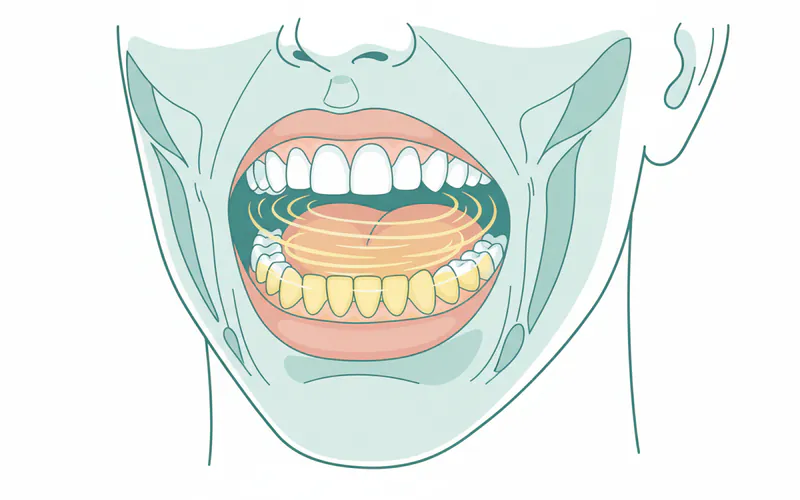
- Focus on a relaxed, gentle motion. Avoid vigorous swishing, which can strain your jaw muscles and lead to discomfort.
-
Duration: Aim for 5 to 20 minutes.
- Start Short: Beginners should start with 5 minutes and gradually increase the duration over several days or weeks as tolerated.
- Listen to Your Body: If your jaw starts to ache, or you feel the urge to swallow, stop early. Do not push through discomfort.
- Consistency over Duration: Daily 5-minute sessions are generally better than infrequent, overly long sessions.
-
Recognize the Change: As you swish, the oil will emulsify and mix with your saliva, becoming thinner and taking on a milky-white, foamy appearance. This indicates it's mixed with oral fluids and debris.
-
Spit It Out Responsibly: After your desired duration, spit the oil into a trash can. Do NOT spit it into a sink or toilet, as solidified oil (especially coconut oil) can clog plumbing over time. Do NOT swallow the oil.
-
Rinse Thoroughly: Immediately rinse your mouth thoroughly with warm water. You can also use a mild salt water rinse. This helps to remove any residual oil and bacteria.
-
Resume Normal Oral Hygiene: Proceed with your regular oral hygiene routine: brush your teeth and floss as usual.
Important Precautions:
- Never Swallow: This is the most critical rule to prevent gastrointestinal upset and, in rare cases, lipoid pneumonia.
- Not a Substitute: Oil pulling is not a substitute for regular brushing, flossing, and professional dental check-ups. It should only be considered an adjunct to a comprehensive oral hygiene routine, if at all.
- Consult Your Dentist: If you have existing dental conditions, gum disease, or any medical concerns, consult your dentist before starting oil pulling.
- Children: Not recommended for young children due to the risk of swallowing.
Cost and Insurance (Related to Managing Side Effects)
The direct cost of oil pulling itself is minimal, primarily the price of the oil. However, if oil pulling side effects necessitate professional dental or medical attention, costs can quickly accumulate. Understanding these potential expenses and insurance coverage is important.
Cost of Oils:
- Coconut Oil (Virgin, Organic):
- 16 oz (473ml) jar: $8 - $15
- 32 oz (946ml) jar: $15 - $25
- Sesame Oil (Unrefined, Organic):
- 16 oz (473ml) bottle: $10 - $20
- Sunflower Oil (Organic, Cold-Pressed):
- 16 oz (473ml) bottle: $8 - $15
- Extra Virgin Olive Oil (Organic):
- 16 oz (473ml) bottle: $12 - $25
A single jar/bottle can last several months with daily use (1 tablespoon per day is approx. 14-15 ml, so a 946ml bottle provides about 60-67 uses).
Costs of Addressing Side Effects (Without Insurance, US Averages):
These are broad ranges, as costs vary significantly by region, provider, and the complexity of the issue.
| Service/Treatment Needed | Average Cost Range (USD) | What It Addresses |
|---|---|---|
| Dental Consultation/Exam | $75 - $250 | Jaw pain, persistent oral irritation, suspicious lesions, general dental concerns. |
| TMJ Consultation/Treatment | $200 - $1,000+ | Persistent jaw pain, clicking, limited opening. (Excludes custom splints). |
| Custom Nightguard/Splint (for TMJ) | $300 - $800 | Fabricated appliance to alleviate TMJ stress, often related to jaw clenching/strain. |
| Oral Lesion Biopsy | $300 - $800 | If persistent oral irritation leads to suspicious tissue changes. |
| Emergency Room Visit (Non-specific) | $500 - $2,500+ | Severe allergic reaction, acute difficulty breathing (pre-diagnosis). |
| Primary Care Physician Visit | $100 - $300 | Persistent nausea, diarrhea, headaches not resolving, mild allergic reaction. |
| Pulmonologist Consultation | $250 - $600 | If lipoid pneumonia is suspected or confirmed, for specialized lung care. |
| Hospitalization for Lipoid Pneumonia | $5,000 - $30,000+ | Requires extensive medical care, potentially including respiratory support, IVs, meds. |
| Prescription Medications | $10 - $200+ | Antibiotics for pneumonia, anti-inflammatory drugs, stronger antihistamines. |
Insurance Coverage:
- Dental Insurance:
- Typically covers preventative care (exams, cleanings) and restorative procedures (fillings, crowns).
- If oil pulling side effects lead to issues like TMJ pain requiring a nightguard, some plans may cover a portion (e.g., 50-80%) after a deductible.
- Treatment for dental infections or worsening conditions would generally be covered as per plan benefits.
- Medical Insurance:
- Will cover most costs associated with serious systemic issues like allergic reactions, lipoid pneumonia, or persistent gastrointestinal problems that require a doctor's visit, specialist consultation, or hospitalization.
- Emergency room visits are generally covered, but high deductibles and co-pays are common.
- Prescription medications are usually covered, but formulary restrictions and tiered co-pays apply.
- No Insurance: Without insurance, you are responsible for 100% of these costs, which can be substantial. Many providers offer cash discounts or payment plans for uninsured patients.
Pro Tip: Always verify your specific insurance coverage for dental and medical procedures before seeking treatment. Contact your insurance provider directly to understand your benefits, deductibles, co-pays, and out-of-pocket maximums.
Recovery and Aftercare from Oil Pulling Side Effects
Recovery from oil pulling side effects depends entirely on the nature and severity of the adverse reaction. Most mild symptoms are transient and resolve quickly with discontinuation of the practice and self-care. More serious complications will necessitate formal medical or dental aftercare.
For Mild to Moderate Symptoms (e.g., Jaw Pain, Nausea, Oral Irritation):
- Stop Oil Pulling Immediately: This is the most important step. Do not resume until symptoms have completely resolved, and you've identified and corrected the cause (e.g., improper technique, specific oil).
- Hydrate and Rest: Drink plenty of water to help flush your system and alleviate potential dehydration-related headaches or dry mouth. Rest your jaw if experiencing soreness, avoiding chewing gum or hard foods.
- Gentle Oral Hygiene: Continue your regular brushing and flossing routine, but do so gently if your gums or mouth are irritated. A warm salt water rinse (1/2 teaspoon salt in 8 ounces warm water) can be soothing for oral irritation.
- Monitor Symptoms: Keep a close watch on your symptoms. If they persist for more than a few days, worsen, or new symptoms develop, seek professional advice.
- Identify the Cause: Once recovered, reflect on what might have caused the issue. Was the oil rancid? Was the duration too long? Did you swallow some oil? Were you using an oil you might be sensitive to? This helps in deciding if you want to try oil pulling again and how to modify your approach safely.
For Severe Symptoms (e.g., Allergic Reaction, Lipoid Pneumonia, Worsening Dental Condition):
Recovery for severe complications will follow medical protocols and professional guidance.
- Follow Medical/Dental Advice: Adhere strictly to your doctor's or dentist's instructions regarding medications, follow-up appointments, and activity restrictions.
- Medication Adherence: Take all prescribed medications (e.g., antibiotics for pneumonia, antihistamines for allergies) as directed.
- Respiratory Support (if applicable): For lipoid pneumonia, recovery may involve respiratory therapy, oxygen support, and a period of monitoring in a hospital setting. Adhere to all recommendations from your pulmonologist.
- Dietary Adjustments: If severe gastrointestinal issues occurred, you might need to follow a bland diet for a period. For severe TMJ pain, a soft diet might be recommended to rest the jaw.
- Dental Interventions: If oil pulling contributed to or worsened a dental condition (e.g., cavity progression, gum irritation), you will require specific dental treatments as planned by your dentist. This could range from fillings to periodontal therapy.
- Avoid Oil Pulling Permanently: If you experienced a severe side effect like lipoid pneumonia or a significant allergic reaction, it is strongly advised to permanently discontinue oil pulling. The risks far outweigh any purported benefits in such cases.
Pro Tip: If you've had a severe reaction, make sure to inform any new healthcare providers about your history of oil pulling and the specific complication you experienced. This information is crucial for your ongoing health management.
Prevention of Oil Pulling Side Effects
Prevention is always better than cure, especially when it comes to a practice with unproven benefits like oil pulling. By adhering to best practices and being mindful of your body's responses, you can significantly reduce the risk of experiencing oil pulling side effects.
- Consult Your Dentist First: Before starting any new oral health regimen, including oil pulling, discuss it with your dentist. This is especially crucial if you have existing dental conditions (cavities, gum disease, TMJ issues, extensive dental work) or systemic health problems (respiratory issues, allergies). Your dentist can assess your oral health and advise if oil pulling is safe for you.
- Choose the Right Oil:
- Food-Grade, Unrefined, Organic: Always select high-quality, unrefined, and preferably organic oils. This minimizes exposure to pesticides, chemicals, or additives that could cause irritation.
- Avoid Known Allergens: If you have allergies to specific oils (e.g., coconut, sesame), choose an alternative. Perform a patch test on your skin or a very brief, small oral test if unsure about sensitivity.
- Store Properly: Keep your oil in a cool, dark place to prevent it from going rancid. Check the expiration date.
- Master the Proper Technique:
- Start Small: Begin with 1 teaspoon of oil and gradually increase to 1 tablespoon if comfortable.
- Gentle Swishing: Avoid vigorous or forceful swishing. The goal is a relaxed, gentle movement of the oil around your mouth and through your teeth, not a rigorous rinse.
- Optimal Duration: Start with 5 minutes. If comfortable, gradually increase to 10-15 minutes. There is no evidence that going beyond 20 minutes provides additional benefits, and it increases risks of jaw fatigue and accidental swallowing.
- NEVER Swallow: This is the most critical prevention rule. Always spit out the oil into a trash can, not a sink (to avoid clogging pipes), and never swallow the oil, which is now laden with bacteria and toxins.
- Recognize and Respect Your Gag Reflex: If you have a sensitive gag reflex, oil pulling might not be suitable for you. Trying to force it can lead to uncomfortable gagging or vomiting.
- Maintain Regular Oral Hygiene: Oil pulling is not a substitute for brushing twice a day with fluoride toothpaste, daily flossing, and regular dental check-ups and cleanings. These are the cornerstones of effective oral health, supported by decades of scientific research and endorsed by the ADA.
- Listen to Your Body: Pay close attention to how you feel during and after oil pulling.
- If you experience any discomfort, pain, nausea, jaw stiffness, or allergic symptoms, stop immediately.
- Do not try to "power through" perceived "detox symptoms," as these are often signs of irritation or a negative reaction.
- Consider Your Health History:
- Respiratory Issues: If you have asthma, COPD, or any condition that affects your swallowing reflex (e.g., stroke survivors, neurological conditions), avoid oil pulling due to the significant risk of aspirating the oil and developing lipoid pneumonia.
- TMJ Disorders: If you have pre-existing TMJ pain or dysfunction, oil pulling can exacerbate these conditions. Discuss alternatives with your dentist.
- Not for Children: Oil pulling is generally not recommended for children due to the high risk of accidental swallowing.
Risks and Complications of Oil Pulling
While often portrayed as harmless, oil pulling carries several risks and potential complications, some of which can be serious. It's essential to be fully aware of these before engaging in the practice.
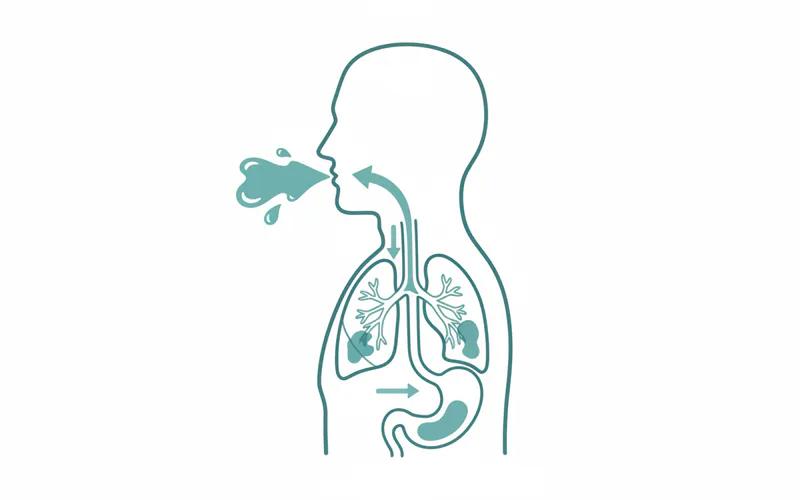
1. Aspiration and Lipoid Pneumonia:
-
Mechanism: This is arguably the most severe, though rare, complication. If oil is accidentally inhaled or aspirated into the lungs, it can cause lipoid pneumonia. The lipids (fats) in the oil trigger an inflammatory response in the lung tissue.
-
Risk Factors: Individuals with impaired gag reflexes, swallowing difficulties (dysphagia), neurological conditions, elderly individuals, or young children are at a significantly higher risk.
-
Symptoms: Persistent cough, shortness of breath, chest pain, fever, and fatigue. These symptoms can develop days or weeks after the aspiration event.
-
Outcome: Lipoid pneumonia can range from mild to severe, potentially requiring hospitalization, oxygen therapy, and antibiotics, and in some cases, can be fatal.
2. Allergic Reactions:
- Mechanism: As with any food product, individuals can be allergic to specific oils (e.g., coconut, sesame, sunflower). The prolonged contact with the mucous membranes of the mouth can trigger an allergic response.
- Symptoms: Can range from localized oral irritation, itching, redness, and swelling of the lips, tongue, or throat to more systemic reactions like hives, skin rashes, nasal congestion, difficulty breathing (anaphylaxis).
- Severity: Anaphylaxis is a life-threatening medical emergency.
3. Temporomandibular Joint (TMJ) Dysfunction:
- Mechanism: Prolonged and repetitive jaw movements involved in swishing the oil can strain the muscles of mastication and the temporomandibular joint itself.
- Symptoms: Jaw pain, clicking or popping sounds in the jaw, limited mouth opening, headaches, and muscle soreness in the face and neck. These symptoms can be particularly bothersome for individuals with pre-existing TMJ disorders.

4. Gastrointestinal Upset:
- Mechanism: If the oil, now saturated with bacteria, food particles, and toxins from the mouth, is accidentally swallowed, these substances are introduced into the digestive system.
- Symptoms: Nausea, vomiting, diarrhea, abdominal cramps, or general stomach upset. While usually mild and self-limiting, it can be quite uncomfortable.
5. Interference with Dental Work:
- Mechanism: There are anecdotal concerns, though limited scientific evidence, that the prolonged presence of oil might theoretically loosen certain types of dental restorations (e.g., poorly bonded crowns, veneers, or fillings) over time due to the emulsifying action or constant mechanical stress.
- Risk: While the ADA states there's no evidence, it's a theoretical concern worth noting, particularly for individuals with extensive or older dental work.
6. Deterioration of Oral Health Due to False Security:
- Mechanism: Some individuals may view oil pulling as a comprehensive solution for oral health, neglecting scientifically proven methods like brushing with fluoride toothpaste, flossing, and regular dental check-ups.
- Risk: This can lead to the progression of untreated cavities, gum disease, and other oral health issues, potentially leading to more severe and costly problems down the line. Oil pulling has not been shown to reverse cavities or cure advanced periodontal disease.
7. Oral Irritation or Dry Mouth:
- Mechanism: Prolonged contact with certain oils or the act of swishing itself might irritate sensitive oral tissues. Paradoxically, some individuals report a sensation of dry mouth after oil pulling, which could be due to a temporary disruption of salivary film or the oil coating.
- Symptoms: Redness, soreness, burning sensation in the mouth, or a feeling of dryness.
Pro Tip: The ADA explicitly states that "there is no reliable scientific evidence that oil pulling has any effect on oral health." Relying solely on oil pulling instead of established dental care can lead to significant and preventable oral health problems.
Comparison Tables
To help readers understand the various aspects and potential issues related to oil pulling, here are two comparison tables.
Table 1: Common Oils for Oil Pulling - Pros, Cons & Considerations
| Oil Type | Key Benefits (Purported) | Potential Drawbacks / Considerations | Typical Cost (USD/16oz) | Best For (User Profile) |
|---|---|---|---|---|
| Coconut Oil | Pleasant taste, high lauric acid (antimicrobial) | Solidifies at room temp, potential for allergies, clogs drains | $8 - $15 | Beginners, those sensitive to strong tastes, anti-microbial focus |
| Sesame Oil | Traditional (Ayurvedic), antioxidants, anti-inflammatory | Stronger, nutty taste, potential for allergies, less common | $10 - $20 | Traditionalists, those seeking antioxidant benefits |
| Sunflower Oil | Neutral taste, high linoleic acid (omega-6) | Less researched for oral health, may go rancid faster | $8 - $15 | Those sensitive to strong tastes, seeking neutral option |
| Olive Oil | Readily available, antioxidants, anti-inflammatory | Stronger taste for some, less specific oral health research than others | $12 - $25 | Those who prefer its flavor, general health benefits |
Table 2: Oil Pulling Side Effects vs. Other Common Oral Issues
This table helps differentiate potential oil pulling complications from other standard oral health problems.
| Symptom / Condition | Common Cause (Oil Pulling Side Effect) | Common Cause (Other Oral Issue) | Severity | Action Required |
|---|---|---|---|---|
| Jaw Pain/Stiffness | Prolonged/vigorous swishing, TMJ strain | Bruxism (teeth grinding), clenching, TMJ disorder, dental infection, stress | Mild-Mod | Stop oil pulling, rest jaw, consult dentist for persistent pain. |
| Nausea/Upset Stomach | Accidental swallowing of oil (bacteria-laden) | Food poisoning, gastroenteritis, acid reflux, stomach flu | Mild-Mod | Stop oil pulling, hydrate, consult physician if persistent. |
| Oral Irritation/Redness | Allergic reaction to oil, too vigorous swishing | Gum disease (gingivitis/periodontitis), canker sores, trauma, infection | Mild-Mod | Stop oil pulling, warm salt rinse, consult dentist if persistent. |
| Persistent Cough/Shortness of Breath | Aspiration of oil (Lipoid Pneumonia) | Asthma, bronchitis, common cold/flu, allergies, pneumonia (bacterial/viral) | Severe | IMMEDIATE MEDICAL EMERGENCY: Call 911 or go to ER. |
| Swollen Gums/Bleeding | Potentially exacerbation of existing gum issues by vigorous swishing, allergy | Gingivitis, periodontitis (gum disease), trauma, systemic conditions, medication | Mild-Severe | Consult dentist for diagnosis and treatment of gum disease. |
| Tooth Sensitivity | (Less direct) Some claim enamel erosion with acidic oils, though rare | Cavities, receding gums, worn enamel, cracked tooth, clenching/grinding | Mild-Mod | Consult dentist to identify cause and recommend treatment. |
Children / Pediatric Considerations
Oil pulling is generally NOT recommended for children, especially young children. This stance is rooted in several critical safety concerns and the lack of scientific evidence supporting its benefits in this age group.
Key Concerns for Children:
- Risk of Swallowing the Oil: The primary and most significant concern is the inability of young children to reliably understand and follow instructions not to swallow the oil. Accidental ingestion of oil laden with oral bacteria and debris can lead to gastrointestinal upset (nausea, vomiting, diarrhea). More critically, the risk of aspirating the oil into the lungs, leading to lipoid pneumonia, is substantially higher in children due to their less developed swallowing reflexes and smaller airways. Lipoid pneumonia in children can be particularly severe.
- Choking Hazard: The volume and texture of oil in a child's mouth could potentially pose a choking hazard if they struggle to manage it.
- Allergic Reactions: Children are susceptible to food allergies, and introducing a new substance like coconut or sesame oil in this manner could trigger an allergic reaction, which can be particularly dangerous for a child.
- Lack of Demonstrated Benefit: There is no scientific research or clinical evidence demonstrating any unique benefits of oil pulling for children's oral health beyond what regular brushing with fluoride toothpaste and flossing already provide. The ADA does not recommend oil pulling for any age group, let alone children.
- Interference with Established Oral Hygiene: Emphasizing oil pulling might detract from the consistent practice of proven oral hygiene methods. Instilling good habits like brushing twice daily with fluoride toothpaste (age-appropriate amount), flossing, and regular dental check-ups from a young age is far more critical for a child's lifelong oral health.
- Jaw Strain: Prolonged swishing can cause jaw fatigue or potentially impact developing jaw joints in children, though this is less documented.
Age-Specific Guidance for Parents:
- Infants and Toddlers (0-3 years): Absolutely DO NOT use oil pulling. Their swallowing reflex is not mature enough to prevent ingestion or aspiration. Focus on cleaning gums with a soft cloth and brushing teeth with a smear of fluoride toothpaste once teeth erupt.
- Preschoolers (3-6 years): Still NOT recommended. While they can follow some instructions, the risk of accidental swallowing or aspiration remains high. Continue with supervised brushing with a pea-sized amount of fluoride toothpaste.
- School-Aged Children and Pre-Teens (7-12 years): Still generally NOT recommended. Even if a child claims they can manage not to swallow, the risk is not worth the unproven benefits. Focus on developing independent, effective brushing and flossing habits.
- Teenagers (13+ years): While physically capable, the same concerns about lack of scientific evidence, potential for side effects, and risk of neglecting proven oral hygiene methods apply. Parents should educate teens on the lack of endorsement by major dental organizations and the potential risks before they consider trying it.
Pro Tip for Parents: The safest and most effective approach to a child's oral health involves consistent fluoride toothpaste brushing, daily flossing, a balanced diet, and regular visits to a pediatric dentist. There is no need or recommendation to introduce oil pulling into a child's oral hygiene routine.
Cost Breakdown: Professional Care for Side Effects
If oil pulling side effects necessitate a visit to a dental or medical professional, the costs can vary widely. This section provides a more detailed breakdown of average US costs, with and without insurance, and discusses payment options.
Average US Costs (Without Insurance):
| Service Category | Low Range (USD) | Mid Range (USD) | High Range (USD) | Notes |
|---|---|---|---|---|
| Dental Visit (Exam/Consult) | $75 | $150 | $250 | Initial assessment for jaw pain, oral irritation. |
| TMJ Therapy (Initial) | $200 | $500 | $1,000 | Diagnosis, basic conservative management (e.g., exercises). |
| Custom Nightguard/Splint | $300 | $550 | $800 | For persistent TMJ pain/bruxism. |
| Oral Biopsy (if needed) | $300 | $550 | $800 | If irritation leads to suspicious tissue. |
| Primary Care Physician Visit | $100 | $200 | $300 | For persistent nausea, headaches, mild allergic reactions. |
| ER Visit (Non-Emergent) | $500 | $1,200 | $2,500 | For severe pain, significant allergic reactions, respiratory distress (before definitive diagnosis). |
| ER Visit (Emergent/Pneumonia) | $2,000 | $5,000 | $10,000+ | For acute respiratory distress, severe allergic reaction. |
| Hospitalization (Pneumonia) | $5,000 | $15,000 | $30,000+ | Varies greatly by duration, treatments (e.g., ICU, ventilation). |
| Specialist Visit (Pulmonologist) | $250 | $400 | $600 | Follow-up for respiratory issues like lipoid pneumonia. |
| Prescription Medications | $10 | $50 | $200+ | Varies by drug (antibiotics, antihistamines, pain relievers). |
With Insurance:
- Dental Insurance:
- Preventative Care (Exams, X-rays): Often covered at 80-100% after deductible. An initial dental consult for an issue like jaw pain would likely fall under this.
- Basic Restorative (Fillings, simple extractions): Typically covered at 60-80% after deductible.
- Major Restorative (Crowns, TMJ appliances): Often covered at 40-50% after deductible. A nightguard for TMJ, if covered, would likely be in this category.
- Deductibles: Usually $50-$150 per year.
- Annual Maximums: Most dental plans have annual limits of $1,000-$2,500.
- Medical Insurance:
- Doctor Visits: Co-pays range from $20-$75 for primary care, $40-$150 for specialists.
- Emergency Room: Co-pays can range from $100-$500, with a portion of the bill after the deductible.
- Hospitalization: Subject to a high deductible (often $500-$5,000+) and coinsurance (e.g., 10-30% of the total bill up to an out-of-pocket maximum).
- Prescription Drugs: Co-pays vary greatly by drug tier (generic, preferred brand, non-preferred brand), from $5-$100+.
Payment Plans and Financing Options:
- In-Office Payment Plans: Many dental and medical offices offer in-house payment plans, allowing you to pay your bill in installments, sometimes interest-free.
- Medical Credit Cards: Companies like CareCredit or Alphaeon Credit offer specialized credit cards for healthcare expenses. They often have promotional interest-free periods if the balance is paid within a certain timeframe (e.g., 6, 12, 18 months).
- Personal Loans: Banks and credit unions offer personal loans that can cover medical expenses, though these come with interest rates.
- Healthcare Savings Account (HSA) / Flexible Spending Account (FSA): If you have one of these accounts, you can use pre-tax dollars to pay for qualified medical and dental expenses, including deductibles and co-pays.
- Negotiated Cash Prices: For uninsured patients, it's always worth asking if the provider offers a discount for cash payment upfront.
Cost-Saving Tips:
- Preventative Care: The best way to save on dental costs is to avoid issues altogether. Adhere to ADA-recommended brushing, flossing, and regular check-ups.
- Shop Around: For non-emergency care, compare prices from different dentists or specialists in your area.
- Utilize HSA/FSA: Plan for potential healthcare expenses by contributing to these tax-advantaged accounts.
- Generic Prescriptions: Always ask your doctor if a generic version of a prescribed medication is available.
- Urgent Care vs. ER: For non-life-threatening issues that require immediate attention but aren't true emergencies (e.g., persistent nausea, mild allergic reaction), an urgent care center is significantly cheaper than an emergency room.
Pro Tip: Always discuss potential costs and payment options with your dental or medical provider's office staff upfront. They can often provide estimates and clarify billing procedures.
Frequently Asked Questions
1. What are the most common oil pulling side effects?
The most common side effects include jaw stiffness or pain from prolonged swishing, headaches (often from jaw tension or dehydration), nausea or upset stomach if the oil is accidentally swallowed, and gagging due to the oil's texture or volume. These are usually mild and resolve upon stopping the practice.
2. Can oil pulling damage my teeth or gums?
While there's no strong scientific evidence that oil pulling directly damages healthy teeth or gums when done correctly, improper technique (like aggressive swishing) could irritate sensitive gums. If you have existing dental issues like cavities or gum disease, relying on oil pulling instead of professional treatment could allow these conditions to worsen.
3. What is the risk of lipoid pneumonia with oil pulling?
Lipoid pneumonia is a rare but serious complication caused by aspirating (inhaling) oil into the lungs. It's more likely to occur in individuals with impaired swallowing reflexes, respiratory conditions, or very young children. Symptoms include persistent cough, shortness of breath, and chest pain, requiring immediate medical attention.
4. Is it safe to do olive oil pulling?
Olive oil pulling is generally considered safe if done correctly, similar to coconut or sesame oil pulling. However, its specific oral health benefits are less researched, and some people may find its taste less pleasant. Always use food-grade, extra virgin olive oil and ensure you don't swallow it.
5. What should I do if I experience side effects from oil pulling?
If you experience any discomfort, pain, or unusual symptoms, stop oil pulling immediately. For mild symptoms like jaw pain or nausea, rest, hydrate, and maintain gentle oral hygiene. If symptoms persist, worsen, or are severe (e.g., difficulty breathing, severe allergic reaction), seek prompt medical or dental attention.
6. Can oil pulling help whiten teeth?
Some anecdotal reports suggest oil pulling can whiten teeth, but there's no robust scientific evidence to support this claim. Any perceived whitening might be due to the removal of extrinsic surface stains, similar to what regular brushing can achieve. It does not chemically bleach teeth.
7. How long should I oil pull for to avoid side effects?
To minimize side effects, start with a shorter duration, such as 5 minutes. If tolerated, you can gradually increase to 10-15 minutes. Swishing for longer than 20 minutes is generally not recommended as it increases the risk of jaw fatigue and accidental swallowing, without proven additional benefits.
8. What kind of oil is best for oil pulling?
Virgin coconut oil is the most popular due to its mild taste and potential antimicrobial properties (lauric acid). Sesame oil is traditional in Ayurveda. Sunflower and olive oil are also used. Regardless of the type, always choose food-grade, unrefined, and organic varieties to reduce the risk of irritation from impurities.
9. Can oil pulling replace brushing and flossing?
Absolutely not. The American Dental Association (ADA) and other major dental organizations state that oil pulling is not a substitute for scientifically proven oral hygiene practices like brushing twice daily with fluoride toothpaste, flossing daily, and regular dental check-ups. It lacks sufficient scientific evidence to be considered a primary oral health strategy.
10. How much does it cost to address oil pulling side effects if I need to see a dentist or doctor?
Costs vary widely. A basic dental exam for jaw pain might be $75-$250 without insurance. A medical doctor's visit for nausea could be $100-$300. More severe issues like lipoid pneumonia requiring hospitalization could cost thousands to tens of thousands of dollars. Insurance coverage will mitigate some costs, but deductibles and co-pays still apply.
When to See a Dentist
While oil pulling is an "alternative" practice, its potential side effects can sometimes warrant professional dental or medical attention. Knowing when to transition from self-monitoring to seeking expert help is crucial for your health and safety.
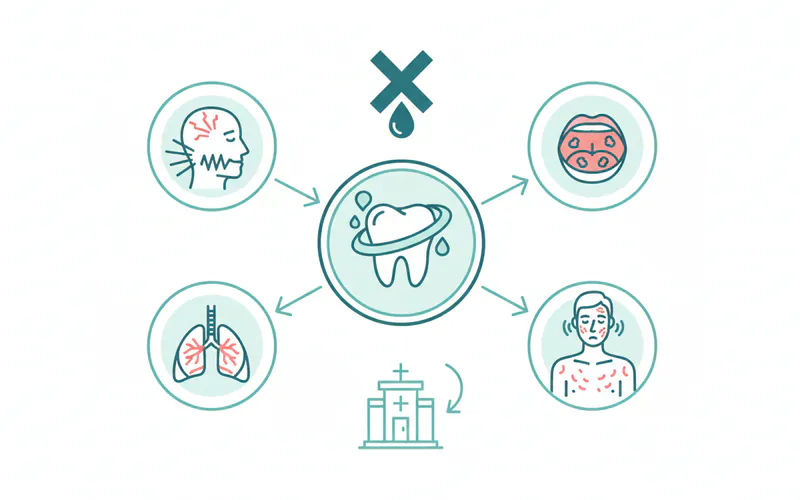
Clear Warning Signs Requiring Immediate Attention (Emergency):
- Difficulty Breathing, Shortness of Breath, or Persistent Cough: These are critical symptoms that could indicate aspiration of oil and the development of lipoid pneumonia. Seek emergency medical care (call 911 or go to the nearest ER) immediately.
- Severe Allergic Reaction (Anaphylaxis): Rapid swelling of the face, lips, tongue, or throat; hives covering large areas of the body; dizziness; rapid pulse; or sudden difficulty breathing. This is a life-threatening emergency – call 911 immediately.
- Severe and Persistent Jaw Pain: If your jaw pain is excruciating, prevents you from opening or closing your mouth properly, or is accompanied by locking, swelling, or fever, see an emergency dentist or oral surgeon.
- Uncontrolled Vomiting or Diarrhea: If you've accidentally swallowed oil and are experiencing severe, uncontrolled vomiting or diarrhea that leads to dehydration, seek immediate medical attention.
Red Flags for a Prompt, Scheduled Dental or Medical Appointment:
-
Persistent Jaw Pain or TMJ Discomfort: If jaw pain, clicking, or stiffness lasts for more than a few days after stopping oil pulling, or if it significantly interferes with eating or speaking, schedule an appointment with your dentist. They can diagnose and recommend treatment for TMJ issues.
-
Persistent Oral Irritation or Sores: Any redness, burning sensation, sores, or lesions in your mouth that don't heal within 1-2 weeks should be examined by a dentist to rule out infection, allergic reaction, or more serious conditions.
-
Worsening Dental Conditions: If you notice increased tooth sensitivity, new toothaches, bleeding gums, or any changes around existing dental work (fillings, crowns), stop oil pulling and see your dentist.
-
Persistent Nausea, Stomach Upset, or Headaches: If these symptoms continue for more than 2-3 days after discontinuing oil pulling, or if they are severe, consult your primary care physician.
-
Suspected Allergic Reaction (Mild to Moderate): If you experience localized swelling, itching, or a rash around your mouth after oil pulling, discontinue use and consult your doctor or dentist. They can advise on antihistamines or allergy testing.
Routine Care Guidance:
- Regular Check-ups: Regardless of whether you oil pull, maintain your routine dental check-ups and cleanings every six months, as recommended by the ADA. These visits are vital for early detection and prevention of common oral health issues.
- Discuss with Your Dentist: If you are considering starting oil pulling, or if you have questions about its safety and efficacy, discuss it with your dentist during your next routine appointment. They can provide personalized advice based on your oral health status.
Pro Tip: Never use oil pulling as an excuse to skip regular dental care. Your dentist is your primary resource for maintaining optimal oral health.
Frequently Asked Questions
Medically Reviewed Content
This article was written by our dental health editorial team and reviewed for medical accuracy. Our content follows strict editorial guidelines for reliability and trustworthiness.
Medical Disclaimer
This article is for informational purposes only and does not constitute medical advice. Always consult with a qualified dental professional for diagnosis and treatment. Do not delay seeking professional advice because of something you read on this website.
Related Articles
What Coconut Oil to Use for Oil Pulling
For centuries, across various cultures, people have sought natural remedies to maintain oral health and enhance their smiles. One practice that has gained significant traction in the modern wellness landscape is oil pulling. While many are curious about its potential benefits, a common question aris
February 23, 2026

What Are the Benefits of Oil Pulling
More than 80% of American adults experience some form of periodontal (gum) disease, and a significant number struggle with issues like chronic bad breath or sensitivity. In the pursuit of optimal oral health, many people explore various practices beyond routine brushing and flossing. One such an
February 23, 2026

How Long to Do Oil Pulling
More than half of all American adults suffer from some form of periodontal disease, a condition that can lead to tooth loss and impact overall health. For those seeking complementary approaches to traditional oral care, ancient practices like oil pulling have garnered significant attention. But
February 23, 2026

Does Oil Pulling Actually Work
Imagine a simple, ancient practice capable of transforming your oral health – reducing bad breath, whitening teeth, and even preventing cavities, all with a spoonful of oil. This is the promise of oil pulling, an age-old tradition that has seen a significant resurgence in popularity across the Unite
February 23, 2026