Tonsil Stones Smell: Complete Guide
Key Takeaways
- It’s a common, often embarrassing problem: persistent bad breath that even diligent brushing can't resolve. If you've ever experienced a foul odor seemingly emanating from the back of your throat, or noticed small, whitish, calcified lumps appearing on your tonsils, you might be dealing with **tonsi
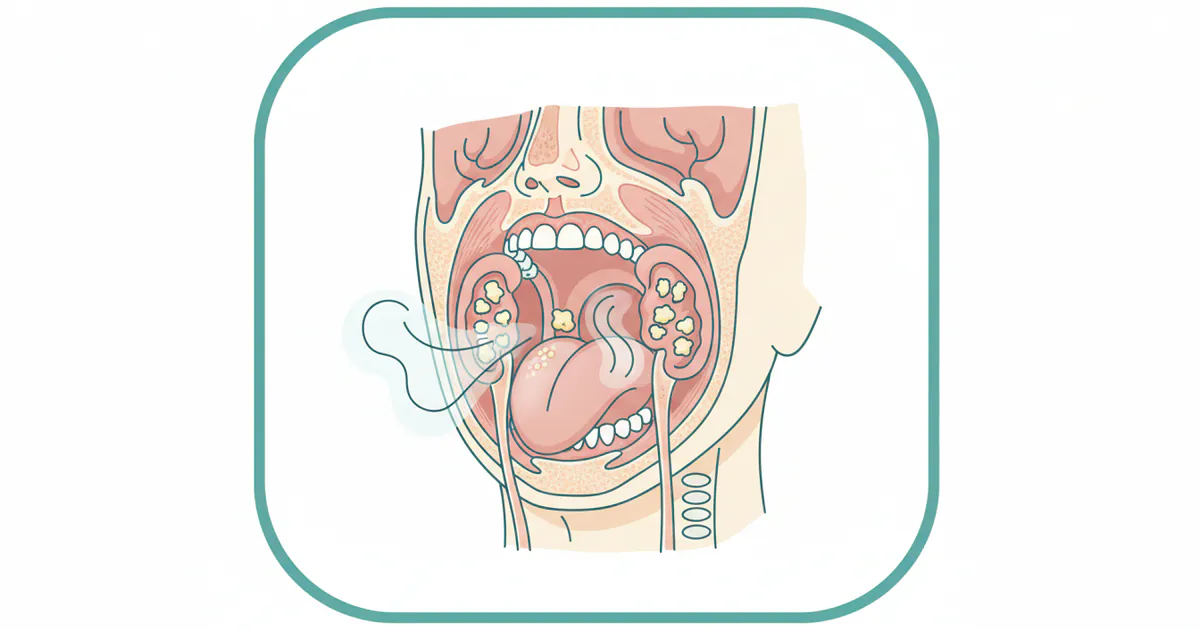
It’s a common, often embarrassing problem: persistent bad breath that even diligent brushing can't resolve. If you've ever experienced a foul odor seemingly emanating from the back of your throat, or noticed small, whitish, calcified lumps appearing on your tonsils, you might be dealing with tonsil stones smell, a condition known medically as tonsilloliths. While often harmless, these small formations can be a significant source of chronic halitosis (bad breath) and discomfort, affecting your confidence and social interactions.
Millions of Americans experience tonsil stones at some point in their lives, though many are unaware of the exact cause of their symptoms. Statistics show that up to 10% of the population may have tonsilloliths, with prevalence increasing in individuals with chronic tonsillitis. Understanding why tonsil stones form, what symptoms they cause, and how to effectively manage them is crucial for maintaining optimal oral health and fresh breath. This comprehensive guide will delve deep into the world of tonsil stones, exploring everything from their origin and symptoms to the full spectrum of treatment and prevention strategies, helping you regain control over your oral hygiene and confidence. We'll cover what they are, why they smell, how to get rid of them, and crucially, how to prevent their recurrence.
Key Takeaways:
- Tonsil stones (tonsilloliths) are calcified masses of bacteria, food debris, and mucus that form in the crypts of the tonsils, often causing chronic bad breath.
- The foul odor is due to volatile sulfur compounds (VSCs) produced by anaerobic bacteria trapped within the stones.
- Home remedies like saltwater gargling, good oral hygiene, and manual removal can often help with smaller stones.
- Professional treatments range from manual extraction by a dentist/ENT (costing $100-$500) to laser cryptolysis or coblation ($1,000-$3,500 per session) for recurring cases.
- Tonsillectomy, a surgical removal of the tonsils, is a definitive solution for severe, recurrent cases, with costs typically ranging from $3,000-$8,000 without insurance.
- Prevention focuses on excellent oral hygiene, regular gargling, staying hydrated, and potentially using specific mouthwashes.
- If symptoms persist, worsen, or are accompanied by severe pain, difficulty swallowing, or fever, consult a dental professional or ENT specialist promptly.
What It Is / Overview
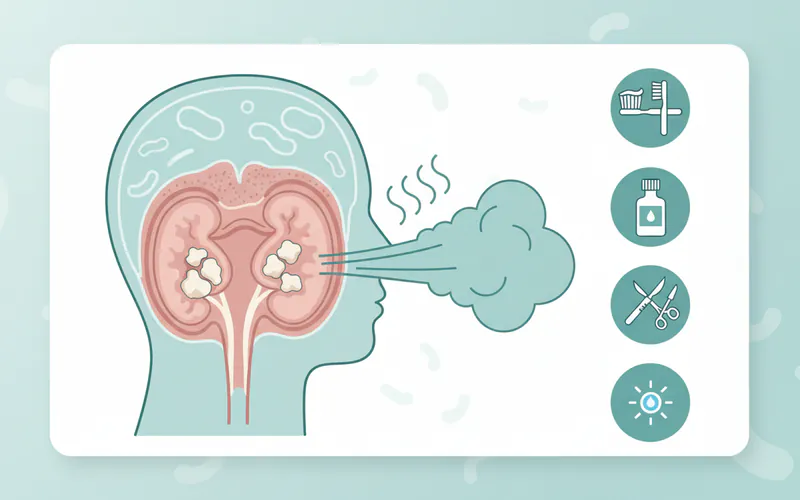
Tonsil stones, medically termed tonsilloliths, are small, calcified formations that develop in the tonsils. Your tonsils are two oval-shaped pads of tissue located at the back of your throat, one on each side. They are part of your immune system, acting as filters to trap germs that enter your body through your mouth. The surface of the tonsils is not smooth; it's covered with small crevices, pits, and folds known as tonsillar crypts.
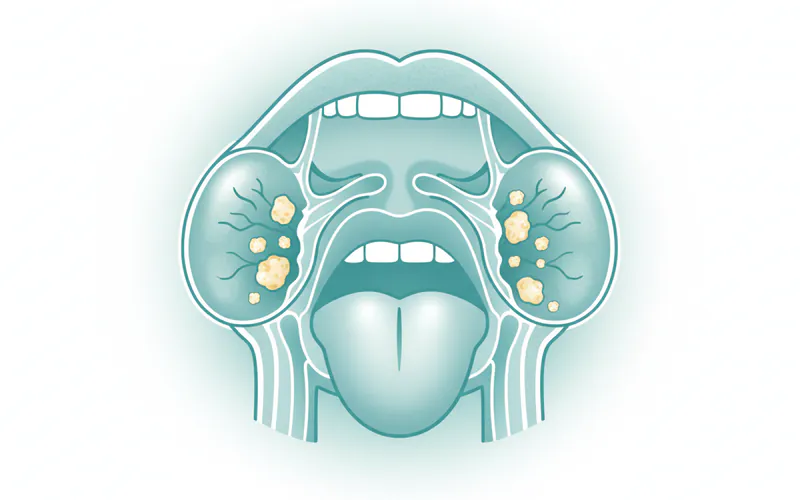
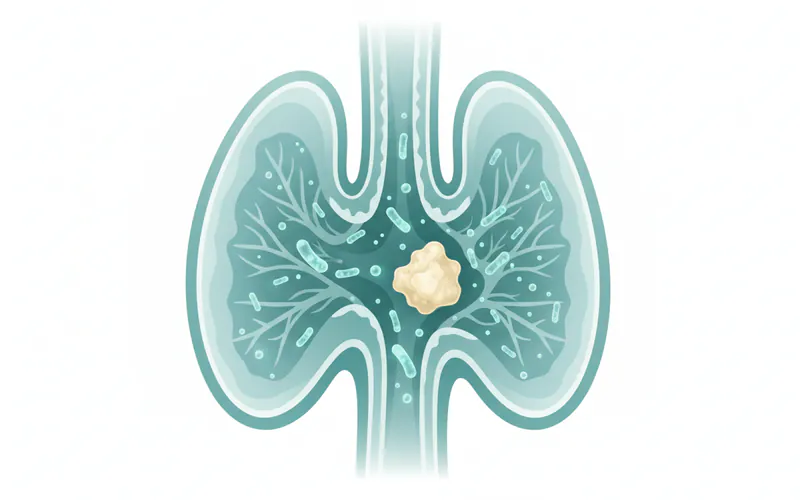
These crypts can become traps for various types of debris, including food particles, dead cells, mucus, and, most significantly, bacteria. Over time, as this material accumulates, it can become concentrated and harden. Calcium, along with other minerals in your saliva, then begins to deposit onto this trapped debris, leading to the formation of a hard, cheese-like substance – the tonsil stone. They can vary significantly in size, from tiny specks barely visible to the naked eye (like grains of rice) to larger masses several millimeters or even centimeters across. While a single large stone is possible, it's more common to find multiple smaller stones.
The characteristic foul odor associated with tonsil stones is primarily due to the anaerobic bacteria that thrive in these oxygen-deprived environments within the tonsil crypts. These bacteria feed on the trapped organic matter and, in the process, release pungent volatile sulfur compounds (VSCs), such as hydrogen sulfide and methyl mercaptan. These are the same compounds responsible for the smell of rotten eggs and sewage, explaining the extremely unpleasant "tonsil stones smell" that often leads individuals to seek treatment.
Causes / Why It Happens
The formation of tonsil stones is a multifactorial process, resulting from a combination of anatomical features, oral hygiene habits, and individual susceptibility. Understanding these contributing factors is key to both treatment and prevention.
Anatomy of the Tonsils
The primary anatomical factor is the presence of deep tonsillar crypts. Some individuals naturally have deeper, more convoluted crypts than others, which makes them more prone to trapping debris. These crypts provide an ideal, sheltered environment for bacteria and other materials to accumulate.
Bacteria and Debris Accumulation
The mouth is home to a vast ecosystem of bacteria. When food particles, dead skin cells from the oral lining, and mucus from post-nasal drip become lodged in tonsillar crypts, they provide a rich nutrient source for these bacteria. Anaerobic bacteria, which thrive in low-oxygen environments, are particularly adept at colonizing these crypts. As mentioned, their metabolic processes produce the VSCs responsible for the distinctive tonsil stones smell.
Poor Oral Hygiene
Insufficient brushing, flossing, and tongue cleaning allow for a greater buildup of bacteria and food particles in the mouth, increasing the likelihood of debris making its way into the tonsillar crypts. Regular and thorough oral hygiene is a critical defense mechanism.
Chronic Tonsillitis
Individuals who suffer from recurrent or chronic tonsillitis (inflammation of the tonsils) are often more susceptible to tonsil stones. The repeated inflammation can lead to the tonsil crypts becoming even more enlarged and scarred, creating more spaces for debris to accumulate and calcify.
Dry Mouth (Xerostomia)
Saliva plays a crucial role in washing away food particles and bacteria. Conditions that lead to dry mouth, such as certain medications, medical conditions (e.g., Sjögren's syndrome), or simply inadequate hydration, can reduce this natural cleansing action, thereby increasing the risk of tonsil stone formation.
Post-Nasal Drip
Mucus from post-nasal drip can drain down the back of the throat and collect in the tonsillar crypts, adding to the organic material that can calcify and form stones.
Diet
While not a direct cause, diets high in dairy or thick, sticky foods can sometimes contribute to mucus production and accumulation, potentially exacerbating the problem for susceptible individuals.
Signs and Symptoms
The presence of tonsil stones can manifest in a variety of ways, ranging from subtle discomfort to more noticeable and bothersome symptoms. Recognizing these signs is the first step towards seeking appropriate management.
Bad Breath (Halitosis)
This is by far the most common and often the most distressing symptom. The pungent, rotten-egg odor is a direct result of the volatile sulfur compounds (VSCs) produced by the anaerobic bacteria within the stones. This bad breath can be persistent and resistant to standard oral hygiene practices like brushing and mouthwash, which only mask the smell temporarily.
Sore Throat
Tonsil stones, especially larger ones, can irritate the tonsil tissue, leading to a sore throat or a feeling of scratchiness or discomfort in the back of the throat. This pain might be localized to one tonsil.
Difficulty Swallowing (Dysphagia)
If a tonsil stone is particularly large or multiple stones are present, they can create a physical obstruction, making swallowing food or even saliva difficult or painful.
Ear Pain (Otalgia)
Due to shared nerve pathways, pain originating in the tonsils can sometimes be referred to the ear, leading to earache, even if there is no primary ear infection.
Chronic Cough
The constant irritation or the feeling of something being stuck in the throat can trigger a persistent cough or throat clearing reflex.
White or Yellowish Spots on Tonsils
Visually, tonsil stones often appear as small, firm, white, or yellowish lumps embedded in or on the surface of the tonsils. They can sometimes be mistaken for pus associated with a bacterial infection like strep throat, though they typically lack the widespread inflammation.
Feeling of Something Stuck in the Throat
Many individuals report a persistent sensation of a foreign object or lump in the throat, which can be unsettling and prompt investigation.
Metallic Taste
The presence of bacteria and their byproducts can sometimes alter taste perception, leading to a lingering metallic or unpleasant taste in the mouth.
Treatment Options
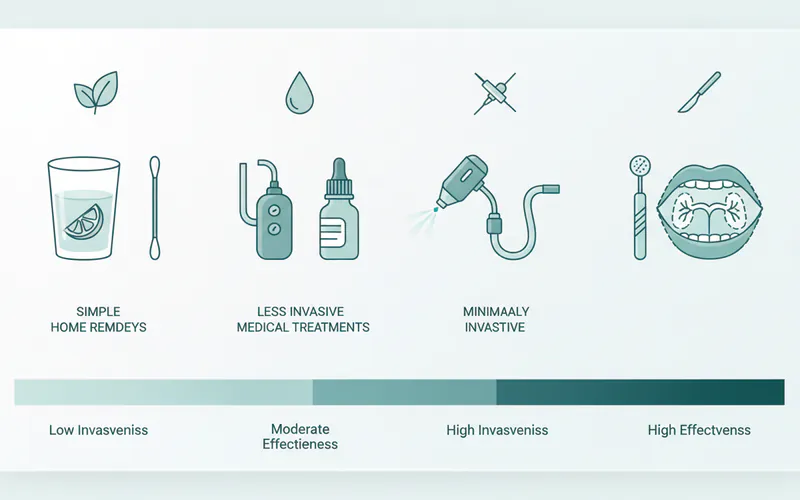
Managing tonsil stones ranges from simple home remedies for minor cases to professional interventions for persistent or severe issues. The choice of treatment depends on the size of the stones, the severity of symptoms, frequency of recurrence, and patient preference.
1. Home Remedies and Self-Care
For many individuals, home-based strategies can be effective, especially for smaller stones and mild symptoms.
- Vigorous Gargling: Regularly gargling with warm salt water can help dislodge stones and reduce bacterial growth. Mix half a teaspoon of salt in 8 ounces of warm water. Gargle several times a day, especially after meals. This also helps soothe sore throats.
- Pros: Inexpensive, easy, non-invasive, soothes throat.
- Cons: Not always effective for deep or large stones.
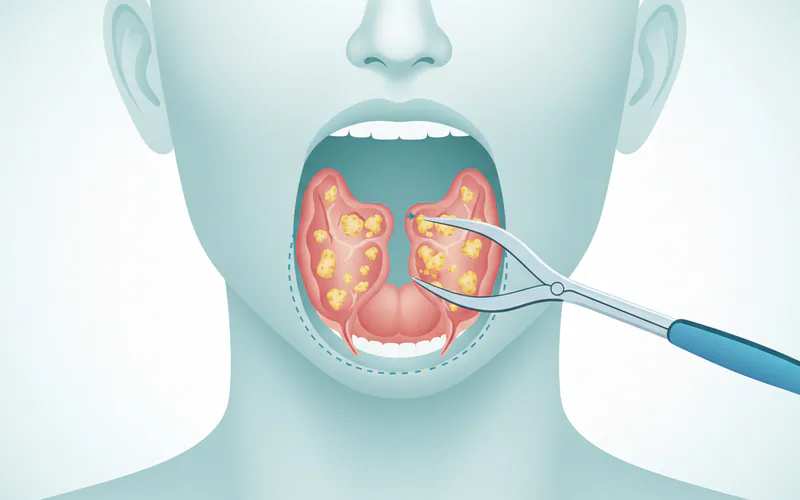
- Manual Removal (Caution Advised): Some individuals can gently dislodge visible tonsil stones using a clean finger, a cotton swab, or a specialized tonsil stone remover tool (often with an LED light). This should be done very carefully to avoid gagging, damaging the tonsil tissue, or pushing the stone deeper.
- Pros: Immediate relief of symptoms, inexpensive.
- Cons: Risk of injury, gag reflex, may push stones deeper, not for everyone. Pro Tip: Always use a clean tool and good lighting. Avoid sharp objects.
- Oral Irrigators (Water Flossers): A low-pressure water flosser can be used to gently rinse out tonsil crypts. Crucially, use the lowest setting to avoid irritating or damaging the delicate tonsil tissue.
- Pros: Can reach deeper crypts than gargling, relatively gentle if used correctly.
- Cons: Can be too powerful if not set correctly, risk of irritation.
- Good Oral Hygiene: Consistent and thorough brushing (including tongue cleaning), flossing, and using an alcohol-free antimicrobial mouthwash helps reduce bacteria and debris accumulation overall.
- Pros: Essential for overall oral health, reduces risk of recurrence.
- Cons: Does not directly remove existing stones.
- Hydration: Drinking plenty of water helps maintain saliva flow and keeps the throat moist, aiding in flushing away debris.
- Pros: General health benefit, simple, no side effects.
- Cons: Not a direct treatment for existing stones.
2. Professional Non-Surgical Removal
When home remedies aren't enough, a dental professional or ENT specialist can offer in-office procedures.
- Manual Extraction by Dentist/ENT: A healthcare provider can safely remove visible tonsil stones using specialized instruments. This is usually quick and performed with local anesthetic if needed.
- Pros: Safe, effective for visible stones, immediate relief.
- Cons: Only addresses existing stones, recurrence is possible, may require multiple visits.
- Cost: Typically $100-$500 per visit, depending on complexity and location. Usually covered by medical insurance if deemed medically necessary due to chronic infection or severe symptoms.
- Antibiotics: While antibiotics can reduce the bacterial population contributing to stone formation, they are generally not recommended as a primary treatment for tonsil stones themselves. They don't remove the physical stone and carry risks of antibiotic resistance. They might be considered if there's an associated bacterial infection.
- Pros: Can reduce associated infection.
- Cons: Doesn't remove stones, risk of resistance, side effects.
3. Minimally Invasive Procedures
For recurrent or stubborn tonsil stones that are not severe enough to warrant tonsillectomy, these procedures aim to reduce the size or depth of the tonsillar crypts.
- Laser Tonsil Cryptolysis (Laser Resurfacing): This procedure uses a CO2 laser to vaporize and smooth the edges of the tonsillar crypts, effectively reducing the pockets where stones can form. It's an outpatient procedure, usually performed under local anesthesia.
- Pros: Reduces recurrence, less invasive than tonsillectomy, generally quick recovery.
- Cons: Can be costly, multiple sessions may be needed, potential for discomfort post-procedure.
- Cost: $1,000-$2,500 per session, often not fully covered by insurance as it's sometimes considered elective.
- Coblation Cryptolysis: Similar to laser cryptolysis, coblation uses radiofrequency energy to gently ablate (remove) and reshape the tonsil crypts. It operates at a lower temperature than laser, potentially leading to less discomfort and quicker healing.
- Pros: Precise, potentially less pain and quicker recovery than laser, reduces recurrence.
- Cons: Costly, may require multiple sessions.
- Cost: Similar to laser cryptolysis, $1,500-$3,500 per session, varying by clinic and region.
4. Surgical Removal (Tonsillectomy)
For severe, chronic, or highly symptomatic cases where other treatments have failed, surgical removal of the tonsils (tonsillectomy) is considered the most definitive solution.
- Tonsillectomy: This is the complete surgical removal of the tonsils. It is performed under general anesthesia and typically requires a recovery period of 1-2 weeks. It effectively eliminates the tonsil crypts where stones form.
- Pros: Permanent solution for recurrent tonsil stones, eliminates chronic sore throats/infections if present.
- Cons: Invasive surgery, significant recovery period (pain, difficulty swallowing), risks associated with general anesthesia (bleeding, infection).
- Cost: $3,000-$8,000 without insurance, varying widely by facility, surgeon, and region. Often covered by medical insurance if there's a history of chronic tonsillitis, recurrent strep throat, or severe obstructive sleep apnea (less commonly for tonsil stones alone, unless very severe and debilitating).
Step-by-Step Process
Here’s what you might expect for different treatment approaches:
For Home Manual Removal (if comfortable and safe):
- Preparation: Wash your hands thoroughly. Use a magnifying mirror and a bright light source. Gather a clean cotton swab, a specialized tonsil stone removal tool, or a very soft toothbrush.
- Locate Stones: Open your mouth wide and say "Ahhh" to help expose your tonsils. Look for white or yellowish spots.
- Gentle Pressure: Very gently press on the tonsil tissue surrounding the stone. Avoid direct poking. Sometimes, a gentle cough can help dislodge them.
- Rinse: After removal, gargle thoroughly with warm salt water or an alcohol-free mouthwash.
- Stop if Painful: If you experience pain, bleeding, or significant gagging, stop immediately.
For Professional Manual Extraction:
- Consultation: Your dentist or ENT will examine your tonsils and discuss your symptoms.
- Anesthesia (Optional): For sensitive patients or larger stones, a topical local anesthetic spray may be used to numb the area.
- Extraction: The practitioner will use a specialized instrument (e.g., a curette or suction device) to gently dislodge and remove the stones.
- Rinse: You'll be asked to rinse your mouth.
- Aftercare: Instructions may include gargling with salt water and maintaining good oral hygiene.
For Laser or Coblation Cryptolysis:
- Consultation & Assessment: The ENT will determine if you are a candidate, discussing the procedure and potential outcomes.
- Anesthesia: Local anesthesia will be applied to the tonsils, often via spray or injection.
- Procedure: Using a laser or coblation wand, the surgeon will gently reshape and smooth the tonsillar crypts, vaporizing or ablating the tissue to eliminate the deep pockets.
- Duration: The procedure typically takes 15-30 minutes per side.
- Recovery: You can usually go home the same day. Expect some throat soreness for a few days to a week. Pain medication will be prescribed.
For Tonsillectomy:
- Pre-operative Assessment: Includes medical history, physical exam, blood tests, and discussion with the surgeon and anesthesiologist.
- General Anesthesia: The procedure is performed while you are completely unconscious.
- Surgical Removal: The surgeon removes the tonsils using various techniques (cold knife dissection, electrocautery, laser, coblation).
- Recovery Room: You'll be monitored as you wake up from anesthesia.
- Hospital Stay: Often an outpatient procedure, but sometimes an overnight stay is required, especially for children or if there are complications.
- Post-operative Care: Detailed instructions on pain management, diet (soft foods), hydration, and activity restrictions.
Cost and Insurance
Understanding the financial aspect of tonsil stone treatment is crucial, as costs can vary significantly based on the procedure, your location, and insurance coverage.
Home Remedies:
- Cost: Minimal. Saltwater gargle is pennies. Cotton swabs or a basic tonsil stone removal kit might cost $10-$30.
- Insurance: Not applicable.
Professional Manual Extraction:
- Cost: Typically ranges from $100 to $500 per visit without insurance. This can vary based on the provider (dentist vs. ENT), complexity, and geographic region.
- Insurance: Often covered by medical insurance if a physician deems it medically necessary due to persistent symptoms, infection, or discomfort. Check your specific plan for "oral surgery," "ENT services," or "minor procedures." Co-pays and deductibles will apply.
Laser or Coblation Cryptolysis:
- Cost: These minimally invasive procedures are more expensive.
- Laser Tonsil Cryptolysis: $1,000 to $2,500 per session.
- Coblation Cryptolysis: $1,500 to $3,500 per session.
- These prices are without insurance and can vary based on the specialist's fees, facility charges, and the number of sessions required.
- Insurance: Coverage is highly variable. Some insurance companies may classify these as elective or cosmetic procedures if the primary complaint is bad breath, making coverage difficult. If there's a history of chronic tonsillitis or recurrent infections directly linked to the crypts, coverage might be possible. Pre-authorization is always recommended.
Tonsillectomy:
- Cost: This is the most expensive option due to general anesthesia, surgical facility fees, and surgeon's fees.
- Without insurance: $3,000 to $8,000, possibly higher in some areas, especially if there's an overnight hospital stay.
- This includes pre-op tests, surgeon's fees, anesthesia, and facility costs.
- Insurance: Generally covered by medical insurance when medically indicated (e.g., recurrent tonsillitis, sleep apnea, significant airway obstruction, or chronic debilitating tonsil stones that have failed other treatments). You will be responsible for deductibles, co-pays, and co-insurance. It's vital to get a pre-authorization from your insurance company to confirm coverage and understand your out-of-pocket expenses.
Recovery and Aftercare
Recovery varies significantly depending on the treatment method.
After Home Removal or Professional Manual Extraction:
- Immediate: You may experience mild throat irritation.
- Aftercare: Continue warm saltwater gargles to soothe the throat and help flush out any remaining debris. Maintain excellent oral hygiene.
- Recovery Time: Usually immediate. Mild soreness subsides within hours.
After Laser or Coblation Cryptolysis:
- Immediate: Expect a sore throat, similar to mild tonsillitis, for 3-7 days. You might feel a sensation of raw tissue.
- Pain Management: Over-the-counter pain relievers (acetaminophen or ibuprofen) are usually sufficient. Stronger pain medication might be prescribed.
- Diet: Stick to soft, cool foods initially (ice cream, yogurt, mashed potatoes). Gradually reintroduce solid foods as comfort allows.
- Hydration: Crucial to drink plenty of fluids to prevent dehydration and aid healing.
- Activity: Light activity is fine, but avoid strenuous exercise for a few days.
- Recovery Time: Full recovery typically within 1-2 weeks.
After Tonsillectomy:
- Significant Pain: This is the most painful recovery period. Expect moderate to severe throat pain for 7-14 days. Pain can sometimes worsen around day 5-7 ("day 7 scabs"). Ear pain (referred pain) is also common.
- Pain Management: Prescription pain relievers (often opioids) are usually necessary for the first week, along with regular doses of acetaminophen and/or ibuprofen.
- Diet: Strict soft diet (puddings, gelatin, broth, popsicles, ice cream). Avoid acidic, spicy, or crunchy foods that can irritate the throat or dislodge scabs. Gradual return to normal diet over 2 weeks.
- Hydration: Extremely important to drink fluids constantly to prevent dehydration, which can worsen pain and delay healing.
- Activity: Rest is paramount. Avoid strenuous activity, heavy lifting, and vigorous coughing/clearing throat for at least 2 weeks to prevent bleeding.
- Bleeding: Minor spotting or blood-tinged saliva is normal. Significant bleeding (bright red blood, large clots) is an emergency and requires immediate medical attention.
- Fever: A low-grade fever is common. High fever (>101°F) may indicate infection and warrants medical consultation.
- Recovery Time: Full recovery can take 2-3 weeks, with some lingering discomfort or fatigue for longer.
Pro Tip: For any post-procedure recovery, meticulously follow your doctor's instructions. Keeping hydrated is perhaps the most important aftercare instruction for throat procedures.
Prevention
While some individuals are inherently more prone to tonsil stones due to their tonsil anatomy, several preventative measures can significantly reduce their formation and recurrence.
-
Maintain Excellent Oral Hygiene:
- Brush Twice Daily: Brush your teeth for at least two minutes, twice a day, using a fluoride toothpaste.
- Floss Daily: Floss once a day to remove food particles and plaque from between teeth.
- Scrape Your Tongue: Use a tongue scraper or your toothbrush to remove bacteria and debris from the surface of your tongue. This is a crucial step in reducing overall oral bacteria that can contribute to tonsil stone formation.
- ADA Recommendation: The American Dental Association (ADA) strongly recommends these practices for overall oral health.
-
Regular Gargling:
- Salt Water: Continue daily gargling with warm salt water, even if you don't have active stones. This helps cleanse the tonsil crypts and reduce bacterial load.
- Non-Alcoholic Mouthwash: Use an antimicrobial, alcohol-free mouthwash daily to further reduce bacteria without drying out your mouth.
-
Stay Hydrated:
- Drink plenty of water throughout the day. Adequate hydration keeps your mouth moist, promotes healthy saliva flow, and helps wash away food debris and bacteria before they can accumulate in the tonsil crypts.
-
Manage Post-Nasal Drip:
- If you suffer from chronic post-nasal drip (e.g., due to allergies or sinusitis), consult a doctor to manage the underlying condition. Reducing mucus drainage can lessen the material available for stone formation.
-
Avoid Dry Mouth:
- If you have dry mouth due to medication or a medical condition, discuss strategies with your doctor or dentist. This might include using saliva substitutes or special toothpastes/mouthwashes.
-
Limit Certain Foods (Anecdotal):
- While not scientifically proven, some individuals report that limiting dairy products or highly processed, sticky foods can reduce mucus production and potentially aid in prevention. This is anecdotal and highly individualized.
-
Regular Dental Check-ups:
- Routine visits to your dentist allow for professional cleanings and early detection of any oral health issues that could contribute to tonsil stones.
Risks and Complications
While tonsil stones are generally not life-threatening, they can lead to various complications and discomforts if left untreated or during treatment.
Untreated Tonsil Stones:
- Chronic Halitosis: The persistent and embarrassing bad breath can significantly impact social interactions and self-confidence.
- Chronic Sore Throat/Discomfort: Ongoing irritation from the stones can cause persistent throat pain or a feeling of a lump in the throat.
- Tonsil Swelling/Inflammation: Large or multiple stones can cause inflammation and swelling of the tonsils, mimicking tonsillitis.
- Infection: Though less common, the trapped debris and bacteria can potentially lead to a localized infection within the tonsil crypts.
- Difficulty Swallowing: Particularly large tonsil stones can physically obstruct the throat, making swallowing painful or difficult.
Complications from Treatment:
-
Manual Removal (Home or Professional):
- Injury: Excessive force can damage the delicate tonsil tissue, leading to bleeding, cuts, or scarring.
- Infection: Using non-sterile instruments can introduce new bacteria and lead to infection.
- Pushed Deeper: Improper technique can push stones further into the crypts, making them harder to remove.
- Gagging/Aspiration: Risk of gagging or accidentally inhaling (aspirating) the dislodged stone.
-
Laser/Coblation Cryptolysis:
- Pain/Discomfort: Sore throat, swelling, and difficulty swallowing post-procedure.
- Bleeding: Minor bleeding is possible, rarely significant.
- Infection: Low risk of post-procedural infection.
- Scarring: While aiming to smooth, some scarring is inherent to tissue modification.
- Recurrence: While significantly reduced, recurrence is still possible if crypts aren't completely eliminated or new ones form.
-
Tonsillectomy: This is a surgical procedure with more significant risks.
- Post-Operative Bleeding (Hemorrhage): The most serious complication, occurring in about 1-5% of cases, often around 5-10 days post-op when scabs begin to detach. This can be severe and require re-admission or even a second surgery.
- Infection: Risk of bacterial infection at the surgical site.
- Pain: Significant post-operative pain requiring strong analgesics.
- Dehydration: Due to pain making swallowing difficult, dehydration is a common concern.
- Reactions to Anesthesia: Risks associated with general anesthesia (nausea, vomiting, adverse drug reactions, rarely more severe complications).
- Voice Changes: Temporary or rarely permanent changes in voice quality.
- Damage to Adjacent Structures: Extremely rare, but possible damage to teeth, lips, or other soft tissues during surgery.
- Persistence of Symptoms: In very rare cases, even after tonsillectomy, a small amount of tonsillar tissue (lymphoid tissue) might remain and potentially develop issues, though tonsil stones themselves will not recur.
Comparison Tables
Comparison of Tonsil Stone Treatment Options
| Feature | Home Remedies (Gargling, Manual) | Professional Manual Extraction | Laser/Coblation Cryptolysis | Tonsillectomy (Surgical) |
|---|---|---|---|---|
| Invasiveness | Low | Low | Moderate | High |
| Effectiveness | Variable (small stones) | High (visible stones) | High (recurrence reduction) | Permanent (prevents recurrence) |
| Cost (US est.) | $0 - $30 | $100 - $500 per visit | $1,000 - $3,500 per session | $3,000 - $8,000 (without insurance) |
| Insurance Cov. | N/A | Possible (Medical) | Variable (often elective) | High (Medical, for specific criteria) |
| Recovery Time | Immediate | Immediate (hours) | 3-7 days | 2-3 weeks |
| Pain Level | Low | Low-Moderate | Moderate | High |
| Recurrence Risk | High | High | Low | None (no tonsils) |
| Pros | Inexpensive, accessible | Quick relief | Minimally invasive, effective | Definitive solution, resolves chronic issues |
| Cons | Not always effective, risk of injury | Doesn't prevent recurrence | Costly, multiple sessions possible | Invasive, significant pain & recovery, anesthesia risks |
Estimated Cost Breakdown for Tonsil Stone Treatments (US Averages)
| Treatment Type | Low-End Estimate (No Insurance) | Mid-Range Estimate (No Insurance) | High-End Estimate (No Insurance) | With Insurance (Est. Out-of-Pocket) |
|---|---|---|---|---|
| Home Remedies (Basic tools) | $5 | $15 | $30 | N/A |
| Professional Manual Extraction | $100 | $300 | $500 | $50 - $250 (co-pay/deductible) |
| Laser Tonsil Cryptolysis (per session) | $1,000 | $1,800 | $2,500 | $500 - $2,000 (if covered, high deductible) |
| Coblation Cryptolysis (per session) | $1,500 | $2,500 | $3,500 | $750 - $2,500 (if covered, high deductible) |
| Tonsillectomy (Adult) | $3,000 | $5,500 | $8,000 | $500 - $3,000 (deductible/co-insurance) |
Note: These are approximate US costs. Actual prices vary significantly based on location, provider, facility fees, anesthesia, and individual insurance plans. Always get a detailed estimate from your provider and verify insurance coverage.
Children / Pediatric Considerations
Tonsil stones can also occur in children, though they might be harder to detect and differentiate from other oral conditions.
- Symptoms in Children: Children might not verbalize a "feeling of something stuck," but parents might notice persistent bad breath (even after brushing), fussiness during meals, difficulty swallowing, or recurrent sore throats. Visible white or yellow spots on the tonsils are a clear indicator.
- Diagnosis: A pediatrician or pediatric ENT specialist will examine the child's throat. It's important to rule out other causes of white spots on tonsils, such as strep throat, oral thrush, or even signs of hand foot and mouth disease, which presents with blisters in the mouth and on extremities.
- Treatment Approach:
- Gentle Home Care: For mild cases, encourage gargling with warm salt water (if the child is old enough to gargle effectively) and emphasize excellent oral hygiene.
- Professional Removal: If stones are bothersome, a pediatric dentist or ENT can perform gentle manual removal.
- Tonsillectomy: Tonsillectomy in children is a common procedure, usually performed for recurrent strep throat, chronic tonsillitis, or significant obstructive sleep apnea. It would only be considered for tonsil stones if they are extremely large, causing severe symptoms, or leading to debilitating recurrent infections that have failed all other treatments. The decision for tonsillectomy in children is carefully weighed against the risks and benefits, following guidelines from the American Academy of Otolaryngology—Head and Neck Surgery (AAO-HNS).
Cost Breakdown
As detailed in the comparison table, the cost for tonsil stone treatment can be a significant consideration. Here's a more detailed look:
Average US Costs (Low, Mid, High)
- Simple Extraction (Dentist/ENT visit):
- Low: $100 (for a quick, straightforward removal)
- Mid: $300 (average office visit with minor procedure)
- High: $500 (more complex, multiple stones, or specialized ENT)
- Laser/Coblation Cryptolysis:
- Low: $1,000 (per session, typically for laser)
- Mid: $2,250 (average for either procedure per session)
- High: $3,500 (per session, specialized clinic, advanced technique for coblation)
- Tonsillectomy (Adult):
- Low: $3,000 (outpatient, rural area, minimal complications)
- Mid: $5,500 (average in most urban/suburban areas)
- High: $8,000+ (complex case, overnight stay, specialized facility)
With vs. Without Insurance
- Without Insurance: You pay the full negotiated cash price. Prices are generally higher if you don't have insurance or are out-of-network. Hospitals/clinics may offer self-pay discounts.
- With Insurance: Your out-of-pocket costs will depend on your deductible, co-insurance, and co-pay.
- Deductible: The amount you must pay out-of-pocket before your insurance starts to cover costs. For tonsillectomy, this could be $500 - $5,000+.
- Co-insurance: A percentage of the cost you pay after your deductible is met (e.g., insurance pays 80%, you pay 20%).
- Co-pay: A fixed amount you pay for a doctor's visit (e.g., $30-$75 for an ENT consultation).
- Medical Necessity: Insurance coverage for laser/coblation or tonsillectomy hinges on demonstrating "medical necessity." Documented recurrent infections, severe chronic symptoms, or failure of other treatments significantly strengthen this case.
Payment Plans and Financing Options
- Many dental and ENT offices offer in-house payment plans or work with third-party medical financing companies like CareCredit. These plans allow you to spread the cost over several months or years, often with low or no interest for an introductory period.
- For major procedures like tonsillectomy, hospital billing departments can also help navigate payment options.
Cost-Saving Tips
- Get Multiple Quotes: For non-emergency procedures, call different ENT specialists or oral surgeons to compare pricing.
- In-Network Providers: Always prioritize providers who are in your insurance network to maximize coverage and reduce out-of-pocket costs.
- Ask for Itemized Bills: Review your bill carefully for accuracy and ask for an itemized statement.
- Negotiate Cash Prices: If you're uninsured, ask for a discount for paying in cash or upfront.
- Health Savings Accounts (HSAs) or Flexible Spending Accounts (FSAs): Use pre-tax dollars from these accounts to pay for eligible medical expenses.
Frequently Asked Questions
What causes tonsil stones to smell so bad?
Tonsil stones smell terrible due to the anaerobic bacteria trapped within them. These bacteria break down accumulated food particles, dead cells, and mucus, releasing pungent volatile sulfur compounds (VSCs) like hydrogen sulfide and methyl mercaptan, which are known for their foul, rotten-egg odor.
Can I remove tonsil stones myself at home?
Yes, small, visible tonsil stones can often be gently dislodged at home using a clean finger, a cotton swab, or a specialized tonsil stone removal tool. However, extreme caution is advised to avoid injuring your tonsils, pushing the stones deeper, or causing gagging. Always use a clean instrument and stop if you experience pain or bleeding.
How do I know if I have tonsil stones or something else?
The clearest sign of tonsil stones is seeing small, white or yellowish lumps on your tonsils, accompanied by persistent bad breath, a sore throat, or a feeling of something stuck. Other conditions like strep throat or oral thrush might also cause white patches, but these usually come with broader symptoms like fever or widespread inflammation. If unsure, a dental professional or ENT can provide an accurate diagnosis.
Are tonsil stones contagious?
No, tonsil stones are not contagious. They are formed from a buildup of bacteria, food debris, and calcified material that naturally occurs in your own throat. You cannot "catch" tonsil stones from someone else. This is unlike conditions such as hand foot and mouth disease, which is a highly contagious viral infection common in children.
How can I prevent tonsil stones from coming back?
Prevention focuses on excellent oral hygiene: brush and floss twice daily, scrape your tongue, and gargle regularly with warm salt water or an alcohol-free mouthwash. Staying well-hydrated and managing conditions like post-nasal drip can also help reduce recurrence.
Is a tonsillectomy the only way to get rid of tonsil stones permanently?
Tonsillectomy is the most definitive permanent solution because it removes the tonsils and, thus, the crypts where stones form. However, it's a surgical procedure. Less invasive options like laser or coblation cryptolysis can significantly reduce recurrence by reshaping the crypts, but may not be 100% permanent for everyone.
Can bad breath from tonsil stones be masked by mouthwash?
While mouthwash can temporarily mask the bad breath, it doesn't address the underlying cause – the tonsil stones themselves. For lasting fresh breath, the stones need to be removed or prevented from forming. Many people also wonder, for example, "are canker sores contagious?"—another oral condition, and though they can cause discomfort, they don't typically lead to bad breath like tonsil stones do.
What are the risks of leaving tonsil stones untreated?
Untreated tonsil stones can lead to chronic bad breath, persistent sore throat, difficulty swallowing, tonsil swelling, and occasionally localized infections. While not usually dangerous, they can significantly impact your quality of life and oral comfort.
How much does it cost to have a dentist or ENT remove tonsil stones?
A professional manual extraction by a dentist or ENT typically costs between $100 and $500 per visit without insurance. This may be partially or fully covered by your medical insurance if deemed medically necessary, though deductibles and co-pays will apply.
Do tonsil stones cause pain?
Tonsil stones can cause various types of pain. They can lead to a sore throat due to irritation, difficulty swallowing, and even referred ear pain because of shared nerve pathways. Larger stones are more likely to cause noticeable discomfort.
When to See a Dentist
While many tonsil stones can be managed with home remedies, there are specific situations where professional medical or dental attention is warranted.
Red Flags that Need Immediate Attention:
- Severe Pain: If throat pain is intense, radiates to the ear, or makes swallowing extremely difficult.
- Difficulty Breathing or Swallowing: If tonsil stones or associated swelling significantly obstruct your airway or prevent you from eating/drinking.
- High Fever: A fever of 101°F (38.3°C) or higher, which could indicate a bacterial infection (tonsillitis or strep throat) that needs antibiotics, or a more serious complication like a peritonsillar abscess.
- Significant Bleeding: If you experience bright red bleeding from your tonsils, especially after attempting home removal or a recent procedure.
- Rapidly Worsening Symptoms: If discomfort or other symptoms escalate quickly.
When to Schedule a Routine Appointment:
- Persistent Bad Breath: If you have chronic bad breath that doesn't improve with diligent oral hygiene and you suspect tonsil stones.
- Recurrent Sore Throats: If you frequently experience sore throats and can see white or yellow spots on your tonsils.
- Feeling of Something Stuck: A persistent sensation of a foreign object in your throat.
- Home Remedies are Ineffective: If you've tried home remedies consistently for a few weeks without relief.
- Concern about Other Conditions: If you notice any unusual lumps, persistent white patches, or changes in your throat that concern you, it's always best to get a professional opinion to rule out more serious conditions.
Consulting with an expert, such as a general dentist, periodontist, or an Ear, Nose, and Throat (ENT) specialist, can help accurately diagnose your condition and guide you toward the most effective treatment plan for your specific situation. Don't let the tonsil stones smell or discomfort compromise your oral health and confidence any longer.
Frequently Asked Questions
Medically Reviewed Content
This article was written by our dental health editorial team and reviewed for medical accuracy. Our content follows strict editorial guidelines for reliability and trustworthiness.
Medical Disclaimer
This article is for informational purposes only and does not constitute medical advice. Always consult with a qualified dental professional for diagnosis and treatment. Do not delay seeking professional advice because of something you read on this website.
Related Articles
Oral Candidiasis Symptoms: Complete Guide
Oral candidiasis, commonly known as oral thrush, is a fungal infection of the mouth caused by an overgrowth of Candida yeast, most often Candida albicans. While Candida is a normal inhabitant of the human mouth in small amounts, an imbalance can lead to uncomfortable and sometimes painful symptoms
February 23, 2026
Are Cold Sores Contagious
In the United States, an estimated 67% of the population under age 50 carries the herpes simplex virus type 1 (HSV-1), the primary cause of cold sores. This means millions of Americans are susceptible to these often painful and highly visible oral lesions. Beyond the discomfort and cosmetic conc
February 23, 2026
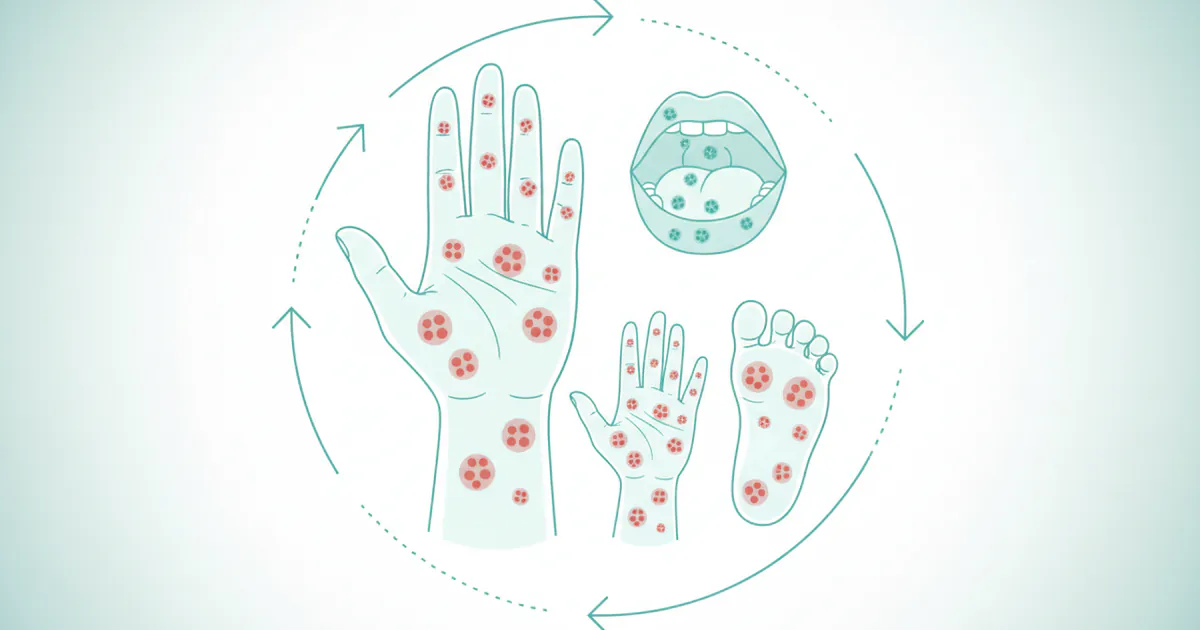
How Long Does Hand Foot and Mouth Last
Hand, Foot, and Mouth Disease (HFMD) is a common, often uncomfortable, viral illness that can affect anyone but is particularly prevalent among young children. If you or a loved one has ever experienced the tell-tale rash or painful mouth sores, you've likely wondered: **how long does Hand Foot and
February 23, 2026
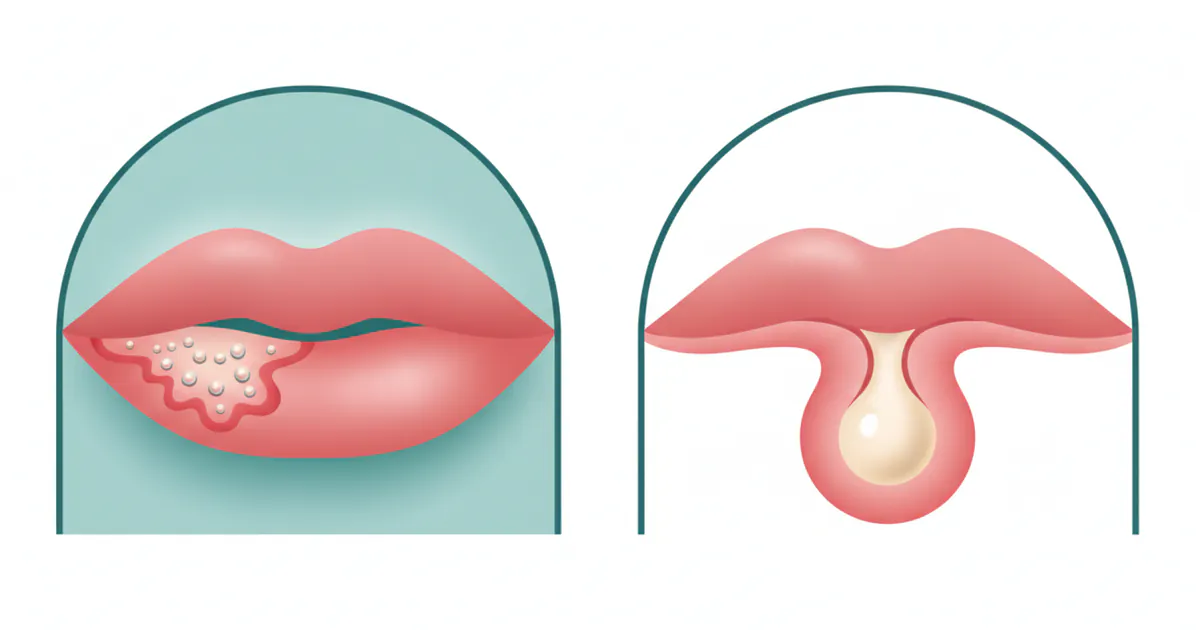
Cold Sore vs Pimple on Lip: Complete Comparison Guide
When you notice an unexpected bump or lesion on your lip, your mind might immediately jump to questions of what it is, how long it will last, and most importantly, if it's contagious. The confusion between a cold sore vs pimple on lip is incredibly common, yet the distinction is crucial for prop
February 23, 2026