Amber Teething Necklace: Complete Guide
Key Takeaways
- Few challenges for new parents rival the relentless fussiness and discomfort of a teething baby. The sight of your little one in distress, coupled with sleepless nights, often leads parents down a rabbit hole of potential solutions, both conventional and unconventional. Among the most widely discuss
Amber Teething Necklace: Complete Guide
Few challenges for new parents rival the relentless fussiness and discomfort of a teething baby. The sight of your little one in distress, coupled with sleepless nights, often leads parents down a rabbit hole of potential solutions, both conventional and unconventional. Among the most widely discussed, and often misunderstood, remedies is the amber teething necklace. Touted by some as a natural way to soothe teething pain, these necklaces have also garnered significant controversy and warnings from leading health organizations. But what exactly are they, do they work, and more importantly, are they safe for your child?
At SmilePedia.net, we understand your desire to find effective and safe ways to ease your child’s discomfort. This comprehensive guide will meticulously explore the world of amber teething necklaces, delving into their origins, the claims made about their efficacy, and the critical safety concerns associated with their use. We'll also provide medically accurate information on safe, evidence-based alternatives for managing teething pain, discuss typical dental milestones like when do kids lose their first tooth and when do kids lose teeth, and equip you with the knowledge to make informed decisions for your child’s oral health and overall well-being.
Key Takeaways:
- Amber teething necklaces lack scientific evidence supporting their claims of pain relief. No clinical studies confirm the release or efficacy of succinic acid through skin absorption.
- They pose significant safety risks, including strangulation and choking hazards, as warned by the FDA, ADA, and AAP. These risks outweigh any perceived benefits.
- Safe and effective alternatives for teething pain relief include chilled teething rings, gentle gum massage, and age-appropriate over-the-counter pain relievers (consulting a pediatrician).
- The average cost of an amber teething necklace ranges from $15 to $50, but this investment carries inherent safety risks. Safe alternatives are often less expensive and carry no such dangers.
- Children typically begin teething between 4 and 7 months, with the two bottom front teeth appearing first. The first dental visit should occur by age one or when the first tooth erupts.
- Children usually start losing their primary (baby) teeth around age 6, with the lower central incisors often being the first to go.
What It Is / Overview
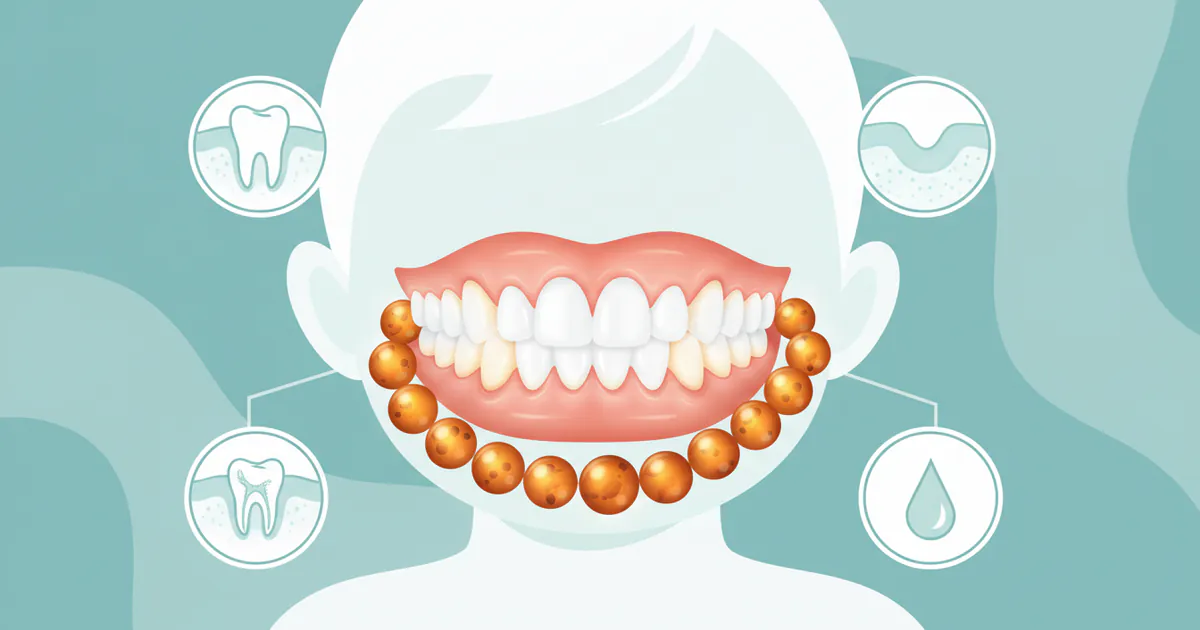
An amber teething necklace is a piece of jewelry, typically worn around an infant’s neck, wrist, or ankle, composed of polished or raw amber beads. Baltic amber is the most common type used, often chosen for its alleged therapeutic properties. Proponents of these necklaces claim that when warmed by the child's body heat, the amber releases small amounts of succinic acid, which is then absorbed through the skin into the bloodstream. Succinic acid is a natural compound found in amber that is believed to have anti-inflammatory and analgesic (pain-relieving) properties. The idea is that this absorbed succinic acid will help alleviate the pain and inflammation associated with teething.
However, it's crucial to understand that this theory is not supported by scientific evidence. There is no reputable medical or dental research confirming that succinic acid is released from amber in quantities sufficient to be absorbed through the skin, nor that it has any pain-relieving effect when administered in this manner. The American Dental Association (ADA) and the American Academy of Pediatrics (AAP) explicitly advise against the use of amber teething necklaces due to both their lack of proven efficacy and the significant safety risks they pose.
Types / Variations
While the core concept remains the same, amber teething necklaces come in a few variations:
- Necklaces vs. Bracelets/Anklets: Most commonly seen as necklaces, some parents opt for amber worn around the wrist or ankle, believing this reduces the strangulation risk while still allowing skin contact. However, choking hazards remain with any loose beads or breaks, and the efficacy claims are equally unfounded.
- Raw vs. Polished Amber: Some advocates suggest that raw (unpolished) amber is more potent because its pores are supposedly more open, allowing for greater succinic acid release. Polished amber is smoother and more aesthetically uniform. From a scientific standpoint, neither form has demonstrated therapeutic benefits when worn as jewelry.
- Bead Securing Methods: Manufacturers often emphasize "safety features" such as individually knotted beads (to prevent all beads from scattering if the string breaks) and screw clasps. While these might seem like improvements, they do not eliminate the fundamental risks of choking or strangulation associated with wearing a string of beads around a child's neck.
Causes / Why Parents Seek Amber Teething Necklaces
The primary "cause" for the popularity of amber teething necklaces is a widespread desire among parents to alleviate their child's teething discomfort, coupled with a growing interest in natural or alternative remedies.
Teething is a universally challenging phase for infants and their caregivers. As baby teeth erupt through the gums, it can cause:
- Irritability and fussiness
- Excessive drooling
- Swollen, tender gums
- A strong urge to chew on objects
- Changes in sleep patterns
- Mild elevation in temperature (though a high fever is usually not a symptom of teething and warrants a doctor's visit)
When faced with a crying, uncomfortable baby, parents are often desperate for relief, especially if conventional methods like cold teethers or gum massage seem insufficient. The appeal of an "all-natural," hands-off solution like an amber teething necklace can be very strong. Misinformation, anecdotal success stories shared online or among parent groups, and a general distrust of pharmaceutical solutions can also contribute to their adoption.
It's important to differentiate this from the natural process of tooth eruption and loss. While amber necklaces are sought for relief during primary tooth eruption, parents are also naturally curious about the timeline for their child's dental development, including when do kids lose their first tooth and when do kids lose teeth. This broader interest in pediatric dentistry often leads to discussions about teething and related products. Understanding the normal course of dental development can help parents gauge what to expect and when to seek professional dental advice.
Signs and Symptoms of Teething
Recognizing the signs of teething can help parents address their child's discomfort appropriately. Typical symptoms include:
- Excessive Drooling: Babies often produce more saliva than usual, which can sometimes lead to a mild rash around the mouth and chin.
- Irritability and Fussiness: Your baby may seem more irritable, cry more frequently, and have trouble sleeping.
- Swollen, Tender Gums: The gums around the erupting tooth may appear red and swollen to the touch.
- Chewing on Objects: Babies instinctively try to relieve pressure by chewing on anything they can get their hands on, including toys, fingers, and clothes.
- Ear Pulling or Cheek Rubbing: Due to referred pain, some babies may tug at their ears or rub their cheeks on the side where a tooth is erupting.
- Slightly Elevated Temperature: While some babies may experience a slight increase in body temperature, teething does not cause a high fever (above 100.4°F or 38°C). A high fever should always be investigated by a pediatrician.
- Changes in Appetite: Some babies may refuse food or bottles due to gum soreness, especially solid foods.
If you observe these symptoms, it's a good indication your child is teething. However, it's crucial to distinguish teething symptoms from signs of illness. If you're concerned, always consult your pediatrician.
Treatment Options for Teething Pain (Safe Alternatives)
Given the lack of scientific evidence for amber teething necklaces and their inherent safety risks, dental and medical professionals strongly recommend using proven, safe alternatives to soothe teething discomfort.
Here are the most effective and recommended "treatment options" for teething pain:
- 1. Gum Massage: Gently rub your baby's gums with a clean finger or a moist gauze pad. The pressure can provide temporary relief from the discomfort of erupting teeth.
- Pros: Cost-free, immediately accessible, provides direct comfort.
- Cons: Requires direct parent involvement, relief may be temporary.
- 2. Chilled Teething Rings or Toys: Offer your baby a firm rubber or silicone teething ring that has been chilled in the refrigerator (not frozen, as frozen items can be too hard and cause freezer burn). The cold helps numb the gums and reduce inflammation.
- Pros: Effective for numbing, easily accessible, various shapes/textures available.
- Cons: Needs to be cleaned regularly, can become warm quickly, ensure it's made of safe materials (BPA-free).
- 3. Wet Washcloth: A clean, wet washcloth can be chilled in the refrigerator and then offered to your baby to chew on.
- Pros: Inexpensive, readily available, safe.
- Cons: Can be messy, needs frequent chilling.
- 4. Over-the-Counter Pain Relievers: For more severe discomfort, your pediatrician may recommend age-appropriate doses of acetaminophen (e.g., Tylenol) or ibuprofen (e.g., Advil, Motrin). Always consult your pediatrician for proper dosage based on your child's weight and age.
- Pros: Can provide significant relief for severe pain, allows baby to rest.
- Cons: Requires careful dosing, should not be used excessively, always consult a doctor.
- Pro Tip: Avoid topical teething gels containing benzocaine, as these can cause a rare but serious condition called methemoglobinemia in infants, according to the FDA. The ADA also cautions against their use.
- 5. Teething Biscuits/Crackers: For older infants who have started solids, certain hard, sugar-free teething biscuits or crackers can provide relief by allowing them to gnaw. Supervise closely to prevent choking.
- Pros: Provides a distraction and oral stimulation, can be palatable.
- Cons: Potential choking hazard, may contain sugar if not carefully chosen.
Comparison of Teething Relief Options
| Relief Option | Efficacy for Pain Relief | Safety Profile | Cost Range (USD) | ADA/AAP Recommendation |
|---|---|---|---|---|
| Amber Teething Necklace | None (Scientifically) | High Risk (Strangulation, Choking) | $15 - $50 | NOT Recommended |
| Gentle Gum Massage | Moderate | Very Safe | Free | Recommended |
| Chilled Teething Ring | Moderate to High | Very Safe (ensure BPA-free, not frozen) | $5 - $25 | Recommended |
| Chilled Wet Washcloth | Moderate | Very Safe | Free | Recommended |
| OTC Pain Relievers | High (for severe pain) | Safe (with pediatrician guidance & proper dosage) | $5 - $15 | Recommended |
| Teething Biscuits | Moderate (for older infants) | Moderate (choking hazard, supervise closely) | $3 - $10 | Recommended (with caveats) |
Step-by-Step Process for Managing Teething Discomfort
Managing your baby's teething discomfort involves a proactive and consistent approach. Here’s a step-by-step guide:
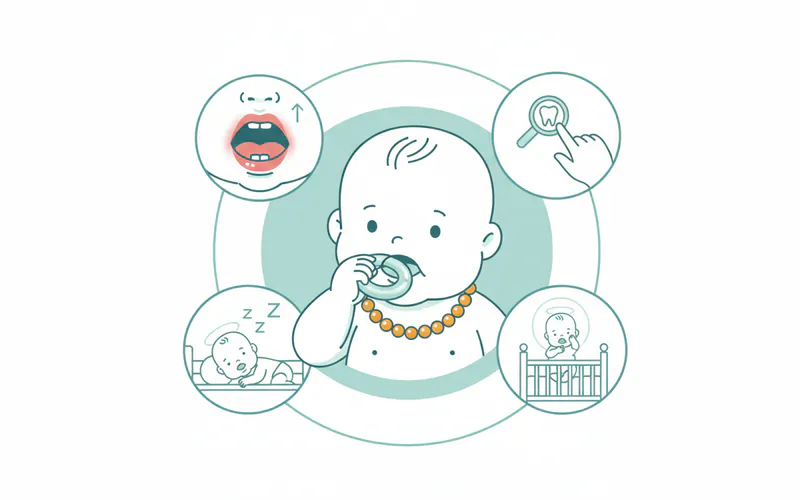
- Observe and Identify: Pay close attention to your baby's symptoms. Is it excessive drooling, fussiness, or constant chewing? Check their gums for swelling or redness.
- Start with Gentle Methods: Begin with the least intrusive methods. Wash your hands thoroughly and gently massage your baby's gums with your finger for a few minutes. This direct pressure can be surprisingly effective.
- Introduce Cold Relief: Offer a chilled teething ring or a cold, wet washcloth. Ensure the teething ring is clean and made of a safe material. Rotate between a few items if your baby seems to prefer one over another.
- Keep Them Hydrated: Increased drooling can sometimes lead to dehydration. Ensure your baby is getting enough fluids.
- Clean Up Drool: Use a soft cloth to gently wipe away drool from your baby's chin and neck to prevent skin irritation or rash.
- Consider OTC Pain Relievers (If Needed): If the discomfort is severe and interfering with sleep or feeding, contact your pediatrician to discuss if over-the-counter pain relievers like acetaminophen or ibuprofen are appropriate. Always follow their dosage instructions carefully. Never administer medication without professional guidance.
- Maintain Routine: Despite the fussiness, try to maintain your baby's regular feeding and sleep schedule as much as possible. A consistent routine can provide a sense of security.
- Offer Comfort and Distraction: Sometimes, simply holding and comforting your baby, or engaging them in playful distraction, can help them cope with the pain.
- Monitor for Other Symptoms: While teething can cause mild symptoms, be vigilant for high fever, diarrhea, vomiting, or severe lethargy, as these are not typical teething symptoms and could indicate an illness requiring medical attention.
- Schedule First Dental Visit: Remember to schedule your child's first dental visit by their first birthday, or when their first tooth appears, whichever comes first. This establishes a "dental home" and allows a pediatric dentist to guide you through ongoing oral health needs.
Cost and Insurance (for Pediatric Dental Care and Teething Supplies)
When considering the costs associated with teething, it's important to focus on safe, effective remedies and essential pediatric dental care, rather than unproven products like amber teething necklaces.
Cost of Safe Teething Remedies:
- Amber Teething Necklaces: While not recommended, these typically retail for $15 to $50 in the US, depending on the amber quality and brand. This is a recurring cost if one breaks or is lost, and an unnecessary one given the risks.
- Silicone/Rubber Teething Rings: Generally cost $5 to $25 for a high-quality, BPA-free option. Many parents buy several.
- Chilled Wet Washcloths: Essentially free, using items already in your home.
- Over-the-Counter Pain Relievers (infant acetaminophen/ibuprofen): A bottle typically costs $5 to $15.
- Teething Biscuits/Crackers: A box ranges from $3 to $10.
Cost of Pediatric Dental Care:
The most important "cost" related to teething is investing in your child's long-term oral health through regular dental visits. The American Academy of Pediatric Dentistry (AAPD) and ADA recommend a child's first dental visit by their first birthday or within six months of their first tooth erupting.
- Initial Pediatric Dental Exam (new patient): This can range from $75 to $200 without insurance, varying by region (e.g., urban centers tend to be higher). It typically includes an examination, cleaning, and fluoride application.
- Routine Check-ups (every 6 months): Subsequent visits usually cost $50 to $150 per visit without insurance.
Insurance Coverage:
- Dental Insurance: Most private dental insurance plans cover pediatric preventive care, often at 100% or with a small co-pay, especially for the recommended twice-yearly check-ups. It's crucial to check your specific plan's benefits for details on coverage, deductibles, and co-insurance.
- Medicaid/CHIP: Children's dental care is an essential health benefit under the Affordable Care Act (ACA). Medicaid and the Children's Health Insurance Program (CHIP) provide comprehensive dental benefits for eligible children, including check-ups, cleanings, and necessary treatments, often at no cost or very low cost to the family.
- No Insurance: If you do not have dental insurance, inquire about cash discounts, payment plans, or community dental clinics that offer services on a sliding scale based on income. Some dental schools also run clinics with reduced fees.
Pro Tip: Always clarify costs with your pediatric dentist's office beforehand, and understand your insurance benefits. Don't let cost deter you from seeking essential preventive dental care for your child. Early dental visits are crucial for preventing future, more expensive problems.
Recovery and Aftercare (for Teething and Oral Health)
"Recovery" from teething isn't a single event but rather a continuous process of managing discomfort as new teeth emerge. Aftercare involves establishing and maintaining good oral hygiene practices that will benefit your child for a lifetime.
Managing Ongoing Teething Discomfort:
- Be Patient and Prepared: Teething can last for two to three years, as all primary teeth erupt. Keep safe teething remedies on hand and be prepared for intermittent periods of fussiness.
- Observe Your Child: Each child experiences teething differently. Learn your child's specific cues and what methods provide them the most comfort.
- Maintain Comfort: Continue with chilled teethers, gum massage, and if needed, pediatrician-approved pain relievers.
- Prevent Drool Rash: Regularly wipe your baby's chin to prevent skin irritation. Applying a thin layer of petroleum jelly can create a protective barrier.
Establishing Lifelong Oral Health:
- Start Oral Hygiene Early: Even before the first tooth erupts, gently wipe your baby’s gums with a clean, damp cloth or soft infant toothbrush after feedings. This cleanses the mouth and helps establish a routine.
- Brush the First Tooth: As soon as the first tooth appears, begin brushing it twice a day with a soft-bristled infant toothbrush and a tiny smear (the size of a grain of rice) of fluoride toothpaste.
- Pro Tip: The ADA recommends using fluoride toothpaste from the eruption of the first tooth to help prevent cavities.
- Regular Dental Check-ups: Ensure your child has their first dental visit by their first birthday, and then continues with regular check-ups every six months, or as recommended by the pediatric dentist. This is vital for monitoring tooth development, assessing cavity risk, and providing preventive treatments like fluoride varnish.
- Healthy Eating Habits: As your child grows, encourage a balanced diet and limit sugary drinks and snacks, which contribute to tooth decay.
- Discourage Thumb Sucking/Pacifier Use: While comforting in infancy, prolonged thumb sucking or pacifier use beyond age 2-4 can impact tooth alignment and jaw development. Consult your pediatric dentist if you have concerns.
Prevention (of Seeking Unsafe Remedies and Promoting Healthy Teeth)
Preventing issues related to amber teething necklaces means educating parents about their dangers and promoting safe, effective practices. For dental health in general, prevention is about establishing good habits early.
Preventing Reliance on Unsafe Teething Remedies:
- Seek Medical Advice: Always consult your pediatrician or pediatric dentist first when your child is experiencing significant discomfort. They can provide evidence-based recommendations.
- Understand the Science (or Lack Thereof): Be skeptical of products that make grand claims without scientific backing. Understand that organizations like the FDA, ADA, and AAP have issued warnings against amber teething necklaces due to their risks and unproven efficacy.
- Choose Reputable Sources: Rely on information from authoritative health organizations (e.g., ADA, AAP, FDA) and your child's healthcare providers, rather than anecdotal stories or unregulated online forums.
- Be Aware of Marketing Tactics: Many products prey on parental anxieties. Focus on safety and proven effectiveness over "natural" or "holistic" claims that lack scientific basis.
Preventing Dental Problems:
- Early Dental Visits: As mentioned, the "dental home" established by the first birthday is foundational for preventive care.
- Consistent Oral Hygiene: Regular brushing with fluoride toothpaste is paramount.
- Fluoride: Discuss appropriate fluoride exposure with your dentist. This might include fluoride varnish treatments at the dental office or ensuring proper fluoridation in your tap water.
- Healthy Diet: Limiting sugar intake and promoting nutrient-rich foods protects teeth from decay.
- Avoid Bedtime Bottles with Milk/Juice: This is a major cause of "baby bottle tooth decay." Only water should be given in bottles at bedtime.
- Regular Monitoring: Parents should regularly check their child’s teeth for any signs of decay, unusual spots, or trauma.
Risks and Complications (of Amber Teething Necklaces)
The risks associated with amber teething necklaces are significant and have led to explicit warnings from major health organizations in the United States, including the Food and Drug Administration (FDA), the American Dental Association (ADA), and the American Academy of Pediatrics (AAP). These risks far outweigh any purported benefits.
The primary concerns are:
- Strangulation: This is the most serious risk. A necklace worn around a baby's neck can become caught on an object or furniture, or tighten around the neck, leading to suffocation. This risk is particularly high during sleep, naps, or unsupervised play. Babies can also get their limbs caught in the necklace, causing injury. The FDA has reported deaths and serious injuries related to infant jewelry, including strangulation.
- Choking Hazard: The individual amber beads, even if knotted, can break off the string. If a bead comes loose, an infant can put it in their mouth and choke on it. Choking is a leading cause of accidental death in young children. Even necklaces marketed with "safety" features like individual knots between beads do not eliminate this risk entirely, as the string itself can break, or a bead can be swallowed.
- Mouth Injury and Infection: If a child chews on the beads (which some parents encourage, despite warnings), the beads can chip or break, potentially causing cuts or injuries to the gums, mouth, or teeth. This can also introduce bacteria and lead to infection.
- Skin Irritation: The constant rubbing of the necklace against the skin can cause irritation, rashes, or allergic reactions in some infants.
- False Sense of Security: Believing the necklace is providing pain relief may lead parents to delay or forgo proven, safe methods for managing teething discomfort. This can prolong the child's suffering and give parents a false sense of security regarding their child's well-being.
- Lack of Efficacy: As previously stated, there is no scientific evidence to support the claim that amber teething necklaces release succinic acid or provide any pain relief. Parents are spending money on a product that does not work and introduces substantial harm.
Official Warnings:
- FDA: In 2018, the FDA issued a safety warning against the use of amber teething necklaces and similar jewelry, citing risks of choking and strangulation. They explicitly stated, "Do not use teething jewelry, such as necklaces, bracelets, and anklets, with children. These products can cause serious injury or death."
- ADA: The ADA’s stance is clear: they do not recommend amber teething necklaces and advocate for safe, evidence-based practices for teething.
- AAP: The AAP also advises against the use of these necklaces, citing the choking and strangulation risks.
Pro Tip: Any item worn around a baby's neck, or small items that can fit into a baby's mouth, pose a significant and unacceptable risk. The safest approach is to avoid all such jewelry for infants.
Children / Pediatric Considerations: Understanding Tooth Development
Beyond teething pain, understanding the broader timeline of your child's dental development is crucial for maintaining their oral health. This includes when baby teeth first appear and when do kids lose their first tooth and when do kids lose teeth.
Primary Tooth Eruption (Baby Teeth):
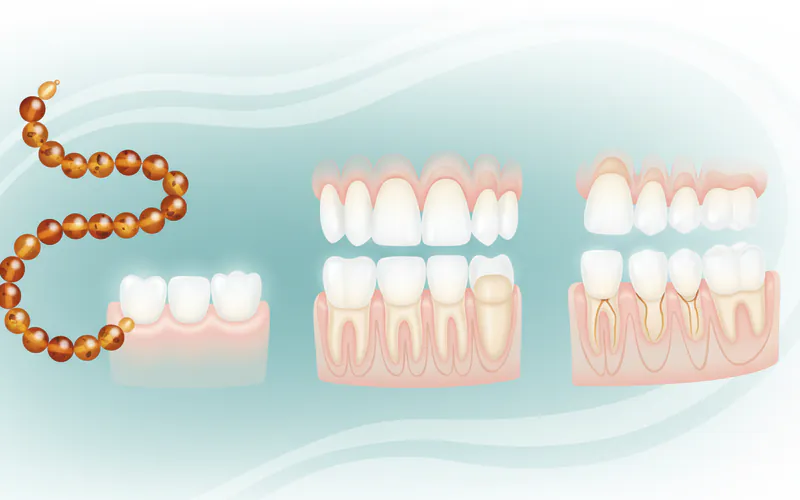
Babies are typically born with 20 primary (or "baby") teeth already formed under their gums. The eruption timeline can vary, but generally follows this pattern:
- 4-7 months: First teeth begin to erupt, usually the lower central incisors (bottom front teeth).
- 8-12 months: Upper central incisors (top front teeth) appear.
- 9-16 months: Upper and lower lateral incisors (next to the central incisors).
- 13-19 months: First molars (back teeth).
- 16-23 months: Canines (pointed teeth between incisors and molars).
- 23-33 months: Second molars (rearmost teeth).
By around 2.5 to 3 years of age, most children will have all 20 primary teeth. These teeth are vital for chewing, speaking, and holding space for the permanent teeth to erupt correctly. Losing a baby tooth too early due to decay or injury can cause crowding issues for permanent teeth later on.
When Do Kids Lose Their First Tooth? (Primary Tooth Exfoliation):
The process of primary teeth falling out, known as exfoliation, is a natural part of a child's development, making way for their permanent teeth. This typically begins around age 6 years old and continues until around age 12-14.
- Around 6-7 years: The lower central incisors are usually the first to be lost, followed by the upper central incisors. This often coincides with the eruption of the first permanent molars (the "six-year molars") which come in behind the last baby teeth, not replacing any.
- 7-8 years: Lower and upper lateral incisors are lost.
- 9-11 years: Lower canines and first molars are typically lost.
- 10-12 years: Upper canines and second molars are lost.
When Do Kids Lose Teeth? (Full Timeline):
The entire process of losing all 20 primary teeth and having them replaced by 28-32 permanent teeth (including wisdom teeth) spans several years, roughly from age 6 to young adulthood. By the time a child is around 12-14 years old, they will usually have all their permanent teeth except for their third molars (wisdom teeth), which may erupt between ages 17 and 25, or not at all.
Importance of Primary Teeth:
Even though primary teeth are eventually replaced, they are incredibly important. They help your child:
- Chew food properly
- Speak clearly
- Maintain space for permanent teeth
- Develop a healthy facial structure
- Build confidence in their smile
Premature loss of primary teeth due to decay or injury can lead to long-term dental problems, including misalignment of permanent teeth, requiring orthodontic treatment later. This underscores the importance of proper oral hygiene and regular pediatric dental visits from an early age.
Cost Breakdown (General Pediatric Dental Care)
Understanding the financial aspects of pediatric dental care is crucial for planning your child's health journey. While amber teething necklaces have an upfront cost, the true investment lies in consistent, professional dental care.
Average US Costs (Without Insurance):
Costs can vary significantly based on location, the specific dental practice, and the complexity of the treatment. These are general ranges:
- Initial Oral Exam & Cleaning (Child under 3):
- Low: $75
- Mid: $120
- High: $200
- Includes visual exam, gentle cleaning, fluoride application, and parent education.
- Routine Check-up & Cleaning (Child over 3):
- Low: $60
- Mid: $100
- High: $175
- Typically every 6 months, includes exam, cleaning, fluoride, and potentially X-rays.
- Dental X-rays (as needed):
- Low: $30
- Mid: $70
- High: $100+
- Often taken annually or biennially to check for cavities between teeth and monitor development.
- Dental Filling (for a cavity in a baby tooth):
- Low: $100
- Mid: $250
- High: $400+
- Cost depends on the material (e.g., amalgam, composite) and size of the cavity.
- Space Maintainer (if a baby tooth is lost prematurely):
- Low: $200
- Mid: $400
- High: $600+
- Used to hold space for the permanent tooth, preventing alignment issues.
With vs. Without Insurance:
- With Insurance: Most private dental insurance plans categorize pediatric preventive care (exams, cleanings, fluoride) as 100% covered or require a small co-pay (e.g., $10-$30). Restorative procedures like fillings might be covered at 80% or 50% after a deductible is met. It's crucial to understand your plan's specific "maximums" (the most the insurance will pay in a year) and "deductibles" (what you pay before insurance kicks in).
- Without Insurance: You are responsible for the full cost. Many dental offices offer a discount for cash payments or have in-house membership plans.
Payment Plans and Financing Options:
- In-Office Payment Plans: Many pediatric dental offices understand the financial strain and offer interest-free payment plans, allowing you to pay for services over several months.
- Third-Party Financing: Options like CareCredit are widely accepted. These are healthcare credit cards that offer promotional financing periods (e.g., 6 or 12 months with no interest) if the balance is paid in full within that time.
- Flexible Spending Accounts (FSAs) and Health Savings Accounts (HSAs): If you have an FSA or HSA through your employer, you can use these tax-advantaged accounts to pay for eligible dental expenses with pre-tax dollars.
Cost-Saving Tips:
- Preventive Care is Key: The best way to save money on dental care is to prevent problems from occurring. Regular check-ups, good home hygiene, and a healthy diet can often prevent the need for expensive restorative treatments like fillings or crowns.
- Shop Around: Prices can vary. Call several pediatric dental offices in your area to inquire about their fees for common procedures like initial exams and cleanings.
- Community Clinics/Dental Schools: These often offer lower-cost services.
- Negotiate: Don't be afraid to ask about cash discounts if you're uninsured or payment plan options.
- Utilize Public Programs: If eligible, take advantage of Medicaid or CHIP, which provide extensive dental benefits for children.
Frequently Asked Questions
What exactly is an amber teething necklace supposed to do?
Amber teething necklaces are theorized to release succinic acid when warmed by body heat, which is then absorbed through the skin to provide anti-inflammatory and pain-relieving effects. However, there is no scientific evidence to support this claim, and medical professionals universally dismiss it as ineffective.
Are amber teething necklaces safe for my baby?
No, amber teething necklaces are not safe. They pose significant risks of strangulation and choking, which can lead to serious injury or death. Leading health organizations like the FDA, ADA, and AAP strongly advise against their use for infants.
What are safe and effective alternatives for teething pain relief?
Safe alternatives include gently massaging your baby's gums with a clean finger, offering chilled (not frozen) teething rings or a cold, wet washcloth, and administering age-appropriate doses of over-the-counter pain relievers like acetaminophen or ibuprofen after consulting with your pediatrician.
How much do amber teething necklaces cost compared to safe alternatives?
Amber teething necklaces typically cost between $15 and $50. Safe alternatives like silicone teething rings range from $5 to $25, while over-the-counter pain relievers cost $5 to $15. Gum massage and chilled washcloths are essentially free.
When do kids usually start teething?
Most babies start teething between 4 and 7 months of age, though it can vary widely. The lower central incisors (bottom front teeth) are usually the first to erupt.
When do kids lose their first tooth, and how long does it take for all baby teeth to fall out?
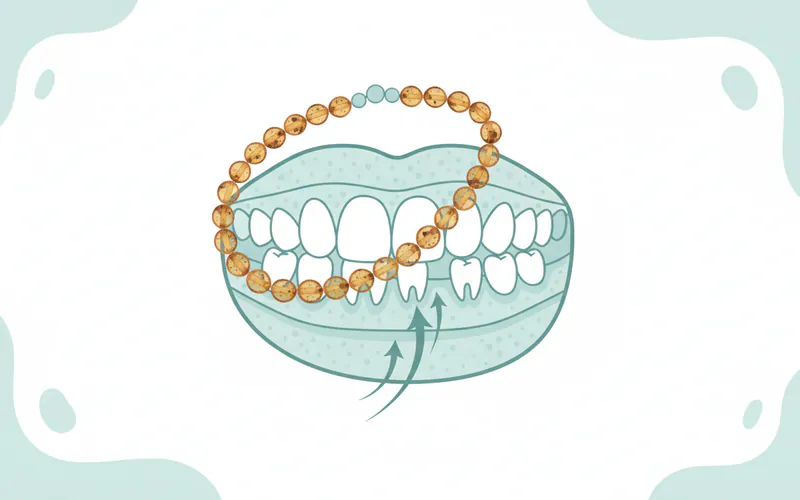
Children typically start losing their first primary (baby) tooth around age 6, often with the lower central incisors. The process of losing all 20 primary teeth and having them replaced by permanent teeth usually spans from age 6 to about 12-14 years old.
Does the FDA have a stance on amber teething necklaces?
Yes, the FDA issued a strong safety warning in 2018, advising against the use of amber teething necklaces and similar jewelry for children due to the risks of choking and strangulation. They have reported serious injuries and deaths associated with such products.
Should I take my baby to a dentist if they are teething?
While teething is a natural process, the American Dental Association recommends a child's first dental visit by their first birthday or when their first tooth erupts, whichever comes first. This establishes a "dental home" for ongoing oral health guidance, including teething management.
Can teething cause a high fever?
No, teething can cause a slight elevation in body temperature, but it does not cause a high fever (above 100.4°F or 38°C). A high fever during teething should be promptly evaluated by a pediatrician, as it likely indicates an underlying illness.
What if my child swallows a bead from an amber necklace?
Swallowing a bead from an amber necklace is a serious emergency. The bead can cause choking or, if swallowed, can become lodged in the digestive or respiratory tract. Seek immediate medical attention by calling 911 or your local emergency services.
When to See a Dentist
While teething is a normal developmental stage, there are specific instances when you should seek professional dental or medical advice.
Routine Dental Care:
- First Dental Visit: Your child should have their first dental visit by their first birthday or within six months of their first tooth erupting, whichever comes first. This visit is crucial for establishing a "dental home," receiving guidance on oral hygiene, diet, and fluoride, and assessing any early risks.
- Regular Check-ups: Following the initial visit, schedule routine check-ups every six months, or as recommended by your pediatric dentist. These visits are essential for monitoring tooth development, preventing cavities, and addressing any emerging concerns.
When to See a Dentist (Red Flags/Concerns):
- Signs of Tooth Decay: If you notice any brown or white spots, pitting, or unusual discoloration on your child's teeth, especially along the gumline. This could indicate early tooth decay.
- Oral Injuries: If your child falls or experiences any trauma to their mouth, teeth, or gums, even if a tooth isn't chipped or knocked out. A dentist can check for hidden damage.
- Persistent Bleeding or Swelling: If gums are bleeding excessively or appear significantly swollen beyond what's expected for teething, especially if accompanied by pain.
- Unusual Sores or Lesions: Any persistent sores, bumps, or white patches in your child's mouth that don't heal within a week.
- Concerns about Tooth Development: If you notice teeth erupting significantly out of sequence, overcrowding, or if your child is much older than average and hasn't started teething.
- Difficulty Chewing or Eating: If your child consistently struggles with eating due to mouth pain or discomfort.
- Severe Teething Symptoms: While teething can cause discomfort, if your child's pain seems extreme, or if they are inconsolable despite using safe home remedies, consult your pediatric dentist or pediatrician.
Emergency vs. Scheduled Appointment Guidance:
- Emergency: Call your dentist immediately or seek emergency care for severe injuries (e.g., knocked-out tooth, severe lacerations), uncontrollable bleeding, severe pain, or signs of infection (e.g., facial swelling, fever associated with a dental issue).
- Scheduled Appointment: For routine check-ups, minor concerns about tooth appearance, general questions about oral hygiene, or non-acute discomfort, a scheduled appointment is appropriate.
Pro Tip: Don't hesitate to call your pediatric dentist's office with any questions, even if you're unsure if it's an emergency. They can provide valuable guidance over the phone. Early intervention is key to preventing minor issues from becoming major problems.
Frequently Asked Questions
Medically Reviewed Content
This article was written by our dental health editorial team and reviewed for medical accuracy. Our content follows strict editorial guidelines for reliability and trustworthiness.
Medical Disclaimer
This article is for informational purposes only and does not constitute medical advice. Always consult with a qualified dental professional for diagnosis and treatment. Do not delay seeking professional advice because of something you read on this website.
Related Articles
Kitten Teething Toys: Complete Guide
Few milestones in early life bring as much joy – and sometimes, as much discomfort – as teething. Just as a playful kitten explores its new world by mouthing and chewing on everything it can, human babies also embark on a similar developmental journey. In fact, over 80% of infants experience som
February 22, 2026
How Many Teeth Do Children Have
Did you know that a child's smile goes through more dramatic transformations in their first 12 years than an adult's does in a lifetime? Understanding the journey of your child's dental development is fundamental to ensuring their lifelong oral health. For many parents, a common question arises: **h
February 22, 2026
Teething Syndrome: Complete Guide
As a parent, few things are as universally anticipated and often dreaded as the arrival of your baby's first tooth. While a milestone to celebrate, the process of primary tooth eruption, commonly known as teething syndrome, can bring with it a host of challenging symptoms. In fact, studies sugge
February 22, 2026
When Do Kittens Lose Their Baby Teeth
When Do Kittens Lose Their Baby Teeth
February 22, 2026