When Do Puppies Lose Their Baby Teeth
Key Takeaways
- The arrival of a new puppy into your home brings immeasurable joy, playful energy, and a whirlwind of new experiences. Among the many developmental milestones you'll observe, one of the most critical – and often overlooked – is the process of teething. Just like human infants, puppies are born witho
When Do Puppies Lose Their Baby Teeth: A Comprehensive Guide to Canine and Human Dental Development
The arrival of a new puppy into your home brings immeasurable joy, playful energy, and a whirlwind of new experiences. Among the many developmental milestones you'll observe, one of the most critical – and often overlooked – is the process of teething. Just like human infants, puppies are born without teeth, develop a set of deciduous (baby) teeth, and then gradually lose them to make way for their permanent adult teeth. Understanding when do puppies lose their baby teeth and the entire teething process is not only crucial for your puppy's comfort and oral health but also offers fascinating insights into the universal patterns of dental development, mirroring many aspects of pediatric dentistry in humans. This comprehensive guide will walk you through everything you need to know about puppy teething, from timelines and common signs to effective remedies and potential complications, providing valuable knowledge that extends to appreciating the complexities of dental health in all young mammals.
Key Takeaways:
- Timing is Key: Puppies typically begin losing their baby teeth around 12-16 weeks (3-4 months) of age, with the process usually completing by 6-7 months.
- Total Teeth: Puppies have 28 deciduous teeth, which are replaced by 42 permanent adult teeth.
- Common Signs: Increased chewing, mild gum inflammation, drooling, whimpering, and decreased appetite are common.
- Natural Teething Remedies: Safe chew toys, frozen treats, and gentle gum massage can provide significant relief, often costing $10-$50.
- Preventing Complications: Regular oral checks at home and veterinary visits are essential to identify issues like retained deciduous teeth, which may require extraction costing $300-$1,500+.
- No Fever Typically: While discomfort is common, can teething cause fever in puppies (or humans) is generally a myth; a fever indicates an underlying infection or illness and warrants veterinary attention.
- Human Parallels: Understanding puppy teething provides valuable context for parents, highlighting universal dental development patterns and the importance of early oral care.
``
What It Is: Understanding Puppy Dental Development
Puppy teething is a natural, physiological process during which a puppy sheds its temporary (deciduous or "baby") teeth and develops a complete set of permanent adult teeth. This transition is a vital part of their growth, enabling them to chew and digest food more effectively as they mature.
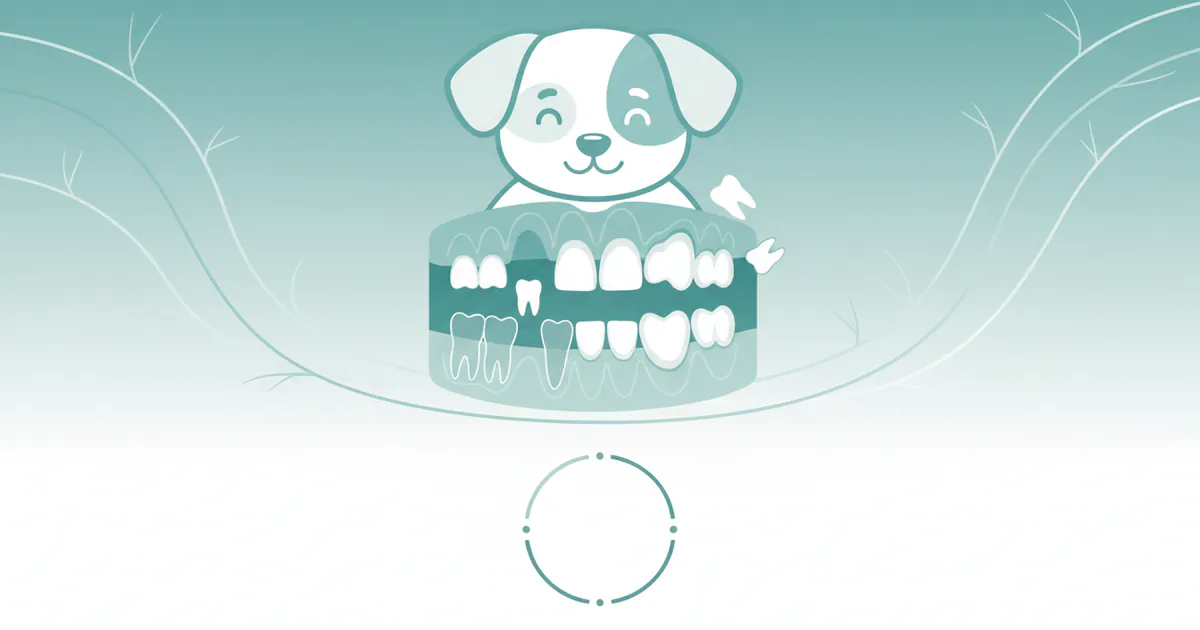
At birth, puppies have no visible teeth. Their first set of deciduous teeth, typically 28 teeth, begins to erupt around 2-3 weeks of age. These sharp, needle-like teeth continue to emerge until the puppy is about 6-8 weeks old. This set includes incisors, canines, and premolars, but no molars. These baby teeth are essential for puppies to learn to chew, bite, and interact with their littermates during early development.
The loss of these baby teeth and the eruption of permanent teeth is a carefully orchestrated biological process. The roots of the deciduous teeth are gradually resorbed (dissolved) by the body as the permanent teeth develop beneath them. This resorption weakens the baby teeth, allowing them to fall out easily, making way for the stronger, larger adult teeth. This process ensures that the permanent teeth have the necessary space and alignment for proper function throughout the dog's adult life.
When Do Puppies Lose Their Baby Teeth: The Teething Timeline
The timeline for when puppies lose their baby teeth is relatively consistent across most breeds, though individual variations can occur. Understanding this general timeline helps owners anticipate and manage the teething phase effectively.
The Stages of Puppy Teething:
- 2-3 Weeks: Deciduous incisors begin to erupt.
- 3-5 Weeks: Deciduous canine teeth and premolars start to emerge. By 6-8 weeks, most puppies have all 28 baby teeth.
- 12-16 Weeks (3-4 Months): This is the crucial period when puppies typically start losing their baby teeth. The incisors are usually the first to go, followed by the canines and premolars.
- 4-6 Months: The adult incisors, canines, and premolars continue to erupt. The first adult molars also start to appear during this time.
- 6-7 Months: By this age, most puppies have lost all their baby teeth and have a full set of 42 permanent adult teeth, including incisors, canines, premolars, and molars. The exact completion can vary slightly, sometimes extending to 8 months for larger breeds.
Pro Tip: While the process can be messy, most puppies swallow their baby teeth without any issues. You might occasionally find a tiny tooth on the floor or in their chew toys, but it's not a cause for concern if you don't.
Types / Variations in Teething
While the general timeline for when do puppies lose their baby teeth is consistent, there can be slight variations influenced by breed size, genetics, and overall health.
- Breed Size: Larger breeds (e.g., Great Danes, German Shepherds) may complete their teething process slightly later, sometimes closer to 7-8 months, due to their larger jaw development. Smaller breeds (e.g., Chihuahuas, Yorkshire Terriers) can sometimes have a slower or more complicated process, with a higher incidence of retained deciduous teeth (which we'll discuss later).
- Individual Variation: Just like children, some puppies might be early or late bloomers. As long as the process is progressing, minor deviations from the average timeline are usually not a concern. However, significant delays or a lack of new tooth eruption warrants a veterinary check-up.
- Health Status: A puppy's general health and nutrition can influence dental development. Puppies with underlying health issues or nutritional deficiencies might experience slightly delayed or problematic teething.
Causes / Why It Happens
The loss of baby teeth in puppies is a complex, hormonally regulated biological process driven by the development of the permanent teeth.
- Development of Permanent Teeth: Beneath each deciduous tooth, a permanent tooth bud begins to form and grow within the jawbone.
- Pressure and Resorption: As the permanent tooth grows, it exerts pressure on the root of the overlying baby tooth. This pressure stimulates specialized cells called odontoclasts to begin resorbing (breaking down and dissolving) the root of the deciduous tooth.
- Root Shortening: The root of the baby tooth gradually shortens and weakens as it is resorbed.
- Tooth Loss: Once the root is sufficiently resorbed, the baby tooth becomes loose and eventually falls out, often during chewing or eating.
- Eruption of Permanent Teeth: With the baby tooth out of the way, the permanent tooth can then erupt through the gum line into its designated position.
This intricate process ensures that the permanent teeth emerge correctly, setting the stage for a healthy adult bite. Any disruption to this process, such as a lack of proper root resorption, can lead to complications.
Signs and Symptoms: What to Look For
During the teething phase, puppies experience discomfort and exhibit various behavioral and physical signs. Recognizing these can help you provide appropriate support and identify potential problems early.
Behavioral Signs:
- Increased Chewing: This is perhaps the most prominent sign. Puppies will chew on anything and everything to relieve gum discomfort and help loosen baby teeth. This includes furniture, shoes, hands, and other inappropriate items.
- Drooling: Excessive drooling can occur as the gums become inflamed and the puppy works its jaw more.
- Whimpering or Crying: Some puppies may whimper or cry more frequently, especially when trying to eat or chew, indicating pain.
- Reduced Appetite: Sore gums can make eating painful, leading to a temporary decrease in appetite or reluctance to eat hard kibble.
- Fussiness or Irritability: A teething puppy might be more irritable, restless, or less interested in play due to discomfort.
- Bad Breath: Mildly bad breath (halitosis) can sometimes accompany teething due to gum inflammation or minor bleeding.
Physical Signs:
- Swollen or Red Gums: The gums around erupting teeth will appear visibly swollen and red. You might even see small bumps or ridges where new teeth are pushing through.
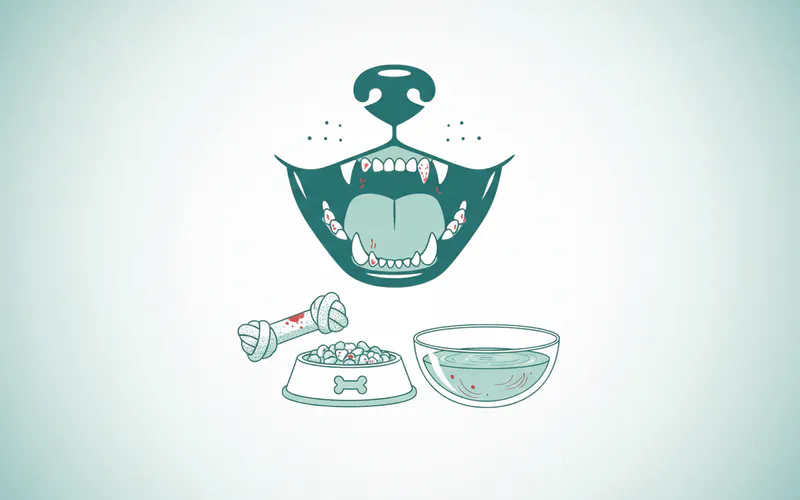
- Bleeding Gums: Occasionally, you might notice tiny specks of blood on toys, food, or even a small amount in their water bowl. This is typically minor and not a cause for alarm.
- Missing Teeth: You might find tiny baby teeth on the floor or notice gaps in your puppy's mouth.
- Visible Adult Teeth: You can often see the tips of new, larger adult teeth beginning to emerge through the gums.
- Fever (Rare): While the question can teething cause fever is common, it's generally a myth for both puppies and human babies. A slight increase in body temperature might occur due to inflammation, but a true fever (above 102.5°F or 39.2°C for puppies) is not normal for teething and indicates an underlying infection or illness requiring veterinary attention.
Pro Tip: Gently open your puppy's mouth regularly during the teething phase to inspect their gums and teeth. This helps them get used to oral examinations and allows you to spot any issues early.
Treatment Options: Managing Teething Discomfort
The primary "treatment" for puppy teething is managing discomfort and redirecting chewing behaviors. This involves a combination of safe chew items, soothing techniques, and natural remedies.
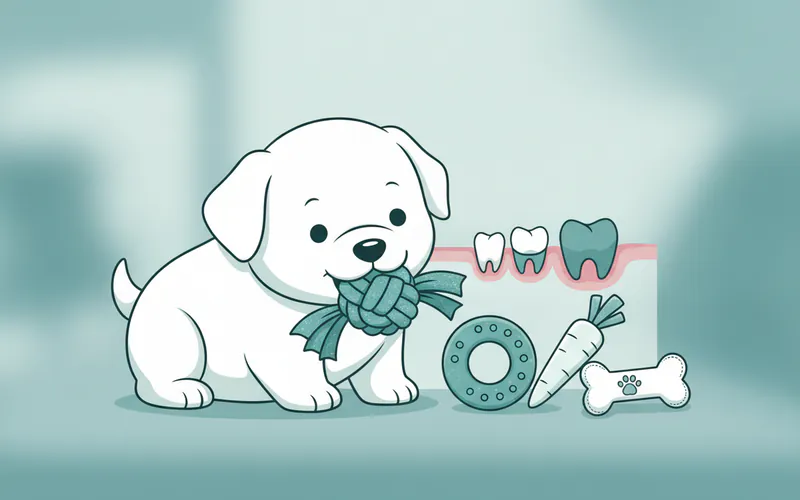
a. Natural Teething Remedies (Most Common and Recommended)
These remedies focus on alleviating gum pain and providing appropriate outlets for chewing.
-
Safe Chew Toys:
- Description: Specifically designed puppy chew toys made from durable, non-toxic rubber or nylon are essential. Choose toys appropriate for their size and chewing strength.
- Pros: Satisfies the urge to chew, helps dislodge loose baby teeth, provides mental stimulation, redirects destructive chewing.
- Cons: Some toys can be too hard (leading to fractured teeth) or too soft (easily destroyed and ingested). Requires supervision.
- Cost: $5 - $30 per toy.
-
Frozen Chew Toys/Treats:
- Description: Many rubber chew toys can be filled with peanut butter (xylitol-free!), yogurt, or wet food and then frozen. Ice cubes (plain or flavored with a little broth) are also popular. Frozen carrots can be a healthy, soothing chew.
- Pros: The cold temperature numbs the gums, providing significant pain relief.
- Cons: Can be messy. Overuse of very hard frozen items (like large ice blocks) could potentially chip teeth.
- Cost: Minimal, using existing food or inexpensive ingredients.
-
Wet Washcloths/Towels:
- Description: Wet a clean washcloth, twist it into a rope shape, and freeze it.
- Pros: Soft enough not to harm gums but firm enough when frozen to provide good counter-pressure and cold relief. Inexpensive.
- Cons: Easily soiled, needs frequent washing. Can be torn apart by strong chewers, so supervise.
- Cost: Minimal.
-
Gentle Gum Massage:
- Description: With clean fingers or a soft puppy toothbrush (without toothpaste), gently massage your puppy's gums for a few minutes.
- Pros: Increases blood flow, helps relieve pressure, helps loosen baby teeth, builds positive association with mouth handling.
- Cons: Some puppies may not tolerate it if their gums are very sore.
- Cost: Free.
-
Softer Food Options:
- Description: If your puppy is reluctant to eat hard kibble, temporarily switching to softened kibble (with warm water or broth) or canned puppy food can make eating more comfortable.
- Pros: Ensures adequate nutrition during a painful phase.
- Cons: Can be more expensive, and prolonged soft food diets don't help clean teeth. Transition back to kibble as soon as possible.
- Cost: Varies, generally $10-$40 per bag/can for specialized food.
b. Veterinary Intervention (for Complications)
While most puppies navigate teething naturally, complications may require veterinary intervention.
-
Retained Deciduous Teeth:
- Description: If a baby tooth does not fall out as the permanent tooth erupts, it is considered retained. This is a common issue, especially in smaller breeds.
- Treatment: Surgical extraction of the retained baby tooth. This is usually performed under general anesthesia.
- Pros: Prevents misalignment of permanent teeth, prevents food trapping, and reduces the risk of periodontal disease.
- Cons: Requires anesthesia, which always carries some risk.
- Cost: $300 - $800 for a single simple extraction, potentially $800 - $1,500+ for multiple or more complex extractions, including anesthesia, bloodwork, and pain medication.
-
Fractured Baby Teeth:
- Description: While rare, a baby tooth can fracture if a puppy chews on something too hard. This exposes the pulp cavity and can lead to infection.
- Treatment: Extraction of the fractured tooth to prevent pain and infection.
- Pros: Eliminates pain and prevents spread of infection.
- Cons: Requires anesthesia.
- Cost: Similar to retained tooth extraction, $300 - $800+.
Comparison Table: Natural Teething Remedies
| Remedy Type | Description | Pros | Cons | Typical Cost |
|---|---|---|---|---|
| Safe Chew Toys | Rubber/nylon toys designed for puppies | Satisfies chewing, aids tooth loosening, redirecting | Can be too hard/soft, requires supervision | $5 - $30 |
| Frozen Treats | Frozen kongs, carrots, ice cubes | Numbing effect, soothing relief | Can be messy, potential for chipped teeth if too hard | Minimal |
| Frozen Washcloths | Wet, twisted, and frozen cloth | Gentle, provides cold counter-pressure, inexpensive | Easily soiled, can be torn, requires supervision | Minimal |
| Gum Massage | Gentle rubbing with finger/brush | Relieves pressure, promotes blood flow, desensitizes mouth | Some puppies may not tolerate if painful | Free |
| Softer Food | Kibble softened with water, wet food | Ensures nutrition during discomfort | More expensive, less dental cleaning benefit, temporary solution | $10 - $40 |
Step-by-Step Process: What to Expect During Teething
Understanding the progression helps you support your puppy through each stage.
-
Preparation (Before 3 Months):
- Dental Familiarization: Even before teething begins, gently handle your puppy's mouth. Lift their lips, touch their gums. This makes future inspections easier.
- Chew Toy Introduction: Provide a variety of safe, appropriate chew toys to establish good chewing habits early.
- Veterinary Check-up: Ensure your puppy has had their initial vet visits and is generally healthy. Discuss any concerns about dental development.
-
Early Teething (3-4 Months):
- Increased Chewing: You'll notice a significant increase in chewing behavior. Provide plenty of appropriate outlets.
- Loose Incisors: The tiny front teeth (incisors) are usually the first to become loose and fall out. You might find them, or the puppy might swallow them.
- Gum Soreness: Gums may appear red and slightly swollen.
- Introduce Relief: Start offering frozen toys, wet washcloths, or gentle gum massages to alleviate discomfort.
-
Peak Teething (4-6 Months):
- Canines and Premolars: The longer canine teeth and the premolars will start to loosen and fall out, replaced by adult versions.
- Adult Molar Eruption: The first molars, which have no baby tooth predecessors, will begin pushing through behind the premolars. This can be particularly uncomfortable.
- Potential for Complications: This is the prime time to watch for retained deciduous teeth. Check regularly for instances where an adult tooth is erupting but the baby tooth it's replacing is still firmly in place.
- Diet Adjustments: If your puppy is very uncomfortable, soften kibble with water temporarily.
-
Late Teething & Completion (6-7 Months):
- Final Adult Teeth: The last molars erupt. By the end of this period, most puppies should have a full set of 42 permanent teeth.
- Reduced Discomfort: Chewing behaviors should start to normalize, and gum inflammation should subside.
- Final Vet Check-up: A final veterinary check around 6-7 months is highly recommended to ensure all baby teeth have fallen out and all permanent teeth have erupted correctly. This is often done during a spay/neuter appointment if applicable.
``
Cost and Insurance: Veterinary Dental Care for Puppies
While natural teething itself doesn't incur significant costs beyond chew toys and treats, complications can lead to veterinary expenses.
Average US Price Ranges:
- Routine Veterinary Exam: A check-up to assess dental development without specific issues is typically $50 - $150.
- Simple Deciduous Tooth Extraction (single tooth): This usually includes anesthesia, surgical extraction, and pain medication.
- Low: $300 - $500 (e.g., a simple, non-complicated extraction by a general vet).
- Mid: $500 - $800 (more complex single tooth, or includes pre-surgical blood work).
- High: $800 - $1,500+ (multiple extractions, referral to a veterinary dental specialist, extensive diagnostics).
- Antibiotics/Pain Medication: If infection or significant pain is present, these can add $20 - $100 to the bill.
- Pre-Anesthetic Blood Work: Recommended for all anesthetic procedures, typically $75 - $200.
Pet Insurance Coverage:
- Most pet insurance plans will cover dental complications related to retained deciduous teeth, fractured teeth, or infections. This typically falls under "accident and illness" coverage.
- Waiting Periods: Be aware of waiting periods for coverage to kick in (often 14-30 days for illnesses).
- Deductibles and Reimbursement: You will likely need to meet a deductible (e.g., $250-$1,000) and then be reimbursed a percentage of the covered costs (e.g., 70-90%).
- "Wellness" or "Preventative Care" add-ons may cover routine dental cleanings (which are not typically done on puppies unless a complication arises) but usually not extractions of retained baby teeth unless considered a medical necessity. Always check your specific policy.
Recovery and Aftercare
If your puppy undergoes a dental procedure like a retained tooth extraction, proper aftercare is crucial for a smooth recovery.
- Post-Operative Care:
- Pain Management: Your vet will prescribe pain medication. Administer as directed.
- Soft Food Diet: For a few days post-extraction, offer soft food to prevent irritation to the extraction site.
- Restricted Activity: Limit vigorous play and chewing for 7-10 days to allow the gums to heal.
- Monitoring: Watch for swelling, discharge, persistent bleeding, or reluctance to eat, and report any concerns to your vet.
- Long-term Oral Hygiene:
- Brushing: Once all permanent teeth have erupted and stabilized, begin a routine of daily tooth brushing using a veterinary-approved toothpaste and brush. This is the single most effective way to prevent future dental disease.
- Dental Chews/Diets: Incorporate dental chews approved by the Veterinary Oral Health Council (VOHC) or specialized dental diets to help maintain oral health between brushings.
- Regular Vet Check-ups: Continue annual veterinary visits where oral health is assessed.
Prevention: Proactive Dental Care for Puppies
Prevention in puppy teething primarily focuses on minimizing discomfort and preventing complications like retained deciduous teeth and destructive chewing.
- Provide Appropriate Chew Toys: Offer a variety of durable, size-appropriate, and safe chew toys from an early age. Rotate them to keep your puppy interested. This prevents them from chewing on inappropriate items and helps loosen baby teeth naturally.
- Early Oral Examination: Get your puppy accustomed to having their mouth handled and examined. This makes it easier for you to spot issues and for the vet to perform thorough checks.
- Regular Veterinary Check-ups: Ensure your puppy has all recommended veterinary visits. Your vet will monitor their dental development and identify potential issues like retained teeth or crowded permanent teeth.
- Avoid Overly Hard Items: Do not give puppies (or adult dogs) extremely hard items like real bones, antlers, ice cubes, or rocks. These can cause fractured teeth, which can be painful and lead to infections.
- Supervision: Always supervise your puppy with new chew toys or treats to ensure they are used safely and not destroyed and ingested.
Risks and Complications
While teething is natural, several complications can arise:
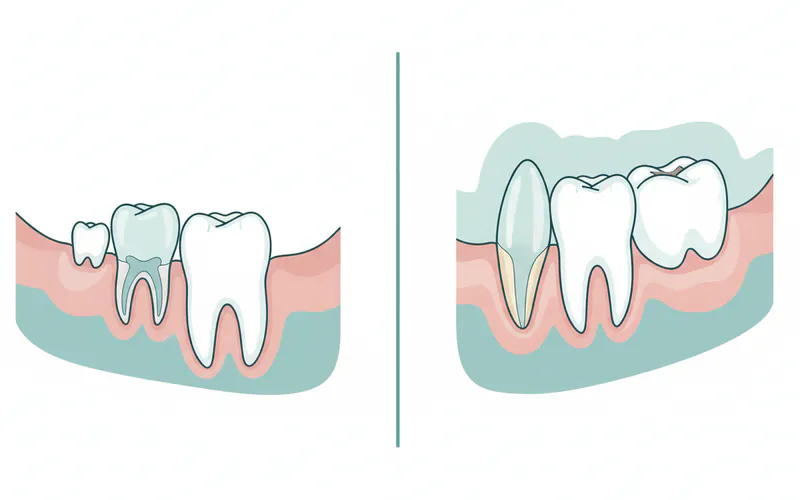
- Retained Deciduous Teeth: This is the most common complication. If a baby tooth doesn't fall out and the permanent tooth erupts alongside it, it can lead to:
- Crowding: The permanent tooth may erupt in an abnormal position due to lack of space.
- Malocclusion: An improper bite, which can cause discomfort, pain, and accelerated wear on teeth.
- Periodontal Disease: Food and debris can get trapped between the baby and permanent tooth, leading to plaque, tartar buildup, gum inflammation (gingivitis), and eventually periodontal disease.
- Fractured Baby Teeth: Chewing on excessively hard objects can lead to fractures, exposing the sensitive pulp cavity and risking infection.
- Oral Trauma/Injury: Aggressive chewing or biting inappropriate objects can cause cuts or punctures to the gums, tongue, or lips.
- Pain and Discomfort: While normal, severe or prolonged pain can lead to refusal to eat, weight loss, and general distress.
- Infection: Open wounds in the mouth from loose teeth or extractions can become infected, requiring antibiotics.
Early detection through regular oral checks and veterinary visits is key to managing these risks effectively.
Comparison Table: Risks and Management
| Risk / Complication | Description | Signs to Look For | Management / Treatment |
|---|---|---|---|
| Retained Deciduous Teeth | Baby tooth doesn't fall out as adult tooth erupts | Two teeth in one spot, adult tooth out of alignment | Veterinary extraction |
| Fractured Baby Tooth | Tooth breaks due to chewing hard objects | Bleeding, visible crack, pain, reluctance to chew | Veterinary extraction |
| Severe Gum Inflammation | Excessive redness, swelling, bleeding, pus | Obvious discomfort, refusal to eat, bad breath | Veterinary exam (rule out infection), pain relief |
| Malocclusion (Bad Bite) | Adult teeth erupt incorrectly due to crowding/retained teeth | Teeth not aligning properly, rubbing against gums/other teeth | Veterinary assessment, potentially orthodontics/extractions |
| Oral Infection | Bacterial infection in gums/extraction sites | Swelling, pus, foul odor, fever, lethargy | Veterinary antibiotics, cleaning |
Children / Pediatric Considerations: Lessons from Puppy Teething
While this article focuses on when do puppies lose their baby teeth, the process offers valuable parallels to human pediatric dentistry and insights for parents. Understanding these shared developmental milestones can deepen your appreciation for oral health.
- Universal Process: The fundamental biological process of shedding deciduous teeth and erupting permanent teeth is remarkably similar across mammals, including humans and canines. Both involve root resorption and the guided eruption of adult teeth.
- Timing Differences: While puppies lose their baby teeth between 3-7 months, human children typically start losing theirs around 5-7 years of age. However, the sequence (incisors first, then canines, premolars/molars) is comparable.
- Managing Discomfort: Just like puppies, human infants and toddlers experience discomfort during teething. Parents often use similar strategies:
- Teething Toys: Rubber or silicone teethers (often chilled).
- Gum Massage: Gentle rubbing of sore gums.
- Softer Foods: Offering purees or softer solids.
- Distraction: Engaging children in play to distract from discomfort.
- "Can Teething Cause Fever" Myth: The persistent myth that teething causes fever is prevalent in both canine and human pediatric contexts. For both puppies and children, a true fever indicates an underlying illness or infection, not just teething discomfort. Parents should always consult a pediatrician if their child develops a fever during teething.
- Importance of Early Oral Care: Understanding the progression of puppy teeth reinforces the importance of early and consistent oral care. For children, this means:
- Cleaning gums even before teeth erupt.
- Brushing with a soft brush and fluoride toothpaste (rice grain size for under 3, pea-size for 3-6) as soon as the first tooth appears.
- First dental visit by age one or six months after the first tooth erupts, as recommended by the American Dental Association (ADA) and American Academy of Pediatric Dentistry (AAPD).
- Complications Parallels: While retained deciduous teeth are more common in dogs, children can sometimes have primary teeth that don't fall out when they should, leading to similar issues of crowding or impaction. Early dental intervention is critical in both species to ensure proper adult tooth alignment and prevent long-term oral health problems.
By observing your puppy's dental journey, you gain a deeper understanding of the incredible complexities and commonalities of dental development, providing context and reinforcing healthy habits for the entire family – furry or otherwise.
Cost Breakdown: Veterinary Dental Care for Puppies
Understanding the potential financial implications of puppy dental issues is important for responsible pet ownership. These costs are averages and can vary significantly based on your location (urban vs. rural), the veterinary clinic's pricing, and the complexity of the case.
Average US Costs for Puppy Dental Interventions:
| Service / Item | Low Range | Mid Range | High Range | Notes |
|---|---|---|---|---|
| Veterinary Exam (Oral Check) | $50 | $100 | $150 | Part of routine wellness visits. |
| Pre-Anesthetic Bloodwork | $75 | $120 | $200 | Highly recommended before any anesthesia. |
| Single Simple Extraction | $300 | $500 | $800 | For one uncomplicated retained deciduous tooth. Includes anesthesia. |
| Multiple Complex Extractions | $800 | $1,200 | $2,500+ | For several retained teeth, fractured teeth, or specialist referral. |
| Pain Medication (Post-Op) | $20 | $40 | $70 | Oral medication for several days. |
| Antibiotics (if needed) | $30 | $60 | $100 | For infection prevention or treatment. |
| X-rays (Dental) | $100 | $150 | $250 | To assess unerupted teeth or root fragments. Can be part of extraction cost. |
With vs. Without Pet Insurance:
- Without Insurance: You are responsible for 100% of the costs at the time of service. For a simple extraction, you could pay anywhere from $300 to $800 out of pocket. For multiple complex extractions, this could escalate to $1,500 or more.
- With Insurance: After meeting your annual deductible (typically $250-$1,000), your insurance plan will reimburse you for a percentage of the covered costs, often 70-90%. For example, on an $800 extraction with a $250 deductible and 80% reimbursement:
- Your total bill: $800
- You pay deductible: $250
- Remaining covered cost: $800 - $250 = $550
- Insurance reimburses 80% of $550: $440
- Your final out-of-pocket cost: $250 (deductible) + $110 (20% co-pay) = $360
- This represents a significant saving compared to the full $800.
Payment Plans and Financing Options:
- Veterinary Clinic Payment Plans: Some clinics offer in-house payment plans for established clients, though this is less common for surgical procedures.
- Third-Party Financing (e.g., CareCredit): This is a popular option. CareCredit offers special financing options for healthcare expenses, allowing you to pay for treatments over time, often with low or no interest for a promotional period.
- Emergency Funds/Savings: The best preparation is to have an emergency fund specifically for pet care.
Cost-Saving Tips:
- Preventative Care: The single biggest cost-saver is preventing issues. Regular at-home oral checks and consistent vet visits to catch problems early.
- Choose Chew Toys Wisely: Investing in quality, safe chew toys prevents both damage to household items and potential tooth fractures.
- Pet Insurance: Enroll in pet insurance when your puppy is young and healthy to ensure coverage for future unexpected health issues, including dental complications. Be mindful of waiting periods.
- Compare Vet Prices: If you have time and options, call different veterinary clinics for quotes on procedures.
Frequently Asked Questions
What age do puppies usually lose their first baby tooth?
Puppies typically begin losing their first baby teeth, usually the incisors (front teeth), around 12-16 weeks (3-4 months) of age. This marks the beginning of their transition to adult teeth.
Is it normal for puppies to bleed when they lose teeth?
Yes, it is normal to see minor bleeding during puppy teething. You might notice small specks of blood on their chew toys, food, or in their water bowl. Excessive or prolonged bleeding, however, is not normal and should prompt a veterinary visit.
Can I pull my puppy's loose baby tooth?
No, it is generally not recommended to pull a puppy's loose baby tooth yourself. While it might seem like a simple solution, you could cause pain, damage the developing adult tooth underneath, or introduce infection. Let nature take its course, or consult your veterinarian if a tooth seems stubbornly loose or problematic.
How many adult teeth do puppies get?
Puppies are born with 28 deciduous (baby) teeth. As they mature, these are replaced by a full set of 42 permanent adult teeth, which include additional molars not present in the baby set.
How long does the puppy teething process last?
The entire puppy teething process, from the first baby tooth falling out to the full eruption of all permanent adult teeth, typically lasts from 3 months to 6-7 months of age, with some variation extending to 8 months, especially in larger breeds.
Will my puppy be in a lot of pain when teething?
Puppies do experience discomfort and mild pain during teething due to gum inflammation and pressure from erupting teeth. However, severe, constant pain that prevents them from eating or playing normally is not typical and warrants a veterinary check-up. Most discomfort can be managed with appropriate chew toys and remedies.
Is it okay if my puppy swallows their baby teeth?
Yes, it is perfectly normal and common for puppies to swallow their baby teeth. The teeth are very small, and swallowing them usually causes no issues, as they pass harmlessly through the digestive system.
Can teething cause fever in puppies?
No, can teething cause fever is a myth for puppies, just as it is for human babies. While mild inflammation might lead to a slight rise in body temperature, a true fever (above 102.5°F or 39.2°C) indicates an underlying infection or illness and requires immediate veterinary attention.
What should I do if my puppy has retained baby teeth?
If you notice that a baby tooth is still present when the adult tooth has already started to erupt in the same spot, you should schedule an appointment with your veterinarian. Retained deciduous teeth often require surgical extraction to prevent crowding, misalignment, and future dental problems.
How much does it cost to have a retained baby tooth extracted?
The cost for a retained baby tooth extraction in the US can range from $300 to $800 for a single simple extraction, including anesthesia and pain medication. More complex cases or multiple extractions can cost $800 to $1,500+, depending on the clinic, location, and necessary pre-surgical diagnostics.
When to See a Veterinarian
While puppy teething is a natural process, there are specific warning signs that indicate a need for professional veterinary attention. Ignoring these can lead to long-term dental problems and unnecessary discomfort for your puppy.
Clear Warning Signs That Need Immediate Attention:
- Retained Deciduous Teeth: If you observe two teeth (a baby tooth and an adult tooth) occupying the same space, or if an adult tooth is clearly erupting in an abnormal position because the baby tooth hasn't fallen out. This is a common issue, especially in small breeds, and requires intervention.
- Excessive Bleeding: While minor bleeding is normal, continuous or heavy bleeding from the mouth is a red flag.
- Severe Pain or Refusal to Eat: If your puppy is crying excessively, completely refusing to eat for more than 24 hours, or showing extreme sensitivity to mouth touching, they may be experiencing more than typical teething discomfort.
- Visible Swelling or Discharge: Swelling around the jaw, face, or gums, especially if accompanied by pus or a foul odor, indicates a potential infection.
- Fractured or Chipped Teeth: If you notice a broken or cracked tooth, particularly if the dark pulp (center of the tooth) is exposed, it's a painful condition that needs prompt veterinary care to prevent infection.
- True Fever: As mentioned, if your puppy has a body temperature above 102.5°F (39.2°C), coupled with lethargy or other signs of illness, it is not due to teething and warrants an immediate veterinary visit.
- Significant Delay in Adult Tooth Eruption: If your puppy is past 7-8 months of age and still has many baby teeth or very few permanent teeth, it could indicate an underlying developmental issue.
Red Flags vs. Routine Care Guidance:
- Routine Care: Mild discomfort, increased chewing, finding tiny baby teeth, slight gum redness, and occasional tiny blood spots are all part of the normal teething process. Continue with safe chew toys, gentle gum massages, and regular home checks.
- Emergency Care: Any of the "clear warning signs" listed above fall into the emergency or urgent care category. Don't wait; contact your veterinarian promptly.
Emergency vs. Scheduled Appointment Guidance:
- Emergency/Urgent: Severe pain, uncontrolled bleeding, facial swelling, suspected infection with fever or lethargy. Call your vet immediately or go to an emergency clinic.
- Scheduled Appointment: Retained deciduous teeth (if not causing immediate severe pain), persistent bad breath, concerns about overall dental alignment, or a general check-up to ensure all permanent teeth have erupted correctly. Schedule an appointment at your earliest convenience.
Regular monitoring of your puppy's mouth during the crucial 3-7 month period for when do puppies lose their baby teeth is the best way to ensure their healthy dental development and prevent more serious problems down the line.
Frequently Asked Questions
Medically Reviewed Content
This article was written by our dental health editorial team and reviewed for medical accuracy. Our content follows strict editorial guidelines for reliability and trustworthiness.
Medical Disclaimer
This article is for informational purposes only and does not constitute medical advice. Always consult with a qualified dental professional for diagnosis and treatment. Do not delay seeking professional advice because of something you read on this website.
Related Articles
Kitten Teething Toys: Complete Guide
Few milestones in early life bring as much joy – and sometimes, as much discomfort – as teething. Just as a playful kitten explores its new world by mouthing and chewing on everything it can, human babies also embark on a similar developmental journey. In fact, over 80% of infants experience som
February 22, 2026
How Many Teeth Do Children Have
Did you know that a child's smile goes through more dramatic transformations in their first 12 years than an adult's does in a lifetime? Understanding the journey of your child's dental development is fundamental to ensuring their lifelong oral health. For many parents, a common question arises: **h
February 22, 2026
Teething Syndrome: Complete Guide
As a parent, few things are as universally anticipated and often dreaded as the arrival of your baby's first tooth. While a milestone to celebrate, the process of primary tooth eruption, commonly known as teething syndrome, can bring with it a host of challenging symptoms. In fact, studies sugge
February 22, 2026
When Do Kittens Lose Their Baby Teeth
When Do Kittens Lose Their Baby Teeth
February 22, 2026