Mouth Guard for Snoring: Complete Guide
Key Takeaways
- Snoring is far more than just an annoying nocturnal habit; it's a widespread issue that can significantly impact both your health and your relationships. Up to 45% of American adults snore at least occasionally, and for many, it's a chronic problem that disrupts sleep, causes daytime fatigue, an
Mouth Guard for Snoring: Complete Guide
Snoring is far more than just an annoying nocturnal habit; it's a widespread issue that can significantly impact both your health and your relationships. Up to 45% of American adults snore at least occasionally, and for many, it's a chronic problem that disrupts sleep, causes daytime fatigue, and can strain partnerships. Imagine waking up still tired, your throat scratchy, and your partner complaining about a sleepless night – this is the daily reality for millions.

While often dismissed as benign, persistent snoring can be a warning sign of more serious underlying health conditions, most notably obstructive sleep apnea (OSA). Addressing snoring isn't just about achieving peace and quiet; it's about safeguarding your overall health and well-being. This comprehensive guide will delve into one of the most effective and widely recommended solutions: the mouth guard for snoring. We'll explore what these devices are, how they work, the different types available, their costs, and how they stack up against other treatments, ensuring you have all the information needed to make an informed decision for better sleep and health.
Key Takeaways:
- A custom-made mouth guard for snoring (oral appliance therapy) is a highly effective treatment, typically costing $800 to $2,500+ in the US, often covered by medical insurance if diagnosed with mild to moderate obstructive sleep apnea (OSA).
- Over-the-counter (boil-and-bite) mouthguards are significantly cheaper ($20-$100) but are less effective, less comfortable, and can pose risks like jaw pain or tooth movement if not properly fitted.
- Snoring mouthguards primarily work by repositioning the jaw (Mandibular Advancement Devices, MADs) or holding the tongue forward (Tongue Retaining Devices, TRDs) to open the airway.
- Mouth tape for snoring may help some individuals with minor snoring caused by mouth breathing, primarily by encouraging nasal breathing, but it is not a solution for structural snoring or moderate to severe sleep apnea.
- CPAP mouth tape is specifically designed for CPAP users to prevent mouth leaks, not as a primary treatment for snoring or sleep apnea on its own.
- Untreated, chronic snoring, especially if associated with sleep apnea, can lead to serious health issues like high blood pressure, heart disease, and diabetes.
- Always consult a dentist or sleep specialist for a proper diagnosis before choosing a snoring solution, especially if you suspect sleep apnea.
What is a Mouth Guard for Snoring?
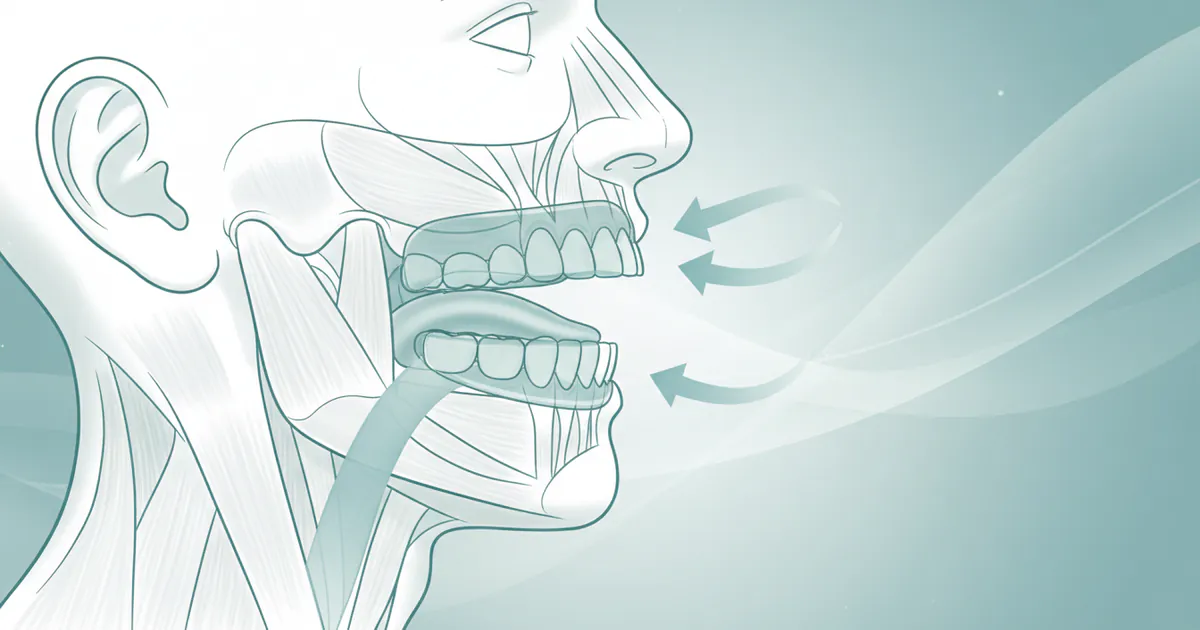
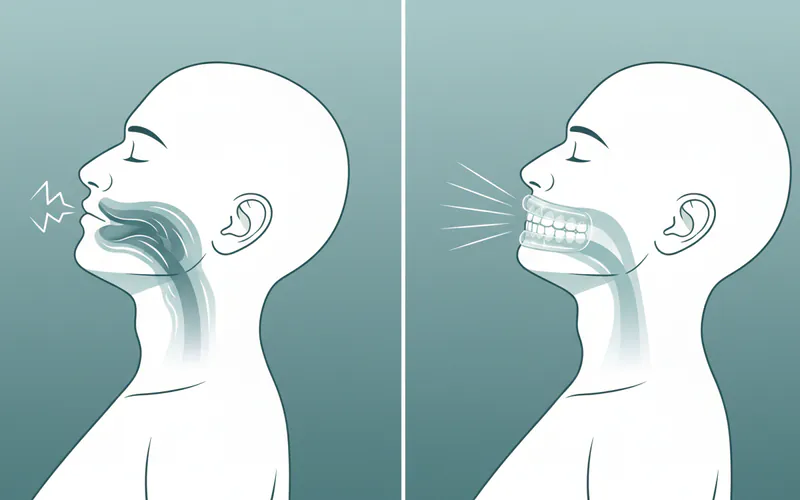
A mouth guard for snoring, scientifically known as an oral appliance, is a custom-fitted device worn in the mouth during sleep. Its primary purpose is to reposition the jaw or tongue to keep the airway open, thereby preventing the soft tissues in the throat from collapsing and vibrating, which is the root cause of snoring. These devices are a non-invasive, reversible, and often highly effective solution for individuals suffering from primary snoring (snoring without sleep apnea) and mild to moderate obstructive sleep apnea (OSA).
The concept behind these devices is relatively simple: by subtly altering the position of the lower jaw or tongue, they create more space in the back of the throat, allowing air to flow freely. This increased airflow eliminates or significantly reduces the vibrations that produce the snoring sound. They are different from sports mouthguards, which protect teeth, or nightguards for teeth grinding (bruxism), which prevent tooth damage. Snoring mouthguards are specifically engineered to manage airway patency.
Oral appliance therapy (OAT) is recognized by the American Academy of Sleep Medicine (AAOM) and the American Dental Association (ADA) as an effective treatment option, particularly for patients who cannot tolerate or prefer an alternative to Continuous Positive Airway Pressure (CPAP) therapy.
The Science Behind Snoring: Why It Happens
To understand how a mouth guard works, it's crucial to grasp the underlying mechanics of snoring. Snoring occurs when the flow of air through the mouth and nose is physically obstructed. As air tries to pass through this narrowed opening, the soft tissues in the throat—such as the soft palate, uvula, tonsils, and base of the tongue—vibrate against each other. This vibration creates the characteristic rough, rattling sound.
Root Causes and Contributing Factors:
- Relaxed Throat Muscles: During sleep, muscles in the throat and tongue relax. If they relax too much, they can sag into the airway, narrowing it. Alcohol and sedatives exacerbate this relaxation.
- Excess Weight: Obese individuals often have more fatty tissue around their neck and throat, which can compress the airway.
- Anatomical Abnormalities:
- Enlarged Tonsils or Adenoids: More common in children, but can affect adults.
- Long Soft Palate or Uvula: These tissues can vibrate more easily and obstruct airflow.
- Large Tongue: A large tongue can fall back and block the airway.
- Narrow Airway: Some individuals naturally have a smaller or narrower airway.
- Deviated Septum or Nasal Polyps: These can block nasal passages, forcing mouth breathing, which often leads to snoring.
- Sleep Position: Sleeping on your back allows gravity to pull the tongue and soft palate backward, narrowing the airway. Side sleeping often reduces snoring.
- Alcohol and Sedatives: These substances depress the central nervous system, leading to greater muscle relaxation in the throat and an increased likelihood of snoring.
- Nasal Congestion: Allergies, colds, or chronic sinus issues can block nasal passages, forcing air through the mouth, which can cause or worsen snoring.
- Aging: As we age, throat muscles naturally lose tone, making them more prone to collapse during sleep.
Connection to Obstructive Sleep Apnea (OSA):
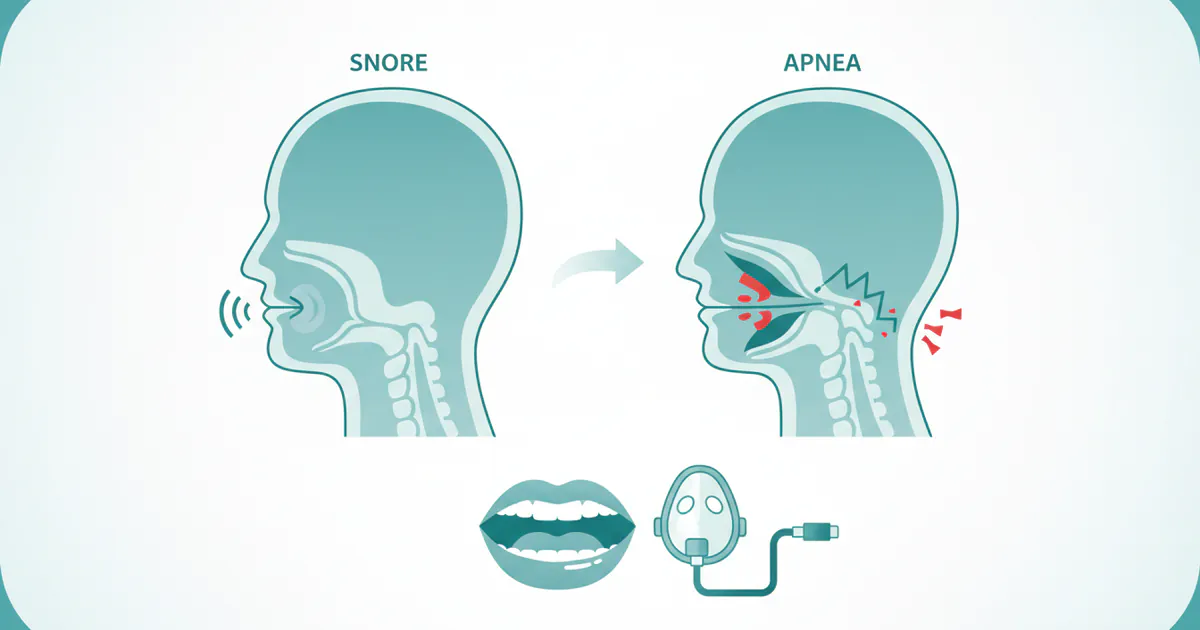
It's vital to distinguish between simple snoring and snoring that is a symptom of Obstructive Sleep Apnea (OSA). While all people with OSA snore, not all snorers have OSA. OSA is a serious sleep disorder where breathing repeatedly stops and starts during sleep because the airway completely collapses. These pauses in breathing, called apneas, can last for ten seconds or more and may occur dozens or even hundreds of times per night.
OSA leads to fragmented sleep and drops in blood oxygen levels, with significant health consequences including:
- High blood pressure
- Heart attack and stroke
- Diabetes
- Daytime fatigue and increased risk of accidents
- Depression and anxiety
If your snoring is accompanied by gasping, choking, pauses in breathing, or severe daytime sleepiness, it is crucial to consult a healthcare professional for a sleep study to rule out or diagnose OSA. A mouth guard for snoring can be an effective treatment for mild to moderate OSA, but severe cases often require CPAP therapy or other interventions.
Recognizing the Signs: Beyond Just Loud Noise
Snoring's most obvious symptom is the loud noise, but there are other indicators that might suggest a more significant problem, especially OSA.
What to Look For:
- Loud, Chronic Snoring: If your snoring is consistently loud and happens most nights, it warrants attention.
- Witnessed Pauses in Breathing: Your partner might report that you stop breathing for short periods during sleep. This is a critical sign of sleep apnea.
- Gasping or Choking During Sleep: Waking up suddenly feeling short of breath, gasping, or choking.
- Excessive Daytime Sleepiness (EDS): Feeling tired and sluggish even after a full night's sleep. You might fall asleep easily during daily activities, such as watching TV or even driving.
- Morning Headaches: Waking up with a headache can be a sign of oxygen deprivation during sleep.
- Dry Mouth or Sore Throat: Constant mouth breathing during sleep can lead to these symptoms.
- Difficulty Concentrating or Memory Problems: Poor sleep quality impacts cognitive function.
- Irritability or Mood Changes: Sleep deprivation can significantly affect mood regulation.
- Frequent Nighttime Urination (Nocturia): Can be a symptom of OSA due to the body's stress response.
- Reduced Libido: Sleep disturbances can affect hormone levels.
Pro Tip: If your partner regularly complains about your snoring, or if you experience any of the symptoms above, it's time to talk to your dentist or physician. They can help determine if your snoring is simply a nuisance or a symptom of a more serious condition like sleep apnea.
Types of Mouth Guards for Snoring
Not all snoring mouth guards are created equal. They generally fall into two main categories based on their mechanism of action: Mandibular Advancement Devices (MADs) and Tongue Retaining Devices (TRDs). There are also significant differences between custom-made and over-the-counter options.
Custom-Made Mandibular Advancement Devices (MADs)
What they are: These are the most common and effective type of oral appliance for snoring and mild to moderate OSA. A custom MAD consists of two trays, one for the upper teeth and one for the lower teeth, that are connected. The lower tray is designed to gently hold the lower jaw (mandible) in a slightly forward position, preventing the tongue and soft palate from collapsing into the airway. They are adjustable, allowing a dentist to fine-tune the amount of jaw protrusion for optimal comfort and effectiveness.
Fabrication Process:
- Initial Consultation: A dentist specializing in sleep medicine will assess your oral health, jaw joint function, and determine if an MAD is appropriate. They may refer you for a sleep study if OSA is suspected.
- Impressions/Digital Scans: Precise molds or digital scans of your teeth and mouth are taken.
- Lab Fabrication: A dental laboratory uses these impressions to create a custom-fitted device, often made from acrylic or other durable, biocompatible materials.
- Fitting and Adjustments: You'll return to the dentist for the fitting. The dentist will ensure a comfortable fit and adjust the device to advance your jaw incrementally until snoring is minimized without causing discomfort.
- Follow-up: Regular follow-up appointments are crucial to monitor effectiveness, comfort, and make any necessary further adjustments.
Pros:
- Highly Effective: Often significantly reduces or eliminates snoring, and can effectively treat mild to moderate OSA.
- Comfortable: Custom fit ensures maximum comfort and minimizes side effects.
- Durable: Made from high-quality materials, lasting several years with proper care.
- Reversible: A non-surgical, non-pharmacological treatment.
- ADA/AASM Approved: Endorsed by leading dental and sleep medicine organizations.
Cons:
- Cost: Significantly more expensive than over-the-counter options.
- Time Commitment: Requires multiple dental visits for fitting and adjustments.
- Potential Side Effects: Can cause temporary jaw soreness, tooth tenderness, or excessive salivation (usually subsides).
Boil-and-Bite Mouthguards (Over-the-Counter MADs)
What they are: These are pre-formed mouthguards that you can purchase online or in pharmacies. They are designed to be customized at home by boiling them in water and then biting into the softened material to create an impression of your teeth. Some models offer minor adjustability for jaw advancement.
Fitting Process:
- Boil the device according to instructions.
- Allow it to cool slightly.
- Bite into the softened material and hold for a specified time to create a mold of your teeth.
- Some models require you to mold the upper and lower halves separately and then connect them, often with a system that allows for slight adjustments in jaw protrusion.
Pros:
- Affordable: Typically range from $20 to $100.
- Accessible: Can be purchased without a prescription or dental visit.
- Immediate Use: Can be used the same night of purchase.
Cons:
- Less Effective: Generally not as effective as custom-made devices due to less precise fit and limited adjustability.
- Less Comfortable: Can feel bulky or ill-fitting, leading to discomfort, gum irritation, or even gagging.
- Potential for Issues: Improper fitting can lead to jaw pain, tooth movement, or worsening of TMJ (temporomandibular joint) problems.
- Durability: Made from softer, less durable materials, often needing replacement every few months.
- Not Recommended for OSA: Not a substitute for professional OSA treatment; can mask symptoms without addressing the underlying health risks.
Tongue Retaining Devices (TRDs)
What they are: Unlike MADs, TRDs do not advance the jaw. Instead, they focus on holding the tongue forward to prevent it from falling back into the throat and obstructing the airway. A TRD typically consists of a soft, flexible cup that fits around the tip of the tongue, holding it in place via suction.
Pros:
- Good for Specific Cases: Can be a good option for individuals who cannot tolerate MADs (e.g., those with few teeth, dentures, or TMJ issues) or whose snoring is primarily caused by tongue base collapse.
- No Jaw Movement: Does not put stress on the jaw joint.
Cons:
- Can be Uncomfortable: Many users report discomfort due to the sensation of the tongue being held.
- Excessive Salivation: Can cause increased drooling.
- Limited Effectiveness: May not be as effective as MADs for all types of snoring.
Other Devices and Alternatives: Addressing Target Keywords
While oral appliances are a primary focus, it's important to consider other devices often mentioned in the context of snoring management.
Does Mouth Tape Help with Snoring?
Mouth tape is a self-adhesive strip applied over the lips at night to keep the mouth closed. The premise is to encourage nasal breathing, which is generally healthier and can reduce snoring caused by mouth breathing.
- Mechanism: If your snoring is primarily due to breathing through your mouth, which can cause the soft palate to vibrate more, keeping your mouth closed might shift breathing to your nose. Nasal breathing filters air, warms it, and humidifies it, and often creates less turbulence than mouth breathing, potentially reducing snoring.
- Efficacy: For very mild, simple snoring caused by open-mouth breathing, some individuals report success. However, it will not address structural issues like a receding jaw, enlarged tonsils, or sleep apnea.
- Risks: Can cause skin irritation, may feel uncomfortable, and if you have significant nasal congestion, it can lead to uncomfortable or even dangerous restricted airflow. It's crucial to ensure clear nasal passages before considering mouth taping.
- Conclusion: It's a low-cost, low-risk option to try for mild snoring linked to mouth breathing, but it is not a medically recognized treatment for moderate to severe snoring or sleep apnea. Always consult a doctor first, especially if you have nasal obstruction or suspect sleep apnea.
CPAP Mouth Tape
CPAP mouth tape is specifically designed for individuals undergoing Continuous Positive Airway Pressure (CPAP) therapy for sleep apnea.
- Purpose: CPAP machines deliver a continuous stream of air through a mask to keep the airway open. If a CPAP user breathes through their mouth or their mouth falls open during the night, the positive air pressure can escape, making the therapy less effective (known as "mouth leak"). CPAP mouth tape helps keep the mouth sealed, ensuring the air pressure is maintained within the airway.
- Not a Snoring Treatment: It is crucial to understand that CPAP mouth tape is not a standalone treatment for snoring or sleep apnea. Its role is supportive, enhancing the effectiveness of CPAP therapy. Using mouth tape alone for sleep apnea without CPAP is highly inadvisable as it does not address the fundamental issue of airway collapse.
Nasal Dilators and Chin Straps
- Nasal Dilators: These devices (strips or cones) widen the nasal passages. They can help reduce snoring if the primary cause is nasal congestion or narrow nostrils, but they do not address throat-level airway obstruction.
- Chin Straps: These straps wrap under the chin and over the head to keep the mouth closed during sleep. Similar to mouth tape, they primarily target mouth breathing and may help some individuals with mild snoring. However, they don't actively reposition the jaw or tongue to open the airway, so their effectiveness for structural snoring is limited.
The Process of Getting a Custom Mouth Guard
Obtaining a custom-made mouth guard for snoring (an oral appliance) is a multi-step process that typically involves collaboration between your dentist and potentially a sleep physician.
1. Initial Consultation and Diagnosis
- Dental Evaluation: Your journey begins with a visit to a dentist who has specialized training in sleep medicine or oral appliance therapy. They will conduct a thorough examination of your teeth, gums, jaw, and airway. They'll assess your medical history, discuss your snoring patterns (and those reported by your partner), and evaluate for signs of temporomandibular joint (TMJ) disorders.
- Sleep Study Referral: If your dentist suspects you might have obstructive sleep apnea (OSA) based on your symptoms (e.g., loud snoring with gasping, daytime sleepiness), they will refer you to a sleep physician for a sleep study (polysomnography). A sleep study is essential to accurately diagnose OSA and determine its severity. An OSA diagnosis is often necessary for insurance coverage of an oral appliance.
- Treatment Plan Discussion: Once a diagnosis is confirmed (simple snoring or mild to moderate OSA), the dentist will discuss whether an oral appliance is the appropriate treatment option for you.
2. Impressions and Measurements
- If an oral appliance is recommended, the next step involves creating a precise model of your mouth. This is typically done through traditional dental impressions (where you bite into a soft material that sets) or by using advanced digital scanners that create a 3D image of your teeth and oral structures.
- The dentist will also take specific measurements to determine the ideal forward position for your lower jaw, which is crucial for the device's effectiveness. This often involves using a "bite registration" tool.
3. Appliance Fabrication
- The impressions or digital scans, along with the specific measurements, are sent to a specialized dental laboratory.
- Skilled technicians fabricate your custom oral appliance using durable, biocompatible materials (often acrylics or thermoplastics). The process ensures a precise fit that matches the unique contours of your teeth and jaw. This usually takes 1-3 weeks.
4. Fitting and Adjustment
- Once the appliance is ready, you'll return to the dentist for a fitting appointment.
- The dentist will place the appliance in your mouth, checking for comfort, fit, and proper jaw position. They will instruct you on how to insert and remove the device, and how to clean it.
- Many custom MADs are designed with adjustable mechanisms (e.g., screws, straps) that allow for incremental adjustments to the lower jaw's advancement. The dentist will guide you through this process, starting with a conservative advancement and gradually increasing it over several weeks until snoring is resolved and comfort is maximized.
5. Follow-up and Maintenance
- Regular follow-up appointments are essential. The dentist will monitor your progress, check for any side effects (like jaw pain or tooth movement), and make further adjustments as needed. This often involves check-ups after 1 week, 1 month, 3 months, and then annually.
- You will be given instructions on how to properly clean and care for your oral appliance to ensure its longevity and hygiene.
- Ongoing communication with your dentist and sleep physician is vital to ensure the continued effectiveness of your treatment.
Pro Tip: Be patient during the adjustment phase. It can take a few weeks to find the optimal jaw position and get accustomed to wearing the device. Consistent use is key to success.
Cost and Insurance Coverage for Snoring Mouth Guards
Understanding the financial aspect of oral appliance therapy is a critical consideration for many patients. Costs can vary significantly depending on the type of device, the dentist's fees, and geographic location within the US.
Average US Price Ranges:
- Custom-Made Mandibular Advancement Devices (MADs): These are the most expensive but also the most effective and durable.
- Typical Range: $800 - $2,500+.
- Factors influencing cost:
- Dentist's Expertise: Dentists with advanced training in sleep medicine or those who are board-certified in dental sleep medicine may charge higher fees.
- Materials and Lab Fees: The quality and type of materials used, as well as the lab's charges, impact the final price.
- Geographic Location: Costs tend to be higher in major metropolitan areas compared to rural regions.
- Number of Adjustments/Follow-ups: Some practices may include a certain number of follow-up adjustments in their initial fee, while others may charge separately.
- Boil-and-Bite Mouthguards (Over-the-Counter):
- Typical Range: $20 - $100.
- These are significantly cheaper but come with limitations in effectiveness, comfort, and durability.
- Tongue Retaining Devices (TRDs):
- Custom-made TRDs: Similar to MADs, custom TRDs can range from $800 - $2,000.
- Over-the-counter TRDs: Typically $30 - $150.
Insurance Coverage Details:
This is where it gets a bit complex, as the coverage for snoring mouth guards often falls under medical insurance rather than dental insurance.
- Medical Insurance:
- Crucial Requirement: OSA Diagnosis. Most medical insurance plans (including Medicare and many private plans) will only cover an oral appliance if it is prescribed as a treatment for Obstructive Sleep Apnea (OSA). Simple snoring (without OSA) is generally not covered.
- Mild to Moderate OSA: Oral appliance therapy is a first-line treatment option for mild to moderate OSA, and for severe OSA if CPAP therapy is not tolerated.
- Pre-authorization: You will almost certainly need pre-authorization from your medical insurance provider. This typically requires a prescription from a sleep physician following a formal sleep study (polysomnography) confirming the OSA diagnosis.
- Deductibles and Co-insurance: Even with coverage, you will be responsible for your deductible, co-insurance, and any co-payments as per your plan.
- "DME" Classification: Oral appliances for OSA are often classified as Durable Medical Equipment (DME). Your medical insurance plan's DME benefits will apply.
- Dental Insurance:
- Generally, dental insurance does not cover oral appliances for snoring or sleep apnea, as these are considered medical treatments. Dental insurance primarily covers preventive, restorative, and sometimes orthodontic procedures.
- Medicare/Medicaid:
- Medicare Part B: May cover oral appliance therapy for OSA if prescribed by a physician and fabricated by a qualified dentist, as it's classified as DME. Strict criteria apply, including a confirmed OSA diagnosis.
- Medicaid: Coverage varies significantly by state. Some state Medicaid programs may cover oral appliances for OSA, while others do not. You'll need to check your specific state's guidelines.
- Payment Plans and Financing Options:
- Many dental offices offer in-house payment plans or work with third-party financing companies (e.g., CareCredit) to help make treatment more affordable by breaking down the total cost into manageable monthly payments.
- Health Savings Accounts (HSAs) and Flexible Spending Accounts (FSAs): These tax-advantaged accounts are excellent ways to pay for medical expenses, including oral appliances, with pre-tax dollars.
Pro Tip: Always verify your specific insurance benefits with your provider before starting treatment. Your dental office, especially one specializing in sleep medicine, should have staff experienced in navigating medical insurance claims for oral appliances and can help you understand your coverage.
Living with Your Snoring Mouth Guard: Care and Maintenance
Once you have your custom snoring mouth guard, proper care and consistent use are essential for its effectiveness, longevity, and your oral health.

Initial Adjustments and Expectations:
- Initial Discomfort: It's normal to experience some mild discomfort when you first start wearing the appliance. This might include:
- Jaw Soreness: Your jaw muscles and joints may feel a bit sore as they adjust to the new position. This usually subsides within a few days to a week.
- Tooth Tenderness: Your teeth might feel slightly tender initially.
- Increased Salivation or Dry Mouth: Some people experience more saliva, while others might feel dry. This typically resolves as your mouth adapts.
- Changes in Bite: When you remove the appliance in the morning, your bite might feel "off" for a short period. Chewing gum or specific jaw exercises provided by your dentist can help return your bite to normal quickly.
- Consistency is Key: Wear your mouth guard every night, even if you feel uncomfortable initially. Consistent use helps your jaw and mouth adapt.
Cleaning Instructions:
Proper cleaning prevents bacterial buildup, odors, and extends the life of your appliance.
- Daily Cleaning:
- Immediately after waking up, remove the appliance.
- Brush it thoroughly with a soft-bristled toothbrush and a non-abrasive soap (like liquid hand soap) or a specialized oral appliance cleaning solution. Avoid toothpaste, as its abrasive ingredients can scratch the appliance, creating niches for bacteria.
- Rinse it well under cool or lukewarm water. Hot water can distort the plastic.
- Soaking (Weekly/Bi-Weekly):
- Soak your appliance in a denture or mouthguard cleaning tablet solution (e.g., Retainer Brite, Polident for retainers) once or twice a week. Follow the product instructions for soaking time. This helps disinfect and remove stains and odor-causing bacteria.
- Rinse thoroughly after soaking.
- Avoid Harsh Chemicals: Do not use bleach, abrasive cleaners, or dishwashers, as these can damage the material.
Storage:
- When not in use, always store your clean, dry appliance in its provided protective case. This protects it from damage, keeps it clean, and prevents pets from chewing on it.
- Keep the case in a cool, dry place, away from direct sunlight or heat, which can cause warping.
Regular Dental Check-ups:
- Continue your regular dental check-ups (typically every 6 months). Your dentist will check for any changes in your bite, tooth movement, gum irritation, or signs of wear and tear on the appliance.
- They will also ensure the appliance is still fitting correctly and effectively managing your snoring or sleep apnea.
- The lifespan of a custom-made appliance is generally 3-5 years, but this can vary depending on individual use and care.
Pro Tip: If you notice any persistent discomfort, significant changes in your bite, or if your snoring returns despite consistent use, contact your dentist immediately for an adjustment.
Prevention and Lifestyle Adjustments for Snoring
While a mouth guard for snoring is an effective treatment, integrating certain lifestyle changes can significantly reduce snoring or enhance the effectiveness of your oral appliance. Prevention often starts with addressing the underlying factors contributing to airway obstruction.
1. Maintain a Healthy Weight:
- Impact: Excess weight, particularly around the neck, contributes to snoring by increasing fatty tissue that can narrow the airway.
- Action: Losing even a small amount of weight can significantly reduce snoring and improve sleep apnea symptoms. Focus on a balanced diet and regular exercise.
2. Avoid Alcohol and Sedatives Before Bed:
- Impact: Alcohol, tranquilizers, and some sleep medications relax throat muscles too much, increasing the likelihood of airway collapse.
- Action: Avoid consuming alcohol for at least 4 hours before bedtime. Discuss any sedative medications with your doctor.
3. Change Your Sleep Position:
- Impact: Sleeping on your back allows gravity to pull the tongue and soft palate backward, obstructing the airway.
- Action: Try sleeping on your side. You can use body pillows or even sew a tennis ball into the back of your pajama top to discourage back sleeping.
- Pro Tip: Elevating the head of your bed slightly (e.g., with wedges or an adjustable bed) can also help keep the airway more open.
4. Manage Nasal Congestion:
- Impact: Blocked nasal passages force you to breathe through your mouth, which can worsen snoring.
- Action:
- Treat allergies with antihistamines or nasal sprays (under medical guidance).
- Use nasal strips or a neti pot before bed to clear congestion.
- Address structural nasal issues like a deviated septum with your doctor.
5. Quit Smoking:
- Impact: Smoking irritates the throat and nasal passages, leading to inflammation and swelling, which can narrow the airway.
- Action: Quitting smoking improves overall respiratory health and can significantly reduce snoring.
6. Practice Oral and Throat Exercises:
- Impact: Strengthening the muscles in the tongue, soft palate, and throat can help prevent them from collapsing during sleep.
- Action:
- Tongue exercises: Press your tongue against the roof of your mouth and slide it backward. Repeat 10-15 times.
- Soft palate exercises: Force the back of your tongue down while saying "Ah."
- Singing: Singing can also strengthen throat muscles.
- Perform these exercises for a few minutes daily. While not a cure, they can be a helpful adjunct.
7. Stay Hydrated:
- Impact: Dehydration can cause secretions in your nose and throat to become thicker, potentially worsening congestion and snoring.
- Action: Drink plenty of water throughout the day.
By combining an effective mouth guard for snoring with these sensible lifestyle modifications, you can achieve a more comprehensive and successful approach to managing snoring and improving your sleep quality.
Potential Risks and Complications
While oral appliance therapy is generally safe and well-tolerated, it's important to be aware of potential risks and complications, especially with prolonged use or improper fitting. This is why professional oversight from a qualified dentist is crucial.
1. Jaw Pain and Temporomandibular Joint (TMJ) Issues:
- Risk: The appliance works by holding the jaw forward, which can put stress on the temporomandibular joints (TMJ) located on either side of your face. This can lead to jaw discomfort, pain, clicking, or even exacerbate existing TMJ disorders.
- Mitigation: A custom-fitted appliance designed and adjusted by an experienced dentist minimizes this risk. Gradual adjustments, proper fitting, and exercises to "re-seat" the jaw in the morning can help.
2. Tooth Movement or Changes in Bite:
- Risk: Over time, the constant pressure of the appliance on your teeth can lead to subtle shifts in tooth position, potentially altering your bite (occlusion). While often minor, this can become more pronounced with long-term use, especially with ill-fitting over-the-counter devices.
- Mitigation: Regular dental check-ups are essential to monitor for any unwanted tooth movement. Dentists specializing in oral appliances are trained to design devices that distribute forces evenly to minimize this risk.
3. Excessive Salivation or Dry Mouth:
- Risk: Some individuals experience an initial increase in saliva production as the mouth adapts to the presence of the foreign object. Conversely, others might experience dry mouth, especially if the appliance causes them to breathe more through their mouth.
- Mitigation: These issues often resolve within a few weeks as your body adjusts. Staying hydrated can help with dry mouth.
4. Gum Irritation or Tooth Tenderness:
- Risk: Poorly fitting appliances, particularly boil-and-bite types, can rub against gums, causing irritation, soreness, or even minor ulcers. Teeth might feel tender or sore, especially in the morning.
- Mitigation: A precisely fitted custom appliance minimizes this. If tenderness persists, the appliance may need adjustment.
5. Aggravating Undiagnosed Obstructive Sleep Apnea (OSA):
- Risk: The most serious risk of self-treating snoring (e.g., with over-the-counter devices or mouth tape) is the potential to mask the symptoms of undiagnosed OSA. If you have OSA and only treat the snoring sound without effectively opening the airway, you are still at risk for the serious health consequences of untreated sleep apnea.
- Mitigation: Always consult a dentist or sleep physician to determine the cause of your snoring and rule out OSA before starting any treatment. A professional diagnosis ensures you receive appropriate care.
6. Appliance Breakage or Wear:
- Risk: While custom appliances are durable, they can wear down or break over time, especially if you clench or grind your teeth at night. Boil-and-bite options are generally much less durable.
- Mitigation: Regular cleaning and proper storage extend the life of the appliance. If you grind your teeth, your dentist can design an appliance that accounts for this.
Choosing a qualified dental professional for the diagnosis, fitting, and ongoing management of your snoring mouth guard is the best way to minimize these risks and ensure the most effective and safe treatment.
Comparing Snoring Solutions
When considering solutions for snoring, it's helpful to compare the various options available, considering their effectiveness, cost, and invasiveness.
Table 1: Snoring Mouth Guard Types Comparison
| Feature | Custom-Made MAD | Boil-and-Bite MAD | Tongue Retaining Device (TRD) |
|---|---|---|---|
| Effectiveness | High (for snoring/mild-mod OSA) | Moderate (for simple snoring) | Moderate (specific cases) |
| Comfort | High (precise fit, custom for you) | Low to Moderate (bulky, generic fit) | Moderate (can feel unusual) |
| Cost (US) | $800 - $2,500+ | $20 - $100 | $30 - $2,000 (OTC to custom) |
| Durability | High (3-5+ years) | Low (3-6 months) | Moderate to High (varies by type) |
| Adjustability | High (dentist-controlled, incremental) | Low (limited, often one-time molding) | Low (some offer slight adjustments) |
| Professional Care | Required (dentist visits) | Not required (self-fitted) | Not required (OTC) / Required (custom) |
| Risks | Low (jaw pain, bite changes, rare) | Moderate (jaw pain, tooth movement) | Low (discomfort, drooling) |
| Insurance | Often covered (medical for OSA) | Rarely | Sometimes covered (medical for OSA) |
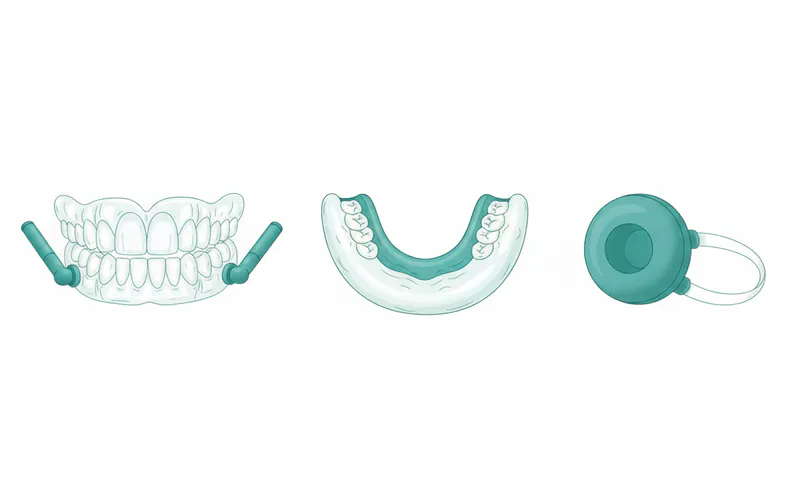
Table 2: Broader Snoring and Sleep Apnea Treatment Comparison
| Treatment Option | Suitability | Invasiveness | Cost (US) | Pros | Cons |
|---|---|---|---|---|---|
| Oral Appliance Therapy (OAT) | Snoring, mild-mod OSA | Non-invasive | $800 - $2,500+ | Effective, portable, comfortable | Requires custom fit, potential side effects |
| CPAP Therapy | Moderate-Severe OSA, snoring | Non-invasive | $500 - $3,000+ (device) | Highly effective for all OSA severities | Mask discomfort, noisy, less portable |
| Lifestyle Changes | Mild snoring, adjunct for OSA | Non-invasive | Minimal | No cost, overall health benefits | Requires discipline, limited efficacy alone |
| Nasal Devices (Strips/Dilators) | Mild snoring (nasal congestion) | Non-invasive | $10 - $30 | Inexpensive, easy to use | Very limited effectiveness for structural snoring |
| Mouth/Chin Taping | Mild snoring (mouth breathing) | Non-invasive | $5 - $20 | Very inexpensive | Not for OSA, limited efficacy, potential irritation |
| ENT Surgery (e.g., UPPP) | Severe snoring, structural issues | Invasive | $3,000 - $10,000+ | Permanent solution, can be highly effective | Risks of surgery, recovery time, not always 100% effective |
| Palatal Implants | Mild-Mod snoring (soft palate) | Minimally invasive | $2,000 - $5,000+ | Less invasive than UPPP | May not be effective for all, can dislodge |

Children and Snoring: Pediatric Considerations
Snoring in children is a common concern for parents and should always be evaluated by a healthcare professional. While occasional, light snoring is often harmless, persistent or loud snoring can be a sign of underlying issues, particularly pediatric obstructive sleep apnea (OSA), which can have significant developmental and health consequences.
When Snoring in Children is Concerning:
- Loud, Persistent Snoring: If your child snores loudly on most nights.
- Witnessed Pauses in Breathing: Your child stops breathing for brief periods during sleep.
- Gasping or Choking: Your child struggles for breath or makes gasping sounds during sleep.
- Restless Sleep: Frequent tossing and turning, unusual sleep positions (e.g., hyperextending the neck).
- Daytime Symptoms:
- Daytime Sleepiness: Difficulty waking up, napping excessively, falling asleep in school.
- Behavioral Issues: Hyperactivity, aggression, difficulty concentrating (often misdiagnosed as ADHD).
- Learning Problems: Academic underachievement.
- Irritability or Mood Swings.
- Morning Headaches.
- Mouth Breathing: Chronic mouth breathing, especially during the day.
Common Causes of Pediatric Snoring and OSA:
- Enlarged Tonsils and Adenoids: This is the most common cause of OSA in children. When these lymphatic tissues become swollen, they can block the airway.
- Obesity: Increasing rates of childhood obesity are contributing to higher rates of pediatric OSA.
- Allergies: Chronic nasal congestion due to allergies can lead to mouth breathing and snoring.
- Craniofacial Abnormalities: Certain conditions affecting the jaw or facial structure can predispose children to airway obstruction.
Treatment Approaches for Pediatric Snoring/OSA:
- ENT Referral: The first line of treatment for many children with OSA due to enlarged tonsils and adenoids is often a tonsillectomy and adenoidectomy (T&A). This surgical procedure can dramatically improve or resolve OSA in a significant number of cases.
- Weight Management: For obese children, weight loss programs are crucial.
- Allergy Management: Treating underlying allergies can improve nasal breathing.
- Orthodontic Expansion/Oral Appliances: For children with specific craniofacial issues (e.g., narrow dental arches or recessed jaws), orthodontic interventions like rapid palatal expanders or functional jaw orthopedic appliances may be used to widen the airway. In some cases, custom-fitted oral appliances (similar to MADs) can be used, but this is less common than in adults and requires a dentist with specialized pediatric and sleep training. These are typically considered after T&A if OSA persists, or if T&A is not an option.
- CPAP Therapy: In severe cases or when other treatments are not effective, CPAP may be prescribed for children.
Pro Tip for Parents: Never ignore persistent snoring in your child. Early diagnosis and treatment of pediatric OSA are vital to prevent long-term developmental, cognitive, and cardiovascular health problems. Consult your pediatrician or a pediatric ENT specialist.
Cost Breakdown: A Detailed Look
Delving deeper into the financial aspects of a mouth guard for snoring provides a clearer picture of what to expect in the US market.
Average US Costs (Custom-Made Oral Appliance for Snoring/OSA):
The cost for a custom-made oral appliance, specifically a Mandibular Advancement Device (MAD) or Tongue Retaining Device (TRD) prescribed by a dentist, can range significantly.
- Low End: $800 - $1,200
- This might be found in less urban areas, practices with lower overhead, or for simpler appliance designs.
- Mid-Range: $1,200 - $2,000
- Most common range for a high-quality custom appliance from an experienced general dentist or a dentist with basic sleep dentistry training. This typically includes the initial consultation, impressions, the appliance itself, and a few follow-up adjustment appointments.
- High End: $2,000 - $2,500+
- Found in metropolitan areas, with highly specialized dentists (e.g., those board-certified in dental sleep medicine), or for more complex appliance designs that offer additional features or specialized materials. This often includes comprehensive follow-up care and potential adjustments over a longer period.
With vs. Without Insurance:
- With Medical Insurance (for OSA):
- If you have a confirmed diagnosis of Obstructive Sleep Apnea (OSA) and your medical insurance covers Durable Medical Equipment (DME), you will likely be responsible for your plan's deductible first.
- After meeting your deductible, your insurance will typically cover a percentage of the cost (e.g., 60-80%), leaving you with a co-insurance responsibility (e.g., 20-40%).
- Out-of-pocket maximums will limit your total expense in a calendar year.
- Example: For a $1,800 appliance, if your deductible is $500 (and you haven't met it) and your co-insurance is 20%:
- You pay the first $500 (deductible).
- Remaining balance: $1,300.
- Your 20% co-insurance: $260.
- Total Out-of-Pocket: $760.
- Without Insurance / For Simple Snoring:
- If you do not have an OSA diagnosis, or your medical insurance doesn't cover oral appliances, or you're treating simple snoring, you will be responsible for the full cost of the appliance out-of-pocket.
- In this scenario, many people consider over-the-counter options due to cost, but they should be aware of the lower efficacy and higher risks.
Payment Plans and Financing Options:
- In-House Payment Plans: Many dental practices understand the financial burden and offer flexible payment plans, allowing you to pay the total cost over several months.
- Third-Party Financing: Companies like CareCredit, LendingClub, or Alphaeon Credit specialize in healthcare financing. They offer various plans, some with deferred interest options if paid within a certain timeframe (e.g., 6, 12, or 18 months).
- Health Savings Accounts (HSAs) and Flexible Spending Accounts (FSAs): These are excellent tools. If you have an HSA or FSA through your employer, you can use pre-tax dollars to pay for your oral appliance, saving you money on taxes. This is often applicable even for simple snoring if a doctor deems it medically necessary to address a sleep disorder.
Cost-Saving Tips:
- Verify Insurance Coverage: Call your medical insurance provider directly and ask specific questions about DME coverage for oral appliances for OSA. Get it in writing if possible.
- Shop Around (Carefully): While price is a factor, prioritize experience and reputation when choosing a dentist for oral appliance therapy. A slightly higher cost for a highly skilled provider can prevent costly complications down the line.
- Negotiate: Some dental practices may offer a small discount for upfront cash payments if you are paying out-of-pocket.
- Consider Dental School Clinics: If available in your area, dental schools often offer services at a reduced cost, as procedures are performed by students under the supervision of experienced faculty.
Pro Tip: Don't let the initial cost deter you from seeking treatment. The long-term health benefits of addressing snoring and sleep apnea far outweigh the financial investment. Explore all your payment and insurance options.
Frequently Asked Questions
Is a mouth guard for snoring effective?
Yes, a custom-made mouth guard for snoring, specifically a Mandibular Advancement Device (MAD), is highly effective for reducing or eliminating primary snoring and for treating mild to moderate obstructive sleep apnea (OSA). Studies show that custom oral appliances can significantly improve sleep quality and reduce the Apnea-Hypopnea Index (AHI) in appropriate candidates, often with an effectiveness rate of 60-80% for snoring.
How long does it take to get used to a snoring mouth guard?
Most individuals take about 1-2 weeks to fully adjust to wearing a snoring mouth guard. During this period, it's common to experience temporary jaw soreness, tooth tenderness, or changes in salivation. Consistent nightly use is key to adaptation, and any persistent discomfort should be addressed with your prescribing dentist for adjustments.
Can I buy a good snoring mouth guard over the counter?
While over-the-counter (boil-and-bite) snoring mouthguards are inexpensive and accessible, they are generally not as effective or comfortable as custom-made devices. Their generic fit and limited adjustability can lead to jaw pain, tooth movement, or gum irritation. They are not recommended for treating sleep apnea and may even mask its symptoms, so professional evaluation is always advised before using any snoring device.
What's the difference between a snoring mouth guard and a sports mouth guard?
A snoring mouth guard (oral appliance) is designed to reposition your jaw or tongue to keep your airway open during sleep, preventing snoring and treating sleep apnea. A sports mouth guard, on the other hand, is designed to protect your teeth, gums, and jaw from impact and injury during athletic activities. Their designs and functions are fundamentally different.
Do mouth guards cause jaw pain?
Custom-fitted mouth guards for snoring are designed to minimize jaw pain, but some temporary discomfort or soreness in the jaw joint (TMJ) can occur, especially during the initial adjustment period. If jaw pain persists or worsens, it's crucial to contact your dentist. An improperly fitted or adjusted over-the-counter device is more likely to cause chronic jaw pain or exacerbate existing TMJ issues.
Is a snoring mouth guard covered by insurance?
Custom-made oral appliances prescribed for Obstructive Sleep Apnea (OSA) are often covered by medical insurance (not dental insurance) in the US, as they are classified as Durable Medical Equipment (DME). Coverage typically requires a formal OSA diagnosis from a sleep study and a prescription from a sleep physician. Simple snoring without an OSA diagnosis is generally not covered.
What if my snoring doesn't improve with a mouth guard?
If your snoring doesn't improve after consistent use and appropriate adjustments of your mouth guard, it's essential to schedule a follow-up with your dentist and possibly your sleep physician. The appliance may need further adjustments, or your diagnosis might need re-evaluation. In some cases, the oral appliance may not be the most effective treatment for your specific condition, and alternative therapies like CPAP or surgical options might be explored.
How do I clean my snoring mouth guard?
You should clean your snoring mouth guard daily by brushing it gently with a soft-bristled toothbrush and a non-abrasive soap (like liquid hand soap) or a specialized cleaning solution. Rinse it thoroughly with cool water. Avoid toothpaste, hot water, and harsh chemicals. Weekly soaking in a denture or retainer cleaning tablet solution can help keep it disinfected. Always store it dry in its protective case.
Can a mouth guard cure sleep apnea?
A mouth guard for snoring (oral appliance) does not "cure" sleep apnea but is a highly effective treatment that can manage and control the symptoms of mild to moderate obstructive sleep apnea (OSA). It works by physically preventing airway collapse, thereby reducing or eliminating apneas and hypopneas. It's a continuous therapy that needs to be used nightly to be effective.
What are the alternatives to a mouth guard for snoring?
Alternatives to a mouth guard for snoring and sleep apnea include lifestyle modifications (weight loss, avoiding alcohol), nasal dilators for nasal congestion, CPAP therapy (especially for moderate to severe OSA), and surgical interventions (e.g., UPPP, tonsillectomy for children). The best alternative depends on the cause and severity of your snoring and any underlying conditions like OSA.
When to See a Dentist
Recognizing when to seek professional dental or medical advice for snoring is crucial, as it can indicate more than just a noisy night.
Clear Warning Signs That Need Immediate Attention:
- Loud, chronic snoring accompanied by witnessed pauses in breathing. This is a significant red flag for Obstructive Sleep Apnea (OSA). Your partner might report that you stop breathing, gasp, or choke during sleep.
- Excessive daytime sleepiness. If you frequently feel tired, struggle to stay awake during the day, fall asleep easily while sitting still, or feel groggy despite a full night's sleep, seek evaluation.
- Morning headaches, dry mouth, or sore throat that are persistent.
- Difficulty concentrating, memory problems, or noticeable mood changes (irritability, depression). These can be consequences of chronic sleep deprivation.
- High blood pressure or other cardiovascular issues. If you have these conditions and also snore loudly, a sleep evaluation is vital, as OSA is a major risk factor.
Red Flags vs. Routine Care Guidance:
- Red Flags (See a Doctor/Sleep Specialist/Dentist promptly): Any of the symptoms listed above, especially witnessed breathing pauses or severe daytime sleepiness, warrant prompt medical attention. A sleep study will likely be recommended.
- Routine Care Guidance (Consult a Dentist): If your snoring is a persistent nuisance but doesn't have the severe symptoms of OSA, a consultation with a dentist specializing in sleep dentistry is a good first step. They can assess your oral anatomy, discuss lifestyle factors, and determine if a custom mouth guard for snoring (oral appliance) is a suitable solution for you. They can also screen for OSA and refer you to a sleep physician if needed.
Emergency vs. Scheduled Appointment Guidance:
- Emergency: Snoring itself is rarely an emergency. However, if you or your partner observe extremely long pauses in breathing, severe gasping, or a bluish tint to the lips during sleep, accompanied by signs of severe distress, seek immediate medical attention. This is rare but possible in severe, untreated OSA.
- Scheduled Appointment: For chronic snoring with the warning signs listed above, schedule an appointment with your primary care physician, a sleep specialist, or a dentist trained in dental sleep medicine. Do not delay, as untreated OSA can have serious long-term health consequences.
Your dentist plays a vital role in the diagnosis and management of snoring and sleep apnea, often working collaboratively with sleep physicians to ensure you receive comprehensive care. Don't hesitate to reach out to them if you have concerns about your sleep health.
Frequently Asked Questions
Medically Reviewed Content
This article was written by our dental health editorial team and reviewed for medical accuracy. Our content follows strict editorial guidelines for reliability and trustworthiness.
Medical Disclaimer
This article is for informational purposes only and does not constitute medical advice. Always consult with a qualified dental professional for diagnosis and treatment. Do not delay seeking professional advice because of something you read on this website.
Related Articles
Difference Between Snoring and Sleep Apnea: Complete Guide
More than 80 million Americans regularly snore, and while often dismissed as a mere nuisance, loud and persistent snoring can be a critical indicator of a much more serious underlying health condition: sleep apnea. The difference between snoring and sleep apnea is profound, impacting not just yo
February 23, 2026
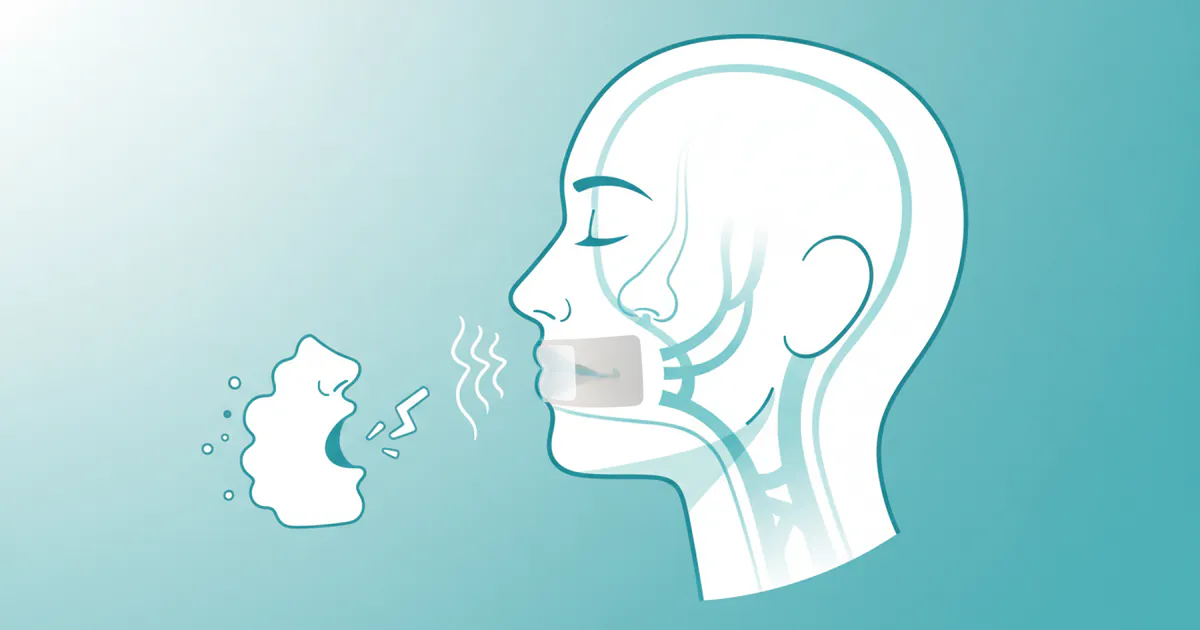
Mouth Taping for Snoring: Complete Guide
Snoring. It's the nocturnal soundtrack for millions of Americans, often a source of frustration for bed partners and a potential indicator of underlying health issues for the snorer themselves. Roughly 45% of adults snore occasionally, and 25% are habitual snorers, impacting sleep quality, relat
February 23, 2026
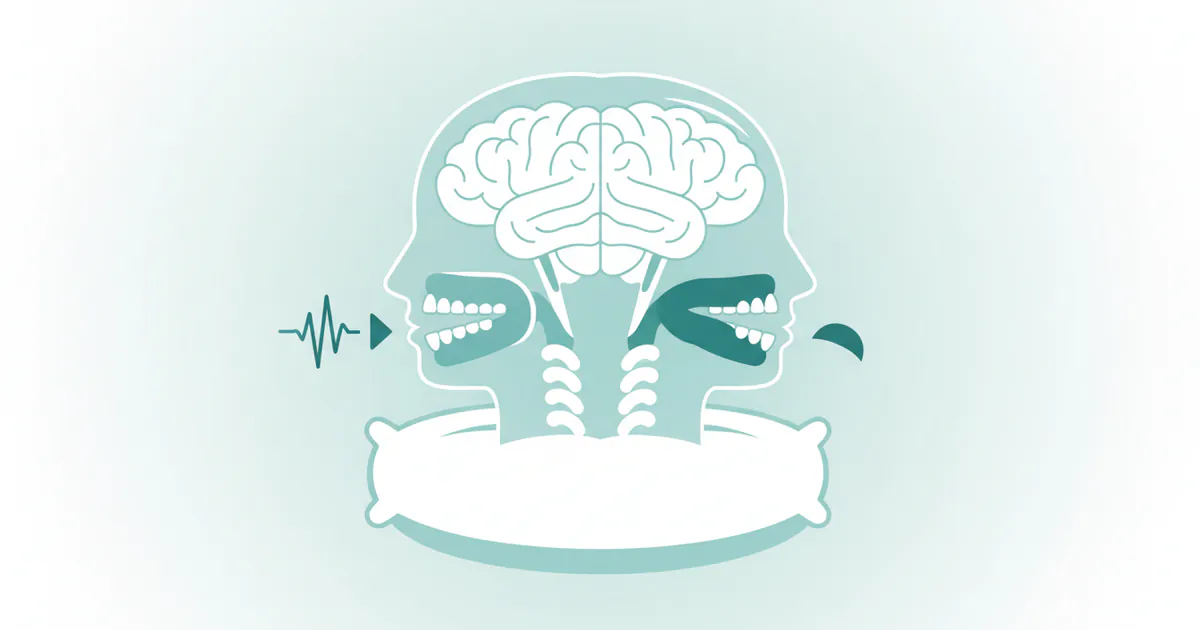
Is All Snoring Sleep Apnea
Many individuals, perhaps even you or a loved one, have been told they snore loudly. It's often dismissed as a harmless, albeit annoying, nocturnal habit. However, what if that nightly rumble is more than just noise? What if it's a critical indicator of an underlying health condition that significan
February 23, 2026
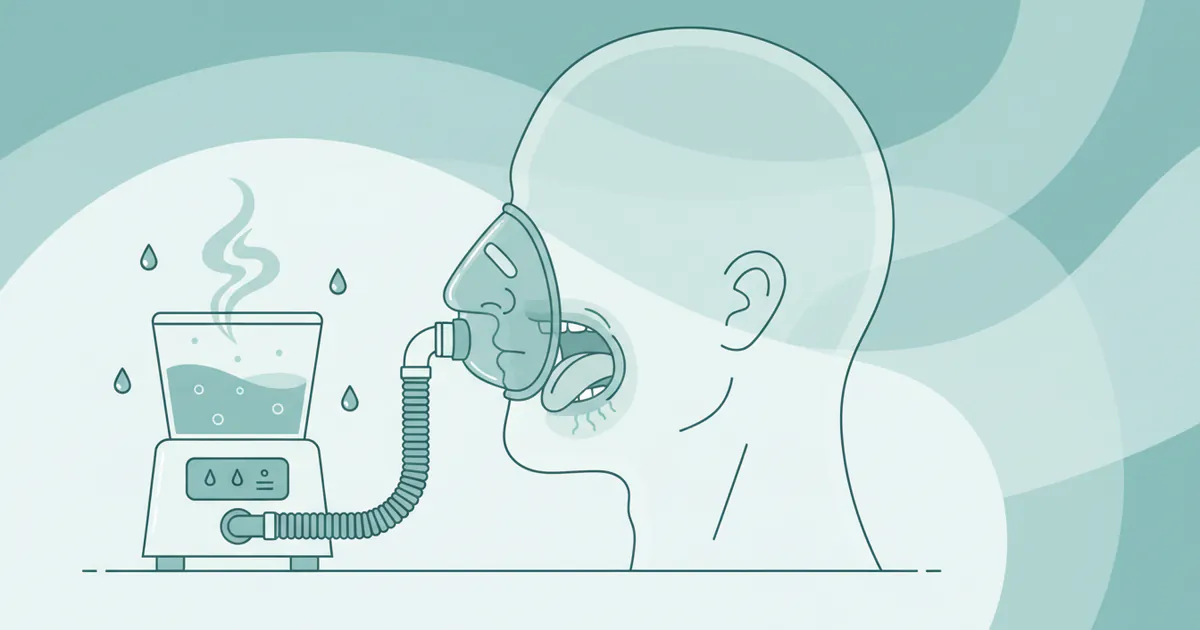
Cpap Dry Mouth Even With Humidifier: Complete Guide
Experiencing dry mouth while using a CPAP machine, even with a humidifier, is a common and incredibly frustrating issue for millions of Americans. It can disrupt sleep, diminish the effectiveness of your sleep apnea treatment, and significantly impact your oral health. Imagine waking up every mornin
February 23, 2026