Snoring Mouth Tape: Complete Guide

Key Takeaways
- Snoring isn't just a nuisance; for millions of Americans, it's a nightly disturbance that impacts sleep quality, relationships, and overall health. While many remedies exist, the concept of snoring mouth tape has emerged as a surprisingly popular and often effective solution for individuals whos
Snoring Mouth Tape: Complete Guide
Snoring isn't just a nuisance; for millions of Americans, it's a nightly disturbance that impacts sleep quality, relationships, and overall health. While many remedies exist, the concept of snoring mouth tape has emerged as a surprisingly popular and often effective solution for individuals whose snoring stems from habitual mouth breathing during sleep. This seemingly simple adhesive strip, applied across the lips, encourages nasal breathing—a fundamental shift that can dramatically reduce snoring for the right candidate. But is it safe? Is it effective? And what do dental and medical professionals say about its use?
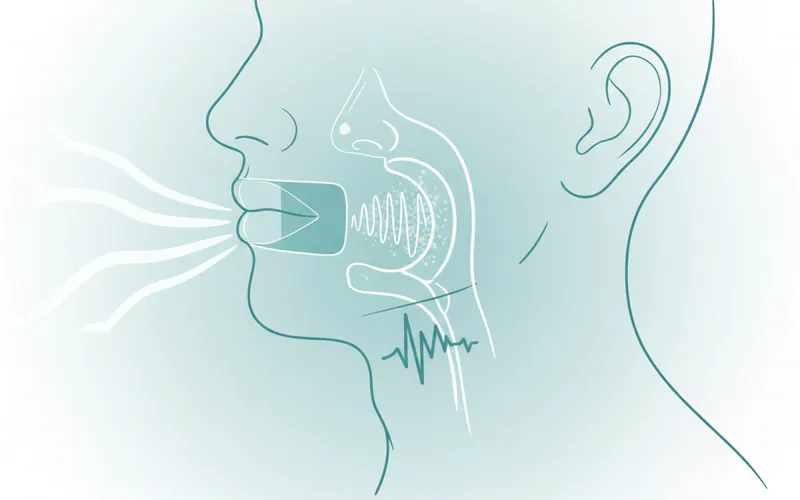
More than 90 million Americans snore occasionally, and approximately 37 million snore regularly, with chronic snoring affecting roughly 25% of the adult population. While often dismissed as a mere annoyance, snoring can be a significant indicator of underlying health issues, including obstructive sleep apnea (OSA), a condition where breathing repeatedly stops and starts during sleep. Understanding the root cause of your snoring is paramount, and for those whose primary issue is mouth breathing, mouth tape presents a low-cost, non-invasive approach worth exploring. This comprehensive guide from SmilePedia.net will delve into what snoring mouth tape is, how it works, its potential benefits and risks, how it compares to other treatments, and when it's appropriate to consider—all to help you make informed decisions about reclaiming peaceful, restorative sleep.
Key Takeaways:
- What It Is: Snoring mouth tape is a hypoallergenic adhesive applied to seal the lips, encouraging nasal breathing during sleep to reduce snoring caused by mouth breathing.
- Effectiveness: Highly effective for individuals whose snoring is primarily due to habitual mouth breathing; less effective or potentially risky for those with significant nasal obstruction or moderate-to-severe obstructive sleep apnea.
- Cost: Extremely affordable, typically ranging from $5 to $30 per box (30-100 strips), making it one of the least expensive snoring remedies.
- Safety: Generally safe for individuals without severe nasal obstruction or diagnosed OSA. Potential risks include skin irritation, anxiety, or accidental dislodgement.
- Professional Consultation: Always consult with a dentist or sleep specialist before trying mouth tape, especially if you suspect sleep apnea or have chronic nasal issues.
- Mechanism: Promotes nasal breathing, which filters air, humidifies it, and improves oxygen uptake, often reducing snoring sound and frequency.
- Considerations: Not a cure for sleep apnea; individuals with OSA require professional medical intervention like CPAP or oral appliances.
What Is Snoring Mouth Tape? An Overview
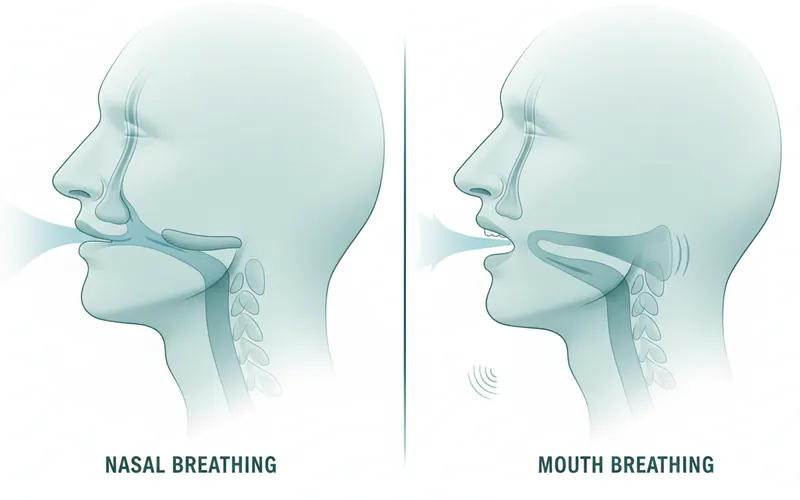
Snoring mouth tape, often referred to simply as mouth tape or lip tape, is a specially designed adhesive strip used to gently hold the lips together during sleep. The primary goal of using this tape is to encourage individuals to breathe through their nose rather than their mouth while sleeping. This practice, known as nasal breathing, is widely recognized by medical and dental professionals as the optimal way to breathe, offering numerous health benefits beyond just reducing snoring.
The tape itself is typically made from hypoallergenic, medical-grade materials, often porous to allow for some airflow and to minimize skin irritation. It comes in various shapes and sizes, designed to cover the central part of the lips without obstructing the nostrils. The concept is straightforward: by sealing the lips, the tape creates a gentle physical barrier that prompts the sleeper's body to default to nasal breathing.
Many people unconsciously switch to mouth breathing during sleep, even if they breathe through their nose while awake. This can be due to various factors, including genetics, lifestyle habits, or temporary conditions like allergies. When air is inhaled through the mouth, it can cause the soft tissues at the back of the throat—the soft palate, uvula, and tongue—to vibrate more easily, producing the characteristic sound of snoring. By ensuring the mouth remains closed, snoring mouth tape aims to stabilize these tissues and direct airflow through the nasal passages, which are naturally designed to manage airflow more quietly and efficiently.
Pro Tip: Look for mouth tapes specifically marketed as "medical-grade" or "hypoallergenic" to minimize the risk of skin irritation. Patch testing a small area of skin before full overnight use is always recommended.
Types of Snoring Mouth Tape and Variations
While the basic premise of snoring mouth tape is consistent, there are several variations in design, material, and adhesive strength. Understanding these differences can help you choose the most appropriate product for your needs.
- Standard Lip Strips: These are the most common type. They are typically rectangular or oval-shaped and are designed to cover the entire mouth, gently pressing the lips together.
- Material: Often made from porous, breathable fabric (like non-woven fabric or soft cotton) with a skin-friendly, hypoallergenic adhesive.
- Adhesive Strength: Varies by brand, some offer stronger hold, others prioritize gentle removal.
- X-Shaped Tapes: These tapes feature a central opening or are shaped like an "X" or a cross. The design aims to hold the lips together while leaving a small central area potentially uncovered, which some users find less restrictive or less anxiety-inducing.
- Benefit: May be preferred by those who feel claustrophobic with full-lip coverage or who want a very slight "emergency" opening.
- Perforated or Ventilated Tapes: Some tapes include small perforations or are made of highly breathable materials to ensure a minimal amount of air can pass through, addressing concerns about feeling completely sealed.
- Benefit: Enhances comfort for some users and slightly reduces perceived risk of complete obstruction.
- Chin Straps (Indirectly Related): While not technically "mouth tape," chin straps are often discussed in conjunction with mouth taping as they serve a similar purpose: keeping the mouth closed during sleep. A chin strap fits around the head and under the chin, providing external support to prevent the jaw from dropping open.
- Benefit: Good alternative for those with sensitive skin who cannot use adhesive tapes. Often used in combination with CPAP masks, especially for mouth breathers using nasal masks.
- Drawback: Can be bulky or uncomfortable for some, and may not be as effective at completely sealing the lips as direct tape.
Materials commonly used include:
- Hypoallergenic Adhesives: Crucial for preventing skin reactions. Many brands use acrylic-based adhesives that are designed for medical use.
- Fabric Backings: Soft, breathable non-woven fabrics, often infused with natural materials like bamboo or cotton for added comfort.
- Silicone: Some newer variations use silicone, which can be more flexible and gentle on sensitive skin.
When selecting a product, consider factors such as skin sensitivity, desired adhesive strength, and overall comfort. Reading reviews and trying a small pack before committing to a larger supply is a smart approach.
Causes of Mouth Breathing and Snoring
Understanding why you might be breathing through your mouth during sleep, leading to snoring, is crucial for determining if snoring mouth tape is an appropriate solution. Many factors contribute to this habit.
Anatomical and Structural Factors:
- Nasal Obstruction: This is the most common reason for mouth breathing. Any blockage in the nasal passages forces air to be rerouted through the mouth.
- Deviated Septum: A displacement of the wall between the nostrils, making one nasal passage smaller.
- Enlarged Turbinates: Structures within the nose that humidify and filter air can swell due to allergies or inflammation.
- Nasal Polyps: Non-cancerous growths in the lining of the nasal passages or sinuses.
- Chronic Sinusitis: Inflammation of the sinuses that can lead to congestion.
- Enlarged Tonsils or Adenoids: Especially common in children, but can affect adults, these lymphatic tissues can obstruct the airway.
- Recessed Jaw (Retrognathia) or Small Airway: The physical structure of the jaw and throat can predispose individuals to a narrower airway, making nasal breathing more challenging and increasing the likelihood of snoring.
- Tongue Position: When the tongue falls back into the throat during sleep, it can obstruct the airway. Mouth breathing can exacerbate this.
Lifestyle and Habitual Factors:
- Allergies: Seasonal or perennial allergies can cause nasal congestion, leading to mouth breathing.
- Colds and Flu: Temporary illnesses causing congestion will often force mouth breathing.
- Alcohol Consumption: Alcohol relaxes the muscles in the throat and jaw, making it more likely for the mouth to open and for soft tissues to vibrate.
- Sedatives and Muscle Relaxants: Similar to alcohol, these substances relax muscles, increasing the risk of mouth breathing and snoring.
- Obesity: Excess weight around the neck can narrow the airway, contributing to both snoring and sleep apnea.
- Sleep Position: Sleeping on your back often allows the tongue and soft palate to collapse backward into the airway, increasing snoring.
- Chronic Stress/Anxiety: Can sometimes lead to shallow, mouth-based breathing patterns even during sleep.
Medical Conditions:
- Obstructive Sleep Apnea (OSA): A serious condition where the airway repeatedly collapses during sleep, causing pauses in breathing. While mouth breathing can be a symptom, it is crucial to understand that snoring mouth tape is NOT a treatment for OSA and can be dangerous if used by individuals with undiagnosed or moderate-to-severe OSA. The body's natural reflex to open the mouth during an apneic event can be restricted by tape.
- Asthma: Some individuals with asthma may naturally breathe through their mouth more.
- Temporomandibular Joint (TMJ) Disorders: Pain or dysfunction in the jaw joint can sometimes lead to an open-mouth posture.
For snoring mouth tape to be effective and safe, the underlying cause of mouth breathing should ideally be a habitual issue rather than a significant anatomical obstruction or severe medical condition like OSA. A thorough medical evaluation by a dentist or sleep specialist is highly recommended to rule out serious issues before starting mouth tape.
Signs and Symptoms of Mouth Breathing and Associated Snoring
Recognizing the signs of chronic mouth breathing and its link to snoring is the first step toward finding a solution. It’s not just about the noise you make; mouth breathing can have several noticeable effects on your health and well-being.
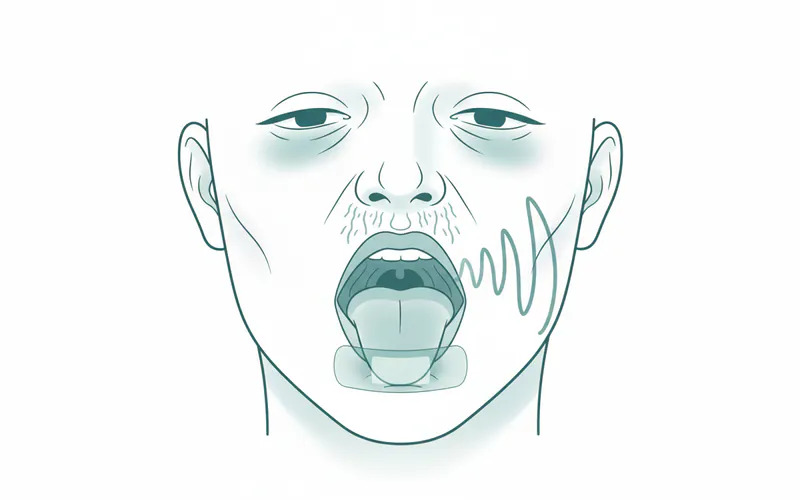
During Sleep:
- Loud Snoring: Often characterized by a distinct, heavy sound, as air struggles to pass through an open, relaxed mouth and throat.
- Dry Mouth Upon Waking: This is one of the most common and direct symptoms. Constant airflow through the mouth during the night dries out saliva.
- Bad Breath (Halitosis): A dry mouth allows bacteria to proliferate, leading to persistent bad breath.
- Choking or Gasping Sounds: While more indicative of sleep apnea, occasional gasping can occur with significant mouth breathing as the airway struggles.
- Frequent Waking: Dry mouth or difficulty breathing can disrupt sleep.
- Grinding Teeth (Bruxism): Some research suggests a link between mouth breathing, snoring, and bruxism.
Upon Waking and Throughout the Day:
- Fatigue and Drowsiness: Even with adequate sleep duration, poor quality sleep due to snoring and mouth breathing can leave you feeling unrested.
- Sore Throat: Irritation from dried-out tissues in the throat.
- Hoarseness: Similar to a sore throat, vocal cords can become irritated.
- Brain Fog or Difficulty Concentrating: A consequence of fragmented sleep and potentially poorer oxygenation.
- Dark Circles Under Eyes: A common sign of chronic sleep deprivation.
- Dental Issues:
- Increased Cavities: Reduced saliva flow means less natural cleansing and buffering against acids.
- Gum Inflammation (Gingivitis): Dryness can irritate gum tissues.
- Misaligned Teeth: In children, chronic mouth breathing can affect facial and jaw development, leading to conditions like crowded teeth or an open bite.
- Changes in Facial Appearance (especially in children): A long, narrow face, receding chin, or gummy smile can sometimes be linked to prolonged mouth breathing during developmental years.
- Anxiety or Irritability: The cumulative effect of poor sleep.
- Nasal Congestion (Chronic): Often a cause of mouth breathing, but can also be exacerbated by the lack of proper nasal airflow.
If you or your partner observe several of these symptoms, especially chronic snoring accompanied by daytime fatigue, it's crucial to consult with a healthcare professional. While mouth tape might address the mouth breathing component, these symptoms can also signal more serious conditions like obstructive sleep apnea, which requires professional diagnosis and treatment.
Treatment Options for Snoring and Mouth Breathing
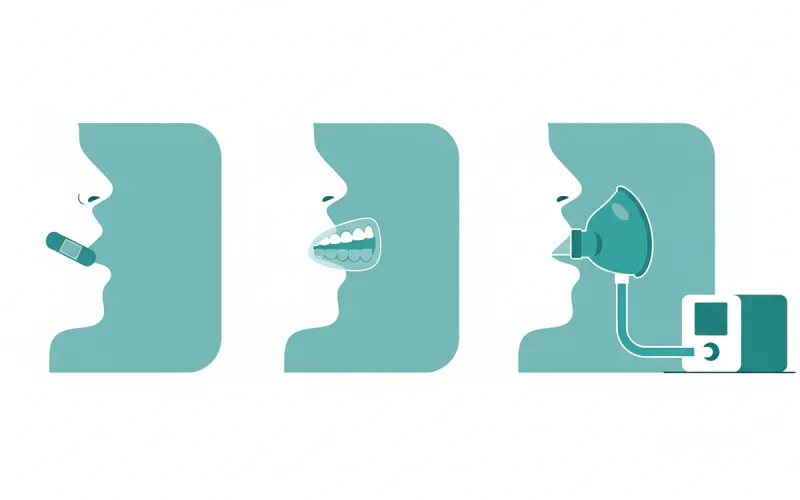
Snoring is a complex issue, and its treatment depends heavily on the underlying cause. While snoring mouth tape is a viable option for many, it's essential to understand the full spectrum of available treatments, including their pros and cons.
1. Snoring Mouth Tape
- How it Works: Gently seals the lips to encourage nasal breathing.
- Pros:
- Non-invasive: No devices inserted into the mouth or nose.
- Affordable: Very low cost compared to other treatments.
- Easy to use: Simple application.
- Addresses mouth breathing directly: Can improve nasal breathing habits over time.
- Can improve sleep quality: For those whose snoring is solely due to mouth breathing.
- Cons:
- Not suitable for everyone: Especially those with significant nasal obstruction or moderate-to-severe OSA.
- Potential for skin irritation: Adhesive can cause redness or itching.
- Anxiety/Claustrophobia: Some users may feel uncomfortable or anxious with their mouth taped.
- Risk of exacerbating OSA: If used by someone with undiagnosed or untreated OSA, it could hinder their body's ability to gasp for air during an apneic event.
- Requires consistent use: Benefits are only present when used.
2. Oral Appliances (Mandibular Advancement Devices - MADs & Tongue Retaining Devices - TRDs)
- How they work: Custom-made devices worn in the mouth at night. MADs gently push the lower jaw forward to open the airway. TRDs hold the tongue in a forward position.
- Pros:
- Effective for mild-to-moderate OSA and primary snoring: Often a good alternative to CPAP for those who can't tolerate it.
- Custom-fit: Provided by a dentist, ensuring comfort and effectiveness.
- Portable and quiet: Discreet and easy for travel.
- Cons:
- Costly: Can range from $1,800 to $3,500 (or more) in the US, depending on materials and complexity. Often covered by medical insurance if prescribed for OSA, but not always for primary snoring.
- Potential side effects: Jaw pain, teeth soreness, excessive salivation, changes in bite over time.
- Requires professional fitting: Not an over-the-counter solution.
3. Continuous Positive Airway Pressure (CPAP) Therapy
- How it works: A machine delivers a continuous stream of air through a mask worn over the nose or mouth, creating positive air pressure to keep the airway open.
- Pros:
- Gold standard for OSA treatment: Highly effective for all severities of sleep apnea.
- Reduces health risks: Addresses serious cardiovascular and metabolic risks associated with OSA.
- Cons:
- Invasive: Many find the mask and machine uncomfortable or noisy.
- Compliance issues: Patients often struggle to use it consistently.
- Costly: CPAP machines can range from $500 to $3,000+; masks are $100-$300. Usually covered by medical insurance with a prescription.
- Can cause dry mouth/nose: Although humidifiers are available.
Pro Tip for CPAP Users (and Mouth Breathers): If you use a nasal CPAP mask but still experience mouth breathing, a chin strap or even mouth tape (after consulting your doctor) can help keep your mouth closed, improving the effectiveness of your CPAP therapy. This is why "cpap mask for mouth breathers" is a common search, as maintaining a seal can be challenging.
4. Lifestyle Modifications
- How they work: Address contributing factors to snoring.
- Pros:
- No cost/low cost: Often involves simple changes.
- Overall health benefits: Improve general well-being.
- Cons:
- May not be sufficient: For moderate-to-severe snoring or OSA.
- Requires discipline: Consistency is key.
- Examples: Weight loss, avoiding alcohol and sedatives before bed, changing sleep position (e.g., side sleeping), treating allergies, improving nasal hygiene.
5. Surgical Interventions
- How they work: Various procedures to remove or stiffen excess tissue in the throat or correct structural abnormalities.
- Pros:
- Can be highly effective: For specific anatomical issues.
- Potentially curative: For certain conditions.
- Cons:
- Invasive: Involves surgery, with associated risks and recovery time.
- Costly: Can range from $2,000 to $10,000+, depending on the procedure. Often covered by medical insurance if medically necessary.
- Not always successful: Results can vary, and snoring may recur.
- Examples: Uvulopalatopharyngoplasty (UPPP), septoplasty, turbinate reduction, tonsillectomy/adenoidectomy, genioglossus advancement.
Comparison Table: Snoring and Mouth Breathing Treatment Options
| Treatment Option | Primary Mechanism | Effectiveness for Snoring | Effectiveness for OSA | Typical US Cost Range | Pros | Cons |
|---|---|---|---|---|---|---|
| Snoring Mouth Tape | Seals lips to encourage nasal breathing | High (for mouth breathers) | None (can be risky) | $5 - $30 per box | Non-invasive, very affordable, easy to use, improves nasal breathing. | Not for OSA/severe nasal obstruction, skin irritation, anxiety, not a "cure." |
| Oral Appliance (MAD/TRD) | Repositions jaw/tongue to open airway | High | Mild-Moderate OSA | $1,800 - $3,500 | Custom-fit, portable, quiet, often covered by medical insurance for OSA. | Jaw pain, teeth soreness, costly if not insured, requires professional fitting. |
| CPAP Therapy | Positive air pressure keeps airway open | High | All severities of OSA | $500 - $3,000+ (machine) | Gold standard for OSA, highly effective, reduces serious health risks. | Invasive, compliance issues, mask discomfort, machine noise, regular supply costs. |
| Lifestyle Modifications | Addresses contributing factors (weight, alcohol, sleep pos.) | Moderate | Mild OSA / Adjunctive | Low/None | Overall health benefits, no cost, non-invasive. | May not be sufficient for severe cases, requires discipline. |
| Surgical Interventions | Removes/stiffens tissue, corrects anatomical issues | High (for specific issues) | Moderate-Severe OSA (selective) | $2,000 - $10,000+ | Can be highly effective/curative for specific anatomical causes. | Invasive, risks of surgery, long recovery, potential recurrence, costly, not always successful. |
Step-by-Step Process for Using Snoring Mouth Tape
Using snoring mouth tape correctly is key to its effectiveness and comfort. Follow these steps for optimal results:
- Consult Your Dentist or Doctor: Before you even unpackage your mouth tape, it is crucial to consult a healthcare professional. This is especially important to rule out conditions like severe nasal obstruction or obstructive sleep apnea (OSA). If you have OSA, mouth taping can be dangerous as it may prevent your body from opening your mouth during an apneic event to gasp for air.
- Ensure Nasal Patency: Mouth tape relies on you being able to breathe comfortably through your nose. If you have any nasal congestion due to allergies, a cold, or anatomical issues, address these first. Use a saline nasal spray, perform nasal irrigation (like a neti pot), or take an antihistamine if appropriate, approximately 30-60 minutes before bed.
- Clean and Dry Your Lips and Surrounding Skin: For the tape to adhere properly and to prevent skin irritation, your skin must be clean and dry. Wash your face and ensure your lips and the skin around them are free of moisturizer, lip balm, oils, or any residue.
- Test for Skin Sensitivity (Optional but Recommended): If it's your first time using mouth tape, apply a small piece to a discreet area of your skin (e.g., inner forearm) for a few hours to check for any allergic reaction or irritation before applying it to your face overnight.
- Prepare the Tape: Carefully remove one strip of mouth tape from its backing. Avoid touching the adhesive side too much to maintain its stickiness.
- Apply the Tape Gently:
- Relax your mouth and lips.
- Gently bring your lips together into a natural, relaxed closed position. Do not pucker or strain them.
- Center the tape horizontally across your lips, ensuring it covers the entire lip area (or just the center if using an X-shaped tape).
- Press gently but firmly to ensure good adhesion, particularly at the edges, without pulling or stretching the skin.
- Check for Comfort: Once applied, ensure you can still breathe comfortably through your nose. It should feel secure but not overly tight or restrictive.
- Go to Sleep: Try to fall asleep in your preferred position. Initially, it might feel unusual, but most people adapt quickly.
- Remove in the Morning: In the morning, gently peel the tape off. If you experience any difficulty or discomfort, you can slightly dampen the tape with warm water to loosen the adhesive. If there's any residue, a gentle cleanser will remove it.
- Observe and Adjust: Pay attention to how you feel. Did you snore less? Did you wake up with a dry mouth? Did you experience any discomfort or skin irritation? Adjust your routine or try a different type of tape based on your experience.
Pro Tip: If you find the adhesive too strong or irritating, some users have success by applying a tiny bit of lanolin or lip balm around the lip area (not directly where the tape will stick) to protect the skin, or by choosing a tape with a gentler adhesive.
Cost and Insurance for Snoring Mouth Tape and Related Treatments
Understanding the financial aspect of snoring treatments is crucial for many individuals. Snoring mouth tape stands out as one of the most budget-friendly options available.
Snoring Mouth Tape Costs:
- Average Cost: A box of 30 to 100 strips typically ranges from $5 to $30 in the United States.
- Per Use Cost: This breaks down to approximately $0.15 to $1.00 per night, making it exceptionally affordable for long-term use.
- Where to Buy: Available widely online (Amazon, directly from brand websites), at drugstores (CVS, Walgreens), and sometimes in dental or medical supply stores.
- Insurance Coverage: Snoring mouth tape is almost never covered by medical or dental insurance. It is considered an over-the-counter, elective product. However, it may be eligible for reimbursement through Flexible Spending Accounts (FSAs) or Health Savings Accounts (HSAs) as a medical expense, so check with your plan administrator.
Costs of Other Snoring and Sleep Apnea Treatments (for comparison):
- Oral Appliances (Mandibular Advancement Devices - MADs):
- Cost: $1,800 to $3,500 in the US. This includes the dental consultation, impressions, device fabrication, fitting, and follow-up adjustments.
- Insurance: Often covered by medical insurance (not dental insurance) if prescribed by a physician for diagnosed obstructive sleep apnea. Coverage varies widely by plan, with deductibles and co-pays typically applying. For primary snoring without OSA, coverage is less common and may require specific medical necessity documentation.
- Payment Plans: Many dental offices offer in-house payment plans or third-party financing options (e.g., CareCredit).
- CPAP Therapy (Continuous Positive Airway Pressure):
- CPAP Machine: $500 to $3,000+ (basic models to advanced auto-CPAP with humidifier).
- CPAP Mask: $100 to $300 (multiple types, need replacement every 3-6 months).
- Supplies (tubing, filters): Ongoing costs, usually $50-$150 quarterly/annually.
- Insurance: Considered a durable medical equipment (DME) and is widely covered by medical insurance when prescribed for diagnosed OSA. A sleep study is usually required for diagnosis and prescription. Patients typically pay a deductible and co-insurance. Many DME providers offer financing.
- Surgical Procedures:
- Cost: Highly variable, ranging from $2,000 to $10,000+ depending on the specific procedure (e.g., septoplasty, UPPP, tonsillectomy).
- Insurance: Generally covered by medical insurance if deemed medically necessary to treat OSA or severe nasal obstruction impacting breathing. Pre-authorization is almost always required. Significant out-of-pocket costs (deductibles, co-pays) can still apply.
- Sleep Study (Polysomnography):
- Cost: $500 to $5,000+ depending on if it's an at-home test (lower) or in-laboratory study (higher) and geographical location.
- Insurance: Almost always covered by medical insurance when ordered by a physician to diagnose a sleep disorder.
Cost-Saving Tips:
- For Mouth Tape: Buy in bulk online or look for subscription services that offer discounts.
- For Oral Appliances/CPAP:
- Verify Insurance Coverage: Call your medical insurance provider directly to understand your specific benefits for sleep apnea diagnosis and treatment, including deductibles, co-pays, and in-network providers.
- Doctor's Recommendation: Ensure your doctor clearly documents the medical necessity for any treatment to maximize insurance coverage.
- Generic/Used Equipment: For CPAP, sometimes refurbished machines are available from reputable DME suppliers, or you might find older models at a discount (ensure they are properly sanitized and meet medical standards).
- Payment Plans: Inquire about financing options through your dental or medical provider.
Risks and Complications of Snoring Mouth Tape
While generally considered safe for appropriate candidates, using snoring mouth tape is not without potential risks and considerations. It's crucial to be aware of these before integrating it into your nightly routine.
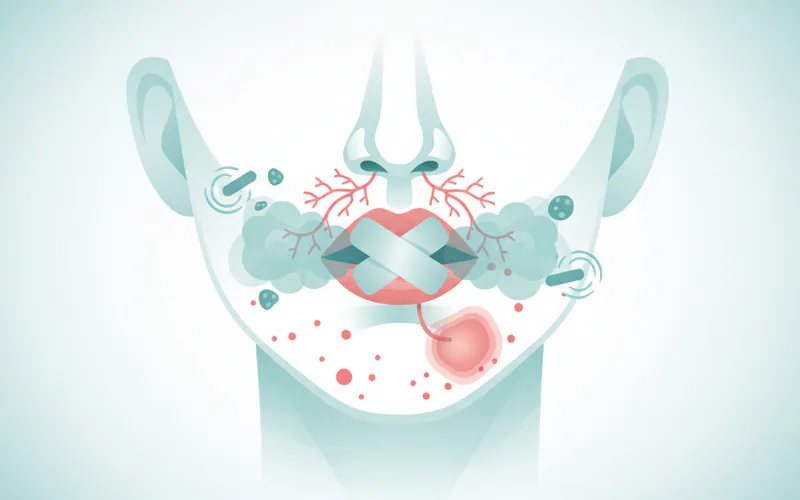
- Skin Irritation and Allergic Reactions:
- Cause: The adhesive can cause redness, itching, rashes, or blistering, especially for individuals with sensitive skin or allergies to certain materials (e.g., latex, acrylic adhesives).
- Prevention: Choose hypoallergenic, medical-grade tape. Perform a patch test on a small, less sensitive area of skin (like the forearm) before applying it to your lips overnight. Ensure skin is clean and dry before application.
- Anxiety or Claustrophobia:
- Cause: Some individuals may feel panicky or anxious with their mouth taped shut, especially if they are accustomed to mouth breathing or have underlying anxiety.
- Prevention: Start with short periods during the day to get accustomed to the sensation. Choose perforated or X-shaped tapes that offer a feeling of less restriction. Ensure you can easily remove the tape if needed.
- Obstructed Breathing (especially with nasal congestion):
- Cause: If you have severe nasal congestion (due to a cold, allergies, or anatomical issues like a severely deviated septum), taping your mouth shut can make it difficult to breathe, leading to discomfort and potentially exacerbating respiratory distress.
- Prevention: Never use mouth tape if you cannot comfortably breathe through your nose. Treat nasal congestion beforehand. If chronic nasal obstruction is present, address it with a doctor or ENT specialist first.
- Exacerbation of Undiagnosed/Untreated Obstructive Sleep Apnea (OSA):
- Cause: This is the most significant and potentially dangerous risk. If you have OSA, your body's natural reflex during an apneic event is to gasp for air, often by opening your mouth. Mouth tape can hinder this vital reflex, potentially leading to prolonged apneic events, decreased oxygen levels, and increased strain on the cardiovascular system.
- Prevention: Always consult a healthcare professional before using mouth tape, particularly if you suspect you have sleep apnea (e.g., loud snoring, daytime fatigue, observed breathing pauses). Mouth tape is NOT a treatment for OSA and should not be used as such.
- Dental Issues (indirect):
- While mouth tape itself doesn't directly cause dental problems, if it leads to clenching or uncomfortable jaw positioning due to the restricted mouth opening, it could theoretically contribute to jaw pain or exacerbate existing TMJ issues.
- Prevention: Ensure the tape allows your jaw to relax naturally. Discontinue use if you experience jaw pain.
- Accidental Ingestion/Choking:
- Cause: Though rare, if the tape detaches completely during sleep, there's a theoretical risk of it being ingested or aspirated, especially if you move around vigorously in your sleep.
- Prevention: Use high-quality, medical-grade tape designed for overnight use. Ensure proper adhesion.
It's critical to listen to your body and discontinue use if you experience significant discomfort, difficulty breathing, or any concerning symptoms. Always prioritize professional medical advice, especially concerning sleep-related breathing disorders.
Children / Pediatric Considerations
Mouth breathing in children is a common concern for parents and healthcare providers, as it can have more significant long-term implications for development than in adults. While the goal of encouraging nasal breathing is sound, snoring mouth tape is generally not recommended for children and should only be considered under strict medical supervision, if at all.
Why Mouth Breathing is a Concern in Children:
- Facial and Dental Development: Chronic mouth breathing can alter facial growth, leading to conditions like a long, narrow face (adenoid facies), a high-arched palate, crowded teeth, malocclusions (incorrect bite), and a recessed chin.
- Sleep Quality: Like adults, children who mouth breathe often have fragmented sleep, leading to fatigue, difficulty concentrating, behavioral issues (like ADHD-like symptoms), and poor academic performance.
- Airway Health: Nasal breathing filters, warms, and humidifies air, protecting the lungs. Mouth breathing bypasses these natural defenses.
- Speech Development: Can sometimes affect articulation.
- Bedwetting: Some studies link sleep-disordered breathing (including mouth breathing and snoring) to bedwetting.
Common Causes of Mouth Breathing in Children:
- Enlarged Adenoids and Tonsils: These are the most frequent causes of nasal obstruction in children.
- Chronic Allergies: Leading to persistent nasal congestion.
- Deviated Septum: Less common than in adults, but can occur.
- Nasal Polyps: Rare but possible.
- Thumb Sucking/Pacifier Use: Can influence oral posture.
Why Mouth Tape is Generally NOT Recommended for Children:
- Safety Concerns: Children have smaller airways and may have less ability to communicate discomfort or remove the tape if they experience difficulty breathing. The risk of accidental obstruction or exacerbation of undiagnosed sleep apnea is higher.
- Anxiety: Taping a child's mouth shut can be frightening and traumatic, potentially leading to sleep aversion.
- Underlying Issues: Mouth breathing in children almost always indicates an underlying anatomical or medical issue that requires professional diagnosis and treatment (e.g., adenoidectomy, allergy management). Masking this symptom with tape can delay appropriate intervention.
- Lack of Research: There is very limited, if any, scientific research supporting the safe and effective use of mouth tape in children.
What to Do If Your Child Mouth Breathes or Snores:
Always consult with a pediatrician, pediatric dentist, or Ear, Nose, and Throat (ENT) specialist. They can accurately diagnose the cause and recommend appropriate, safe interventions. These might include:
- Addressing Allergies: With medication or environmental changes.
- Nasal Saline Sprays/Irrigation: To clear congestion.
- Orthodontic Interventions: Such as palate expanders, which can widen the upper jaw and nasal passages.
- Surgical Removal of Adenoids/Tonsils (Adenotonsillectomy): A common and often highly effective treatment for improving nasal breathing and resolving sleep-disordered breathing in children.
- Myofunctional Therapy: Exercises to strengthen oral and facial muscles and promote proper tongue posture and nasal breathing.
In rare, highly specific cases, a medical professional might cautiously suggest a modified approach to encourage lip closure, but this would always be under strict guidance and with close monitoring, using child-specific, non-adhesive methods if possible. Self-administering mouth tape to a child is strongly discouraged.
Frequently Asked Questions
Is snoring mouth tape safe to use every night?
For individuals without severe nasal obstruction or diagnosed obstructive sleep apnea, snoring mouth tape is generally safe for nightly use. However, it's crucial to ensure you can comfortably breathe through your nose. Always consult a dentist or sleep specialist before long-term use, especially if you have underlying health concerns.
Can mouth tape cure sleep apnea?
No, mouth tape cannot cure sleep apnea. Obstructive Sleep Apnea (OSA) is a serious medical condition where the airway repeatedly collapses. Mouth tape might reduce snoring for some OSA patients by encouraging nasal breathing, but it does not address the underlying causes of airway collapse and can even be dangerous by preventing the body's natural gasp reflex during an apneic event. OSA requires professional medical diagnosis and treatment, such as CPAP therapy or oral appliances.
What if I can't breathe through my nose with the tape on?
If you find yourself struggling to breathe through your nose with mouth tape on, immediately remove it. This indicates either significant nasal congestion or an underlying nasal obstruction that needs to be addressed. Mouth tape should only be used if you can comfortably and fully breathe nasally. Consult a doctor or ENT if you have chronic nasal breathing difficulties.
Does mouth tape cause skin irritation?
Some users may experience skin irritation, redness, or itching from the adhesive. This is more common with sensitive skin or if the tape is left on for too long or removed too roughly. Using hypoallergenic, medical-grade tape and ensuring your skin is clean and dry before application can help minimize irritation. A patch test is recommended for new users.
How much does snoring mouth tape cost, and is it covered by insurance?
Snoring mouth tape is very affordable, typically costing $5 to $30 for a box of 30-100 strips, averaging less than a dollar per night. It is considered an over-the-counter product and is generally not covered by medical or dental insurance. However, it may be eligible for reimbursement through FSA or HSA accounts.
Are there alternatives to snoring mouth tape for mouth breathers?
Yes, alternatives include nasal dilators (strips or cones that open nasal passages), chin straps (to keep the mouth closed without adhesive), and oral appliances (custom mouthguards from a dentist). Lifestyle changes like weight loss, avoiding alcohol before bed, and sleeping on your side can also help. For severe cases, CPAP therapy or surgical options may be necessary.
How long does it take to get used to mouth tape?
Many people adapt to mouth tape within a few nights. Some may find it uncomfortable or anxiety-inducing initially. Consistency is key; start by wearing it for short periods during the day to familiarize yourself with the sensation, then gradually extend to full nights.
Can a dentist help with snoring and mouth breathing?
Absolutely. Dentists specializing in sleep dentistry can play a crucial role. They can assess oral structures, check for signs of teeth grinding (bruxism) often associated with sleep issues, and provide custom oral appliances (like MADs) for snoring and mild-to-moderate sleep apnea. They can also refer you to a sleep specialist or ENT if a more comprehensive medical evaluation is needed.
What happens if I accidentally swallow mouth tape?
While rare due to the size and adhesive nature, if a piece of mouth tape were to detach and be ingested, it would likely pass through the digestive system without incident. However, there's a theoretical risk of aspiration (inhaling it into the lungs), which could be serious. Always use high-quality tape and ensure it adheres properly to minimize this risk.
Will mouth tape improve my overall sleep quality?
For individuals whose snoring and poor sleep quality are primarily caused by habitual mouth breathing, mouth tape can significantly improve sleep by promoting nasal breathing. Nasal breathing is physiologically superior, leading to better oxygenation, reduced snoring, less dry mouth, and more restorative sleep. However, if underlying issues like severe sleep apnea are present, mouth tape alone will not address overall sleep quality.
When to See a Dentist or Doctor
While snoring mouth tape can be an effective and simple solution for many, it's crucial to know when your snoring or mouth breathing warrants professional medical attention. Self-treating could mask a more serious underlying condition.
See a dentist or doctor immediately if you experience any of the following red flags:
- Observed Breathing Pauses During Sleep: If a partner or family member reports that you stop breathing for short periods during sleep, followed by gasping or choking sounds, this is a strong indicator of obstructive sleep apnea (OSA). This requires immediate medical evaluation by a sleep specialist.
- Excessive Daytime Sleepiness: Feeling tired, drowsy, or falling asleep unintentionally during the day, even after a full night's sleep, suggests poor sleep quality, often due to conditions like OSA.
- Loud, Chronic Snoring Combined with Daytime Fatigue: If your snoring is consistently loud and accompanied by persistent tiredness, difficulty concentrating, or irritability, it's time for a professional assessment.
- Morning Headaches or Sore Throat: These can be symptoms of disrupted breathing and dry mouth during sleep.
- High Blood Pressure or Other Cardiovascular Issues: Untreated sleep apnea is a known risk factor for various cardiovascular problems. If you have these conditions and snore, get evaluated.
- Difficulty Breathing Through Your Nose While Awake: If you consistently struggle with nasal congestion, have a history of allergies, or suspect a structural issue (like a deviated septum), mouth tape might not be appropriate, and you should consult an ENT (Ear, Nose, and Throat) specialist.
- Children Who Mouth Breathe or Snore: As discussed, chronic mouth breathing or snoring in children should always be evaluated by a pediatrician, pediatric dentist, or ENT specialist to prevent developmental issues and address underlying causes.
- If Mouth Tape Causes Discomfort or Anxiety: If you try mouth tape and experience significant discomfort, skin irritation, or feelings of claustrophobia or anxiety, discontinue use and consult a professional about alternative solutions.
When a scheduled appointment is appropriate (non-emergency but still important):
- You've tried lifestyle changes (like changing sleep position, avoiding alcohol before bed) without success.
- You're considering snoring mouth tape and want to ensure it's safe for your specific situation.
- You're looking for an oral appliance as an alternative to CPAP or as a primary snoring solution.
- You have concerns about teeth grinding (bruxism) potentially linked to your sleep breathing patterns.
A comprehensive evaluation, often starting with your primary care physician, dentist, or an ENT, can lead to a diagnosis and a tailored treatment plan, which may include a referral to a sleep medicine specialist for a sleep study. Prioritizing your sleep health is an investment in your overall well-being.
Frequently Asked Questions
Medically Reviewed Content
This article was written by our dental health editorial team and reviewed for medical accuracy. Our content follows strict editorial guidelines for reliability and trustworthiness.
Medical Disclaimer
This article is for informational purposes only and does not constitute medical advice. Always consult with a qualified dental professional for diagnosis and treatment. Do not delay seeking professional advice because of something you read on this website.
Related Articles
Difference Between Snoring and Sleep Apnea: Complete Guide
More than 80 million Americans regularly snore, and while often dismissed as a mere nuisance, loud and persistent snoring can be a critical indicator of a much more serious underlying health condition: sleep apnea. The difference between snoring and sleep apnea is profound, impacting not just yo
February 23, 2026
Mouth Taping for Snoring: Complete Guide
Snoring. It's the nocturnal soundtrack for millions of Americans, often a source of frustration for bed partners and a potential indicator of underlying health issues for the snorer themselves. Roughly 45% of adults snore occasionally, and 25% are habitual snorers, impacting sleep quality, relat
February 23, 2026
Is All Snoring Sleep Apnea
Many individuals, perhaps even you or a loved one, have been told they snore loudly. It's often dismissed as a harmless, albeit annoying, nocturnal habit. However, what if that nightly rumble is more than just noise? What if it's a critical indicator of an underlying health condition that significan
February 23, 2026
Cpap Dry Mouth Even With Humidifier: Complete Guide
Experiencing dry mouth while using a CPAP machine, even with a humidifier, is a common and incredibly frustrating issue for millions of Americans. It can disrupt sleep, diminish the effectiveness of your sleep apnea treatment, and significantly impact your oral health. Imagine waking up every mornin
February 23, 2026