Jaw Clenching Headache: Complete Guide
Key Takeaways
- Jaw clenching, a common yet often overlooked habit, can be a silent saboteur of your daily comfort, manifesting most notably as a persistent and often debilitating jaw clenching headache. This condition, medically known as bruxism, affects millions of Americans, with estimates suggesting that up
Jaw clenching, a common yet often overlooked habit, can be a silent saboteur of your daily comfort, manifesting most notably as a persistent and often debilitating jaw clenching headache. This condition, medically known as bruxism, affects millions of Americans, with estimates suggesting that up to 30% of adults clench or grind their teeth during the day (awake bruxism) and up to 10-15% do so unconsciously while sleeping (sleep bruxism). If you frequently wake up with a dull ache in your temples, a stiff jaw, or even experience pain radiating from your jaw to your neck and shoulders, you’re likely experiencing the downstream effects of this powerful, unconscious habit. Understanding the root causes, recognizing the varied symptoms of teeth grinding, and exploring effective treatments, including a custom bruxism mouthguard, are crucial steps toward alleviating this pain and protecting your long-term oral health. This comprehensive guide will delve into everything you need to know about jaw clenching headaches, from their origins to advanced therapeutic solutions, empowering you to reclaim comfort and improve your quality of life.
Key Takeaways:
- Prevalence: Up to 30% of adults experience jaw clenching (bruxism), often leading to headaches.
- Common Symptoms: Headaches, jaw pain, tooth sensitivity, facial muscle fatigue, and earaches are primary indicators.
- Primary Cause: Stress and anxiety are leading factors, alongside sleep disorders and malocclusion.
- Treatment Efficacy: Custom dental nightguards (bruxism mouthguards) are highly effective, costing $300-$800 on average, with a typical lifespan of 2-5 years.
- Botox for Bruxism: Offers relief from severe clenching by relaxing jaw muscles, with costs ranging from $300-$1,000 per treatment, lasting 3-6 months.
- Early Intervention: Addressing jaw clenching early can prevent costly complications like severe tooth wear, TMD, and chronic pain.
- Insurance Coverage: Dental insurance may cover a portion of custom mouthguards, while medical insurance might cover consultations or physical therapy, depending on the severity and diagnosis of TMD.
What It Is: Understanding Jaw Clenching and Its Headaches
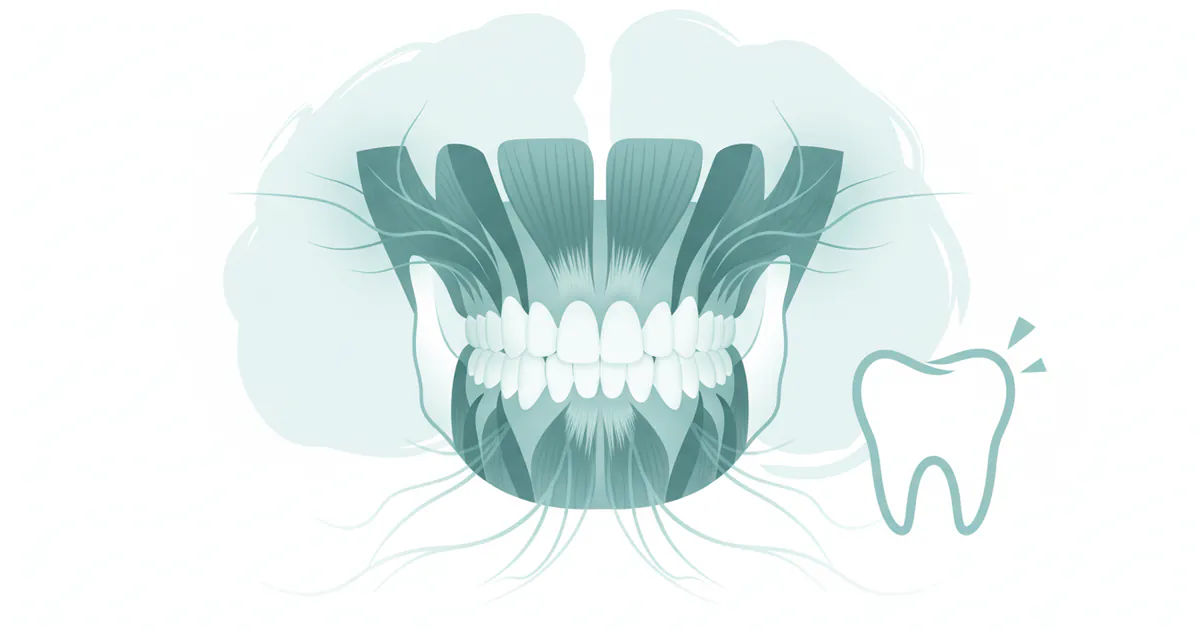
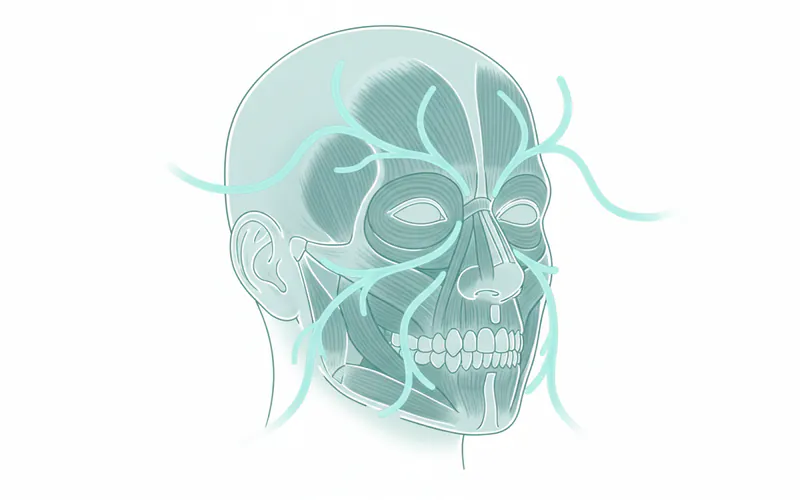
At its core, a jaw clenching headache is a specific type of tension-type headache or migraine that originates from the overuse and strain of the muscles involved in chewing. These muscles, primarily the masseter (at the angle of your jaw), temporalis (at your temples), and pterygoid muscles (deeper in your jaw), can exert immense force—up to 250 pounds per square inch—during clenching. When these muscles are repeatedly activated or held in a sustained state of tension, they become fatigued, inflamed, and can develop trigger points that refer pain to other areas of the head and face.

The act of "jaw clenching" is a form of bruxism, which broadly refers to involuntary grinding, clenching, or bracing of the teeth. While teeth grinding (where teeth slide against each other) can cause significant tooth wear, clenching (where teeth are held tightly together without movement) primarily stresses the jaw muscles and joints. This constant muscular tension restricts blood flow and can lead to an accumulation of metabolic waste products, exacerbating pain and tenderness. The connection between jaw clenching and headaches is a direct one: the temporalis muscle, when tight from clenching, directly pulls on the skull bones in the temple region, causing pain that feels like a classic tension headache. Moreover, the referred pain from the masseter muscle can mimic earaches or lead to discomfort around the eyes.
Over time, chronic jaw clenching can lead to a condition known as temporomandibular joint disorder (TMD or TMJ disorder), which affects the jaw joint and the surrounding muscles and ligaments. The temporomandibular joints (TMJs) are the two joints connecting your jawbone to your skull, acting like sliding hinges. When clenching puts excessive stress on these joints, it can cause pain, clicking, popping, limited jaw movement, and, critically, contribute to more severe and frequent headaches. The combination of muscle fatigue, joint stress, and potential nerve irritation creates a complex pain syndrome that can significantly impact a person's quality of life.
Types of Bruxism and Their Impact
Bruxism isn't a one-size-fits-all condition; it manifests in different ways, each with distinct characteristics and implications for your dental and overall health. Understanding these types is crucial for accurate diagnosis and effective treatment of a jaw clenching headache.
Awake Bruxism
Awake bruxism refers to the clenching or grinding of teeth that occurs while a person is conscious. This form of bruxism is often associated with periods of concentration, stress, or anxiety. Many individuals don't even realize they are doing it until they experience symptoms like a sore jaw, facial pain, or headaches.
- Characteristics: Often involves sustained clenching rather than grinding. Individuals might notice they clench their jaw during tasks that require intense focus, like working on a computer, driving, or engaging in demanding physical activity.
- Causes: Emotional stress, anxiety, anger, fear, frustration, or even habit. Some studies suggest a link between awake bruxism and certain personality traits, such as competitiveness or hurriedness.
- Symptoms: Predominantly muscular pain in the jaw, temples, and neck, leading to jaw clenching headache. Can also cause facial muscle fatigue, limited jaw opening, and tooth sensitivity. Tooth wear is less common with clenching than with grinding, but sustained pressure can lead to microfractures.
- Diagnosis: Often self-reported or identified by a dentist during an examination based on muscle tenderness.
Sleep Bruxism
Sleep bruxism is the involuntary clenching or grinding of teeth during sleep. It's classified as a sleep-related movement disorder and is often harder to detect because the individual is unaware of the behavior. A bed partner might be the first to notice the grinding sounds.
- Characteristics: Can involve both clenching and grinding. It often occurs in cycles throughout the night, particularly during superficial stages of sleep or during arousal from deeper sleep stages.
- Causes: More complex and less understood than awake bruxism. Contributing factors include sleep disorders (especially obstructive sleep apnea), certain medications (e.g., antidepressants like SSRIs), alcohol, caffeine, tobacco use, and neurological conditions. Genetic predisposition may also play a role.
- Symptoms: Waking up with a headache, sore jaw, facial pain, or earaches are common symptoms of teeth grinding during sleep. Other signs include worn tooth enamel, chipped or fractured teeth, tooth sensitivity, indentations on the tongue, and cheek biting.
- Diagnosis: Often relies on a combination of patient history (reported by partner), clinical signs (tooth wear, muscle tenderness), and sometimes a sleep study (polysomnography) to rule out other sleep disorders.
Causes: Why Jaw Clenching Happens
Understanding the "why" behind jaw clenching is critical for effective management and prevention. Bruxism is multifactorial, meaning several factors can contribute to its development.
1. Stress and Anxiety
This is arguably the most common and significant contributor to both awake and sleep bruxism. When we experience stress, our bodies enter a "fight or flight" response, leading to muscle tension throughout the body, including the jaw. Chronic stress can keep the jaw muscles perpetually tense, leading to clenching during the day and even more intensely during sleep. Anxiety disorders, depression, and even everyday pressures can manifest as jaw tension.
2. Malocclusion (Bad Bite)
If your upper and lower teeth don't align correctly when you close your mouth (malocclusion), your jaw muscles may unconsciously work harder to try and find a comfortable biting position. This constant effort can lead to muscle fatigue and clenching. High spots on fillings, crowns, or other dental restorations can also interfere with the bite and trigger clenching.
3. Sleep Disorders
One of the most significant associations with sleep bruxism is obstructive sleep apnea (OSA). Individuals with OSA repeatedly stop breathing during sleep, leading to micro-arousals. The body may clench the jaw in an attempt to open the airway or as a reflex during these arousal periods. Treating sleep apnea can often reduce or eliminate sleep bruxism. Other sleep disturbances can also contribute.
4. Medications
Certain medications can have bruxism as a side effect. Selective serotonin reuptake inhibitors (SSRIs), commonly prescribed for depression and anxiety (e.g., fluoxetine, paroxetine, sertraline), are well-known culprits. Other medications, including some antipsychotics and stimulants, can also increase the risk of clenching.
5. Lifestyle Factors
- Caffeine: High intake of caffeinated beverages (coffee, tea, energy drinks) can stimulate the nervous system, increasing muscle tension and promoting clenching.
- Alcohol: While alcohol might initially seem to relax you, it can disrupt sleep architecture, leading to more fragmented sleep and increased bruxism activity.
- Tobacco/Nicotine: Nicotine is a stimulant and can contribute to jaw clenching, especially during sleep.
- Recreational Drugs: Stimulants like cocaine and methamphetamine are strongly linked to severe bruxism.
6. Neurological Conditions
Certain neurological conditions, such as Parkinson's disease, Huntington's disease, and other movement disorders, can be associated with bruxism. These conditions can disrupt normal muscle control and coordination.
7. Genetics
There's some evidence to suggest a genetic predisposition to bruxism, especially sleep bruxism. If one or both of your parents clench or grind their teeth, you may have a higher likelihood of developing the habit.
Signs and Symptoms of Jaw Clenching and Teeth Grinding
Recognizing the symptoms of teeth grinding and jaw clenching is the first step toward seeking help. These symptoms can be diverse, affecting not just your mouth but your entire head and neck region.
Dental Symptoms:
- Tooth sensitivity: Often to hot, cold, or pressure, due to enamel wear or microfractures.
- Worn tooth enamel: Flat, polished spots on the chewing surfaces of teeth.
- Chipped, fractured, or loose teeth: Constant pressure can damage tooth structure.
- Receding gums: Aggressive clenching can stress the supporting structures of the teeth.
- Indentation on the tongue/cheek biting: Scalloped edges on the tongue or white lines/lesions on the inside of the cheeks where teeth habitually press or rub.
- Clicking or popping jaw joints: A sign of stress on the temporomandibular joints (TMJs).
Facial and Head Symptoms:
- Jaw clenching headache: A primary symptom, often described as a dull, constant ache in the temples (tension-type headache), or radiating from the jaw to the forehead. Can sometimes trigger or exacerbate migraines.
- Sore or tired jaw muscles: Especially noticeable upon waking.
- Facial pain: Generalized pain or tenderness in the cheeks, around the ears, or along the jawline.
- Earaches: Often mistaken for an ear infection, but actually referred pain from overworked jaw muscles.
- Pain or difficulty opening the mouth wide: Due to muscle stiffness or joint inflammation.
- Tinnitus: Ringing in the ears, which can be associated with TMD.
- Swelling on the side of the face: Due to enlarged masseter muscles from overuse.
- Locking of the jaw: In severe cases of TMD, the jaw may temporarily get "stuck" in an open or closed position.
Other Symptoms:
- Neck and shoulder pain: Muscle tension can spread from the jaw down into the neck and shoulders.
- Sleep disruption: For the individual (due to pain) and for bed partners (due to grinding noises).
- Fatigue: Resulting from disrupted sleep or the constant strain of muscle tension.
Pro Tip: Keep a symptom diary for a week or two. Note when headaches or jaw pain occur, their intensity, and any potential triggers (stressful events, certain foods/drinks). This information will be invaluable for your dentist.
Treatment Options for Jaw Clenching Headaches
Treating a jaw clenching headache requires a multi-faceted approach, often combining dental solutions with lifestyle modifications and other therapies. The goal is to reduce muscle tension, protect teeth, alleviate pain, and address underlying causes.
1. Dental Appliances (Bruxism Mouthguards / Nightguards / Splints)
These are often the first line of defense, especially for sleep bruxism. A bruxism mouthguard works by providing a physical barrier between the upper and lower teeth, preventing direct contact, protecting tooth surfaces, and distributing the biting force more evenly. This helps reduce muscle strain and tension.

- Custom-Fitted Nightguards:
- Pros: Made from impressions of your teeth, ensuring a precise and comfortable fit. More durable, effective at cushioning jaw joints, and less likely to fall out during sleep.
- Cons: Higher initial cost. Requires a dental visit.
- Cost: $300-$800 in the US, depending on material, complexity, and dentist's fees. May be partially covered by dental insurance.
- Over-the-Counter (OTC) Mouthguards:
- Pros: Inexpensive, readily available at drugstores. "Boil-and-bite" options offer a semi-custom fit.
- Cons: Often bulky, less comfortable, and may not fit properly, potentially exacerbating jaw problems. Can be made of softer material, which some individuals chew through or that encourages more clenching. Less durable. Not recommended for long-term use.
- Cost: $20-$100.
2. Behavioral Therapies and Stress Management
Addressing the psychological components of bruxism is crucial, especially for awake bruxism and stress-induced clenching.
- Stress Reduction Techniques: Yoga, meditation, deep breathing exercises, mindfulness, and regular physical activity can help manage stress levels.
- Biofeedback: Uses electronic sensors to monitor muscle activity. You learn to recognize when you're clenching and train yourself to relax those muscles.
- Cognitive Behavioral Therapy (CBT): A type of therapy that helps individuals identify and change negative thought patterns and behaviors contributing to stress and bruxism.
- Awareness Training: For awake bruxism, consciously repositioning your jaw throughout the day (e.g., repeating "lips together, teeth apart") can break the clenching habit. Setting reminders on your phone can be helpful.
3. Physical Therapy and Manual Techniques
A physical therapist specializing in TMD can provide exercises and manual therapy to alleviate jaw pain and improve function.
- Jaw Exercises: Gentle stretches and strengthening exercises to improve muscle flexibility and coordination.
- Massage: Therapeutic massage of the jaw, neck, and temple muscles can release tension and improve blood flow.
- Heat/Cold Therapy: Applying moist heat or cold packs to the jaw can reduce pain and inflammation.
4. Medications
Medications are typically used for short-term relief or in conjunction with other therapies.
- Pain Relievers: Over-the-counter (NSAIDs like ibuprofen, naproxen) or prescription pain medications can manage headache and jaw pain.
- Muscle Relaxants: Prescription muscle relaxants (e.g., cyclobenzaprine) can be used for a short duration to alleviate severe muscle spasms and promote sleep, especially for sleep bruxism.
- Botox (Botulinum Toxin) Injections:
- Mechanism: Small amounts of Botox are injected directly into the masseter and/or temporalis muscles. Botox temporarily paralyzes or weakens these muscles, reducing their ability to clench with extreme force. This alleviates pain and can significantly reduce the frequency and intensity of headaches.
- Pros: Highly effective for severe bruxism, provides significant pain relief, and can reduce muscle hypertrophy (enlargement) over time. Results typically last 3-6 months.
- Cons: Temporary, requires repeat injections. Not a cure. Can be costly.
- Cost: $300-$1,000 per treatment session, depending on the number of units used and the provider's fees. Rarely covered by dental insurance, sometimes by medical insurance if diagnosed as a medical condition (TMD).
5. Orthodontics and Occlusal Adjustment
In cases where a significant malocclusion is the primary cause of bruxism, orthodontic treatment (braces, aligners) may be recommended to correct the bite. Minor occlusal adjustments, where a dentist carefully reshapes small areas of specific teeth to create a more balanced bite, might also be considered, though this is less common and must be approached cautiously.
Step-by-Step Process: Getting a Custom Bruxism Mouthguard
For many individuals suffering from a jaw clenching headache, a custom bruxism mouthguard is a primary and highly effective intervention. Here's what you can expect when pursuing this treatment option:
-
Initial Dental Consultation and Diagnosis:
- Your Role: You'll discuss your symptoms (headaches, jaw pain, tooth sensitivity, etc.), medical history, and any known clenching/grinding habits.
- Dentist's Role: The dentist will perform a thorough oral examination, checking for signs of tooth wear, jaw muscle tenderness (palpating masseter and temporalis muscles), and evaluating your temporomandibular joints for clicking, popping, or limited movement. They will assess your bite and may take X-rays to check for bone health or other issues.
- Diagnosis: Based on this assessment, the dentist will confirm if bruxism and/or TMD are contributing to your headaches and recommend a custom nightguard.
-
Impressions and Bite Registration:
- Process: If a custom nightguard is chosen, the dentist or dental assistant will take impressions of your upper and lower teeth using a soft, moldable material that sets quickly. They will also take a "bite registration" – a record of how your upper and lower jaws come together. This is crucial for creating a guard that maintains your jaw in a relaxed, optimal position.
- Technology: Some modern dental offices use digital scanners instead of physical impressions, which is quicker and more comfortable for patients.
-
Laboratory Fabrication:
- Process: The impressions or digital scans are sent to a dental laboratory. Here, skilled technicians use the molds to create a custom-fit appliance, usually made from durable acrylic or a combination of soft and hard materials. The design will be tailored to your specific needs, typically covering either your upper or lower teeth, but not both at once.
- Timeline: This fabrication process usually takes 1-3 weeks.
-
Fitting and Adjustment Appointment:
- Process: Once your custom bruxism mouthguard is ready, you'll return to the dental office for a fitting. The dentist will ensure the guard fits snugly but comfortably. They will check your bite with the guard in place, making sure it doesn't cause any undue pressure or discomfort.
- Adjustments: Minor adjustments are common and might involve trimming edges or polishing surfaces for optimal comfort and function. You will be instructed on how to insert and remove the guard properly.
-
Home Use and Care Instructions:
- Usage: You'll be instructed to wear your nightguard every night, or as directed by your dentist, especially during sleep. For awake bruxism, the dentist might recommend wearing it during high-stress periods or specific activities.
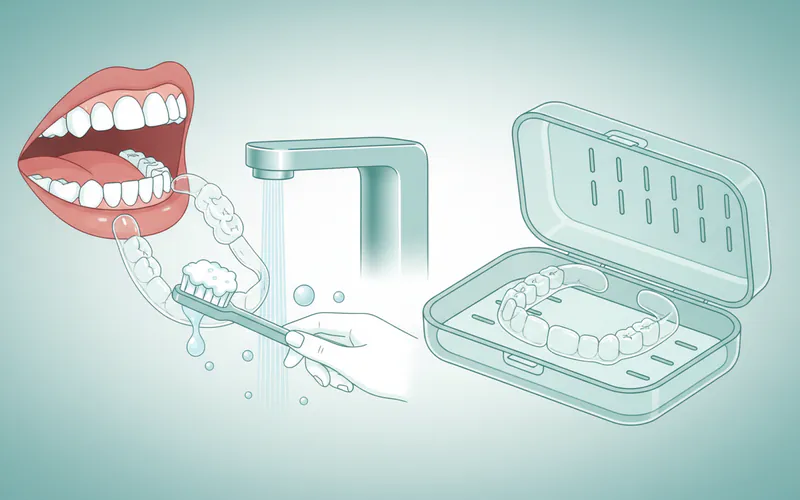
- Cleaning: You'll receive instructions on how to clean and care for your nightguard (e.g., brushing with a soft toothbrush and mild soap, storing it in a ventilated case when not in use). Proper care extends the life of the appliance.
-
Follow-Up Appointments:
- Purpose: The dentist may schedule a follow-up visit a few weeks after you start wearing the guard to assess its effectiveness, make any further adjustments, and check on your symptom improvement. Regular dental check-ups will also include an evaluation of your nightguard's condition and your overall oral health.
Pro Tip: Be patient. It can take a few nights or even a couple of weeks to get used to wearing a nightguard. Initial salivation or a feeling of bulkiness is normal. Consistency is key for effective symptom relief.
Cost and Insurance: Navigating Expenses for Jaw Clenching Relief
Understanding the costs associated with treating jaw clenching headache and the role of insurance can help you plan financially. Prices vary significantly based on location, the dentist's experience, and the specific treatment required.
Average US Costs for Common Treatments:
| Treatment Type | Average Cost Range (USD) |
|---|---|
| Dental Consultation & Exam | $75 - $200 |
| Custom Bruxism Mouthguard (Nightguard) | $300 - $800 |
| Over-the-Counter (OTC) Mouthguard | $20 - $100 |
| Physical Therapy (per session) | $75 - $250 |
| Botox Injections for Bruxism (per session) | $300 - $1,000 |
| Occlusal Adjustment (Minor) | $100 - $300 |
| Full Orthodontic Treatment | $3,000 - $8,000+ |
| Sleep Study (Polysomnography) | $800 - $3,000+ |
- Custom Bruxism Mouthguard: This is often the most common and effective initial investment. A basic acrylic guard can be around $300-$500, while more advanced designs or materials might push the cost to $800. Factors like the dentist's overhead and geographic location influence pricing. For example, costs in major metropolitan areas like New York City or Los Angeles might be on the higher end compared to rural areas.
- Botox Injections: The cost for Botox is typically calculated per unit, and the total depends on the number of units required to sufficiently weaken the jaw muscles. A typical treatment for bruxism might use 20-50 units per side, with unit prices ranging from $10-$20. This makes each treatment session around $300-$1,000. Remember, these injections are temporary and require repeat treatments every 3-6 months.
- Physical Therapy: Many insurance plans cover physical therapy. If it's linked to a diagnosed TMD, your medical insurance is more likely to cover it than dental. Co-pays often apply.
- Sleep Study: If sleep apnea is suspected, a sleep study is crucial. These can be quite expensive without insurance, but are almost always covered by medical insurance if deemed medically necessary by a physician.
Insurance Coverage Details:
- Dental Insurance:
- Custom Mouthguards: Most dental insurance plans provide at least partial coverage for custom nightguards, often covering 50-80% of the cost after your deductible, up to your annual maximum. You'll typically be responsible for the remaining co-pay. It's important to check your specific plan's benefits under "occlusal guard" or "splint."
- Orthodontics: If malocclusion is severe enough to warrant orthodontic treatment for bruxism, some dental plans, particularly those with orthodontic benefits, may cover a portion.
- Medical Insurance:
- TMD Diagnosis: If your jaw clenching has progressed to a diagnosed temporomandibular joint disorder (TMD), medical insurance may cover consultations with specialists (oral surgeons, neurologists), physical therapy, or even Botox injections if deemed medically necessary and pre-authorized.
- Sleep Apnea Treatment: If a sleep study confirms obstructive sleep apnea as a root cause, treatments like CPAP machines or oral appliances (different from bruxism mouthguards, designed to reposition the jaw for airway opening) are typically covered by medical insurance.
- What's Not Covered: Over-the-counter mouthguards are never covered by insurance. Botox for bruxism is often considered "off-label" or cosmetic by many insurance providers, making coverage rare, though some may cover it if specific medical criteria for severe TMD are met.
Pro Tip: Always call your dental and medical insurance providers directly before starting any treatment. Ask about specific codes (e.g., CPT codes for Botox, ADA codes for nightguards) to confirm coverage, deductibles, co-pays, and annual maximums.
Recovery and Aftercare: Sustaining Relief from Jaw Clenching Headaches
Once you've begun treatment for your jaw clenching headache, whether with a bruxism mouthguard, behavioral changes, or other therapies, the journey doesn't end. Effective recovery and consistent aftercare are vital for long-term relief and preventing recurrence.
1. Consistent Use of Dental Appliances
- Nightguard Adherence: If you've been prescribed a custom nightguard, wear it consistently every night, or as directed by your dentist. Skipping nights can allow muscle tension to rebuild and symptoms to return.
- Cleaning and Maintenance:
- Clean your nightguard daily with a toothbrush and mild soap or a non-abrasive denture cleaner. Avoid harsh toothpastes, which can scratch the material.
- Rinse thoroughly and store it in its protective, ventilated case when not in use. This prevents bacterial growth and warping.
- Bring your nightguard to every dental check-up so your dentist can inspect its condition and fit. Custom nightguards typically last 2-5 years with proper care.
2. Continued Behavioral and Stress Management
- Mindfulness and Awareness: Continue practicing awareness throughout the day to catch yourself clenching. Implement "lips together, teeth apart" reminders.
- Stress Reduction Routines: Incorporate stress-reducing activities (meditation, yoga, exercise, hobbies) into your daily life. Stress is a primary trigger for bruxism, so ongoing management is crucial.
- Sleep Hygiene: Maintain a consistent sleep schedule, create a relaxing bedtime routine, ensure your bedroom is dark and quiet, and avoid screens before bed. Good sleep reduces overall tension and may lessen sleep bruxism severity.
3. Dietary and Lifestyle Adjustments
- Reduce Stimulants: Gradually cut back on caffeine, alcohol, and nicotine, especially in the hours leading up to bedtime. These substances can exacerbate clenching.
- Soft Food Diet (Temporary): If you're experiencing acute jaw pain or recovering from a TMD flare-up, temporarily opt for softer foods to give your jaw muscles a rest. Avoid chewy, hard, or crunchy items.
4. Jaw Exercises and Physical Therapy
- Home Exercise Program: If your dentist or a physical therapist provided specific jaw exercises, continue them as part of your daily routine. These can help maintain muscle flexibility and strength.
- Self-Massage: Gently massage your jaw and temple muscles regularly to relieve tension.
5. Regular Dental Check-ups
- Monitoring Progress: Schedule regular follow-up appointments with your dentist to monitor your condition, check for any new signs of clenching/grinding, and assess the effectiveness of your treatment.
- Comprehensive Care: Your dentist will continue to check for tooth wear, gum health, and overall oral integrity that can be impacted by chronic clenching.
Pro Tip: If you notice any changes in your nightguard (cracks, excessive wear, discomfort) or a return of your symptoms, contact your dentist promptly. Early intervention can prevent further complications.
Prevention: How to Avoid Jaw Clenching Headaches
While completely eliminating bruxism might not always be possible, several strategies can significantly reduce the likelihood and severity of jaw clenching headaches and other related symptoms. Prevention often involves addressing the root causes.
-
Stress Management: Since stress and anxiety are major triggers, developing effective coping mechanisms is paramount.
- Mindfulness and Meditation: Practice daily mindfulness to become aware of physical tension.
- Exercise: Regular physical activity is a powerful stress reliever.
- Hobbies and Relaxation: Dedicate time to activities you enjoy that help you unwind.
- Professional Support: Consider therapy (CBT) or counseling if stress and anxiety are overwhelming.
-
Optimize Sleep Hygiene: A good night's sleep is crucial for muscle relaxation and overall health.
- Consistent Sleep Schedule: Go to bed and wake up at the same time each day, even on weekends.
- Create a Relaxing Environment: Ensure your bedroom is dark, quiet, and cool.
- Avoid Stimulants Before Bed: Limit caffeine, alcohol, and nicotine several hours before sleep.
- Limit Screen Time: Avoid electronic devices before bed, as blue light can interfere with melatonin production.
-
Dietary and Lifestyle Adjustments:
- Reduce Caffeine Intake: Especially in the afternoon and evening.
- Limit Alcohol and Tobacco: These can disrupt sleep and increase bruxism activity.
- Stay Hydrated: Dehydration can contribute to muscle cramps and fatigue.
-
Awareness for Awake Bruxism:
- Self-Monitoring: Throughout the day, periodically check your jaw position. Are your teeth touching? Is your jaw clenched?
- "Lips Together, Teeth Apart": Adopt this mantra. Train yourself to keep your jaw relaxed, with your lips gently touching but your teeth slightly separated. Your tongue should rest lightly on the roof of your mouth, behind your upper front teeth.
- Visual Reminders: Place sticky notes on your computer, phone, or car dashboard as reminders to relax your jaw.
-
Regular Dental Check-ups:
- Early Detection: Your dentist can spot early signs of bruxism, such as subtle tooth wear or muscle tenderness, even before you experience severe symptoms.
- Bite Assessment: They can identify and address any bite issues (malocclusion) that might contribute to clenching.
-
Address Underlying Conditions:
- Sleep Apnea Screening: If you snore loudly, experience daytime fatigue, or your partner reports breathing pauses during sleep, discuss sleep apnea screening with your doctor. Treating OSA can significantly reduce sleep bruxism.
- Medication Review: If you suspect a medication is contributing to your bruxism, discuss alternatives or dosage adjustments with your prescribing doctor. Do not stop medication without medical advice.
Risks and Complications of Untreated Jaw Clenching
Ignoring a persistent jaw clenching headache and the underlying bruxism can lead to a cascade of serious and costly health problems. The forces exerted during clenching are immense and can cause significant damage over time.
-
Severe Tooth Damage:
- Excessive Wear: Constant friction and pressure can wear down tooth enamel, exposing the softer dentin underneath. This leads to increased sensitivity, changes in tooth shape, and even pulp exposure in severe cases.
- Fractures and Chips: Teeth can chip, crack, or even fracture, potentially requiring crowns, root canals, or extractions. Restorations like fillings and crowns are also vulnerable to damage.
- Loose Teeth: The sustained force can traumatize the ligaments supporting the teeth, leading to loosening and, in extreme cases, tooth loss.
-
Temporomandibular Joint Disorder (TMD):
- Chronic Pain: Untreated bruxism is a leading cause of TMD, characterized by chronic pain in the jaw joint, muscles, and surrounding areas.
- Joint Damage: The cartilage and disc within the TMJ can be damaged, leading to clicking, popping, grinding sounds, limited jaw movement, and in severe cases, locking of the jaw.
- Degenerative Changes: Long-term stress can lead to degenerative arthritis in the TMJ.
-
Chronic Headaches and Migraines:
- Worsening Pain: What starts as an occasional jaw clenching headache can escalate into frequent, severe tension headaches or even trigger or exacerbate migraines. The constant muscle tension creates a chronic pain cycle.
- Referred Pain: Pain can radiate to the ears (mimicking earaches), eyes, temples, neck, and shoulders, making diagnosis challenging.
-
Facial Muscle Hypertrophy:
- Enlarged Jaw Muscles: Similar to how other muscles bulk up with exercise, chronic clenching can cause the masseter muscles to enlarge, leading to a wider, squarer facial appearance.
- Increased Pain: Larger, stronger muscles can generate even greater clenching forces, perpetuating the cycle of pain and damage.
-
Sleep Disruption and Fatigue:
- Poor Sleep Quality: The physical discomfort and unconscious activity of sleep bruxism can prevent restorative sleep, leading to daytime fatigue, irritability, and reduced cognitive function.
- Impact on Bed Partners: Loud teeth grinding can significantly disrupt a bed partner's sleep, leading to relationship strain.
-
Gum Recession and Bone Loss:
- Gum Damage: The excessive forces can contribute to gum recession, making teeth appear longer and more sensitive.
- Bone Deterioration: In severe cases, bruxism can stress the alveolar bone supporting the teeth, potentially contributing to bone loss, especially in conjunction with periodontal disease.
Comparison Table: OTC vs. Custom Mouthguards
| Feature | Over-the-Counter (Boil-and-Bite) Mouthguard | Custom-Fitted Bruxism Mouthguard |
|---|---|---|
| Cost | $20 - $100 | $300 - $800 |
| Fit | Generic, molded by user; often bulky & loose | Precision fit, snug & comfortable |
| Material | Softer plastics, often chew-through-able | Durable acrylic or dual-laminate |
| Durability | Low (3-6 months), prone to damage | High (2-5 years or more) |
| Protection | Basic cushioning, limited joint support | Superior tooth & joint protection |
| Comfort | Often uncomfortable, can affect speech/breathing | Excellent, minimal interference |
| Effectiveness | Temporary relief, may exacerbate issues | Highly effective for long-term relief |
| Prescription | No | Yes, from a dentist |
Comparison Table: Common Bruxism Treatments
| Treatment Method | Primary Action | Average Cost Range (USD) | Timeframe for Results | Long-Term Efficacy |
|---|---|---|---|---|
| Custom Nightguard | Physical barrier, force distribution | $300 - $800 | Immediate protection, pain relief in weeks | High, with consistent use |
| Botox Injections | Temporarily weakens jaw muscles | $300 - $1,000 (per session) | Days to 2 weeks for full effect, lasts 3-6 months | High, but temporary |
| Stress Management | Addresses root cause (anxiety/stress) | Varies (therapy, apps, classes) | Weeks to months | High, if sustained |
| Physical Therapy | Muscle strengthening, stretching, pain relief | $75 - $250 (per session) | Weeks to months | Moderate to High |
| Medications (Muscle Relaxants) | Short-term muscle spasm relief | $20 - $100 (prescription) | Hours to days | Low (short-term) |
| Occlusal Adjustment | Corrects minor bite discrepancies | $100 - $300 | Immediate bite correction, pain relief in weeks | High, if cause is malocclusion |
Children / Pediatric Considerations for Jaw Clenching
Bruxism isn't just an adult problem; it's quite common in children, particularly sleep bruxism. While the majority of cases in children are benign and self-limiting, it's essential for parents to be aware of the signs and consult a dentist.

Prevalence and Characteristics in Children:
- Commonality: Estimates suggest that 15-30% of children experience bruxism, with peak prevalence typically between ages 3-6 years, often coinciding with the eruption of primary (baby) teeth. It can recur when permanent teeth begin to emerge.
- Sleep Bruxism Dominance: Sleep bruxism is far more common in children than awake bruxism. Parents often notice the characteristic grinding sounds at night.
- Physiological vs. Pathological: In many young children, bruxism is considered a normal developmental phase related to jaw growth and tooth eruption. Most children outgrow it by the time they are teenagers.
Causes in Children:
- Developing Bite: As teeth erupt and jaw bones grow, children's bites are constantly changing, which can sometimes trigger clenching or grinding.
- Allergies and Ear Infections: Nasal congestion or fluid in the ears can cause children to reposition their jaws during sleep in an attempt to open airways, leading to clenching.
- Stress and Anxiety: Just like adults, children can experience stress from school, family changes, new environments, or even excitement, which can manifest as bruxism.
- Medical Conditions: Less commonly, bruxism in children can be associated with cerebral palsy, certain medications, or nutrient deficiencies.
- Sleep Disorders: While less common than in adults, sleep apnea can occur in children and contribute to bruxism.
Signs and Symptoms in Children:
- Grinding Sounds: A common indicator, reported by parents or siblings.
- Tooth Wear: Flattened or excessively worn baby teeth.
- Jaw Pain/Facial Pain: The child might complain of a sore jaw upon waking.
- Headaches: While less specifically reported as "jaw clenching headaches" in younger children, they may complain of general head pain.
- Tooth Sensitivity: Child might avoid certain foods or drinks due to sensitivity.
Treatment and Management in Children:
- Observation: For most children, especially if tooth wear is minimal and there's no pain, the primary approach is watchful waiting, as the condition often resolves spontaneously.
- Addressing Underlying Issues:
- Stress Reduction: Help your child manage stress through open communication, consistent routines, and relaxing bedtime rituals.
- Allergy/Congestion Management: Consult a pediatrician for chronic allergies or ear infections.
- Sleep Hygiene: Ensure your child has a consistent bedtime, a comfortable sleep environment, and avoids sugary drinks or stimulating activities before bed.
- Dental Intervention (Rare but Possible):
- Mouthguards: Custom nightguards are generally reserved for older children or adolescents with severe, persistent bruxism causing significant pain or tooth damage. They are not typically used for very young children due to constant growth and eruption of teeth.
- Orthodontic Consultation: If malocclusion is severe, an orthodontist might be consulted, but usually after most permanent teeth have erupted.
- Regular Dental Check-ups: Consistent visits allow the pediatric dentist to monitor tooth wear, jaw development, and address any concerns early.
Pro Tip for Parents: Don't panic if your child grinds their teeth. Discuss it with your pediatric dentist during their regular check-up. They can assess the situation and recommend the appropriate course of action, which is often reassurance and observation.
Frequently Asked Questions About Jaw Clenching Headaches
What is the primary cause of a jaw clenching headache?
The primary cause of a jaw clenching headache is often the sustained overuse and tension in the muscles of the jaw and temples (masseter and temporalis muscles). This muscle strain is most commonly triggered by psychological stress, anxiety, or can occur unconsciously during sleep due to sleep disorders or certain medications. Addressing these underlying factors is key to relief.
Can a bruxism mouthguard really stop my headaches?
Yes, a custom bruxism mouthguard can be highly effective at reducing or even stopping jaw clenching headaches. It works by providing a protective barrier between your teeth, absorbing the clenching force, and helping to relax your jaw muscles by preventing them from fully engaging. This reduces strain on the muscles and temporomandibular joints, thereby alleviating the source of the headache.
How long does it take to get relief after starting treatment for jaw clenching?
The timeline for relief can vary. For immediate protection and some reduction in morning soreness, a nightguard starts working right away. Significant relief from jaw clenching headaches and other symptoms, however, usually takes a few weeks to a few months of consistent use and adherence to other recommended therapies, such as stress management or physical therapy. Botox injections can provide relief within a few days to two weeks.
Is jaw clenching a symptom of something more serious?
While often benign and stress-related, persistent or severe jaw clenching can be a symptom of underlying issues. It can indicate a significant stressor, an undiagnosed sleep disorder like obstructive sleep apnea, or be a side effect of certain medications. Untreated, it can lead to serious dental damage and chronic temporomandibular joint disorder (TMD), which merits professional attention.
How much does a custom bruxism mouthguard cost, and is it covered by insurance?
In the US, a custom bruxism mouthguard typically costs between $300 and $800. Most dental insurance plans offer partial coverage for occlusal guards, often covering 50-80% after your deductible, up to your annual maximum. It's crucial to check with your specific insurance provider to understand your benefits and out-of-pocket expenses.
Are there alternatives to a mouthguard for jaw clenching?
Yes, several alternatives can complement or, in some cases, replace a mouthguard. These include stress management techniques (meditation, therapy), physical therapy for jaw exercises, over-the-counter pain relievers, prescription muscle relaxants for short-term relief, and Botox injections to weaken jaw muscles. The best approach often involves a combination of therapies tailored to the individual.
Can Botox injections permanently cure jaw clenching?
No, Botox injections do not permanently cure jaw clenching. They work by temporarily weakening the injected jaw muscles, reducing their ability to clench with full force. The effects typically last for 3 to 6 months, after which repeat injections are necessary to maintain the results. It's a highly effective temporary solution for severe cases but requires ongoing treatment.
What are the long-term consequences if I don't treat my jaw clenching?
Untreated jaw clenching can lead to severe long-term consequences. These include significant tooth wear and damage (chips, fractures, sensitivity), chronic jaw clenching headaches, development or worsening of temporomandibular joint disorder (TMD) with associated pain and jaw dysfunction, facial muscle enlargement, and potential disruption of sleep quality. Early intervention is crucial to prevent these escalating problems.
Why do I only get jaw clenching headaches when I wake up?
Waking up with a jaw clenching headache strongly suggests that your bruxism is primarily occurring during sleep (sleep bruxism). While you're unconscious, your jaw muscles can exert significant force for extended periods, leading to muscle fatigue and tension by morning. This can be exacerbated by stress, alcohol, caffeine, or underlying sleep disorders like sleep apnea.
Can lifestyle changes alone be enough to stop jaw clenching?
For mild cases of awake bruxism, lifestyle changes such as stress reduction, improved sleep hygiene, and reducing caffeine/alcohol intake can significantly help manage and even stop jaw clenching. However, for more severe or persistent sleep bruxism, especially if associated with significant tooth wear or pain, these changes are often best combined with a dental appliance like a custom bruxism mouthguard for optimal results.
When to See a Dentist About Jaw Clenching Headaches
While occasional jaw stiffness or a mild tension headache might not always warrant immediate concern, certain signs indicate that it's time to consult a dental professional about your jaw clenching headache and potential bruxism. Early intervention can prevent significant discomfort and costly dental complications.
Schedule a routine appointment if you experience:
- Persistent Headaches: If you frequently wake up with a dull, aching headache, especially in your temples or jaw region, or if these headaches occur regularly throughout the day.
- Chronic Jaw Pain or Stiffness: If your jaw muscles feel sore, tired, or stiff, particularly in the morning, or if you have difficulty opening your mouth wide.
- Tooth Sensitivity: If your teeth become increasingly sensitive to hot, cold, or pressure without any other obvious cause (like a new cavity).
- Noticeable Tooth Wear: If you or your dentist observe flattening of the chewing surfaces of your teeth, chips, or fractures.
- Clicking or Popping Jaw: While sometimes harmless, persistent sounds from your jaw joint, especially if accompanied by pain or limited movement, should be evaluated.
- Reported Grinding: If a bed partner informs you that you grind your teeth loudly during sleep.
Seek prompt dental attention (within a few days) if you have:
- Sudden, Severe Jaw Pain: Intense pain in your jaw that comes on quickly and doesn't resolve with over-the-counter pain relievers.
- Difficulty Chewing or Swallowing: If jaw pain makes eating very difficult or if you experience unusual difficulty swallowing.
- Jaw Locking: If your jaw suddenly locks in an open or closed position, making it impossible to move, this could indicate a serious temporomandibular joint (TMJ) issue.
- Facial Swelling: Unexplained swelling around your jaw or face, especially if accompanied by fever, could indicate an infection.
When to consider an emergency dental visit:
- Acute Tooth Fracture: If a tooth breaks or cracks severely due to clenching, causing sharp pain or exposing the inner tooth structure.
- Traumatic Jaw Injury: If your jaw pain results from an accident or injury and is accompanied by severe pain, swelling, or an inability to close your mouth properly.
Don't underestimate the impact of chronic jaw clenching. Your dentist is the best resource for diagnosing bruxism and its related conditions, offering appropriate treatments like a bruxism mouthguard, and guiding you toward lasting relief from your jaw clenching headache. Regular dental check-ups are an excellent opportunity to discuss any concerns you have about jaw pain or headaches.
Frequently Asked Questions
Medically Reviewed Content
This article was written by our dental health editorial team and reviewed for medical accuracy. Our content follows strict editorial guidelines for reliability and trustworthiness.
Medical Disclaimer
This article is for informational purposes only and does not constitute medical advice. Always consult with a qualified dental professional for diagnosis and treatment. Do not delay seeking professional advice because of something you read on this website.
Related Articles
What Causes Teeth Grinding in Sleep
More than one in ten adults—and even more children—clench or grind their teeth during sleep, a condition known medically as sleep bruxism. For many, it's an unconscious habit that goes unnoticed until significant damage or discomfort arises. Waking up with a dull, constant headache, jaw pain, or
February 23, 2026
How to Not Grind Teeth at Night
More than one in ten adults and a significant percentage of children experience teeth grinding, medically known as bruxism, a condition that often goes unnoticed, especially when it occurs during sleep. If you've woken up with a sore jaw, a dull headache, or noticed your teeth becoming unusually
February 23, 2026
What Is Jaw Clenching
Do you often wake up with a dull headache, a sore jaw, or unexplained tooth sensitivity? You're not alone. Approximately 1 in 10 adults and up to 3 in 10 children experience some form of bruxism, a condition characterized by grinding, gnashing, or clenching your teeth. At the heart of this wides
February 23, 2026
Severe Bruxism Molars: Complete Guide
When the quiet of the night is shattered by a grinding, grating sound, or when you wake up with an aching jaw and teeth that feel oddly sensitive, it’s often a sign of bruxism. But what happens when this condition intensifies, leading to significant damage, especially to your back teeth? This is the
February 23, 2026