Teeth Grinding While Sleeping: Complete Guide
Key Takeaways
- It’s 3 AM, and you’re sound asleep, but your jaw isn't. Unbeknownst to you, your teeth are grinding together with immense force, causing wear, tear, and potential long-term damage. This common condition, known as nocturnal bruxism or teeth grinding while sleeping, affects an estimated 1 in 10 ad
It’s 3 AM, and you’re sound asleep, but your jaw isn't. Unbeknownst to you, your teeth are grinding together with immense force, causing wear, tear, and potential long-term damage. This common condition, known as nocturnal bruxism or teeth grinding while sleeping, affects an estimated 1 in 10 adults and up to 3 in 10 children in the US. While you might not remember the act itself, the morning headaches, sore jaw, or unexplained tooth sensitivity are often tell-tale signs that something is amiss. Left unaddressed, chronic teeth grinding can lead to serious oral health complications, from fractured teeth and gum recession to temporomandibular joint (TMJ) disorders and severe pain. Understanding what is teeth grinding and recognizing the signs of teeth grinding early is crucial for protecting your smile and overall well-being. This comprehensive guide will delve deep into the world of sleep bruxism, exploring its causes, symptoms, diagnosis, treatment options, prevention strategies, and everything you need to know to achieve peaceful, damage-free sleep.
Key Takeaways:
- Prevalence: Approximately 10% of adults and up to 30% of children experience teeth grinding while sleeping (nocturnal bruxism).
- Early Detection is Key: Recognizing symptoms like morning headaches, jaw pain, or worn tooth enamel can prevent severe dental damage.
- Primary Treatment: Custom-fitted dental mouthguards are the most common and effective initial treatment, typically costing between $300-$800 (without insurance) and lasting 1-5 years.
- Advanced Treatments: For severe cases, options like Botox injections (ranging from $400-$1,200 per session, requiring repeat treatments every 3-6 months) or addressing underlying sleep disorders may be necessary.
- Insurance Coverage: Many dental insurance plans offer partial coverage for diagnostic services and custom mouthguards, often covering 50-80% after deductibles.
- Recovery: Most treatments offer immediate symptom relief, but addressing root causes like stress or sleep apnea requires ongoing lifestyle adjustments or medical intervention.
- Potential Costs: The lifetime cost of untreated bruxism, including extensive dental repairs (crowns, implants), can easily exceed $5,000-$15,000, making early intervention highly cost-effective.
What It Is: Understanding Teeth Grinding While Sleeping
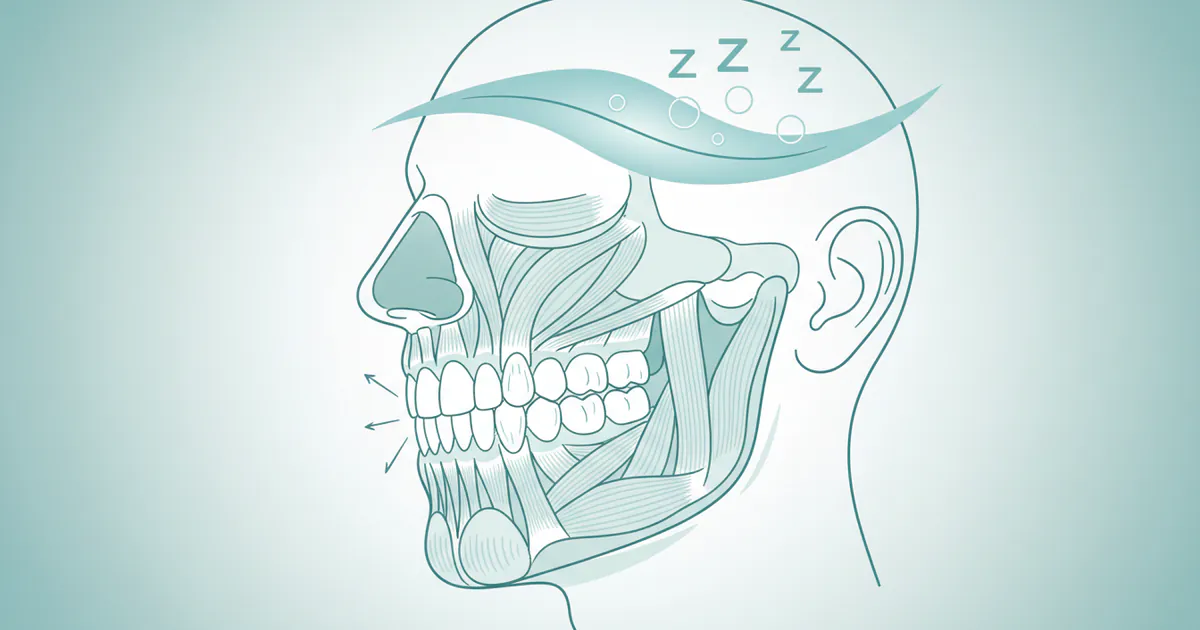
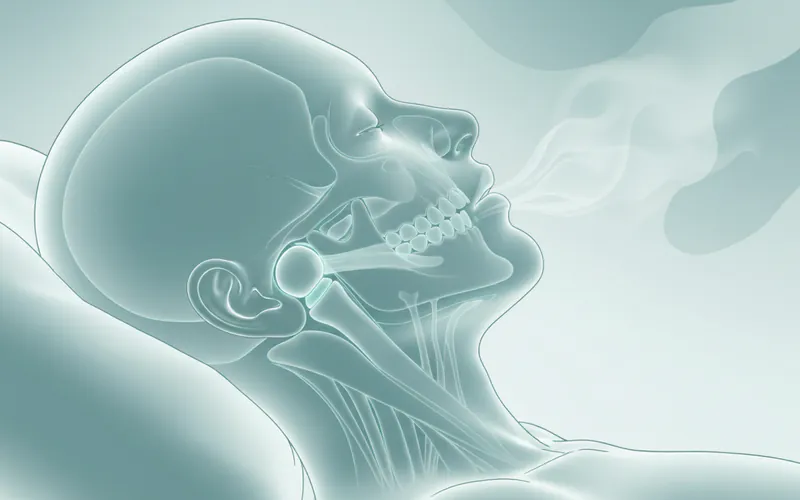
Teeth grinding while sleeping, medically known as nocturnal bruxism, is an involuntary parafunctional activity characterized by clenching, grinding, or gnashing of the teeth during sleep. Unlike awake bruxism, which occurs during waking hours, sleep bruxism happens subconsciously, often making individuals unaware they have the condition until symptoms become noticeable or a partner points it out. The forces exerted during sleep bruxism can be significantly greater than during normal chewing or conscious clenching, putting immense stress on the teeth, jaw muscles, and temporomandibular joints (TMJs).

This nocturnal activity can manifest in various ways: some individuals primarily clench their jaws tightly, while others engage in a grinding motion, sliding their upper and lower teeth against each other. Both actions generate significant friction and pressure, leading to a cascade of potential dental and overall health problems. According to the American Dental Association (ADA), bruxism is a common condition that requires careful diagnosis and management due to its potential for irreversible damage to the oral structures.
![An illustration showing a person sleeping with their jaw(/glossary/glossary-jaw) clenched tightly and teeth visibly grinding, with small lines indicating friction and pressure around the jaw area.]
Types of Bruxism: More Than Just Grinding
While the term "teeth grinding" is commonly used, bruxism encompasses a spectrum of activities. Understanding the specific type can influence diagnosis and treatment.
Awake Bruxism vs. Sleep Bruxism
- Awake Bruxism: This occurs when a person is conscious. It typically involves clenching the jaw or bracing the teeth, often in response to stress, concentration, or anxiety during daily activities. While it can still cause wear and tear, individuals are often more aware of the habit and can consciously try to stop it.
- Sleep Bruxism (Nocturnal Bruxism): As discussed, this is the involuntary grinding or clenching of teeth during sleep. It's classified as a sleep-related movement disorder and is often associated with other sleep disorders like sleep apnea. Because it's subconscious, it's often more difficult to control and can lead to more severe damage due to the prolonged, intense forces exerted.
Clenching vs. Grinding
Within both awake and sleep bruxism, the specific action can differ:
- Clenching: This involves pressing the upper and lower teeth together with significant force, often without any lateral movement. It puts immense pressure on the teeth, jaw muscles, and TMJs.
- Grinding: This is characterized by sliding the teeth back and forth or side to side while clenched, creating friction. This action is particularly damaging to tooth enamel and can lead to significant wear and tear, flattening of the biting surfaces, and hypersensitivity.
Many individuals experience a combination of both clenching and grinding, sometimes even varying the action from night to night.
Causes: Why Does Teeth Grinding Happen While Sleeping?
The exact cause of sleep bruxism is often multifactorial and can vary significantly from person to person. It's rarely due to a single issue but rather a combination of physical, psychological, and genetic factors.
Psychological Factors
- Stress and Anxiety: This is by far the most commonly cited cause. Daily stressors, work pressure, financial worries, or significant life changes can manifest as physical tension, which often gets released through teeth grinding during sleep. Anxiety disorders, depression, and other mental health conditions are strongly linked to increased bruxism.
- Personality Type: Individuals with aggressive, competitive, or hyperactive personality traits may be more prone to bruxism.
- Frustration and Anger: Suppressed emotions can contribute to nocturnal clenching and grinding.
Physical and Medical Factors
- Sleep Disorders: Sleep bruxism is often comorbid with other sleep-related breathing disorders, most notably obstructive sleep apnea (OSA). The body may clench or grind its teeth as an involuntary reflex to open the airway during episodes of apnea. Other sleep disorders like restless leg syndrome can also be associated.
- Malocclusion (Misaligned Teeth): While traditionally thought to be a primary cause, modern research suggests that dental occlusion issues (how the upper and lower teeth fit together) play a less significant role than previously believed. However, severe bite problems can sometimes contribute or exacerbate existing bruxism.
- Temporomandibular Joint (TMJ) Disorders: While bruxism can cause TMJ disorders, it can also be a symptom of an underlying TMJ issue. It's a complex, bidirectional relationship.
- Certain Medications: Some medications can have bruxism as a side effect. These include:
- Antidepressants: Particularly selective serotonin reuptake inhibitors (SSRIs) like fluoxetine (Prozac), paroxetine (Paxil), and sertraline (Zoloft).
- Antipsychotics: Certain dopamine antagonists.
- Stimulants: Used for ADHD.
- Substance Use:
- Caffeine: High intake, especially close to bedtime.
- Alcohol: Can disrupt sleep patterns and increase bruxism.
- Nicotine: Smoking is a known risk factor.
- Recreational Drugs: Amphetamines and ecstasy can induce severe bruxism.
- Neurological Conditions: Rare cases of bruxism can be linked to conditions like Parkinson's disease, Huntington's disease, or other neurological disorders affecting motor control.
- Acid Reflux: Some studies suggest a link between gastroesophageal reflux disease (GERD) and bruxism, possibly due to the body's reflex to protect teeth from acid or the discomfort associated with reflux disturbing sleep.
Genetic Predisposition
Research suggests that bruxism can run in families, indicating a potential genetic component. If one or both parents grind their teeth, their children may have a higher likelihood of developing the condition.
Pro Tip: If you suspect your medication is contributing to your teeth grinding, do not stop taking it without consulting your doctor. Discuss your concerns with your physician or dentist to explore alternatives or management strategies.
Signs and Symptoms: What to Look For
Since teeth grinding while sleeping is an involuntary act, recognizing the signs of teeth grinding is crucial for seeking timely treatment. These symptoms can range from mild discomfort to severe pain and irreversible dental damage.
Common Oral and Facial Symptoms
- Worn-down, Flattened, Chipped, or Fractured Teeth: This is one of the most definitive signs. The intense forces strip away enamel, exposing dentin, and can even crack or break teeth. You might notice your teeth looking shorter or having a different shape.
- Increased Tooth Sensitivity: Exposure of dentin due to enamel wear can lead to heightened sensitivity to hot, cold, or sweet foods and drinks.
- Morning Headaches: Often dull, persistent headaches originating from the temples or forehead, present immediately upon waking.
- Sore Jaw Muscles or Tightness: The masseter and temporalis muscles (jaw muscles) can become fatigued and tender from overuse during the night. You might feel soreness when you wake up or when you chew.
- Jaw Pain or Stiffness: Difficulty opening your mouth wide, pain when chewing, or a stiff feeling in the jaw joint.
- Clicking, Popping, or Locking of the Jaw Joint (TMJ): These sounds or sensations can indicate stress or damage to the temporomandibular joint.
- Facial Pain: Aching pain that spreads beyond the jaw, sometimes into the ears or neck.
- Indentations on the Tongue: Scalloped edges on the sides of the tongue can be a sign of constant pressure from teeth against the tongue.
- Cheek Trauma: White lines or ridges (linea alba) on the inside of the cheeks, caused by biting the cheek lining during clenching.
- Gum Recession: Chronic grinding can put stress on the gums and supporting bone, potentially leading to gum recession.
Other Less Obvious Symptoms
- Disrupted Sleep for Partner: Your sleeping partner might complain about the loud grinding noises you make during the night. This is often how individuals first learn about their bruxism.
- Fatigue: Despite sleeping for adequate hours, you might wake up feeling unrefreshed due to the disturbed sleep patterns associated with bruxism, especially if linked to sleep apnea.
- Earache: While not a true ear problem, referred pain from overworked jaw muscles can feel like an earache.
- Neck and Shoulder Pain: The tension can extend down into the neck and shoulders.
When to suspect teeth grinding while sleeping: If you experience any of these symptoms, especially if they are present upon waking or worsen over time, it's essential to consult a dentist. They are trained to identify the subtle signs of bruxism and differentiate them from other conditions.
Treatment Options: Restoring Comfort and Protecting Your Smile
Addressing teeth grinding while sleeping effectively requires a multi-pronged approach, often combining dental appliances with lifestyle modifications and, in some cases, medical interventions. The goal is to protect teeth from damage, alleviate pain, and reduce the frequency and intensity of grinding.
1. Dental Appliances (Mouthguards & Splints)
These are the most common and often first-line treatment for sleep bruxism.
- Custom-Fitted Nightguards (Occlusal Splints):
- Description: Made from clear acrylic or soft vinyl, these appliances are custom-molded to fit precisely over your upper or lower teeth. They create a physical barrier between the upper and lower teeth, preventing direct contact and distributing the forces of grinding evenly.
- Pros: Highly effective at protecting teeth from wear and fractures, reduces jaw muscle strain, and can significantly alleviate pain. Custom fit ensures comfort and effectiveness, unlike over-the-counter options.
- Cons: Can be expensive, requires a dental impression and multiple visits, and doesn't stop the grinding habit itself, only manages its effects. Requires regular cleaning and replacement every few years.
- Cost Range: $300-$800 (soft guards), $500-$1,500 (hard acrylic splints).
- Over-the-Counter (Boil-and-Bite) Mouthguards:
- Description: Less expensive, these can be purchased at drugstores and customized at home by boiling them and biting into them.
- Pros: Affordable, immediate availability.
- Cons: Less comfortable, often bulky, less durable, and don't provide the precise fit and force distribution of custom guards, potentially exacerbating TMJ issues in some cases. Generally not recommended for long-term use.
- Cost Range: $20-$50.
2. Behavioral Therapies & Lifestyle Modifications
These approaches focus on addressing the underlying causes, particularly stress and anxiety.
- Stress Management Techniques:
- Description: Relaxation exercises, meditation, yoga, deep breathing, biofeedback, and psychotherapy can help manage stress and anxiety levels, which are major triggers for bruxism.
- Pros: Addresses root causes, improves overall well-being, no side effects.
- Cons: Requires commitment and consistency, results may not be immediate.
- Cost Range: Varies greatly; free for self-practice, $50-$200 per session for therapy.
- Biofeedback:
- Description: Using electronic devices, biofeedback trains individuals to become aware of and control involuntary physiological processes, like jaw muscle activity. Sensors detect clenching, and a signal (audible, visual, or tactile) alerts the person to relax.
- Pros: Can help break the grinding habit, non-invasive.
- Cons: Requires specialized equipment and trained professionals, may not be widely available.
- Cost Range: Highly variable, often $100-$300 per session.
- Sleep Hygiene Improvements:
- Description: Establishing a regular sleep schedule, creating a relaxing bedtime routine, avoiding caffeine and alcohol before bed, and ensuring a comfortable sleep environment can improve sleep quality and potentially reduce bruxism.
- Pros: Free, improves overall health.
- Cons: Requires discipline.
3. Medications
Medications are typically used as a short-term solution for pain relief or to manage severe symptoms.

- Muscle Relaxants:
- Description: Prescribed for short periods to reduce jaw muscle tension and pain.
- Pros: Quick relief from soreness.
- Cons: Can cause drowsiness, not a long-term solution, potential for dependence.
- Cost Range: $10-$50 for a prescription.
- Botulinum Toxin (Botox) Injections:
- Description: Small amounts of Botox are injected into the jaw muscles (masseter and temporalis) to temporarily relax them, reducing the force of clenching and grinding.
- Pros: Highly effective for severe cases, significantly reduces muscle activity, can alleviate pain for months.
- Cons: Temporary (effects last 3-6 months), requires repeat injections, high cost, potential for minor side effects like temporary weakness in chewing or smile asymmetry if not administered by an experienced professional.
- Cost Range: $400-$1,200 per session, depending on the number of units used and clinic location.
4. Addressing Underlying Sleep Disorders
If sleep apnea or other sleep disorders are identified as causes, treating these conditions can significantly reduce or eliminate bruxism.
- CPAP (Continuous Positive Airway Pressure): For sleep apnea, a CPAP machine keeps the airway open during sleep.
- Oral Appliances for Sleep Apnea: Custom-made devices that reposition the jaw to keep the airway open.
Pro Tip: Always seek a definitive diagnosis from your dentist before pursuing any treatment for teeth grinding. Self-treating with over-the-counter guards might mask symptoms or even worsen underlying issues.
Step-by-Step Process: What to Expect During Treatment
Addressing teeth grinding while sleeping typically follows a structured process, from initial diagnosis to ongoing management.
1. Initial Consultation and Diagnosis
- Dental Exam: Your dentist will conduct a thorough oral examination, looking for signs of teeth grinding such as worn tooth enamel, fractures, tenderness in jaw muscles, and scalloping of the tongue. They will also assess your bite and TMJ health.
- Symptom History: You'll be asked about your symptoms (headaches, jaw pain, sensitivity), medical history, medications, lifestyle habits (caffeine, alcohol), and stress levels.
- Partner's Observations: If you have a sleeping partner, their observations about grinding noises can be invaluable.
- Imaging (Optional): X-rays might be taken to check for bone damage or other dental issues. In some cases, an MRI of the TMJ might be recommended.
- Sleep Study (Polysomnography - Optional): If sleep apnea or another sleep disorder is suspected, your dentist may refer you to a sleep specialist for a sleep study. This is the gold standard for diagnosing sleep disorders and can monitor jaw muscle activity during sleep.
2. Treatment Planning
Based on the diagnosis, your dentist will recommend a personalized treatment plan. This often starts with the least invasive options.
- Primary Recommendation: For most individuals, a custom-fitted nightguard will be the first line of defense.
- Adjunctive Therapies: Recommendations for stress management, sleep hygiene improvements, or avoiding certain substances will often accompany dental appliance therapy.
- Referrals: If underlying medical conditions (like sleep apnea or severe anxiety) are identified, referrals to a sleep specialist, physician, or therapist will be made.
3. Fabrication and Fitting of a Nightguard (if applicable)
- Impressions: The dental team will take impressions (molds) of your upper and lower teeth.
- Laboratory Fabrication: These impressions are sent to a dental laboratory where your custom nightguard is fabricated. This usually takes 1-2 weeks.
- Fitting Appointment: You'll return for a fitting appointment where your dentist will ensure the nightguard fits comfortably and securely. Adjustments will be made to ensure an even bite and maximum protection.
- Usage Instructions: You'll receive instructions on how to insert, remove, clean, and care for your nightguard. It's usually recommended to wear it every night.
4. Follow-up and Adjustment
- Initial Follow-up: A follow-up appointment is typically scheduled a few weeks after you start wearing your nightguard to check comfort, effectiveness, and address any concerns. Adjustments might be needed.
- Ongoing Monitoring: Regular dental check-ups (every 6 months) will allow your dentist to monitor the wear on your nightguard, assess your dental health, and discuss any changes in symptoms. Nightguards typically last 1-5 years depending on the material and severity of grinding.
5. Advanced or Supplemental Treatments (if needed)
- Botox Injections: If bruxism persists despite nightguard use and behavioral changes, or if muscle pain is severe, Botox injections may be considered. This involves injections into the masseter and temporalis muscles.
- Addressing Underlying Medical Issues: If a sleep disorder or other medical condition is diagnosed, treatment for that condition will proceed concurrently.
Pro Tip: Consistency is key. Wearing your nightguard every night, diligently practicing stress-reduction techniques, and adhering to your dentist's recommendations will yield the best long-term results in managing teeth grinding while sleeping.
Cost and Insurance: Understanding the Financial Aspect in the US
The cost of treating teeth grinding while sleeping in the US can vary significantly based on the severity of the condition, the chosen treatment options, geographic location, and whether you have dental insurance.
Average US Costs by Treatment Type (Without Insurance)
| Treatment Type | Average Cost Range (USD) | Details |
|---|---|---|
| Initial Dental Consultation/Exam | $50 - $200 | Includes examination, X-rays (if needed), and diagnosis. Cost varies by clinic and location. |
| Custom-Fitted Soft Nightguard | $300 - $800 | Made from flexible material, usually for mild to moderate grinding. Typically lasts 1-3 years. |
| Custom-Fitted Hard Acrylic Splint | $500 - $1,500 | More durable, precise fit for severe grinding or TMJ issues. Often lasts 3-5+ years. |
| Over-the-Counter Mouthguard | $20 - $50 | Boil-and-bite variety. Short-term, often less effective. Not recommended as a long-term solution. |
| Botox Injections for Bruxism | $400 - $1,200 per session | Targets jaw muscles to reduce clenching force. Effects last 3-6 months; requires repeat treatments. Cost depends on units used and provider. Often considered a cosmetic or elective procedure by insurance. |
| Behavioral Therapy/Biofeedback | $100 - $300 per session | If referred to a specialist. Number of sessions varies. May be covered partially by medical insurance if for anxiety/stress. |
| Sleep Study (Polysomnography) | $500 - $5,000 | If suspected sleep apnea. Home sleep studies are less expensive ($500-$1,500); in-lab studies are more comprehensive ($2,000-$5,000). Usually covered by medical insurance. |
| Dental Repairs (e.g., Crowns) | $800 - $2,500 per tooth | If significant tooth damage (cracks, fractures, severe wear) has occurred due to untreated bruxism. Cost for a single crown; multiple teeth can easily accumulate to thousands. |
| TMJ Therapy | $500 - $5,000+ | Includes various treatments for temporomandibular joint disorders caused or exacerbated by bruxism, e.g., physical therapy, specialized splints, or, in rare cases, surgery. |
Insurance Coverage Details
- Dental Insurance:
- Diagnosis: Most dental plans cover a portion of diagnostic services, including initial exams and X-rays.
- Custom Nightguards: Coverage for custom-fitted nightguards (occlusal splints) is common but varies. Many plans classify them under "major restorative" or "preventive" care and may cover 50% to 80% of the cost after your deductible is met. It's crucial to check with your specific provider regarding "occlusal guard" or "splint" coverage.
- Over-the-Counter Guards: These are rarely covered by insurance.
- Dental Repairs: If bruxism leads to tooth damage (fillings, crowns, root canals), your dental insurance will likely cover these procedures according to your plan's terms for restorative dentistry, typically 50-80% for major services.
- Medical Insurance:
- Sleep Studies: If a sleep study is recommended due to suspected sleep apnea or other sleep disorders contributing to bruxism, it is generally covered by medical insurance, as it's a diagnostic tool for a medical condition.
- Botox Injections: These are generally NOT covered by dental or medical insurance for bruxism unless there is a clear medical justification (e.g., severe TMJ pain unresponsive to other treatments) and often require prior authorization. Many insurers view it as an elective or cosmetic procedure.
- Behavioral Therapy: If recommended by a doctor or therapist for stress/anxiety, mental health services may be covered by your medical insurance.
Cost-Saving Tips
- Utilize Your Insurance: Always contact your dental and medical insurance providers directly to understand your specific benefits, deductibles, co-pays, and annual maximums. Ask about coverage for "occlusal guard," "sleep apnea testing," and "TMJ treatment."
- Payment Plans: Many dental offices offer in-house payment plans or work with third-party financing companies (e.g., CareCredit) to help manage costs over time.
- Dental Schools: University dental schools often provide services at a reduced cost, with treatment performed by students under the supervision of experienced faculty.
- Flexible Spending Accounts (FSAs) & Health Savings Accounts (HSAs): These accounts allow you to set aside pre-tax money for eligible medical and dental expenses, including many bruxism treatments.
- Early Intervention: Addressing bruxism early with a nightguard is significantly less expensive than repairing extensive damage (crowns, bridges, implants) later on.
Pro Tip: A custom-fitted nightguard, while an upfront investment, is often the most cost-effective long-term solution. It can prevent thousands of dollars in future dental repairs caused by untreated grinding.
Recovery and Aftercare: Maintaining Your Oral Health
Managing teeth grinding while sleeping is an ongoing process, not a one-time fix. Recovery refers to the period where symptoms subside and you adapt to your treatment, while aftercare involves long-term strategies to maintain oral health and prevent recurrence.
Immediate Post-Treatment Recovery
- Symptom Relief: Most patients experience significant relief from headaches, jaw pain, and tooth sensitivity shortly after starting consistent nightguard use.
- Adjustment Period: There might be a brief adjustment period (a few nights to a week) to wearing a nightguard. Some people initially feel it's bulky or notice increased saliva production. This typically subsides as you get used to it.
- Muscle Relaxation: If muscle relaxants were prescribed, follow the dosage carefully. For Botox injections, effects typically become noticeable within a few days to a week, with full effect at two weeks.
Long-Term Aftercare and Prevention
- Consistent Nightguard Use: The most crucial aspect of aftercare for dental appliance users is consistent use. Wear your custom nightguard every single night, as instructed by your dentist, to protect your teeth and jaw.
- Nightguard Cleaning and Maintenance:
- Clean your nightguard daily using a soft toothbrush and mild soap or non-abrasive denture cleaner.
- Rinse thoroughly with cold water.
- Store it in its protective case when not in use, ensuring it's dry to prevent bacterial growth.
- Avoid hot water, which can warp the plastic.
- Regular Dental Check-ups: Continue with your routine dental exams every six months. Your dentist will:
- Check the condition of your nightguard for wear and tear, recommending replacement when necessary (typically every 1-5 years).
- Monitor your teeth for any new signs of damage.
- Assess your jaw joints and muscles.
- Discuss any changes in your symptoms or lifestyle that might impact your bruxism.
- Continue Stress Management: Since stress is a primary driver for many, incorporate stress-reduction techniques into your daily routine. This could include exercise, meditation, hobbies, or seeking professional counseling.
- Optimize Sleep Hygiene: Maintain a consistent sleep schedule, ensure your bedroom is dark, quiet, and cool, and avoid screens, caffeine, and alcohol close to bedtime.
- Dietary Awareness: Be mindful of consuming hard, chewy foods, especially if your jaw muscles are still sore or you're prone to TMJ issues.
- Self-Monitoring: Pay attention to your body. If you notice a return of symptoms (headaches, jaw pain, sensitivity) or if your nightguard feels uncomfortable, contact your dentist promptly.

Pro Tip: Even if your symptoms completely resolve with treatment, it’s vital to continue with preventive measures and regular dental check-ups. Bruxism can recur, especially during periods of high stress.
Prevention: Stopping Teeth Grinding Before It Starts
Preventing teeth grinding while sleeping often involves addressing the root causes and adopting healthy lifestyle habits. While not all cases are preventable (e.g., those linked to certain neurological conditions), many can be mitigated or avoided.
1. Stress Reduction and Management
- Mindfulness and Meditation: Regular practice can significantly lower stress levels and promote relaxation.
- Yoga and Exercise: Physical activity is an excellent stress reliever.
- Time Management: Prioritizing tasks and avoiding overcommitment can reduce daily stress.
- Professional Counseling: For chronic stress or anxiety, therapy can provide coping strategies and address underlying psychological factors.
- Relaxation Before Bed: Engage in calming activities before sleep, such as reading, taking a warm bath, or listening to soothing music. Avoid intense work or emotional discussions.
2. Improve Sleep Hygiene
- Consistent Sleep Schedule: Go to bed and wake up at the same time each day, even on weekends.
- Comfortable Sleep Environment: Ensure your bedroom is dark, quiet, and cool. Invest in a comfortable mattress and pillows.
- Limit Screen Time: Avoid phones, tablets, and computers at least an hour before bed. The blue light can interfere with melatonin production.
- Avoid Stimulants: Reduce or eliminate caffeine and nicotine, especially in the afternoon and evening.
- Moderate Alcohol Consumption: While alcohol might make you feel sleepy, it disrupts normal sleep cycles and can increase bruxism activity.
3. Dietary and Substance Awareness
- Hydration: Drink plenty of water throughout the day.
- Avoid Hard, Chewy Foods: If you feel your jaw muscles are tense, temporarily avoid foods that require excessive chewing (e.g., tough meats, gum, hard candies).
- Recreational Drugs: Avoid recreational drugs, as many are known to induce or worsen bruxism.
4. Jaw Exercises and Awareness (for awake bruxism)
- Relax Your Jaw: Throughout the day, try to be mindful of your jaw's position. Keep your teeth slightly apart, with your tongue resting lightly on the roof of your mouth.
- Jaw Stretches: Gentle jaw stretches can help relax muscles. Your dentist or a physical therapist can demonstrate appropriate exercises.
- Hot/Cold Packs: Apply a warm compress or ice pack to your jaw muscles to relieve tension.
5. Regular Dental Check-ups
- Early Detection: Regular visits allow your dentist to spot early signs of teeth grinding before significant damage occurs, even if you are unaware of the habit.
- Discussion: Openly discuss any new symptoms, stress levels, or changes in your health with your dentist.
Pro Tip: If you notice yourself clenching during the day (awake bruxism), try placing your tongue between your front teeth. This trains your jaw muscles to relax and helps break the clenching habit.
Risks and Complications: The Dangers of Untreated Bruxism
Ignoring teeth grinding while sleeping can lead to a cascade of serious and often irreversible oral and overall health problems. The intense forces exerted during nocturnal bruxism can be up to 250 pounds per square inch, far exceeding normal chewing forces.
1. Dental Damage
- Tooth Wear: The most common complication. Enamel can be worn away, exposing the softer dentin underneath, leading to increased sensitivity and a higher risk of cavities. Teeth can appear flattened, shortened, or develop sharp edges.
- Fractured or Chipped Teeth: The repetitive stress can cause teeth to crack, chip, or even break, sometimes requiring extensive restorative procedures like crowns or extractions.
- Loose Teeth: Chronic grinding can loosen teeth in their sockets, making them more susceptible to gum disease and eventual loss.
- Damage to Dental Restorations: Fillings, crowns, bridges, and even dental implants can be damaged, cracked, or dislodged by the forces of bruxism, requiring costly repairs or replacements.
- Gum Recession: The excessive force can traumatize the gum tissues and supporting bone, leading to gum recession and potentially periodontal disease.
- Tooth Sensitivity: Worn enamel exposes dentin, causing sensitivity to hot, cold, and sweet stimuli.
2. Temporomandibular Joint (TMJ) Disorders
- Pain and Dysfunction: The temporomandibular joints connect your jawbone to your skull. Chronic bruxism puts immense strain on these joints, leading to pain, tenderness, clicking or popping sounds, difficulty opening or closing the mouth, and even locking of the jaw.
- Arthritis: Prolonged stress on the TMJ can lead to degenerative changes and arthritis in the joint.
3. Muscle Pain and Headaches
- Chronic Jaw Muscle Pain: The masseter and temporalis muscles become overworked and can develop trigger points, leading to persistent soreness, stiffness, and fatigue.
- Tension Headaches: Many individuals with bruxism suffer from frequent, often severe, tension-type headaches, typically starting in the temples or forehead and present upon waking.
- Neck and Shoulder Pain: Muscle tension can radiate down into the neck and shoulders, causing chronic discomfort.
4. Sleep Disturbances
- Reduced Sleep Quality: While you might be unaware of the grinding, the physical exertion and associated muscle tension can disrupt sleep architecture, leading to non-restorative sleep, daytime fatigue, and irritability.
- Exacerbation of Sleep Apnea: Bruxism can be both a symptom and a factor that exacerbates sleep apnea. The combined effect can severely compromise sleep quality and overall health.
5. Facial Changes
- Enlarged Jaw Muscles: Overworked jaw muscles (masseters) can hypertrophy (grow larger), leading to a noticeable widening of the lower face.
- Changes in Facial Appearance: Over time, significant tooth wear can subtly alter facial aesthetics.
Comparison Table: Untreated vs. Treated Bruxism Outcomes
| Feature | Untreated Bruxism (High Risk) | Treated Bruxism (Managed Risk) |
|---|---|---|
| Tooth Integrity | Severe wear, fractures, sensitivity, potential tooth loss | Protected enamel, reduced fractures, minimal sensitivity |
| Jaw Health (TMJ) | Chronic pain, clicking, locking, TMJ disorder, arthritis | Reduced pain, improved jaw function, lower TMJ disorder risk |
| Muscle Pain | Persistent headaches, jaw soreness, facial pain, neck stiffness | Significant reduction in pain and stiffness |
| Sleep Quality | Fragmented sleep, daytime fatigue, irritability | Improved sleep quality, reduced fatigue |
| Dental Costs | High, extensive restorative procedures (crowns, implants, bridges) | Moderate, periodic nightguard replacement, preventive care |
| Quality of Life | Chronic pain, discomfort, stress, difficulty eating/speaking | Enhanced comfort, improved oral health, better overall well-being |
Pro Tip: The long-term financial and health costs of untreated bruxism far outweigh the cost of early diagnosis and intervention. Don't wait until the damage is severe to seek help.
Children / Pediatric Considerations
Teeth grinding while sleeping is surprisingly common in children, affecting an estimated 15-30% of kids. While often concerning for parents, pediatric bruxism is usually temporary and often resolves on its own without intervention.
Why Children Grind Their Teeth
- Developing Jaw and Teeth: As primary (baby) teeth erupt and fall out, and permanent teeth come in, the child's bite is constantly changing. This adjustment process can lead to grinding as the child adapts.
- Stress and Anxiety: Similar to adults, stress can be a significant factor. This can stem from school pressure, family changes (divorce, new sibling), moving, or even excitement about an upcoming event.
- Pain Relief: Children might grind their teeth to soothe earaches, teething pain, or even discomfort from allergies and colds.
- Misaligned Teeth: While a minor factor in adults, significant malocclusion can sometimes contribute in children.
- Medical Conditions: Less commonly, bruxism can be associated with certain medical conditions like cerebral palsy, sleep apnea (though less common in children than adults), or specific medications.
- Allergies: Nasal congestion from allergies can make breathing difficult at night, potentially leading to clenching or grinding.

Signs and Symptoms in Children
- Grinding Noises: Parents often hear the grinding sounds coming from their child's bedroom.
- Worn Down Baby Teeth: While baby teeth wear down naturally, excessive wear can be a sign.
- Jaw Pain/Soreness: Child might complain of a sore jaw in the morning.
- Headaches: Morning headaches.
- Facial Pain: General discomfort in the face.
When to Be Concerned and Seek Dental Advice
For most children, grinding is harmless and disappears by age 10-12. However, it's wise to consult a pediatric dentist if:
- Excessive Tooth Wear: The grinding is causing significant wear to the baby teeth or permanent teeth, leading to sensitivity or pain.
- Severe Jaw Pain: The child frequently complains of severe jaw pain or difficulty opening their mouth.
- Headaches or Earaches: Frequent morning headaches or unexplained earaches.
- Sleep Disturbances: The grinding disrupts the child's or family's sleep.
- Underlying Conditions: There's a suspicion of an underlying medical condition (e.g., sleep apnea, severe allergies).
Treatment for Pediatric Bruxism
- Observation: In most cases, the dentist will recommend a "wait and see" approach, especially if the child is not experiencing pain or significant tooth damage.
- Stress Reduction: Help children manage stress through open communication, consistent routines, and calming bedtime rituals.
- Mouthguards: Custom-fitted mouthguards are rarely recommended for young children because their jaws and teeth are still developing. They might be considered in severe cases for older children (e.g., teenagers) with permanent teeth and significant damage, but only after careful consideration by a pediatric dentist.
- Addressing Underlying Issues: If allergies are contributing, managing them can help. If sleep apnea is suspected, further evaluation by a sleep specialist is needed.
Pro Tip for Parents: Focus on creating a relaxed, stress-free environment for your child, especially before bedtime. A consistent, calming routine can often be the best first step in addressing pediatric bruxism.
Frequently Asked Questions
### What is the main cause of teeth grinding while sleeping?
The primary cause of teeth grinding while sleeping is often multifactorial, but psychological stress, anxiety, and certain sleep disorders (like sleep apnea) are the most significant contributors. Other factors include medications, lifestyle choices like caffeine and alcohol consumption, and genetic predisposition.
### How do I know if I'm grinding my teeth at night?
Since it happens during sleep, you might not be aware. Signs of teeth grinding include waking up with headaches, a sore jaw, or facial pain. Your dentist may notice worn-down, flattened, or chipped teeth, increased tooth sensitivity, or indentations on your tongue during a routine exam. A sleeping partner might also inform you of grinding noises.
### Can teeth grinding cause permanent damage?
Yes, if left untreated, chronic teeth grinding while sleeping can cause significant and permanent damage. This includes severe wear and tear on tooth enamel, fractured or cracked teeth, damage to existing dental restorations (fillings, crowns), gum recession, and the development or exacerbation of temporomandibular joint (TMJ) disorders.
### What is the most effective treatment for sleep bruxism?
For most individuals, a custom-fitted dental nightguard (occlusal splint) is the most effective initial treatment. It protects the teeth from grinding forces and helps alleviate jaw muscle strain. Addressing underlying causes like stress or sleep disorders through behavioral therapy or medical intervention is also crucial for long-term management.
### How much does a custom nightguard cost and is it covered by insurance?
A custom-fitted nightguard in the US typically costs between $300-$1,500 without insurance, depending on the material and complexity. Many dental insurance plans offer partial coverage, often 50-80%, after your deductible is met. It's essential to check with your specific insurance provider for exact coverage details.
### Are over-the-counter mouthguards effective?
Over-the-counter boil-and-bite mouthguards are significantly less expensive ($20-$50) but are generally not recommended for long-term use. They offer less precise fit, comfort, and protection compared to custom nightguards, and can sometimes exacerbate jaw problems. They are best considered a temporary solution.
### Can Botox treat teeth grinding?
Yes, Botox injections can be an effective treatment for severe bruxism, especially when other methods haven't worked. Injections into the jaw muscles temporarily relax them, reducing the force of clenching and grinding. Effects last 3-6 months, and repeat treatments are necessary, with costs ranging from $400-$1,200 per session.
### Is pediatric teeth grinding serious?
In most children, teeth grinding while sleeping (pediatric bruxism) is temporary and resolves on its own as their jaw and teeth develop. It's usually not serious unless it causes significant tooth wear, pain, or disrupts sleep. If you have concerns, consult a pediatric dentist.
### How can I stop teeth grinding naturally?
Natural approaches focus on stress reduction and improved sleep hygiene. This includes practicing relaxation techniques (meditation, yoga), maintaining a consistent sleep schedule, avoiding caffeine and alcohol before bed, and creating a calming bedtime routine. Addressing anxiety through counseling can also be very helpful.
### How long does it take for symptoms of bruxism to improve after starting treatment?
Many individuals experience a noticeable reduction in symptoms like headaches and jaw pain within a few days to a week of consistently wearing a custom nightguard. For Botox injections, relief typically begins within a few days, with full effects appearing after about two weeks. Addressing underlying causes like stress will show improvement over a longer period.
When to See a Dentist
Recognizing the signs that warrant a dental visit for teeth grinding while sleeping is crucial for preventing severe damage and improving your quality of life. Don't wait until the problem becomes unbearable.
You should schedule an appointment with your dentist if you experience any of the following:
- Persistent Morning Headaches or Jaw Pain: If you frequently wake up with a dull headache, a sore jaw, or tenderness in your face, these are strong indicators of nocturnal bruxism.
- Increased Tooth Sensitivity: Unexplained sensitivity to hot, cold, or sweet foods and drinks, especially if it's a new development or worsening.
- Visible Tooth Damage: If you notice your teeth appear flattened, chipped, cracked, or are showing excessive wear and tear. This is a clear sign that protective intervention is needed.
- Clicking, Popping, or Locking in Your Jaw: Any discomfort, sounds, or functional issues with your temporomandibular joint (TMJ) should be evaluated promptly.
- Your Partner Observes Grinding Noises: If a spouse or family member informs you that they can hear you grinding your teeth at night, it's a definitive sign to seek professional advice.
- Pain While Chewing or Difficulty Opening Your Mouth: These symptoms suggest significant stress on your jaw muscles or TMJ.
- Recurring Dental Restoration Failure: If fillings, crowns, or other dental work are frequently breaking or falling out, bruxism could be the culprit.
- Concerns about Your Child: For children, if they complain of jaw pain, have noticeably worn teeth, or if their grinding is significantly disturbing their sleep or causing other symptoms.
Red Flags vs. Routine Care Guidance: While minor, occasional jaw stiffness might resolve on its own, red flags such as chronic pain, significant tooth damage, or severe TMJ symptoms warrant immediate attention. Ignoring these can lead to irreversible damage requiring costly and extensive dental work. A simple consultation can diagnose the issue and prevent future complications.
Your dentist can accurately diagnose if you are indeed grinding your teeth, assess the extent of any damage, and recommend the most appropriate treatment plan to protect your oral health and alleviate your symptoms.
Frequently Asked Questions
Medically Reviewed Content
This article was written by our dental health editorial team and reviewed for medical accuracy. Our content follows strict editorial guidelines for reliability and trustworthiness.
Medical Disclaimer
This article is for informational purposes only and does not constitute medical advice. Always consult with a qualified dental professional for diagnosis and treatment. Do not delay seeking professional advice because of something you read on this website.
Related Articles
What Causes Teeth Grinding in Sleep
More than one in ten adults—and even more children—clench or grind their teeth during sleep, a condition known medically as sleep bruxism. For many, it's an unconscious habit that goes unnoticed until significant damage or discomfort arises. Waking up with a dull, constant headache, jaw pain, or
February 23, 2026
How to Not Grind Teeth at Night
More than one in ten adults and a significant percentage of children experience teeth grinding, medically known as bruxism, a condition that often goes unnoticed, especially when it occurs during sleep. If you've woken up with a sore jaw, a dull headache, or noticed your teeth becoming unusually
February 23, 2026
What Is Jaw Clenching
Do you often wake up with a dull headache, a sore jaw, or unexplained tooth sensitivity? You're not alone. Approximately 1 in 10 adults and up to 3 in 10 children experience some form of bruxism, a condition characterized by grinding, gnashing, or clenching your teeth. At the heart of this wides
February 23, 2026
Severe Bruxism Molars: Complete Guide
When the quiet of the night is shattered by a grinding, grating sound, or when you wake up with an aching jaw and teeth that feel oddly sensitive, it’s often a sign of bruxism. But what happens when this condition intensifies, leading to significant damage, especially to your back teeth? This is the
February 23, 2026