Toddler Teeth Grinding: Complete Guide
Key Takeaways
- Hearing the distinct sound of your toddler grinding their teeth, especially during the quiet hours of the night, can be a startling and concerning experience for any parent. In fact, up to 3 in 10 children experience some form of bruxism – the medical term for teeth grinding or clenching – often
Toddler Teeth Grinding: Complete Guide
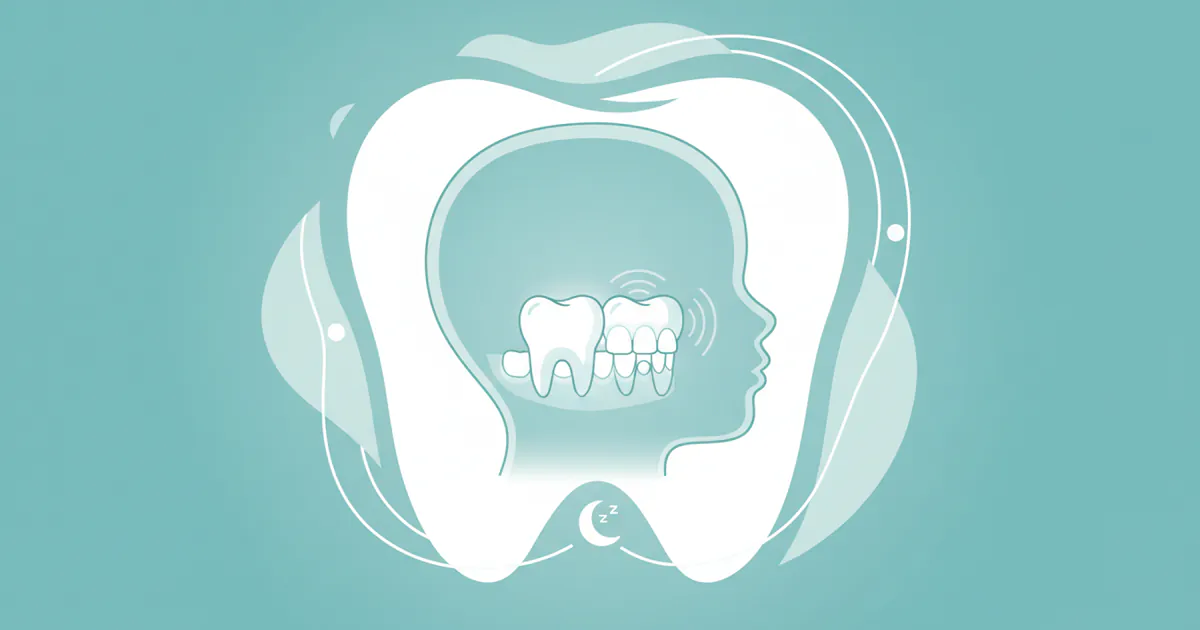
Hearing the distinct sound of your toddler grinding their teeth, especially during the quiet hours of the night, can be a startling and concerning experience for any parent. In fact, up to 3 in 10 children experience some form of bruxism – the medical term for teeth grinding or clenching – often starting in toddlerhood. While it’s a common phenomenon, frequently observed as early as 17 months of age, understanding toddler teeth grinding is crucial. Is it just a phase, or a sign of an underlying issue? This guide from SmilePedia.net will demystify this common pediatric dental concern, providing you with comprehensive, medically accurate information to help you understand why it happens, what to look for, and how to ensure your child’s dental health is protected. We’ll explore the various causes, recognize the teeth grinding symptoms, discuss effective management strategies, and provide clear guidance on when it’s time to consult a dental professional.

Key Takeaways:
Key Takeaways:
- Common Occurrence: Toddler teeth grinding (bruxism) affects up to 30% of children, often starting around 17 months, and typically resolves on its own by age 6.
- Primary Causes: Most cases are developmental, linked to jaw growth or teething, but stress, ear infections, and allergies can also be contributing factors.
- Key Symptoms: Watch for audible grinding sounds (especially at night), worn-down enamel, jaw pain (your toddler might rub their ears), and difficulty sleeping.
- Dental Evaluation: An initial dental check-up costs between $75 and $250 without insurance, while a pediatric cleaning and exam generally range from $100 to $300.
- Treatment Focus: For toddlers, treatment is usually conservative, focusing on observation, stress reduction, and addressing any underlying medical issues. Custom nightguards are rarely recommended for primary teeth.
- Potential Risks: While often harmless, prolonged or severe grinding can lead to tooth wear, sensitivity, jaw pain, and, in rare cases, chipped or fractured teeth.
- When to Act: Consult a dentist if you notice significant tooth wear, your child complains of persistent jaw pain or headaches, or if sleep is regularly disrupted.
What It Is / Overview
Toddler teeth grinding, medically known as bruxism, refers to the involuntary clenching, grinding, or rubbing of the upper and lower teeth together. While it can occur during the day (awake bruxism), it is far more common for toddlers to grind their teeth during sleep (sleep bruxism). This phenomenon is quite prevalent in young children, with estimates suggesting that between 15% and 30% of children exhibit bruxism at some point, often peaking around the age of 3 to 6 years when the primary (baby) teeth are fully erupted.
For many parents, the sound of their child's teeth grinding can be alarming – a grating, scraping noise that seems quite intense. However, it's important to understand that in the vast majority of cases, toddler bruxism is benign and a self-limiting condition, meaning it resolves on its own without intervention. It is often considered a normal part of a child's dental and physiological development. As children grow, their jaws and teeth undergo significant changes, and grinding can be a manifestation of this dynamic process. The good news is that primary teeth are incredibly resilient, and because most cases of toddler bruxism are temporary, long-term damage is uncommon. Nevertheless, recognizing the signs and understanding the potential causes allows parents to be informed and proactive when necessary.
Types / Variations of Bruxism in Toddlers
While the general term is "bruxism," it can manifest in slightly different ways, especially in young children. Understanding these variations can help parents and dental professionals better assess the situation.
Nocturnal Bruxism (Sleep Bruxism)
This is by far the most common type seen in toddlers. As the name suggests, it occurs while the child is asleep. The grinding can happen during any stage of sleep, but it is often more pronounced during lighter sleep stages or transitions between sleep cycles. Parents typically notice the characteristic grinding sound, which can range from a subtle rustle to a loud, grating noise that might even wake others in the household. Children are usually unaware they are grinding their teeth.
Diurnal Bruxism (Awake Bruxism)
Less common in toddlers compared to sleep bruxism, diurnal bruxism involves clenching or grinding teeth while the child is awake. This might be observed when a child is concentrating, stressed, or even just playing. Toddlers may not be able to verbalize that they are clenching, so parents might notice tight jaw muscles, frequent jaw movements, or even a determined, set expression on their face. Awake bruxism is often linked to stress, anxiety, or focus.
Primary vs. Secondary Bruxism
- Primary (Idiopathic) Bruxism: This type has no identifiable underlying medical or dental cause. It's often considered a developmental phenomenon. In toddlers, primary bruxism is very common and typically resolves as the child grows and their dental occlusion (how their upper and lower teeth fit together) matures. This is the "normal" type of grinding that most children experience.
- Secondary Bruxism: This occurs as a symptom or side effect of another condition or medication. In toddlers, secondary bruxism might be linked to underlying medical issues such as allergies, ear infections, sleep disorders, or even certain neurological conditions (though this is rare). Dental factors like malocclusion or erupting teeth can also contribute to secondary bruxism. Identifying and addressing the root cause is key for this type.
Causes / Why It Happens
The causes of toddler teeth grinding are multifaceted and can range from normal developmental processes to underlying medical or psychological factors. Often, it's a combination of these elements.
1. Developmental Factors
- Jaw and Tooth Development: As toddlers grow, their jaws are rapidly developing, and their primary teeth are erupting and settling into place. This period of dynamic change in the oral cavity can lead to involuntary grinding. The act of grinding may be a way for the child to explore their new bite, relieve pressure, or adjust to the sensation of new teeth emerging. For example, the eruption of molars, which have larger chewing surfaces, often coincides with the onset of grinding.
- Teething Pain: The discomfort associated with teething can sometimes manifest as grinding. Children might grind their teeth to alleviate the pain or pressure in their gums.
- Malocclusion (Misaligned Bite): While often not a major concern for primary teeth, sometimes a child's upper and lower teeth don't fit together perfectly. Minor misalignments can cause the child to unconsciously grind their teeth in an attempt to find a more comfortable or stable bite. As primary teeth are shed and permanent teeth erupt, these alignment issues often correct themselves.
2. Emotional and Psychological Factors
- Stress and Anxiety: Just like adults, toddlers can experience stress and anxiety, even if the triggers seem minor to us. Changes in routine, starting daycare, sibling rivalry, moving homes, or even minor illnesses can contribute to emotional stress, which may manifest as teeth grinding. This is particularly true for awake bruxism.
- Excitement or Hyperactivity: Some children may grind their teeth when they are overly excited or stimulated, especially before bedtime. Their bodies may be physically "winding down" but their minds are still very active.
3. Medical and Health-Related Factors
- Ear Infections and Allergies: Ear pain, often from an ear infection, can sometimes trigger bruxism. The pain can radiate to the jaw, and children might grind their teeth as a coping mechanism to relieve discomfort. Similarly, nasal congestion or difficulty breathing due due to allergies can lead to mouth breathing and an altered jaw position, potentially contributing to grinding.
- Sleep Disorders: Conditions like sleep apnea, enlarged adenoids or tonsils (which can obstruct airways), or restless leg syndrome can disrupt a child's sleep patterns. When sleep is interrupted or not restful, bruxism can be a secondary symptom. Children subconsciously grind to awaken themselves or to clear their airway.
- Nutritional Deficiencies: Though less commonly cited as a primary cause, some theories suggest a link between certain vitamin deficiencies (e.g., calcium, magnesium) and muscle spasms or neurological activity that could contribute to bruxism.
- Certain Medications: While rare in toddlers, some medications, particularly those affecting the central nervous system, can have bruxism as a side effect.
- Gastroesophageal Reflux Disease (GERD): Some research suggests a possible link between GERD and sleep bruxism, possibly due to a reflex action or discomfort.
- Neurological Conditions: In very rare instances, bruxism can be associated with certain neurological conditions, such as cerebral palsy. However, this is an uncommon cause for the general toddler population.
4. Other Factors
- Genetics: There may be a hereditary component to bruxism, with some studies suggesting a higher likelihood in children whose parents also grind their teeth.
- Pain Relief: Similar to teething, if a toddler has any discomfort in their mouth (e.g., a sore tooth, gum inflammation), they might unconsciously grind their teeth to try and alleviate the sensation.
It's crucial for parents to observe their child closely and communicate any potential contributing factors to their pediatrician and pediatric dentist. Often, identifying and addressing these underlying issues can help resolve the grinding.
Signs and Symptoms of Toddler Teeth Grinding
Recognizing the signs and symptoms of bruxism in toddlers is the first step toward understanding whether intervention is needed. While some signs are obvious, others can be subtle.
- Audible Grinding Sounds: This is often the most noticeable symptom. Parents frequently report hearing a distinct scraping or crunching sound coming from their child’s room, especially at night. The sound can vary in intensity and duration.
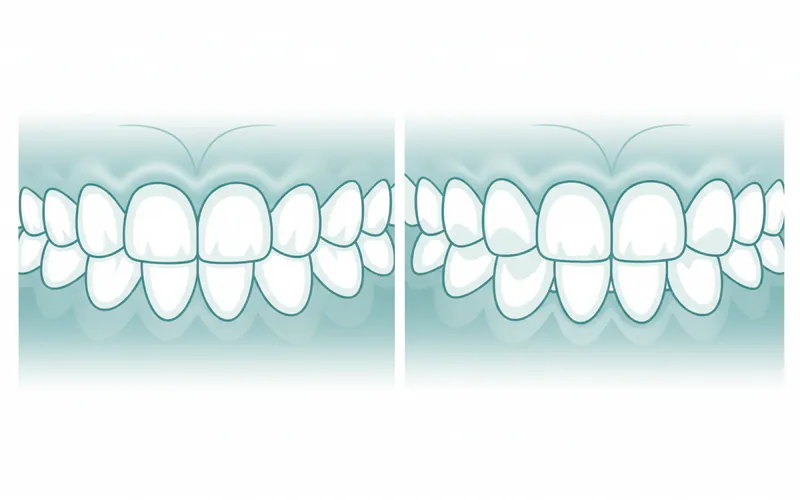
- Worn or Flattened Tooth Surfaces: Over time, persistent grinding can cause the enamel on the biting surfaces of the teeth to wear down, making them appear flattened, chipped, or unusually short. You might notice the cusps (the pointed parts of the teeth) becoming less defined. The dentin (the layer beneath the enamel) might even become exposed, appearing slightly darker or more yellow.
- Tooth Sensitivity: While difficult for a toddler to articulate, increased tooth sensitivity to hot, cold, or sweet foods and drinks can be a sign. They might flinch, pull away, or become fussy during meals.
- Jaw Pain or Fatigue: Grinding puts significant strain on the temporomandibular joints (TMJs) and the muscles surrounding the jaw. Toddlers might express this discomfort by:
- Rubbing their ears (often mistaken for an ear infection).
- Reluctance to chew hard foods.
- Waking up with a sore jaw.
- General fussiness or irritability.
- Morning Headaches or Facial Pain: Similar to jaw pain, the muscle strain from grinding can lead to headaches, particularly in the temporal region (sides of the head). Again, a toddler might not say "my head hurts" but could be more irritable or tired upon waking.
- Trouble Sleeping: While bruxism is a sleep disorder itself, it can also be a symptom of other underlying sleep disturbances, or it can disrupt a child's own sleep quality, leading to increased daytime fatigue or irritability.
- Gum Inflammation or Recession: The excessive force from grinding can sometimes contribute to inflammation of the gums or, in rare severe cases, lead to gum recession around affected teeth.
- Indentations on the Tongue or Cheeks: In some cases, the inner surfaces of the cheeks or the edges of the tongue may show indentations or scalloping marks, a sign of constant pressure against the teeth.
Pro Tip: If you suspect your toddler is grinding their teeth, keep a brief journal. Note when you hear the grinding, how often, for how long, and any related observations (e.g., child was particularly stressed that day, had a cold, complained of ear pain). This information will be invaluable for your dentist or pediatrician.
Treatment Options for Toddler Teeth Grinding
For the vast majority of toddlers, "treatment" for bruxism is focused on observation and addressing any identified underlying causes, rather than direct dental intervention. The American Dental Association (ADA) emphasizes a conservative approach for pediatric bruxism, recognizing its often transient nature.
1. Observation and Monitoring (Most Common)
- What it entails: This is the primary recommendation for most cases of toddler teeth grinding. Parents monitor their child for signs of wear, pain, or other symptoms. Regular check-ups with a pediatric dentist are crucial to assess any changes in tooth structure or jaw health.
- Pros: Non-invasive, allows the condition to resolve naturally, avoids unnecessary interventions.
- Cons: Requires vigilant parental monitoring, can still cause anxiety for parents.
2. Addressing Underlying Medical Conditions
- What it entails: If a medical cause is suspected (e.g., ear infection, allergies, enlarged tonsils/adenoids, sleep apnea), the focus shifts to treating that condition.
- Ear infections: Prompt treatment with antibiotics or other prescribed medications.
- Allergies/Congestion: Management with antihistamines, nasal sprays, or addressing environmental triggers.
- Sleep Apnea/Airway Obstruction: Referral to an ENT (Ear, Nose, and Throat) specialist for evaluation of tonsils/adenoids, or a sleep specialist for sleep studies. Treatment might involve adenotonsillectomy (surgical removal of adenoids and tonsils) in severe cases.
- Pros: Resolves the root cause, leading to cessation of grinding and improved overall health.
- Cons: Requires diagnosis of the underlying condition, which can sometimes be complex; medical treatments may have their own risks and recovery periods.
3. Stress Reduction and Behavioral Management
- What it entails: If psychological stress or anxiety is a contributing factor, creating a calm and predictable environment can be highly effective.
- Consistent Bedtime Routine: Establishing a relaxing routine (warm bath, reading a book, quiet play) can help a toddler wind down before sleep.
- Limiting Screen Time: Reducing exposure to stimulating screens (TV, tablets) before bed.
- Comfort and Reassurance: Addressing any fears or anxieties the child might have during the day.
- Massage: Gentle massage of the jaw and facial muscles before bed can help relax them.
- Pros: Promotes overall well-being, helps establish healthy habits, no side effects.
- Cons: May require consistent effort from parents, results might not be immediate.
4. Dental Interventions (Rarely for Toddlers)
Direct dental interventions are typically a last resort for toddlers, given that their primary teeth will eventually be replaced by permanent ones.
- Occlusal Adjustments: In very rare cases of severe malocclusion causing significant grinding and damage, a dentist might consider minor reshaping of the biting surfaces of specific primary teeth. This is done with extreme caution and only if absolutely necessary, as it's irreversible.
- Pros: Can address specific bite interferences.
- Cons: Irreversible, generally not recommended for primary teeth, potential for increased sensitivity.
- Nightguards (Occlusal Splints): While common for adults with bruxism, nightguards are extremely rare for toddlers.
- Why it's rare: Toddlers' jaws are rapidly growing and changing, making custom nightguards quickly obsolete. There's also a risk of choking, difficulty with compliance, and interference with natural jaw development.
- When it might be considered (extreme rarity): Only in severe cases where there is significant, irreparable damage to multiple primary teeth, persistent pain, or if the grinding is linked to a neurological condition where jaw protection is paramount. Even then, a specialized pediatric nightguard designed for growth would be used and frequently adjusted.
- Pros (if applicable): Protects teeth from wear, reduces jaw muscle strain.
- Cons: Expensive, poor compliance in toddlers, can interfere with jaw growth, choking hazard, requires frequent replacement/adjustment.
- Dental Restorations: If significant tooth wear or chipping has occurred, the dentist may recommend restorations like dental crowns or fillings to protect the affected teeth. This is usually reserved for cases where the tooth structure is severely compromised, posing a risk to the pulp or affecting chewing.
- Pros: Restores tooth function and form, protects sensitive areas.
- Cons: Invasive, can be costly, primary teeth will eventually be lost anyway.
Pro Tip: Always prioritize consulting a pediatric dentist before considering any dental intervention for your toddler's teeth grinding. They can provide the most appropriate and conservative guidance tailored to your child's developmental stage.
Step-by-Step Process for Managing Toddler Teeth Grinding
If you suspect your toddler is grinding their teeth, here's a recommended step-by-step approach:
1. Initial Observation and Documentation (Parents)
- What to do: For a few weeks, observe your child. Note when the grinding occurs (day or night), how often, how long it lasts, and what it sounds like.
- Look for: Any accompanying symptoms like jaw pain (toddler rubbing ears), irritability upon waking, difficulty sleeping, or changes in eating habits.
- Consider potential triggers: Has there been a recent change in routine? Is your child sick (ear infection, allergies)? Is a new tooth erupting? Any new stressors?
- Outcome: Gather information to share with healthcare professionals.
2. Consult Your Pediatrician
- Purpose: Discuss your observations with your child's pediatrician. They can assess for underlying medical conditions like ear infections, allergies, enlarged tonsils/adenoids, or other sleep-related issues.
- What to expect: The pediatrician may perform a physical exam, ask about your child's medical history, sleep habits, and general development. They might rule out common medical causes.
- Outcome: Rule out or identify immediate medical concerns. Referral to a pediatric dentist or specialist (ENT, sleep specialist) if needed.
3. Schedule an Appointment with a Pediatric Dentist
- Purpose: A pediatric dentist specializes in children's oral health and can accurately assess the extent of grinding and its impact on your child's teeth and jaw.
- What to expect during the visit:
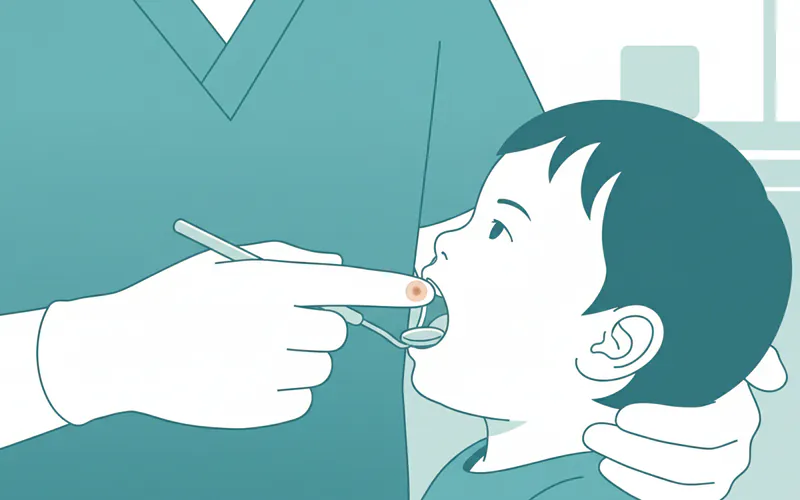
- Comprehensive Oral Exam: The dentist will carefully examine your child's teeth for signs of wear, chipping, or fractures. They will also check the gums, jaw joints, and facial muscles.
- Bite Assessment: They will evaluate your child's occlusion (how their teeth fit together) to identify any significant misalignments.
- Discussion of History: You'll share your observations, any symptoms, and your child's medical history.
- Diagnostic Tools: X-rays might be taken if there's concern about internal tooth damage or developing permanent teeth, but are often not needed solely for bruxism.
- Outcome: The dentist will provide a diagnosis regarding the severity of the bruxism and whether any intervention is necessary.
4. Implement Recommended Management Strategies
- No significant damage/pain: The most common recommendation will be continued observation. The dentist will advise on routine follow-up visits to monitor tooth wear and jaw development.
- Mild grinding with suspected stress: Implement stress-reduction techniques such as calming bedtime routines, limited screen time, and a predictable daily schedule.
- Underlying medical cause identified: Follow through with treatments prescribed by the pediatrician or specialist (e.g., medication for ear infection, allergy management, referral for sleep study or adenotonsillectomy).
- Significant tooth wear or pain (rare): The dentist may discuss options like minor occlusal adjustments (rare), dental restorations (fillings, crowns), or, in extremely rare and severe cases, a custom pediatric nightguard. This will be a detailed discussion with pros and cons specific to your child.

5. Follow-Up and Ongoing Monitoring
- Regular Dental Check-ups: Continue with your child's routine pediatric dental check-ups, typically every six months. The dentist will monitor for any changes in tooth wear, jaw development, and overall oral health.
- Parental Vigilance: Continue to observe your child for new symptoms or worsening grinding. Communicate any concerns promptly to your dentist or pediatrician.
- Adjust Strategies as Needed: As your child grows and develops, the causes and severity of bruxism may change. Be prepared to adjust management strategies in consultation with your healthcare providers.
This systematic approach ensures that your toddler receives appropriate care, addressing the issue comprehensively while avoiding unnecessary interventions.
Cost and Insurance for Toddler Teeth Grinding Management
Understanding the financial aspects of managing toddler teeth grinding is important, though often the costs are minimal as most cases require only observation. Costs can vary significantly based on geographic location within the US, the dental practice, and the specific treatments required.
Initial Consultation and Diagnosis
- Pediatric Dental Exam (without insurance): A comprehensive initial exam for a toddler typically costs between $75 and $250. This includes a visual inspection of the teeth, gums, and oral structures, and a discussion of your concerns.
- Routine Pediatric Cleaning and Exam (without insurance): If the bruxism is discovered during a routine visit, the cost for a cleaning, exam, and potentially fluoride treatment ranges from $100 to $300.
- X-rays (if needed): Bitewing X-rays (often taken yearly or every two years for children) can add $30 to $80. A panoramic X-ray (less common for toddlers unless specific concerns) could cost $100 to $250.
Treatment of Underlying Medical Conditions
If the bruxism is secondary to an underlying medical issue, the costs will depend on that specific condition and whether it falls under medical or dental insurance.
- Ear Infection Treatment: A pediatrician visit co-pay might be $10 to $50 with insurance. The antibiotic prescription itself could be $10 to $50 or more without insurance, depending on the medication.
- Allergy Management: Consultation with an allergist (referral needed) could involve a specialist co-pay of $30 to $75. Allergy medications vary widely in cost but many over-the-counter options are affordable.
- Sleep Study: If sleep apnea is suspected, a sleep study (polysomnography) can be costly, ranging from $500 to $5,000 or more, depending on whether it's an at-home or in-clinic study. This is typically covered by medical insurance if deemed medically necessary.
- Adenotonsillectomy (Tonsil and Adenoid Removal): If severe sleep apnea due to enlarged tonsils/adenoids is diagnosed, surgery might be recommended. This is a significant procedure, with costs potentially ranging from $3,000 to $8,000 or more, often substantially covered by medical insurance.
Dental Interventions (Rare for Toddlers)
- Dental Restorations (Fillings/Crowns): If severe tooth wear or chipping necessitates treatment:
- Composite filling (tooth-colored): $100 to $250 per tooth.
- Pediatric stainless steel crown: $200 to $400 per tooth.
- Zirconia pediatric crown (aesthetic): $400 to $800 per tooth.
- Custom Pediatric Nightguard (Extremely Rare): If a custom nightguard is deemed absolutely necessary (which is very uncommon for toddlers due to growth considerations), the cost could range from $300 to $800. Over-the-counter "boil and bite" guards are not suitable or safe for toddlers and their developing mouths.
Insurance Coverage
- Dental Insurance: Most standard dental insurance plans in the US will cover a significant portion (often 80-100%) of preventive care, including routine exams and cleanings. Diagnostic X-rays are also usually covered. Restorations like fillings and crowns typically have coverage (e.g., 50-80%) after a deductible. Dental insurance rarely covers nightguards for toddlers, partly because they are so uncommon for this age group, and partly because they can be considered "orthodontic" or "appliance" related.
- Medical Insurance: If an underlying medical condition (like sleep apnea, ear infections, or severe allergies) is the cause of bruxism, the diagnosis and treatment of that condition would generally fall under your medical insurance policy. This includes pediatrician visits, specialist consultations (ENT, allergist, sleep specialist), diagnostic tests (sleep studies), and surgeries (adenotonsillectomy). Co-pays, deductibles, and co-insurance will apply per your specific plan.
Payment Plans and Financing Options
- Dental Office Payment Plans: Many dental practices offer in-house payment plans, allowing you to pay for treatment costs over several months.
- Third-Party Financing: Options like CareCredit are widely used for healthcare expenses, offering interest-free promotional periods if paid in full within a certain timeframe.
- Health Savings Accounts (HSAs) / Flexible Spending Accounts (FSAs): These tax-advantaged accounts allow you to set aside pre-tax money for qualified medical and dental expenses.
Cost-Saving Tips:
- Preventive Care: Regular dental check-ups are key to early detection, which can often prevent more costly problems down the line.
- Utilize Insurance: Understand your dental and medical insurance benefits and utilize them fully.
- Ask for Estimates: Always request a detailed cost estimate from your dentist or pediatrician before proceeding with any significant treatment.
- Generic Medications: If medications are prescribed, ask your doctor if a generic version is available to save on costs.
Recovery and Aftercare
For most toddlers, "recovery" from bruxism isn't about healing from an intervention but rather a process of ongoing monitoring and, if an underlying cause was treated, seeing a reduction or cessation of grinding.
For Observation-Based Management:
- Continued Monitoring: The primary aftercare for toddler teeth grinding that doesn't require intervention is consistent parental monitoring. Continue to observe for sounds of grinding, new or worsening tooth wear, or any complaints of pain.
- Routine Dental Check-ups: Maintain your child's regular pediatric dental appointments (typically every six months). These visits are crucial for the dentist to periodically assess the teeth, gums, and jaw development, and to track any changes related to bruxism.
- Maintain Stress-Reducing Routines: If stress was identified as a potential factor, diligently continue with calming bedtime routines, limit overstimulation, and ensure a predictable home environment.
- Good Oral Hygiene: Ensure your toddler practices excellent oral hygiene to protect their teeth, especially if there's any enamel wear. Brushing twice daily with fluoride toothpaste (age-appropriate amount) and flossing once a day (once teeth are touching) is essential.
After Treatment of Underlying Medical Conditions:
- Follow Physician's Instructions: If your child received treatment for an ear infection, allergies, or underwent surgery for sleep apnea, meticulously follow all post-treatment instructions from their pediatrician or specialist.
- Monitor for Improvement: Observe if the grinding decreases or stops once the underlying medical condition is resolved. It might not cease immediately, as habits can take time to break.
- Continue Dental Monitoring: Even if the medical cause is resolved, continue regular dental check-ups to monitor the overall health of their teeth and jaw.
After Dental Interventions (Rare):
- For Fillings/Crowns: Follow post-procedure instructions from your dentist regarding diet and oral hygiene. Ensure the child doesn't pick at the new restoration. Schedule follow-up appointments to ensure the restoration is stable and comfortable.
- For Nightguards (Extremely Rare): If a custom nightguard was provided, ensure your child wears it as directed (which can be a challenge for toddlers). Regular dental visits will be needed to adjust or replace the nightguard frequently due to the child's rapid jaw growth. Meticulous cleaning of the nightguard is also vital.
The key to aftercare for toddler teeth grinding is patience, consistency in routines, and proactive communication with your child's healthcare providers. Most children outgrow bruxism without any lasting issues, and supportive care is often the most effective approach.
Prevention of Toddler Teeth Grinding
While it's not always possible to completely prevent toddler teeth grinding, especially the primary, developmental kind, there are several proactive steps parents can take to minimize its occurrence or severity, particularly when contributing factors are known.
1. Promote a Calm and Stress-Free Environment
- Consistent Bedtime Routine: Establish a predictable and relaxing routine before bed. This might include a warm bath, quiet storytime, soft music, or gentle massage. Consistency signals to the child that it’s time to wind down, reducing pre-sleep anxiety.
- Limit Evening Stimulation: Avoid exciting games, stimulating television shows, or electronic devices for at least an hour before bedtime. Blue light from screens can disrupt sleep patterns.
- Address Anxieties: Talk to your child about any changes or worries they might have. Offer reassurance and comfort if they are experiencing stress due to new siblings, starting daycare, or other life adjustments.
- Quiet Play: Encourage quiet, imaginative play in the evenings rather than highly energetic activities.
2. Ensure Optimal Sleep Hygiene
- Comfortable Sleep Environment: Ensure the child’s bedroom is dark, quiet, and at a comfortable temperature.
- Regular Sleep Schedule: Stick to consistent bedtimes and wake-up times, even on weekends, to regulate your child’s internal clock.
- Adequate Sleep: Make sure your toddler is getting enough sleep for their age, which is typically 11-14 hours (including naps) for 1-2 year olds, and 10-13 hours for 3-5 year olds. Overtiredness can sometimes exacerbate bruxism.
3. Address Medical and Dental Issues Promptly
- Regular Pediatric Check-ups: Ensure your child has routine check-ups with their pediatrician to catch and treat common childhood ailments like ear infections or allergies early.
- Routine Dental Visits: Schedule regular pediatric dental visits starting from the eruption of the first tooth or by age one. Early and consistent dental care can help identify potential bite issues or other oral health concerns before they become problematic.
- Manage Allergies and Asthma: If your child suffers from allergies or asthma, work with your pediatrician or allergist to manage these conditions effectively, as breathing difficulties can sometimes contribute to sleep bruxism.
4. Provide Adequate Oral Stimulation During the Day
- Chewy Foods: Offer age-appropriate crunchy or chewy foods during the day (e.g., apple slices, carrots, teething biscuits) to give their jaws and teeth a "workout," potentially reducing the urge to grind at night.
- Teething Aids: If your toddler is teething, provide safe teething toys or rings to help relieve gum discomfort, which might reduce the impulse to grind.
While these preventative measures cannot guarantee an end to toddler teeth grinding, they create a supportive environment that addresses many of the common contributing factors, promoting overall health and potentially reducing the incidence or severity of bruxism.
Risks and Complications of Toddler Teeth Grinding
While most cases of toddler teeth grinding are benign and self-limiting, persistent or severe bruxism can lead to several risks and complications. It's important for parents and dentists to monitor for these issues, especially if the grinding continues as permanent teeth begin to erupt.
1. Tooth Wear and Damage
- Enamel Erosion: The most common complication is the wearing down of tooth enamel, the hard outer layer of the teeth. This can lead to flattened cusps (the pointed parts of the teeth), which reduces the effectiveness of chewing.
- Dentin Exposure: If grinding is severe and prolonged, the enamel can wear away completely, exposing the softer dentin underneath. Dentin is more susceptible to decay and can lead to increased tooth sensitivity.
- Chipped or Fractured Teeth: In rare, severe cases, the intense forces of grinding can cause small chips or even fractures in the primary teeth. This can be painful and may require dental intervention.
- Increased Sensitivity: Exposed dentin or general wear can make teeth sensitive to hot, cold, sweet, or acidic foods and drinks.
2. Jaw Pain and Dysfunction
- Muscle Soreness: The constant clenching and grinding puts significant strain on the masticatory muscles (jaw muscles), leading to soreness, fatigue, or stiffness, especially upon waking. Toddlers might express this as ear pain or reluctance to chew.
- Temporomandibular Joint (TMJ) Issues: Persistent bruxism can place excessive stress on the temporomandibular joints, which connect the jawbone to the skull. While rare in toddlers, prolonged grinding can contribute to the development of TMJ disorders (TMDs) later in life, characterized by jaw pain, clicking/popping sounds, and difficulty opening or closing the mouth.
3. Headaches and Facial Pain
- The muscular tension from bruxism can extend beyond the jaw, leading to tension headaches, particularly in the temporal region (sides of the head), or general facial pain. Again, toddlers may not vocalize this directly but might seem more irritable or tired in the mornings.
4. Sleep Disturbances
- While bruxism is often a sleep-related movement disorder, severe grinding can itself disrupt the child's sleep quality, leading to daytime fatigue, irritability, and difficulty concentrating. It can also disrupt the sleep of parents or siblings due to the noise.
5. Impact on Permanent Teeth
- While primary teeth are tough, and most grinding resolves before permanent teeth fully erupt, severe, prolonged grinding that extends into later childhood can potentially affect the developing permanent teeth or cause issues once they have erupted. Damage to primary teeth can, in very rare instances, affect the eruption path or health of the underlying permanent teeth.

It's important to reiterate that these complications are relatively uncommon in toddlers, as their bruxism is usually mild and temporary. However, understanding these potential risks underscores the importance of regular dental check-ups and open communication with your pediatric dentist. Early identification of significant wear or persistent symptoms allows for timely intervention, mitigating the chances of long-term damage.
Children / Pediatric Considerations for Toddler Teeth Grinding
Toddler teeth grinding has unique considerations due to the child's developmental stage, the nature of primary teeth, and their limited ability to communicate symptoms. These factors heavily influence how pediatric dentists approach diagnosis and management.
The Developing Oral System
- Rapid Growth: A toddler's jaw and facial bones are growing and changing rapidly. This constant state of flux means that their bite is constantly adjusting. Grinding can be a natural response to this developmental process, helping the child's jaw muscles and teeth "find" their new positions.
- Primary Teeth Are Different: Baby teeth (primary dentition) are not as sensitive as permanent teeth and are naturally more resilient to wear. They are also temporary, designed to fall out eventually. This means that minor wear on primary teeth from grinding is usually not a cause for concern, as they will be replaced. The ADA generally advises against aggressive intervention for bruxism in primary teeth unless there is severe damage or pain.
- Eruption Schedule: The timing of teeth grinding often coincides with the eruption of new primary teeth, particularly the molars (around 12-30 months), which have larger chewing surfaces. The sensation of these new teeth coming in can trigger grinding.
Communication Barriers
- Toddlers cannot articulate pain, sensitivity, or jaw stiffness in the same way adults can. Parents must rely on observing behavioral cues (e.g., rubbing ears, irritability, difficulty chewing, altered sleep patterns) to infer discomfort. This makes accurate diagnosis more reliant on careful parental observation and dental examination.
Conservative Approach to Treatment
- Observation First: For these reasons, the first line of "treatment" for toddler teeth grinding is almost always observation and parental education. Most cases resolve spontaneously by the time permanent teeth begin to erupt (around age 6-7).
- Rarely Nightguards: Custom nightguards, common for adults, are rarely used for toddlers. They can interfere with jaw growth, are difficult for a toddler to wear consistently, and pose potential choking hazards. Their rapid growth would also render a custom guard obsolete very quickly. Only in extreme cases of severe, irreversible damage to multiple teeth, or for children with specific medical/neurological conditions, might a highly specialized and frequently adjusted pediatric nightguard be considered.
- Focus on Underlying Causes: Pediatric dentists will prioritize identifying and addressing any contributing factors, such as ear infections, allergies, or stress. Treating these underlying issues often resolves the grinding.
Parental Role
- Active Observation: Parents play a crucial role in documenting the grinding, identifying potential triggers, and noting any associated symptoms. This information is invaluable for the pediatric dentist.
- Creating a Calming Environment: Implementing good sleep hygiene and stress-reduction techniques is often the most effective "treatment" parents can provide.
- Regular Dental Visits: Adhering to the ADA's recommendation for regular pediatric dental visits is paramount. These visits allow the dentist to monitor the health of the primary teeth and jaw development, ensuring that any significant issues are caught early.
Understanding these pediatric-specific considerations helps ensure that children receive appropriate, age-sensitive care for teeth grinding, balancing vigilance with the knowledge that it's often a normal, transient phase.
Comparison Table: Common Causes of Toddler Bruxism
Understanding the range of potential causes can help parents and dental professionals identify contributing factors.
| Category | Specific Cause | Description | Typical Onset | Severity Implication |
|---|---|---|---|---|
| Developmental | Teething/Tooth Eruption | Discomfort or sensation of new teeth (especially molars) emerging can lead to grinding to relieve pressure or explore new bite. | 12-30 months | Usually mild & transient |
| Jaw Growth/Bite Adjustment | As jaws grow and teeth settle, children may grind to find a comfortable occlusion or adapt to changes. | 18 months-6 years | Usually mild & transient | |
| Emotional/Behavioral | Stress/Anxiety | Responses to changes (new sibling, daycare, moving), overstimulation, or general tension can manifest as grinding. | Any age | Varies, can be persistent |
| Excitement/Hyperactivity | Highly energetic or excited children, especially before bed, may grind as a way to release excess energy or wind down. | Any age | Usually mild & transient | |
| Medical | Ear Infections/Pain | Pain radiating to the jaw can cause children to grind teeth as a coping mechanism to relieve discomfort. | Any age | Resolves with treatment |
| Allergies/Nasal Congestion | Obstructed nasal passages can lead to mouth breathing, altering jaw position and potentially triggering grinding. | Any age | Resolves with treatment | |
| Sleep Disorders (e.g., Sleep Apnea) | Disrupted sleep patterns or difficulty breathing during sleep can cause grinding as the body tries to awaken or clear the airway. | Any age | Can be severe & persistent | |
| Certain Medications (Rare) | Less common in toddlers, but some medications affecting the central nervous system can list bruxism as a side effect. | Any age | Resolves upon cessation | |
| Dental | Malocclusion (Minor) | Slight misalignments in the bite can cause a child to grind in an attempt to find a more comfortable position (often self-corrects). | 2-6 years | Usually mild & transient |
Comparison Table: Management Strategies for Toddler Bruxism
Different approaches are employed depending on the severity and identified causes of toddler teeth grinding.
| Strategy | Description | Pros | Cons | Cost Range (US) | Timeline |
|---|---|---|---|---|---|
| Observation & Monitoring | Regular parental observation and routine dental check-ups to track wear and symptoms. | Non-invasive, most cases resolve naturally, minimal cost. | Can cause parental anxiety, requires consistent vigilance. | $75 - $250 (Dental Exam) | Ongoing, until resolution |
| Stress Reduction | Implementing calming bedtime routines, limiting stimulation, addressing emotional triggers. | Promotes overall well-being, no side effects, holistic approach. | Requires consistent parental effort, results may not be immediate. | Free - $0 | Ongoing |
| Treating Underlying Medical Conditions | Addressing issues like ear infections, allergies, or sleep apnea (e.g., medication, surgery). | Resolves root cause, improves overall health, grinding often stops. | Requires accurate diagnosis, medical treatments have own risks/costs. | $10 - $8,000+ | Varies (days for infection, months for sleep study) |
| Dental Restorations | Filling or crowning teeth that have experienced significant wear or chipping. | Restores tooth function, prevents further damage, reduces sensitivity. | Invasive, can be costly, primary teeth will eventually be lost. | $100 - $800 per tooth | 1-2 visits |
| Custom Nightguard | Custom-made oral appliance to protect teeth from grinding (extremely rare for toddlers). | Protects teeth from wear, reduces jaw strain (if used). | Extremely rare for toddlers, interferes with jaw growth, compliance issues, choking risk, costly. | $300 - $800+ (if custom) | Every 6-12 months replacement |
Frequently Asked Questions
Is toddler teeth grinding normal?
Yes, toddler teeth grinding (bruxism) is remarkably common and often considered a normal developmental phase. Up to 30% of children experience it, typically between the ages of 17 months and 6 years, usually resolving on its own without intervention.
When should I be concerned about my toddler grinding their teeth?
While often harmless, you should be concerned and consult a dentist if you notice significant tooth wear (flattened, chipped, or sensitive teeth), if your child complains of persistent jaw pain or headaches, or if the grinding is causing significant sleep disturbances.
Can toddler teeth grinding damage my child's teeth?
In most cases, no. Primary teeth are resilient, and the grinding is usually intermittent. However, severe, prolonged grinding can lead to excessive tooth wear, sensitivity, minor chips, or, in very rare instances, more significant damage that may require restorative dental work.
What are the common causes of toddler teeth grinding?
The most common causes include developmental factors (jaw growth, teething), emotional stress or anxiety, and underlying medical conditions like ear infections, allergies, or sleep disorders. Sometimes, minor bite misalignments can also contribute.
Do toddlers need a night guard for teeth grinding?
No, night guards are almost never recommended for toddlers. Their jaws are rapidly growing, making custom guards quickly obsolete and potentially interfering with natural development. There's also a risk of choking, and compliance is very difficult for young children.
How can I help my toddler stop grinding their teeth?
Often, the best approach is to address potential underlying causes. This includes establishing a calm bedtime routine, reducing stress and overstimulation, and ensuring any medical issues like ear infections or allergies are treated. A pediatric dentist can provide tailored advice.
Does insurance cover the diagnosis and treatment of toddler teeth grinding?
Dental insurance typically covers diagnostic visits (exams, X-rays) and any necessary dental restorations for damage. Medical insurance usually covers the diagnosis and treatment of underlying medical conditions (e.g., pediatrician visits, sleep studies, ENT consultations for sleep apnea) if they are causing the grinding.
Will toddler teeth grinding go away on its own?
For the vast majority of children, yes, toddler teeth grinding is a self-limiting condition that resolves spontaneously, often by the time their permanent teeth begin to erupt around age 6 or 7.
Can teething cause my toddler to grind their teeth?
Yes, teething discomfort or the sensation of new teeth (especially molars) erupting can definitely be a trigger for grinding. Children may unconsciously grind their teeth to relieve pressure or explore the new sensations in their mouth.
Is there a link between toddler teeth grinding and allergies?
Yes, there can be a link. Nasal congestion or breathing difficulties caused by allergies can lead to mouth breathing and an altered jaw position during sleep, which may contribute to or exacerbate sleep bruxism in some toddlers.
When to See a Dentist
While toddler teeth grinding is often harmless, knowing when to seek professional dental advice is crucial. Here are clear warning signs and guidance for when to make that appointment:
Immediate Attention (Red Flags):
- Significant Tooth Damage: If you notice obvious chips, cracks, or severe flattening and wear on your toddler's teeth, especially if the underlying dentin (yellowish layer beneath enamel) is exposed. This suggests the grinding is intense and causing structural damage.
- Persistent or Severe Pain: If your child frequently complains of jaw pain, tooth sensitivity (flinching from hot/cold), or headaches upon waking that you suspect are related to grinding. Toddlers might rub their ears frequently or be unusually fussy when chewing.
- Difficulty Eating or Chewing: If the grinding seems to be impacting your child's ability to eat comfortably, or they are avoiding certain foods due to pain or sensitivity.
- Sleep Disruption: If the grinding is so severe that it consistently wakes your child (or you) at night, leading to daytime fatigue, irritability, or other sleep-related issues.
Scheduled Appointment (Routine Care Guidance):
- First Observation: If you've recently started hearing or noticing your toddler grinding their teeth, even if there are no immediate alarming symptoms, it's a good idea to mention it at their next scheduled pediatric dental check-up. This allows the dentist to monitor the situation.
- Concerns about Underlying Causes: If you suspect stress, allergies, or ear infections might be contributing to the grinding, discuss this with your pediatrician and dentist. While the pediatrician handles medical concerns, the dentist can assess the oral impact.
- No Resolution: If the grinding persists beyond age 6 or 7, particularly as permanent teeth begin to erupt, a comprehensive dental evaluation is warranted to ensure no long-term issues are developing.
- Parental Anxiety: Even if the dentist assures you it's often normal, if your parental anxiety about the grinding is high and interfering with your peace of mind, a check-up can offer reassurance or a plan for monitoring.
Remember, early detection and regular communication with your pediatric dentist are key to managing toddler teeth grinding effectively, ensuring your child's oral health and overall well-being.
Frequently Asked Questions
Medically Reviewed Content
This article was written by our dental health editorial team and reviewed for medical accuracy. Our content follows strict editorial guidelines for reliability and trustworthiness.
Medical Disclaimer
This article is for informational purposes only and does not constitute medical advice. Always consult with a qualified dental professional for diagnosis and treatment. Do not delay seeking professional advice because of something you read on this website.
Related Articles

What Causes Teeth Grinding in Sleep
More than one in ten adults—and even more children—clench or grind their teeth during sleep, a condition known medically as sleep bruxism. For many, it's an unconscious habit that goes unnoticed until significant damage or discomfort arises. Waking up with a dull, constant headache, jaw pain, or
February 23, 2026
How to Not Grind Teeth at Night
More than one in ten adults and a significant percentage of children experience teeth grinding, medically known as bruxism, a condition that often goes unnoticed, especially when it occurs during sleep. If you've woken up with a sore jaw, a dull headache, or noticed your teeth becoming unusually
February 23, 2026
What Is Jaw Clenching
Do you often wake up with a dull headache, a sore jaw, or unexplained tooth sensitivity? You're not alone. Approximately 1 in 10 adults and up to 3 in 10 children experience some form of bruxism, a condition characterized by grinding, gnashing, or clenching your teeth. At the heart of this wides
February 23, 2026
Severe Bruxism Molars: Complete Guide
When the quiet of the night is shattered by a grinding, grating sound, or when you wake up with an aching jaw and teeth that feel oddly sensitive, it’s often a sign of bruxism. But what happens when this condition intensifies, leading to significant damage, especially to your back teeth? This is the
February 23, 2026