Tmj Jaw: Complete Guide
Key Takeaways
- For many Americans, a simple yawn, a hearty laugh, or even a bite into a delicious meal can be an unexpected source of discomfort, frustration, and pain. This often points to issues with the TMJ jaw, or the temporomandibular joint – a complex hinge connecting your jawbone to your skull. Affectin
For many Americans, a simple yawn, a hearty laugh, or even a bite into a delicious meal can be an unexpected source of discomfort, frustration, and pain. This often points to issues with the TMJ jaw, or the temporomandibular joint – a complex hinge connecting your jawbone to your skull. Affecting an estimated 10 million Americans, temporomandibular joint disorders (TMDs) are among the most common chronic pain conditions, often leading to debilitating symptoms that significantly impact daily life. From persistent headaches and facial pain to disruptive sounds like jaw clicking on one side, understanding this crucial joint and its potential problems is vital for maintaining your overall health and well-being.
At SmilePedia.net, our mission is to empower you with comprehensive, medically accurate information to navigate your dental health journey. This guide will delve deep into the intricacies of the TMJ, exploring its anatomy, the diverse range of conditions that fall under the umbrella of TMD, their common causes, and the tell-tale signs and symptoms. We'll meticulously cover every aspect of how to treat TMJ, from conservative, at-home remedies to advanced medical and surgical interventions, complete with a detailed look at costs, insurance, and recovery expectations. By the end of this article, you'll have a complete roadmap to understanding, managing, and ultimately finding relief from TMJ-related issues.
Key Takeaways:
- TMJ Jaw Disorder Prevalence: Affects over 10 million Americans, with women more commonly diagnosed than men.
- Common Symptoms: Include jaw pain, facial pain, headaches, earaches, limited jaw movement, and audible sounds like jaw clicking on one side or popping.
- Initial Treatment: Often begins with conservative, non-invasive methods such as self-care, physical therapy, over-the-counter pain relievers, and custom oral splints (mouthguards).
- Oral Splint Costs: Custom-fitted TMJ splints typically range from $300 to $2,500, depending on material and complexity, with some insurance coverage possible.
- Physical Therapy Benefits: A highly effective initial treatment, often requiring 6-12 sessions over 2-3 months, costing $50-$200 per session (often covered by health insurance).
- Surgical Options: Reserved for severe cases unresponsive to conservative care; procedures like arthrocentesis cost $1,500-$5,000, while open-joint surgery can range from $15,000-$50,000, usually covered by medical insurance if deemed medically necessary.
- Recovery Timeline: Varies widely; conservative treatments may show improvement in weeks, while surgical recovery can take several months.
What Is the TMJ Jaw? An Overview of Temporomandibular Joint Disorders (TMD)
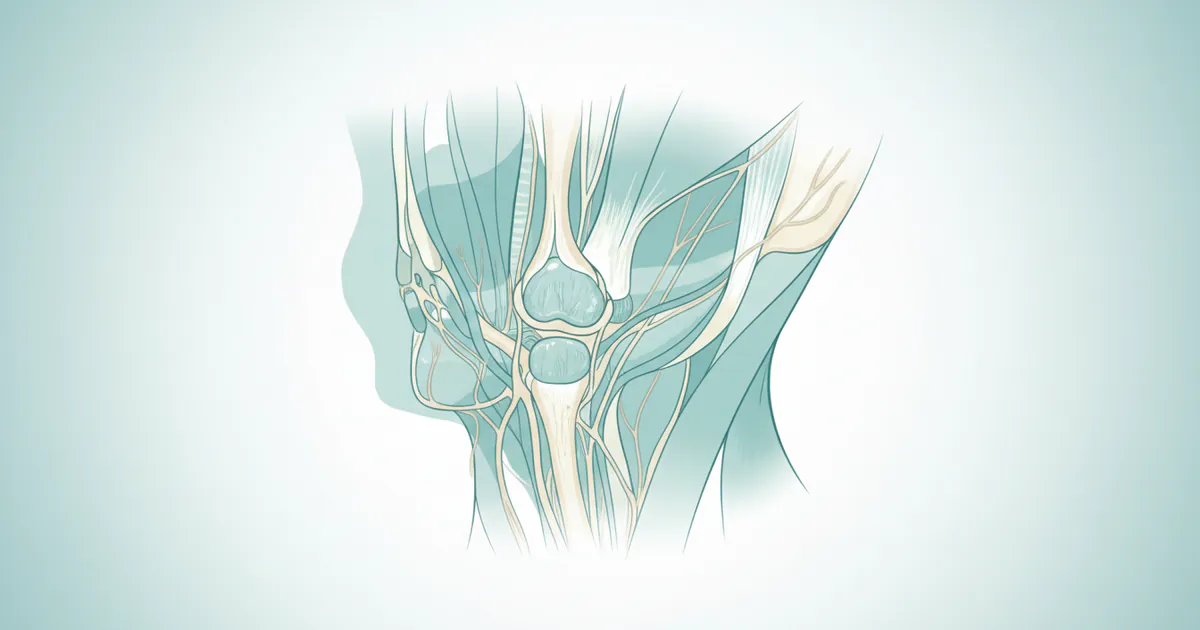
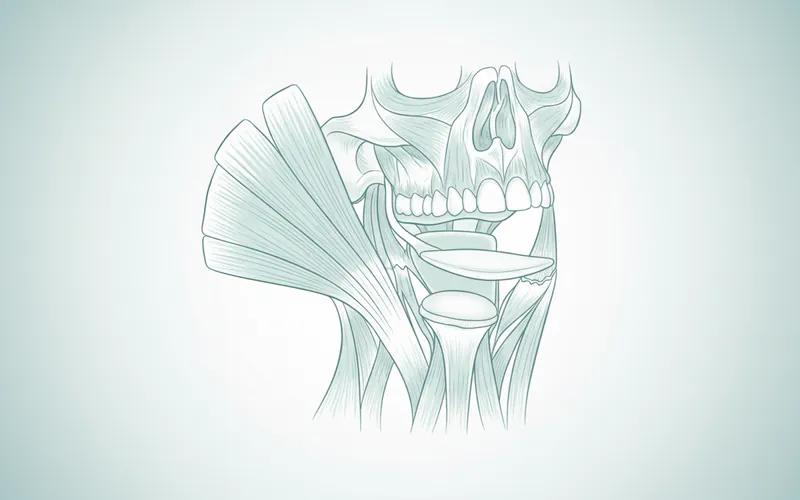
The temporomandibular joint, or TMJ, is one of the most complex joints in the human body, acting as a sliding hinge that connects your mandible (lower jawbone) to the temporal bones of your skull, located directly in front of each ear. You have two TMJs, one on each side of your head. These joints are essential for crucial daily functions such as talking, chewing, swallowing, and yawning.

Within each TMJ, a small, oval-shaped, cartilaginous disc acts as a cushion between the bones, allowing for smooth, frictionless movement. This disc, along with surrounding ligaments, tendons, and the powerful masticatory muscles (like the masseter, temporalis, and pterygoids), orchestrates the intricate ballet of jaw movement. When any component of this delicate system – the joint itself, the muscles, or the surrounding nerves – experiences dysfunction, inflammation, or damage, it results in a temporomandibular joint disorder (TMD). The term "TMJ jaw" is commonly used by patients to describe these conditions, although technically, TMJ refers to the joint itself, and TMD refers to the disorder.
TMDs are a class of conditions, not a single problem, characterized by pain and dysfunction in the jaw joint and the muscles that control jaw movement. According to the National Institute of Dental and Craniofacial Research (NIDCR), TMDs are more prevalent in women than men, especially those of childbearing age, though the reasons for this disparity are not fully understood. Untreated, TMD can lead to chronic pain, affecting quality of life and potentially exacerbating other health issues like migraines and sleep disturbances.
Types of TMJ Jaw Disorders
TMDs are broadly categorized into three main types, although patients often experience a combination of these:
1. Myofascial Pain
This is the most common type of TMD, characterized by pain or discomfort in the muscles that control jaw function (masseter, temporalis, medial and lateral pterygoid muscles), as well as in the neck and shoulder muscles. The pain often stems from muscle overuse, tension, fatigue, or spasm. It doesn't necessarily involve a problem with the joint structure itself, but rather the surrounding soft tissues.
Characteristics:
- Dull, aching pain in the jaw, face, neck, or shoulders.
- Pain that worsens with jaw movement.
- Tenderness in the jaw muscles when touched.
- Often linked to stress, teeth grinding (bruxism), or clenching.
2. Internal Derangement of the Joint
This category involves problems within the joint itself, primarily involving the articular disc. The disc can be displaced, dislocated, or suffer from structural damage.
Subtypes of Internal Derangement:
- Disc Displacement with Reduction: The disc is out of its normal position when the jaw is at rest but snaps back into place when the jaw opens or moves. This often causes a jaw clicking on one side or popping sound as the disc repositions. The jaw movement is usually smooth after the click.
- Disc Displacement without Reduction: The disc remains out of place even when the jaw moves. This can lead to limited jaw opening (lockjaw) and often causes a grating sensation or no sound at all, as the disc is no longer moving freely.
- Disc Perforation/Degeneration: The disc can become worn down, torn, or perforated over time, leading to direct bone-on-bone contact and pain.
3. Degenerative Joint Disease
This refers to conditions like osteoarthritis or rheumatoid arthritis that affect the TMJ, causing inflammation and breakdown of the joint's cartilage and bone structure.
Characteristics:
- Pain, stiffness, and reduced jaw mobility, often worse in the morning.
- Grating or creaking sounds (crepitus) during jaw movement.
- X-ray evidence of degenerative changes in the joint.
Understanding which type of TMD you have is crucial for your dentist or specialist to formulate the most effective how to treat TMJ plan.
Causes of TMJ Jaw Disorders: Why It Happens
The exact cause of TMD is often complex and multifactorial, meaning several factors can contribute to its development. In many cases, no single cause can be identified. However, common contributing factors include:
- Bruxism (Teeth Grinding and Clenching): This is one of the most significant contributors. Chronic clenching or grinding, especially during sleep, puts immense pressure on the TMJ and surrounding muscles, leading to inflammation, fatigue, and pain.
- Trauma to the Jaw, Head, or Neck: A direct blow, whiplash injury, or even a dental procedure that requires keeping the mouth open for extended periods can injure the TMJ or its associated structures.
- Stress and Anxiety: Emotional stress often manifests physically, leading to increased muscle tension in the jaw and face. This can trigger or worsen bruxism and myofascial pain.
- Malocclusion (Bad Bite): While historically thought to be a primary cause, current research suggests that malocclusion alone is rarely the sole cause of TMD. However, a significant bite discrepancy can place uneven stress on the TMJ and contribute to symptoms.
- Arthritis: Various forms of arthritis, such as osteoarthritis (wear and tear) or rheumatoid arthritis (autoimmune inflammatory condition), can affect the TMJ, just like any other joint in the body, leading to pain and dysfunction.
- Connective Tissue Diseases: Conditions like Ehlers-Danlos syndrome or fibromyalgia can predispose individuals to TMD due to joint hypermobility or widespread musculoskeletal pain.
- Habitual Behaviors: Habits like excessive gum chewing, nail biting, or frequent wide yawning can strain the jaw joint and muscles over time.
- Genetics: Some individuals may have a genetic predisposition to chronic pain conditions, including TMD.
It's important to note that sometimes, even seemingly minor factors can trigger TMD symptoms, especially if other underlying predispositions exist.
Signs and Symptoms of TMJ Jaw Disorders: What to Look For
The symptoms of TMD can vary widely in intensity and presentation. They can be intermittent or constant, mild or severe, and may affect one or both sides of the face. If you experience any of the following, it's advisable to consult a dental professional experienced in TMD:
- Pain or Tenderness in the Jaw: This is the most common symptom, often felt in the joint area, the muscles around the jaw, or extending into the face, ear, neck, and shoulders. The pain can be dull and aching or sharp and searing.
- Pain in or Around the Ear: Often mistaken for an ear infection, TMJ pain can radiate to the ear, causing earaches, fullness, or ringing (tinnitus).
- Headaches: Frequent tension-type headaches, migraines, or headaches that start around the temples and behind the eyes are common.
- Difficulty or Discomfort While Chewing: Pain while eating, or a sensation that your bite feels "off" or uncomfortable.
- Clicking, Popping, or Grating Sounds: Audible sounds when opening or closing your mouth. A distinctive jaw clicking on one side or both, or a grating (crepitus) sound, especially without pain, may not always indicate a problem, but if accompanied by pain or limited movement, it's a concern.
- Limited Jaw Movement or "Locking": The jaw may get "stuck" in an open or closed position, making it difficult to fully open or close your mouth. This can be frightening and very uncomfortable.
- Facial Swelling: Inflammation around the jaw joint can sometimes lead to visible swelling on one or both sides of the face.
- Muscle Spasms: Muscles of the jaw may feel stiff or go into spasm, making movement painful.
- Dizziness: In some cases, TMD can contribute to feelings of dizziness or vertigo.
It's crucial to pay attention to these symptoms, especially if they persist or worsen, as early intervention can often prevent the condition from becoming chronic or more severe.
Treatment Options for TMJ Jaw Disorders: How to Treat TMJ
The approach to how to treat TMJ is typically conservative and non-invasive, starting with the least aggressive methods. The goal is to reduce pain, restore normal jaw function, and prevent recurrence. Only a small percentage of patients require surgical intervention.
1. Conservative (Non-Invasive) Treatments
The vast majority of TMD cases respond well to conservative management. These treatments focus on pain relief, muscle relaxation, and habit modification.
a. Self-Care and Lifestyle Modifications
- Soft Diet: Eating soft foods reduces the workload on the jaw muscles and joint. Avoid tough, chewy, or crunchy foods, and cut food into small pieces.
- Heat/Cold Therapy: Applying moist heat or an ice pack to the affected area can help relieve muscle pain and inflammation. Alternate between the two for 15-20 minutes several times a day.
- Gentle Jaw Stretches and Exercises: Under the guidance of a dentist or physical therapist, specific exercises can improve jaw mobility and reduce muscle tension.
- Stress Management: Techniques like yoga, meditation, deep breathing exercises, and counseling can significantly reduce muscle tension caused by stress, a common TMD trigger.
- Avoid Extreme Jaw Movements: Limit wide yawning, excessive gum chewing, nail biting, and holding a phone between your ear and shoulder.
- Good Posture: Maintaining proper head and neck posture, especially while working at a computer, can reduce strain on the jaw muscles.
b. Medications
- Over-the-Counter (OTC) Pain Relievers: Non-steroidal anti-inflammatory drugs (NSAIDs) like ibuprofen (Advil, Motrin) or naproxen (Aleve) can reduce pain and inflammation.
- Prescription Medications:
- Muscle Relaxants: Such as cyclobenzaprine or tizanidine, can help alleviate muscle spasms and tension, especially useful for nighttime symptoms.
- Anti-inflammatories: Stronger prescription NSAIDs may be used for acute pain.
- Antidepressants: Low doses of tricyclic antidepressants (e.g., amitriptyline) can help manage chronic pain, improve sleep, and reduce teeth grinding, even in individuals not experiencing depression.
- Corticosteroids: Occasionally, a short course of oral corticosteroids may be prescribed for severe inflammation.
c. Oral Appliances (Splints or Mouthguards)
Custom-made oral appliances are a cornerstone of TMD treatment, especially for bruxism and disc displacement.
- Stabilization Splints (Occlusal Splints): These hard acrylic devices fit over your upper or lower teeth, creating an even bite surface. They are worn primarily at night, or sometimes during the day.
- Pros: Protect teeth from wear due to grinding, redistribute bite forces, reduce muscle activity, promote jaw relaxation, can help reposition the disc. Highly effective for myofascial pain and some disc displacements.
- Cons: Can be expensive, requires custom fitting by a dentist, may feel bulky initially, needs regular cleaning and adjustments.
- Repositioning Splints: Less commonly used, these splints are designed to hold the jaw in a specific position to keep the articular disc properly aligned.
- Pros: Can provide immediate relief for certain disc displacement issues.
- Cons: Often a temporary solution, requires close monitoring, can sometimes lead to permanent bite changes if not managed carefully.
Pro Tip: Always opt for a custom-fitted oral appliance from your dentist. OTC "boil-and-bite" mouthguards are generally not recommended for TMD as they can sometimes worsen the condition by shifting your bite or providing inadequate support.
d. Physical Therapy
A physical therapist specializing in craniomandibular disorders can provide significant relief.
- Manual Therapy: Techniques like massage, trigger point release, and joint mobilization to reduce muscle tension and improve joint mobility.
- Therapeutic Exercises: Specific stretches and strengthening exercises for the jaw and neck muscles.
- Posture Training: Education on proper posture to alleviate strain on the TMJ.
- Modalities: Ultrasound, TENS (transcutaneous electrical nerve stimulation) therapy, or laser therapy to reduce pain and inflammation.
e. Injections
- Corticosteroid Injections: Directly into the joint (intra-articular) to reduce inflammation and pain, often for arthritic conditions.
- Botulinum Toxin (Botox) Injections: Injected into overactive jaw muscles (e.g., masseter, temporalis) to temporarily relax them, reducing grinding and clenching, and alleviating pain. Effects typically last 3-6 months. This is often considered after other conservative treatments have failed.
2. Advanced (Surgical) Treatments
Surgical options are generally considered a last resort when conservative treatments have failed to provide relief and the patient's quality of life is severely impacted, or in cases of severe structural damage to the joint.
a. Arthrocentesis
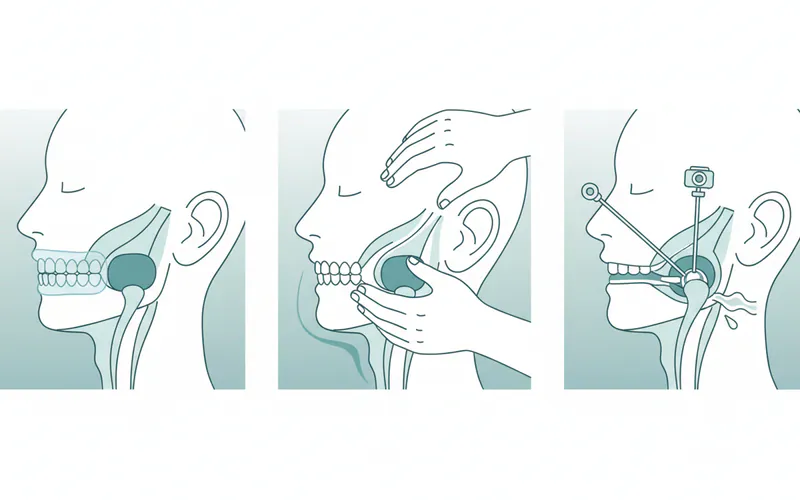
- What it is: A minimally invasive procedure where needles are inserted into the joint to lavage (wash out) inflammatory byproducts and adhesions, and sometimes inject corticosteroids or hyaluronic acid.
- Pros: Minimally invasive, relatively quick recovery, can improve disc mobility and reduce pain.
- Cons: Not suitable for all types of TMD, temporary relief for some, potential for infection or nerve damage.
b. Arthroscopy
- What it is: A minimally invasive surgical procedure where a tiny incision is made, and a small camera (arthroscope) is inserted into the joint to visualize the area, remove inflamed tissue, reposition the disc, or remove adhesions.
- Pros: Less invasive than open-joint surgery, faster recovery, direct visualization and treatment of joint issues.
- Cons: Requires general anesthesia, still involves a surgical risk, limited scope for complex structural repairs.
c. Open-Joint Surgery (Arthroplasty)
- What it is: Traditional surgery involving a larger incision to directly access the joint for more extensive repairs, such as disc repair or removal, removal of bone spurs, or reconstruction of the joint.
- Pros: Can address severe structural problems that other methods cannot.
- Cons: Highly invasive, longer recovery time, greater risk of complications (nerve damage, infection, scarring, permanent bite changes), typically reserved for the most severe and recalcitrant cases.
d. Total Joint Replacement
- What it is: In rare, extreme cases where the joint is severely damaged by trauma, degenerative disease, or failed previous surgeries, the TMJ may be replaced with a prosthetic joint.
- Pros: Can restore function and eliminate pain in severely damaged joints.
- Cons: Major surgery with significant risks and long recovery, prosthetic joints have a limited lifespan and may require future revision surgery.
Step-by-Step Process: What to Expect During TMJ Jaw Treatment
Understanding the typical journey from diagnosis to recovery can help manage expectations.
1. Initial Consultation and Diagnosis
- Dental/Medical History: Your dentist or oral surgeon will ask about your symptoms, pain patterns, medical history, and lifestyle habits (e.g., stress levels, bruxism).
- Clinical Examination: This involves palpating your jaw muscles and joints, listening for sounds (like jaw clicking on one side), observing your jaw movement, and assessing your bite.
- Imaging: X-rays (panoramic), CT scans, or MRI scans may be ordered to evaluate the joint structure, disc position, and bone health. MRI is particularly useful for visualizing soft tissues like the disc.
- Diagnosis: Based on this comprehensive assessment, a diagnosis of the specific type of TMD will be made.
2. Treatment Planning
- Your dentist or specialist will discuss the diagnosis and present a personalized treatment plan, starting with the most conservative options.
- This plan will outline recommended treatments, expected timelines, potential costs, and what you can do at home.
3. Implementing Conservative Treatments
- Self-Care Initiation: You'll be advised on diet modifications, hot/cold therapy, and stress reduction techniques.
- Oral Appliance Fitting: If a splint is recommended, impressions of your teeth will be taken to fabricate a custom device. You'll receive instructions on how to wear and care for it, with follow-up appointments for adjustments.
- Medication Management: Prescription medications will be discussed, including dosage and potential side effects.
- Physical Therapy Referrals: You may be referred to a physical therapist for specialized jaw and neck therapy.
4. Monitoring and Adjustments
- Regular follow-up appointments are crucial to monitor your progress, adjust oral appliances, modify medication dosages, and assess the effectiveness of physical therapy.
- Treatment plans are often dynamic and may change based on your response.
5. Considering Advanced Treatments (If Necessary)
- If conservative treatments fail to provide significant relief after several weeks to months, your dentist or oral surgeon may discuss more advanced options like injections or surgical procedures.
- A thorough discussion of risks, benefits, and alternatives will precede any invasive procedure.
6. Post-Treatment and Long-Term Management
- Even after symptoms improve, long-term management often involves continued adherence to self-care practices, wearing a nightguard, and periodic dental check-ups to monitor your TMJ health.
Cost and Insurance for TMJ Jaw Treatment in the US
The cost of how to treat TMJ in the United States can vary significantly based on the type of treatment, geographic location, complexity of the case, and the practitioner's fees. Insurance coverage is also a major factor.
Cost Ranges for Common TMJ Treatments:
- Initial Consultation & Diagnosis (without imaging):
- Low: $100 (general dentist)
- Mid: $250-$400 (specialist, includes detailed exam)
- High: $600+ (complex initial diagnostic work-up, specific specialists)
- X-rays (e.g., panoramic): $50-$200
- CT Scan: $300-$700
- MRI Scan: $500-$1,500+
- Custom Oral Appliance (Stabilization Splint):
- Low: $300-$800 (basic acrylic)
- Mid: $1,000-$1,500 (advanced design, multiple adjustments)
- High: $2,000-$2,500+ (highly specialized materials/design, extensive follow-up)
- Physical Therapy:
- Per Session: $50-$200 (without insurance)
- Full Course (e.g., 6-12 sessions): $300-$2,400+
- Medications (per month):
- OTC NSAIDs: $10-$30
- Prescription Muscle Relaxants/Antidepressants: $20-$100+ (generic vs. brand)
- Botulinum Toxin (Botox) Injections for TMJ:
- Per Treatment Cycle: $500-$1,500+ (depending on units needed and provider)
- Pro Tip: Often considered cosmetic by insurance, but may be covered if severe medical necessity can be proven (e.g., chronic bruxism with muscle hypertrophy).
- Arthrocentesis: $1,500-$5,000 per joint
- Arthroscopy: $5,000-$15,000 per joint
- Open-Joint Surgery: $15,000-$50,000+ per joint
- Total Joint Replacement: $40,000-$100,000+ per joint (very rare)
Insurance Coverage Details:
This is where it gets complex.
- Dental Insurance: Typically covers procedures that are strictly "dental" in nature, such as tooth grinding protection (some oral appliances) or bite adjustments if clearly related to occlusion. However, many dental plans do not cover TMD treatment if it's categorized as a "medical" condition. Some plans might cover a portion of oral splints.
- Medical Insurance (Health Insurance): Often covers diagnostic procedures (CT, MRI), prescription medications, physical therapy, and surgical interventions if deemed medically necessary and not primarily dental. Coverage varies widely. You'll need to check your specific plan for coverage of "temporomandibular joint disorder" (TMD) or "craniomandibular disorders."
- Important Note: Many insurance companies will not cover oral appliances if they are categorized as "orthodontic" or "dental appliance" rather than "medical necessity for joint/muscle dysfunction." You may need a letter of medical necessity from your doctor.
- Medicare/Medicaid: Coverage varies by state and plan. Generally covers medically necessary procedures.
- Pre-Authorization: For many TMD treatments, especially advanced ones like surgery or even complex oral appliances, your provider will need to obtain pre-authorization from your insurance company to ensure coverage.
Pro Tip: Always call your insurance provider directly and ask very specific questions about TMD coverage. Inquire about CPT codes for procedures like "oral appliance for temporomandibular joint dysfunction," "physical therapy for TMD," and specific surgical codes. Get confirmation in writing if possible.
Recovery and Aftercare for TMJ Jaw Disorders
Recovery from TMD treatment is highly dependent on the chosen intervention and the severity of your condition.
Conservative Treatment Recovery:
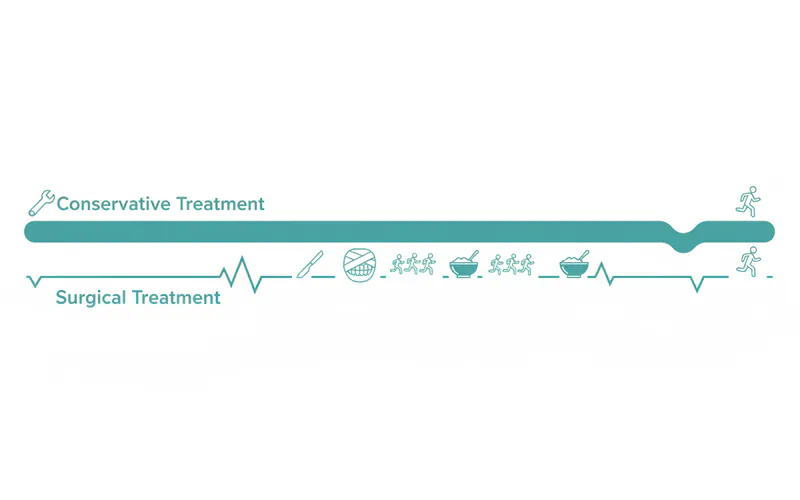
- Timeline: Improvement can often be noticed within a few weeks to a few months. Consistent adherence to self-care, splint use, and physical therapy is key.
- Aftercare:
- Continued Splint Use: Wear your custom oral appliance as prescribed (usually nightly).
- Home Exercises: Continue with gentle jaw stretches and exercises recommended by your therapist.
- Stress Management: Integrate relaxation techniques into your daily routine.
- Diet Modifications: Continue to avoid excessively hard or chewy foods during periods of flare-up.
- Regular Follow-ups: Attend scheduled appointments for splint adjustments and progress monitoring.
Surgical Treatment Recovery:
Recovery from surgical interventions is more involved.
- Arthrocentesis/Arthroscopy:
- Timeline: Usually a few days to a few weeks for initial recovery. Full return to normal activities might take 1-2 months.
- Aftercare: Pain management, soft diet, ice packs, limited jaw movement, and often a course of physical therapy to regain mobility and strengthen muscles.
- Open-Joint Surgery/Joint Replacement:
- Timeline: Several weeks of significant recovery, with full healing and functional improvement taking 3-6 months or even longer.
- Aftercare: Strict pain management, extended soft diet, limited jaw movement, extensive physical therapy to rehabilitate the joint, and close monitoring for complications like infection or nerve damage.
General Aftercare Principles:
- Pain Management: Follow your doctor's instructions for pain medication.
- Soft Diet: Essential to allow the jaw to rest and heal.
- Avoid Habits: Refrain from clenching, grinding, or any activities that strain your jaw.
- Hydration: Stay well-hydrated.
- Communicate: Report any unusual pain, swelling, or worsening symptoms to your dental or medical team immediately.
 `
`
Prevention of TMJ Jaw Disorders
While not all TMDs are preventable, many cases can be mitigated or avoided by adopting healthy habits and proactive measures.
- Manage Stress: Since stress is a major trigger for clenching and grinding, practicing stress-reduction techniques (meditation, yoga, exercise, counseling) is vital.
- Awareness of Jaw Habits: Be mindful of clenching or grinding your teeth during the day. If you catch yourself, gently separate your teeth by resting your tongue between them.
- Protect Your Jaw:
- Avoid excessive gum chewing.
- Don't bite your nails or chew on pens.
- Avoid wide yawning or opening your mouth too wide for extended periods.
- Ensure good posture, especially if you spend long hours at a computer.
- Regular Dental Check-ups: Your dentist can spot early signs of bruxism or bite problems and recommend preventive measures like nightguards before symptoms become severe.
- Ergonomics: Optimize your workspace to support good posture. Ensure your computer monitor is at eye level, and your chair supports your back.
- Adequate Sleep: Ensure you get enough restorative sleep, as sleep deprivation can exacerbate pain and muscle tension.
Risks and Complications of TMJ Jaw Disorders
Leaving TMD untreated or undergoing certain treatments can lead to potential risks and complications.
Risks of Untreated TMD:
- Chronic Pain: What starts as intermittent discomfort can become a constant, debilitating facial, jaw, or headache pain.
- Permanent Bite Changes: If the articular disc displacement becomes chronic and severe, it can lead to permanent changes in how your upper and lower teeth meet.
- Limited Jaw Movement: The jaw can become permanently restricted, making eating, speaking, and oral hygiene difficult.
- Joint Degeneration: Chronic stress and inflammation can lead to irreversible damage to the joint cartilage and bone, similar to arthritis in other joints.
- Impact on Quality of Life: Chronic pain and dysfunction can lead to sleep disturbances, anxiety, depression, and difficulty performing daily activities, affecting work and social life.
- Tooth Damage: Untreated bruxism associated with TMD can lead to severe tooth wear, fractures, and sensitivity.
Risks of TMJ Treatments:
- Oral Appliances:
- Improper fit: Can worsen pain or even shift the bite. (Hence the need for custom, professional splints).
- Increased saliva/gag reflex: Initial adjustment period.
- Medications: Side effects (e.g., drowsiness with muscle relaxants, stomach upset with NSAIDs).
- Injections:
- Corticosteroids: Potential for temporary pain, infection, or damage to surrounding tissues if frequently injected.
- Botox: Temporary weakness of surrounding muscles, asymmetry, bruising.
- Surgery (Arthrocentesis, Arthroscopy, Open-Joint Surgery):
- Infection: Risk with any invasive procedure.
- Nerve Damage: Temporary or permanent numbness or weakness in the face (e.g., facial nerve injury).
- Bleeding.
- Scarring.
- Hearing problems: Due to proximity to the ear.
- Allergic reaction to anesthesia.
- Failed outcome: Surgery may not fully resolve symptoms, or symptoms may recur.
- Permanent bite changes: Especially with open-joint surgery.

Choosing a qualified and experienced dental professional or oral surgeon is critical to minimizing these risks and ensuring the best possible outcome for your TMJ jaw treatment.
Comparison Tables
To help visualize your options, here are two comparison tables: one for common conservative treatments and another for potential costs.
Table 1: Comparison of Common Conservative TMJ Treatments
| Treatment Type | Primary Goal | Pros | Cons | Typical Duration of Use/Effect |
|---|---|---|---|---|
| Self-Care | Pain relief, habit modification, muscle rest | No cost, empowers patient, few side effects | Requires discipline, may not be sufficient alone | Ongoing |
| OTC Medications | Pain & inflammation reduction | Easily accessible, low cost | Temporary relief, potential side effects with overuse | As needed |
| Custom Oral Splint | Protect teeth, stabilize joint, reduce muscle activity | Highly effective for bruxism/disc, non-invasive | Initial cost, adjustment period, requires cleaning | Worn nightly, long-term |
| Physical Therapy | Restore function, reduce pain & muscle tension | Addresses root causes, long-lasting relief | Requires commitment, time investment, insurance dependent | 6-12 sessions over 2-3 months |
| Botox Injections | Muscle relaxation, pain reduction | Effective for muscle-related pain, quick procedure | Temporary (3-6 months), cost, potential side effects | Every 3-6 months for maintenance |
Table 2: Estimated Cost Comparison for TMJ Treatments (US, without insurance)
| Treatment Category | Specific Treatment | Low End (USD) | Mid Range (USD) | High End (USD) | Average Duration of Relief/Treatment Cycle |
|---|---|---|---|---|---|
| Diagnostics | Initial Exam | $100 | $250 | $400 | N/A |
| MRI | $500 | $1,000 | $1,500 | N/A | |
| Conservative | Custom Oral Splint | $300 | $1,000 | $2,500 | Long-term (with proper care) |
| Physical Therapy (per session) | $50 | $120 | $200 | Per session, course of 6-12 sessions | |
| Botox Injections | $500 | $1,000 | $1,500 | 3-6 months | |
| Surgical | Arthrocentesis | $1,500 | $3,000 | $5,000 | Varies |
| Arthroscopy | $5,000 | $10,000 | $15,000 | Varies | |
| Open-Joint Surgery | $15,000 | $30,000 | $50,000+ | Permanent (ideally) |
Note: These are estimates and can vary significantly based on location, provider, and specific patient needs.
Children / Pediatric Considerations for TMJ Jaw Disorders
While more common in adults, TMD can also affect children and adolescents, though it may present differently and can sometimes be more challenging to diagnose due to children's varying ability to articulate their symptoms.
Common Factors in Children:
- Bruxism: Night grinding is very common in children and can be a significant contributor to jaw pain. Parents may hear grinding sounds or notice flattened teeth.
- Trauma: Sports injuries, falls, or dental procedures can directly impact the developing TMJ.
- Orthodontic Treatment: While often beneficial for bite correction, in some cases, orthodontic forces can temporarily affect TMJ comfort. However, there's no strong evidence that orthodontics causes TMD.
- Stress: Children can experience stress, which may manifest as jaw clenching.
- Hypermobility: Some children have naturally more flexible joints, which can predispose them to disc displacement.
Signs and Symptoms in Children:
- Jaw pain, often described as an ache.
- Headaches, especially in the temples.
- Difficulty opening the mouth wide.
- Jaw clicking on one side or both, or popping sounds.
- Chewing difficulties or pain when eating hard foods.
- Earaches or complaints of "fullness" in the ear.
- Behavioral changes like irritability, possibly due to discomfort.
Diagnosis and Treatment for Children:
- Diagnosis involves a thorough dental and medical history, physical examination, and sometimes imaging (MRI is preferred over CT to avoid radiation, if necessary, for soft tissue visualization).
- Treatment is almost always conservative, focusing on non-invasive approaches:
- Parental Guidance: Education on soft diets, avoiding hard/chewy foods, and encouraging good posture.
- Behavior Modification: Addressing habits like nail-biting or excessive gum chewing.
- Stress Management: Helping children cope with stress through age-appropriate techniques.
- Nightguards/Splints: Custom-made oral appliances may be used for bruxism or disc problems, carefully designed to not interfere with growth and development.
- Physical Therapy: Gentle exercises and stretches can be very effective.
- Pain Management: OTC pain relievers (e.g., ibuprofen) under parental supervision.
- Orthodontic Consultation: If malocclusion is a contributing factor, an orthodontist may be consulted, though orthodontic treatment is rarely initiated solely for TMD.
Pro Tip for Parents: If your child complains of persistent jaw pain, headaches, or you notice clicking or difficulty with jaw movement, consult a pediatric dentist or an orthodontist experienced in pediatric TMD. Early intervention is crucial to manage symptoms and support healthy jaw development.
Cost Breakdown: TMJ Jaw Treatment in the US
A detailed breakdown of costs, accounting for different scenarios and payment options, can help you plan financially for how to treat TMJ.
Average US Costs (Low, Mid, High)
As detailed in Table 2, costs vary significantly:
- Initial Evaluation & Imaging:
- Low: $150 (basic exam + X-ray)
- Mid: $500 (specialist exam + panoramic X-ray + initial consultation)
- High: $2,000 (comprehensive specialist exam + MRI + detailed treatment plan discussion)
- Non-Surgical Treatments:
- Custom Oral Splint: $300 (basic) to $2,500 (complex, multiple adjustments). Average: $1,200-$1,800.
- Physical Therapy: $50-$200 per session. A typical course of 8 sessions could be $400-$1,600.
- Botox Injections: $500-$1,500 per treatment cycle, typically needed every 3-6 months.
- Surgical Treatments:
- Arthrocentesis: $1,500-$5,000.
- Arthroscopy: $5,000-$15,000.
- Open-Joint Surgery: $15,000-$50,000+.
With vs. Without Insurance
- Without Insurance (Out-of-Pocket): You will be responsible for 100% of the costs. This highlights the importance of discussing payment options and potential self-pay discounts with your provider.
- With Insurance:
- Deductibles: You'll typically pay up to your annual deductible before insurance coverage kicks in. This can range from a few hundred dollars to several thousand.
- Co-pays/Co-insurance: Once your deductible is met, you'll still be responsible for a co-pay (a flat fee per visit) or co-insurance (a percentage of the total cost, e.g., 20%).
- Out-of-Pocket Max: Most plans have an annual out-of-pocket maximum, which is the most you'll pay in a year for covered services.
- Coverage specifics: As mentioned, medical insurance often covers diagnostic imaging, physical therapy, and surgery, while dental insurance may cover oral appliances. Always verify with both insurance providers.
Payment Plans and Financing Options
- Dental Office Payment Plans: Many dental practices offer in-house payment plans, allowing you to pay for treatment in interest-free monthly installments.
- Medical Payment Plans: For surgical procedures, hospitals or oral surgery offices may also offer payment plans.
- Third-Party Financing (e.g., CareCredit, LendingClub): These companies specialize in healthcare financing, offering various plans, including interest-free periods if paid in full within a certain timeframe, or extended payment plans with interest.
- Health Savings Accounts (HSAs) and Flexible Spending Accounts (FSAs): If you have one of these, you can use pre-tax dollars to cover eligible medical expenses, including many TMD treatments.
Cost-Saving Tips
- Shop Around: For non-emergency treatments, get quotes from a few different providers.
- Verify Insurance: Thoroughly understand your dental and medical benefits before starting treatment.
- Ask for Discounts: Many providers offer discounts for upfront cash payments or for patients without insurance.
- Generic Medications: Opt for generic versions of prescription medications when available.
- Start Conservative: Begin with the least expensive, non-invasive treatments first, as they are often effective and can save you from more costly interventions.
- Preventive Care: Adhere to preventive measures to avoid the progression of symptoms and more expensive treatments down the line.
Frequently Asked Questions
What does TMJ jaw pain feel like?
TMJ jaw pain often manifests as a dull, aching sensation around the jaw joint, temples, or cheeks. It can also be a sharp, shooting pain that worsens with chewing, talking, or yawning. Many describe it as a chronic facial pain, sometimes radiating to the ear, neck, or shoulders, and can also trigger tension headaches or migraines.
Is jaw clicking on one side always a sign of TMJ disorder?
Not necessarily. Occasional jaw clicking or popping, especially without pain or limited movement, is relatively common and might not indicate a serious problem. However, if the clicking is frequent, loud, accompanied by pain, tenderness, or difficulty opening/closing your mouth, particularly when it's just jaw clicking on one side, it's a strong indicator of disc displacement or other TMJ dysfunction and warrants a dental evaluation.
How long does it take to treat TMJ?
The duration of TMJ treatment varies greatly depending on the severity and type of disorder. Conservative treatments like self-care, oral splints, and physical therapy can show improvement within weeks to a few months. More complex cases or surgical interventions may require several months for recovery and ongoing management. It's often a process of managing symptoms over time.
Can TMJ disorder go away on its own?
Mild cases of TMJ disorder, especially those triggered by temporary stress or minor muscle strain, may resolve on their own with self-care and rest. However, chronic or severe cases, particularly those involving disc displacement or degenerative changes, typically require professional intervention to prevent worsening symptoms and long-term complications. Ignoring persistent symptoms is not recommended.
What is the most effective treatment for TMJ?
The "most effective" treatment for TMJ is highly individualized. For most patients (over 90%), conservative, non-invasive approaches are highly successful. These include custom oral splints, physical therapy, stress management, and medications. Surgical options are reserved for a small percentage of patients with severe, persistent symptoms unresponsive to all other treatments or significant structural damage.
How much does it cost to get a custom TMJ mouthguard (splint)?
A custom-fitted TMJ mouthguard, also known as an oral splint or nightguard, typically costs between $300 and $2,500 in the US, averaging around $1,200-$1,800. The price depends on the material, design complexity, and the dental practice's fees. This cost often includes impressions, fitting, and follow-up adjustments.
Can TMJ cause ear pain or ringing?
Yes, TMJ disorders are a common cause of ear-related symptoms. The TMJ is located very close to the ear canal, and inflammation or muscle spasms in the jaw can radiate pain to the ear, mimic an ear infection, or cause sensations of ear fullness, ringing (tinnitus), or even dizziness (vertigo).
Are there alternatives to surgery for severe TMJ?
For severe TMJ cases, several non-surgical alternatives are considered before surgery. These include a comprehensive regimen of physical therapy, steroid injections directly into the joint, Botulinum Toxin (Botox) injections into jaw muscles, and various forms of custom oral appliances. Surgery is typically recommended only when all conservative options have been exhausted without sufficient relief.
What type of doctor treats TMJ?
TMJ disorders are commonly treated by general dentists, but complex cases may require specialists. These include oral and maxillofacial surgeons (for advanced diagnostics and surgical options), prosthodontists (for bite correction and oral appliances), orthodontists (for bite alignment), and physical therapists specializing in craniomandibular disorders. Occasionally, neurologists or pain management specialists may be involved for chronic pain.
Does my dental or medical insurance cover TMJ treatment?
Insurance coverage for TMJ treatment is complex. Dental insurance may cover a portion of oral appliances, while medical insurance often covers diagnostic imaging (MRI, CT), physical therapy, prescription medications, and surgical procedures if deemed medically necessary. It's crucial to contact both your dental and medical insurance providers to understand your specific benefits and any pre-authorization requirements for TMD treatment.
When to See a Dentist
While occasional jaw stiffness or a slight pop might not be cause for alarm, there are clear signs that indicate it's time to see a dentist or a specialist knowledgeable in TMJ disorders.
Red Flags That Need Immediate Attention:
- Sudden, Severe Jaw Pain: Especially if it's accompanied by difficulty opening or closing your mouth.
- Jaw Locking: If your jaw gets stuck in an open or closed position and you cannot move it back to normal. This requires prompt professional attention.
- Trauma to the Jaw: Following an accident, fall, or direct blow to the jaw, even if pain is not immediately severe, a dental check-up is vital to rule out fractures or joint damage.
- Difficulty Breathing, Swallowing, or Speaking: If TMJ symptoms are so severe they impede these basic functions, seek immediate medical advice.
When to Schedule a Prompt Appointment (Routine Care Guidance):
- Persistent Jaw Pain: If you experience pain or tenderness in your jaw, face, or around your ear that lasts for more than a few days and doesn't improve with basic self-care.
- Frequent Jaw Clicking or Popping with Pain: If you regularly hear your jaw clicking on one side or both, or feel popping, grating, or grinding sounds, especially if accompanied by discomfort or limited movement.
- Limited Jaw Movement: If you find it difficult to open your mouth wide or your jaw feels stiff upon waking.
- Chronic Headaches or Earaches: If you experience frequent headaches, particularly around your temples, or earaches that aren't explained by an ear infection, and these correlate with jaw discomfort.
- Noticeable Change in Bite: If you feel that your upper and lower teeth no longer fit together correctly.
- Signs of Bruxism: If your dentist or partner notices signs of teeth grinding or clenching, even if you're not experiencing pain yet.
Early diagnosis and intervention are key to successfully managing TMJ jaw disorders and preventing them from becoming chronic or more severe. Don't hesitate to reach out to your dental professional if you suspect you have a TMJ-related issue.
Frequently Asked Questions
Medically Reviewed Content
This article was written by our dental health editorial team and reviewed for medical accuracy. Our content follows strict editorial guidelines for reliability and trustworthiness.
Medical Disclaimer
This article is for informational purposes only and does not constitute medical advice. Always consult with a qualified dental professional for diagnosis and treatment. Do not delay seeking professional advice because of something you read on this website.
Related Articles
Tmj Massage Near Me: Complete Guide
Temporomandibular joint disorder, commonly known as TMJD, affects millions of Americans, causing debilitating pain, discomfort, and significantly impacting quality of life. If you're experiencing jaw pain, clicking, or difficulty chewing, you're not alone. Up to 15% of American adults experience
February 23, 2026
Tmd Treatment: Complete Guide
Experiencing persistent jaw pain, clicking sounds when you chew, or debilitating headaches that seem to originate from your face? You're not alone. Temporomandibular joint (TMJ) disorders, often referred to collectively as TMD, affect an estimated 10 million Americans, with women disproportionat
February 23, 2026
Tmj Nerve Damage Symptoms: Complete Guide
Experiencing persistent facial pain, numbness, or tingling can be distressing, especially when the source is unclear. While many people are familiar with general jaw pain associated with temporomandibular joint (TMJ) disorders, the less commonly understood aspect of tmj nerve damage symptoms can
February 23, 2026
Remi Night Guard: Complete Guide
Remi Night Guard: Complete Guide
February 23, 2026