Oral Probiotics for Bad Breath: Complete Guide
Key Takeaways
- Approximately 1 in 4 people worldwide suffer from chronic bad breath, a condition medically known as halitosis. This pervasive issue isn't just a minor annoyance; it can significantly impact self-confidence, social interactions, and even professional opportunities. While often attributed to simp
Approximately 1 in 4 people worldwide suffer from chronic bad breath, a condition medically known as halitosis. This pervasive issue isn't just a minor annoyance; it can significantly impact self-confidence, social interactions, and even professional opportunities. While often attributed to simple hygiene oversights, persistent bad breath can stem from a complex interplay of factors, predominantly an imbalance in the oral microbiome. For years, the go-to solutions have involved rigorous brushing, flossing, mouthwashes, and professional dental care. However, a revolutionary approach is gaining traction: oral probiotics for bad breath. This comprehensive guide from SmilePedia.net will delve deep into the science behind bad breath, explore conventional treatments, and illuminate how targeted beneficial bacteria can restore oral balance, leading to a fresher, healthier mouth. We'll cover everything from how to tell if you have bad breath and why dental issues like cavities contribute to the problem, to selecting the right probiotic strains and understanding their costs and benefits.
Key Takeaways:
- Oral probiotics work by introducing beneficial bacteria to the mouth, competing with and inhibiting the growth of odor-causing microbes and balancing the oral microbiome.
- The most effective strains for bad breath include Streptococcus salivarius K12 and M18, and Lactobacillus reuteri, often found in lozenge or chewable forms.
- You can often tell if you have bad breath by licking your wrist and smelling it, asking a trusted friend, or noticing a persistent sour or metallic taste.
- While oral probiotics can significantly reduce bad breath, they are most effective when combined with excellent oral hygiene practices and professional dental care.
- Monthly costs for effective oral probiotic supplements typically range from $20 to $60, with noticeable improvements often observed within 2 to 4 weeks of consistent use.
- Cavities can cause bad breath by trapping food particles and harboring odor-producing bacteria, making dental treatment for cavities a crucial step before or alongside probiotic use.
- Oral probiotics are generally safe for most healthy individuals, with minimal reported side effects, primarily mild digestive upset.
Understanding Bad Breath (Halitosis)
Bad breath, or halitosis, is a common condition characterized by an unpleasant odor emanating from the mouth. It affects millions globally and can be a source of significant embarrassment and anxiety. While occasional bad breath is normal, chronic halitosis often indicates an underlying issue.

What is Bad Breath? (Overview)
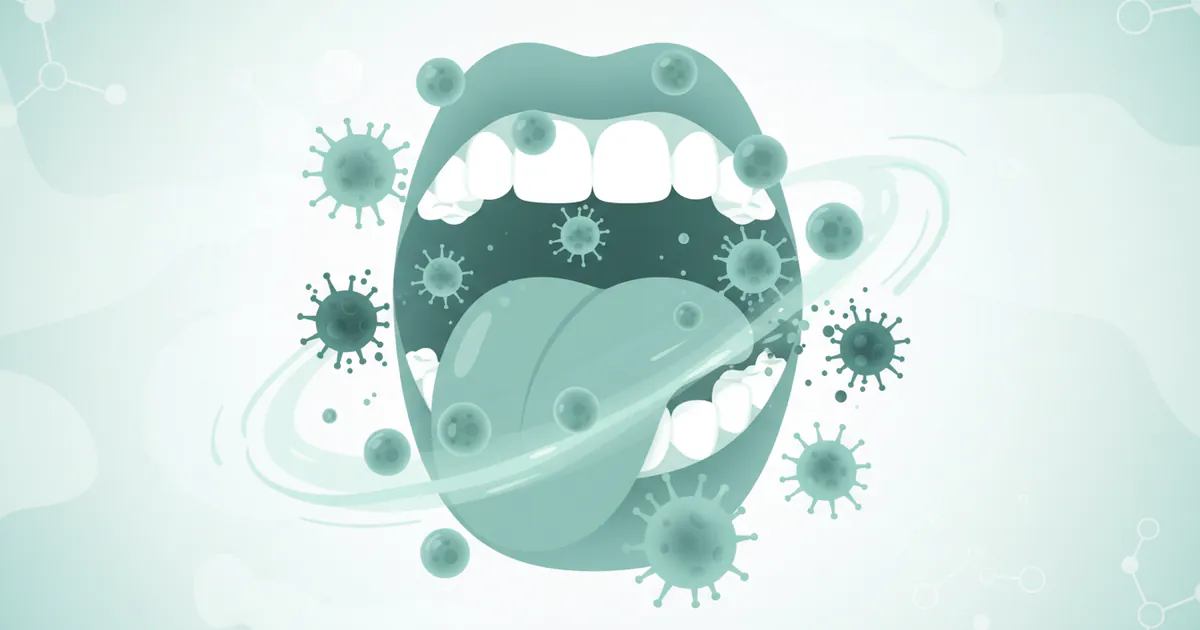
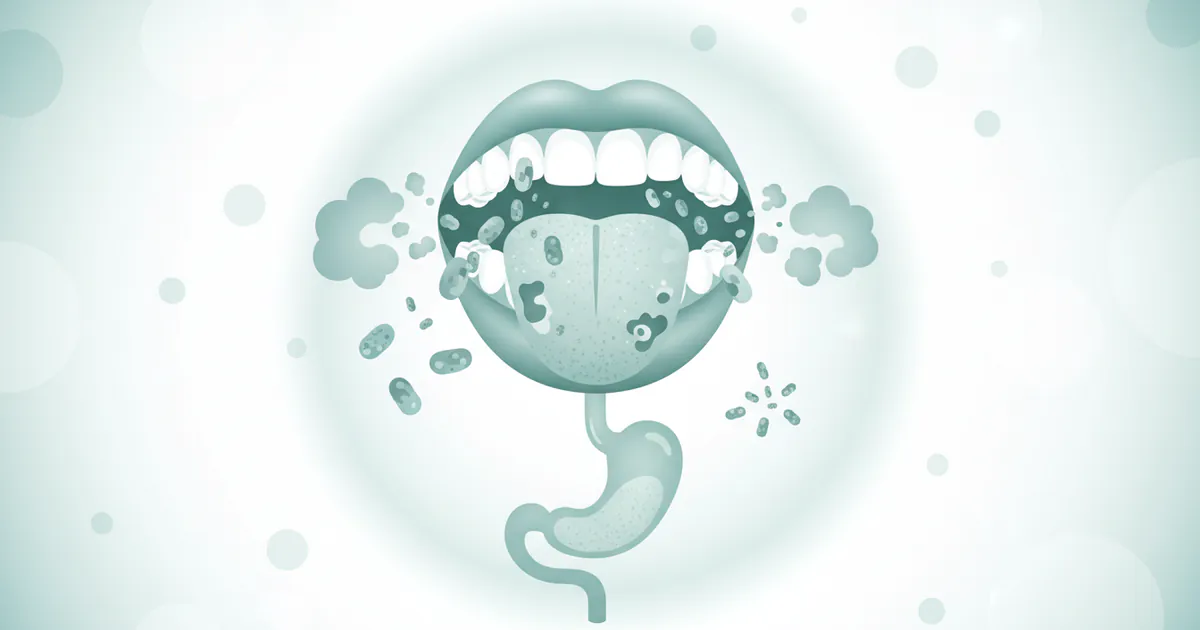
At its core, bad breath is usually caused by volatile sulfur compounds (VSCs), such as hydrogen sulfide, methyl mercaptan, and dimethyl sulfide, produced by anaerobic bacteria in the mouth. These bacteria thrive in oxygen-poor environments, particularly on the back of the tongue, between teeth, and in periodontal pockets. When these bacteria break down proteins from food debris, dead cells, and blood, they release these foul-smelling gases.
Many people wonder, how to tell if you have bad breath? Self-assessment can be tricky due to olfactory adaptation, where your nose becomes accustomed to your own scent. However, a few methods can help:
- The Lick Test: Lick the back of your hand, let it dry for a few seconds, then smell it. If it smells unpleasant, your breath likely does too.
- The Floss Test: Floss between your back teeth, then smell the floss. This can reveal odors from trapped food particles and bacteria.
- The Tongue Scrape Test: Scrape the back of your tongue with a clean spoon and smell the residue. A foul odor indicates a significant bacterial presence.
- Ask a Trusted Confidant: The most reliable method is often to ask a close friend, family member, or partner for honest feedback.
- Notice Other Symptoms: A persistent bitter, sour, or metallic taste in your mouth, dry mouth, or a white coating on your tongue can also be indicators.
Causes of Bad Breath (Why It Happens)
Bad breath can arise from various sources, broadly categorized into oral and non-oral causes. Understanding the root cause is essential for effective treatment.
Oral Causes (Approximately 85-90% of cases):
- Bacteria on the Tongue: The rough surface of the tongue, especially the back, provides an ideal breeding ground for anaerobic bacteria that produce VSCs. A thick, white coating is often a visual sign.
- Gum Disease (Periodontal Disease): Gingivitis and periodontitis create deep pockets around teeth where bacteria can flourish, leading to chronic bad breath. The bacteria involved in gum disease are particularly adept at producing VSCs.
- Poor Oral Hygiene: Infrequent or improper brushing and flossing allow food particles to remain in the mouth, decomposing and feeding bacteria.
- Dry Mouth (Xerostomia): Saliva helps cleanse the mouth, washing away food particles and neutralizing acids. Reduced saliva flow, caused by certain medications, medical conditions (like Sjögren's syndrome), mouth breathing, or salivary gland problems, allows bacteria and VSCs to accumulate.
- Food and Beverages: Pungent foods like garlic, onions, and certain spices, as well as coffee and alcohol, can cause temporary bad breath as their components enter the bloodstream and are expelled through the lungs.
- Dental Appliances: Dentures, retainers, and orthodontic appliances that aren't cleaned properly can harbor bacteria and food debris.
- Oral Infections: Abscesses or oral wounds can lead to localized bad odors.
- Can Cavities Cause Bad Breath? Yes, absolutely. Cavities, especially large or untreated ones, create tiny or large holes in the tooth where food particles can easily get trapped. These trapped particles, along with the bacteria that cause tooth decay, ferment and produce foul-smelling gases. The decaying tooth structure itself can also emit an odor. Furthermore, cavities can progress to pulp infections and abscesses, which are highly odorous. Addressing cavities is a critical step in resolving associated bad breath.
- Pro Tip: If you suspect you have bad breath, schedule a dental check-up. Your dentist can accurately diagnose the cause, including identifying hidden cavities or gum disease, and recommend the most appropriate course of action.
Non-Oral (Systemic) Causes (Approximately 10-15% of cases):
- Respiratory Tract Infections: Sinusitis, tonsillitis, bronchitis, and pneumonia can produce post-nasal drip, mucus, and bacteria that lead to bad breath. Tonsil stones (tonsilloliths) are calcified deposits that form in the tonsil crypts and often harbor odor-producing bacteria.
- Digestive Issues: While less common, certain digestive conditions like acid reflux (GERD) or conditions causing intestinal blockages can sometimes manifest as bad breath.
- Systemic Diseases:
- Diabetes: Poorly controlled diabetes can lead to a fruity or acetone-like breath odor (ketosis).
- Kidney or Liver Disease: Severe kidney failure can result in an "ammonia-like" or "fishy" odor, while severe liver disease can cause a "mousy" or "musty" smell.
- Xerostomia-inducing Conditions: Autoimmune diseases or radiation therapy to the head and neck can significantly reduce saliva flow.
- Medications: Many medications list dry mouth as a side effect, which can indirectly lead to bad breath.
- Tobacco Products: Smoking and chewing tobacco cause their own characteristic odors and also contribute to dry mouth and increased risk of gum disease.
Signs and Symptoms (What to look for)
Beyond the direct smell, several signs and symptoms can indicate the presence of bad breath:
- Persistent Unpleasant Taste: A constant sour, bitter, or metallic taste in your mouth, even after brushing.
- Dry Mouth: A sticky or dry feeling, indicating reduced saliva flow.
- White Coating on the Tongue: A visible film, especially towards the back of the tongue, often harbors odor-producing bacteria.
- Post-Nasal Drip: A sensation of mucus draining down the back of your throat.
- Red, Swollen, or Bleeding Gums: These are classic signs of gingivitis or periodontitis, which are major contributors to bad breath.
- Difficulty Swallowing: Can sometimes be associated with tonsil stones or other throat issues.
The Oral Microbiome and Bad Breath
The human mouth is home to a complex ecosystem of hundreds of different bacterial species, collectively known as the oral microbiome. This ecosystem is normally in a delicate balance, where beneficial bacteria help maintain oral health. However, when this balance is disrupted, harmful bacteria can overgrow, leading to various issues, including bad breath.
What are Oral Probiotics? (What It Is)
Oral probiotics are live microorganisms, typically specific strains of bacteria, that, when administered in adequate amounts, confer a health benefit to the host's oral cavity. Unlike traditional probiotics aimed at gut health, oral probiotics are specifically chosen for their ability to colonize the mouth and exert beneficial effects there. They aim to introduce "good" bacteria to help restore the natural balance of the oral microbiome, thereby reducing the population of odor-producing "bad" bacteria.
How Oral Probiotics Combat Bad Breath (Mechanism of Action)
Oral probiotics work through several mechanisms to combat bad breath:
- Competitive Inhibition: Beneficial probiotic strains colonize the oral surfaces (tongue, teeth, gums), effectively competing with odor-causing bacteria for space and nutrients. By occupying these niches, they prevent the harmful bacteria from multiplying and thriving.
- Production of Antimicrobial Substances: Some probiotic strains produce substances like bacteriocins, hydrogen peroxide, or organic acids that can directly inhibit the growth or kill pathogenic, odor-producing bacteria.
- Modulation of Immune Response: Certain probiotics can help modulate the local immune response in the mouth, potentially reducing inflammation associated with gum disease, which is a significant contributor to bad breath.
- Reduction of VSC Production: Probiotic bacteria can directly interfere with the metabolic pathways of odor-causing bacteria, reducing their ability to produce volatile sulfur compounds.
- Improved Saliva Quality: While not directly increasing saliva volume, some studies suggest probiotics can help maintain a healthier oral environment, indirectly supporting optimal salivary function.

Key Oral Probiotic Strains for Halitosis (Types/Variations)
Not all probiotics are created equal, and specific strains have shown promising results in addressing bad breath.
- Streptococcus salivarius K12 (BLIS K12™): This is one of the most well-researched oral probiotic strains for halitosis. It produces two powerful antimicrobial peptides, salivaricin A2 and salivaricin B, which specifically target and inhibit the growth of bacteria associated with bad breath and throat infections. K12 helps to re-establish a healthy oral flora.
- Streptococcus salivarius M18 (BLIS M18™): Similar to K12, M18 is another beneficial S. salivarius strain, often found alongside K12. While K12 primarily focuses on VSC reduction and throat health, M18 is particularly noted for its ability to reduce plaque formation and support gum health by breaking down plaque and neutralizing acids. A healthier gum environment naturally reduces bad breath.
- Lactobacillus reuteri (DSM 17938 and ATCC PTA 5289): This strain has been studied for its anti-inflammatory properties and its ability to inhibit several pathogenic bacteria. It can help reduce gum inflammation and the bacterial load contributing to bad breath.
- Other Lactobacillus and Bifidobacterium species: While K12 and M18 are oral-specific, some other Lactobacillus (e.g., L. acidophilus, L. plantarum) and Bifidobacterium (e.g., B. lactis) strains, commonly found in gut probiotics, can also contribute to overall oral health by maintaining a balanced microbial environment. However, their direct efficacy for halitosis might be less pronounced than the S. salivarius strains.
Forms of Oral Probiotics: Oral probiotics are typically available in formulations designed to maximize their contact with the oral cavity:
- Lozenges/Chewable Tablets: These are highly effective as they dissolve slowly in the mouth, allowing the probiotic bacteria to directly colonize the oral surfaces.
- Powders: Can be mixed with water or food, but less direct contact with oral surfaces.
- Toothpastes/Mouthwashes: Some specialized dental products are beginning to incorporate probiotics.
- Gummies: A palatable option, especially for children.
Conventional Treatments for Bad Breath
While oral probiotics offer a novel approach, they are best viewed as a complementary treatment to established conventional methods. For many, addressing the root cause through traditional dental care is paramount.
Improving Oral Hygiene
The cornerstone of preventing and treating bad breath is diligent oral hygiene.
- Brushing: Brush your teeth thoroughly at least twice a day for two minutes with a fluoride toothpaste. Pay attention to all surfaces, including the gum line. The ADA recommends soft-bristled brushes.
- Flossing: Daily flossing or using interdental cleaners is crucial to remove food particles and plaque from between teeth and under the gum line, areas where toothbrushes cannot reach.
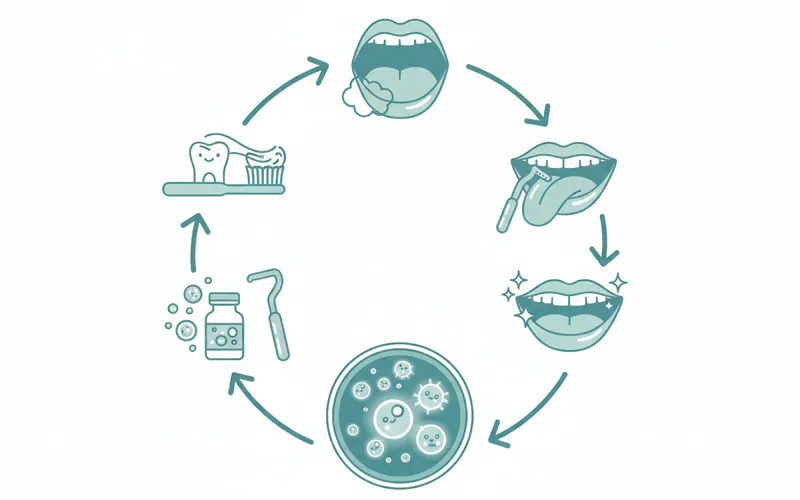
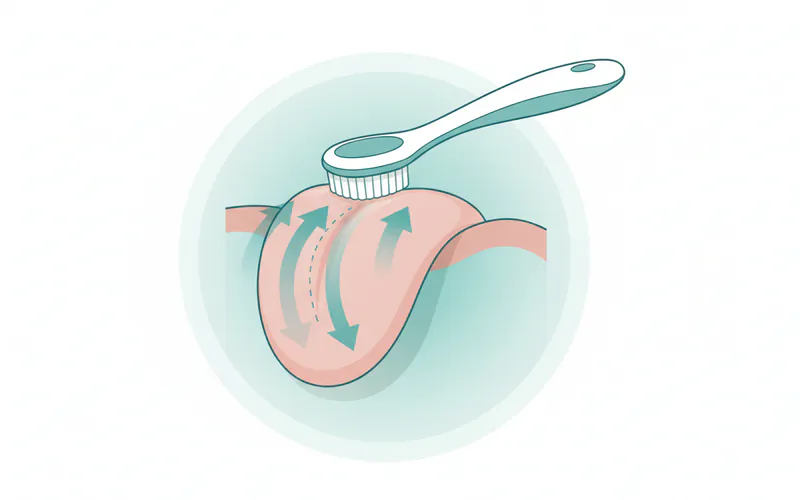
- Tongue Scraping/Brushing: This is extremely effective for bad breath. Use a tongue scraper or the back of your toothbrush to gently remove the bacterial film from the surface of your tongue, working from back to front.
- Antimicrobial Mouthwashes: Alcohol-free mouthwashes containing ingredients like chlorhexidine (prescription only, short-term use), cetylpyridinium chloride (CPC), or essential oils (thymol, eucalyptol, menthol, methyl salicylate) can temporarily reduce bacteria and neutralize odors. Always choose alcohol-free options to avoid drying out the mouth.
Professional Dental Cleanings
Regular dental check-ups and professional cleanings (prophylaxis) are vital. Dentists and dental hygienists can remove hardened plaque (calculus or tartar) that cannot be removed by brushing and flossing alone. They also check for signs of gum disease, cavities, and other oral health issues. For more severe gum disease, scaling and root planing (deep cleaning) may be necessary to remove bacteria and plaque from below the gum line.
Addressing Underlying Dental Issues
Any existing dental problems must be treated.
- Treating Cavities: As discussed, can cavities cause bad breath? Yes. Filling cavities eliminates hiding spots for food and bacteria, stopping the decay process and the associated odors. Large or deep cavities may require root canal therapy or extraction.
- Gum Disease Treatment: If gum disease is present, treatment will range from deep cleanings to more advanced periodontal procedures, depending on the severity. Treating gum disease significantly reduces the bacterial load and inflammation that contribute to halitosis.
- Faulty Restorations: Old, ill-fitting fillings or crowns can create ledges where food and bacteria collect. Replacing these can eliminate odor sources.
- Managing Dry Mouth: If dry mouth is a chronic issue, your dentist may recommend saliva substitutes, prescription medications to stimulate saliva flow, or lifestyle changes (e.g., increasing water intake, avoiding caffeine/alcohol).
Managing Systemic Causes
If the bad breath is suspected to be of non-oral origin, your dentist may refer you to a physician for further diagnosis and treatment of underlying medical conditions such as sinus infections, tonsil stones, diabetes, or liver/kidney disease. Treating the systemic condition will often resolve the associated bad breath.
Comparison Table 1: Conventional vs. Probiotic Approaches for Bad Breath
| Method | Primary Action | When to Use | Pros | Cons | Typical Annual Cost (US) |
|---|---|---|---|---|---|
| Daily Oral Hygiene | Removes food debris, plaque, bacteria; mechanical cleansing | Daily, for all individuals | Foundational, highly effective for most | Requires consistency and correct technique | $50-$200 (products) |
| Professional Cleanings | Removes calculus, diagnoses underlying issues, deep cleaning for gum disease | Every 6-12 months, or as recommended for periodontal disease | Essential for comprehensive oral health, addresses root causes | Can be uncomfortable, cost varies | $150-$400 (per cleaning) |
| Cavity Fillings | Eliminates bacterial harbors, stops decay | When cavities are present | Permanently removes a source of odor and infection | Invasive, can be costly, requires professional treatment | $100-$400 (per filling) |
| Gum Disease Treatment | Reduces bacterial load, controls inflammation, restores gum health | When gingivitis/periodontitis is present | Addresses major oral cause of chronic bad breath | Can be extensive, discomfort, ongoing maintenance | $200-$1000+ (per quadrant) |
| Oral Probiotics | Rebalances oral microbiome, inhibits odor-causing bacteria | Daily, as a complement to hygiene, for persistent bad breath | Natural approach, targets microbial imbalance, generally safe | Not a standalone cure for all causes, results vary, ongoing cost | $240-$720 (supplements) |
Using Oral Probiotics for Bad Breath
Integrating oral probiotics into your routine can be a powerful step in managing persistent bad breath, especially when combined with excellent oral hygiene.
Choosing the Right Oral Probiotic (Step-by-Step Process)
Selecting an effective oral probiotic requires attention to specific details:
- Identify Specific Strains: Look for products explicitly containing Streptococcus salivarius K12 (BLIS K12™), Streptococcus salivarius M18 (BLIS M18™), or Lactobacillus reuteri. These are the strains with the most scientific backing for oral health and halitosis.
- Check CFU Count: A higher Colony Forming Unit (CFU) count generally indicates more live bacteria. Aim for products with at least 1 billion CFUs per dose, though some effective formulations may have higher counts, such as 5-10 billion.
- Consider the Formulation:
- Lozenges or Chewable Tablets are often preferred for oral probiotics because they allow the beneficial bacteria to remain in contact with the oral cavity for a longer period, facilitating colonization.
- Gummies are another option, especially for those who dislike lozenges.
- Avoid capsules designed for gut release, as they may bypass the oral cavity without delivering sufficient bacteria to the mouth.
- Reputable Brand and Third-Party Testing: Choose brands known for quality and transparency. Look for indications of third-party testing, which verifies the product's purity, potency, and that it contains the listed strains and CFU count.
- No Unnecessary Fillers/Additives: Opt for products with minimal artificial sweeteners, colors, or flavors if possible.
- Storage Requirements: Check if the product requires refrigeration or if it's shelf-stable. Proper storage ensures the viability of the live bacteria.
How to Incorporate Probiotics into Your Routine
For optimal results, how you take your oral probiotic matters:
- Timing is Key: The best time to take an oral probiotic lozenge or chewable is usually after brushing and flossing at night, just before bed. This ensures the oral cavity is clean, and the probiotics have an extended period to colonize without being immediately washed away by food or drinks.
- Let it Dissolve Slowly: If using a lozenge or chewable, allow it to slowly dissolve in your mouth rather than chewing and swallowing immediately. This maximizes contact time with oral tissues.
- Avoid Eating/Drinking Afterward: After taking the probiotic, avoid eating or drinking for at least 30 minutes, or ideally, until the morning.
- Consistency is Crucial: For the beneficial bacteria to establish themselves and rebalance the oral microbiome, daily consistent use is essential. Follow the dosage instructions on the product label.
What to Expect: Timeline and Results (Recovery and Aftercare)
- Initial Adjustment: Some individuals might experience mild digestive changes initially, but these are rare with oral-specific probiotics.
- Noticeable Improvements: You may start to notice a reduction in bad breath within 2 to 4 weeks of consistent use. For some, it might take a bit longer as the oral microbiome gradually shifts.
- Long-Term Maintenance: Oral probiotics are generally intended for ongoing use to maintain a balanced oral microbiome. If you stop taking them, the benefits may diminish over time as the original imbalance could potentially return.
- Synergy with Oral Hygiene: Remember, oral probiotics are a supplement, not a replacement, for good oral hygiene. Continue brushing, flossing, and tongue scraping diligently.
- Pro Tip: Track your progress. Keep a journal of your bad breath symptoms (e.g., using the lick test) before starting probiotics and at regular intervals afterward. This can help you objectively assess the effectiveness.
Potential Side Effects and Risks (Risks and Complications)
Oral probiotics are generally considered very safe for healthy individuals.
- Mild Digestive Upset: Rarely, some people might experience mild gas, bloating, or stomach discomfort, especially when first starting any probiotic. This is more common with gut-focused probiotics but can occasionally occur.
- Allergic Reactions: As with any supplement, an allergic reaction is possible but rare. Check the ingredients for known allergens.
- Infections in Immunocompromised Individuals: In very rare cases, individuals with severely compromised immune systems (e.g., those undergoing chemotherapy, HIV/AIDS patients, or those with central venous catheters) could theoretically be at a slightly increased risk of infection from any live bacteria. Always consult a healthcare provider before starting any new supplement if you have a compromised immune system or a serious underlying health condition.
- Drug Interactions: There are generally no significant drug interactions with oral probiotics, but it's always wise to discuss any supplements with your dentist or physician, especially if you are on antibiotics or antifungals. Antibiotics, for instance, can reduce the effectiveness of probiotics as they kill bacteria indiscriminately.
Cost and Insurance Considerations for Oral Probiotics
Understanding the financial aspect of oral probiotic use is important for long-term adherence.
Cost of Oral Probiotic Supplements (Cost and Insurance)
The cost of oral probiotic supplements can vary widely based on the brand, specific strains included, CFU count, and quantity per package.
- Monthly Range: For a reputable oral probiotic supplement containing effective strains like S. salivarius K12 or M18, you can expect to pay approximately $20 to $60 per month.
- Annual Cost: This translates to an annual expenditure of $240 to $720.
- Factors Influencing Cost:
- Brand Reputation: Well-established brands with extensive research often command higher prices.
- Specific Strains: Patented or specialized strains (like BLIS K12™) might be more expensive due to licensing and research costs.
- CFU Count: Products with higher concentrations of live bacteria may cost more.
- Quantity: Buying in bulk or larger packages can sometimes offer a per-dose discount.
- Formulation: Lozenges or chewables might be slightly more expensive than powders due to manufacturing complexity.
Insurance Coverage
- Supplements Generally Not Covered: In the United States, oral probiotic supplements are typically classified as dietary supplements. As such, they are generally not covered by dental insurance or medical insurance plans. Most insurance plans only cover FDA-approved medications or services deemed medically necessary.
- Coverage for Underlying Dental Treatments: It's important to note that dental insurance will cover treatments for underlying dental issues that cause bad breath. This includes:
- Routine check-ups and cleanings: Typically covered at 80-100% after deductible.
- Cavity fillings: Coverage usually ranges from 50-80% for basic fillings (amalgam or composite).
- Gum disease treatments: Deep cleanings (scaling and root planing) may be covered at 50-80%, while more advanced periodontal surgeries have varying coverage.
- Extractions or root canals: Coverage varies widely depending on the plan.
- If your bad breath is primarily due to issues like cavities that cause bad breath or gum disease, your dental insurance will significantly offset the cost of treating these problems.
Comparison Table 2: Monthly Cost & Efficacy of Common Oral Probiotic Strains
| Probiotic Strain | Primary Benefit for Halitosis | Typical Monthly Cost (US) | Efficacy Timeline (Noticeable Results) |
|---|---|---|---|
| Streptococcus salivarius K12 | Inhibits VSC-producing bacteria, supports throat health | $30 - $60 | 2-4 weeks |
| Streptococcus salivarius M18 | Reduces plaque, supports gum health, contributes to VSC reduction | $30 - $60 | 3-6 weeks |
| Lactobacillus reuteri | Anti-inflammatory, inhibits oral pathogens, general oral health | $25 - $50 | 4-6 weeks |
| Blended Oral Probiotic | Combines multiple beneficial strains for broader support | $35 - $70 | 2-6 weeks |
Preventing Bad Breath
Prevention is always better than cure, and this holds true for bad breath. Many of the preventative measures are simply good oral health habits.
- Consistent Oral Hygiene: Brush twice a day, floss daily, and make tongue cleaning a regular part of your routine. This is the single most effective preventative measure.
- Regular Dental Check-ups: Visit your dentist every six months for professional cleanings and examinations. Early detection and treatment of cavities, gum disease, and other issues are key.
- Hydration: Drink plenty of water throughout the day. Water helps wash away food particles and bacteria, and keeps your mouth moist, preventing dry mouth.
- Dietary Considerations:
- Limit pungent foods (garlic, onions) and beverages (coffee, alcohol) if you're concerned about temporary breath odors.
- Eat a balanced diet rich in fruits and vegetables, which can stimulate saliva production and provide essential nutrients for oral health.
- Chew sugar-free gum or suck on sugar-free candies after meals to stimulate saliva flow and help cleanse the mouth.
- Address Dry Mouth: If you suffer from chronic dry mouth, identify and address the cause with your dentist or doctor. Use saliva substitutes if needed.
- Quit Tobacco: Smoking and chewing tobacco are major contributors to bad breath and significantly increase the risk of gum disease and oral cancers.
- Consider Oral Probiotics as a Preventative Measure: Once you've achieved a healthy oral microbiome, consistent use of oral probiotics can help maintain that balance and prevent the re-establishment of odor-causing bacteria.
Children / Pediatric Considerations
Bad breath in children is less common than in adults but can occur. If your child has persistent bad breath, it warrants a visit to a pediatric dentist.
- Common Causes in Children:
- Poor Oral Hygiene: Just like adults, inadequate brushing and flossing can lead to food accumulation and bacterial overgrowth.
- Tonsil Stones: Children can develop tonsil stones, which are a common source of bad breath.
- Sinus Infections/Allergies: Post-nasal drip from colds, allergies, or chronic sinusitis can cause a foul odor.
- Foreign Objects: Young children sometimes put small objects in their noses, which can lead to infection and a very strong, unilateral bad smell.
- Mouth Breathing: Can lead to dry mouth, especially at night.
- Cavities: Can cavities cause bad breath in children? Absolutely. Untreated decay can harbor bacteria and trap food, leading to noticeable odors.
- Guidance for Parents:
- Teach Good Habits Early: Supervise and assist young children with brushing and flossing until they develop the dexterity to do it effectively themselves (typically around age 7-8).
- Ensure Hydration: Encourage water intake.
- Address Mouth Breathing: Consult a pediatrician or orthodontist if your child consistently breathes through their mouth.
- Dental Check-ups: Regular visits to a pediatric dentist are essential for early detection and treatment of any oral health issues.
- Oral Probiotics for Children:
- Consult a Pediatric Dentist: Always consult your child's pediatric dentist or pediatrician before introducing any supplement, including oral probiotics.
- Child-Friendly Formulations: If recommended, choose oral probiotic products specifically formulated for children (e.g., gummies or chewable tablets with appropriate dosing).
- Safe Strains: Strains like S. salivarius K12 and M18 are generally considered safe for children, but medical guidance is paramount.
Frequently Asked Questions
How quickly do oral probiotics work for bad breath?
While individual results can vary, many people report noticeable improvements in their breath quality within 2 to 4 weeks of consistent daily use. It takes time for the beneficial bacteria to colonize the mouth and rebalance the oral microbiome.
Are oral probiotics safe for long-term use?
Yes, oral probiotics are generally considered safe for long-term use in healthy individuals. They work by supporting the natural balance of your oral microbiome, which is an ongoing process. Consistent use helps maintain the benefits.
Can I take oral probiotics with antibiotics?
It's generally recommended to separate the intake of oral probiotics from antibiotics by at least 2-3 hours. Antibiotics kill bacteria indiscriminately, including beneficial ones, so taking them concurrently might reduce the effectiveness of the probiotics. Discuss timing with your dentist or doctor.
What's the difference between oral probiotics and gut probiotics?
Gut probiotics are designed to reach and colonize the intestines to support digestive health, often in delayed-release capsules. Oral probiotics, conversely, contain specific bacterial strains chosen for their ability to colonize the mouth and are typically delivered in lozenges or chewable forms to maximize oral contact.
Do I still need to brush and floss if I use oral probiotics?
Absolutely. Oral probiotics are a complementary treatment, not a replacement for fundamental oral hygiene. Brushing, flossing, and tongue scraping remove food debris, plaque, and a significant portion of odor-causing bacteria, creating a cleaner environment for the probiotics to work most effectively.
Can oral probiotics cure severe gum disease that causes bad breath?
Oral probiotics can help manage the bacterial balance and potentially reduce inflammation associated with gum disease, thereby improving bad breath. However, they cannot "cure" severe gum disease (periodontitis). Professional dental treatment, such as deep cleanings and ongoing periodontal care, is essential for addressing the root cause of gum disease.
Are there any specific foods that contain oral probiotics?
Unlike gut probiotics found in fermented foods like yogurt or kimchi, there aren't specific foods naturally rich in the strains effective for oral health. Oral probiotic supplements are typically the most reliable way to deliver targeted oral probiotic strains.
How much do oral probiotic supplements typically cost?
The monthly cost for effective oral probiotic supplements generally ranges from $20 to $60, depending on the brand, specific strains, and CFU count. Annually, this amounts to approximately $240 to $720.
What are the best oral probiotic strains for bad breath?
The most well-researched and effective oral probiotic strains for bad breath are Streptococcus salivarius K12 (BLIS K12™) and Streptococcus salivarius M18 (BLIS M18™), followed by Lactobacillus reuteri. Look for products specifically containing these strains.
Can cavities cause bad breath, and can probiotics help with this?
Yes, cavities can cause bad breath by trapping food particles and harboring odor-producing bacteria. While oral probiotics can help balance the general oral microbiome, they cannot fix a cavity. A cavity requires professional dental treatment (a filling or other restorative procedure) to eliminate the source of the decay and associated odor. Probiotics would be a supplementary measure after dental treatment.
When to See a Dentist
While oral probiotics and excellent home care can significantly improve bad breath, there are clear instances when professional dental attention is warranted. Do not delay seeing a dentist if you experience any of the following:
- Persistent Bad Breath Despite Home Care: If you've been diligently brushing, flossing, tongue scraping, and using mouthwash for several weeks and your bad breath hasn't improved, it's a strong indicator of an underlying issue that needs professional diagnosis.
- Associated Symptoms: If bad breath is accompanied by other concerning symptoms such as:
- Pain or tenderness in your teeth or gums
- Bleeding or swollen gums
- Loose teeth
- A persistent metallic, sour, or bitter taste
- Difficulty swallowing or chewing
- A noticeable white coating on your tongue that doesn't go away with scraping
- Sudden Onset of Severe Bad Breath: A rapid and unexplained worsening of breath odor could signal an acute infection (like an abscess) or another serious medical condition.
- Signs of Cavities or Gum Disease: If you suspect you have a cavity (a visible hole, sensitivity to hot/cold, pain) or signs of gum disease (red, swollen, bleeding gums), prompt dental evaluation is crucial. As we've emphasized, can cavities cause bad breath? Yes, and they require professional intervention.
- Concerns About Systemic Health: If your dentist suspects your bad breath might be related to a systemic health issue (e.g., diabetes, kidney problems, chronic sinusitis), they may refer you to a medical doctor for further evaluation.
Regular dental check-ups every six months are essential not only for preventing bad breath but for maintaining overall oral and systemic health. Your dental team can identify and address potential problems before they become severe, guiding you toward the freshest breath and healthiest smile.
Frequently Asked Questions
Medically Reviewed Content
This article was written by our dental health editorial team and reviewed for medical accuracy. Our content follows strict editorial guidelines for reliability and trustworthiness.
Medical Disclaimer
This article is for informational purposes only and does not constitute medical advice. Always consult with a qualified dental professional for diagnosis and treatment. Do not delay seeking professional advice because of something you read on this website.
Related Articles
What Cause Bad Breath
For many, a quick mint or a swig of mouthwash is the go-to solution for an unpleasant taste or odor in the mouth. But what if that bad breath, medically known as halitosis, is a persistent problem that no amount of peppermint can conquer? It’s a far more common issue than you might think, affecting
February 23, 2026
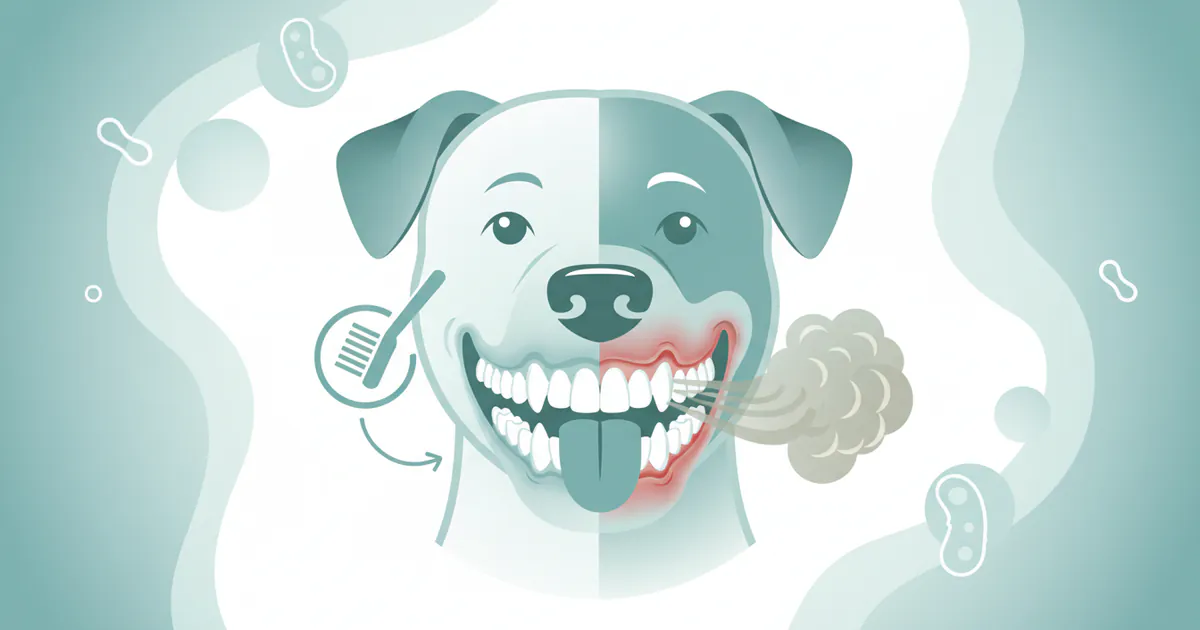
Dogs Bad Breath: Complete Guide
One whiff is all it takes: that distinctly unpleasant odor emanating from your beloved canine companion. If you've ever wondered, "Why does my dog's breath smell so bad?" you're not alone. It's a common concern among pet owners, with over 80% of dogs showing signs of oral disease by age three. W
February 23, 2026
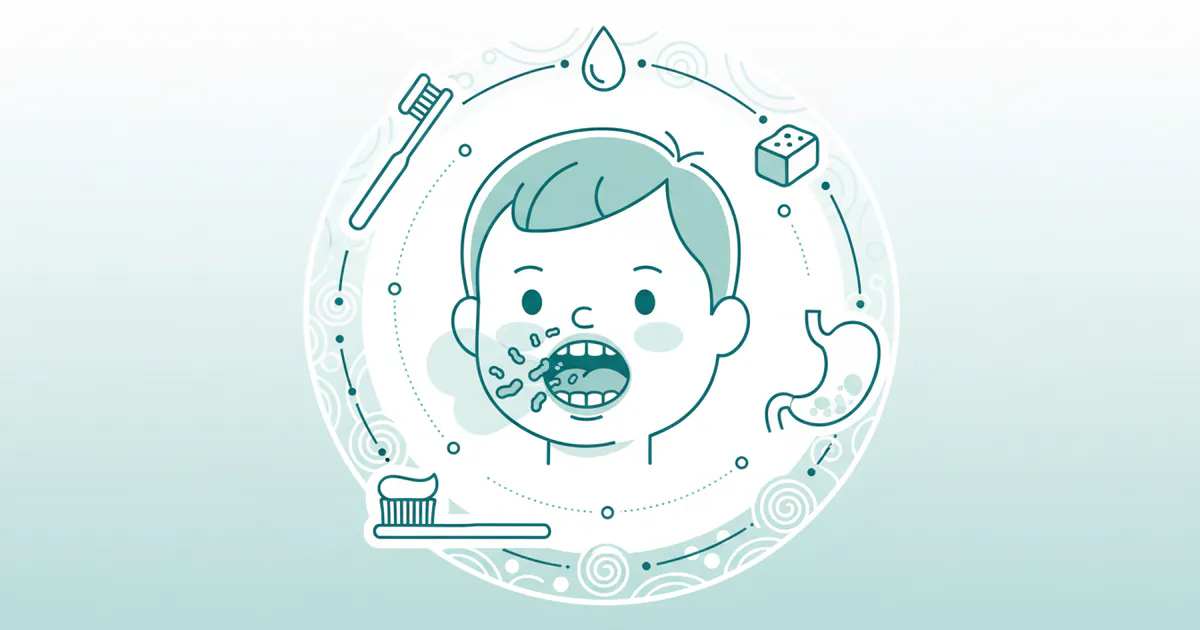
Sudden Bad Breath in Toddlers: Complete Guide
When your toddler, who usually smells sweet and innocent, suddenly develops an unpleasant odor in their breath, it can be an alarming experience for any parent. Sudden bad breath in toddlers, also known as halitosis, is more common than you might think, affecting a significant number of young ch
February 23, 2026
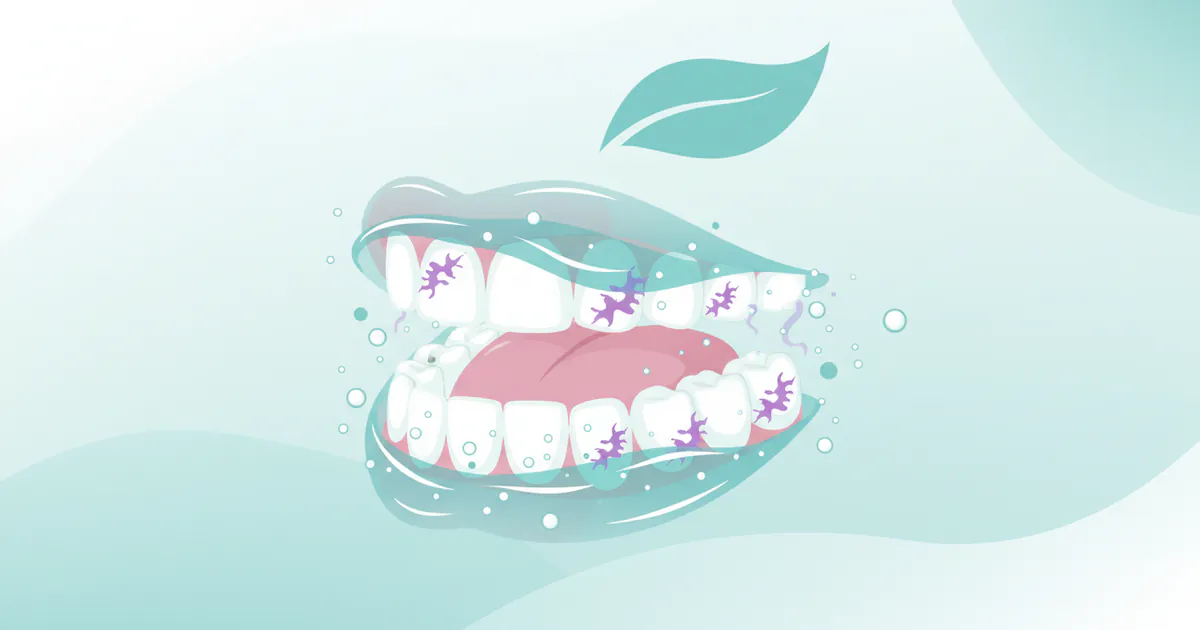
Mouth Wash for Bad Breath: Complete Guide
Bad breath, medically known as halitosis, is an incredibly common and often embarrassing condition that affects a significant portion of the global population. In the United States alone, more than 80 million people suffer from chronic bad breath, impacting social interactions, professional conf
February 23, 2026