First Tooth Eruption: Complete Guide
Key Takeaways
- More than 60% of babies experience their first tooth eruption around six months of age, marking a pivotal milestone in their development. This exciting yet sometimes challenging period, commonly known as teething, is the initial step in a lifelong journey of oral health. Understanding the nuances of
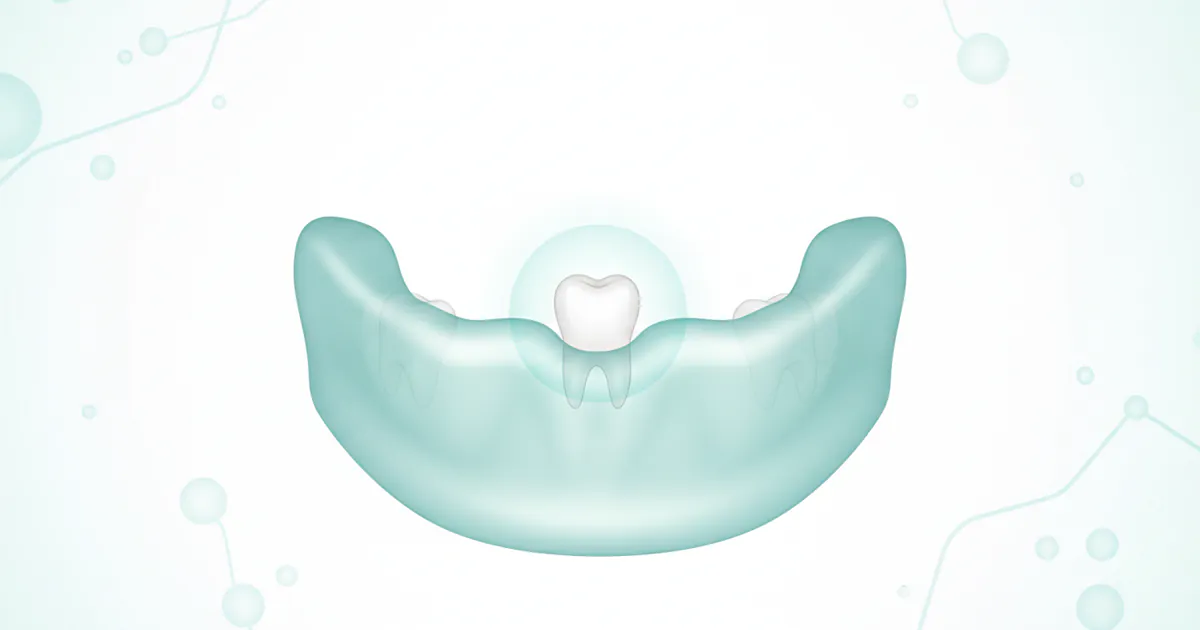
More than 60% of babies experience their first tooth eruption around six months of age, marking a pivotal milestone in their development. This exciting yet sometimes challenging period, commonly known as teething, is the initial step in a lifelong journey of oral health. Understanding the nuances of first tooth eruption is not just about managing a baby's discomfort; it's about laying the groundwork for proper nutrition, speech development, and preventing future dental issues. From the typical timeline and common symptoms to effective remedies and when to seek professional advice, this complete guide from SmilePedia.net will equip you with the knowledge needed to navigate this crucial phase confidently. We'll delve into the scientific process behind tooth development, discuss what to expect as primary teeth emerge, and even touch upon the broader topic of tooth eruption in adults and its implications for overall dental health and types of teeth alignment.
Key Takeaways:
- Typical Onset: The first primary (baby) teeth typically erupt between 6 and 12 months of age, though individual variations are common.
- Full Set Timeline: Most children have all 20 primary teeth by their third birthday.
- Common Symptoms: Irritability, drooling, gum swelling, mild fever, and a desire to chew are frequent signs of teething.
- Teething Remedies: Options range from chilled teething rings and gum massage to over-the-counter pain relief (e.g., acetaminophen or ibuprofen, as directed by a pediatrician).
- Cost of Teething Aids: Basic teething toys cost $5-$25. Specialized dental visits for eruption issues might range from $75-$250 per appointment without insurance.
- Oral Hygiene: Begin cleaning baby's gums even before teeth appear, and brush teeth twice daily with a rice-grain-sized smear of fluoride toothpaste once the first tooth erupts.
- When to See a Dentist: Consult a dentist if eruption is significantly delayed (no teeth by 18 months), severe pain, high fever, or unusual gum swelling persists.
What It Is / Overview
Tooth eruption is the process by which teeth emerge through the gums and become visible in the mouth. This intricate biological event is a fundamental part of human development, occurring in two main phases: primary (deciduous or baby) tooth eruption and permanent (adult) tooth eruption. The first tooth eruption refers specifically to the emergence of the primary teeth, which typically begins in infancy.
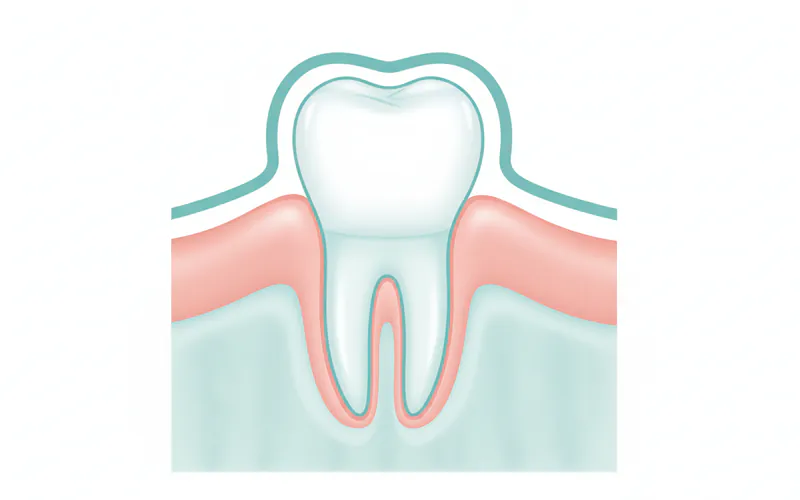
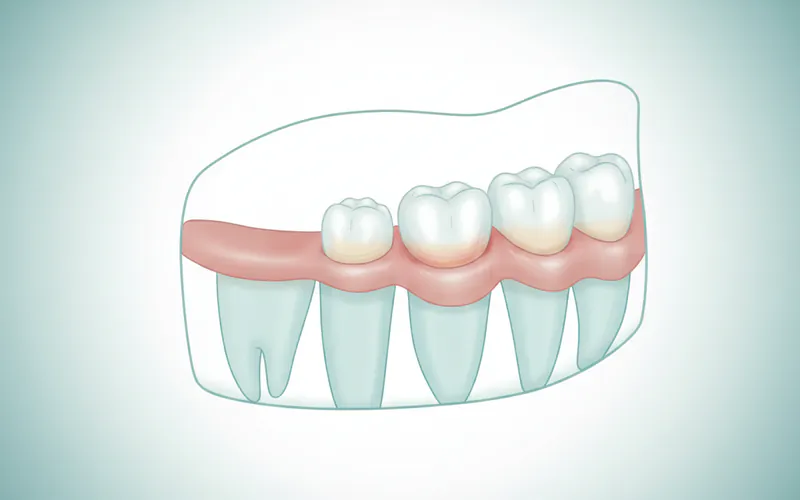
The development of teeth actually starts long before birth, with tooth buds forming within the jawbones during the prenatal period. These buds are miniature versions of future teeth, encased within sacs. As a baby grows, these tooth buds mature, and the crowns of the teeth calcify and harden. The root of the tooth then begins to form, and this growth pushes the tooth upwards through the jawbone and gum tissue. The exact mechanism involves a complex interplay of cellular activity, bone remodeling, and pressure.
Primary teeth are crucial for several reasons beyond just chewing food. They play a vital role in proper speech development, helping children form sounds correctly. They also act as natural space holders for the permanent teeth that will eventually replace them, guiding the permanent teeth into their correct positions. Premature loss of primary teeth due to decay or injury can lead to misalignment of permanent teeth later on, potentially contributing to types of teeth alignment issues like crowding or malocclusion. Therefore, understanding and caring for these first teeth is paramount for a child's overall oral health and development.
Types / Variations in Tooth Eruption
While the general process of tooth eruption is universal, there are variations in the timing and sequence, both for primary and permanent teeth.
Primary (Deciduous) Tooth Eruption
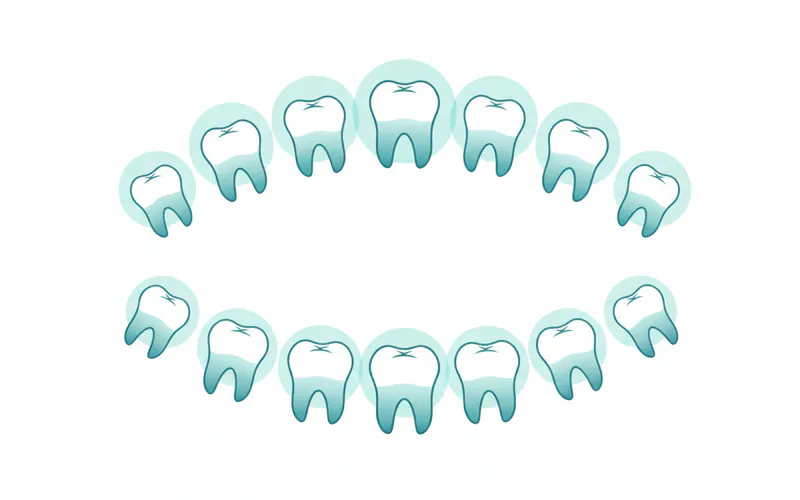
The eruption of primary teeth follows a general pattern, though there can be significant individual variation. Typically, the lower central incisors (front bottom teeth) are the first to emerge, followed by the upper central incisors.
Typical Sequence of Primary Tooth Eruption:
- Lower Central Incisors: 6-10 months
- Upper Central Incisors: 8-12 months
- Upper Lateral Incisors: 9-13 months
- Lower Lateral Incisors: 10-16 months
- Upper First Molars: 13-19 months
- Lower First Molars: 14-18 months
- Upper Canines (Cuspids): 16-22 months
- Lower Canines (Cuspids): 17-23 months
- Lower Second Molars: 23-31 months
- Upper Second Molars: 25-33 months
By approximately 2.5 to 3 years of age, most children will have all 20 primary teeth. It's important to remember these are average timelines; some children may get their first tooth as early as 3 months or as late as 12 months, and still be perfectly normal. Genetic factors often play a role in the timing.
Permanent (Adult) Tooth Eruption
Following the primary dentition, children begin to lose their baby teeth and gain their permanent teeth, a process that typically starts around age 6 and continues into the late teens or early twenties with the eruption of wisdom teeth. This phase is what's commonly referred to as tooth eruption in adults when discussing the full set.
Typical Sequence of Permanent Tooth Eruption:
- First Molars: 6-7 years (these erupt behind the primary molars and do not replace any baby teeth)
- Central Incisors: 6-8 years
- Lateral Incisors: 7-9 years
- Canines: 9-12 years
- Premolars (Bicuspids): 10-12 years (replace primary molars)
- Second Molars: 11-13 years
- Third Molars (Wisdom Teeth): 17-21 years (highly variable, some never erupt or are impacted)
The eruption of permanent teeth can sometimes be accompanied by discomfort similar to teething, though generally less severe. Issues like delayed eruption, impaction (when a tooth is blocked from erupting), or eruption in abnormal positions are more common with permanent teeth, especially wisdom teeth.
Ectopic Eruption
Ectopic eruption is a variation where a tooth erupts in an abnormal position or direction. This is more common with permanent teeth, particularly permanent molars or canines, and can lead to crowding or damage to adjacent teeth. Early detection by a dentist is crucial for managing ectopic eruption.
Causes / Why It Happens
Tooth eruption is a complex, biologically programmed event, not a "treatment" or "condition" in itself for baby teeth, but rather a natural developmental process. For permanent teeth, issues can arise.
The fundamental "cause" of tooth eruption is the natural growth and development of the human body. Here's a breakdown of the underlying mechanisms:
Genetic Predisposition
Genetics play a significant role in determining the timing and sequence of tooth eruption. If parents experienced early or late teething, their children are likely to follow a similar pattern. Family history can also influence the likelihood of issues like delayed eruption or certain types of teeth alignment.
Bone Resorption and Apposition
As a tooth develops within the jawbone, a process of bone remodeling occurs. Specialized cells called osteoclasts resorb (break down) the bone overlying the erupting tooth, creating a path for it. Simultaneously, osteoblasts deposit new bone around the developing root, helping to anchor the tooth as it moves into position.
Periodontal Ligament Development
The periodontal ligament is a specialized connective tissue that surrounds the root of a tooth and connects it to the bone of the tooth socket. As a tooth erupts, the fibers of the periodontal ligament mature and organize, contributing to the eruptive force and stabilizing the tooth in its final position.
Root Elongation
The continuous growth and elongation of the tooth root is considered a primary driving force behind eruption. As the root lengthens, it pushes the crown of the tooth towards the oral cavity.
Local Factors and Influences
- Nutrition: Adequate nutrition, particularly calcium, phosphorus, and vitamins A, C, and D, is essential for healthy tooth development and eruption. Severe nutritional deficiencies can sometimes delay eruption.
- Hormones: Hormones, particularly thyroid hormones, can influence the timing of tooth eruption. Hypothyroidism, for example, can be associated with delayed eruption.
- Systemic Health: General health conditions, chronic illnesses, or certain genetic syndromes can affect tooth development and eruption patterns.
- Space Availability: For permanent teeth, the availability of adequate space in the dental arch is crucial. Lack of space can lead to impaction or ectopic eruption.
While the first tooth eruption is a natural process, understanding these underlying factors helps dentists identify potential issues if eruption is significantly delayed or abnormal, which could hint at broader developmental or health concerns.
Signs and Symptoms
The emergence of the first baby teeth can be accompanied by a range of signs and symptoms, collectively known as "teething." These are typically mild and localized, but can sometimes cause discomfort for the infant and concern for parents.
Common Signs of Teething
- Increased Drooling: One of the most noticeable signs. Babies produce more saliva, which can lead to rashes around the mouth, chin, and neck if not kept dry.
- Irritability and Fussiness: Babies may become more cranky, restless, and have difficulty sleeping due to gum discomfort.
- Swollen, Tender Gums: The gums around the erupting tooth may appear red, swollen, and feel tender to the touch. You might even see a small bluish lump called an eruption cyst or hematoma, which usually resolves on its own.
- Desire to Chew: Babies instinctively try to relieve pressure and discomfort by chewing on anything they can get their hands on – toys, fingers, clothing, or even parents' hands.
- Slightly Elevated Temperature: While some parents report a low-grade fever during teething, the American Academy of Pediatrics (AAP) and American Dental Association (ADA) clarify that true fever (over 100.4°F or 38°C) is not a normal symptom of teething. A high fever warrants a call to the pediatrician as it indicates an underlying illness.
- Changes in Eating Habits: Some babies may refuse food or bottles due to sore gums, while others may want to nurse more frequently for comfort.
- Ear Pulling/Cheek Rubbing: The pain from erupting teeth can sometimes radiate, causing babies to pull at their ears or rub their cheeks on the side where a tooth is coming in. This should be distinguished from an ear infection.
- Loose Stools: While anecdotal evidence often links teething to loose stools or diarrhea, scientific research does not support a direct causal link. If severe or persistent diarrhea occurs, it's likely due to an infection or other issue and requires medical attention.
- Congestion/Runny Nose: Similar to loose stools, these symptoms are often attributed to teething but are typically signs of a mild cold or viral infection.
Pro Tip: Always check for other signs of illness if your baby is experiencing significant symptoms beyond mild fussiness, drooling, and gum tenderness. Teething should not cause severe illness.
Treatment Options (Teething Remedies)
Since tooth eruption for primary teeth is a natural process, "treatment" focuses on managing the associated symptoms of teething. For permanent teeth, "treatment" might involve addressing impaction or misalignment.
Home Remedies for Teething Discomfort
These are generally the first line of approach for a fussy, teething baby.
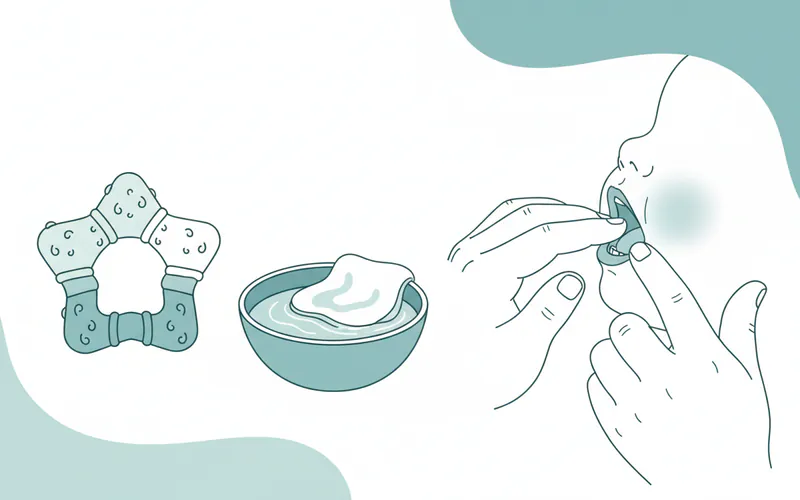
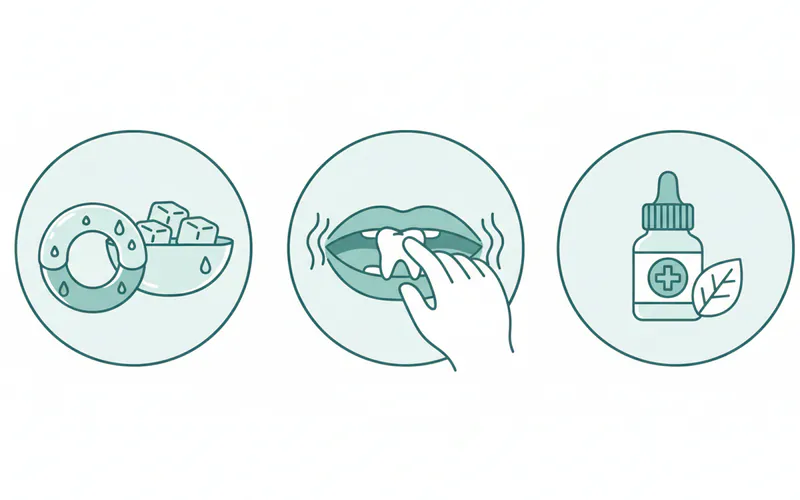
- Gum Massage: Gently rub your baby's gums with a clean finger. The pressure can provide relief.
- Chilled Teething Rings or Toys: Provide solid, non-liquid-filled teething rings that have been cooled in the refrigerator (not freezer, as they can become too hard and damage gums). The cold helps numb the gums.
- Wet Washcloth: A clean, wet washcloth, chilled and offered to chew on, can also be soothing.
- Hard, Sugar-Free Foods: For babies who are already eating solids, offer safe, sugar-free teething biscuits or firm vegetables (like a peeled cucumber or carrot stick, under strict supervision to prevent choking).
- Extra Cuddles and Distraction: Sometimes, the best remedy is just extra attention and comforting. Playing or reading a book can distract them from the discomfort.
Over-the-Counter (OTC) Pain Relief
When home remedies aren't enough, mild pain relievers can be considered after consulting with your pediatrician.
- Acetaminophen (Tylenol®): Can be given to infants typically from 2 months of age.
- Ibuprofen (Advil® or Motrin®): Can be given to infants typically from 6 months of age.
- Dosage: Always follow the pediatrician's recommendations or the package instructions carefully based on your child's weight.
- Frequency: Do not exceed recommended dosages or frequency.
What to AVOID
- Topical Anesthetic Gels with Benzocaine: The FDA (U.S. Food and Drug Administration) recommends against using topical pain relievers containing benzocaine for children younger than 2 years due to the risk of methemoglobinemia, a serious blood disorder.
- Teething Necklaces/Bracelets (Amber, Silicone, etc.): These pose choking and strangulation hazards and have no proven medical benefit for teething pain. The ADA and AAP strongly advise against their use.
- Homeopathic Teething Tablets/Gels: The FDA has warned against the use of these products due to inconsistent amounts of belladonna, a toxic substance, which has been linked to seizures and other serious side effects.
- Alcohol on Gums: Never rub alcohol on a baby's gums. It's dangerous and ineffective.
- Sugary Drinks or Foods for Comfort: While it might seem soothing, prolonged exposure to sugars, especially from bottles given at bedtime, dramatically increases the risk of early childhood caries (baby bottle tooth decay) once teeth erupt.
Pro Tip: For children experiencing discomfort from wisdom tooth eruption or other permanent tooth issues, dentists may recommend different interventions, from pain medication to extraction for impacted teeth.
Step-by-Step Process of Tooth Eruption
Understanding the general "timeline" of tooth eruption is essential for parents. While not a strict "step-by-step treatment," it outlines what to expect chronologically.
1. Prenatal Development (Weeks 6-8 in utero)
- Formation of Tooth Buds: The very first tooth buds for primary teeth begin to form in the fetus's jaws.
- Calcification Begins: Hardening of the tooth crowns starts for primary teeth.
2. Infancy (0-6 months)
- Continued Development: Tooth crowns for primary teeth continue to calcify within the jawbones. Roots begin to form.
- No Visible Teeth (Typically): Most babies are born without visible teeth, though "natal teeth" (present at birth) or "neonatal teeth" (erupting within the first month) can occur, albeit rarely.
3. First Tooth Emergence (Typically 6-12 months)
- Lower Central Incisors First: The most common first teeth to erupt are the two bottom front teeth.
- Gum Changes: Gums may appear slightly red, swollen, or you might see a white line or bump where the tooth is pushing through.
- Teething Symptoms: Drooling, fussiness, chewing on objects increase.
- Oral Hygiene Begins: Once the first tooth is visible, start cleaning it with a soft baby toothbrush and a tiny smear (rice grain size) of fluoride toothpaste twice a day.
4. Continued Primary Tooth Eruption (12-33 months)
- Systematic Eruption: Teeth continue to emerge in a relatively predictable sequence (as outlined in the "Types/Variations" section).
- Molar Eruption: The first and second molars can cause more discomfort due to their larger size and multiple cusps pushing through the gums.
- Canine Eruption: The pointed canine teeth also erupt during this period.
- Full Primary Dentition: By around 2.5 to 3 years old, your child should have all 20 primary teeth (10 upper, 10 lower).
5. Transition to Permanent Teeth (Ages 6-12 years)
- Shedding Primary Teeth: The roots of primary teeth naturally resorb (dissolve), causing them to loosen and fall out, making way for permanent teeth.
- Eruption of First Permanent Molars: Often called the "six-year molars," these erupt behind the last primary molars and do not replace any baby teeth. They are crucial for establishing the bite.
- Mixed Dentition: A period where children have both primary and permanent teeth in their mouth.
6. Adult Permanent Tooth Eruption (Ages 12-21+ years)
- Replacement of Remaining Primary Teeth: Incisors, canines, and premolars replace their primary counterparts.
- Second Molars: Erupt around ages 11-13.
- Third Molars (Wisdom Teeth): The final teeth to erupt, typically between 17 and 21 years of age, if they erupt at all. These are often associated with impaction and can require extraction. This is a common aspect of tooth eruption in adults.
This step-by-step process highlights the continuum of dental development from infancy into adulthood, emphasizing the interconnectedness of primary and permanent dentition.
Cost and Insurance
For the first tooth eruption, costs are generally minimal, revolving around preventive care and symptom management. However, for issues like delayed eruption, impaction (especially in permanent teeth), or early childhood caries, dental visits and potential interventions can incur costs.
Typical Costs Associated with First Tooth Eruption (Baby Teeth)
- Teething Aids (Rings, Toys): Generally range from $5 to $25 for individual items. Specialty sets or organic options might be slightly higher.
- Over-the-Counter Pain Relievers (Acetaminophen/Ibuprofen): A bottle typically costs $8 to $15.
- First Dental Visit (Infant Oral Exam): The ADA recommends the first dental visit by age one or within six months of the first tooth's eruption.
- Without Insurance: This initial visit can range from $75 to $250, depending on the region and the comprehensiveness of the exam (e.g., just an exam vs. exam plus fluoride varnish).
- With Insurance: Many dental insurance plans, especially those with pediatric coverage (often part of ACA-compliant health plans), cover preventive visits for children at 100% or with a small co-pay (e.g., $0-$50).
- X-rays (if needed for eruption issues): For children, a limited X-ray might cost $30-$75 without insurance.
- Eruption Cysts/Hematomas: These usually resolve on their own and typically do not incur specific costs unless they become problematic and require drainage, which is rare.
Costs Associated with Tooth Eruption in Adults (Permanent Teeth)
While the focus of this article is primarily the first tooth eruption, issues related to permanent tooth eruption in adults, particularly wisdom teeth, can be significant.
- Impacted Wisdom Tooth Consultation: $100-$300 (without insurance).
- Wisdom Tooth Extraction (Simple): $75-$200 per tooth.
- Wisdom Tooth Extraction (Surgical, Impacted): $250-$800 per tooth, potentially higher for complex cases, especially under general anesthesia.
- Orthodontic Consultation (for malocclusion/alignment issues): $50-$250.
- Orthodontic Treatment (Braces, Aligners): $3,000-$8,000+ depending on complexity and duration.
Insurance Coverage
- Dental Insurance for Children: Most health insurance plans compliant with the Affordable Care Act (ACA) include pediatric dental benefits, which often cover preventive care like exams and cleanings at low or no cost. Some standalone dental plans also offer comprehensive pediatric coverage. It's crucial to check your specific plan's benefits.
- Dental Insurance for Adults: Coverage varies widely. Many plans cover a percentage of major procedures like extractions (e.g., 50-80% after deductible) but may have waiting periods or annual maximums (often $1,000-$2,000). Orthodontic coverage for adults is less common or has strict limitations.
- Medicaid/CHIP: In the US, Medicaid and the Children's Health Insurance Program (CHIP) provide comprehensive dental coverage for eligible children, including preventive, restorative, and sometimes orthodontic services.
Payment Plans and Financing Options
For more expensive procedures related to eruption issues (especially adult extractions or orthodontics), many dental offices offer:
- In-house Payment Plans: Installment plans directly with the practice.
- Third-Party Financing: Companies like CareCredit or LendingClub offer specialized healthcare credit cards with deferred interest or low-interest plans.
- Dental Discount Plans: Not insurance, but provide a percentage discount on services from participating dentists for an annual fee.
Pro Tip: Always clarify costs and insurance coverage with your dental office and insurance provider before any major procedures to avoid surprises.
Recovery and Aftercare
For routine first tooth eruption, "recovery" is simply the easing of teething symptoms. For more complex eruption issues (e.g., an extracted wisdom tooth), recovery is more involved.
After Primary Tooth Eruption (Teething)
- Continue Oral Hygiene: Once a tooth erupts, it is susceptible to decay. Brush twice daily with a rice-grain-sized amount of fluoride toothpaste and a soft baby toothbrush.
- Monitor for Decay: Inspect your child's teeth regularly for any signs of discoloration or damage.
- First Dental Visit: Schedule your child's first dental visit by their first birthday or within six months of the first tooth's eruption. The dentist can check on eruption progress and provide guidance.
- Maintain Healthy Habits: Encourage water intake and limit sugary drinks and snacks to protect newly erupted teeth.
After Permanent Tooth Eruption (Especially Wisdom Teeth)
Recovery after a wisdom tooth extraction, a common consequence of problematic tooth eruption in adults, requires specific aftercare:
- Pain Management: Take prescribed pain medication or OTC pain relievers (ibuprofen/acetaminophen) as directed.
- Swelling Reduction: Apply an ice pack to the outside of the cheek for 15-20 minutes at a time during the first 24-48 hours.
- Bleeding Control: Bite gently on gauze pads placed over the extraction site. Change pads as needed.
- Soft Diet: Stick to soft foods like yogurt, applesauce, mashed potatoes, and soup for several days. Avoid crunchy, chewy, or hot foods.
- Avoid Straws and Spitting: The suction can dislodge the blood clot and lead to a painful "dry socket."
- Oral Hygiene: Gently brush remaining teeth, avoiding the extraction site initially. Rinse with warm salt water (1/2 teaspoon salt in 8 ounces warm water) after 24 hours to keep the area clean.
- Rest: Get plenty of rest to aid healing.
- Follow Dentist's Instructions: Adhere strictly to all post-operative instructions provided by your oral surgeon or dentist.
- Smoking/Alcohol: Avoid smoking and alcohol, as they can impair healing and increase complication risks.
Pro Tip: A typical recovery from a routine wisdom tooth extraction is about 3-7 days, with full healing taking several weeks. More complex extractions, especially for impacted teeth, can extend this timeline.
Prevention
While you cannot "prevent" teeth from erupting (it's a natural process), you can prevent complications associated with it, both for primary and permanent teeth.
For Primary Tooth Eruption
- Prevent Early Childhood Caries (ECC):
- Start Early Oral Hygiene: Begin cleaning gums before teeth erupt. Once the first tooth appears, brush twice daily with a rice-grain-sized smear of fluoride toothpaste (ADA recommendation). Increase to a pea-sized amount at age 3.
- Avoid Bedtime Bottles with anything but Water: Do not put your baby to sleep with a bottle containing milk, formula, juice, or sweetened liquids, as this is a leading cause of decay.
- Limit Sugary Drinks and Snacks: Reduce exposure to sugars. Water is the best drink between meals.
- Regular Dental Check-ups: Take your child for their first dental visit by age one. Regular check-ups allow for early detection and prevention of decay.
- Manage Teething Discomfort Safely: Adhere to safe teething remedies and avoid potentially harmful products (benzocaine, homeopathic tablets, amber necklaces) to prevent adverse reactions.
- Prevent Trauma: Ensure a safe environment to prevent falls or impacts that could damage newly erupted teeth.
For Permanent Tooth Eruption and Alignment
- Regular Dental Visits: Continue routine dental check-ups for children and adults. Dentists monitor the eruption of permanent teeth, checking for impaction, delayed eruption, or signs of malocclusion.
- Orthodontic Evaluation: The ADA recommends an orthodontic evaluation by age 7. An orthodontist can assess the developing bite and jaw, identify potential types of teeth alignment issues, and determine if early intervention (Phase 1 orthodontics) is needed.
- Space Maintainers: If a primary tooth is lost prematurely, a space maintainer may be recommended to prevent adjacent teeth from shifting and blocking the eruption path of the permanent tooth.
- Maintain Good Oral Hygiene: Prevents decay and gum disease, which can complicate eruption and overall oral health.
- Proper Nutrition: Supports healthy bone and tooth development.
Pro Tip: Early intervention is key for many dental issues. Regular visits to a pediatric dentist from infancy allow for proactive management and prevention of problems related to tooth eruption and development.
Risks and Complications
While tooth eruption is a natural process, various issues can arise, ranging from minor discomfort to more significant dental problems.
Complications Related to Primary Tooth Eruption
- Severe Teething Pain/Infection: While mild discomfort is normal, severe, prolonged pain, high fever, or significant swelling should prompt a dental or medical visit to rule out an infection (e.g., gum infection, dental abscess) or other illness.
- Eruption Cysts/Hematomas: A bluish, fluid-filled or blood-filled sac on the gum over an erupting tooth. Usually harmless and resolves as the tooth emerges, but sometimes requires minor dental intervention if it's very large or painful.
- Delayed Eruption: If no teeth have erupted by 18 months, or if there's a significant delay in the eruption sequence, it warrants a dental evaluation. This could be due to genetic factors, nutritional deficiencies, systemic conditions, or physical obstructions.
- Early Childhood Caries (ECC): If proper oral hygiene isn't established and sugar intake isn't controlled, newly erupted primary teeth are highly susceptible to decay, which can progress rapidly and even affect the developing permanent teeth.
- Supernumerary Teeth: Extra teeth that can block the eruption of normal teeth.
- Ankylosis: A rare condition where a tooth's root fuses directly to the jawbone, preventing it from erupting fully or causing it to be "stuck" below the gum line.
Complications Related to Permanent Tooth Eruption (Tooth Eruption in Adults)
- Impaction: The most common complication, especially with wisdom teeth. An impacted tooth is unable to fully erupt due to a physical obstruction (bone, gum tissue, or another tooth). Impacted wisdom teeth can cause pain, infection, damage to adjacent teeth, or cyst formation.
- Delayed Eruption: Similar to primary teeth, permanent teeth can be delayed due to genetic factors, trauma, cysts, tumors, or systemic conditions.
- Ectopic Eruption: When a tooth erupts in an abnormal position, often leading to crowding or interference with other teeth.
- Malocclusion (Bad Bite): Abnormal eruption patterns or genetic factors can lead to misaligned teeth and jaws. This includes various types of teeth alignment issues such as overbites, underbites, crossbites, and open bites, often requiring orthodontic treatment.
- Ankylosis: Permanent teeth can also become ankylosed, preventing proper eruption or orthodontic movement.
- Damage to Adjacent Teeth: An erupting tooth, especially an impacted one, can resorb the root of an adjacent tooth, leading to its damage or loss.
- Pericoronitis: Inflammation and infection of the gum tissue around a partially erupted tooth, most commonly wisdom teeth. Food and bacteria can get trapped under the gum flap, leading to pain, swelling, and difficulty opening the mouth.
Recognizing these risks allows for timely intervention, protecting oral health throughout life.
Children / Pediatric Considerations
The entire journey of first tooth eruption is primarily a pediatric concern, making specific guidance for parents crucial.
Oral Health from Birth
- Clean Gums: Even before the first tooth erupts, gently wipe your baby's gums twice a day with a clean, damp cloth or soft finger brush. This removes milk residue and bacteria, getting them accustomed to oral care.
- First Dental Visit by Age One: The American Academy of Pediatric Dentistry (AAPD) and ADA recommend a child's first dental visit by their first birthday or within six months of the eruption of their first tooth. This visit is critical for:
- Assessing eruption patterns and development.
- Providing anticipatory guidance on oral hygiene, diet, and fluoride.
- Detecting any early signs of decay or developmental issues.
- Building a positive relationship with the dental office.
Managing Teething Comfort
- Safe Relief: Prioritize safe, recommended methods for alleviating teething discomfort (chilled rings, gum massage, pediatrician-approved pain relievers). Steer clear of unproven or dangerous products.
- Drool Management: Keep the baby's chin dry to prevent rashes, using a soft cloth or bibs.
Establishing Lifelong Habits
- Fluoride Toothpaste: Use a tiny smear (rice-grain size) of fluoride toothpaste from the moment the first tooth appears. Supervise brushing to ensure they don't swallow too much.
- Healthy Eating Habits: Limit sugary drinks and snacks. Encourage water consumption.
- Leading by Example: Children learn by observation. Parents demonstrating good oral hygiene habits reinforce their importance.
Monitoring Eruption and Development
- Track Eruption: Be aware of the general timeline for primary tooth eruption. While variations are normal, significant delays should be discussed with a pediatric dentist.
- Watch for Red Flags: Persistent high fever, severe pain, extensive gum swelling, or refusal to eat should prompt a call to the pediatrician or pediatric dentist.
- Transition to Permanent Teeth: Continue regular dental visits as permanent teeth begin to erupt (around age 6). This is a critical time for monitoring space, alignment, and the development of the bite. Early orthodontic evaluation can identify and address potential types of teeth alignment issues.
Pro Tip: Your pediatric dentist is your best resource for navigating your child's dental development. They can provide personalized advice and support from infancy through adolescence.
Comparison Tables
To help visualize options and information, here are two comparison tables relevant to tooth eruption.
Table 1: Common Teething Remedies Comparison
| Remedy | Description | Pros | Cons | Cost Range (Approx. USD) |
|---|---|---|---|---|
| Gum Massage | Gently rubbing baby's gums with a clean finger or soft brush. | Simple, immediate, no cost, direct comfort. | Temporary relief, requires parent's active involvement. | $0 |
| Chilled Teething Ring | Solid, non-liquid ring cooled in the refrigerator. | Soothing cold, safe for chewing, readily available. | Can become too cold if frozen; need to clean regularly. | $5 - $15 |
| Wet Washcloth | Clean washcloth, chilled and offered to chew. | Inexpensive, soft texture, good for sensitive gums. | Can lose coolness quickly, may require frequent re-chilling. | $0 - $2 (for a cloth) |
| Acetaminophen/Ibuprofen | Oral pain relievers (e.g., Tylenol, Advil) for infants. | Effective for moderate pain, lasts several hours. | Requires correct dosage by weight, potential side effects, consult pediatrician first. | $8 - $15 |
| Topical Gels (Benzocaine) | Gels applied directly to gums (e.g., Orajel Baby). | Localized numbing. | FDA advises AGAINST use in children under 2 (risk of methemoglobinemia). Short-lived effect. | $5 - $10 |
| Teething Necklaces/Bracelets | Amber, silicone beads worn around neck/wrist. | (Claimed) anti-inflammatory properties/pressure relief. | Choking and strangulation hazard. No scientific evidence of benefit. (ADA/AAP recommend against) | $15 - $50 |
Table 2: Eruption Timeline & Associated Dental Milestones
| Stage | Age Range (Typical) | Key Dental Events | Common Considerations |
|---|---|---|---|
| Infancy (Primary Dentition) | 0 - 6 months | Tooth buds form, no visible teeth (usually). | Start gum cleaning, first dental check by 1 year. |
| First Tooth Eruption | 6 - 12 months | Lower central incisors emerge first. | Teething symptoms, start brushing with fluoride toothpaste. |
| Full Primary Dentition | 12 - 33 months | All 20 primary teeth erupt by ~2.5-3 years. | Establish regular brushing, healthy eating habits. |
| Mixed Dentition | 6 - 12 years | Primary teeth shed, permanent incisors & molars erupt. | First permanent molars, potential for orthodontic eval. |
| Adolescence/Adulthood (Permanent Dentition) | 12 - 21+ years | Remaining permanent teeth erupt, including wisdom teeth. | Wisdom tooth impaction common, types of teeth alignment issues may require orthodontics. |
Frequently Asked Questions
What is the average age for a baby's first tooth to appear?
The average age for first tooth eruption is typically between 6 and 12 months. However, there's a wide range of normal, with some babies getting their first tooth as early as 3 months and others not until after their first birthday. Genetics often play a role in this timing, so if parents teethed early or late, their child might too.
What are the most common symptoms of teething?
Common teething symptoms include increased drooling, fussiness or irritability, swollen and tender gums, a desire to chew on objects, and sometimes a slightly elevated temperature (though a true fever above 100.4°F is usually indicative of an illness, not just teething). Changes in sleep or eating patterns may also occur.
Is it normal for teething to cause fever or diarrhea?
While many parents report low-grade fever or loose stools during teething, medical experts, including the ADA and AAP, state that teething does not directly cause fever (over 100.4°F/38°C) or diarrhea. If your baby experiences these symptoms, it's crucial to consult a pediatrician as it's likely a sign of an underlying illness that requires medical attention.
When should I take my child for their first dental visit?
The American Dental Association (ADA) recommends that a child's first dental visit should occur by their first birthday or within six months of the eruption of their first tooth, whichever comes first. This initial visit is crucial for assessing oral development, providing preventive care advice, and establishing good oral hygiene habits early on.
How can I ease my baby's teething pain safely?
Safe ways to ease teething pain include gently massaging the gums with a clean finger, offering chilled (not frozen) teething rings or a wet washcloth to chew on, and providing extra cuddles and distraction. If pain is more severe, acetaminophen or ibuprofen (following pediatrician's guidance for dosage and age) can be used. Avoid topical gels with benzocaine, homeopathic tablets, and amber necklaces due to safety concerns.
What is "tooth eruption in adults"?
Tooth eruption in adults primarily refers to the emergence of permanent teeth, a process that begins around age six and continues into late adolescence or early adulthood with the wisdom teeth. It can also refer to the late eruption of permanent teeth due to impaction or other issues, or even secondary eruption if a tooth previously moved due to trauma or orthodontic treatment.
Can problems with tooth eruption affect my child's teeth alignment?
Yes, issues during tooth eruption can significantly impact types of teeth alignment. For primary teeth, premature loss due to decay can cause adjacent teeth to shift, blocking the path for permanent teeth. For permanent teeth, delayed eruption, impaction, or eruption in abnormal positions can lead to crowding, crooked teeth, or other forms of malocclusion, often requiring orthodontic intervention.
What are wisdom teeth and why are they often removed?
Wisdom teeth are the third and final set of molars to erupt, usually between the ages of 17 and 21. They are often removed because they frequently become impacted (unable to fully erupt) due to lack of space in the jaw. Impacted wisdom teeth can cause pain, infection, damage to adjacent teeth, or cyst formation, making extraction a common preventive or corrective procedure.
What are the signs of a wisdom tooth erupting?
Signs of a wisdom tooth erupting can include pain or tenderness in the back of the jaw, swelling or redness of the gum tissue in the area, difficulty opening the mouth, and sometimes a bad taste in the mouth if food or bacteria get trapped. For many, wisdom teeth cause no symptoms and erupt without issue.
How much does it cost to address an impacted wisdom tooth?
The cost to address an impacted wisdom tooth varies widely based on complexity and location. A surgical extraction for an impacted tooth can range from $250 to $800 per tooth without insurance, potentially higher if general anesthesia is required. This does not include the initial consultation fee, which might be $100-$300. Insurance may cover a portion, but annual maximums and deductibles apply.
When to See a Dentist
While first tooth eruption is a natural process, there are specific signs and symptoms that warrant a visit to the dentist or pediatrician, both for infants and adults.
For Infants and Young Children (Primary Tooth Eruption)
- No Teeth by 18 Months: If your child has no visible teeth by 18 months of age, it's advisable to consult a pediatric dentist. While some delays are normal, this could indicate a developmental issue or a genetic condition.
- Significant Deviation from Eruption Sequence: While slight variations are common, a highly irregular eruption pattern should be reviewed by a dentist.
- Persistent High Fever: As mentioned, teething does not cause a true high fever (over 100.4°F). If your child has a persistent high fever, it indicates an infection or other illness requiring immediate medical attention.
- Severe Pain or Irritability: If your child's discomfort is severe, prolonged, or not relieved by typical teething remedies, or if they refuse to eat for an extended period, seek professional advice.
- Extensive Swelling or Redness: While mild gum inflammation is normal, significant, widespread swelling, bright red gums, or pus around an erupting tooth could indicate an infection.
- Eruption Cysts that are Large, Painful, or Don't Resolve: Most eruption cysts are harmless, but if one grows excessively, causes significant pain, or shows signs of infection, it should be examined.
- First Dental Visit: Regardless of symptoms, schedule your child's first dental visit by their first birthday or within six months of the first tooth's eruption, as recommended by the ADA. This is for preventive care and early monitoring.
For Adults and Adolescents (Permanent Tooth Eruption and Concerns)
- Persistent Pain in Back of Jaw: Pain, tenderness, or throbbing in the back of your mouth, especially near where wisdom teeth are expected, could indicate impaction or pericoronitis.
- Difficulty Opening Mouth or Swallowing: These symptoms, especially when accompanied by pain and swelling, could signal a severe infection related to an erupting wisdom tooth.
- Swelling of Gums or Face: Any noticeable swelling around an erupting permanent tooth, or facial swelling, warrants immediate attention.
- Unusual Eruption: If a permanent tooth is erupting in a visibly incorrect position, or if a primary tooth has fallen out but the permanent tooth hasn't appeared after several months, consult a dentist.
- Suspected Impaction: If you experience recurring pain or infection around a partially erupted or un-erupted permanent tooth (often wisdom teeth), a dentist can perform X-rays to diagnose impaction and discuss treatment options.
- Concerns about Teeth Alignment: If you notice significant crowding, crooked teeth, or a misaligned bite as permanent teeth erupt, an orthodontic consultation is recommended to discuss types of teeth alignment and potential corrective treatments.
In all cases, when in doubt, it is always best to err on the side of caution and consult a dental professional. Early detection and intervention can prevent minor issues from becoming major problems, ensuring a healthy smile for life.
Frequently Asked Questions
Medically Reviewed Content
This article was written by our dental health editorial team and reviewed for medical accuracy. Our content follows strict editorial guidelines for reliability and trustworthiness.
Medical Disclaimer
This article is for informational purposes only and does not constitute medical advice. Always consult with a qualified dental professional for diagnosis and treatment. Do not delay seeking professional advice because of something you read on this website.
Related Articles
Tooth Eruption Order: Complete Guide
The journey of human teeth, from their initial emergence in infancy to the arrival of wisdom teeth in young adulthood, is a fascinating and crucial aspect of our overall health. Understanding the tooth eruption order is not just a matter of curiosity; it's a vital piece of knowledge that empower
February 23, 2026
Primary Tooth Eruption Sequence: Complete Guide
Did you know that by their third birthday, most children will have a full set of 20 primary teeth? The journey of these first teeth, from their initial appearance to their eventual replacement by permanent teeth, is a remarkable and often challenging milestone for both infants and parents. Understan
February 23, 2026
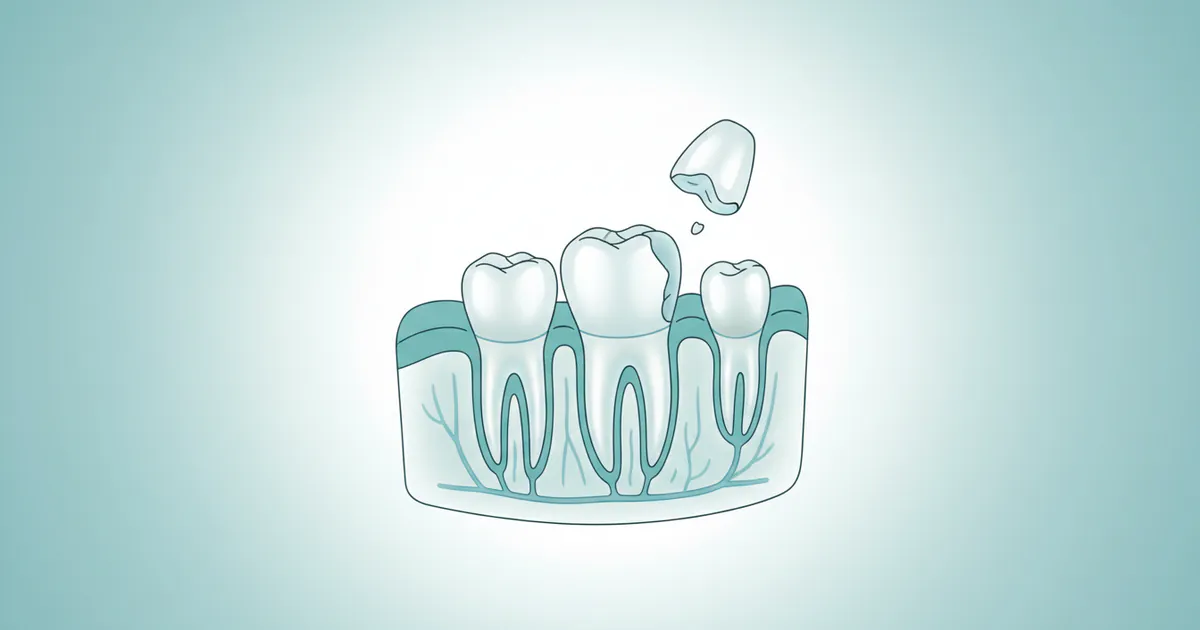
Canine Tooth Eruption: Complete Guide
Have you ever wondered about the complex process that brings your teeth into alignment, especially the prominent, pointed teeth known as canines? While often overshadowed by discussions of wisdom teeth or incisors, the canine tooth eruption process is a critical stage in your oral development, d
February 23, 2026
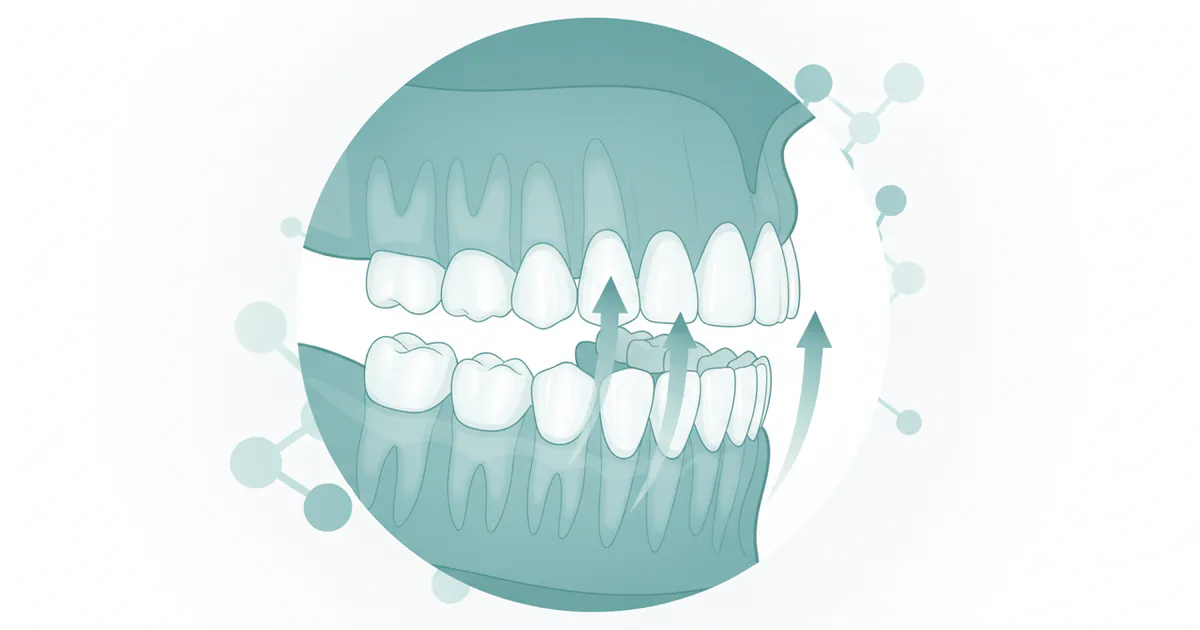
Permanent Tooth Eruption Sequence: Complete Guide
Welcome to SmilePedia.net, your trusted resource for comprehensive dental health information. The journey of your permanent teeth emerging into your mouth, known as the permanent tooth eruption sequence, is a fundamental aspect of oral development. Did you know that while primary (baby) teeth ty
February 23, 2026