Does Medicaid Cover Dentures
Key Takeaways
- Losing teeth can have a profound impact on your quality of life, affecting everything from your ability to eat and speak comfortably to your self-confidence. In fact, approximately 178 million Americans are missing at least one tooth, and about 40 million are missing all of their teeth. For many
Does Medicaid Cover Dentures? A Comprehensive Guide to Your Options
Losing teeth can have a profound impact on your quality of life, affecting everything from your ability to eat and speak comfortably to your self-confidence. In fact, approximately 178 million Americans are missing at least one tooth, and about 40 million are missing all of their teeth. For many, dentures offer a lifeline, restoring function and aesthetics. However, the cost of dentures can be a significant barrier. This leads many individuals, especially those with limited income, to ask a crucial question: does Medicaid cover dentures?

The answer, while complex, is vital for millions of Americans seeking to restore their oral health. Medicaid, a joint federal and state program, provides health coverage to low-income adults, children, pregnant women, elderly adults, and people with disabilities. While federal guidelines mandate some dental benefits for children under Medicaid (EPSDT program), adult dental benefits are largely optional for states, leading to a patchwork of coverage across the nation. Understanding your state's specific Medicaid policies is the first critical step toward determining if you can get the dentures you need. This comprehensive guide will delve into the intricacies of Medicaid denture coverage, explore different types of dentures, discuss eligibility, outline the treatment process, and provide essential cost and aftercare information, ensuring you have the definitive resource to navigate your options.
Key Takeaways:
- Medicaid Denture Coverage Varies by State: While children are federally mandated to receive dental benefits, adult denture coverage is optional for states and ranges from comprehensive to emergency-only or none at all.
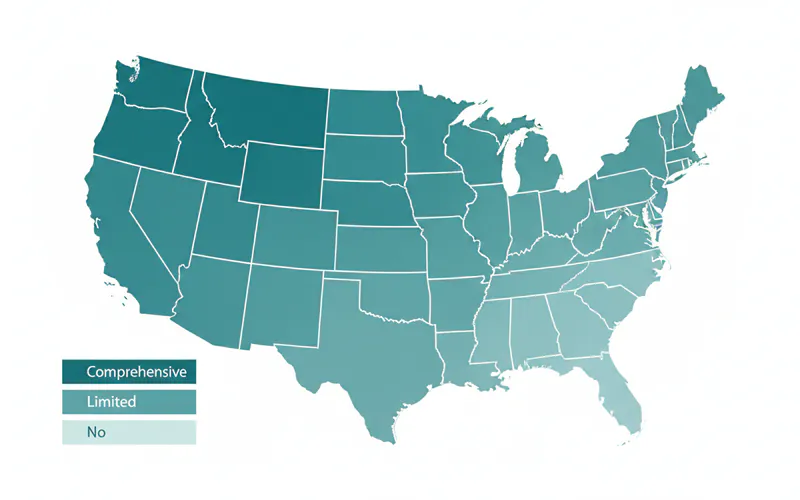
- Most States Offer Some Level of Adult Dental Care: As of 2023, 49 states and D.C. provide at least limited adult dental benefits, with 38 states offering comprehensive benefits that often include dentures.
- Common Denture Types Covered: Full and partial removable dentures are most commonly covered if your state offers comprehensive benefits. Immediate dentures may also be covered.
- Implant-Supported Dentures (Snap-In Dentures) Rarely Covered: Due to their higher cost and classification as cosmetic or non-essential by some states, implant-supported options like snap-in dentures are typically not covered by Medicaid, though exceptions exist.
- Out-of-Pocket Costs: Even with coverage, you may have co-pays or deductibles. Without coverage, traditional full dentures can cost $1,500 to $3,000 per arch, while implant-supported options can reach $10,000 to $30,000 per arch.
- Eligibility is Key: You must meet your state's income and residency requirements for Medicaid to access any dental benefits.
- Alternative Options Exist: For those without coverage, dental schools, community clinics, and payment plans can help make dentures more affordable.
What is Medicaid and How Does it Relate to Dental Care?
Medicaid is a critical public health insurance program designed to provide medical assistance to millions of low-income individuals and families. Jointly funded by federal and state governments, it operates under broad federal guidelines, but each state has significant flexibility in designing its own program within those parameters. This flexibility is particularly evident in the realm of adult dental care, including coverage for dentures.
Understanding Medicaid Basics
At its core, Medicaid aims to ensure access to essential healthcare services for vulnerable populations. Eligibility typically depends on income level relative to the Federal Poverty Level (FPL), family size, and specific categories such as pregnant women, children, parents, individuals with disabilities, and seniors. While federal law mandates coverage for certain services like physician visits, hospital care, and prescription drugs, adult dental benefits are considered an "optional benefit" for states.
The Landscape of Dental Coverage
This "optional" status creates a highly varied landscape. For children and adolescents under 21, the Early and Periodic Screening, Diagnostic, and Treatment (EPSDT) benefit guarantees comprehensive dental coverage, including preventative care, restorative treatments, and orthodontic services if medically necessary. This ensures that children receive the care needed to maintain oral health and prevent future problems that could lead to tooth loss.
However, for adults, the story is different. States decide whether to offer any adult dental benefits beyond emergency services, and if so, what scope of services they will cover. This means that an adult living in one state might have access to comprehensive dental care, including dentures, while an adult in a neighboring state might only be covered for tooth extractions in cases of acute pain or infection. This disparity is a major challenge for many adults facing significant tooth loss.
Does Medicaid Cover Dentures? A State-by-State Breakdown
The crucial question of does Medicaid cover dentures cannot be answered with a simple yes or no for all Americans. The specific answer hinges entirely on the state in which you reside. Understanding this variation is paramount for anyone seeking denture assistance through Medicaid.
General Adult Dental Benefits Under Medicaid
According to data from the Centers for Medicare & Medicaid Services (CMS) and the American Dental Association (ADA), as of 2023, 49 states and the District of Columbia offer at least some adult dental benefits through Medicaid. This is a significant improvement from previous years, reflecting a growing recognition of oral health's importance to overall well-being.
However, "some benefits" can mean vastly different things:
- Comprehensive Benefits: These programs typically cover a wide range of services, including preventative care (cleanings, exams), restorative procedures (fillings, crowns), periodontics, endodontics, and often prosthodontics, which includes dentures.
- Limited Benefits: These programs might cover only preventative care, emergency care for acute pain or infection (e.g., extractions), or a very restricted set of restorative procedures.
- Emergency-Only Benefits: This is the most restrictive category, where Medicaid only covers procedures necessary to alleviate pain or treat infection, such as tooth extractions. Dentures are generally not included in emergency-only coverage.
- No Benefits: A very small number of states offer no adult dental benefits at all beyond federally mandated emergency care in certain circumstances.
States with Comprehensive Denture Coverage
Many states recognize the critical role dentures play in restoring oral function and quality of life. In these states, if you are an eligible Medicaid recipient, you will likely have coverage for medically necessary dentures. "Medically necessary" generally means that the dentures are required to restore chewing function, speech, or to prevent further oral health deterioration. Cosmetic reasons alone typically do not qualify.
Examples of states that generally provide comprehensive adult dental benefits, which often include coverage for full and partial dentures, include but are not limited to:
- California (Medi-Cal): Offers extensive dental benefits, including dentures.
- New York (Medicaid): Provides comprehensive dental services, including prosthodontics.
- Massachusetts (MassHealth): Covers a broad range of dental services, including dentures.
- Washington (Apple Health): Offers comprehensive adult dental benefits.
- Oregon (Oregon Health Plan): Known for its broad dental coverage.
- Michigan (Medicaid): Includes coverage for dentures and other prosthetics.
- Minnesota (MinnesotaCare/Medicaid): Comprehensive dental care, including dentures.
- Illinois (Medicaid): Covers dentures as part of its adult dental program.
Pro Tip: Even within states with comprehensive benefits, there might be limitations on the type of dentures covered, frequency limits (e.g., replacement dentures every 5-7 years), or requirements for prior authorization. Always check your specific state's Medicaid dental handbook or contact your plan administrator.
States with Limited or Emergency-Only Denture Coverage
In states with limited or emergency-only adult dental benefits, obtaining dentures through Medicaid is significantly more challenging or impossible.
- Limited Coverage States: You might be covered for extractions but not for the prosthetic (dentures) to replace the missing teeth. Or, there might be a very low annual spending cap that makes dentures unaffordable even with partial coverage.
- Emergency-Only States: If your state only covers emergency dental care, Medicaid will typically pay for the extraction of a severely diseased tooth causing pain or infection, but it will not cover the cost of replacing that tooth with a denture. The focus is solely on alleviating immediate, acute problems.
Examples of states that have historically offered more limited adult dental benefits (though policies can change) include:
- Texas (Medicaid): Historically has had more restrictive adult dental benefits, often focusing on emergency care and preventative services for certain populations.
- Florida (Medicaid): Adult dental benefits have historically been limited, though there have been efforts to expand coverage.
- Oklahoma (SoonerCare): While providing some dental services, coverage for extensive prosthetics like dentures may be limited or require specific medical necessity criteria.
States with No Adult Dental Coverage
While rare, a few states have, at times, offered virtually no adult dental benefits beyond federally mandated emergency services. In these scenarios, Medicaid would not cover dentures under almost any circumstances.
Pro Tip: If your state offers limited or no denture coverage, explore community dental clinics, dental schools, and federally qualified health centers (FQHCs). These often provide services on a sliding fee scale based on income, making dentures more accessible.
Types of Dentures and Their Medicaid Coverage Implications
The type of denture you need will significantly influence whether and how Medicaid might cover it. It's important to understand the distinctions between various prosthetic options.
Full Dentures (Complete Dentures)
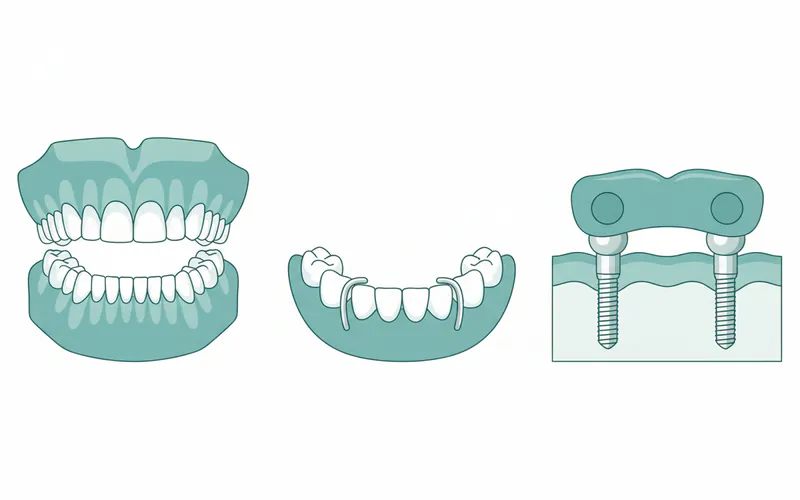
Full dentures are designed for individuals who have lost all teeth in an entire arch (either upper or lower, or both). They consist of a flesh-colored acrylic base that fits snugly over your gums, supporting a full set of artificial teeth.
- Medicaid Coverage: Full conventional dentures are the most commonly covered type of denture under comprehensive state Medicaid programs. If your state offers broad adult dental benefits, full dentures are highly likely to be included, provided they are deemed medically necessary to restore chewing function and speech.
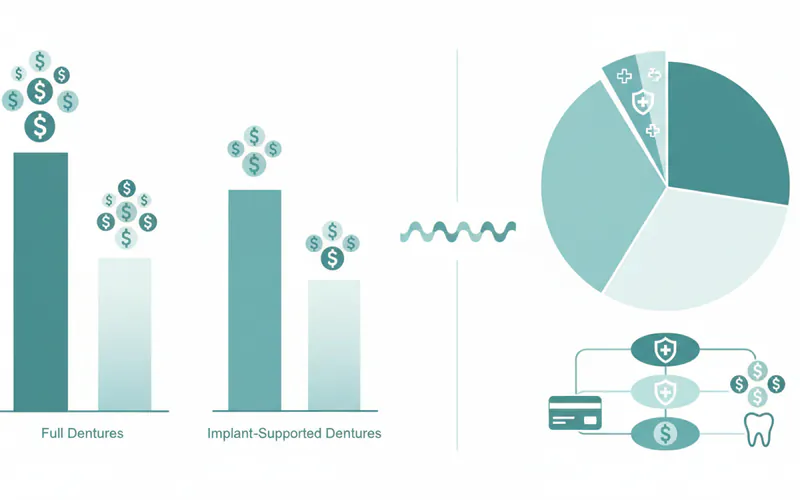
- Cost Implications: With Medicaid coverage, your out-of-pocket costs for full dentures might be minimal, often limited to small co-pays or deductibles. Without coverage, traditional full dentures typically range from $1,500 to $3,000 per arch (upper or lower), or $3,000 to $6,000 for a full set.
Partial Dentures (Removable Partial Dentures)
Partial dentures are used when you still have some natural teeth remaining. They consist of replacement teeth attached to a gum-colored base, which is connected by a metal or acrylic framework. Clasps usually attach to your existing natural teeth, holding the partial denture in place.
- Medicaid Coverage: Similar to full dentures, removable partial dentures are generally covered by state Medicaid programs that offer comprehensive adult dental benefits. The goal is to fill gaps, prevent shifting of remaining teeth, and restore function.
- Cost Implications: With comprehensive Medicaid, your costs would be minimal. Without insurance, partial dentures can range from $600 to $2,500, depending on the number of teeth and materials used (e.g., cast metal framework partials are more durable and thus more expensive than acrylic-only partials).
Immediate Dentures
Immediate dentures are fabricated before your remaining teeth are extracted. They are inserted immediately after tooth extraction on the same day, so you don't have to go without teeth during the healing period. After the gums and bone have healed and reshaped (which can take several months), these immediate dentures often need to be relined or replaced with conventional dentures.
- Medicaid Coverage: Some states with comprehensive Medicaid coverage for dentures will also cover immediate dentures, recognizing the benefit of not being toothless during the healing phase. However, coverage for the subsequent conventional denture or multiple relines might have specific rules or require prior authorization.
- Cost Implications: Without insurance, immediate dentures typically cost $1,000 to $3,500 per arch. This cost often does not include the subsequent relines or the eventual conventional dentures.
Overdentures (and Implant-Supported Dentures)
Overdentures are a type of removable denture that fits over a small number of remaining natural teeth or dental implants. These remaining structures provide stability and support for the denture, significantly improving retention, chewing efficiency, and comfort compared to traditional dentures. Snap-in dentures are a common term for implant-supported overdentures, where the denture "snaps" onto attachments on dental implants.
- Medicaid Coverage for Overdentures (on natural teeth): If you have a few healthy remaining teeth that can be preserved and serve as anchors, some comprehensive Medicaid plans might cover overdentures that utilize these teeth. This is less common than coverage for traditional full/partial dentures but is occasionally deemed medically necessary.
- Medicaid Coverage for Implant-Supported Dentures (Snap-In Dentures): This is where coverage becomes highly unlikely. Dental implants themselves are generally considered an elective or cosmetic procedure by most Medicaid programs and are therefore almost never covered. Since snap-in dentures require dental implants for support, the associated costs for the implants, surgical placement, and even the specialized denture attachments are typically not covered. There might be rare exceptions in cases of severe facial trauma or congenital defects where implants are deemed absolutely essential for function, but these are extremely uncommon.
- Understanding Coverage for "Bikenda Silicone Dentures" and Similar Products: It's important to clarify that "Bikenda silicone dentures" likely refers to a brand or type of flexible, usually temporary or cosmetic, partial denture often sold directly to consumers online. These are typically not professionally fitted custom dentures. Medicaid, and indeed most dental insurance, will not cover direct-to-consumer, non-custom-fitted "silicone" or flexible partials like those often branded as "Bikenda". Medicaid covers medically necessary, custom-fabricated dental prosthetics provided by licensed dentists. These over-the-counter options are generally not recognized as legitimate dental treatments for restoring long-term function and oral health. If you see online products marketed as a cheap denture solution, be very cautious. Proper dentures require professional evaluation, impressions, and adjustments by a dentist.
Snap-In Dentures: Cost and Insurance Considerations
Snap-in dentures cost with insurance is a frequent inquiry due to their superior stability and comfort compared to traditional dentures. However, as noted, Medicaid generally does not cover the implant component.
- What are Snap-In Dentures? Also known as implant-supported overdentures, these prosthetics attach to 2-6 dental implants placed in the jawbone. They are removable by the patient but offer significantly better retention than conventional dentures, preventing slippage and improving chewing ability.
- Cost Without Insurance: The cost of snap-in dentures is considerably higher due to the surgical placement of dental implants. A full arch of snap-in dentures typically ranges from $10,000 to $30,000 per arch, including the implants, surgical fees, abutments, and the specialized denture. This can vary based on the number of implants, materials, and complexity.
- Medicaid and Snap-In Dentures: As discussed, Medicaid very rarely covers the dental implant component. This means that even if your state covers conventional dentures, the additional cost for the implants and specialized attachments for snap-in dentures would almost certainly be an out-of-pocket expense. This often makes snap-in dentures financially out of reach for Medicaid recipients unless they can self-fund the implant portion.
- Private Insurance and Snap-In Dentures: Even with private dental insurance, coverage for dental implants can be limited. Some plans may cover a portion (e.g., 20-50%) of the surgical placement or the prosthetic component, but rarely the entire cost. Many plans consider implants "major restorative" or even cosmetic.
Eligibility for Medicaid Denture Benefits
To access any dental benefits through Medicaid, including denture coverage, you must first qualify for the Medicaid program itself. Eligibility is determined at the state level based on federal guidelines.
General Medicaid Eligibility Criteria
The primary criteria for Medicaid eligibility are typically:
- Income: Your household income must fall below a certain percentage of the Federal Poverty Level (FPL). The specific percentage varies by state and by eligibility group (e.g., children, pregnant women, adults, individuals with disabilities). Many states have expanded Medicaid under the Affordable Care Act (ACA), extending eligibility to adults up to 138% of the FPL.
- Residency: You must be a legal resident of the state in which you are applying.
- Citizenship/Immigration Status: You must be a U.S. citizen or a qualified non-citizen (e.g., lawfully admitted permanent resident).
- Age/Category: You must fall into one of the eligible categories, such as being under 21, over 65, pregnant, a parent/caretaker relative, or an individual with a disability.
Specific Dental-Related Eligibility
Beyond general Medicaid eligibility, there aren't usually separate income thresholds specifically for dental benefits. However, there may be specific criteria related to the dentures themselves:
- Medical Necessity: As mentioned, dentures must be deemed medically necessary by a licensed dentist. This means they are required to restore oral function (chewing, speaking) or to prevent further health complications, not solely for cosmetic improvement.
- Prior Authorization: Many states require prior authorization from Medicaid for major dental procedures like dentures. This means your dentist must submit a treatment plan and justification to Medicaid for approval before commencing treatment. This process can take several weeks.
- Frequency Limitations: Medicaid programs often have limitations on how frequently dentures can be replaced (e.g., once every 5-7 years).
The Application Process
Applying for Medicaid typically involves:
- Gathering Documentation: This includes proof of income (pay stubs, tax returns), proof of residency (utility bills, lease agreements), proof of identity (driver's license, birth certificate), and Social Security numbers for all applicants.
- Submitting an Application: Applications can usually be submitted online through your state's Medicaid portal, via mail, or in person at a local Medicaid office or health department.
- Verification and Interview: Your state's Medicaid agency will review your application and may request additional documentation or schedule an interview.
- Enrollment: If approved, you will receive notification and information on how to choose a managed care plan (if applicable in your state) that includes dental benefits.
Pro Tip: If you're unsure about your eligibility or the application process, contact your state's Medicaid agency or a local social services office. They often have navigators or caseworkers who can assist you.
The Denture Process When Covered by Medicaid
Obtaining dentures, even with Medicaid coverage, is a multi-step process that requires several dental appointments. Knowing what to expect can help ease anxiety and prepare you for the journey.
Initial Consultation and Oral Health Assessment
The first step is a comprehensive examination by a dentist. This includes:
- Oral Exam: A thorough check of your existing teeth, gums, and oral tissues.
- X-rays: To assess the health of your jawbone and identify any underlying issues.
- Treatment Plan Discussion: The dentist will discuss your options, confirm the need for dentures, and outline the proposed treatment plan.
- Medicaid Verification: The dental office will verify your Medicaid coverage and ascertain what specific denture services are covered in your state and plan. This is also when prior authorization, if required, will be initiated.
- Extractions: If you have remaining teeth that need to be removed before full denture placement, these extractions will be scheduled first. Pro Tip: Be upfront with your dentist about your Medicaid coverage status. They can guide you through the specific requirements and help with prior authorization submissions.
Impressions and Bite Registration
Once your mouth is prepared (either immediately after extractions for immediate dentures, or after healing for conventional dentures), the next steps involve creating accurate models of your mouth:
- Primary Impressions: The dentist will take initial impressions of your upper and lower jaws using a soft, moldable material. These rough molds are used to create custom trays.
- Custom Tray Impressions: More precise impressions are taken using custom-fitted trays, which capture finer details of your gum tissues and bone structure.
- Bite Registration: This step determines how your upper and lower jaws relate to each other when your mouth is closed. This is crucial for ensuring the dentures fit together properly and allow for efficient chewing. The dentist uses waxes or other materials to record your bite.
Wax Try-In (Esthetic Try-In)
This is a critical appointment where you get to see a preliminary version of your dentures:
- Wax Base with Teeth: The dental lab creates a wax base with the artificial teeth set into it, mimicking the final denture.
- Fit and Appearance Check: You will try on this "wax-up." The dentist will evaluate the fit, your bite, and the overall appearance. This is your opportunity to provide feedback on the size, shape, and color of the teeth, ensuring they look natural and meet your aesthetic expectations. Adjustments can still be made at this stage. Pro Tip: Don't be shy during the try-in phase. This is your chance to ensure you'll be happy with the final product. Speak, smile, and make different facial expressions to assess how they look and feel.
Denture Placement
Once you and your dentist are satisfied with the wax try-in, the dentures are sent to the lab for final processing. The wax is replaced with a permanent acrylic base, and the dentures are polished.
- Delivery Appointment: You will return to the dental office for the final placement of your new dentures.
- Initial Fit and Adjustments: The dentist will carefully check the fit, bite, and comfort. Minor adjustments are common during this initial placement to ensure a secure and comfortable fit.
- Instructions: You will receive detailed instructions on how to care for your new dentures, how to clean them, and what to expect during the adjustment period.
Adjustments and Follow-Up Care
The first few weeks with new dentures almost always involve a period of adjustment and follow-up appointments:
- Sore Spots: It's common to develop sore spots as your gums get used to the pressure of the new dentures.
- Multiple Adjustments: You will likely need to return for several adjustment appointments during the first few weeks to relieve sore spots and improve comfort. Medicaid typically covers these initial adjustment appointments.
- Relining: Over time, your jawbone and gums naturally change shape. Dentures may become loose and require relining (adding new material to the base to improve fit). Depending on your state's Medicaid plan, relines may be covered.
Cost of Dentures with and Without Medicaid Coverage
Understanding the financial aspect is crucial when considering dentures. The cost can vary dramatically based on the type of denture, materials, geographic location, and of course, your insurance coverage.
Average Costs Without Insurance
Without any insurance coverage, dentures represent a significant investment. Here are typical price ranges in the US:
- Full Traditional Dentures:
- Economy/Basic: $300 - $1,000 per arch (often lower quality materials, less customization, less durable)
- Mid-Range/Standard: $1,500 - $3,000 per arch (good quality materials, custom fit, durable)
- Premium/Custom: $4,000 - $8,000+ per arch (highest quality materials, extensive customization, highly aesthetic, long-lasting)
- Full Set (Upper & Lower): Typically double the per-arch cost, so $3,000 - $6,000 for standard, or up to $16,000 for premium.
- Partial Dentures:
- Acrylic (temporary/economy): $300 - $1,000
- Cast Metal Framework (durable): $900 - $2,500+
- Immediate Dentures: $1,000 - $3,500 per arch (does not include subsequent conventional denture or multiple relines)
- Snap-In Dentures (Implant-Supported Overdentures): $10,000 - $30,000 per arch (includes implants, surgery, and denture)
Out-of-Pocket Costs with Medicaid
If your state's Medicaid program covers dentures, your out-of-pocket costs will be significantly reduced, if not entirely eliminated.

- Co-pays: Some states or specific Medicaid managed care plans may require a small co-payment for dental visits or for the denture itself. These co-pays are usually minimal, often ranging from $3 to $10 per visit or procedure.
- Deductibles: It is uncommon for Medicaid to have deductibles for dental services, but it's essential to check your specific plan details.
- Cost Sharing: In some instances, for very specific or higher-end procedures, there might be a small percentage of cost-sharing, but this is rare for conventional dentures.
- Services Not Covered: The primary out-of-pocket costs arise from services that Medicaid does not cover, such as dental implants, cosmetic upgrades, or higher-cost materials if a standard option is available. For instance, if you opt for snap-in dentures, you would almost certainly pay the full cost of the implants and associated surgical fees.
Understanding Payment Plans and Financing Options
For those without Medicaid coverage or facing uncovered costs:
- Dental Payment Plans: Many dental offices offer in-house payment plans, allowing you to pay for your dentures in installments over several months, often interest-free.
- Third-Party Financing: Companies like CareCredit offer healthcare credit cards with special financing options, including deferred interest periods, if paid in full within a certain timeframe.
- Dental Schools: University dental schools often provide services at a reduced cost, as patients are treated by students under the close supervision of experienced faculty.
- Community Dental Clinics/FQHCs: Federally Qualified Health Centers (FQHCs) and other non-profit community clinics often offer dental care on a sliding fee scale based on income, making services more affordable.
- Dental Discount Plans: These are not insurance but membership plans that offer discounts on dental services from participating providers for an annual fee.
Table 1: Cost Comparison of Denture Types (Average US Ranges)
| Denture Type | Average Cost (Without Insurance, Per Arch) | Average Cost (With Comprehensive Medicaid) | Medicaid Coverage Likelihood |
|---|---|---|---|
| Full Traditional Dentures | $1,500 - $3,000 | $0 - $50 (Co-pays) | High (in comprehensive states) |
| Partial Dentures (Cast Metal) | $900 - $2,500 | $0 - $50 (Co-pays) | High (in comprehensive states) |
| Immediate Dentures | $1,000 - $3,500 | $0 - $50 (Co-pays) | Moderate (check state policy) |
| Snap-In Dentures (Implant-Supp.) | $10,000 - $30,000 (includes implants) | Very Rare (Implants generally not covered) | Very Low |
| "Bikenda" Type (DIY/Flexible Partials) | $50 - $300 (Online products) | Not Covered | Virtually None (not professional treatment) |
Recovery, Adjustment, and Aftercare for New Dentures
Getting new dentures is a significant step towards better oral health, but it's also the beginning of an adjustment period. Proper recovery and diligent aftercare are essential for comfort, function, and the longevity of your prosthesis.
Immediate Post-Placement Experience
- Initial Discomfort: It's completely normal to feel a bit strange with new dentures. You might experience a sensation of fullness, bulkiness, or even slight nausea at first.
- Sore Spots: As your gums and underlying bone adapt, pressure points can lead to sore spots. These are common and are typically resolved with minor adjustments by your dentist. Do not attempt to adjust your dentures yourself.
- Increased Saliva: Your salivary glands may temporarily produce more saliva as your mouth adapts to the new foreign object. This usually subsides within a few days to weeks.
- Speech Changes: Speaking might feel different, and you may lisp or have difficulty pronouncing certain words. Practice reading aloud and repeating challenging words to re-train your tongue and lips.
Learning to Speak and Eat with Dentures
- Eating: Start with soft foods cut into small pieces. Chew slowly and evenly on both sides of your mouth to distribute pressure and help stabilize the dentures. Gradually introduce firmer foods as you become more comfortable. Avoid sticky or hard foods initially.
- Speaking: Practice speaking in front of a mirror or reading aloud to get accustomed to the new feel of your dentures. Repetition helps your muscles learn to articulate words clearly. If your dentures click when you talk, try speaking slower. If they slip, bite down gently and swallow to reseat them.
Denture Hygiene and Maintenance
Maintaining excellent denture hygiene is crucial to prevent oral infections, bad breath, and to keep your dentures looking their best.
- Clean After Every Meal: Remove and rinse your dentures thoroughly after eating to remove food particles.
- Brush Daily: Use a soft-bristled denture brush and a non-abrasive denture cleaner (not regular toothpaste, which can be too abrasive and scratch the surface). Clean all surfaces of the dentures, including the underside.
- Soak Overnight: Most dentures should be removed at night to give your gums a rest. Store them in water or a mild denture-cleansing solution as recommended by your dentist. This prevents them from drying out and losing their shape.
- Clean Your Mouth: Even without natural teeth, it's vital to brush your gums, tongue, and the roof of your mouth daily with a soft toothbrush to remove plaque and stimulate circulation.
- Handle with Care: Dentures are fragile. Handle them over a folded towel or a basin of water to prevent breakage if dropped.
Routine Check-ups
Regular dental check-ups are still necessary, even with full dentures. Your dentist will:
- Check Denture Fit: Over time, your jawbone naturally shrinks (bone resorption), causing dentures to become loose. Your dentist will assess the fit and recommend relines or new dentures if necessary.
- Examine Oral Tissues: They will check for any signs of irritation, sores, fungal infections, or more serious conditions like oral cancer.
- Provide Oral Hygiene Guidance: Offer advice on maintaining optimal oral health.
Pro Tip: If you notice your dentures feeling consistently loose, causing persistent pain, or developing cracks, schedule an appointment with your dentist promptly. Ignoring these issues can lead to more severe oral health problems.
Risks and Complications Associated with Dentures
While dentures offer significant benefits, it's important to be aware of potential risks and complications, especially if they are ill-fitting or not properly maintained.
Common Issues
- Sore Spots and Irritation: As mentioned, these are very common initially, but persistent sore spots indicate a need for adjustment. Untreated sore spots can lead to chronic irritation, ulcers, and potentially infections.
- Difficulty Eating and Speaking: While largely temporary, some individuals struggle more than others. Patience and practice are key, but significant, ongoing difficulty may indicate a poor fit.
- Denture Stomatitis: A common inflammatory condition affecting the oral mucosa beneath dentures, often caused by fungal overgrowth (Candida albicans), leading to redness and soreness. Poor denture hygiene is a major contributing factor.
- Bad Breath (Halitosis): Can result from food particles trapped under dentures, bacterial plaque buildup, or denture stomatitis.
- Gag Reflex: Some individuals, especially those with sensitive gag reflexes, may initially struggle with the bulk of an upper denture.
Oral Health Risks
- Bone Resorption: This is a natural and inevitable process. When teeth are lost, the jawbone that once supported them no longer receives stimulation and begins to shrink. Dentures do not halt this process; in fact, they can sometimes accelerate it due to pressure. As the bone shrinks, dentures become loose, requiring relines or replacement.
- Nutritional Deficiencies: Prolonged difficulty eating with ill-fitting dentures can lead to an inability to chew certain nutritious foods, potentially resulting in nutritional deficiencies.
- Oral Lesions and Infections: Ill-fitting dentures can rub and irritate the soft tissues, creating chronic sores that can become infected. Long-term irritation may also increase the risk of certain oral lesions.
- Temporomandibular Joint (TMJ) Disorders: If dentures do not allow for a proper bite, it can put strain on the TMJ, leading to pain, clicking, or difficulty opening and closing the mouth.
Ill-fitting Dentures and Their Dangers
Ill-fitting dentures are not just uncomfortable; they pose several health risks:
- Increased Bone Resorption: The uneven pressure from loose dentures can accelerate the rate at which your jawbone shrinks.
- Chronic Pain and Ulcers: Constant rubbing can lead to painful sores and ulcers that are slow to heal.
- Difficulty Chewing and Speaking: Compromises essential daily functions.
- Nutritional Problems: Limits food choices, impacting diet.
- Social Embarrassment: Loose dentures can slip during speech or laughter, affecting confidence.
- Increased Risk of Falls: Some studies have linked poorly fitting dentures to an increased risk of falls in older adults, possibly due to impacts on balance and gait.
Alternatives to Dentures and Their Medicaid Coverage
While dentures are a common and effective solution for tooth loss, other options exist. However, their coverage under Medicaid is often even more limited.
Dental Implants
Dental implants are considered the gold standard for replacing missing teeth. A titanium post is surgically placed into the jawbone, acting as an artificial tooth root. After healing, a crown, bridge, or even an overdenture can be attached to the implant.
- Pros: Highly stable, feel like natural teeth, prevent bone loss, durable, do not affect adjacent teeth.
- Cons: High cost, requires surgery, longer treatment time, not suitable for everyone (requires sufficient bone density).
- Medicaid Coverage: As previously discussed, dental implants are almost universally NOT covered by Medicaid. They are generally deemed elective or cosmetic, or too expensive for the program's scope. Rare exceptions might exist for severe trauma or specific medical conditions.
- Cost: Single implant with crown: $3,000 - $6,000. Full mouth implants: $20,000 - $50,000+.
Fixed Bridges
A dental bridge is a permanent restoration used to replace one or more missing teeth by spanning the gap. It consists of artificial teeth (pontics) held in place by crowns on the natural teeth on either side of the gap.
- Pros: Permanent, stable, restores chewing function, improves aesthetics.
- Cons: Requires preparing (grinding down) healthy adjacent teeth, does not prevent bone loss in the missing tooth area, can be challenging to clean.
- Medicaid Coverage: Some comprehensive Medicaid plans may cover fixed bridges if deemed medically necessary and if they replace a functional tooth that impacts chewing or speech. However, coverage is not as widespread as for removable dentures and often has strict criteria or annual limits.
- Cost: $2,000 - $5,000 for a traditional bridge (depends on number of units).
Partial Dentures (Removable)
While already discussed, it's worth reiterating partial dentures as an alternative to a full denture when some natural teeth remain.
- Pros: Less invasive than implants or bridges, more affordable, relatively quick to fabricate.
- Cons: Removable (can feel less stable), can put strain on remaining natural teeth, requires diligent cleaning, does not prevent bone loss.
- Medicaid Coverage: High likelihood of coverage in states with comprehensive adult dental benefits.
Table 2: Comparison of Denture Alternatives and Medicaid Coverage
| Treatment Option | Pros | Cons | Average Cost (Without Insurance) | Medicaid Coverage Likelihood |
|---|---|---|---|---|
| Traditional Dentures | Affordable, non-invasive, restores function | Removable, can slip, bone loss continues | $1,500 - $6,000 | High (in comprehensive states) |
| Partial Dentures | Affordable, preserves remaining teeth | Removable, can strain natural teeth | $600 - $2,500 | High (in comprehensive states) |
| Dental Implants | Permanent, preserves bone, natural feel | High cost, surgery, long treatment | $3,000 - $6,000 per tooth | Very Low |
| Fixed Bridges | Permanent, stable, aesthetic | Requires altering healthy adjacent teeth, bone loss | $2,000 - $5,000 per bridge | Moderate (check state policy) |
Children / Pediatric Considerations
While this article primarily focuses on adult dentures, it's important to briefly touch upon pediatric considerations regarding tooth loss and Medicaid. Children rarely need dentures in the same way adults do, as primary teeth are replaced by permanent ones.
However, if a child experiences premature loss of permanent teeth due to trauma, decay, or a congenital condition, the approach is different:
- Space Maintainers: For early loss of primary teeth, a space maintainer may be used to hold the space for the permanent tooth to erupt correctly.
- Pediatric Partial Dentures (Flippers): In cases of missing permanent teeth, a small, temporary removable partial denture (often called a "flipper") might be used for aesthetic and functional reasons until the child is old enough for more definitive solutions like implants or bridges.
- Medicaid (EPSDT) Coverage: For children under 21, the EPSDT benefit under Medicaid mandates comprehensive dental coverage. This includes preventative care, diagnostic services, restorative treatments, and orthodontic services if medically necessary. Therefore, if a child requires a pediatric partial denture or other prosthetic due to medical necessity, Medicaid should cover it. The goal is to ensure proper development, speech, and eating function.
Parents of children with missing teeth should consult with a pediatric dentist who can recommend the most appropriate intervention and navigate Medicaid coverage.
Frequently Asked Questions
H3: How long does it take to get dentures through Medicaid?
The entire process, from initial consultation to final denture placement, can take several weeks to a few months. This includes time for examinations, extractions (if needed and healing), multiple impressions, lab fabrication, try-ins, and potential prior authorization approval from Medicaid, which can add extra weeks to the timeline.
H3: Will Medicaid cover denture relines or repairs?
In most states with comprehensive adult dental benefits that cover dentures, Medicaid will also cover medically necessary relines and repairs. However, there might be limitations on how frequently these services are covered (e.g., one reline per year, or a full replacement every 5-7 years). Always check your specific state's policy.
H3: What if my state doesn't cover dentures, but I desperately need them?
If your state's Medicaid program doesn't cover dentures, you should explore other options. This includes seeking care at dental schools (which often offer reduced fees), community health centers or Federally Qualified Health Centers (FQHCs) that provide care on a sliding fee scale, or investigating local charities or dental assistance programs.
H3: Are there any quality differences between Medicaid-covered dentures and privately paid dentures?
The quality of dentures can vary regardless of payment source, but Medicaid generally covers standard, functional dentures. While custom aesthetic options or premium materials might not be covered, Medicaid-approved dentures are designed to be functional and durable. The key is ensuring they are custom-fitted by a licensed dentist, not over-the-counter products.
H3: Can I choose my dentist if I have Medicaid for dentures?
If your state has a Medicaid managed care plan system, you will likely need to choose a dentist who is part of your plan's network. It's crucial to confirm that the dental office accepts your specific Medicaid plan before scheduling an appointment.
H3: How often can Medicaid replace my dentures?
Most Medicaid programs that cover dentures have frequency limitations, typically allowing for replacement dentures every 5 to 7 years. This is to ensure the dentures are still functional and healthy, accounting for natural changes in jawbone structure over time. Early replacement usually requires specific medical justification.
H3: Is the pain involved in getting dentures covered by Medicaid?
Any necessary extractions or adjustments that cause pain are typically managed with local anesthesia, which is generally covered if the procedure itself is covered. Post-operative pain management (e.g., prescriptions for pain medication) is also often covered under your overall Medicaid pharmacy benefits.
H3: What if I lose my dentures? Will Medicaid replace them?
Losing dentures is generally not covered for replacement by Medicaid without significant out-of-pocket costs, unless there are very specific circumstances like a documented theft or natural disaster. Typically, losing or severely damaging your dentures due to negligence would require you to pay for a new set, even if you have comprehensive coverage.
H3: Does Medicaid cover the cost of denture adhesives?
Denture adhesives are typically considered over-the-counter products and are generally not covered by Medicaid. You would be responsible for purchasing these yourself, although a dental professional can advise you on the best types to use for comfort and stability.
When to See a Dentist
Maintaining optimal oral health, especially with dentures, requires regular professional care and vigilance for any concerning symptoms.
You should see your dentist promptly if you experience any of the following:
- Persistent Sore Spots: If you have new dentures and experience sore spots that don't improve after initial adjustments, or if old dentures start causing chronic sores, it's a red flag. Chronic irritation can lead to more serious issues.
- Loose or Ill-fitting Dentures: If your dentures suddenly feel loose, click when you talk, or slip while eating, they may need a reline or adjustment. Loose dentures are inefficient and can cause irritation and accelerate bone loss.
- Difficulty Chewing or Speaking: While some adjustment is normal, ongoing significant difficulty with these basic functions suggests a problem with the denture fit or your bite.
- Cracked or Broken Dentures: Any damage to your dentures, no matter how minor, should be addressed immediately by a dentist. Trying to repair them yourself can cause irreparable damage.
- Foul Odor or Bad Taste: This can indicate bacterial or fungal infection (like denture stomatitis) or poor hygiene.
- Changes in Oral Tissues: Redness, swelling, lumps, white patches, or any unusual changes in your gums, tongue, cheeks, or the roof of your mouth require immediate professional evaluation, especially for those wearing dentures.
- Bleeding Gums: While less common with full dentures, any persistent bleeding in your mouth should be checked by a dentist.
- Pain or Discomfort in Jaw Joints (TMJ): If you experience jaw pain, clicking, or difficulty opening/closing your mouth, your dentures might be contributing to a bite problem.
Routine Care: Even if you wear full dentures, you should schedule a dental check-up at least once a year. Your dentist will examine your oral tissues, check the fit of your dentures, and screen for any potential issues, including oral cancer. This proactive approach ensures your overall oral health is maintained and allows for early intervention for any problems.
Frequently Asked Questions
Medically Reviewed Content
This article was written by our dental health editorial team and reviewed for medical accuracy. Our content follows strict editorial guidelines for reliability and trustworthiness.
Medical Disclaimer
This article is for informational purposes only and does not constitute medical advice. Always consult with a qualified dental professional for diagnosis and treatment. Do not delay seeking professional advice because of something you read on this website.
Related Articles
Cheap Dentures: Complete Guide
Facing the prospect of tooth loss can be daunting, and the thought of replacing missing teeth often brings financial concerns to the forefront. Did you know that an estimated 36 million Americans are completely edentulous (missing all their teeth), and another 120 million are missing at leas
February 23, 2026
Full Mouth Reconstruction Near Me: Complete Guide
You've been living with dental pain, difficulty eating, or a smile you're too embarrassed to share. Perhaps years of neglect, trauma, or disease have taken a toll on your oral health, leaving you wondering if there's any hope for a complete restoration. You're not alone. **Millions of Americans face
February 23, 2026
$99 Dentures Near Me: Complete Guide
Losing teeth can significantly impact your quality of life, affecting everything from your ability to chew and speak to your self-confidence. For many, the high cost of dental care can feel like an insurmountable barrier to regaining a healthy smile. This often leads people to search for "affordable
February 23, 2026
Snap-in Dentures Cost Near Me: Complete Price Guide 2026
For many Americans navigating the challenges of significant tooth loss, the search for a stable, comfortable, and aesthetically pleasing dental solution often leads to implant-supported dentures. Unlike traditional dentures that rely on suction and adhesives, snap-in dentures offer a remarkable impr
February 23, 2026