Onlay
3,819 words · 13 min read
Quick Definition
A custom-made dental restoration that covers one or more cusps of a tooth, sometimes called a partial crown. Onlays are larger than inlays but less extensive than full crowns.
Onlay: The Definitive Guide to a Partial Crown Dental Restoration
Welcome to SmilePedia.net, your trusted resource for in-depth dental health information. Today, we're delving into the world of onlays, a crucial type of dental restoration often referred to as a "partial crown." If you’ve ever wondered "what is an onlay" or sought comprehensive information about "onlay dental" procedures, you've come to the right place.
Introduction: What is an Onlay?
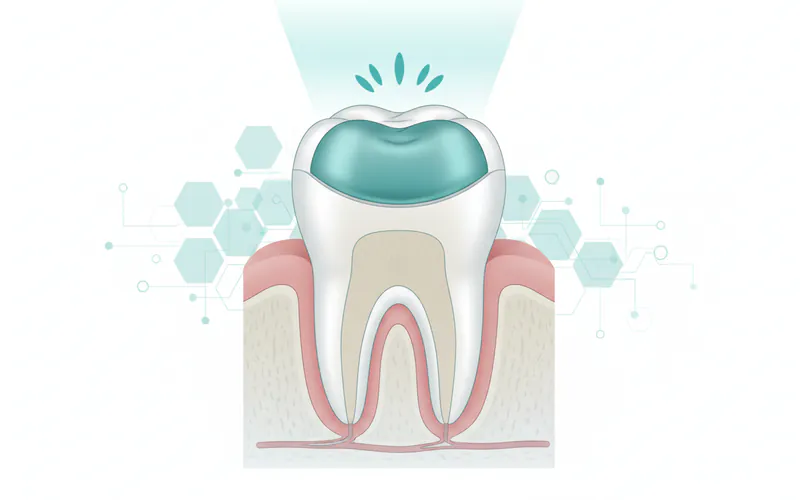
An onlay is a custom-made dental restoration designed to repair a tooth that has experienced significant damage, such as extensive decay or a large fracture, but does not require a full dental crown. Unlike traditional fillings that are molded directly into the tooth, onlays are fabricated in a dental laboratory and then precisely bonded to the tooth. They are considered a "partial crown" because they restore one or more of the chewing surfaces (cusps) of a tooth, providing more coverage than a simple filling or an inlay (which fits within the cusps) but less coverage than a full crown (which encases the entire visible portion of the tooth).
Onlays play a vital role in preserving tooth structure and function, offering a durable and aesthetically pleasing solution for moderate to severe tooth damage. They are particularly valuable for strengthening weakened teeth, preventing further breakdown, and extending the life of a tooth that might otherwise need extraction or a more aggressive full crown.
The need for restorative dentistry is widespread in the US. According to the Centers for Disease Control and Prevention (CDC), over 1 in 4 adults in the United States have untreated dental caries, and nearly all adults (90%) have had at least one cavity. While fillings address smaller cavities, larger areas of decay or fracture often necessitate more robust solutions like onlays, making them a common and essential part of modern dental care. Millions of restorative procedures are performed annually, and onlays represent a significant portion of these interventions for patients seeking conservative yet strong restorations.
Key Takeaways: Understanding Onlays
- An onlay is a custom-made dental restoration, often called a "partial crown."
- It covers one or more of the tooth's cusps (chewing surfaces), providing more coverage than an inlay or filling, but less than a full crown.
- Onlays are typically made from porcelain, composite resin, or gold, chosen for their durability and aesthetics.
- They are ideal for teeth with extensive decay or fractures that are too large for a filling but don't warrant a full crown.
- The process usually involves two dental visits: one for preparation and impression, and a second for bonding the custom-fabricated onlay.
- Onlays offer excellent longevity, strength, and can help preserve more of the natural tooth structure compared to full crowns.
Detailed Explanation of Onlays
Types and Classifications of Onlays
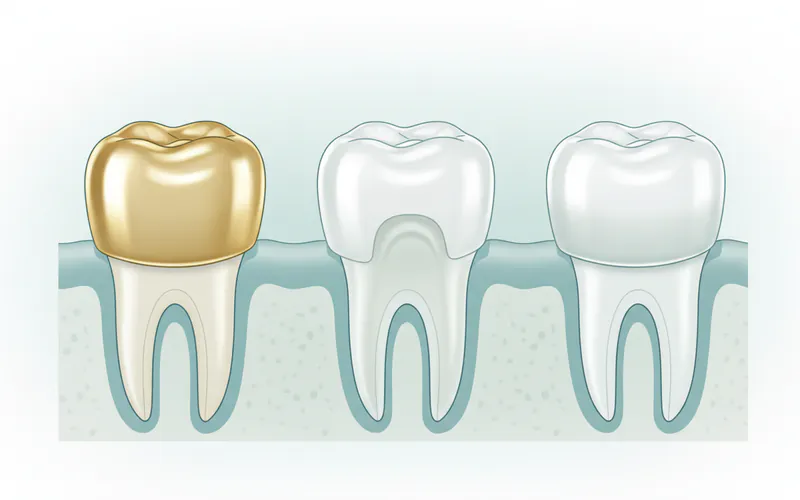
Onlays are primarily classified by the material used in their fabrication, each offering distinct advantages in terms of strength, aesthetics, and cost.
-
Porcelain Onlays (Ceramic Onlays):
- Description: Made from high-strength dental ceramic, porcelain onlays are highly aesthetic, mimicking the natural translucency and color of tooth enamel.
- Pros: Excellent aesthetics, color stability, biocompatible, strong and durable, resistant to staining.
- Cons: Can be more brittle than gold, may require more tooth reduction than gold, can be slightly abrasive to opposing teeth if not highly polished.
- Best Use: Ideal for visible teeth, patients prioritizing aesthetics, and those with allergies to metal.
-
Composite Resin Onlays:
- Description: Fabricated from a durable tooth-colored plastic and glass mixture, similar to what is used in white fillings. They can be made directly in the mouth or in a lab.
- Pros: Good aesthetics, more conservative tooth preparation, less expensive than porcelain or gold, can be repaired.
- Cons: Less durable and stain-resistant than porcelain or gold, may wear down over time, can pick up stains.
- Best Use: Smaller onlays, areas of lower chewing force, budget-conscious patients.
-
Gold Onlays (Metal Onlays):
- Description: Made from gold alloy, these onlays are incredibly strong and durable. While less common today due to aesthetic preferences, they remain a top choice for their longevity and resilience.
- Pros: Exceptional strength and durability, highly resistant to fracture, precise fit, very gentle on opposing teeth, lasts a very long time (often 20+ years).
- Cons: Poor aesthetics (metallic color), higher initial cost, may conduct temperature changes initially.
- Best Use: Back molars where chewing forces are highest, for patients prioritizing durability and longevity over aesthetics, or those with certain bite issues.
Causes and Risk Factors Leading to the Need for an Onlay
Onlays are typically recommended when a tooth has suffered damage that is too extensive for a traditional filling but not severe enough to warrant a full crown. Common scenarios include:
- Extensive Tooth Decay (Caries): When a cavity has spread to cover a significant portion of the chewing surface, especially involving one or more cusps. A large filling might compromise the remaining tooth structure, making it susceptible to fracture.
- Large Fractures or Cracks: Teeth can crack due to trauma, biting on hard objects, or pressure from teeth grinding (bruxism). An onlay can help stabilize and protect the compromised cusps.
- Failed or Fractured Large Fillings: Old, large amalgam (silver) or composite fillings can weaken over time, leading to fractures in the surrounding tooth structure or the filling itself. An onlay can replace the compromised filling and strengthen the tooth.
- Weakened Tooth Structure: After root canal treatment, a tooth can become more brittle. While full crowns are often recommended, an onlay may be an option if enough healthy tooth structure remains, particularly in specific anatomical locations.
- Erosion or Abrasion: Significant wear from acid erosion (e.g., from acidic foods, GERD) or aggressive brushing can diminish tooth structure, necessitating an onlay for restoration and protection.
- Bruxism (Teeth Grinding): Chronic grinding can lead to excessive wear and even fractures, creating a need for robust restorations like onlays to rebuild and protect the tooth.
Signs and Symptoms to Watch For
Recognizing the signs of tooth damage that might require an onlay can help you seek timely treatment and prevent further complications.
- Persistent Sensitivity: Sensitivity to hot, cold, or sweet foods and drinks, especially if it lingers after the stimulus is removed.
- Pain When Chewing or Biting: Sharp pain or discomfort when applying pressure to a specific tooth, indicating a possible crack or deep decay.
- Visible Crack or Chip: A noticeable line, fracture, or missing piece of tooth structure, particularly on the chewing surface or cusp.
- Dark Spots or Holes: Visual evidence of decay (cavity) on the tooth surface that appears larger than a minor spot.
- Loss of a Large Filling: If an old, large filling has come out, leaving a significant void in the tooth.
- Feeling a Rough Edge: You might feel an irregular or sharp edge with your tongue, indicating a fractured tooth or filling.
Diagnosis Process: What Your Dentist Does
When you present with symptoms or during a routine check-up, your dentist will follow a systematic process to diagnose the need for an onlay.
- Clinical Examination: The dentist will visually inspect your teeth, looking for signs of decay, fractures, old failing restorations, and areas of wear. They will use a dental explorer to check for soft spots (decay) and assess the integrity of existing fillings.
- Probing and Palpation: Gentle probing around the tooth and pressing on it can help identify areas of tenderness or weakness.
- Bite Test: The dentist may ask you to bite down on a special stick or device to identify pain upon release, a classic sign of a cracked tooth.
- Dental X-rays: Radiographs are crucial for detecting decay between teeth, under existing fillings, or deep within the tooth structure that isn't visible during a clinical exam.
- Transillumination: Shining a bright light through the tooth can highlight cracks or fractures that might otherwise be missed.
- Pulp Vitality Testing: In some cases, if the pulp (nerve) of the tooth might be compromised, vitality tests (e.g., cold test) may be performed to assess the health of the nerve.
- Diagnostic Impressions: If significant damage is present, impressions of your bite might be taken to analyze how your teeth come together, which can inform the design of the onlay.
Treatment Options and Alternatives: When an Onlay is the Right Choice
While this article focuses on onlays, it's crucial to understand why a dentist might recommend an onlay over other restoration options like a filling or a crown. An onlay represents a conservative yet robust approach, balancing preservation of tooth structure with long-term strength.
| Restoration Type | Description | Pros | Cons | Average Cost (US) (without insurance) |
|---|---|---|---|---|
| Traditional Filling | Directly placed material (composite or amalgam) to fill small cavities. | Most conservative, inexpensive, single visit. | Limited strength for large cavities, can weaken tooth structure if too large, shorter lifespan. | $100 - $300 |
| Inlay | Custom-made restoration fitting within the cusps of a tooth. | Stronger than fillings, preserves more tooth than a crown, durable. | More expensive than fillings, requires two visits, not for cusp damage. | $600 - $1,500 |
| Onlay | Custom-made restoration covering one or more cusps (partial crown). | Superior strength to inlay/filling, preserves more tooth than crown, excellent longevity. | More expensive than fillings/inlays, requires two visits. | $900 - $2,500 |
| Full Dental Crown | Encapsulates the entire visible portion of the tooth. | Maximum strength and protection, ideal for severely damaged/weakened teeth. | Most aggressive tooth reduction, highest cost, can be noticeable, two visits. | $800 - $3,000+ |
An onlay is often chosen when:
- A cavity or fracture involves one or more cusps, but the majority of the tooth structure, particularly the remaining cusps, is still healthy and strong.
- A large existing filling needs replacement, and a new filling would leave the tooth too weak.
- The goal is to preserve as much natural tooth structure as possible.
- The tooth requires more reinforcement than an inlay or filling can provide, but less than a full crown.
Step-by-Step: What to Expect During Onlay Treatment
The onlay procedure typically involves two appointments with your dentist.
Appointment 1: Preparation and Impression
- Anesthesia: The dentist will numb the tooth and surrounding area using a local anesthetic to ensure you are comfortable throughout the procedure.
- Decay Removal & Tooth Preparation: Any existing decay or old, failing filling material is meticulously removed. The tooth is then carefully shaped to create a stable foundation for the onlay. This preparation is conservative, meaning only the necessary damaged tissue is removed, leaving as much healthy tooth structure as possible. ``
- Impression Taking: Once the tooth is prepared, an impression (mold) of your tooth and surrounding teeth is taken. This can be done using traditional putty-like materials or, increasingly, with a digital scanner. This impression is sent to a dental laboratory, where skilled technicians will custom-fabricate your onlay to perfectly fit your tooth and bite. An impression of your opposing arch is also taken to ensure proper bite alignment.
- Temporary Onlay Placement: To protect the prepared tooth while your custom onlay is being made (which can take 1-3 weeks), a temporary onlay (usually made of composite resin) is placed. This temporary restoration helps prevent sensitivity and maintain the space, but it is not as strong as the final onlay, so careful chewing is advised.
Appointment 2: Bonding the Permanent Onlay
- Temporary Removal: When your custom onlay arrives from the lab, you'll return for your second appointment. The temporary onlay is gently removed.
- Cleaning and Isolation: The prepared tooth is thoroughly cleaned, and a rubber dam or cotton rolls are used to isolate it from saliva, ensuring a dry bonding surface.
- Try-in and Adjustment: The dentist will carefully place the permanent onlay onto your tooth to check its fit, bite, and aesthetics. Minor adjustments may be made to ensure it sits perfectly and doesn't interfere with your bite.
- Bonding: Once satisfied, the onlay is permanently bonded to your tooth using a strong dental adhesive. A special curing light is often used to harden the adhesive, creating a strong, long-lasting bond. ``
- Final Polish and Bite Check: Excess bonding material is removed, and the onlay is polished to a smooth finish. Your bite will be checked again to ensure comfort and proper occlusion, making any final micro-adjustments if necessary.
Recovery Timeline and Aftercare
The recovery from an onlay procedure is generally straightforward, with minimal discomfort.
- Immediate Aftercare (First few days):
- Numbness: The local anesthetic will wear off within a few hours. Avoid chewing on the treated side until the numbness is gone to prevent accidentally biting your tongue or cheek.
- Sensitivity: It's common to experience some mild sensitivity to hot and cold or biting pressure for a few days to a couple of weeks, especially if the decay was deep. Over-the-counter pain relievers (like ibuprofen or acetaminophen) can help manage discomfort.
- Bite Adjustment: Your bite might feel slightly "off" initially. If this persists or causes pain, contact your dentist for an adjustment.
- Long-Term Care:
- Oral Hygiene: Maintain excellent oral hygiene with regular brushing (twice daily) and flossing (once daily) around the onlay and all your teeth.
- Regular Dental Check-ups: Continue with your routine dental check-ups and cleanings (every 6 months) to ensure the onlay and surrounding teeth remain healthy. Your dentist will monitor the integrity of the onlay and detect any issues early.
- Avoid Hard Foods: While onlays are strong, excessive force from chewing on very hard candies, ice, or nuts can potentially damage any restoration.
- Mouthguard for Bruxism: If you grind or clench your teeth (bruxism), your dentist may recommend a nightguard to protect your onlays and natural teeth from excessive forces.
With proper care, a well-made onlay can last for 10 to 20 years or even longer, making it a very durable and cost-effective long-term solution.
Prevention Strategies
Preventing the need for an onlay revolves around preventing the extensive tooth decay and fractures that necessitate them.
- Excellent Oral Hygiene: Brush your teeth for two minutes, twice a day with fluoride toothpaste and floss daily to remove plaque and food particles.
- Regular Dental Check-ups and Cleanings: Visit your dentist for professional cleanings and examinations every six months to detect and address small issues before they become large problems.
- Balanced Diet: Limit sugary and acidic foods and drinks, which contribute to tooth decay and erosion.
- Fluoride: Use fluoride mouth rinses if recommended by your dentist, and ensure your drinking water has optimal fluoride levels.
- Mouthguards: Wear a custom-fitted mouthguard if you play contact sports or if you suffer from bruxism (teeth grinding or clenching) at night.
- Address Old Fillings: Have old, large, or failing fillings regularly checked by your dentist. Replacing them proactively when they show signs of wear can prevent more extensive damage.
Cost Ranges in the US (with/without insurance)
The cost of an onlay in the United States can vary significantly based on several factors, including:
- Material: Gold onlays are typically the most expensive, followed by porcelain, then composite resin.
- Tooth Location: Molars (back teeth) requiring larger or more complex onlays might be more expensive than premolars.
- Size and Complexity: Larger onlays covering more cusps or requiring more intricate preparation will cost more.
- Geographic Location: Dental fees vary by region and even by specific dental practice within a city.
- Dentist's Experience: Highly experienced or specialist dentists may have higher fees.
Average Cost Ranges (without dental insurance):
- Composite Resin Onlay: $600 - $1,500
- Porcelain (Ceramic) Onlay: $900 - $2,500
- Gold Onlay: $1,000 - $3,000+ (Often the most expensive due to material cost and lab work)
With Dental Insurance: Many dental insurance plans provide coverage for onlays, as they are considered a major restorative procedure. Coverage typically ranges from 50% to 80% of the cost, after your deductible has been met. However, this depends heavily on your specific plan's annual maximums and whether your plan classifies onlays as an alternative to a crown or an independent procedure. It's crucial to consult with your dental insurance provider directly or have your dental office submit a pre-treatment estimate to understand your exact out-of-pocket costs. For instance, if an onlay costs $1,500 and your insurance covers 60% after a $100 deductible, you might pay around $700 out of pocket.
For Parents / Pediatric Considerations
While less common than fillings or full crowns, onlays can be a valuable restorative option in pediatric dentistry, particularly for primary (baby) teeth or young permanent teeth with significant decay or fractures.
- Primary Teeth: When a baby tooth has extensive decay that involves one or more cusps but isn't severe enough for a stainless steel crown (the most common full crown for primary teeth), an onlay can be a more conservative choice. Porcelain or composite resin onlays can restore function and maintain space for the erupting permanent tooth, protecting the pulp (nerve) from further damage. They are often chosen when esthetics are a concern, or when attempting to preserve as much natural tooth structure as possible.
- Young Permanent Teeth: For permanent molars that have recently erupted and developed large cavities or fractures (e.g., due to deep pits and fissures, or early trauma), an onlay can be an excellent way to restore the tooth while preserving healthy enamel and dentin. This is especially important in young teeth where the pulp chamber is larger and more susceptible to irritation.
- Pulp Protection: In pediatric cases, pulp protection (keeping the nerve healthy) is paramount. Onlays allow for conservative preparation, minimizing irritation to the nerve compared to full crowns in some situations.
- Material Choice: For children, composite resin or porcelain onlays are generally preferred over gold due to aesthetics and cost.
Your pediatric dentist will evaluate the extent of the damage, the child's cooperation, and the long-term prognosis of the tooth before recommending an onlay for a child.
Frequently Asked Questions
Q1: How much does an onlay cost in the US?
A1: Without insurance, onlays typically range from $600 to $3,000+, depending on the material (composite, porcelain, or gold), the complexity of the restoration, and your geographic location. With dental insurance, you can expect to pay anywhere from 20% to 50% of the total cost after your deductible, as most plans cover major restorative procedures like onlays. Always get a pre-treatment estimate from your dentist and check with your insurance provider.
Q2: Is getting an onlay painful?
A2: No, the procedure itself is generally not painful because your dentist will use a local anesthetic to thoroughly numb the tooth and surrounding area. You might feel some pressure or vibration during the preparation. After the numbness wears off, it's common to experience mild sensitivity to temperature or biting pressure for a few days to a couple of weeks, especially if the decay was deep. This discomfort can usually be managed with over-the-counter pain relievers.
Q3: How long do onlays typically last?
A3: With proper oral hygiene and regular dental check-ups, onlays are very durable and long-lasting. Porcelain and gold onlays can typically last anywhere from 10 to 20 years or even longer. Composite resin onlays may have a slightly shorter lifespan, often lasting 5 to 10 years, though this can vary. Their longevity makes them a highly cost-effective investment in your long-term dental health.
Q4: What are the alternatives to an onlay?
A4: The main alternatives to an onlay are:
- Large Filling: Suitable for less extensive damage, but offers less strength and protection for compromised cusps.
- Inlay: For damage confined within the cusps, offering more strength than a filling but less coverage than an onlay.
- Full Dental Crown: Encapsulates the entire tooth, providing maximum strength but requiring more aggressive tooth reduction. The choice depends on the extent of tooth damage and the need for structural support.
Q5: Does dental insurance cover onlays?
A5: Yes, most dental insurance plans do provide coverage for onlays, as they are considered a major restorative procedure. Typically, insurance might cover 50% to 80% of the cost after your annual deductible is met, up to your plan's annual maximum. However, coverage can vary significantly between plans, so it's always best to contact your insurance provider directly or have your dental office submit a pre-treatment estimate to understand your specific benefits.
Q6: Are onlays permanent?
A6: While onlays are designed to be a long-term, durable solution, no dental restoration is truly "permanent" in the sense that it lasts forever without any possibility of needing replacement or repair. However, with excellent care, onlays can last for many years, often outliving fillings and providing stable function for decades. They are considered a highly durable and semi-permanent restoration.
Q7: Can an onlay fall off?
A7: It is rare for a properly bonded onlay to fall off, as they are securely cemented to the tooth. However, very occasionally, an onlay can become loose or detached. This could happen if the bonding material fails, if there's new decay underneath the onlay, or if the tooth itself fractures. If your onlay feels loose or comes off, contact your dentist immediately for an assessment and re-bonding or replacement.
When to See a Dentist
While routine dental check-ups (ideally every six months) are essential for preventative care and early detection of issues, there are specific signs and symptoms that warrant an immediate visit to your dentist:
- Acute or Severe Tooth Pain: Especially if the pain is sharp, throbbing, or interferes with your daily activities.
- Prolonged Sensitivity: Sensitivity to hot or cold that lasts for more than a few seconds after the stimulus is removed.
- Visible Damage: If you notice a visible crack, chip, or a large hole in your tooth, or if an existing filling appears damaged or has fallen out.
- Pain When Chewing: Any persistent pain or discomfort when biting down on a specific tooth.
- Swelling: Swelling around a tooth or in your gums, which could indicate infection.
- Loose Restoration: If you feel that an existing filling, inlay, or onlay has become loose or dislodged.
Don't wait for pain to become severe. Early intervention for tooth damage, whether it's a small cavity or a larger fracture, can prevent more extensive problems and allow for more conservative, less costly treatment options like an onlay, preserving your natural tooth structure for years to come.
Medical Disclaimer
This article is for informational purposes only and does not constitute medical advice. Always consult with a qualified dental professional for diagnosis and treatment. Do not delay seeking professional advice because of something you read on this website.