Pregnancy and Dry Mouth: Complete Guide
Key Takeaways
- Pregnancy is a remarkable journey, often bringing about a myriad of physiological changes, some expected and others less so. Among the lesser-known, yet surprisingly common, occurrences is dry mouth during pregnancy, medically known as xerostomia. Affecting a significant number of expectant moth
Pregnancy is a remarkable journey, often bringing about a myriad of physiological changes, some expected and others less so. Among the lesser-known, yet surprisingly common, occurrences is dry mouth during pregnancy, medically known as xerostomia. Affecting a significant number of expectant mothers – with some studies indicating up to 40% experience it at some point – dry mouth can be more than just an inconvenience; it can signal underlying health shifts and elevate your risk for various oral health complications. Understanding why your mouth might feel like a desert during this special time is crucial for safeguarding both your oral and overall health.
This comprehensive guide from SmilePedia.net will delve deep into the phenomenon of pregnancy and dry mouth. We’ll explore its causes, from hormonal fluctuations to potential systemic health concerns, outline the symptoms to look out for, and provide a full spectrum of effective treatment and prevention strategies. We'll also address important related topics, such as how conditions like kidney disease can manifest with oral symptoms like bad breath, ensuring you have the complete picture for a healthy pregnancy and a vibrant smile. Prepare to uncover actionable insights and expert advice designed to empower you throughout your pregnancy journey.
Key Takeaways:
- Prevalence: Up to 40% of pregnant individuals experience dry mouth (xerostomia), primarily due to hormonal changes, dehydration, and increased blood volume.
- Risks: Persistent dry mouth significantly increases the risk of tooth decay, gum inflammation (gingivitis), and oral infections like thrush.
- Early Intervention: Addressing dry mouth symptoms early can prevent more severe dental complications, potentially saving hundreds to thousands of dollars in restorative dental care.
- Hydration is Key: Simple strategies like increased water intake, using a humidifier, and sugar-free gum are often the first line of defense, costing as little as $5-$30 per month.
- Professional Products: Over-the-counter saliva substitutes and oral moisturizers range from $10-$25 per product and provide symptomatic relief for many.
- Systemic Links: Dry mouth and bad breath can also be symptoms of systemic issues like uncontrolled gestational diabetes or, in rare cases, kidney disease, necessitating medical consultation.
- Dental Check-ups: Regular dental visits (at least twice during pregnancy, typically around $100-$300 per visit without insurance) are vital for early detection and management of dry mouth complications.

What Is Dry Mouth During Pregnancy?
Dry mouth, clinically known as xerostomia, is the subjective feeling of oral dryness. It occurs when your salivary glands, which are responsible for producing saliva, do not produce enough to keep your mouth moist. Saliva plays a vital role in oral health: it helps neutralize acids produced by bacteria, washes away food particles, aids in digestion, protects against tooth decay, and facilitates chewing, swallowing, and speaking.
During pregnancy, this condition can become more pronounced. While it's a common complaint, it's crucial not to dismiss it as a minor inconvenience. A persistently dry mouth creates an environment where harmful bacteria can thrive, leading to increased risks of dental caries (cavities), gingivitis (gum inflammation), and other oral infections. For pregnant individuals, maintaining optimal oral health is not just about their comfort but also intrinsically linked to the health and well-being of their developing baby.
Causes: Why Your Mouth Feels Dry During Pregnancy
The underlying reasons for dry mouth during pregnancy are multifaceted, often involving a combination of physiological changes unique to this period and general health factors. Understanding these causes is the first step toward effective management.
Pregnancy-Specific Causes
- Hormonal Fluctuations: The dramatic shifts in hormone levels, particularly estrogen and progesterone, are central to many pregnancy symptoms. While not fully understood how these hormones directly impact salivary glands, they can influence fluid balance and mucous membrane hydration throughout the body, including the mouth. This hormonal interplay is a primary suspect behind the feeling of dryness.
- Increased Blood Volume and Fluid Requirements: During pregnancy, your blood volume increases by 30-50% to support the growing fetus and placenta. This greater demand for fluids means your body needs more water than usual. If your fluid intake doesn't keep pace with this increased demand, dehydration can occur, manifesting as a dry mouth.
- Morning Sickness and Vomiting: Nausea and vomiting, common in the first trimester (and sometimes beyond), can lead to significant fluid loss and dehydration. This loss of fluids directly contributes to decreased saliva production and a dry feeling in the mouth.
- Increased Urination: Pregnant individuals often experience more frequent urination due to hormonal changes, increased blood flow to the kidneys, and the growing uterus putting pressure on the bladder. While a normal part of pregnancy, increased fluid loss through urination can contribute to dehydration if not adequately compensated for by increased fluid intake.
- Gestational Diabetes: This condition, which develops during pregnancy, can lead to elevated blood sugar levels. A classic symptom of uncontrolled diabetes (including gestational diabetes) is increased thirst (polydipsia) and frequent urination, both of which are responses to the body trying to flush out excess sugar. This can lead to dehydration and, consequently, dry mouth. If you experience excessive thirst alongside dry mouth, it's important to discuss this with your obstetrician.
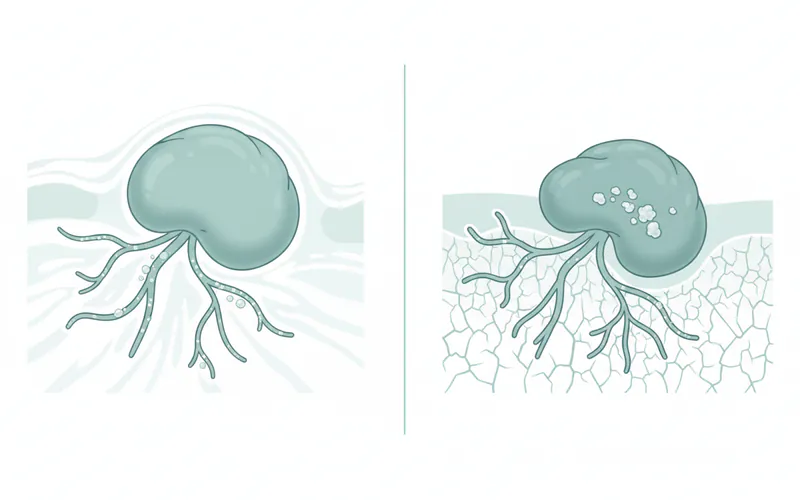
- Mouth Breathing: As pregnancy progresses, many women find themselves breathing through their mouth, especially at night. This can be due to nasal congestion (pregnancy rhinitis), a common condition caused by hormonal changes and increased blood flow to mucous membranes. Mouth breathing causes saliva to evaporate more quickly, leading to dryness.
General Causes Exacerbated by Pregnancy
- Dehydration: Simply not drinking enough water is a common cause of dry mouth, and as established, pregnancy itself increases the body's fluid requirements, making dehydration a more significant risk.
- Medications: Certain medications, even those considered safe during pregnancy, can have dry mouth as a side effect. These include some antihistamines, decongestants, antidepressants, and diuretics. Always discuss any medications you are taking with your doctor and dentist.
- Underlying Medical Conditions: While less common, certain systemic diseases can cause dry mouth.
- Sjögren's Syndrome: An autoimmune disorder where the immune system attacks glands that produce moisture, including salivary glands. While not caused by pregnancy, its symptoms can persist or be noticed during pregnancy.
- Kidney Disease: This is where we address the target keywords "can kidney disease cause bad breath" and "bad breath and kidney disease." Kidney disease, particularly in its advanced stages, can lead to a buildup of waste products in the body, including urea. This can cause a metallic taste and a specific type of bad breath known as uremic fetor, which often smells like ammonia. Patients with kidney disease may also experience generalized dehydration and a reduced ability to excrete fluids, which can contribute to dry mouth. While not a direct cause of pregnancy-related dry mouth, the presence of unexplained persistent dry mouth and bad breath during pregnancy warrants investigation for underlying systemic issues, including kidney function, especially if other risk factors for kidney disease are present. It's crucial to remember that this is a more rare cause compared to pregnancy-specific factors, but it highlights the importance of comprehensive medical evaluation.
- Lifestyle Factors: Excessive caffeine intake, smoking (which should be avoided entirely during pregnancy), and alcohol consumption (also to be avoided) can dehydrate the body and exacerbate dry mouth symptoms.
Signs and Symptoms of Dry Mouth
Recognizing the signs and symptoms of dry mouth is key to seeking timely intervention. Beyond the obvious feeling of dryness, xerostomia can manifest in several ways:
- A Sticky, Dry Feeling in Your Mouth: This is the most common complaint, often described as cotton mouth.
- Frequent Thirst: An increased urge to drink water throughout the day.
- Sore Throat or Hoarseness: Lack of saliva can irritate the throat.
- Difficulty Speaking or Swallowing: Saliva is essential for lubricating the mouth, making these actions harder.
- Trouble Chewing Food: Without adequate saliva, food can be difficult to break down and swallow.
- Changes in Taste: Food might taste different, or you might experience a metallic or unusual taste.
- Bad Breath (Halitosis): This is a significant symptom. When saliva flow is reduced, food particles and bacteria are not effectively washed away. These bacteria then produce volatile sulfur compounds, leading to unpleasant breath. As mentioned earlier, persistent bad breath, especially if it has a metallic or ammonia-like quality, alongside dry mouth, can sometimes signal systemic issues such as kidney disease, necessitating further medical evaluation.
- Cracked Lips and Fissures at the Corners of the Mouth: Lack of moisture can cause the delicate skin around the mouth to crack and become sore.
- Rough, Dry Tongue: The tongue may appear furrowed or less moist than usual.
- Increased Incidence of Tooth Decay and Gum Inflammation: Saliva protects teeth. Without it, the risk of cavities (especially at the gumline) and gingivitis significantly increases.
- Oral Infections: A dry mouth is more susceptible to fungal infections like oral thrush (candidiasis), which presents as white patches in the mouth.
Treatment Options for Pregnancy-Related Dry Mouth
Managing dry mouth during pregnancy focuses on alleviating symptoms, preventing complications, and addressing underlying causes where possible. Always consult your obstetrician and dentist before starting any new treatments, especially during pregnancy.
Home Remedies and Lifestyle Adjustments
These are often the first line of defense due to their safety and accessibility.
- Increase Fluid Intake: Drink plenty of water throughout the day. Aim for 8-12 glasses (64-96 ounces), but listen to your body and consult your doctor about specific recommendations.
- Pro Tip: Carry a reusable water bottle and sip frequently, rather than chugging large amounts all at once.
- Chew Sugar-Free Gum or Suck on Sugar-Free Candies: This stimulates saliva flow. Look for products containing xylitol, which has added dental benefits by inhibiting bacteria that cause cavities.
- Use a Humidifier: Especially beneficial at night, a humidifier adds moisture to the air, helping to prevent your mouth from drying out while you sleep.
- Avoid Caffeine and Sugary Drinks: Both can be dehydrating and contribute to dry mouth.
- Limit Salty and Dry Foods: These can exacerbate the feeling of dryness. Opt for moist, soft foods.
- Avoid Alcohol and Smoking: These are significant irritants and dehydrators and should be completely avoided during pregnancy for overall health reasons.
- Breathe Through Your Nose: If nasal congestion is an issue, discuss safe solutions with your doctor. Breathing through your nose keeps your mouth moist.
- Good Oral Hygiene: Brush twice daily with a fluoride toothpaste and floss daily. This is even more critical with dry mouth, as reduced saliva increases cavity risk.
Over-the-Counter (OTC) Products
These products are designed to provide symptomatic relief and mimic the effects of natural saliva.
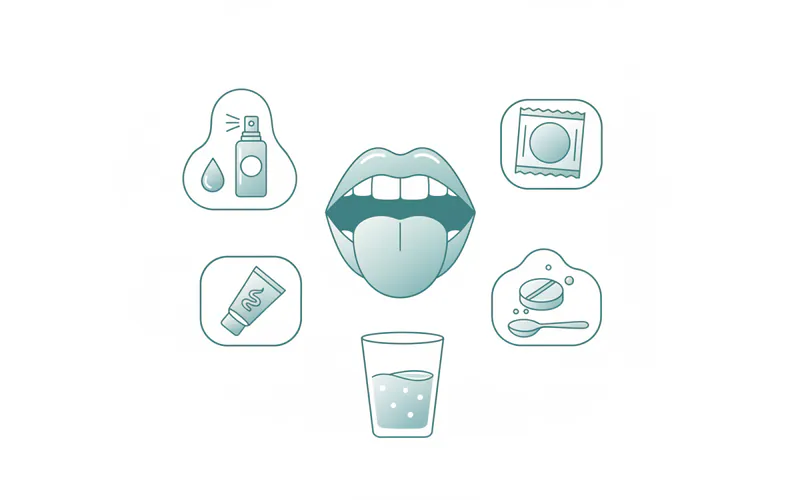
- Saliva Substitutes: These gels, sprays, or rinses contain ingredients like carboxymethylcellulose or hydroxyethyl cellulose to coat the oral tissues and provide moisture. They offer temporary relief.
- Pros: Readily available, generally safe for pregnancy, provide quick relief.
- Cons: Temporary effect, may need frequent reapplication, can be pricey over time.
- Cost: Approximately $10-$25 per product (spray, gel, or rinse), lasting 2-4 weeks depending on use.
- Oral Moisturizers: Similar to saliva substitutes, these are often available as lozenges, gels, or mouthwashes designed to lubricate the mouth.
- Pros: Soothing, good for overnight use (gels).
- Cons: Not a cure, temporary.
- Cost: Similar to saliva substitutes, $10-$25.
- Fluoride Toothpastes and Rinses: While not directly treating dry mouth, high-fluoride products (OTC or prescription) are essential for protecting teeth against the heightened risk of decay associated with xerostomia.
- Pro Tip: Look for alcohol-free mouthwashes, as alcohol can be drying.
Prescription Medications (Use with Caution During Pregnancy)
Prescription medications are generally considered a last resort for severe, chronic dry mouth, and their use during pregnancy must be carefully weighed by an obstetrician and dentist due to potential fetal risks.
- Pilocarpine (Salagen®) and Cevimeline (Evoxac®): These are cholinergics that stimulate salivary glands. They are typically used for conditions like Sjögren's syndrome or radiation-induced dry mouth.
- Pros: Can significantly increase natural saliva production.
- Cons: Not routinely recommended during pregnancy due to limited data on safety and potential side effects (e.g., sweating, nausea, dizziness, fetal risk). Requires strict medical supervision.
- Cost: Can range from $50-$200+ per month, depending on insurance and dosage.
Step-by-Step Process for Managing Pregnancy Dry Mouth
Here’s a practical guide on how to approach managing dry mouth during your pregnancy:
- Acknowledge and Monitor: Recognize the symptoms. Keep a mental note or a small log of when your mouth feels dry, how often, and if any activities make it worse or better.
- Initial Home Remedies (Days 1-7):
- Immediately increase your water intake.
- Start chewing sugar-free gum or sucking on xylitol candies.
- Consider using a humidifier in your bedroom.
- Actively avoid dehydrating beverages like excessive caffeine.
- Consult Your Dentist and Obstetrician (Within 1-2 Weeks if no improvement, or immediately if severe):
- Inform both your healthcare providers about your symptoms. Your dentist can assess your oral health, check for signs of decay or gum disease, and recommend specific oral hygiene products. Your obstetrician can rule out underlying medical conditions (like gestational diabetes or kidney issues if indicated by other symptoms) and review your medications.
- Pro Tip: Ensure your dental team is aware of your pregnancy status, as this affects treatment recommendations.
- Incorporate OTC Products (Upon Dentist/Doctor Recommendation):
- If home remedies aren't sufficient, your dentist may suggest specific brands of saliva substitutes or oral moisturizers. Follow their instructions for use.
- Maintain Excellent Oral Hygiene:
- Brush twice daily with fluoride toothpaste.
- Floss daily.
- Use an alcohol-free antimicrobial mouthwash if recommended by your dentist (e.g., one containing fluoride or chlorhexidine for gum issues, only if approved for pregnancy).
- Regular Dental Check-ups:
- Continue with your regular dental cleanings and check-ups. Many dentists recommend at least one extra cleaning during pregnancy (e.g., in the second trimester) due to increased risk of gum disease. These visits are crucial for early detection and prevention of complications.
Cost and Insurance Considerations
The cost of managing dry mouth can vary widely depending on the severity, chosen treatments, and your insurance coverage.
Typical Costs (US Averages)
- Basic Hydration Aids:
- Reusable Water Bottle: $10-$40 (one-time)
- Humidifier: $30-$100 (one-time)
- Sugar-free gum/candies: $5-$15 per month
- Over-the-Counter Products:
- Saliva substitutes (sprays, gels): $10-$25 per item, lasting 2-4 weeks. Monthly cost: $10-$50.
- Specialized fluoride toothpaste/mouthwash: $8-$15 per item.
- Professional Dental Care:
- Dental Check-up & Cleaning (without insurance): $100-$300 per visit. During pregnancy, 2-3 visits might be recommended.
- Fillings (for new cavities): $100-$400 per filling, depending on material and size.
- Treatment for gingivitis/periodontitis (scaling and root planing): $200-$500 per quadrant.
- Prescription Medications (if necessary, rarely used in pregnancy):
- Pilocarpine/Cevimeline: $50-$200+ per month without insurance.
Insurance Coverage
- Dental Insurance: Most dental insurance plans cover routine check-ups and cleanings (often 80-100%). Basic restorative procedures like fillings are typically covered at 50-80%. More extensive treatments like gum disease therapy might have lower coverage or require deductibles. Check your specific plan for details on pregnancy-related benefits, as some plans offer enhanced coverage.
- Medical Insurance: If dry mouth is linked to a systemic medical condition (like gestational diabetes or kidney disease), diagnostic tests and treatment for that condition would be covered under your medical insurance, subject to your plan's deductibles and co-pays. Prescription medications like pilocarpine might be covered under your medical plan's prescription benefits.
Cost-Saving Tips
- Prioritize Prevention: The most cost-effective approach is preventing complications. Consistent hydration and excellent oral hygiene can significantly reduce the need for expensive dental treatments.
- Utilize Your Dental Benefits: Don't skip your routine cleanings. They are crucial for prevention and usually have high coverage.
- Discuss Options with Your Dentist: Ask about generic alternatives for OTC products or treatment plans that fit your budget.
- Payment Plans: Many dental offices offer interest-free payment plans for larger treatments.
- Community Dental Clinics: Some areas have dental schools or community clinics that offer services at a reduced cost.
Recovery and Aftercare
Managing dry mouth is often an ongoing process, especially during pregnancy. "Recovery" means successfully alleviating symptoms and preventing complications. Aftercare focuses on maintaining these improvements.
- Consistent Hydration: This remains the cornerstone of dry mouth management. Make water your primary beverage.
- Adhere to Oral Hygiene Routine: Continue brushing twice daily, flossing, and using any prescribed or recommended fluoride products. Regular professional cleanings are non-negotiable.
- Monitor Symptoms: Pay attention to any return of dryness or new symptoms like increased sensitivity, bad breath, or changes in taste.
- Regular Dental Visits: Continue with your dentist-recommended check-up schedule, both during and after pregnancy. Post-pregnancy, hormonal levels will return to normal, and dry mouth symptoms may subside naturally, but good oral habits should continue.
- Address Underlying Conditions: If your dry mouth was linked to gestational diabetes, ensure it's well-managed post-pregnancy. If any other systemic conditions were identified, follow up with your medical doctor.
Prevention of Dry Mouth During Pregnancy
While some degree of dry mouth during pregnancy might be unavoidable due to hormonal shifts, there are many proactive steps you can take to minimize its severity and prevent related complications.
- Stay Hydrated: This is the most critical preventative measure. Drink water consistently throughout the day, even before you feel thirsty.
- Eat a Balanced Diet: A nutritious diet supports overall health, including oral health. Limit sugary snacks and drinks, which can exacerbate thirst and increase cavity risk.
- Practice Excellent Oral Hygiene: Regular brushing with fluoride toothpaste and flossing removes food debris and plaque, protecting your teeth and gums, which are more vulnerable with dry mouth.
- Avoid Irritants: Steer clear of alcohol, tobacco, and excessive caffeine. These are all drying agents.
- Manage Pregnancy Symptoms: Work with your obstetrician to manage morning sickness effectively. Controlling nausea and vomiting can prevent dehydration.
- Use a Humidifier: Especially in dry climates or during colder months when indoor air is dry, a humidifier can significantly help.
- Regular Dental Check-ups: Ensure you schedule and attend all recommended dental appointments during pregnancy. Your dentist can offer personalized advice and catch any issues early.
- Discuss Medications with Your Doctor: If you are on any medications that cause dry mouth, ask your doctor if there are safe alternatives or strategies to manage this side effect.
Risks and Complications of Unmanaged Dry Mouth
Ignoring dry mouth, particularly during pregnancy, can lead to several significant oral and general health complications:
- Increased Risk of Tooth Decay (Cavities): Saliva is your mouth's natural defense against acid attacks. Without sufficient saliva, tooth enamel is highly vulnerable to demineralization and decay. This can lead to painful cavities requiring fillings, crowns, or even root canals.
- Gum Disease (Gingivitis and Periodontitis): Dry mouth contributes to the buildup of plaque, irritating the gums and leading to inflammation (gingivitis). If left untreated, gingivitis can progress to periodontitis, a more severe gum infection that can damage the bone supporting your teeth and potentially lead to tooth loss. Pregnancy itself increases susceptibility to gum disease ("pregnancy gingivitis").
- Oral Infections: Reduced saliva flow allows bacteria, viruses, and fungi to flourish. Oral thrush, caused by the Candida fungus, is common with dry mouth and presents as white patches.
- Difficulty with Eating, Speaking, and Swallowing: These basic functions become uncomfortable and challenging, potentially impacting nutrition and quality of life.
- Bad Breath (Halitosis): As discussed, insufficient saliva allows bacteria to accumulate and produce foul-smelling gases, leading to persistent bad breath.
- Nutritional Deficiencies: If chewing and swallowing become too difficult or painful, you might unconsciously limit certain foods, potentially affecting your nutritional intake, which is critical during pregnancy.
- Impact on Overall Health: While the direct link is still being researched, poor oral health, particularly periodontitis, has been associated with adverse pregnancy outcomes such as preterm birth and low birth weight. Managing oral health is part of comprehensive prenatal care.
Comparison of Dry Mouth Management Strategies
Here’s a table comparing different approaches to managing dry mouth during pregnancy:
| Strategy | Description | Pros | Cons | Average Monthly Cost (USD) |
|---|---|---|---|---|
| Home Remedies | Increased water intake, sugar-free gum, humidifiers, avoiding irritants. | Very safe, accessible, often effective for mild cases. | May not be sufficient for moderate-severe dry mouth, requires consistent effort. | $5 - $30 |
| OTC Saliva Substitutes | Gels, sprays, rinses that mimic natural saliva composition. | Quick, temporary relief; lubricates oral tissues. | Temporary effect (needs frequent reapplication), can feel artificial, adds to daily routine. | $10 - $50 |
| Prescription Stimulants | Medications like pilocarpine (rarely used in pregnancy). | Can significantly increase natural saliva flow. | Limited safety data in pregnancy, potential side effects, requires strict medical supervision. | $50 - $200+ |
| Addressing Underlying Cause | Treating gestational diabetes, reviewing medications, managing nasal congestion. | Targets the root of the problem for long-term relief. | Requires medical diagnosis, may involve other treatments or lifestyle changes. | Varies (Medical cost) |
Comparison of Common Pregnancy Symptoms Causing Dry Mouth and Management Strategies
| Symptom | How It Causes Dry Mouth | Specific Management Strategy | Timeline/Resolution |
|---|---|---|---|
| Hormonal Changes | Influences fluid balance, potentially affecting salivary gland function. | Consistent hydration, use of OTC moisturizers. No direct hormonal treatment for dry mouth. | Often resolves post-delivery; may fluctuate throughout pregnancy. |
| Dehydration (General) | Insufficient fluid intake to meet increased pregnancy demands. | Proactive and continuous increase in daily water intake (8-12 glasses). | Immediate relief with increased fluid intake. Ongoing need throughout pregnancy. |
| Morning Sickness/Vomiting | Leads to fluid loss and aversion to drinking. | Small, frequent sips of water; anti-nausea strategies approved by OB-GYN; electrolyte-rich fluids. | Typically subsides by end of first trimester, but can persist. |
| Mouth Breathing | Saliva evaporates more quickly due to open mouth. | Address nasal congestion (e.g., saline rinses, humidifier, positional sleeping - consult doctor); encourage nasal breathing. | Varies, depending on cause of nasal congestion (e.g., pregnancy rhinitis resolves post-delivery). |
| Gestational Diabetes | High blood sugar leads to increased thirst and urination. | Strict adherence to gestational diabetes management plan (diet, exercise, medication if needed). | Resolves post-delivery for most; requires careful monitoring. |
Cost Breakdown for Dry Mouth Management
While we touched on costs earlier, here’s a more detailed breakdown focusing on typical scenarios for US patients.
Without Insurance (Out-of-Pocket)
- Initial Dental Exam & Cleaning: Expect to pay $100 - $300. This often includes X-rays (if deemed necessary and safe during pregnancy) and a comprehensive oral evaluation.
- Basic Fillings (if cavities develop): A single composite (tooth-colored) filling can range from $150 - $400. Multiple fillings can quickly add up.
- Deep Cleaning (Scaling and Root Planing for gum disease): This procedure can cost $200 - $500 per quadrant, meaning a full mouth treatment could be $800 - $2,000.
- OTC Products: Monthly costs for saliva substitutes, specialized toothpaste, and humidifiers can range from $25 - $75.
With Insurance
- Routine Visits: Most dental plans cover 80-100% of preventive care (exams, cleanings), often after a small co-pay (e.g., $0 - $50).
- Basic Restorative (Fillings): Typically covered at 50-80% after deductible. You might pay $50 - $200 per filling out-of-pocket.
- Major Restorative (Deep Cleaning): Often covered at 20-50%, meaning your out-of-pocket could still be significant, perhaps $400 - $1,500 for a full mouth treatment.
- Prescription Coverage: If a medical condition requires prescription medication, this would fall under your medical insurance, with costs depending on your plan's formulary, deductible, and co-pay structure (e.g., $10 - $60 for a generic, much more for brand-name without good coverage).
Payment Plans and Financing Options
Many dental offices understand the financial strain of dental care and offer:
- In-house Payment Plans: Installment plans spread over several months, often interest-free.
- Third-party Financing: Services like CareCredit® offer specialized healthcare credit cards with low or no-interest promotional periods for qualifying patients.
- Dental Savings Plans: These are not insurance but membership plans offering discounted rates on dental services from participating providers. Annual fees typically range from $100 - $200.
Cost-Saving Tips
- Preventative Care: Investing in good home care and routine cleanings is by far the most cost-effective strategy. According to the ADA, preventive care saves money in the long run by avoiding more expensive treatments.
- Shop Around: For non-emergency treatments, compare prices among different dental providers.
- Discuss All Options: Ask your dentist about the least expensive yet effective treatment options.
Frequently Asked Questions
How common is dry mouth during pregnancy?
Dry mouth is quite common during pregnancy, with studies suggesting that anywhere from 20% to 40% of expectant mothers experience xerostomia at some point. It's often linked to hormonal changes, increased blood volume, and dehydration specific to pregnancy.
Can dry mouth cause bad breath during pregnancy?
Yes, absolutely. Reduced saliva flow means food particles and bacteria aren't adequately washed away, leading to an accumulation that produces volatile sulfur compounds, a primary cause of bad breath (halitosis). Maintaining good oral hygiene is even more critical when experiencing dry mouth.
Is it normal to have a metallic taste in my mouth with dry mouth while pregnant?
A metallic taste, often called dysgeusia, is a very common symptom in early pregnancy due to hormonal fluctuations. When combined with dry mouth, it can be more noticeable. While usually harmless and temporary, persistent or severe taste changes should be mentioned to your doctor.
When should I be concerned about dry mouth during pregnancy?
You should be concerned if dry mouth is severe, persistent, accompanied by excessive thirst, frequent urination, bad breath that smells like ammonia, or if you notice new cavities, bleeding gums, or oral infections. These symptoms could indicate underlying issues like gestational diabetes or, in rare cases, kidney disease, and warrant immediate medical and dental attention.
What home remedies are safe for dry mouth during pregnancy?
Safe home remedies include drinking plenty of water, sucking on sugar-free candies or chewing sugar-free gum (especially with xylitol), using a humidifier, and avoiding dehydrating agents like excessive caffeine. These are generally risk-free and can provide significant relief.
Can dry mouth harm my baby?
Directly, dry mouth itself does not harm your baby. However, unmanaged dry mouth increases your risk for severe tooth decay and gum disease, which have been linked to adverse pregnancy outcomes such as preterm birth and low birth weight. Maintaining excellent oral health is crucial for both mother and baby.
How much does it cost to treat dry mouth?
The cost of managing dry mouth varies. Home remedies are inexpensive (as little as $5-$30/month). Over-the-counter saliva substitutes and gels typically cost $10-$25 per product. Dental check-ups are $100-$300 without insurance, while treating complications like cavities or gum disease can range from $100s to $2,000+.
Will my dry mouth go away after pregnancy?
For most individuals, pregnancy-related dry mouth resolves or significantly improves after delivery as hormone levels return to normal and the body's fluid balance stabilizes. However, maintaining good hydration and oral hygiene habits is beneficial in the long term.
Are there any risks using saliva substitutes or oral gels during pregnancy?
Most over-the-counter saliva substitutes and oral gels are considered safe during pregnancy as they are not absorbed systemically. However, it's always best to check the ingredients list and consult with your dentist or obstetrician before using any new product to ensure it's appropriate for your specific situation.
My dentist recommended a high-fluoride toothpaste. Is that safe during pregnancy?
Yes, high-fluoride toothpaste is generally considered safe and highly recommended during pregnancy, especially if you have dry mouth, as fluoride helps strengthen tooth enamel and prevent cavities. Always follow your dentist's specific instructions for use.
When to See a Dentist
While some dry mouth during pregnancy is normal, knowing when to seek professional help is crucial for preventing complications.
Schedule a routine dental check-up and inform your dentist about your dry mouth if:
- Your dry mouth is persistent and bothersome, even after trying home remedies.
- You notice any new sensitivity in your teeth.
- You experience bad breath that doesn't improve with brushing and flossing.
- You have bleeding or swollen gums.
Seek immediate dental or medical attention (within a day or two) if:
- Your dry mouth is accompanied by a severe, sudden metallic or ammonia-like taste and smell in your breath, which could be a rare but serious indicator of conditions like kidney disease.
- You develop white patches or sores in your mouth (potential oral thrush).
- You have significant pain, difficulty eating, or difficulty swallowing.
- You suspect you have developed new cavities or have severe tooth pain.
- You experience excessive thirst and urination alongside dry mouth, as these could be signs of uncontrolled gestational diabetes.
Your dental team and obstetrician work hand-in-hand to ensure your health throughout pregnancy. Do not hesitate to reach out if you have concerns about your oral health or any systemic symptoms. Early intervention is key to a healthy pregnancy and a healthy smile.
Frequently Asked Questions
Medically Reviewed Content
This article was written by our dental health editorial team and reviewed for medical accuracy. Our content follows strict editorial guidelines for reliability and trustworthiness.
Medical Disclaimer
This article is for informational purposes only and does not constitute medical advice. Always consult with a qualified dental professional for diagnosis and treatment. Do not delay seeking professional advice because of something you read on this website.
Related Articles
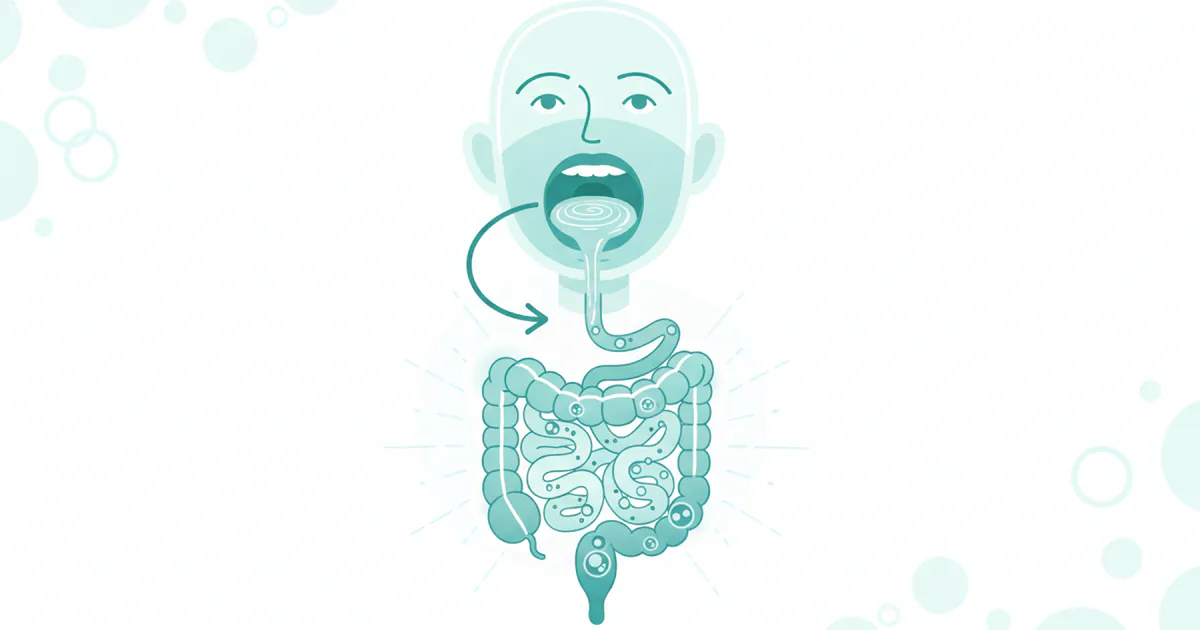
Does Oil Pulling Help Gut Health
The intricate connection between our oral health and overall well-being is a topic of growing fascination and scientific inquiry. Often, when we think of health, we focus on specific organs or systems, overlooking the crucial role of the mouth as a gateway to the rest of the body. One ancient practi
February 23, 2026
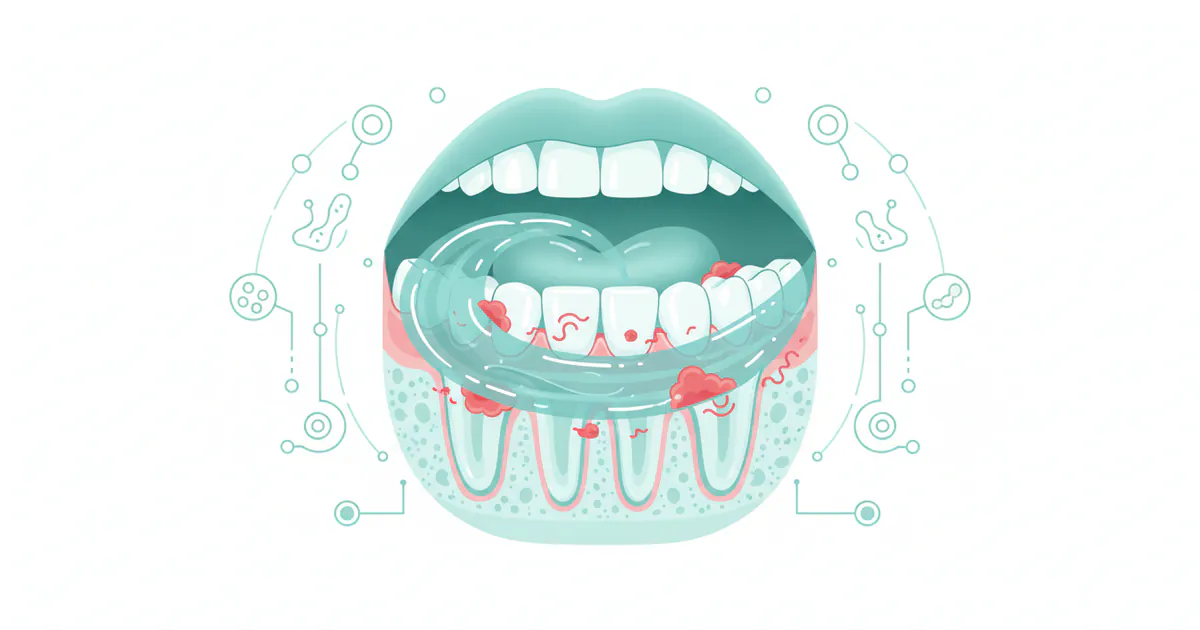
Does Oil Pulling Help With Inflammation
It's a question many health-conscious individuals ask as they explore natural remedies: does oil pulling help with inflammation? In an era where holistic approaches to wellness are gaining traction, the ancient practice of oil pulling has resurfaced, promising benefits that extend beyond oral hy
February 23, 2026
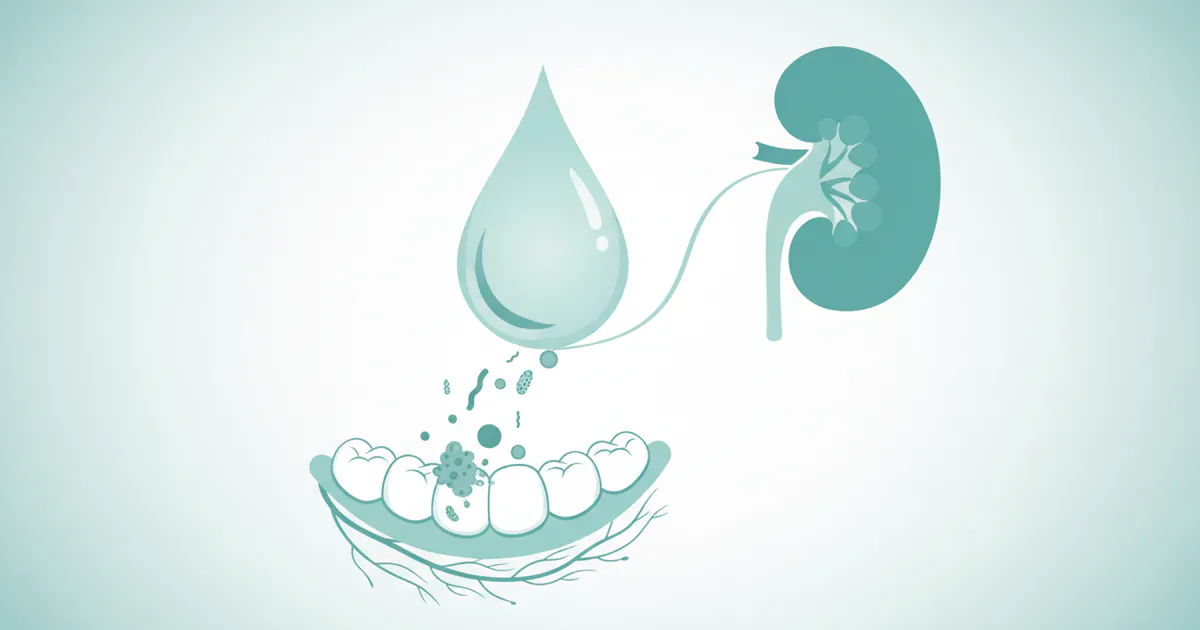
Oil Pulling for Kidney Disease: Complete Guide
Chronic kidney disease (CKD) affects an estimated 37 million adults in the United States, often progressing silently until advanced stages. What many may not realize is the profound connection between the health of their mouth and the health of their kidneys. As a bridge between traditional wisd
February 23, 2026
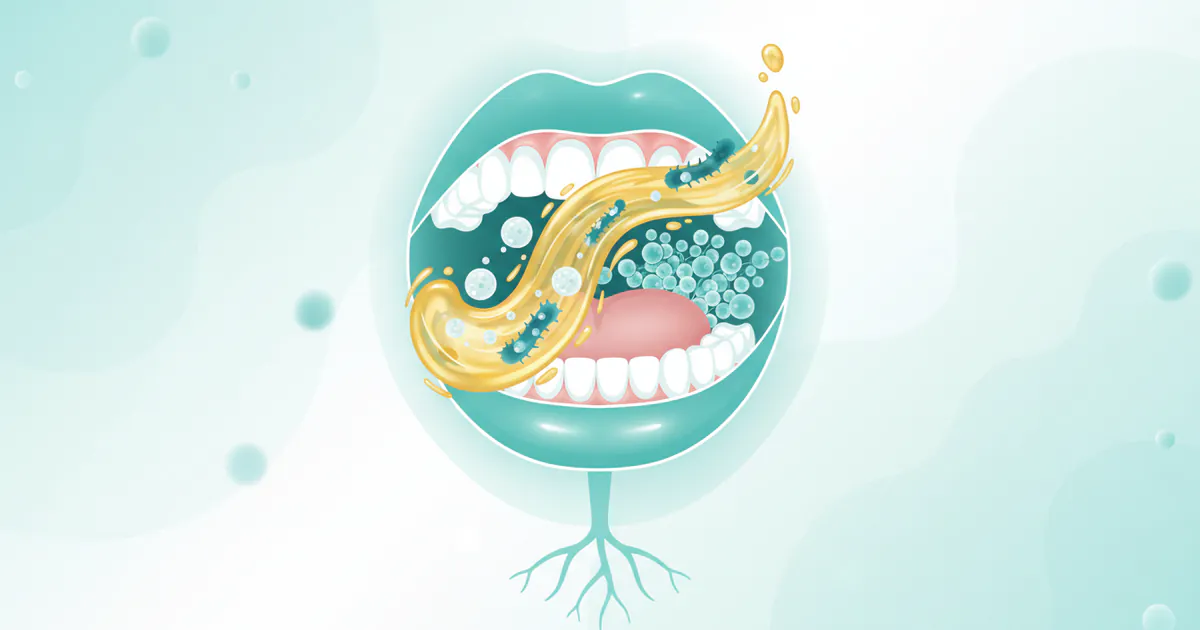
Oil Pulling Oral Microbiome: Complete Guide
Have you ever considered the bustling universe thriving within your mouth? This intricate community, known as the oral microbiome, consists of billions of microorganisms – some beneficial, some harmful – all playing a critical role in your oral and overall systemic health. Maintaining a balanced
February 23, 2026