When Do Baby Teeth Come in
Key Takeaways
- A child's smile is one of life's purest joys, and few milestones are as eagerly anticipated (or sometimes dreaded by sleep-deprived parents) as the arrival of their first tiny teeth. Understanding when do baby teeth come in is crucial for parents, guardians, and caregivers to support healthy ora
A child's smile is one of life's purest joys, and few milestones are as eagerly anticipated (or sometimes dreaded by sleep-deprived parents) as the arrival of their first tiny teeth. Understanding when do baby teeth come in is crucial for parents, guardians, and caregivers to support healthy oral development from the very beginning. Did you know that these "baby teeth," formally known as primary teeth, play a vital role far beyond just eating? They act as natural space holders for the permanent teeth developing beneath the gums, influence speech development, and guide the proper alignment of adult teeth.
From the first signs of teething discomfort to the eventual shedding of these temporary pearly whites, this journey spans several years of a child's life. Navigating this period effectively ensures not only comfort for your little one but also lays the foundation for a lifetime of good oral health. This comprehensive guide will delve into the typical timelines for eruption and shedding, explain the causes and symptoms of teething, explore effective relief strategies, discuss pediatric dental care, and provide essential advice for maintaining a healthy smile from infancy through early childhood.
Key Takeaways:
- Teething Typically Starts: Most babies begin showing teething signs around 4-7 months of age, though it can vary significantly.
- First Tooth Eruption: The lower central incisors are usually the first to emerge, typically between 6-10 months.
- Full Set by Age 3: Most children have all 20 primary (baby) teeth by the time they are three years old.
- Baby Teeth Shedding Begins: Children typically start losing their baby teeth around 5-7 years of age, starting with the lower central incisors.
- Pediatric Dental Visits: The American Dental Association (ADA) recommends the first dental visit by age one or within six months of the first tooth erupting.
- Cost of First Dental Visit: Without insurance, a pediatric dental check-up can range from $75 to $250, depending on location and services (exam, cleaning, fluoride).
- Teething Relief: Safe options include cold teethers (e.g., $5-$15), gum massage, and in some cases, acetaminophen or ibuprofen (consult your pediatrician).
What Are Baby Teeth and Why Are They Important?
Baby teeth, also known as primary teeth or deciduous teeth, are the first set of teeth a human develops. While they are temporary, their importance cannot be overstated. A full set consists of 20 teeth: 10 in the upper jaw and 10 in the lower jaw. These include:
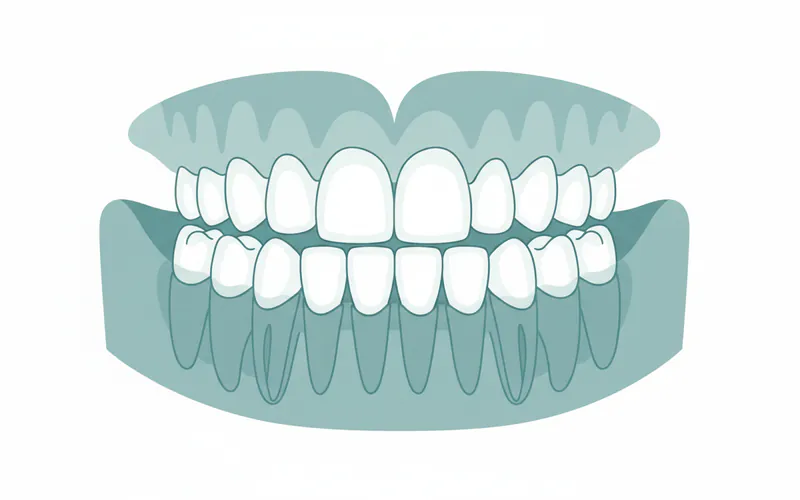
- Central Incisors (4): The front two teeth on the top and bottom.
- Lateral Incisors (4): The teeth immediately next to the central incisors.
- Canines (Cuspids) (4): The pointed teeth found next to the lateral incisors.
- First Molars (4): The larger teeth located towards the back of the mouth.
- Second Molars (4): The very back teeth.
The Critical Role of Primary Teeth
Many parents wonder if it truly matters to care for teeth that will eventually fall out. The answer is an emphatic yes! Primary teeth are foundational to a child's overall health and development in several key ways:
- Nutrition and Eating: They enable children to chew a variety of foods, crucial for proper digestion and nutrient absorption. Without healthy primary teeth, children might struggle with eating, leading to nutritional deficiencies.
- Speech Development: The presence and proper alignment of primary teeth play a significant role in helping children form sounds and speak clearly. Issues with these teeth can affect articulation.
- Space Holders for Permanent Teeth: This is perhaps their most critical function. Each baby tooth reserves space for its permanent successor. If a primary tooth is lost too early due to decay or trauma, the surrounding teeth can drift into the empty space, leading to crowding or misalignment issues for the permanent teeth as they emerge. This often necessitates orthodontic intervention later on.
- Foundation for Oral Health: Establishing good oral hygiene habits early on, with primary teeth, sets the stage for a lifetime of healthy practices. Cavities in baby teeth can lead to pain, infection, and can even spread to developing permanent teeth.
- Self-Esteem and Confidence: A healthy, bright smile contributes to a child's self-esteem and confidence in social interactions.
The Journey of Tooth Eruption: When Do Baby Teeth Come In?
The process of teeth emerging through the gums is known as eruption. While there's a general timeline, it's important to remember that every child is unique, and variations are common. Genetics, nutrition, and even gender can influence the timing of eruption. Girls often experience tooth eruption slightly earlier than boys.
``
Typical Eruption Timeline
The following table outlines the average ages for baby teeth to emerge. These are general guidelines, and it's normal for a child's teeth to appear a few months earlier or later than these averages.
| Tooth Type | Average Eruption Age (Months) | Common Range (Months) | Order of Appearance (General) |
|---|---|---|---|
| Lower Central Incisors | 6-10 | 5-12 | 1st |
| Upper Central Incisors | 8-12 | 7-13 | 2nd |
| Upper Lateral Incisors | 9-13 | 8-14 | 3rd |
| Lower Lateral Incisors | 10-16 | 9-16 | 4th |
| Upper First Molars | 13-19 | 12-19 | 5th |
| Lower First Molars | 14-18 | 12-19 | 6th |
| Upper Canines | 16-22 | 15-22 | 7th |
| Lower Canines | 17-23 | 16-23 | 8th |
| Lower Second Molars | 23-31 | 20-31 | 9th |
| Upper Second Molars | 25-33 | 20-33 | 10th |
Pro Tip: By around 2.5 to 3 years of age, most children will have all 20 of their primary teeth. If your child is significantly outside these ranges (e.g., no teeth by 18 months), it's a good idea to consult with your pediatrician or a pediatric dentist.
When Does Teething Start? Signs and Symptoms
Teething is the process of primary teeth breaking through the gums. While some lucky babies sail through teething with minimal fuss, for many, it can be an uncomfortable period. The exact timing of when does teething start varies, but it typically aligns with the first teeth erupting.
Common Signs and Symptoms of Teething
- Increased Drooling: One of the most common and earliest signs, starting around 3-4 months, well before the first tooth actually erupts. Excess saliva can sometimes lead to a mild rash around the mouth.
- Irritability and Fussiness: Your usually cheerful baby might become more cranky, especially at night.
- Chewing on Objects: Babies instinctually try to relieve pressure on their gums by gnawing on toys, fingers, or anything they can get their hands on.
- Swollen, Tender Gums: You might be able to see or feel red, swollen, or tender spots on their gums where a tooth is about to emerge.
- Slightly Elevated Temperature: A low-grade fever (typically under 101°F or 38.3°C) can be associated with teething, but a high fever is usually indicative of illness and not teething.
- Changes in Eating Habits: Some babies may refuse food or bottles due to discomfort, while others may want to chew more.
- Trouble Sleeping: Discomfort can disrupt their sleep patterns.
- Rubbing Gums or Ears: While ear rubbing can also be a sign of an ear infection, babies sometimes rub their ears when teething in the back molars.
- Gum Hematoma: Rarely, a small, bluish-red swelling (gum hematoma or eruption cyst) might appear on the gum where a tooth is about to erupt. This typically resolves on its own as the tooth emerges.
Important Note: While these symptoms are common, teething does NOT cause severe fever, diarrhea, vomiting, or rashes over the body. If your child experiences these, consult a pediatrician, as they are likely signs of an illness.
Treatment Options for Teething Discomfort
While there's no way to stop teeth from coming in, there are several safe and effective methods to help alleviate your baby's teething discomfort.
Home Remedies and Comfort Measures
- Gum Massage: Gently rub your baby's gums with a clean finger for a few minutes. The pressure can provide relief.
- Cold Objects: The cold helps numb the gums.
- Cold Washcloth: Dampen a clean washcloth, twist it, and freeze it for about 30 minutes. Let your baby chew on it.
- Chilled Teething Toys: Offer rubber teething rings or toys that have been chilled in the refrigerator (not frozen solid, as this can be too hard and cause freezer burn). Look for toys made from safe, BPA-free materials.
- Cold Food: For babies who are already eating solids, offering chilled purees (like applesauce or yogurt) or soft fruits (like a chilled banana or melon slices, supervised carefully to prevent choking) can provide relief.
- Wipe Away Drool: Keep a clean cloth handy to gently wipe away excess drool to prevent skin irritation and rashes around the mouth and chin. Applying a barrier cream like petroleum jelly can also help.
- Distraction and Cuddles: Sometimes, simply diverting their attention with play or offering extra comfort and cuddles can make a big difference.
``
Over-the-Counter (OTC) Solutions
- Pain Relievers: If your baby is particularly distressed and home remedies aren't enough, over-the-counter pain relievers can be used.
- Acetaminophen (e.g., Tylenol): Safe for babies generally over 2 months old. Always follow dosage instructions based on your child's weight and age, as provided by your pediatrician or on the packaging.
- Ibuprofen (e.g., Advil, Motrin): Safe for babies generally over 6 months old. Again, adhere strictly to dosage guidelines.
- Pro Tip: Never give aspirin to children due to the risk of Reye's Syndrome.
- Topical Gels/Creams (Use with Caution):
- The American Academy of Pediatrics (AAP) and the U.S. Food and Drug Administration (FDA) do not recommend using topical teething gels or creams containing benzocaine for children under 2 years old due to the risk of methemoglobinemia, a serious condition affecting oxygen in the blood.
- Herbal or homeopathic teething tablets are also not recommended due to inconsistent ingredient levels and potential contaminants. It's best to avoid these entirely.
Teething Relief Options Comparison
| Teething Relief Method | Pros | Cons | Safety Notes |
|---|---|---|---|
| Gum Massage | Natural, immediate relief, bonding | Requires parent involvement, temporary relief | Ensure hands are clean. |
| Chilled Teethers | Soothes gums, easy for baby to self-administer | Can become warm quickly, needs re-chilling | Use only refrigerator-chilled, not frozen. Ensure BPA-free. Avoid liquid-filled. |
| Cold Washcloth | Inexpensive, effective pressure/cold | Can be messy, needs re-chilling | Freeze for ~30 min (not solid). Supervise to prevent choking on loose fabric. |
| Acetaminophen | Effective pain relief, widely available | Medication, potential side effects if overdosed | Follow dosage based on weight/age. Consult pediatrician if unsure. Not for <2 months. |
| Ibuprofen | Effective for pain and inflammation | Medication, potential stomach irritation, side effects | Follow dosage based on weight/age. Consult pediatrician. Not for <6 months. |
| Benzocaine Gels | Perceived immediate numbing | NOT RECOMMENDED for children <2 years due to serious health risks (methemoglobinemia). | AVOID COMPLETELY. |
| Homeopathic/Herbal | Perceived natural approach | Inconsistent ingredients, potential contaminants, NOT RECOMMENDED. | AVOID COMPLETELY. |
When Do Kids Start Losing Teeth? The Shedding Process
Just as primary teeth erupt on a schedule, they also fall out in a generally predictable order, making way for the permanent dentition. This process, known as exfoliation or shedding, typically begins around age 5 or 6 and continues into the early teenage years. When do kids start losing teeth is a common question, and like eruption, there's a typical sequence.
Typical Shedding Timeline
The general rule is that the teeth that erupted first are also the first to be lost.
| Tooth Type | Average Shedding Age (Years) | Common Range (Years) |
|---|---|---|
| Lower Central Incisors | 6-7 | 5-8 |
| Upper Central Incisors | 7-8 | 6-9 |
| Lower Lateral Incisors | 7-8 | 7-9 |
| Upper Lateral Incisors | 8-9 | 7-10 |
| Lower First Molars | 10-12 | 9-12 |
| Upper First Molars | 10-12 | 9-12 |
| Lower Canines | 9-12 | 9-13 |
| Upper Canines | 10-13 | 9-13 |
| Lower Second Molars | 10-12 | 9-13 |
| Upper Second Molars | 10-13 | 9-13 |
This timeline also marks the arrival of the first permanent molars (the "six-year molars"), which erupt behind the last baby teeth and do not replace any primary teeth.
The Mechanism of Shedding
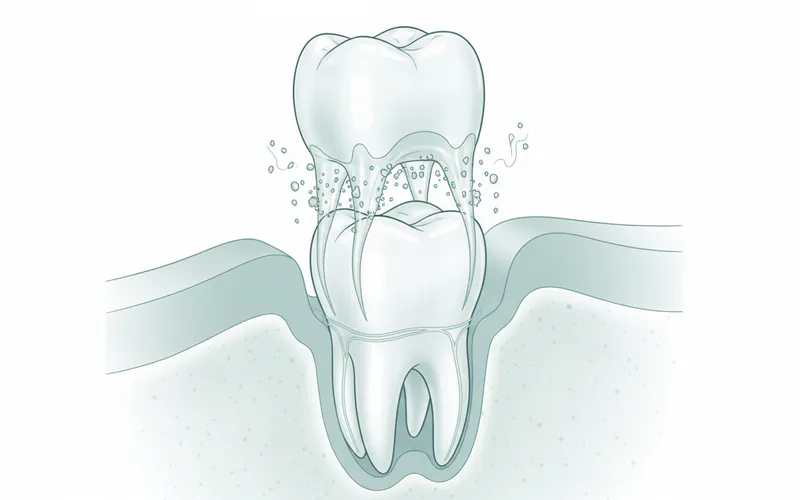
The roots of primary teeth are gradually resorbed (dissolved) by the body as the permanent tooth developing beneath pushes upward. This process causes the baby tooth to become loose. Once enough of the root has dissolved, the tooth loses its anchor and eventually falls out.
Pro Tip: Encourage your child to wiggle a loose tooth gently with their tongue or clean fingers. Resist the urge to pull it out forcefully, as this can cause unnecessary pain or damage to the gum tissue. The tooth should fall out naturally when it's ready. If a baby tooth is still present and the permanent tooth is erupting behind it ("shark teeth"), consult a pediatric dentist.
Children / Pediatric Considerations: Establishing a Lifetime of Oral Health
The period of primary tooth eruption and shedding is critical for establishing habits that will impact a child's oral health for years to come.
The First Dental Visit: Age One Rule
The American Academy of Pediatric Dentistry (AAPD) and the ADA recommend that a child's first dental visit occur by their first birthday or within six months of the first tooth erupting, whichever comes first. This "age one rule" is paramount for several reasons:
- Early Detection: Allows the dentist to check for early signs of decay (e.g., baby bottle tooth decay), developmental issues, or other concerns.
- Preventive Care: The dentist can provide anticipatory guidance to parents on proper oral hygiene, diet, fluoride use, and thumb-sucking habits.
- Familiarization: Helps the child become accustomed to the dental office environment, reducing anxiety for future visits.
- Risk Assessment: The dentist can assess the child's individual risk for dental problems and tailor preventive strategies.
Oral Hygiene for Babies and Toddlers
- Before Teeth Erupt: Even before the first tooth appears, gently wipe your baby's gums with a clean, damp cloth or a soft infant toothbrush twice a day. This removes bacteria and food particles and gets them used to the routine.
- First Tooth to Age Three: Once the first tooth erupts, begin brushing twice daily with a soft-bristled, child-sized toothbrush and a tiny smear (the size of a grain of rice) of fluoride toothpaste. Fluoride is essential for strengthening enamel and preventing cavities.
- Ages Three to Six: Continue brushing twice daily with a pea-sized amount of fluoride toothpaste. Supervise brushing to ensure proper technique and that the child spits out the toothpaste.
- Flossing: Once teeth begin to touch, typically around age two or three, start flossing daily. This helps remove plaque and food particles from between teeth where a toothbrush can't reach.
Cost and Insurance: Understanding Pediatric Dental Care
The cost of pediatric dental care related to early tooth development primarily revolves around preventive check-ups, cleanings, and necessary interventions like fluoride treatments or fillings if cavities occur.
Average US Costs for Pediatric Dental Services (Without Insurance)
These are general ranges and can vary significantly based on location (urban vs. rural), the specific dentist's fees, and the child's needs.
- First Dental Visit (Exam, Cleaning, Fluoride):
- Low: $75
- Mid: $150 - $250
- High: $300 - $400 (if X-rays or extensive counseling are included)
- Routine Check-up (Every 6 months):
- Low: $50
- Mid: $100 - $175
- High: $200 - $250
- Fluoride Varnish Treatment: $25 - $75 per application
- Dental Sealants (per tooth): $30 - $70 (often applied to permanent molars, but sometimes primary molars)
- Filling (Primary Tooth):
- Amalgam (silver): $80 - $200
- Composite (tooth-colored): $120 - $350
Insurance Coverage
Most private dental insurance plans offer coverage for pediatric dentistry, often with a strong emphasis on preventive care.
- Preventive Services: Most plans cover 100% of routine check-ups, cleanings, and fluoride treatments with no out-of-pocket cost or a small co-pay.
- Basic Restorative Services: Fillings are usually covered at 80-100% after a deductible.
- Major Services: More complex procedures (e.g., root canals on primary teeth, extractions) may be covered at 50-80%.
- Medicaid and CHIP: Many states offer robust dental benefits for children through Medicaid (for low-income families) and the Children's Health Insurance Program (CHIP) for families who earn too much for Medicaid but cannot afford private insurance. These programs typically cover a wide range of preventive and restorative dental services.
Pro Tip: Always verify your specific benefits with your insurance provider before scheduling appointments. Ask for a pre-treatment estimate if more extensive work is anticipated.
Payment Plans and Financing Options
If you don't have insurance or need to cover out-of-pocket costs, many dental offices offer:
- In-house Payment Plans: Installment plans spread over several months.
- Third-Party Financing: Services like CareCredit or LendingClub offer specialized healthcare credit cards with low or no-interest payment options.
- Dental Discount Plans: Not insurance, but provides discounted rates on services at participating dentists for an annual fee.
Prevention: Keeping Baby Teeth Healthy
Preventing dental issues in baby teeth is primarily about establishing good habits and limiting risk factors.
- Strict Oral Hygiene: Brush and floss regularly as outlined above. This is the cornerstone of cavity prevention.
- Healthy Diet:
- Limit Sugar: Reduce sugary drinks (juices, sodas) and sticky, sugary snacks.
- Balanced Meals: Encourage a diet rich in fruits, vegetables, lean proteins, and dairy products.
- Water: Encourage water intake, especially fluoridated tap water, which helps strengthen enamel.
- Avoid Baby Bottle Tooth Decay:
- Never put your baby to bed with a bottle containing milk, formula, juice, or any sweetened liquid. The sugars can pool around the teeth overnight, leading to severe decay.
- If a bottle is necessary at bedtime, fill it with plain water.
- Avoid dipping pacifiers in sugar, honey, or syrup.
- Fluoride:
- Use fluoride toothpaste as recommended for age.
- If your local tap water is fluoridated, encourage your child to drink it.
- Your pediatric dentist may recommend fluoride varnish treatments, especially if your child is at high risk for cavities.
- Regular Dental Check-ups: Adhere to the ADA recommendation for dental visits every six months, starting by age one.
- Address Habits Early: Thumb sucking or pacifier use past age four or five can affect jaw development and tooth alignment. Your dentist can provide guidance on breaking these habits.
Risks and Complications During Baby Teeth Eruption and Shedding
While the process of tooth eruption and shedding is generally natural, certain risks and complications can arise.
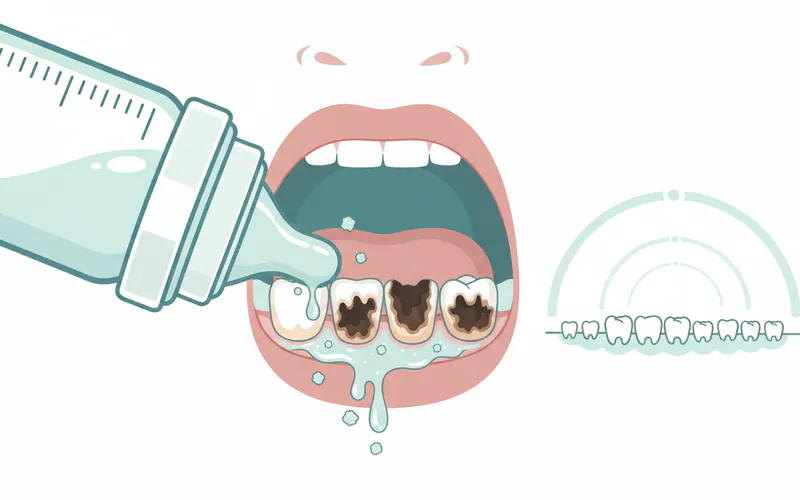
- Early Childhood Caries (ECC): Commonly known as baby bottle tooth decay, this is the most prevalent chronic disease of childhood. It's caused by frequent and prolonged exposure of teeth to sugary liquids. ECC can lead to pain, infection, difficulty eating and speaking, and costly dental treatments.
- Delayed Eruption: If no teeth have erupted by 18 months, or if there's a significant asymmetry in eruption (teeth on one side come in much later than the other), it warrants a dental evaluation. Causes can include genetic factors, nutritional deficiencies, or underlying medical conditions.
- Early or Premature Loss of Primary Teeth: If a baby tooth is lost too early due to decay or trauma, it can lead to space loss for the permanent tooth, causing crowding or misalignment later on. In such cases, a pediatric dentist might recommend a "space maintainer" to hold the spot until the permanent tooth erupts.
- Ectopic Eruption: This occurs when a permanent tooth erupts out of its normal position, sometimes even before the baby tooth it's supposed to replace has fallen out. This often requires orthodontic intervention.
- Dental Trauma: Falls and accidents are common in childhood, and baby teeth can be chipped, fractured, or even knocked out. Any dental trauma in a child should be evaluated by a dentist promptly to assess damage to the primary tooth and potential impact on the developing permanent tooth.
- Impacted Teeth: Though less common in primary dentition, teeth can sometimes get stuck beneath the gum line and fail to erupt. This is more often a concern with permanent teeth (like wisdom teeth) but can occasionally affect primary teeth.
- Natal or Neonatal Teeth: Rarely, babies are born with teeth (natal teeth) or develop teeth within the first month of life (neonatal teeth). These teeth can sometimes be loose, interfere with feeding, or irritate the baby's tongue or the mother's breast during nursing. A dentist can assess if they need to be removed.
Frequently Asked Questions
### How long does teething last for each tooth?
The actual process of a tooth breaking through the gum typically lasts only a few days, but the symptoms of teething, such as fussiness and discomfort, can come and go for a week or two around the time each tooth is erupting. For molars, which are larger, discomfort may last slightly longer.
### What is "baby bottle tooth decay" and how can I prevent it?
Baby bottle tooth decay, or early childhood caries (ECC), is severe decay in baby teeth caused by prolonged exposure to sugary liquids. It often affects the front upper teeth first. To prevent it, never put your child to bed with a bottle of milk, formula, juice, or sweetened drinks. Instead, offer water or remove the bottle once they fall asleep.
### Is a fever normal during teething?
A low-grade fever (typically below 101°F or 38.3°C) can be associated with teething due to mild inflammation. However, a higher fever is usually a sign of illness, not teething, and warrants a call to your pediatrician. Teething does not cause significant illness.
### My child is 1 year old and has no teeth. Should I be worried?
While the average age for the first tooth is 6-10 months, it's considered within the normal range for a baby to not have any teeth by 12 months. However, if there are no teeth by 18 months, or if you have concerns, it's advisable to consult with a pediatric dentist or your pediatrician for an evaluation.
### What if a baby tooth doesn't fall out when it should?
If a baby tooth remains in place past its typical shedding age and the permanent tooth is erupting behind it (often called "shark teeth"), or if the permanent tooth is simply not emerging, it's important to see a pediatric dentist. They can determine if the primary tooth needs to be extracted to allow the permanent tooth to come in properly.
### Can baby teeth get cavities?
Absolutely. Baby teeth are just as susceptible to cavities as permanent teeth, and sometimes even more so due to thinner enamel. Cavities in baby teeth can lead to pain, infection, and can even impact the development of underlying permanent teeth. Early detection and treatment are crucial.
### What's the best way to clean my baby's first tooth?
As soon as the first tooth emerges, start brushing twice a day with a soft-bristled, child-sized toothbrush and a tiny smear (the size of a grain of rice) of fluoride toothpaste. Gently brush all surfaces of the tooth.
### My child lost a baby tooth very early due to an accident. What now?
If a baby tooth is lost prematurely due to trauma or decay, it's essential to visit a pediatric dentist. They may recommend a space maintainer. This device holds the space open that the primary tooth occupied, preventing adjacent teeth from drifting and ensuring enough room for the permanent tooth to erupt correctly.
### How much fluoride toothpaste should I use for my toddler?
For children under three years old, use a smear (the size of a grain of rice) of fluoride toothpaste. For children aged three to six, a pea-sized amount is appropriate. Always supervise brushing to ensure they spit out the toothpaste and don't swallow large amounts.
### Are there any alternatives to traditional teething remedies?
While many home remedies and OTC pain relievers are safe and effective, be wary of alternative products like amber teething necklaces or homeopathic tablets. Amber necklaces pose a choking and strangulation risk, and homeopathic products lack scientific evidence and can have inconsistent or harmful ingredients. Always prioritize safety and evidence-based solutions.
When to See a Dentist
Regular dental check-ups are essential for healthy oral development. Here's a guide on when to see a dentist beyond routine visits:
Routine Care Guidance:
- First Visit by Age One: As per ADA recommendations, your child should have their first dental appointment by their first birthday or within six months of the first tooth erupting.
- Bi-annual Check-ups: After the initial visit, schedule routine check-ups every six months. This allows the dentist to monitor development, clean teeth, apply fluoride, and provide preventive guidance.
Warning Signs Needing Immediate Attention (Emergency vs. Scheduled):
Emergency Situations (Seek immediate dental care):
- Knocked-out tooth (avulsion): If a permanent tooth is knocked out, time is critical. For baby teeth, it's generally not replanted, but a dentist should assess the underlying permanent tooth.
- Severe dental trauma: Any fractured, dislodged, or badly chipped tooth, especially if there's bleeding, swelling, or extreme pain.
- Facial swelling: Swelling of the face, jaw, or gums that is rapidly increasing, or accompanied by fever, as this could indicate a serious infection or abscess.
- Uncontrolled pain: If your child is experiencing severe toothache that cannot be managed with OTC pain relievers.
Scheduled Appointment (Seek care promptly, but not necessarily an emergency):
- Signs of decay: Brown or white spots on teeth, especially if accompanied by pain or sensitivity.
- Delayed eruption: No teeth by 18 months, or significant asymmetry in tooth eruption.
- Persistent thumb-sucking or pacifier use: If these habits continue past age 4-5 and are affecting tooth alignment or jaw development.
- "Shark teeth": When a permanent tooth emerges before the baby tooth it's meant to replace has fallen out.
- Oral lesions or unusual growths: Any sores, bumps, or discolorations in the mouth that don't heal within a week or two.
- Bleeding gums: While common after brushing if gums are inflamed, persistent or spontaneous bleeding needs evaluation.
- Concerns about speech development: If you suspect dental issues are impacting your child's ability to form sounds.
By staying informed about the stages of tooth development and adhering to recommended dental care guidelines, you can ensure your child's journey with their baby teeth is as smooth and healthy as possible, setting them up for a lifetime of confident smiles.
Frequently Asked Questions
Medically Reviewed Content
This article was written by our dental health editorial team and reviewed for medical accuracy. Our content follows strict editorial guidelines for reliability and trustworthiness.
Medical Disclaimer
This article is for informational purposes only and does not constitute medical advice. Always consult with a qualified dental professional for diagnosis and treatment. Do not delay seeking professional advice because of something you read on this website.
Related Articles
Kitten Teething Toys: Complete Guide
Few milestones in early life bring as much joy – and sometimes, as much discomfort – as teething. Just as a playful kitten explores its new world by mouthing and chewing on everything it can, human babies also embark on a similar developmental journey. In fact, over 80% of infants experience som
February 22, 2026
How Many Teeth Do Children Have
Did you know that a child's smile goes through more dramatic transformations in their first 12 years than an adult's does in a lifetime? Understanding the journey of your child's dental development is fundamental to ensuring their lifelong oral health. For many parents, a common question arises: **h
February 22, 2026
Teething Syndrome: Complete Guide
As a parent, few things are as universally anticipated and often dreaded as the arrival of your baby's first tooth. While a milestone to celebrate, the process of primary tooth eruption, commonly known as teething syndrome, can bring with it a host of challenging symptoms. In fact, studies sugge
February 22, 2026
When Do Kittens Lose Their Baby Teeth
When Do Kittens Lose Their Baby Teeth
February 22, 2026