Tooth Filling Cost With Insurance: Complete Price Guide 2026
Key Takeaways
- Few dental issues are as common as cavities, impacting millions of Americans each year. In fact, according to the Centers for Disease Control and Prevention (CDC), over 25% of adults aged 20-64 currently have untreated dental caries (cavities). When a cavity strikes, a tooth filling is often the
Tooth Filling Cost With Insurance: Complete Price Guide 2026
Few dental issues are as common as cavities, impacting millions of Americans each year. In fact, according to the Centers for Disease Control and Prevention (CDC), over 25% of adults aged 20-64 currently have untreated dental caries (cavities). When a cavity strikes, a tooth filling is often the recommended treatment to restore the tooth's function and prevent further decay. However, understanding the tooth filling cost with insurance can feel like navigating a maze. From different material types to varying insurance policies, the financial aspect can be a significant concern for many.
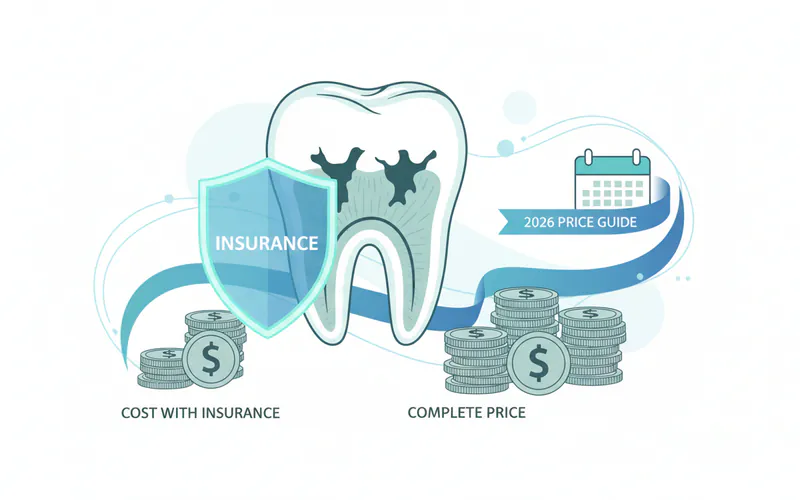
This comprehensive guide from SmilePedia.net aims to demystify the cost of tooth fillings in 2026. We'll break down the average prices for various filling materials, explain how dental insurance typically covers these procedures, and offer insights into managing your out-of-pocket expenses. By the end of this article, you'll have a clear understanding of what to expect, allowing you to make informed decisions about your dental health with confidence.
Key Takeaways:
- Average tooth filling costs without insurance range from $50 for amalgam to over $4,500 for complex gold or porcelain inlays/onlays.
- Dental insurance typically covers 50-80% of the cost for basic restorative procedures like fillings after deductibles are met.
- Out-of-pocket costs with insurance for a single filling can range from $20 to $500, depending on material, tooth location, and plan specifics.
- Amalgam fillings (silver fillings) are generally the most affordable option, while composite (tooth-colored) and ceramic fillings (like a porcelain crown fragment) are more expensive due to aesthetics and material properties.
- Most dental insurance plans have annual maximums (e.g., $1,000-$2,000) and may include waiting periods for major restorative work.
- Prevention through good oral hygiene and regular dental check-ups is the most effective way to avoid the need for costly fillings.
``
What Are Tooth Fillings? An Overview
A tooth filling is a restorative dental treatment used to repair a tooth damaged by decay, fractures, or cracks. When a dentist removes decayed tooth material, they are left with a void. A filling material is then used to "fill" this void, restoring the tooth's original shape, strength, and function, and preventing further bacterial invasion.
The primary reason for a filling is to treat dental caries, commonly known as a cavity. Cavities are holes that form in your teeth when acids produced by bacteria in plaque erode the enamel and dentin. If left untreated, a cavity can grow larger, leading to pain, infection, and potentially tooth loss. Fillings are a cornerstone of general dentistry, designed to preserve your natural teeth for as long as possible.
Understanding Tooth Decay: The Precursor to Fillings
Before delving into the specifics of fillings, it's essential to understand the underlying problem: tooth decay.
Causes of Tooth Decay: Tooth decay is a progressive process that begins when plaque, a sticky film of bacteria, constantly forms on your teeth. When you consume sugary foods and drinks, these bacteria feed on the sugars and produce acids. These acids attack the tooth enamel, which is the hard, protective outer layer of your teeth. Over time, these acid attacks can create tiny holes or weak spots in the enamel.
Contributing Factors:
- Poor Oral Hygiene: Infrequent or ineffective brushing and flossing allow plaque to build up and acids to damage enamel.
- Frequent Snacking and Sugary Drinks: Constant exposure to sugars fuels acid production.
- Dry Mouth (Xerostomia): Saliva helps wash away food particles and neutralize acids. Reduced saliva flow increases cavity risk.
- Location of Teeth: Molars and premolars, with their deep grooves and pits, are more prone to trapping food particles and plaque.
- Lack of Fluoride: Fluoride strengthens enamel and helps resist acid attacks.
- Age: While common in children, older adults can experience root decay due to receding gums.
Types of Dental Fillings: Material Matters
The material chosen for your tooth filling significantly impacts its cost, appearance, durability, and suitability for different areas of the mouth. Understanding these options is crucial for estimating your tooth filling cost with insurance.
Amalgam Fillings (Silver Fillings)
Amalgam meaning: Dental amalgam is a mixture of metals, typically consisting of liquid mercury and a powdered alloy of silver, tin, and copper. It has been used for over 150 years to fill cavities.
- Pros:
- Durability: Very strong and can last 10-15 years or longer.
- Cost-Effective: Generally the least expensive option, making the tooth filling cost with insurance for amalgam fillings very low.
- Strength: Excellent for chewing surfaces of back teeth where biting forces are high.
- Ease of Placement: Can be placed in a single visit.
- Cons:
- Aesthetics: Silver color is noticeable, making it less suitable for front teeth.
- Tooth Structure Removal: Requires removal of a healthy tooth structure to create a strong anchor for the filling.
- Temperature Sensitivity: Can expand and contract with temperature changes, potentially leading to cracks over time.
- Mercury Content: While the ADA and FDA consider dental amalgam safe, some people have concerns about its mercury content. The mercury in amalgam is bound in a stable, inactive form.
- Average Cost (without insurance): $50 - $250 per filling.
Composite Fillings (Tooth-Colored Fillings)
Composite fillings are made from a mixture of acrylic resin and finely ground glass particles. They are designed to match the natural color of your teeth.
- Pros:
- Aesthetics: Blends seamlessly with natural teeth, making them ideal for visible areas.
- Bonding: Chemically bonds to the tooth structure, providing support and requiring less removal of healthy tooth material.
- Versatility: Can be used to repair chipped, broken, or worn teeth.
- Cons:
- Durability: Less durable than amalgam or gold, typically lasting 5-7 years, sometimes longer with good care.
- Staining: Can stain over time from coffee, tea, and other dark-colored foods.
- Cost: More expensive than amalgam due to the material and more intricate placement process.
- Placement Time: Takes slightly longer to place than amalgam.
- Average Cost (without insurance): $150 - $450 per filling.
Gold Fillings (Inlays/Onlays)
Gold fillings are custom-made in a dental lab and then cemented into place. They are considered an indirect filling because they require two appointments.
- Pros:
- Durability: Highly durable, lasting 10-15 years, often much longer (20+ years). Very resistant to corrosion and wear.
- Strength: Excellent for handling biting forces.
- Biocompatibility: Well-tolerated by gum tissues.
- Cons:
- Aesthetics: Gold color is very noticeable.
- Cost: Significantly more expensive due to material cost and laboratory fabrication. This will impact the tooth filling cost with insurance even with good coverage.
- Time: Requires at least two dental visits.
- Galvanic Shock: Can sometimes cause galvanic shock (a sharp pain) if placed next to an amalgam filling.
- Average Cost (without insurance): $300 - $1,000 per tooth (for typical gold inlays/onlays, which are partial crowns, not simple fillings). Complex cases can exceed $2,500.
Ceramic/Porcelain Fillings (Inlays/Onlays)
Similar to gold, ceramic (often porcelain) fillings are custom-made in a lab and then bonded to the tooth. When referring to porcelain crown in the context of fillings, it often means a ceramic inlay or onlay, which is a partial crown designed to cover a larger area of the tooth than a traditional filling but less than a full crown.
- Pros:
- Aesthetics: Excellent natural tooth color match, highly resistant to staining.
- Durability: Strong and long-lasting, typically 10-15 years.
- Biocompatibility: Very well-tolerated.
- Cons:
- Cost: Comparable to gold inlays/onlays, making them one of the most expensive options.
- Brittleness: Can be more brittle than composite or amalgam, though modern ceramics are very strong.
- Time: Requires at least two dental visits for fabrication.
- Average Cost (without insurance): $500 - $1,500 per tooth (for ceramic inlays/onlays). Complex porcelain crown-like restorations can exceed $2,500-$4,500.
Glass Ionomer Fillings
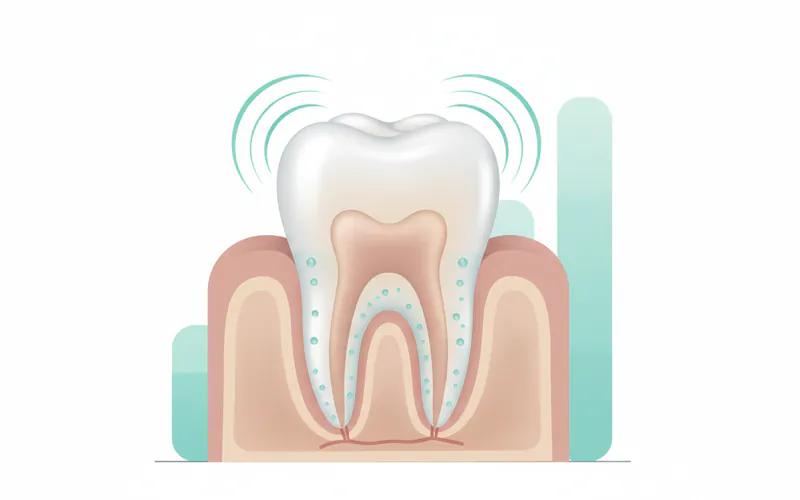
Glass ionomer is a tooth-colored material made from acrylic and a component of glass. It releases fluoride, which can help protect the tooth from further decay.
- Pros:
- Fluoride Release: Helps prevent recurrent decay.
- Biocompatibility: Gentle on gum tissues.
- Good for Children: Often used for temporary fillings or in areas not subject to heavy biting forces.
- Cons:
- Durability: Weaker than composite or amalgam, typically lasting 3-5 years.
- Aesthetics: Not as natural-looking as composite.
- Cost: Moderate.
- Average Cost (without insurance): $100 - $300 per filling.
Comparison Table: Dental Filling Materials
| Filling Type | Est. Lifespan (Years) | Aesthetic Quality | Strength/Durability | Average Cost (No Insurance) | Key Feature(s) |
|---|---|---|---|---|---|
| Amalgam | 10-15+ | Poor (Silver) | Excellent | $50 - $250 | Most cost-effective, very durable, strong. |
| Composite | 5-10 | Excellent | Good | $150 - $450 | Tooth-colored, bonds to tooth, common. |
| Gold (Inlay/Onlay) | 15-20+ | Poor (Gold) | Superior | $300 - $2,500+ | Extremely durable, custom-made, premium option. |
| Ceramic (Inlay/Onlay) | 10-15+ | Excellent | Very Good | $500 - $4,500+ | Tooth-colored, highly aesthetic, custom-made. |
| Glass Ionomer | 3-5 | Fair (Tooth-colored) | Fair | $100 - $300 | Fluoride release, good for temporary/children. |
Pro Tip: Discuss all filling material options with your dentist. The best choice depends on the location of the cavity, the chewing forces it will endure, your aesthetic preferences, and your budget, considering your tooth filling cost with insurance coverage.
When Do You Need a Tooth Filling? Signs and Symptoms
The most common reason for a tooth filling is a cavity. However, other issues like cracks or fractures can also necessitate a filling. Recognizing the signs early can prevent more extensive and expensive treatments down the line.
Common Signs and Symptoms of a Cavity:
- Toothache: Persistent pain, mild or sharp, especially when eating or drinking.
- Sensitivity: Pain or discomfort when consuming hot, cold, sweet, or acidic foods and beverages.
- Visible Holes or Pits: Small openings or depressions on the tooth surface.
- Dark Spots or Stains: Brown, black, or white staining on the tooth surface.
- Pain When Biting: Sharp pain or discomfort when biting down.
- Food Trapping: Food consistently getting stuck in a particular area of your teeth.
It's important to note that many cavities, especially in their early stages, cause no symptoms at all. This is why regular dental check-ups are crucial for early detection and treatment before the decay progresses and requires more complex procedures or impacts your tooth filling cost with insurance significantly.
The Tooth Filling Procedure: What to Expect
The process of getting a tooth filling is generally straightforward and completed in a single visit for direct fillings (amalgam, composite, glass ionomer). Indirect fillings (gold, ceramic inlays/onlays) require two visits.
Here's a general step-by-step breakdown:
- Diagnosis: Your dentist will examine your teeth and may take X-rays to locate cavities.
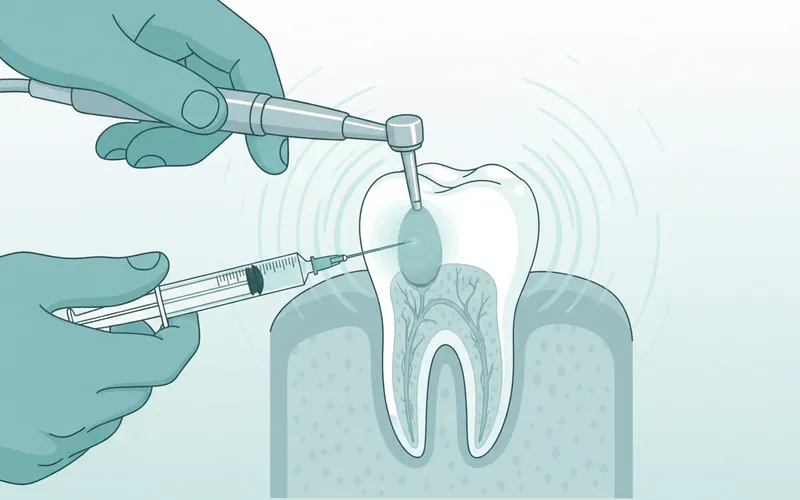
- Anesthesia: To ensure comfort, the dentist will numb the tooth and surrounding area with a local anesthetic. You might feel a slight pinch during the injection, but then the area will become numb.
- Decay Removal: Using a dental drill, laser, or air abrasion instrument, the dentist will carefully remove all decayed material from the tooth. The goal is to clean out the cavity thoroughly without removing more healthy tooth structure than necessary.
- Preparation of the Tooth: Once the decay is removed, the dentist will shape the space to ensure the filling material can bond securely. For composite fillings, a mild acid gel is applied to microscopically etch the enamel, creating a better bonding surface, followed by a bonding agent.
- Filling Material Placement:
- Amalgam: The freshly mixed amalgam is packed into the prepared cavity and then carved to restore the tooth's natural shape.
- Composite: The composite resin, which is a paste, is applied in layers. Each layer is cured (hardened) with a special blue light.
- Glass Ionomer: The material is mixed and applied, then allowed to set.
- Indirect Fillings (Inlays/Onlays): After decay removal, an impression of the tooth is taken and sent to a dental lab for custom fabrication. A temporary filling is placed. During the second visit, the temporary filling is removed, and the custom-made inlay/onlay is bonded or cemented into place.
- Finishing and Polishing: After the filling is placed and hardened, the dentist will trim any excess material, check your bite, and polish the filling to ensure it's smooth and comfortable.
The entire process for a direct filling usually takes about 30-60 minutes, depending on the size and location of the cavity.
``
Recovery and Aftercare: Protecting Your New Filling
After a tooth filling, proper care is essential for a smooth recovery and to maximize the lifespan of your new restoration.
Immediate Post-Procedure Care:
- Numbness: The local anesthetic will wear off in a few hours. Avoid chewing on the numb side to prevent accidentally biting your tongue, cheek, or lip.
- Sensitivity: It's common to experience some sensitivity to hot, cold, or pressure for a few days or weeks after a filling, especially with deeper cavities or composite fillings. This usually subsides.
- Diet: Stick to soft foods initially. Avoid very hot or cold beverages immediately after a filling, particularly if you experience sensitivity.
- Biting Discomfort: If your bite feels "off" or uneven, contact your dentist. The filling might need a slight adjustment.
Long-Term Aftercare:
- Maintain Excellent Oral Hygiene: Brush twice daily with fluoride toothpaste and floss daily to prevent new decay around the filling or on other teeth.
- Regular Dental Check-ups: Continue with your routine dental exams and cleanings (typically every six months). Your dentist can monitor the condition of your fillings and detect any issues early.
- Avoid Habits that Damage Teeth: Don't chew on ice, hard candies, or use your teeth to open packages, as these can crack your filling or natural tooth.
- Manage Teeth Grinding (Bruxism): If you grind or clench your teeth, especially at night, your dentist might recommend a nightguard to protect your fillings and teeth from excessive force.
- Watch for Signs of Trouble: If you experience persistent pain, increased sensitivity, a visible crack, or if the filling feels loose or falls out, contact your dentist immediately.
Pro Tip: Composite fillings can stain over time, much like natural teeth. Minimize consumption of highly staining foods and drinks (coffee, tea, red wine, berries) to keep your composite fillings looking their best.
Preventing Cavities: The Best Defense
Prevention is always better, and far less costly, than treatment. By adopting good oral hygiene habits and making smart lifestyle choices, you can significantly reduce your risk of developing cavities and the need for fillings.
- Brush Twice Daily: Use a fluoride toothpaste and brush for at least two minutes, covering all surfaces of your teeth.
- Floss Daily: Flossing removes plaque and food particles from between your teeth and under the gum line, where your toothbrush can't reach.
- Limit Sugary and Acidic Foods/Drinks: Reduce your intake of sodas, fruit juices, candies, and refined carbohydrates that fuel cavity-causing bacteria. If you do consume them, rinse your mouth with water afterward.
- Drink Fluoridated Water: Fluoride strengthens tooth enamel and helps prevent decay. Most municipal water supplies in the US are fluoridated.
- Use Fluoride Mouthwash: If your dentist recommends it, an over-the-counter or prescription fluoride mouthwash can provide extra protection.
- Regular Dental Check-ups and Cleanings: Visit your dentist every six months for professional cleanings and examinations. This allows for early detection of cavities, often before they become problematic or expensive.
- Dental Sealants: For children and sometimes adults, sealants can be applied to the chewing surfaces of back teeth to fill in grooves and pits, creating a smooth surface that is easier to clean and less prone to decay. (Internal link opportunity: Learn more about Dental Sealants on SmilePedia.net).
Risks and Potential Complications of Dental Fillings
While dental fillings are safe and effective procedures, it's important to be aware of potential risks and complications, though they are generally rare.
- Tooth Sensitivity: The most common complication. You might experience sensitivity to pressure, air, sweet foods, or hot and cold temperatures. This usually subsides within a few weeks. If it persists or worsens, consult your dentist.
- Pain Around the Filling: If you experience sharp pain when biting down, the filling might be too high and needs adjustment. Dull aching can indicate more serious issues like decay under the filling or nerve inflammation.
- Allergic Reactions: Rare, but some individuals can have an allergic reaction to the materials used in fillings (e.g., mercury in amalgam or resin in composites). Symptoms include rash and itching.
- Filling Leakage or Secondary Decay: Over time, fillings can wear down, crack, or pull away from the tooth, creating tiny gaps where bacteria and food particles can accumulate. This can lead to new decay (secondary decay) underneath or around the filling.
- Filling Falling Out: Fillings can occasionally fall out due to new decay, trauma, or the filling material itself failing. If this happens, contact your dentist immediately to prevent further damage.
- Fractured Tooth: Large fillings, especially amalgam, can weaken the remaining tooth structure over time, making the tooth more susceptible to fractures. This might necessitate a crown (like a porcelain crown) or even extraction.
- Galvanic Shock: A rare occurrence where a sharp pain is felt when two different metal fillings (e.g., gold and amalgam) are in contact in the mouth, creating an electrical current.
Pro Tip: If you experience any unusual pain, persistent sensitivity, or notice changes in your filling, don't wait. Contact your dentist promptly. Early intervention can often prevent minor issues from becoming major problems.
Children and Tooth Fillings: Pediatric Considerations
Cavities are common in children, both in their primary (baby) teeth and permanent teeth. Addressing decay in primary teeth is crucial, even though they will eventually fall out, as they serve important functions for chewing, speech, and maintaining space for permanent teeth.
Key Considerations for Pediatric Fillings:
- Material Choice: For primary teeth, composite and glass ionomer fillings are often preferred due to their aesthetic appeal and, in the case of glass ionomer, fluoride-releasing properties. Amalgam is also used for back teeth.
- Behavior Management: Pediatric dentists are trained to work with children, using techniques like nitrous oxide (laughing gas) or sedation to ensure a comfortable and positive experience.
- Pulp Therapy: If a cavity in a primary tooth is very deep and affects the pulp (nerve), a pulpotomy ("baby root canal") might be necessary before placing a filling.
- Stainless Steel Crowns: For very large cavities in primary molars, or if multiple surfaces are affected, a pre-fabricated stainless steel crown might be placed instead of a filling to provide stronger protection until the tooth naturally exfoliates.
- Prevention is Key: Dental sealants are highly recommended for children as soon as their permanent molars erupt (around ages 6 and 12) to protect them from decay. Regular fluoride treatments also play a vital role.
Understanding the tooth filling cost with insurance for children generally follows the same principles as adults, though some pediatric plans might have different coverage for certain materials or procedures like sealants. Always check your specific plan.
Deep Dive into Cost and Insurance
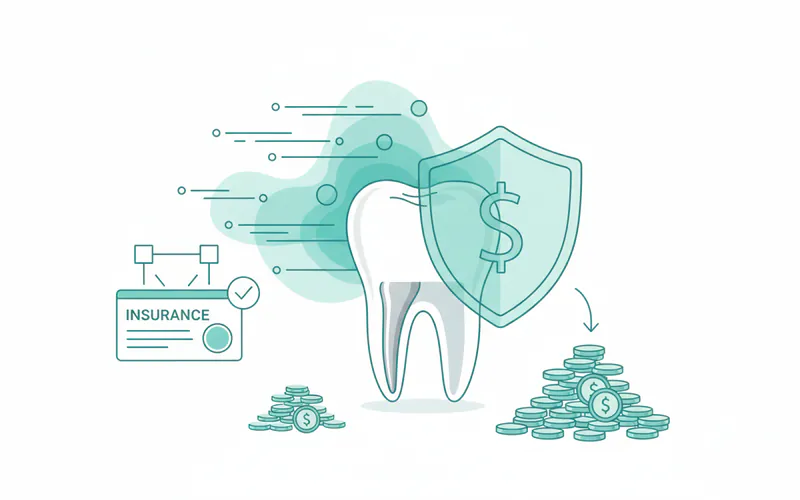
Understanding the financial aspect of dental care is paramount, especially when facing a common procedure like a tooth filling. The tooth filling cost with insurance can vary widely based on several factors.
Factors Influencing Filling Costs
The final cost of your filling is not just about the material. Here's what else plays a role:
- Type of Filling Material: As discussed, amalgam is generally the least expensive, followed by glass ionomer, composite, and then gold and ceramic (inlays/onlays) as the most expensive.
- Size and Location of the Cavity: A small filling on an easy-to-reach front tooth will cost less than a large, multi-surface filling on a molar. The number of tooth surfaces affected (one, two, three, or more) directly impacts the complexity and cost.
- Complexity of the Procedure: If the cavity is very deep and close to the nerve, additional procedures might be needed, such as a liner or sedative filling, which adds to the cost. Replacing an old, failing filling can also be more complex.
- Geographic Location: Dental costs vary by region, city, and even neighborhood. Dentists in major metropolitan areas or affluent regions often have higher fees than those in rural areas.
- Dentist's Fees: Experience, specialization, and overhead costs can influence a dentist's pricing.
- Additional Procedures: Before the filling, you might need an exam, X-rays, and potentially pain management or sedation, which are separate costs.
- Dental Insurance: Your specific plan's coverage, deductible, co-insurance, and annual maximum will dramatically affect your out-of-pocket expense.
Average Tooth Filling Costs (Without Insurance)
To give you a baseline, here are typical average costs in the US for various filling types before insurance is applied, recognizing that these are broad ranges.
- Amalgam (Silver) Fillings:
- One Surface: $50 - $150
- Two Surfaces: $75 - $200
- Three+ Surfaces: $100 - $250
- Composite (Tooth-Colored) Fillings:
- One Surface: $150 - $250
- Two Surfaces: $200 - $350
- Three+ Surfaces: $250 - $450
- Glass Ionomer Fillings:
- One Surface: $100 - $200
- Two Surfaces: $150 - $300
- Gold Inlays/Onlays: $300 - $2,500+ (highly variable based on size and gold market price)
- Ceramic (Porcelain) Inlays/Onlays: $500 - $4,500+ (also highly variable, resembling a porcelain crown fragment)
These ranges represent the fees for the filling procedure itself. Initial exam, X-rays, and potential sedation are typically separate charges.
Navigating Dental Insurance for Fillings: How It Works
Understanding your dental insurance is key to estimating your tooth filling cost with insurance. Most dental insurance plans operate on a 100-80-50 coverage structure for preventative, basic, and major services, respectively.
- Preventative Care (e.g., cleanings, exams, X-rays): Typically covered at 80-100%.
- Basic Restorative Care (e.g., fillings, simple extractions, root canals): Usually covered at 50-80%.
- Major Restorative Care (e.g., crowns like a porcelain crown, bridges, dentures): Often covered at 20-50%.
Here are crucial insurance terms:
- Deductible: The amount you must pay out-of-pocket before your insurance begins to cover costs. Common deductibles range from $50 to $150 per year.
- Co-insurance: Your share of the cost after you've met your deductible. If your plan covers fillings at 80%, you pay the remaining 20% (this is your co-insurance).
- Annual Maximum: The maximum amount your insurance plan will pay in a given year for dental treatments. This typically ranges from $1,000 to $2,000. Once you hit this cap, you pay 100% of subsequent costs for that year.
- Waiting Periods: Some plans, especially new ones, have waiting periods for certain procedures. For basic fillings, this is often 3-6 months. For major services like crowns, it could be 6-12 months.
- PPO vs. HMO: PPO plans offer more flexibility in choosing dentists (in-network or out-of-network) but may have higher co-insurance for out-of-network providers. HMO plans typically require you to choose a dentist within their network.
``
Tooth Filling Cost With Insurance: A Comprehensive Breakdown
Let's illustrate the out-of-pocket costs with common insurance scenarios for different filling types. These examples assume you've met your annual deductible.
| Filling Type | Average Full Cost (No Insurance) | Insurance Coverage % (Basic) | Your Out-of-Pocket Cost Example |
|---|---|---|---|
| Amalgam (1-2 surfaces) | $100 | 80% | $20 |
| Amalgam (3+ surfaces) | $200 | 80% | $40 |
| Composite (1-2 surfaces) | $250 | 80% | $50 |
| Composite (3+ surfaces) | $400 | 80% | $80 |
| Gold Inlay/Onlay | $1,500 | 50% (Major) | $750 |
| Ceramic Inlay/Onlay (similar to porcelain crown fragment) | $2,000 | 50% (Major) | $1,000 |
Important Note for Composite Fillings: Some insurance plans may categorize composite fillings on back teeth as a "major" service or may only cover them up to the cost of an amalgam filling (the "least expensive alternative treatment" clause). This means you would pay the difference between the amalgam and composite cost, plus your co-insurance for the amalgam portion. Always check with your insurance provider.
Regional Cost Variations (Example, very rough estimates):
- Northeast (e.g., NYC, Boston): Costs might be 15-25% higher than national average.
- West Coast (e.g., LA, San Francisco): Costs might be 10-20% higher than national average.
- Midwest (e.g., Kansas City, Indianapolis): Costs might be 5-10% lower than national average.
- South (e.g., Atlanta, Houston): Costs might be around national average, with some areas lower.
``
Payment Plans and Cost-Saving Strategies
If you don't have insurance or face high out-of-pocket costs, several options can help manage the financial burden:
- Payment Plans: Many dental offices offer in-house payment plans, allowing you to pay for treatment in installments.
- Dental Financing (e.g., CareCredit): Third-party financing companies offer credit lines specifically for healthcare expenses, often with interest-free periods if paid within a certain timeframe.
- Dental Discount Plans: These are not insurance but membership plans where you pay an annual fee and receive discounted rates (e.g., 10-50% off) from participating dentists.
- Dental Schools: University dental schools often provide services at a reduced cost, performed by supervised students.
- Community Dental Clinics: Local health departments or community centers sometimes offer low-cost dental care.
- Negotiate with Your Dentist: In some cases, especially for uninsured patients, dentists might be willing to offer a discount for upfront cash payment.
- Flexible Spending Accounts (FSAs) / Health Savings Accounts (HSAs): If you have an FSA or HSA through your employer, you can use pre-tax dollars to pay for dental expenses, including deductibles and co-insurance.
Frequently Asked Questions
### How long does a tooth filling last?
The lifespan of a tooth filling varies significantly by material. Amalgam and gold fillings can last 10-15 years or more, while composite fillings typically last 5-10 years. Glass ionomer fillings are less durable, usually lasting 3-5 years. Regular check-ups and good oral hygiene can extend their life.
### Is getting a tooth filling painful?
Thanks to local anesthetics, the procedure itself is typically not painful. You might feel some pressure or vibration during the drilling, but no sharp pain. After the anesthetic wears off, some sensitivity or mild discomfort is common for a few days, especially with deeper fillings.
### Can I eat immediately after getting a filling?
For amalgam fillings, dentists often recommend waiting at least 24 hours before chewing on that side to allow the material to fully harden. For composite fillings, you can generally eat as soon as the numbness wears off, as they are cured instantly with a light. Avoid very hot or cold foods if you're experiencing sensitivity.
### What are the alternatives to a tooth filling?
If a cavity is too large for a traditional filling, alternatives include inlays/onlays (partial crowns), full dental crowns (like a porcelain crown), or, in severe cases of decay, a root canal followed by a crown, or even tooth extraction. For very small, incipient cavities, sometimes fluoride treatments or improved hygiene can remineralize the enamel, but this is rare once a cavity has formed.
### Will my dental insurance cover the full cost of a filling?
No, it's highly unlikely your insurance will cover the full cost. Most dental insurance plans classify fillings as "basic restorative care" and cover 50-80% of the cost after you've met your deductible. You will be responsible for the remaining co-insurance, and potentially the difference if you choose a more expensive material than what your plan covers.
### Why are composite fillings more expensive than amalgam?
Composite fillings require more precise placement and multiple steps (etching, bonding, layering, light curing) than amalgam fillings, making the procedure more time-consuming. The material itself is also more expensive. Additionally, composite offers aesthetic benefits, matching your tooth color, which adds to its premium cost.
### What if my filling falls out?
If your filling falls out, contact your dentist immediately. Leaving the tooth exposed can lead to pain, sensitivity, and further decay or damage to the tooth. Your dentist will assess the tooth and determine if it can be refilled or if a different restoration, such as a crown, is needed.
### Can I get a filling without insurance?
Yes, you can get a filling without insurance. However, you will be responsible for 100% of the cost out-of-pocket. Many dental offices offer payment plans, or you can look into dental financing options, discount plans, or community clinics to reduce the expense.
### Does the tooth's location (front vs. back) affect the cost?
Yes, the location can affect the cost. Front teeth often receive composite fillings for aesthetic reasons, which are more expensive than amalgam. Back teeth (molars and premolars) can have larger cavities and are subject to higher biting forces, sometimes requiring more complex or durable fillings, which can also increase the cost.
### Is it worth paying extra for a porcelain crown/ceramic inlay instead of a composite filling?
For larger restorations, especially on back teeth, a ceramic inlay/onlay (often referred to in context as a partial porcelain crown) offers superior strength, durability, and aesthetics compared to a large composite filling. While more expensive initially, its longer lifespan can make it more cost-effective in the long run by reducing the need for replacement. Your dentist can advise if your cavity size warrants this upgrade.
When to See a Dentist
Regular dental check-ups are essential for preventing cavities and detecting them early. However, there are specific signs that indicate you should see a dentist sooner rather than later.
Routine Care vs. Red Flags:
-
Routine Care: Schedule regular check-ups every six months, even if you don't have any pain. These visits allow your dentist to perform professional cleanings, check for early signs of decay, and monitor existing fillings. This proactive approach helps keep your tooth filling cost with insurance manageable, as small cavities are cheaper to fill.
-
Red Flags (Schedule an appointment promptly):
- Persistent Toothache: Any tooth pain that lasts more than a day or two, especially if it interferes with sleep or eating.
- Increased Sensitivity: If you notice new or worsening sensitivity to hot, cold, or sweets.
- Visible Hole or Dark Spot: If you can see a new dark spot, pit, or hole on any of your teeth.
- Pain When Biting: Sharp pain when you chew or bite down, which could indicate a cavity, cracked tooth, or a problem with an existing filling.
- Lost or Loose Filling: If an existing filling feels loose, chipped, or falls out entirely, it's crucial to see a dentist immediately to prevent further damage or infection.
- Persistent Bad Breath or Foul Taste: Can be a sign of advanced decay or infection.
Emergency vs. Scheduled Appointment Guidance: Most situations requiring a filling are not immediate emergencies but warrant prompt attention. However, if you experience:
- Severe, throbbing pain that doesn't subside with over-the-counter pain relievers.
- Facial swelling, fever, or pus around the affected tooth, indicating a potential infection.
- Trauma that has severely broken a tooth.
These are signs of a dental emergency, and you should seek immediate care. For other symptoms, schedule an appointment with your dentist as soon as possible to prevent the condition from worsening and potentially leading to more extensive and costly treatments.
Frequently Asked Questions
Medically Reviewed Content
This article was written by our dental health editorial team and reviewed for medical accuracy. Our content follows strict editorial guidelines for reliability and trustworthiness.
Medical Disclaimer
This article is for informational purposes only and does not constitute medical advice. Always consult with a qualified dental professional for diagnosis and treatment. Do not delay seeking professional advice because of something you read on this website.
Related Articles
Teeth Crown: Complete Guide
Imagine the confidence of a strong, healthy smile. Yet, for many Americans, dental issues like decay, cracks, or large fillings can compromise not just aesthetics, but also the vital function of their teeth. In fact, over 15 million Americans have undergone crown and bridge procedures, highlight
February 22, 2026
How Long Do Fillings Take
When you discover a cavity or experience tooth pain, one of the first questions that might come to mind is, how long do fillings take? Understanding the duration of a dental filling procedure is crucial for managing your schedule and expectations, but it's just one piece of the puzzle. Dental fi
February 22, 2026
Root Canal and Crown: Complete Guide
When a tooth suffers from significant damage or infection, a combination of two powerful restorative dental procedures often becomes necessary to save it: a root canal and crown. This comprehensive approach not only eradicates infection and alleviates pain but also restores the tooth's structura
February 22, 2026
Bridge Teeth Cost: Complete Price Guide 2026
Losing a tooth can be more than just an aesthetic concern; it can impact your ability to chew, speak clearly, and even lead to shifting teeth, affecting your overall oral health. If you're considering solutions for missing teeth, a dental bridge is a common and effective restorative option. But what
February 22, 2026