What Is a Crown
Key Takeaways
- Dental crowns are a cornerstone of modern restorative dentistry, offering a robust and aesthetically pleasing solution for damaged or compromised teeth. If you've ever experienced the discomfort of a chipped tooth, the sensitivity of severe decay, or the insecurity of a discolored smile, you might h
Dental crowns are a cornerstone of modern restorative dentistry, offering a robust and aesthetically pleasing solution for damaged or compromised teeth. If you've ever experienced the discomfort of a chipped tooth, the sensitivity of severe decay, or the insecurity of a discolored smile, you might have wondered about the options available to restore your oral health and confidence. Understanding what is a crown and how it can benefit your smile is crucial for making informed decisions about your dental care.
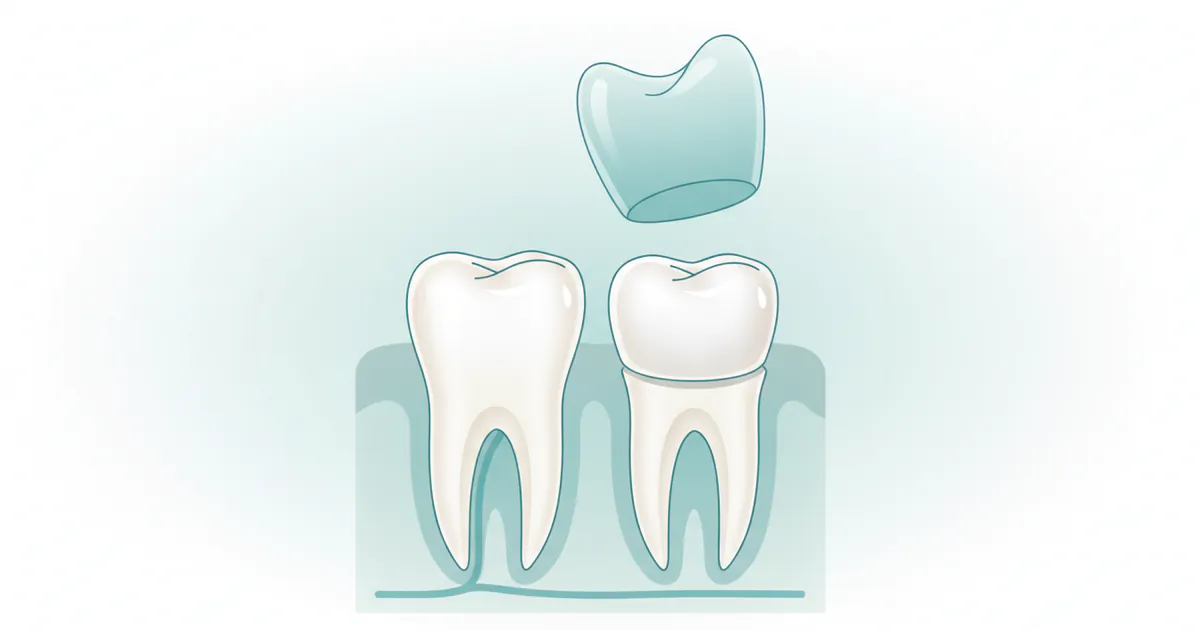
A dental crown, often referred to as a "cap for a tooth," is a custom-made restoration that completely covers the entire visible portion of a damaged tooth, restoring its original shape, size, strength, and appearance. It's a vital component of comprehensive dental care, protecting weakened teeth from further harm and improving their functionality and aesthetics. This comprehensive guide from SmilePedia.net will delve deep into the world of dental crowns, exploring their various types, the step-by-step process of getting one, associated costs, aftercare, and even related restorative options like dental bridges, empowering you with the knowledge to protect and enhance your oral health.
Key Takeaways:
- A dental crown is a custom-made cap that covers and protects a damaged or weakened tooth, restoring its shape, strength, and appearance.
- Crowns are recommended for extensive decay, cracked teeth, post-root canal treatment, and supporting dental bridges or implants.
- Common materials include porcelain, zirconia, porcelain-fused-to-metal (PFM), and metal alloys, each offering different aesthetics, durability, and cost.
- The typical process involves two dental visits: tooth preparation and impression-taking, followed by permanent crown placement after laboratory fabrication. Same-day crowns are also available.
- The cost of a dental crown in the US generally ranges from $800 to $3,000 per tooth, depending on the material, location, and dentist's fees.
- Dental insurance often covers 50% of the cost of crowns after deductibles, up to annual maximums.
- Proper oral hygiene and regular dental check-ups are essential for the longevity of your crown, which can last 5 to 15 years or more.
Understanding the Dental Crown: What It Is
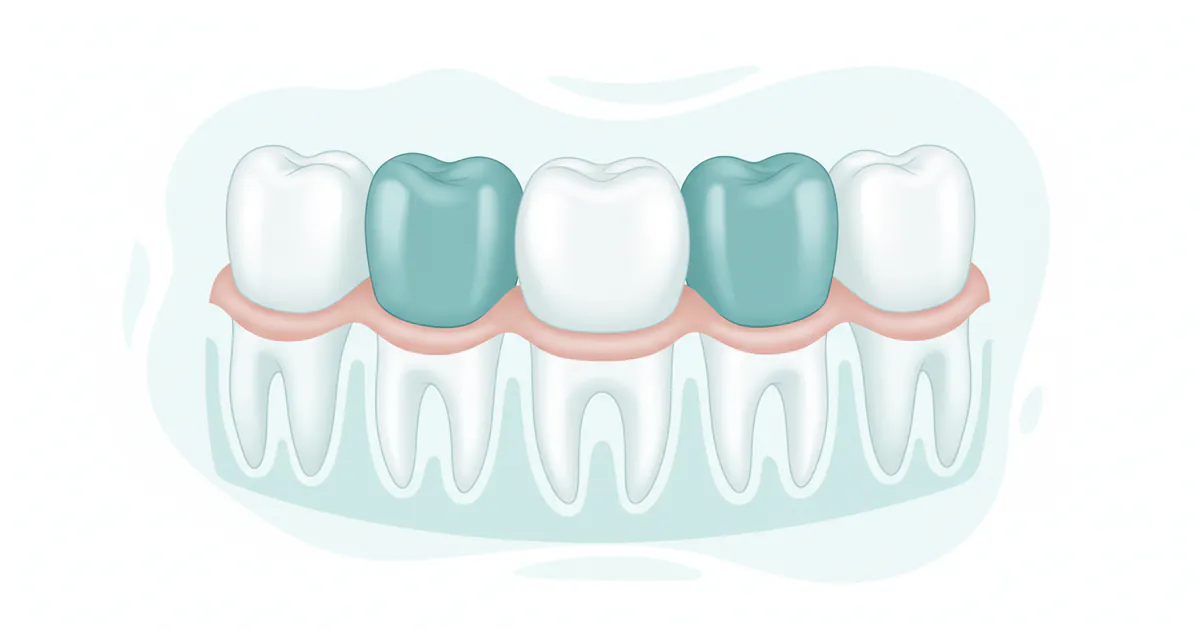
At its core, a dental crown is a tooth-shaped "cap" that is placed over a tooth, covering it completely to the gum line. Think of it as a custom-fitted helmet designed to protect and strengthen a compromised tooth. Once cemented into place, the crown encases the entire visible portion of your tooth above the gums. The primary purpose of a dental crown is to restore a tooth's original form, function, and aesthetics when it has been significantly damaged or weakened.
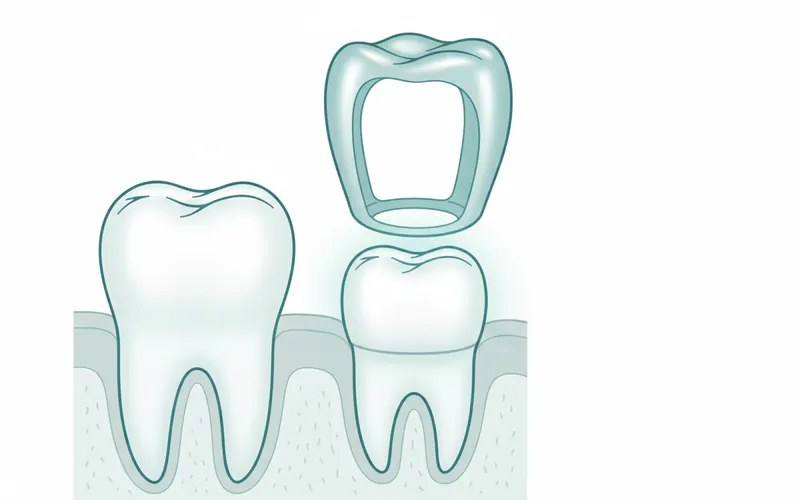
Crowns are a versatile solution in restorative dentistry, addressing a wide array of dental issues. They are meticulously designed to mimic the natural look, feel, and function of your existing teeth, ensuring a seamless integration into your smile. A properly fitted crown can significantly extend the life of a damaged tooth, preventing further deterioration and maintaining your bite integrity.
Why Might You Need a Dental Crown?
Dental crowns are recommended for various reasons, primarily when a tooth's structure is severely compromised and cannot be adequately restored with a simple filling. Understanding these indications helps you recognize when a crown might be the best course of action for your oral health.
Extensive Decay
When a cavity is too large for a traditional dental filling, a crown becomes necessary. A large filling might compromise the remaining tooth structure, making it susceptible to fracture. A crown encapsulates the tooth, providing the necessary strength and protection.
Cracked or Broken Tooth
Teeth can chip, crack, or break due to trauma, biting on hard objects, or severe teeth grinding (bruxism). A crown holds the fractured pieces together, preventing further damage and restoring the tooth's integrity. It's particularly crucial for teeth with vertical cracks that extend below the gum line.
Weakened Tooth
A tooth can become weakened for several reasons. After a root canal treatment, a tooth often becomes brittle and more prone to fracture because the pulp (nerve and blood vessels) is removed. A crown is almost always recommended after a root canal on a back tooth to protect it from breaking under chewing forces. Similarly, teeth with very large, old fillings can become structurally weak over time and benefit from the added support of a crown.
Severely Worn Teeth
Chronic teeth grinding (bruxism) or acid erosion can cause significant wear and tear on teeth, leading to shortened, flattened surfaces and potential sensitivity. Crowns can restore the height and shape of these worn teeth, improving bite function and protecting them from further erosion.
Cosmetic Enhancement
Beyond restorative purposes, crowns are also used to improve the aesthetics of a smile. They can cover severely discolored or stained teeth that don't respond to whitening treatments, reshape malformed or misshapen teeth, or align a smile by correcting minor rotational issues.
Supporting a Dental Bridge
When one or more teeth are missing, a dental bridge is often used to "bridge" the gap. A traditional dental bridge relies on crowns placed on the natural teeth on either side of the gap. These crowned teeth, called abutment teeth, serve as anchors for the pontic (the artificial tooth replacing the missing one).
Covering a Dental Implant
After a dental implant has been surgically placed and fused with the jawbone, a custom-made crown is typically placed on top of the implant abutment. This crown functions as the visible, chewing surface of the new artificial tooth, completing the implant restoration.
Protecting a Pediatric Tooth
In children, stainless steel crowns are often used for primary (baby) teeth. They are indicated for severe decay that's too extensive for a filling, after a pulpotomy (partial root canal) on a baby tooth, or for protecting teeth in children at high risk of decay, especially if they have difficulty maintaining good oral hygiene.
Exploring the Different Types of Dental Crowns
The choice of dental crown material is a crucial decision that impacts the crown's aesthetics, durability, cost, and suitability for different tooth locations. Your dentist will discuss the best options for your specific needs, considering factors like the tooth's position, your bite, personal preferences, and budget.
Porcelain-Fused-to-Metal (PFM) Crowns
PFM crowns have been a traditional choice for decades. They consist of a metal alloy base (usually nickel, chromium, or palladium) that is covered with a layer of porcelain.
- Pros:
- Strength: The metal base provides significant strength, making them suitable for both front and back teeth.
- Durability: They are resistant to fractures and wear.
- Cost-Effective: Often a mid-range option in terms of cost.
- Cons:
- Aesthetics: The metal substructure can sometimes show through as a dark line at the gum line, especially as gums recede over time. The porcelain can also chip, revealing the metal underneath.
- Wear on Opposing Teeth: The porcelain can be abrasive to opposing natural teeth if not properly polished.
- Requires More Tooth Reduction: More tooth structure needs to be removed compared to all-ceramic crowns.
All-Ceramic/All-Porcelain Crowns
These crowns are made entirely of ceramic material, offering the most natural appearance. They are often favored for front teeth where aesthetics are paramount.
- Pros:
- Superior Aesthetics: Mimic the translucency and color of natural teeth, making them virtually indistinguishable from surrounding teeth. They are completely metal-free.
- Biocompatibility: Excellent for patients with metal allergies.
- Cons:
- Less Durable: Historically, they were more prone to chipping or fracture compared to metal or PFM crowns, though modern ceramics are much stronger.
- Higher Cost: Often among the more expensive options.
Zirconia Crowns
Zirconia is a relatively newer material in dentistry, a type of ceramic known for its exceptional strength and durability. It has quickly become a popular choice.
- Pros:
- Exceptional Strength: Extremely durable and resistant to fracture, making them ideal for back teeth that endure heavy chewing forces.
- Good Aesthetics: While not as translucent as traditional all-porcelain, advancements in zirconia (e.g., translucent zirconia) have significantly improved their cosmetic appeal.
- Biocompatibility: Well-tolerated by gum tissues.
- Less Tooth Reduction: Can often be made thinner than PFM crowns, requiring less removal of natural tooth structure.
- Cons:
- Potential for Wear on Opposing Teeth: The hardness of zirconia can sometimes cause wear on opposing natural teeth, though this is minimized with proper polishing and design.
- Can Be More Opaque: Some types of zirconia are more opaque, making them less ideal for highly aesthetic front teeth unless specifically designed for translucency.
Metal Crowns (Gold Alloys, Base-Metal Alloys)
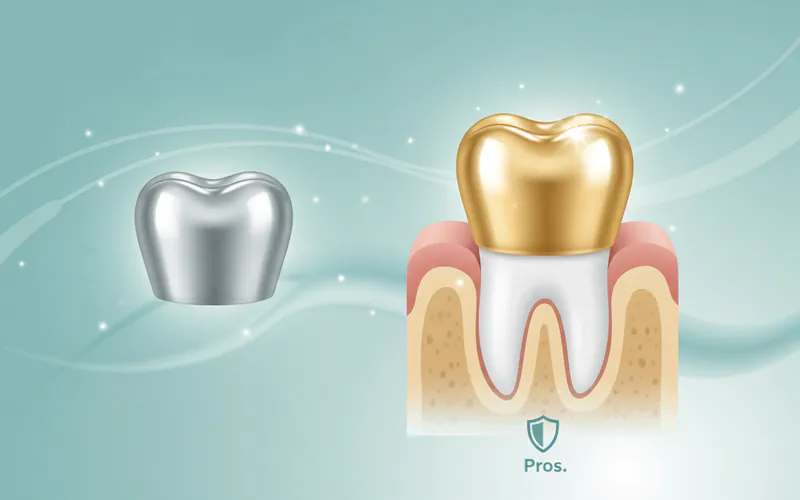
These crowns are made from various metal alloys, most commonly gold alloy, but also palladium, nickel-chromium, or cobalt-chromium alloys.
- Pros:
- Unmatched Strength and Durability: The strongest and most durable option, highly resistant to fracture and wear.
- Minimal Tooth Reduction: Requires the least amount of tooth structure removal among all crown types.
- Gentle on Opposing Teeth: Metal crowns wear at a similar rate to natural tooth enamel, reducing wear on opposing teeth.
- Long-Lasting: Often have the longest lifespan.
- Cons:
- Poor Aesthetics: The metallic color is a significant drawback for many, making them generally unsuitable for visible teeth. They are typically reserved for molars in the back of the mouth.
- Thermal Conductivity: Metal can conduct temperature changes more readily, potentially leading to sensitivity for some patients.
E-Max Crowns (Lithium Disilicate)
E-max is a type of all-ceramic crown made from lithium disilicate glass-ceramic. It combines good strength with excellent aesthetics.
- Pros:
- Excellent Aesthetics: High translucency and natural appearance, making them ideal for front teeth.
- Good Strength: Stronger than traditional all-porcelain crowns, offering a good balance between aesthetics and durability.
- Biocompatible: Metal-free.
- Cons:
- Not as Strong as Zirconia or Metal: While strong, they may not be the first choice for very heavy bite forces in the furthest back molars.
- Cost: Can be among the higher-priced options.
Temporary Crowns
A temporary crown is a provisional restoration placed on the prepared tooth while your permanent crown is being fabricated in a dental lab.
- Purpose: Protects the prepared tooth, prevents sensitivity, maintains the position of adjacent teeth, and ensures aesthetic appearance in the interim.
- Material: Usually made from acrylic or composite resin.
- Durability: Designed for short-term use (typically 1-3 weeks) and are less durable than permanent crowns. Care must be taken to avoid sticky or hard foods.
Table 1: Comparison of Dental Crown Materials
| Crown Material | Aesthetics | Durability & Strength | Cost Range (US) * | Common Use Cases | Pros | Cons |
|---|---|---|---|---|---|---|
| All-Ceramic/Porcelain | Excellent | Moderate | $1,000 - $2,500 | Front teeth, highly visible areas | Most natural appearance, metal-free, biocompatible | Less strong than other options, can chip, may wear opposing teeth |
| Zirconia | Very Good | Excellent | $1,000 - $3,000 | Front and back teeth, for patients with strong bites, bridges | Very strong, good aesthetics, biocompatible, less tooth reduction | Can be more opaque than all-porcelain, may cause wear on opposing teeth (older generations) |
| Porcelain-Fused-to-Metal (PFM) | Good | Very Good | $800 - $1,800 | Front and back teeth, bridges | Strong, durable, good balance of strength and aesthetics, mid-range cost | Dark line at gum line (metal show-through), porcelain can chip, more tooth reduction required |
| Metal (Gold, Base-Metal) | Poor (metallic) | Excellent | $800 - $2,500 (depends on metal) | Back teeth (molars) where aesthetics are not a concern | Strongest, most durable, least tooth reduction, long-lasting, gentle on opposing teeth | Poor aesthetics, metal color, thermal conductivity |
| E-Max (Lithium Disilicate) | Excellent | Good | $1,200 - $2,500 | Front teeth, areas requiring strength and high aesthetics | Excellent aesthetics, good strength, metal-free, biocompatible | Not as strong as zirconia/metal for extreme bite forces |
Note: Costs are approximate average ranges in the US and can vary significantly based on location, dentist's fees, lab fees, and specific case complexity.
The Dental Crown Procedure: What to Expect
Getting a dental crown typically involves two visits to your dentist, though advances like same-day crowns can condense this timeline. Understanding each step can help alleviate any anxiety you might have about the process.
Initial Consultation and Diagnosis
The process begins with a thorough examination by your dentist. This includes X-rays to assess the tooth's root and surrounding bone, visual inspection, and potentially percussion tests. Your dentist will determine if a crown is the appropriate treatment and discuss the available material options. If there's significant decay or a risk to the tooth's nerve, a root canal may be recommended prior to placing the crown.
Tooth Preparation (First Appointment)
- Anesthesia: To ensure your comfort, the tooth and surrounding gum tissue will be numbed using a local anesthetic.
- Tooth Reshaping: The dentist will then carefully reshape the tooth. This involves removing a layer of enamel and dentin to make space for the crown to fit over it without appearing bulky or interfering with your bite. The amount removed depends on the crown material chosen (metal crowns require less reduction than all-ceramic). If there's a significant portion of the tooth missing due to decay or fracture, your dentist might use a filling material to "build up" the tooth structure to support the crown. This is often called a core buildup.
- Impression Taking: Once the tooth is prepared, an impression (mold) is taken of the prepared tooth and the opposing teeth. This impression is sent to a dental laboratory, where skilled technicians will custom-fabricate your permanent crown. Modern dentistry often uses digital scanners to create 3D models of your teeth, eliminating the need for traditional gooey impressions.
- Temporary Crown Placement: Before you leave, your dentist will place a temporary crown over the prepared tooth. This temporary crown protects the tooth from sensitivity, prevents shifting of adjacent teeth, and maintains your smile while the permanent crown is being made. It's usually made of acrylic or composite resin and is held in place with temporary cement.
Lab Fabrication
The dental lab typically takes 1 to 3 weeks to fabricate the custom permanent crown. During this time, the lab technicians meticulously craft the crown based on the impressions, ensuring a precise fit, accurate bite, and natural aesthetic match to your existing teeth.
Permanent Crown Placement (Second Appointment)
- Removal of Temporary Crown: At your second appointment, the temporary crown is carefully removed.
- Cleaning and Fitting: Your dentist will clean the prepared tooth and then try on the permanent crown. They will check its fit, color, shape, and how it interacts with your bite. Adjustments may be made at this stage to ensure optimal comfort and function.
- Final Bonding: Once both you and your dentist are satisfied, the permanent crown is cemented onto your tooth using a strong dental adhesive. Excess cement is removed, and a final check of your bite is performed.
Same-Day Crowns (CEREC Technology)
For patients seeking a faster solution, some dental practices offer same-day crowns using CAD/CAM (Computer-Aided Design/Computer-Aided Manufacturing) technology, such as CEREC (Chairside Economical Restoration of Esthetic Ceramic).
- Process: After tooth preparation, a digital impression is taken with an intraoral scanner. The crown is then designed on a computer and milled from a ceramic block right in the dental office. This typically takes about 1-2 hours.
- Pros: Convenience of a single visit, no temporary crown needed, eliminates lab fees.
- Cons: Limited material choices (typically ceramic or zirconia), may not achieve the same level of aesthetic customization as lab-fabricated crowns for complex cases, and not all dentists offer this technology.
Caring for Your New Crown: Recovery and Aftercare
After receiving your permanent crown, proper care is essential to ensure its longevity and maintain your oral health.
Initial Sensitivity
It's common to experience some sensitivity to hot and cold temperatures or slight discomfort for a few days after the procedure, especially if the tooth required extensive preparation or was already sensitive. This usually subsides quickly. Over-the-counter pain relievers can help manage any discomfort.
Dietary Recommendations
- Immediately After: Avoid eating sticky or hard foods for the first 24 hours, particularly while the cement fully sets.
- Ongoing: While crowns are durable, avoid biting on extremely hard objects (e.g., ice, hard candies) or using your crowned tooth to open packages, as this can chip or dislodge the crown.
- Temporary Crown: Be extra cautious with a temporary crown. Avoid sticky or chewy foods (like gum, caramels) that could pull it off, and minimize chewing on that side of your mouth.
Oral Hygiene
Treat your crowned tooth just like your natural teeth.
- Brushing: Brush at least twice a day with fluoride toothpaste. Pay attention to the gum line around the crown.
- Flossing: Floss daily to remove plaque and food particles from around the crown and between teeth. A floss threader or water flosser can be helpful.
- Mouthwash: An antiseptic mouthwash can help reduce bacteria.
- Regular Dental Check-ups: Continue with your regular dental cleanings and check-ups (typically every six months). Your dentist will monitor the crown's integrity, fit, and the health of the surrounding gum tissue and tooth.
Longevity of Crowns
With proper care, a dental crown can last anywhere from 5 to 15 years, and often much longer. The lifespan depends on several factors: the material of the crown, the quality of dental hygiene, chewing habits, and whether you grind or clench your teeth.
Pro Tip: If you grind or clench your teeth (bruxism), your dentist might recommend a nightguard to protect your crown and natural teeth from excessive wear and tear. This is a small investment that can significantly extend the life of your crown.
Potential Risks and Complications Associated with Dental Crowns
While dental crowns are a safe and effective treatment, it's important to be aware of potential complications, though they are generally rare.
- Sensitivity or Discomfort: As mentioned, some temporary sensitivity is normal. Persistent pain when biting down or extreme sensitivity may indicate that the crown is too high and needs adjustment, or that the tooth's nerve is inflamed and may require root canal treatment.
- Allergic Reaction: Although rare, some individuals may have an allergic reaction to the metals used in PFM or metal crowns. All-ceramic or zirconia crowns are excellent alternatives for those with metal sensitivities.
- Loose Crown: The cement holding the crown can sometimes wash out, causing the crown to become loose. This can lead to bacteria leaking under the crown and causing decay.
- Chipped Crown: Porcelain or ceramic crowns can chip, especially if made of thinner material or subjected to excessive force. Small chips can sometimes be repaired, but larger chips or fractures may require replacement.
- Crown Falling Off: This usually happens if the cement fails or if there isn't enough tooth structure to hold the crown securely. If your crown falls off, clean the crown and your tooth, and contact your dentist immediately. They may be able to re-cement it.
- Gum Inflammation: Poor oral hygiene around the crown can lead to gum inflammation (gingivitis) or gum disease. A properly fitted crown should not irritate the gums.
- Tooth Decay Under the Crown: Although the crown itself cannot decay, the tooth structure underneath it and at its margins (where the crown meets the tooth) is still susceptible to cavities. Good oral hygiene is paramount.
- Need for Root Canal: If the tooth was significantly damaged or had a deep cavity before crowning, the preparation process can sometimes irritate the nerve, leading to irreversible inflammation or infection that necessitates a root canal after the crown is placed.
Alternatives to Dental Crowns
Depending on the extent of tooth damage, there might be alternative restorative options that preserve more of your natural tooth structure.
Fillings (Composite or Amalgam)
For smaller cavities or minor chips, a direct dental filling is typically sufficient. Composite resin (tooth-colored) and amalgam (silver) fillings restore the damaged portion of the tooth without covering the entire structure.
Onlays and Inlays (Partial Crowns)
Sometimes referred to as "partial crowns," inlays and onlays are used when a cavity or damage is too large for a traditional filling but not extensive enough to require a full crown.
- Inlays: Lie within the cusps (the bumps on the chewing surface) of the tooth.
- Onlays: Cover one or more cusps and sometimes the entire chewing surface.
- Pros: Preserve more natural tooth structure than a full crown, strong and durable, custom-made in a lab for a precise fit.
- Cons: More expensive than fillings, generally require two visits.
Veneers
Veneers are thin, custom-made shells of porcelain or composite resin that cover only the front surface of a tooth. They are primarily a cosmetic solution used to improve the appearance of discolored, slightly misaligned, or chipped front teeth. They are not designed to restore a structurally compromised tooth like a crown.
Extraction and Replacement (Implants or Bridges)
If a tooth is severely damaged or decayed beyond repair, extraction might be the only option. The missing tooth can then be replaced with a dental implant (a titanium post surgically placed in the jawbone, topped with a crown) or a dental bridge.
Understanding Dental Bridges: A Related Restorative Option
While crowns restore individual teeth, a dental bridge is a restorative solution for replacing one or more missing teeth. It’s crucial to understand what is a bridge for teeth and how it relates to crowns. A dental bridge literally "bridges" the gap created by one or more missing teeth.
A traditional dental bridge consists of two or more crowns for the teeth on either side of the gap (these are called the abutment teeth), and a false tooth or teeth (called pontics) in between. These pontics are custom-made to match your natural teeth and are typically made of porcelain, metals, or a combination. The crowns on the abutment teeth serve as anchors, holding the pontic(s) securely in place.
Types of Dental Bridges:
- Traditional Bridge: The most common type, consisting of a pontic held in place by crowns on the adjacent natural teeth.
- Cantilever Bridge: Used when there are adjacent teeth on only one side of the missing tooth. Less common now due to potential for leverage and fracture.
- Maryland Bonded Bridge (Resin-Bonded Bridge): Uses metal or porcelain "wings" on the pontic that are bonded to the back surface of the adjacent teeth, requiring minimal tooth preparation. Generally less strong than traditional bridges.
- Implant-Supported Bridge: If you have more than one missing tooth, dental implants can be used to support a bridge, eliminating the need to crown healthy adjacent teeth.
Dental bridges are a fixed solution, meaning they are permanently cemented into place and cannot be removed by the patient. They restore your smile, improve your ability to chew and speak, and prevent remaining teeth from shifting into the gap.
Table 2: Dental Crowns vs. Dental Bridges
| Feature | Dental Crown | Dental Bridge |
|---|---|---|
| Purpose | Restores a single damaged, weakened, or decayed tooth. | Replaces one or more missing teeth by spanning a gap. |
| Teeth Involved | One tooth (the one being crowned). | At least three teeth: two abutment teeth (crowned) and at least one pontic (false tooth). |
| Tooth Preparation | Shaping the single damaged tooth to fit the crown. | Shaping two or more adjacent teeth to fit the crowns that anchor the bridge. |
| Cost (US) | $800 - $3,000 per crown. | $2,000 - $5,000+ per bridge (depending on number of units and material). |
| Maintenance | Brush and floss normally around the crowned tooth. | Requires special attention to clean under the pontic(s) using floss threaders or interdental brushes. |
| Longevity | Typically 5-15+ years. | Typically 5-15+ years. |
| Key Advantage | Protects and strengthens a compromised natural tooth. | Replaces missing teeth without surgery (unlike implants), preventing shifting. |
| Disadvantage | Does not replace a missing tooth. | Requires preparation/crowning of potentially healthy adjacent teeth. |
Preventing the Need for a Dental Crown
While crowns are an excellent restorative option, preventing the need for them in the first place is always the best approach. Good oral hygiene and proactive dental care are key.
- Maintain Excellent Oral Hygiene: Brush your teeth twice a day with fluoride toothpaste and floss daily. This removes plaque and food particles, significantly reducing the risk of cavities and gum disease that can lead to tooth damage.
- Regular Dental Check-ups and Cleanings: Visit your dentist every six months for professional cleanings and examinations. Early detection of small cavities or cracks can allow for simpler, less invasive treatments like fillings, preventing the need for a crown. The American Dental Association (ADA) strongly recommends these routine visits.
- Protect Against Grinding and Clenching: If you suffer from bruxism (teeth grinding or clenching), talk to your dentist about a custom-fitted nightguard. This appliance protects your teeth from excessive wear and potential fractures.
- Avoid Biting Hard Objects: Refrain from chewing on ice, popcorn kernels, hard candies, or using your teeth to open packages. These habits can lead to chips, cracks, or fractures in your teeth.
- Healthy Diet: Limit sugary and acidic foods and drinks, which contribute to tooth decay and erosion. Rinse your mouth with water after consuming acidic items.
- Wear a Mouthguard for Sports: If you participate in contact sports or activities with a risk of facial impact, always wear a protective mouthguard to prevent trauma to your teeth.
Dental Crowns for Children: Pediatric Considerations
Dental crowns are not just for adults; they play a crucial role in pediatric dentistry, particularly for primary (baby) teeth.
When a baby tooth has extensive decay, has undergone a pulpotomy (a partial root canal for a primary tooth), or is fractured, a dental crown might be the recommended treatment. Unlike adult teeth, the most common type of crown for primary molars is the stainless steel crown (SSC).
- Stainless Steel Crowns (SSCs):
- Purpose: SSCs are durable, prefabricated metal crowns that cover the entire baby tooth. They are used to protect teeth from further decay, especially after pulp therapy, and to hold space for permanent teeth if the baby tooth needs to be retained.
- Durability: They are very strong and can withstand chewing forces until the primary tooth naturally falls out.
- Cost-Effective: Often the most affordable crown option for children.
- Placement: Can usually be placed in a single visit, as they are pre-formed and don't require lab fabrication.
- Aesthetics: While metallic, they are highly functional and widely accepted for back baby teeth where aesthetics are less of a concern.
- Zirconia Crowns for Children: For front primary teeth or for parents who prefer a more aesthetic option for molars, white zirconia crowns are increasingly available. These offer excellent aesthetics but are generally more expensive than SSCs.
Maintaining primary teeth is vital because they serve as "space maintainers" for the permanent teeth developing underneath. Losing a baby tooth too early can lead to shifting of adjacent teeth, potentially causing crowding or alignment issues for the permanent teeth.
Cost of Dental Crowns in the US and Insurance Coverage
The cost of a dental crown in the United States can vary significantly based on several factors, including the type of material, the complexity of the case, the dentist's fees, the dental lab used, and your geographic location.
Average US Costs by Material:
- Metal (Gold, Base-Metal) Crowns: $800 - $2,500 per tooth
- Porcelain-Fused-to-Metal (PFM) Crowns: $800 - $1,800 per tooth
- All-Ceramic/Porcelain Crowns: $1,000 - $2,500 per tooth
- Zirconia Crowns: $1,000 - $3,000 per tooth
- E-Max Crowns: $1,200 - $2,500 per tooth
- Same-Day Crowns (CEREC): Often similar to lab-fabricated ceramic crowns, ranging from $1,000 - $2,000 per tooth.
These ranges generally include the cost of tooth preparation, the impression, the temporary crown, and the final cementation. Additional costs may apply for procedures like core buildups (if significant tooth structure is missing, an additional $200-$400), root canal therapy (if needed before the crown, $700-$2,000+), or gum recontouring.
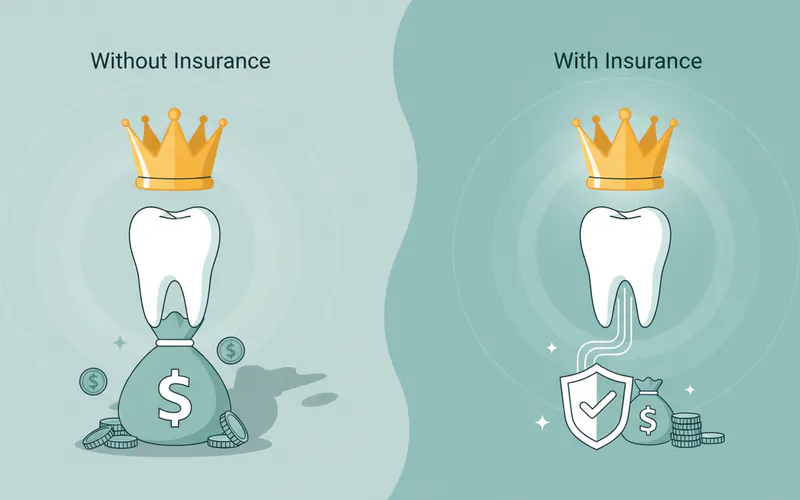
With vs. Without Insurance
- Without Insurance: If you don't have dental insurance, you will be responsible for the full cost of the crown. It's advisable to discuss payment options and potential discounts with your dental office.
- With Insurance: Most dental insurance plans categorize crowns as a "major restorative" procedure. Typically, insurance plans cover 50% of the cost of a crown after you meet your annual deductible. However, this coverage is subject to your plan's annual maximum (e.g., $1,000 - $2,000 per year). If your crown costs $1,500 and your plan covers 50% after a $100 deductible, you would pay the first $100, then 50% of the remaining $1,400 ($700), for a total out-of-pocket of $800. Always verify your specific plan details with your insurance provider.
Payment Plans and Financing Options
Many dental offices understand the financial commitment of crowns and offer various payment solutions:
- In-house Payment Plans: Some offices offer monthly payment plans directly through their practice.
- Third-Party Financing: Companies like CareCredit or LendingClub offer specialized healthcare credit cards with deferred interest or low-interest payment plans.
- Dental Discount Plans: These are not insurance but membership plans that offer discounts on dental services for an annual fee.
Pro Tip: Always request a detailed written estimate from your dentist before starting treatment. This should outline all anticipated costs, including any potential additional procedures, and clarify what your insurance is expected to cover.
Frequently Asked Questions About Dental Crowns
Is getting a crown painful?
No, getting a crown is generally not painful. Your dentist will use a local anesthetic to thoroughly numb the tooth and surrounding area during the preparation phase. You might experience some mild pressure or vibration, but no sharp pain. After the procedure, it's normal to have some temporary sensitivity or discomfort, which can usually be managed with over-the-counter pain relievers.
How long do dental crowns last?
The lifespan of a dental crown varies, but with proper care and good oral hygiene, crowns typically last anywhere from 5 to 15 years, and often much longer. Factors like the crown material, your bite forces, chewing habits, and diligent oral hygiene significantly influence its longevity.
Can a crowned tooth get a cavity?
Yes, a crowned tooth can still get a cavity. While the crown itself is immune to decay, the tooth structure underneath the crown, especially at the margin where the crown meets the tooth, is still vulnerable to bacterial plaque and acids. This is why meticulous brushing and flossing around the crowned tooth are essential.
What should I do if my crown falls off?
If your crown falls off, carefully retrieve it if possible. Clean the crown gently and rinse your mouth. You can try to temporarily re-seat the crown using a dental adhesive (available at pharmacies) or even a small dab of toothpaste, but contact your dentist immediately for an emergency appointment. Do not use super glue or other non-dental adhesives.
Are dental crowns permanent?
Dental crowns are considered a long-term, fixed restoration, but they are not strictly "permanent" as they may need to be replaced eventually. Their average lifespan is many years, but they can wear down, chip, or develop issues that necessitate replacement over time.
How much does a crown cost without insurance?
Without dental insurance, the full cost of a dental crown in the US typically ranges from $800 to $3,000 per tooth, depending on the material (e.g., metal, porcelain, zirconia), the complexity of the case, and the dental practice's fees. This usually includes all steps of the procedure.
Can I get a crown on a broken tooth?
Yes, a dental crown is often the ideal solution for a broken or fractured tooth, especially if the break is extensive. The crown will restore the tooth's strength, protect it from further damage, and improve its appearance and function. Your dentist will assess the extent of the break to ensure enough healthy tooth structure remains to support a crown.
How do I clean a crowned tooth?
You clean a crowned tooth exactly as you would your natural teeth: brush thoroughly twice a day with fluoride toothpaste and floss daily. Pay special attention to the gum line around the crown to prevent plaque buildup and decay at the crown's margin. Using a soft-bristled toothbrush and a water flosser can be beneficial.
What's the difference between a crown and a veneer?
A dental crown covers the entire visible portion of a tooth and is used to restore a structurally compromised or severely damaged tooth. A dental veneer is a thin shell that covers only the front surface of a tooth, primarily for cosmetic improvements like changing color, shape, or correcting minor chips on otherwise healthy teeth.
Can I eat normally with a temporary crown?
While wearing a temporary crown, it's best to be cautious. Avoid sticky or chewy foods (like gum, caramels, or tough meat) that could dislodge the temporary crown. Also, try to avoid chewing hard foods on that side of your mouth to prevent the temporary crown from cracking or breaking.
When to See a Dentist About a Dental Crown
It's essential to be proactive about your oral health and know when to seek professional dental attention regarding a new or existing crown.
Contact your dentist immediately if you experience any of the following:
- Persistent or severe pain: While some mild, temporary sensitivity is normal, persistent sharp pain, pain when biting, or throbbing pain around the crowned tooth could indicate an underlying issue, such as nerve inflammation or an infection.
- A loose or dislodged crown: If your crown feels wobbly or completely falls off, it needs immediate attention. Leaving a tooth without its crown can lead to sensitivity, further damage, or shifting of adjacent teeth.
- Visible crack or chip: If you notice any chips, cracks, or fractures in your crown, even if it's not painful, it can compromise the crown's integrity and allow bacteria to enter.
- Swelling or redness: Swelling, redness, or tenderness around the gum line of your crown could be a sign of gum inflammation, infection, or an abscess.
- An uneven bite: If your crown feels too high or your bite feels "off" after the crown is cemented, it might need an adjustment. An uneven bite can cause discomfort and potentially lead to jaw problems.
- Signs of decay: If you see any dark spots or feel a rough edge around the gum line of your crowned tooth, it could indicate new decay forming beneath the crown.
Regular Dental Care: Beyond emergencies, continue with your routine dental check-ups and cleanings every six months. These visits are crucial for monitoring the health of your crowned teeth, ensuring the crown fits properly, and checking for any early signs of wear, decay, or gum problems. Proactive care is the best way to ensure the longevity of your dental crowns and maintain your overall oral health.
Frequently Asked Questions
Medically Reviewed Content
This article was written by our dental health editorial team and reviewed for medical accuracy. Our content follows strict editorial guidelines for reliability and trustworthiness.
Medical Disclaimer
This article is for informational purposes only and does not constitute medical advice. Always consult with a qualified dental professional for diagnosis and treatment. Do not delay seeking professional advice because of something you read on this website.
Related Articles
Teeth Crown: Complete Guide
Imagine the confidence of a strong, healthy smile. Yet, for many Americans, dental issues like decay, cracks, or large fillings can compromise not just aesthetics, but also the vital function of their teeth. In fact, over 15 million Americans have undergone crown and bridge procedures, highlight
February 22, 2026
How Long Do Fillings Take
When you discover a cavity or experience tooth pain, one of the first questions that might come to mind is, how long do fillings take? Understanding the duration of a dental filling procedure is crucial for managing your schedule and expectations, but it's just one piece of the puzzle. Dental fi
February 22, 2026
Root Canal and Crown: Complete Guide
When a tooth suffers from significant damage or infection, a combination of two powerful restorative dental procedures often becomes necessary to save it: a root canal and crown. This comprehensive approach not only eradicates infection and alleviates pain but also restores the tooth's structura
February 22, 2026
Bridge Teeth Cost: Complete Price Guide 2026
Losing a tooth can be more than just an aesthetic concern; it can impact your ability to chew, speak clearly, and even lead to shifting teeth, affecting your overall oral health. If you're considering solutions for missing teeth, a dental bridge is a common and effective restorative option. But what
February 22, 2026