Tmj Ear Pain: Complete Guide
Key Takeaways
- Approximately 10 million Americans suffer from temporomandibular joint (TMJ) disorders, often manifesting as debilitating tmj ear pain. This discomfort, frequently mistaken for an ear infection or other otological issues, can significantly impact daily life, making eating, speaking, and even
Approximately 10 million Americans suffer from temporomandibular joint (TMJ) disorders, often manifesting as debilitating tmj ear pain. This discomfort, frequently mistaken for an ear infection or other otological issues, can significantly impact daily life, making eating, speaking, and even sleeping a challenge. If you've ever experienced persistent ear and jaw pain on one side, accompanied by jaw clicking or difficulty opening your mouth, you might be dealing with a TMJ disorder, specifically affecting the sensitive structures around your ear. Understanding the connection between your jaw joint and your ear health is crucial for accurate diagnosis and effective treatment. This comprehensive guide will delve deep into the causes, symptoms, diagnosis, and a wide array of treatment options for tmj ear pain, including the role of a custom bite guard, helping you find relief and restore your quality of life.
Key Takeaways:
- TMJ ear pain is a common symptom of temporomandibular joint (TMJ) disorders, affecting up to 10 million Americans.
- It often presents as a dull ache, sharp pain, or pressure in or around the ear, frequently mistaken for an ear infection.
- Common Causes: Bruxism (teeth grinding/clenching), stress, jaw trauma, arthritis, and malocclusion are primary contributors.
- Diagnosis is Key: A dentist or oral surgeon specializing in TMD can differentiate TMJ ear pain from other conditions through physical examination, imaging (MRI), and symptom review.
- Treatment Options Vary: From conservative self-care, physical therapy, and custom bite guards (occlusal splints) to medications, injections, and in rare cases, surgery.
- Bite Guard Cost: A custom-made dental bite guard typically ranges from $300 to $800, depending on material and complexity, and can be crucial for managing bruxism and relieving jaw tension.
- Relief Timeline: While some relief can be felt within weeks of starting conservative treatments, full symptom resolution may take several months, with ongoing management often required.
- Insurance Coverage: TMJ treatment coverage is highly variable; dental insurance may cover some diagnostic costs or splints, while medical insurance might cover specific medical treatments or surgeries, but often requires pre-authorization.
What It Is: Understanding TMJ Ear Pain
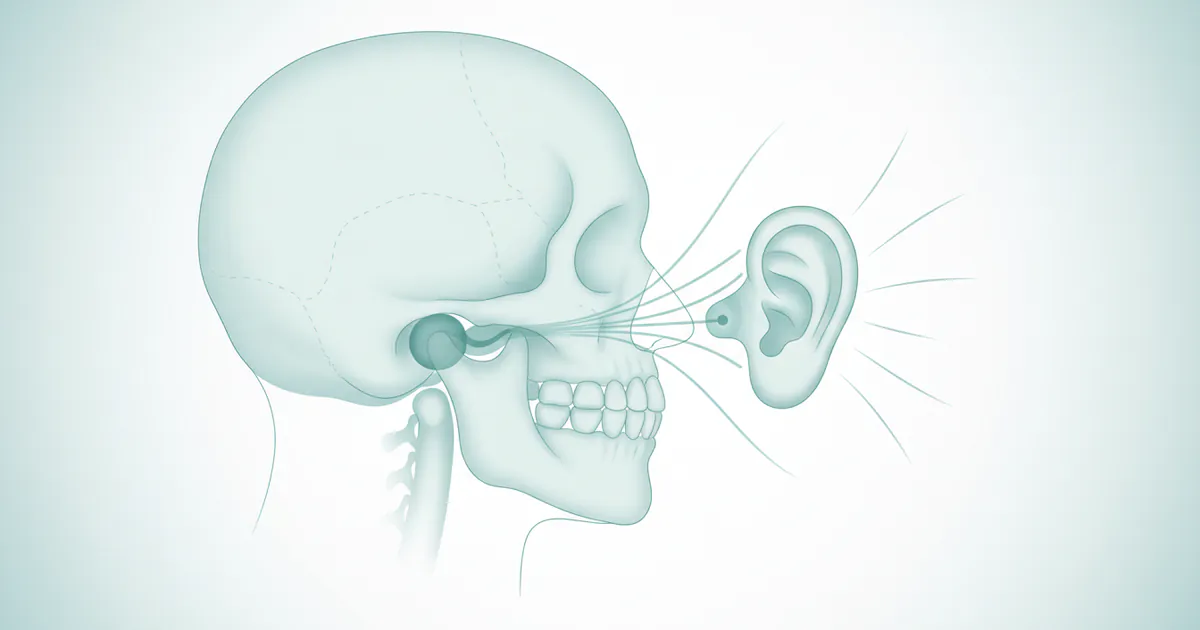
To truly grasp tmj ear pain, we must first understand the temporomandibular joints (TMJs) themselves. These are the two small, complex joints connecting your lower jaw (mandible) to your skull, situated just in front of each ear. Acting like a sliding hinge, the TMJs facilitate essential functions such as chewing, speaking, yawning, and swallowing. Between the bones of each joint lies a small, shock-absorbing disc that helps the jaw move smoothly.

Temporomandibular disorders (TMDs) are a group of conditions that affect the jaw joints and the muscles and ligaments surrounding them. When these joints or muscles become inflamed, injured, or misaligned, they can cause a wide range of symptoms, with pain often radiating to seemingly unrelated areas—most notably, the ear.
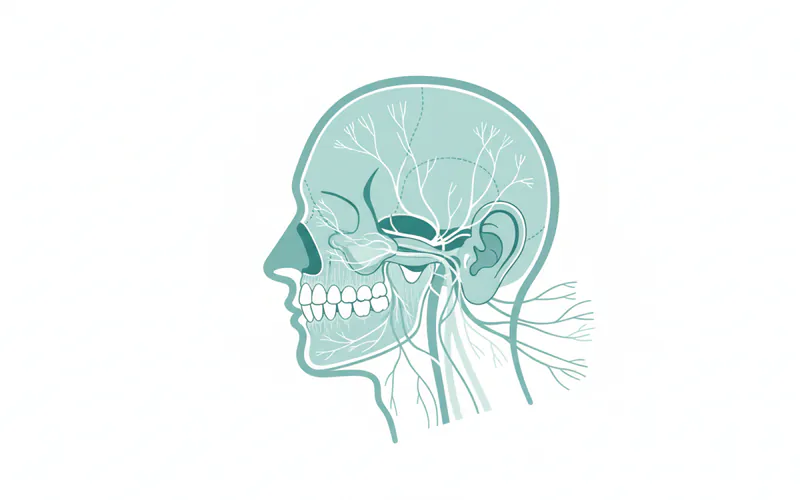
The ear and the TMJ are in close anatomical proximity. Furthermore, they share intricate nerve pathways, particularly branches of the trigeminal nerve (cranial nerve V), which is responsible for sensation in the face and motor functions like chewing. When the TMJ or its surrounding muscles are irritated or dysfunctional, the pain signals can be referred along these shared nerve pathways, manifesting as discomfort, pressure, or even sharp pain in the ear. This referred pain is precisely why tmj ear pain is so common and often confused with otitis media (middle ear infection), otitis externa (swimmer's ear), or other ear-related issues.
The pain can be described as a dull ache, a sharp, stabbing sensation, or a feeling of fullness or pressure within the ear. It may be constant or intermittent, worsening with jaw movement, chewing, or stress. It is frequently accompanied by other classic TMD symptoms, making accurate diagnosis by a dental professional crucial.
Types of TMJ Disorders Leading to Ear Pain
TMJ disorders are not a single condition but rather a group of complex issues. Understanding the different types helps in pinpointing the specific cause of ear and jaw pain on one side and guiding appropriate treatment.
1. Myofascial Pain
This is the most common type of TMD, characterized by pain in the muscles that control jaw function—the masseter and temporalis muscles, among others. Overuse, clenching (bruxism), or tension in these muscles can lead to referred pain in the ear, temple, neck, and other facial areas. Myofascial pain can feel like a deep, persistent ache.
2. Internal Derangement of the Joint
This refers to problems within the joint itself, specifically involving the articular disc (the soft cushion between the jawbone and the skull).
- Disc Displacement with Reduction: The disc slips out of place when the mouth is closed but moves back into proper position when the mouth is opened. This often causes a "click" or "pop" sound and sensation, and can lead to intermittent ear pain.
- Disc Displacement Without Reduction: The disc is permanently displaced and does not return to its normal position. This can cause limited jaw opening (lockjaw), constant pain, and a grinding or grating sensation (crepitus). The chronic inflammation and pressure can directly contribute to severe tmj ear pain.
3. Degenerative Joint Disease (Arthritis)
Similar to arthritis in other joints, the TMJ can be affected by:
- Osteoarthritis: Wear and tear of the joint cartilage, often due to aging or chronic stress on the joint. This can cause pain, stiffness, limited movement, and crepitus, directly impacting the adjacent ear.
- Rheumatoid Arthritis: An autoimmune disease that can affect various joints, including the TMJ, leading to inflammation, pain, and joint damage.
Each of these types can contribute to ear and jaw pain on one side, but the underlying mechanisms and specific symptoms may vary, necessitating a precise diagnosis.
Causes: Why TMJ Ear Pain Happens
The etiology of TMDs, and consequently tmj ear pain, is often multifactorial. It rarely stems from a single cause but rather a combination of physical, physiological, and psychological factors.
Direct Causes and Contributing Factors:
- Bruxism (Teeth Grinding and Clenching): This is arguably the most significant contributor. Chronic grinding (sleep bruxism) or clenching (awake bruxism) places immense, sustained pressure on the TMJs and jaw muscles. This overuse leads to inflammation, muscle fatigue, and pain that radiates to the ear. Many individuals are unaware they grind or clench, especially during sleep.
- Stress and Anxiety: Psychological stress is a powerful exacerbating factor. When stressed, many people unconsciously clench their jaw or tighten their facial muscles, contributing to bruxism and muscle tension around the TMJ.
- Jaw Trauma: A direct blow to the jaw, a car accident (whiplash), or even an injury from a dental procedure can damage the TMJ, its disc, or surrounding ligaments, leading to acute or chronic pain, including ear pain.
- Malocclusion (Bad Bite): While not always a direct cause, an improper bite (how your upper and lower teeth meet) can sometimes place uneven stress on the TMJs, potentially contributing to discomfort. However, the ADA emphasizes that malocclusion is rarely the sole cause of TMD.
- Arthritis: As mentioned, osteoarthritis or rheumatoid arthritis can directly affect the TMJ, causing inflammation, pain, and breakdown of cartilage, leading to ear and jaw pain on one side.
- Disc Displacement: If the articular disc within the TMJ slips out of place, it can create friction, inflammation, and abnormal joint mechanics, resulting in pain that can refer to the ear.
- Poor Posture: Chronic forward head posture (often from prolonged computer use or smartphone use) can strain the neck and shoulder muscles, which in turn can affect the alignment and function of the jaw, contributing to TMD symptoms.
- Overuse or Parafunctional Habits: Habits like excessive gum chewing, nail-biting, wide yawning, or habitually resting your chin on your hand can strain the jaw joint and muscles over time.
- Genetic Predisposition: Some research suggests a genetic component may increase susceptibility to developing TMDs.
Understanding these varied causes is crucial for a dentist or oral surgeon to develop an effective, personalized treatment plan.
Signs and Symptoms of TMJ Ear Pain
Recognizing the symptoms of TMD is the first step toward seeking help. While tmj ear pain is a prominent symptom, it rarely occurs in isolation. It's often accompanied by a constellation of other signs that distinguish it from purely ear-related problems.
Common Signs and Symptoms:
-
Ear Pain: This is the primary focus. It can manifest as:
- A dull, throbbing ache inside or around the ear.
- Sharp, shooting pain that may be triggered by jaw movement.
- A feeling of fullness, pressure, or congestion in the ear, similar to what you might experience with a cold or altitude changes.
- Pain that worsens when chewing, talking, yawning, or opening the mouth wide.
- Often described as ear and jaw pain on one side, though it can affect both.
-
Jaw Pain and Tenderness:
- Pain or tenderness in the jaw muscles (masseter, temporalis) or around the TMJ itself, usually worse in the morning if bruxism occurs at night.
- Pain that spreads to the face, neck, or shoulders.
-
Clicking, Popping, or Grating Sounds (Crepitus):
- These sounds originate from the TMJ during jaw movement, often indicating disc displacement or degenerative changes.
- While sounds alone aren't always problematic, if accompanied by pain or limited movement, they signal a TMD.
-
Limited Jaw Movement or Lockjaw:
- Difficulty opening the mouth wide, making it hard to eat or yawn.
- The jaw feeling "stuck" or "locked" in an open or closed position (true lockjaw is less common but very painful).
-
Headaches:
- Frequent tension-type headaches, especially in the temples or forehead.
- Migraine-like headaches, which can be severe and debilitating.
-
Neck and Shoulder Pain:
- Referred pain or muscle tension can extend down to the neck and shoulders due to compensatory muscle activity and postural issues.
-
Tinnitus:
- Ringing, buzzing, or hissing sounds in the ears, which can be linked to TMJ dysfunction due to shared neural pathways or muscle tension affecting the eustachian tube.
-
Dizziness or Vertigo:
- While less common, some individuals report feelings of imbalance or dizziness associated with severe TMD, possibly due to proximity to the inner ear's balance mechanisms or nerve irritation.
-
Muffled Hearing:
- A sensation of reduced hearing or plugged ears, often due to muscle tension affecting the eustachian tube, which regulates ear pressure.
If you experience several of these symptoms, particularly ear and jaw pain on one side, it's crucial to consult a dental professional experienced in TMD diagnosis.
Treatment Options for TMJ Ear Pain
Treating tmj ear pain involves a multifaceted approach, ranging from conservative, non-invasive methods to more advanced interventions. The goal is always to reduce pain, restore normal jaw function, and improve quality of life. Treatment plans are highly individualized based on the specific diagnosis and severity.
I. Conservative and Self-Care Approaches (First Line of Defense)
These methods are often recommended first due to their low risk and effectiveness for many patients.
-
Self-Care Strategies:
- Soft Diet: Avoid hard, chewy, or sticky foods that put strain on the jaw. Opt for softer options like soups, smoothies, mashed potatoes, and pasta.
- Warm/Cold Compresses: Apply a warm, moist cloth or heating pad to the jaw muscles for 10-15 minutes to relax them. Cold packs can reduce inflammation and numb pain.
- Jaw Rest: Avoid excessive chewing, wide yawning, and clenching. Try to keep your teeth slightly apart when not eating.
- Stress Management: Techniques like meditation, yoga, deep breathing exercises, and counseling can significantly reduce stress-induced clenching and muscle tension.
- Gentle Jaw Stretches and Exercises: A physical therapist or dentist can recommend specific exercises to improve jaw mobility and strengthen muscles.
- Pro Tip: Be mindful of your posture, especially if you work at a computer. Good posture reduces strain on neck and jaw muscles.
-
Medications:
- Over-the-Counter (OTC) Pain Relievers: Non-steroidal anti-inflammatory drugs (NSAIDs) like ibuprofen (Advil, Motrin) or naproxen (Aleve) can reduce pain and inflammation.
- Muscle Relaxants: Prescription medications like cyclobenzaprine can help relieve muscle spasms and tension, particularly useful for nighttime bruxism.
- Pros: Effective for acute pain and muscle spasms.
- Cons: Can cause drowsiness, dizziness; not for long-term use.
- Low-Dose Antidepressants: Tricyclic antidepressants (e.g., amitriptyline) in low doses can help reduce pain, improve sleep, and manage chronic pain by affecting pain pathways.
- Pros: Can address chronic pain and sleep disturbances.
- Cons: Side effects like dry mouth, constipation, drowsiness.
-
Physical Therapy:
- A specialized physical therapist can guide you through exercises, massage techniques, posture correction, and modalities like ultrasound or TENS (Transcutaneous Electrical Nerve Stimulation) to alleviate pain and restore function.
- Pros: Non-invasive, teaches self-management, improves mobility.
- Cons: Requires commitment and regular sessions.
- A specialized physical therapist can guide you through exercises, massage techniques, posture correction, and modalities like ultrasound or TENS (Transcutaneous Electrical Nerve Stimulation) to alleviate pain and restore function.
-
Custom Bite Guard (Occlusal Splint):
- A custom-fitted oral appliance, often made of clear acrylic, worn typically at night (or during the day for severe cases). The bite guard prevents teeth from grinding and clenching, reduces muscle activity, and can help reposition the jaw joint.
- Pros: Highly effective for bruxism-related pain, non-invasive, protects teeth.
- Cons: Can be initially uncomfortable, requires regular cleaning, cost can be a barrier.
- Pro Tip: Ensure your bite guard is custom-made by a dentist. Ill-fitting OTC guards can sometimes worsen symptoms.
- A custom-fitted oral appliance, often made of clear acrylic, worn typically at night (or during the day for severe cases). The bite guard prevents teeth from grinding and clenching, reduces muscle activity, and can help reposition the jaw joint.
II. Minimally Invasive Treatments
If conservative approaches don't provide sufficient relief, your dentist or oral surgeon may suggest these options.
-
Trigger Point Injections:
- Corticosteroids or anesthetics are injected directly into painful muscle trigger points to relieve pain and inflammation.
- Pros: Rapid pain relief, localized treatment.
- Cons: Temporary relief, potential for discomfort during injection, limited number of injections.
- Botulinum Toxin (Botox) Injections:
- Small amounts of Botox are injected into the jaw muscles (masseter, temporalis) to relax them, reducing clenching and grinding forces.
- Pros: Effective for severe muscle spasm and bruxism, lasts 3-6 months.
- Cons: Temporary, can be costly, potential for temporary facial weakness or asymmetry.
- Corticosteroids or anesthetics are injected directly into painful muscle trigger points to relieve pain and inflammation.
-
Arthrocentesis (Joint Lavage):
- A procedure where sterile fluid is injected into the TMJ using small needles to wash out inflammatory byproducts and adhesions, improving joint mobility.
- Pros: Minimally invasive, can provide rapid relief for limited jaw opening.
- Cons: Requires local anesthesia, small risk of infection or nerve damage.
- A procedure where sterile fluid is injected into the TMJ using small needles to wash out inflammatory byproducts and adhesions, improving joint mobility.
III. Surgical Interventions (Last Resort)
Surgery is considered only when all other non-surgical treatments have failed and there is a clear structural problem within the joint.
-
Arthroscopy:
- A minimally invasive surgical procedure where a small incision is made, and a tiny camera (arthroscope) is inserted into the joint to visualize and address issues like disc repositioning or removing inflamed tissue.
- Pros: Less invasive than open surgery, quicker recovery.
- Cons: Limited scope for complex issues, still requires general anesthesia.
- A minimally invasive surgical procedure where a small incision is made, and a tiny camera (arthroscope) is inserted into the joint to visualize and address issues like disc repositioning or removing inflamed tissue.
-
Open-Joint Surgery (Arthroplasty):
- Traditional surgery involving a larger incision to directly access and repair or replace the joint structures. This may involve disc repair/removal, bone reshaping, or replacement.
- Pros: Can address complex structural problems.
- Cons: Most invasive, longer recovery, higher risks (infection, nerve damage, scarring).
- Traditional surgery involving a larger incision to directly access and repair or replace the joint structures. This may involve disc repair/removal, bone reshaping, or replacement.
-
Total Joint Replacement:
- In severe cases of degenerative joint disease where the joint is completely damaged, the entire TMJ may be replaced with an artificial implant.
- Pros: Resolves severe degeneration, restores function.
- Cons: Major surgery, high cost, potential for long-term complications, extended recovery.
- In severe cases of degenerative joint disease where the joint is completely damaged, the entire TMJ may be replaced with an artificial implant.
Treatment Option Comparison
| Treatment Category | Examples | Invasiveness | Typical Duration of Effect / Timeline | Average US Cost Range (per course/device) | Pros | Cons |
|---|---|---|---|---|---|---|
| Self-Care / Lifestyle | Soft diet, stress reduction, exercises | None | Ongoing | Free - minimal | No cost, empowers patient, few side effects | Requires discipline, may not be enough for severe cases |
| Medications | NSAIDs, Muscle Relaxants, Antidepressants | Oral | Hours to Weeks | $10 - $200 (monthly) | Quick relief, easily accessible | Side effects, temporary relief, not curative |
| Physical Therapy | Exercises, massage, modalities | Non-invasive | Weeks to Months (treatment course) | $50 - $200 per session (multiple needed) | Addresses underlying muscle issues, non-pharmacological | Requires commitment, may not cover severe joint issues |
| Custom Bite Guard | Stabilization splint, repositioning splint | Non-invasive | Years (device longevity) | $300 - $800 | Protects teeth, reduces clenching, repositions jaw | Initial discomfort, requires cleaning, some can be bulky |
| Injections | Corticosteroid, Botox | Minimally | Weeks to Months | $100 - $1000+ (per session) | Targeted relief, effective for muscle spasms | Temporary, potential for side effects, multiple sessions |
| Arthrocentesis | Joint lavage | Minimally | Months to Years | $1,000 - $3,000 | Improves joint mobility, removes inflammation | Requires anesthesia, limited scope, some discomfort |
| Arthroscopy | Keyhole surgery | Invasive | Long-term (can be curative) | $5,000 - $15,000+ | Addresses internal joint issues directly | General anesthesia, recovery time, limited for severe issues |
| Open-Joint Surgery | Disc repair, bone reshaping | Highly | Long-term (can be curative) | $15,000 - $50,000+ | Resolves complex structural problems | Extensive recovery, high risks, scarring, last resort |
Step-by-Step Process: What to Expect During TMJ Treatment
Navigating TMJ treatment can feel daunting, but understanding the typical process can ease concerns. While every patient's journey is unique, a general framework applies.
1. Initial Consultation and Assessment
- Purpose: To understand your symptoms, medical history, and rule out other conditions.
- What to expect: Your dentist, or a specialist like an oral and maxillofacial surgeon or an orofacial pain specialist, will conduct a thorough examination. This includes:
- Reviewing your medical and dental history: Questions about pain duration, intensity, triggers, associated symptoms (like ear and jaw pain on one side, headaches, clicking), and any history of trauma or arthritis.
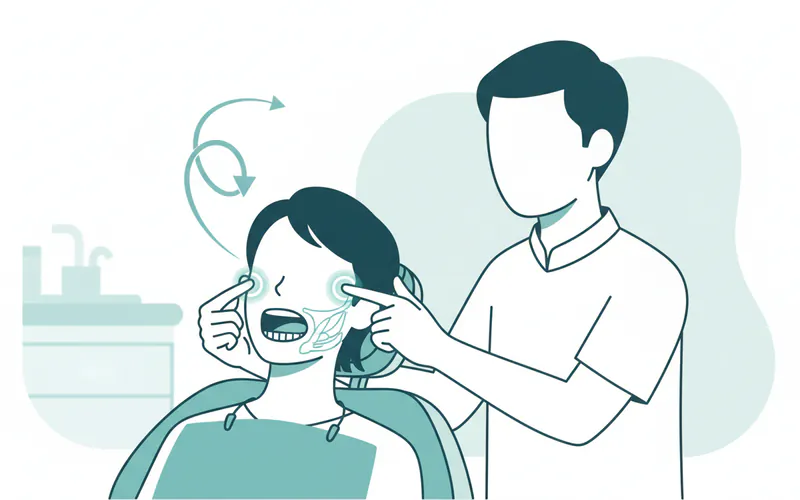
- Palpating jaw muscles: Gently pressing on the muscles around your jaw, temples, and neck to identify tender points.
- Listening to jaw sounds: Checking for clicks, pops, or grinding sounds during jaw movement.
- Assessing jaw range of motion: Measuring how wide you can open your mouth and if your jaw deviates.
- Examining your bite: Checking how your teeth fit together.
2. Diagnostic Imaging (If Necessary)
- Purpose: To visualize the TMJ structures and rule out underlying issues.
- What to expect:
- Dental X-rays: May be taken to rule out dental issues.
- Panoramic X-ray: Provides a broad view of the entire jaw and TMJs.
- MRI (Magnetic Resonance Imaging): The gold standard for visualizing the soft tissues of the TMJ, including the articular disc, ligaments, and fluid, revealing disc displacement or inflammation.
- CT Scan (Computed Tomography): Provides detailed images of the bone structure of the joint, useful for detecting degenerative changes or fractures.
- Pro Tip: An MRI is often crucial for diagnosing internal derangement and guiding treatment for persistent tmj ear pain.
3. Diagnosis and Treatment Plan Development
- Purpose: Based on the assessment and imaging, the dentist will formulate a precise diagnosis and outline recommended treatments.
- What to expect: You will discuss the various treatment options available (as outlined above), their pros and cons, expected outcomes, costs, and timelines. A conservative approach is almost always tried first.
4. Implementation of Treatment
- This phase involves starting the agreed-upon treatments.
- Examples:
- Bite guard fabrication: If a bite guard is prescribed, impressions of your teeth will be taken to create a custom appliance. This usually involves 1-2 appointments for impressions and fitting, then follow-up adjustments.
- Physical therapy: Referrals to a specialized PT for jaw exercises and modalities.
- Medication prescription: Starting recommended medications.
- Injections: Scheduling and performing trigger point or Botox injections.

5. Monitoring and Adjustments
- Purpose: To assess the effectiveness of treatment and make necessary modifications.
- What to expect: Regular follow-up appointments (e.g., every 2-4 weeks initially) will be scheduled. Your dentist will check your symptoms, jaw function, and the fit of any appliances like your bite guard. Adjustments to the treatment plan are common as your body responds. The duration of active treatment can vary from a few weeks to several months, depending on the severity and complexity of your condition.
Cost and Insurance: Navigating the Financial Aspects
Understanding the costs associated with TMJ treatment is critical for patients in the US. Coverage can be complex due to the overlap between medical and dental issues.
Diagnostic Costs:
- Initial Consultation: Varies widely, typically $50 - $250 without insurance, often covered by dental or medical insurance if deemed necessary.
- X-rays (Panoramic): $75 - $200.
- MRI (Temporomandibular Joints): This is often the most expensive diagnostic tool, ranging from $500 - $3,000+ per joint, depending on your location and facility. Medical insurance may cover this if ordered by a medical doctor and deemed medically necessary, but often requires prior authorization.
- CT Scan: Similar to MRI, $500 - $2,000+.
Treatment Costs (Ranges by US region, e.g., urban vs. rural):
| Treatment Item | Average US Cost Range (Without Insurance) | Insurance Coverage | Notes |
|---|---|---|---|
| Custom Bite Guard (Splint) | $300 - $800 | Dental (partial) / Medical (rare) | Varies by material (hard acrylic usually more), lab fees. |
| Physical Therapy | $50 - $200 per session (many needed) | Medical (partial) | Often requires a referral, limits on number of sessions. |
| Medications | $10 - $200 per month | Medical (partial) | Depends on prescription type, generic vs. brand. |
| Trigger Point Injections | $100 - $400 per session | Medical (partial) | May be covered if performed by a medical doctor. |
| Botox Injections | $400 - $1,200 per session (for TMJ) | Medical (rare) | Often considered cosmetic or experimental, less coverage. |
| Arthrocentesis | $1,000 - $3,000 | Medical (partial) | Requires pre-authorization. |
| TMJ Arthroscopy | $5,000 - $15,000+ | Medical (partial) | Major surgical procedure, significant hospital fees. |
| Open-Joint Surgery | $15,000 - $50,000+ | Medical (partial) | For severe cases, involves hospital and surgeon fees. |
Insurance Coverage Details:
- Dental Insurance: Often covers a portion of diagnostic X-rays and a custom bite guard (coded as an "occlusal guard" or "splint"). Coverage typically ranges from 50% to 80% after deductibles. Some plans may have limitations on frequency (e.g., one splint every 5 years).
- Medical Insurance: This is where it gets complicated.
- Some medical plans do cover aspects of TMJ treatment if they are deemed medically necessary (e.g., physical therapy, medications, certain injections, and all surgeries).
- Coverage often depends on the specific diagnosis code (ICD-10 code) and whether the treatment is considered "medically necessary" rather than "dental."
- Pre-authorization is almost always required for expensive procedures like MRIs, injections, or surgeries.
- Many plans exclude TMJ treatment entirely, considering it a dental issue.
- Pro Tip: Always call your medical and dental insurance providers directly before starting treatment to understand your specific benefits, deductibles, co-pays, and any pre-authorization requirements for TMJ disorders. Ask for written confirmation.
Payment Plans and Financing Options:
- In-Office Payment Plans: Many dental offices offer interest-free payment plans for a portion of the cost, especially for appliances like a bite guard.
- Third-Party Financing: Services like CareCredit or LendingClub offer specialized healthcare financing with various interest rates and repayment terms.
- Health Savings Accounts (HSAs) and Flexible Spending Accounts (FSAs): These tax-advantaged accounts can be used to pay for qualified medical expenses, including TMJ treatment, with pre-tax dollars.
Recovery and Aftercare for TMJ Ear Pain
Recovery from TMJ treatment varies greatly depending on the type of intervention, but consistent aftercare is vital for sustained relief and preventing recurrence.
Post-Conservative Treatment:
- Bite Guard Use: If you receive a bite guard, wear it as prescribed (usually nightly). Clean it daily with a toothbrush and mild soap or a denture cleaner. Store it in its case when not in use. Regular follow-up appointments (e.g., every 6-12 months) are needed to check fit and wear.
- Continued Self-Care: Maintain a soft diet, practice stress reduction, and continue gentle jaw exercises as advised. Avoid habits like gum chewing or clenching.
- Medication Adherence: Follow your medication regimen, and report any side effects to your doctor.
Post-Injections:
- Minimal Downtime: You can usually resume normal activities immediately, but avoid strenuous activity for 24 hours.
- Pain Management: Expect some soreness at the injection site, which can be managed with ice packs and OTC pain relievers.
- Monitoring Symptoms: Keep track of your pain levels and any changes in jaw function.
Post-Surgical Recovery:
- Initial Phase (Days 1-7):
- Pain Management: Prescription pain medication will be prescribed.
- Soft/Liquid Diet: Crucial to avoid putting strain on the healing joint.
- Ice Packs: Apply to reduce swelling.
- Rest: Limit jaw movement and get plenty of rest.
- Intermediate Phase (Weeks 2-8):
- Physical Therapy: Often begins shortly after surgery to restore range of motion and strengthen muscles. This is critical for preventing stiffness and ensuring proper healing.
- Gradual Diet Progression: Slowly reintroduce soft, then regular foods as tolerated.
- Oral Hygiene: Gentle brushing and rinses as directed.
- Long-Term (Months to Years):
- Continued Exercises: Adherence to ongoing physical therapy exercises is essential.
- Lifestyle Modifications: Maintaining stress reduction, avoiding habits that strain the jaw, and possibly continued bite guard use.
- Regular Follow-ups: Periodic checks with your surgeon or dentist to monitor recovery and long-term joint health.
- Pro Tip: Be patient with surgical recovery. Full healing can take many months, and consistent adherence to aftercare instructions is paramount for the best outcome.
Prevention of TMJ Ear Pain
Preventing TMJ disorders, and thus tmj ear pain, largely revolves around managing risk factors and adopting healthy lifestyle habits.
- Manage Stress: Since stress is a major trigger for clenching and grinding, incorporate stress-reducing activities into your daily routine (meditation, yoga, exercise, hobbies).
- Practice Jaw Awareness: Be mindful of your jaw's position throughout the day. Try to keep your teeth slightly apart, with your tongue resting lightly on the roof of your mouth behind your upper front teeth. Avoid clenching during stressful tasks.
- Avoid Parafunctional Habits: Break habits like nail-biting, pen-chewing, ice-chewing, excessive gum chewing, or holding a phone between your shoulder and ear.
- Maintain Good Posture: Be aware of your posture, especially when working at a computer or using a smartphone. Keep your head aligned over your shoulders, not jutting forward.
- Protect Your Jaw from Trauma: Wear a mouthguard during contact sports.
- Regular Dental Check-ups: Your dentist can identify early signs of bruxism, malocclusion, or joint issues during routine examinations. If bruxism is suspected, a preventative bite guard can be prescribed before pain develops.
- Soft Diet when Prone to Flare-ups: If you know you're prone to TMD issues, opt for softer foods, especially during stressful periods.
- Sleep Hygiene: Ensure you get adequate, restful sleep, which can reduce overall body tension and improve healing processes.
Risks and Complications of Untreated or Mistreated TMJ Ear Pain
Ignoring tmj ear pain or receiving inadequate treatment can lead to a cascade of worsening problems.
Risks of Untreated TMJ Disorders:
- Chronic Pain: Acute pain can become chronic, leading to a reduced quality of life, sleep disturbances, and psychological distress.
- Joint Degeneration: Persistent inflammation and abnormal joint mechanics can lead to irreversible damage to the articular disc and joint surfaces (osteoarthritis).
- Limited Jaw Function: The ability to open the mouth, chew, and speak can become severely compromised, leading to nutritional deficiencies and social isolation.
- Malocclusion Changes: Chronic TMD can sometimes lead to changes in how the teeth fit together, requiring extensive orthodontic or restorative dental work.
- Psychological Impact: Chronic pain can lead to depression, anxiety, and an inability to perform daily activities.
- Hearing Changes: Prolonged tension or inflammation affecting the Eustachian tube can lead to persistent muffled hearing or tinnitus.
Complications of Treatments:
While generally safe, all medical and dental interventions carry some risks:
- Bite Guard: Ill-fitting guards can sometimes worsen symptoms, cause tooth sensitivity, or minor gum irritation.
- Medications: Side effects (drowsiness, dry mouth, gastrointestinal issues) or adverse drug reactions.
- Injections: Temporary discomfort, bruising, swelling, infection (rare), or nerve irritation. Botox can temporarily cause muscle weakness or facial asymmetry if not administered correctly.
- Surgery: Infection, nerve damage (leading to numbness or weakness), bleeding, scarring, persistent pain, or failure of the surgery to resolve symptoms. Total joint replacement carries the risks associated with any major reconstructive surgery, including implant failure.
It's crucial to have open communication with your dental professional about all potential risks and benefits before starting any treatment.
Children / Pediatric Considerations for TMJ Ear Pain
While less common than in adults, TMJ disorders can affect children and adolescents, sometimes presenting as ear and jaw pain on one side. Diagnosis can be more challenging due to children's limited ability to articulate symptoms and the fact that their facial and jaw structures are still developing.
Common Causes in Children:
- Trauma: Falls, sports injuries, or direct blows to the jaw are significant causes.
- Juvenile Idiopathic Arthritis (JIA): An autoimmune condition that can affect joints, including the TMJ, leading to inflammation and pain.
- Orthodontic Treatment: While often beneficial, some orthodontic appliances or tooth movements can temporarily exacerbate or trigger TMJ symptoms in susceptible individuals.
- Bruxism: Nighttime grinding is common in children but usually self-resolves. However, if severe or persistent, it can lead to TMJ strain.
- Congenital Anomalies: Rare cases involve developmental issues with the jaw or joint.
Signs and Symptoms in Children:
Parents should look for:
- Complaints of earaches without signs of infection (fever, discharge).
- Difficulty chewing or reluctance to eat certain foods.
- Clicking or popping sounds from the jaw.
- Headaches.
- Limited mouth opening.
- Changes in bite or facial symmetry.
Diagnosis and Treatment in Children:
- Conservative Approach First: Pediatric dentists or orthodontists specializing in TMD will almost always start with conservative management:
- Soft diet.
- Gentle jaw exercises.
- Heat therapy.
- Stress management.
- Bite guards: Custom-made soft splints might be used, but must be monitored closely due to growth.
- Careful Monitoring: Due to ongoing growth, interventions are often aimed at managing symptoms and encouraging normal development, rather than aggressive structural changes. Surgery is extremely rare in children.
- Multidisciplinary Care: May involve a pediatric dentist, orthodontist, physical therapist, and rheumatologist (if arthritis is suspected).

Pro Tip for Parents: If your child complains of persistent ear pain without infection, especially if accompanied by jaw symptoms, consult a pediatric dentist or an orofacial pain specialist. Early intervention can prevent chronic problems.
Cost Breakdown: A Deeper Dive
To further clarify the financial aspect, here's a general cost breakdown, focusing on the most common treatments for tmj ear pain in the US, with average ranges for low, mid, and high cost scenarios, reflecting geographic and provider variations.
Average US Costs (Without Insurance):
| Service/Treatment | Low End (USD) | Mid Range (USD) | High End (USD) | Notes |
|---|---|---|---|---|
| Initial TMJ Consultation | $50 | $150 | $250 | May include basic exam. Specialists often charge more. |
| Panoramic X-ray | $75 | $120 | $200 | Standard dental X-ray. |
| TMJ MRI (per joint) | $500 | $1,500 | $3,000+ | Crucial for disc visualization. Varies significantly by facility. |
| Custom Bite Guard (Splint) | $300 | $550 | $800 | Varies by material (e.g., hard acrylic vs. softer material), clinic overhead. |
| Physical Therapy (per session) | $50 | $100 | $200 | Number of sessions widely varies (e.g., 6-12+ needed). |
| Muscle Relaxants (e.g., Cyclobenzaprine) | $10 | $30 | $70 | Monthly supply, generic typically cheaper. |
| Botox Injections (for TMJ, per session) | $400 | $800 | $1,200+ | Depends on units needed, provider experience, and location. |
With vs. Without Insurance:
- Without Insurance: You are responsible for 100% of the costs. Many providers offer discounts for cash payments or lump-sum payments.
- With Insurance:
- Deductible: This is the amount you must pay out-of-pocket before your insurance begins to cover costs. Common deductibles range from $500 to $5,000+ for medical plans, and $50 to $100 for dental plans.
- Co-insurance: Once your deductible is met, your insurance typically covers a percentage of the cost, and you pay the remaining co-insurance (e.g., 20% for you, 80% for insurance).
- Out-of-Pocket Maximum: A cap on how much you have to pay in a plan year. Once reached, insurance covers 100% of eligible costs.
- TMJ Specifics: As discussed, dental insurance usually covers a portion of diagnostic X-rays and bite guards. Medical insurance might cover doctor visits, physical therapy, medications, MRIs, and surgeries, often requiring a medical referral and pre-authorization. Always verify your specific plan benefits.
Payment Plans and Financing Options:
- Dental Office Payment Plans: Many offices offer interest-free plans for up to 6-12 months, especially for more expensive items like a custom bite guard.
- Healthcare Credit Cards (e.g., CareCredit): Offer special financing options, including interest-free periods if paid in full within a certain timeframe (e.g., 6, 12, 18 months). Interest rates can be high if the balance isn't paid off.
- Personal Loans: Can be an option for larger, unexpected costs.
- HSAs and FSAs: These are excellent ways to save for healthcare costs tax-free. Contributions are made pre-tax, reducing your taxable income, and withdrawals for qualified medical expenses are tax-free.
Cost-Saving Tips:
- Get Multiple Quotes: For expensive items like an MRI or a bite guard, call different providers or dental offices.
- Ask for Cash Discounts: Many providers offer a discount (e.g., 5-15%) for patients paying upfront in cash without insurance.
- Utilize Generic Medications: Always ask your doctor if a generic version of a prescription medication is available.
- Check In-Network Providers: Ensure any specialist (physical therapist, oral surgeon) is in your insurance network to avoid higher out-of-network costs.
- Start with Conservative Care: Since most TMJ cases respond to conservative treatment, prioritizing these less expensive options first can save significant money.
Frequently Asked Questions
What causes tmj ear pain?
TMJ ear pain is primarily caused by dysfunction or inflammation of the temporomandibular joint (TMJ) or its surrounding muscles. Common culprits include bruxism (teeth grinding/clenching), stress, jaw trauma, arthritis, and disc displacement within the joint. These issues create tension or irritation that radiates to the ear due to the close proximity and shared nerve pathways between the jaw and the ear.
How do I know if my ear pain is from TMJ or an ear infection?
TMJ ear pain is often accompanied by other jaw-related symptoms like jaw tenderness, clicking/popping sounds, limited mouth opening, headaches, or facial pain. Ear infections, conversely, typically present with fever, ear discharge, hearing loss, and sometimes itching, without the prominent jaw symptoms. A thorough examination by a dentist or ENT (ear, nose, and throat) specialist is necessary for accurate diagnosis.
Can a bite guard help with tmj ear pain?
Yes, a custom-fitted bite guard (also known as an occlusal splint) is a very common and effective treatment for tmj ear pain, especially when bruxism or jaw clenching is a contributing factor. It works by creating a barrier between your upper and lower teeth, preventing grinding, reducing muscle tension, and often allowing the jaw joint to rest in a more relaxed position, thereby alleviating ear pain.
How long does tmj ear pain last?
The duration of tmj ear pain varies greatly. Acute pain caused by a specific event or short-term stress might resolve within days or weeks with self-care. Chronic tmj ear pain can persist for months or even years if untreated. With proper diagnosis and consistent treatment, many patients experience significant relief within a few weeks to months, though ongoing management may be necessary.
What home remedies can I try for tmj ear pain?
For temporary relief, you can try applying warm compresses to your jaw muscles, eating a soft diet to rest your jaw, avoiding excessive chewing or wide yawning, practicing stress-reduction techniques, and performing gentle jaw exercises. Over-the-counter pain relievers like ibuprofen can also help manage discomfort and inflammation.
Is TMJ treatment covered by insurance in the US?
Insurance coverage for TMJ treatment is highly variable. Dental insurance may cover part of diagnostic X-rays and a custom bite guard. Medical insurance might cover medical consultations, physical therapy, medications, specific injections, and surgeries, but often requires a medical referral and pre-authorization, and may exclude TMJ entirely as a "dental" issue. Always verify with your specific insurance providers.
How much does a custom bite guard cost?
A custom-made dental bite guard in the US typically ranges from $300 to $800, depending on the material, complexity of the design, and the dental office's fees. This cost usually includes the impressions, fabrication, fitting, and initial adjustments.
Can tmj ear pain cause hearing problems?
Yes, in some cases, tmj ear pain and associated TMJ disorders can lead to symptoms like muffled hearing, a feeling of fullness in the ear, or tinnitus (ringing in the ears). This is thought to occur due to muscle tension affecting the Eustachian tube, which regulates ear pressure, or due to shared nerve pathways causing referred sensations.
When should I consider surgery for TMJ ear pain?
TMJ surgery is generally considered a last resort, recommended only after all non-surgical and minimally invasive treatments have failed to provide relief, and there is clear evidence of structural damage or dysfunction within the joint. Your oral surgeon will assess the risks and benefits thoroughly.
When to See a Dentist for TMJ Ear Pain
While occasional jaw discomfort might resolve on its own, certain signs indicate that it's time to seek professional dental or medical advice for your tmj ear pain. Early intervention can prevent the condition from worsening and becoming chronic.
Seek an appointment if you experience:
- Persistent Ear Pain: Your ear pain is ongoing for more than a few days, especially if not accompanied by typical ear infection symptoms like fever or discharge.
- Concurrent Jaw Symptoms: The ear pain is consistently accompanied by other TMJ-related symptoms such as:
- Pain or tenderness in the jaw muscles or around the TMJ.
- Clicking, popping, or grinding sounds in your jaw when you open or close your mouth.
- Difficulty or pain when chewing, speaking, or yawning.
- Limited ability to open your mouth wide.
- Your jaw feeling "stuck" or "locked."
- Headaches or Facial Pain: Persistent headaches (especially tension-type or in the temples) or facial pain that seems to originate from your jaw.
- Unexplained Ear Fullness or Tinnitus: A feeling of pressure in your ear or ringing sounds without an apparent ear infection.
- Ineffectiveness of Self-Care: You've tried home remedies (soft diet, warm compresses, stress reduction) for a week or two, and your symptoms haven't improved or have worsened.
- Changes in Your Bite: You notice that your teeth don't fit together correctly or your bite feels "off."
When to Seek Immediate Attention (Emergency vs. Scheduled):
- Emergency: If you experience acute, severe pain accompanied by a jaw that is completely locked open or closed, making it impossible to eat or speak, you should seek immediate dental or medical attention. This could indicate a severe disc displacement or dislocation.
- Scheduled Appointment: For most other persistent or worsening symptoms of tmj ear pain or ear and jaw pain on one side, a scheduled visit to your general dentist is the appropriate first step. Your dentist can perform an initial assessment and, if necessary, refer you to a specialist such as an oral and maxillofacial surgeon, an orofacial pain specialist, or a physical therapist.
Remember, dental professionals, particularly those experienced in diagnosing and treating TMD, are best equipped to differentiate tmj ear pain from other conditions and guide you toward effective relief. Don't delay seeking help if your symptoms are impacting your quality of life.
Frequently Asked Questions
Medically Reviewed Content
This article was written by our dental health editorial team and reviewed for medical accuracy. Our content follows strict editorial guidelines for reliability and trustworthiness.
Medical Disclaimer
This article is for informational purposes only and does not constitute medical advice. Always consult with a qualified dental professional for diagnosis and treatment. Do not delay seeking professional advice because of something you read on this website.
Related Articles
Tmj Massage Near Me: Complete Guide
Temporomandibular joint disorder, commonly known as TMJD, affects millions of Americans, causing debilitating pain, discomfort, and significantly impacting quality of life. If you're experiencing jaw pain, clicking, or difficulty chewing, you're not alone. Up to 15% of American adults experience
February 23, 2026
Tmd Treatment: Complete Guide
Experiencing persistent jaw pain, clicking sounds when you chew, or debilitating headaches that seem to originate from your face? You're not alone. Temporomandibular joint (TMJ) disorders, often referred to collectively as TMD, affect an estimated 10 million Americans, with women disproportionat
February 23, 2026
Tmj Nerve Damage Symptoms: Complete Guide
Experiencing persistent facial pain, numbness, or tingling can be distressing, especially when the source is unclear. While many people are familiar with general jaw pain associated with temporomandibular joint (TMJ) disorders, the less commonly understood aspect of tmj nerve damage symptoms can
February 23, 2026
Remi Night Guard: Complete Guide
Remi Night Guard: Complete Guide
February 23, 2026