Dog Bad Breath Remedy: Complete Guide
Key Takeaways
- Is your furry friend's breath less than fresh? You're not alone. A staggering 80% of dogs show signs of oral disease by age three, and one of the most common indicators is persistent bad breath, medically known as halitosis. While an occasional "doggy breath" might seem normal, a consistently fo
Dog Bad Breath Remedy: Complete Guide
Is your furry friend's breath less than fresh? You're not alone. A staggering 80% of dogs show signs of oral disease by age three, and one of the most common indicators is persistent bad breath, medically known as halitosis. While an occasional "doggy breath" might seem normal, a consistently foul odor is a critical red flag, often signaling underlying dental disease or even systemic health issues that could severely impact your pet's well-being. As an expert dental health writer for SmilePedia.net, we understand the importance of comprehensive oral health—not just for humans, but for our beloved canine companions too. This complete guide will walk you through everything you need to know about dog bad breath remedy, from understanding its causes to exploring professional treatments, effective home remedies, and crucial preventive strategies, ensuring your dog can enjoy a healthier, happier life—and you can enjoy their kisses again.

Key Takeaways:
- Persistent bad breath in dogs (halitosis) is rarely normal and often indicates underlying dental disease or other serious health problems.
- The primary cause is usually periodontal disease, stemming from plaque and tartar buildup, which affects 80% of dogs by age three.
- Professional veterinary dental cleaning is the most effective and often necessary dog bad breath remedy, costing typically between $500 and $3,000+ in the US, depending on severity and location.
- Daily home dental care including brushing, dental chews, and water additives, is crucial for prevention and maintenance, with monthly costs ranging from $20 to $100.
- Many "home remedies" like parsley or coconut oil can offer minor, temporary relief but do not address the root cause of significant dental disease. Always consult your vet before trying new remedies.
- Early intervention is key: Neglecting bad breath can lead to painful infections, tooth loss, and systemic health issues affecting the heart, kidneys, and liver, potentially adding thousands to treatment costs.
- Look beyond the smell: Watch for red gums, drooling, difficulty eating, or changes in behavior as signs your dog needs veterinary attention.
What is Dog Bad Breath (Halitosis)?
Bad breath, or halitosis, in dogs is a common condition characterized by an unpleasant odor emanating from the mouth. While a slight "doggy smell" can be normal, a strong, persistent, and noticeably foul odor is a clear indication that something is amiss. In most cases, this odor is directly linked to the oral cavity, specifically the accumulation of bacteria, food particles, and plaque on the teeth and gums.
However, it's crucial to understand that dog bad breath is not just a cosmetic issue. It serves as a vital warning sign, alerting owners to potential health problems that range from mild gum inflammation to severe systemic diseases. Just as in humans, the oral cavity is a gateway to the rest of the body, and poor oral health can have far-reaching implications for a dog's overall well-being.
Causes of Dog Bad Breath
Understanding the root causes of your dog's bad breath is the first step toward finding an effective dog bad breath remedy. These causes can broadly be categorized into oral/dental issues, systemic health problems, and dietary/lifestyle factors.
Dental and Oral Causes (Most Common)
The vast majority of canine bad breath cases originate in the mouth, primarily due to bacterial activity.
- Plaque and Tartar Accumulation: This is by far the most prevalent cause. Plaque is a sticky, colorless film of bacteria that constantly forms on teeth. If not removed through regular brushing, plaque hardens into tartar (calculus). Tartar adheres strongly to the tooth surface and is porous, providing an ideal environment for more bacteria to thrive.
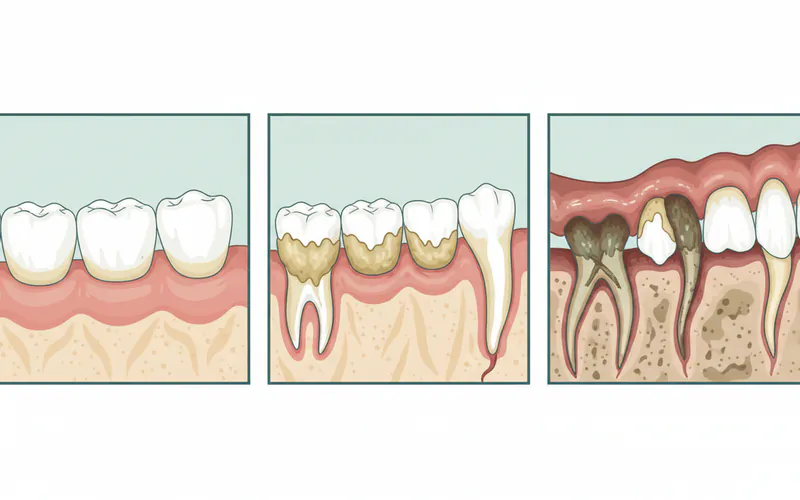
- Gingivitis: This is the initial stage of periodontal disease, characterized by inflammation of the gums caused by plaque buildup. Gums may appear red, swollen, and bleed easily. While reversible with proper dental care, gingivitis already contributes to bad breath due to bacterial overgrowth.
- Periodontal Disease: If gingivitis is left untreated, it progresses to periodontal disease, a destructive and irreversible condition affecting the supporting structures of the teeth (gums, bone, ligaments). Bacteria under the gum line produce toxins, leading to tissue damage, bone loss, and eventually tooth loss. This advanced stage is highly painful and releases a significant amount of foul-smelling bacteria and decaying tissue.
- Tooth Decay (Cavities): While less common in dogs than in humans due to differences in tooth structure and diet, dogs can develop cavities. These decayed areas trap food and bacteria, leading to odor.
- Oral Tumors or Growths: Benign or malignant growths in the mouth can trap food, become infected, or begin to decay, leading to a foul odor.
- Foreign Objects in Mouth: Sometimes, a foreign object like a piece of stick, bone fragment, or even hair can get lodged between teeth or in the gums, leading to infection, inflammation, and a terrible smell.
- Oral Trauma/Infections: Any injury to the mouth that breaks the skin or gums can introduce bacteria, leading to localized infections and a putrid smell. Abscessed teeth are a common example, where bacteria infect the tooth root, causing severe pain and odor.
Systemic Health Issues
Bad breath can also be a significant indicator of underlying health problems that are not directly related to the mouth. These conditions often produce distinct types of odors.
- Kidney Disease: When kidneys are failing, they can't effectively filter toxins from the blood. These toxins build up and are excreted in the breath, often causing an ammonia-like or urine-like smell. This is a very serious condition requiring immediate veterinary attention.
- Liver Disease: Liver problems can cause a musty, sweetish, or sometimes "death-like" odor on the breath, due to the buildup of metabolic byproducts that the liver normally processes. This also indicates a severe health issue.
- Diabetes Mellitus: If a diabetic dog is not properly regulated or is experiencing diabetic ketoacidosis, their breath can take on a distinct sweet or fruity smell (like nail polish remover). This is due to the presence of ketones, which are produced when the body starts burning fat for energy instead of glucose.
- Gastrointestinal Problems: Issues like acid reflux, megaesophagus, or certain dietary intolerances can cause stomach contents or foul-smelling gases to rise into the mouth, contributing to bad breath.
- Respiratory Infections: Infections in the sinuses, nasal passages, throat, or lungs can lead to discharge that contributes to a foul odor when expelled through the mouth.
Dietary and Lifestyle Factors
Sometimes, the cause of bad breath can be simpler, relating to what your dog eats or how they behave.
- Poor Diet Quality: Diets high in fermentable carbohydrates and lacking abrasive textures can contribute to plaque formation. Some low-quality commercial foods might also leave a residue or odor.
- Coprophagia (Eating Feces): If your dog eats its own feces or that of other animals, their breath will inevitably smell like, well, feces. This is a behavioral issue but directly impacts breath freshness.
- Ingestion of Foul-Smelling Items: Dogs are scavengers and might consume garbage, dead animals, or other unsavory items that transfer strong odors to their breath.
- Lack of Chewing Activity: Dogs naturally clean their teeth through chewing. A lack of appropriate chew toys or dental chews means less natural mechanical abrasion to remove plaque.
Signs and Symptoms Beyond Just Odor
While bad breath is the primary symptom, it's essential to look for other accompanying signs that indicate a more serious underlying issue, particularly dental disease. Recognizing these can prompt earlier intervention and prevent further complications.
- Red, Swollen, or Bleeding Gums: These are classic signs of gingivitis or periodontal disease. Healthy gums should be pink and firm, not angry red or puffy.
- Excessive Drooling (Ptyalism): Increased saliva production, sometimes bloody, can indicate pain or irritation in the mouth.
- Difficulty Eating or Chewing (Dysphagia): Your dog might show reluctance to eat, chew on one side of their mouth, drop food, or yelp when eating. This is often a sign of painful teeth or gums.
- Pawing at the Mouth or Rubbing Face: Dogs may try to relieve discomfort by pawing at their mouth, rubbing their face against furniture, or frequently licking their lips.
- Loose, Missing, or Broken Teeth: These are clear indicators of advanced dental disease or trauma. Loose teeth are painful and signify significant bone loss.
- Visible Tartar Accumulation: Yellow, brown, or green deposits on the teeth, especially near the gum line, are hardened plaque and a major source of odor.
- Changes in Behavior: Pain from dental disease can make dogs irritable, withdrawn, lethargic, or less interested in play. They might hide or resist having their mouth touched.
- Weight Loss: If dental pain makes eating difficult, your dog might consume less food and lose weight over time.
- Swelling of the Face or Under the Eye: This can indicate an abscessed tooth root, which is a severe infection requiring immediate veterinary attention.
Professional Dog Bad Breath Remedies: Veterinary Interventions
When bad breath is persistent or accompanied by other symptoms, professional veterinary intervention is usually the most effective, and often the only truly curative, dog bad breath remedy.
Comprehensive Oral Health Assessment and Professional Dental Cleaning (COHAT)
This is the gold standard for treating dental disease in dogs and resolving the vast majority of bad breath issues.
- What it Involves: A COHAT is much more than just "teeth cleaning." It's a thorough procedure performed under general anesthesia.
- Pre-anesthetic Blood Work: To ensure your dog is healthy enough for anesthesia, checking organ function.
- Anesthesia: General anesthesia is essential for several reasons: it allows the veterinarian to perform a complete oral exam without causing stress or pain, ensures the safety of the patient and staff, and allows for thorough cleaning both above and below the gum line.
- Oral Examination: A detailed inspection of every tooth surface, gums, tongue, and oral cavity for growths, lesions, or other abnormalities.
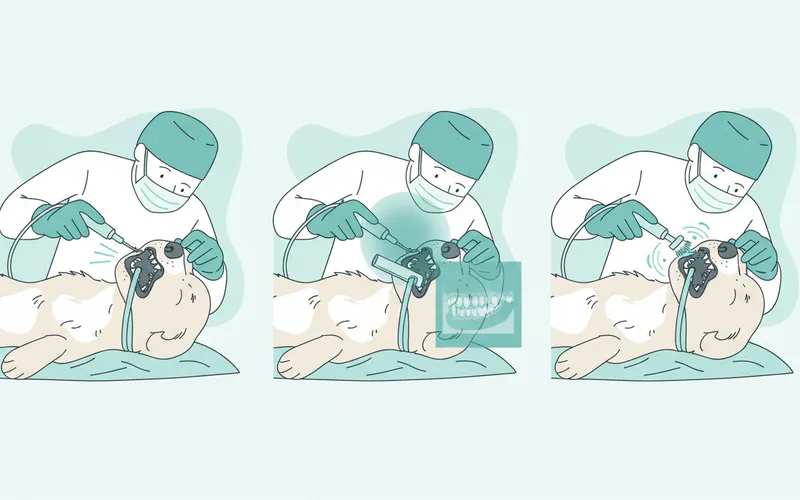
- Dental X-rays: Critical for assessing the health of the tooth roots and supporting bone structure, which are hidden beneath the gum line. Up to 60% of dental disease in dogs is found below the gum line and is only visible on X-rays.
- Scaling: Using ultrasonic and hand scalers to remove plaque and tartar from both above and below the gum line.
- Polishing: Smoothing the tooth surfaces after scaling to remove microscopic scratches where bacteria can easily adhere.
- Fluoride Treatment/Sealants: Applied to strengthen enamel and reduce sensitivity.
- Extractions: If teeth are severely diseased, fractured, or loose, they may need to be extracted to alleviate pain and prevent further infection. This is a surgical procedure.
- Importance of Anesthesia: Anesthesia is often a concern for pet owners, but modern veterinary anesthesia protocols are very safe. The benefits of a thorough cleaning and addressing painful dental disease far outweigh the minimal risks, especially when performed by trained professionals with appropriate monitoring equipment.
- Pros:
- Most effective long-term solution for dental-related bad breath.
- Addresses the root cause of plaque and tartar buildup.
- Pain relief for dogs suffering from dental disease.
- Prevents systemic complications by removing bacterial sources.
- Allows for detection and treatment of hidden disease (via X-rays).
- Cons:
- Requires general anesthesia, which carries a small inherent risk.
- Can be costly (see "Cost of Dog Bad Breath Remedies" section).
- Requires recovery time post-procedure, especially if extractions are performed.
Addressing Underlying Systemic Issues
If the bad breath is not primarily dental in origin, your veterinarian will conduct diagnostics (blood tests, urine tests, imaging) to identify and treat the underlying systemic disease.
- Kidney Disease Treatment: Often involves dietary changes, fluid therapy, medications, and close monitoring.
- Liver Disease Treatment: Depending on the cause, this can include dietary management, specific medications, and supportive care.
- Diabetes Management: Requires insulin therapy, dietary adjustments, and regular monitoring of blood glucose levels.
- Gastrointestinal/Respiratory Treatments: May involve antibiotics, anti-inflammatory drugs, specific diets, or other targeted therapies.
Home Remedies for Dog Bad Breath: A Holistic Approach
While professional veterinary care is paramount for established dental disease, a robust home care routine is the cornerstone of prevention and can significantly improve mild bad breath. When considering how to stop bad breath through home remedies, remember that these are most effective when started early or used as maintenance after a professional cleaning. They typically do not cure advanced dental disease.
Daily Oral Hygiene Practices (Crucial for Prevention & Management)
- Tooth Brushing: This is the single most effective home remedy and preventative measure.
- Step-by-Step:
- Introduce gradually: Start by letting your dog lick pet-specific toothpaste off your finger.
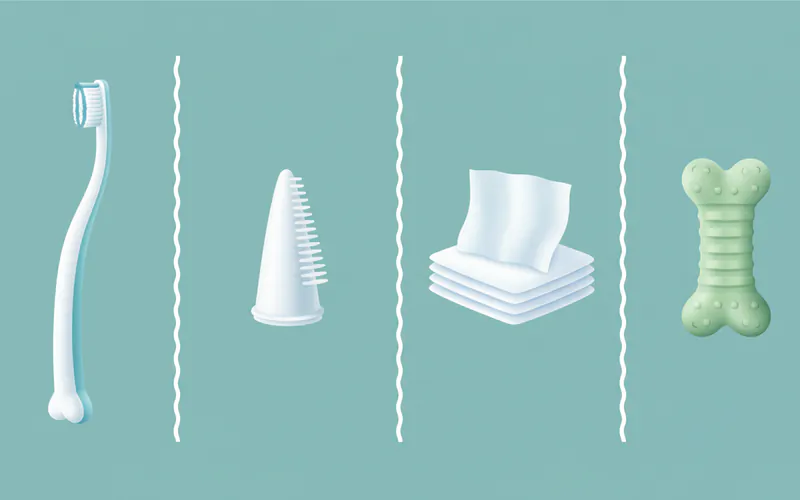
- Finger brush/gauze: Once comfortable, gently rub their teeth and gums with a finger brush or gauze wrapped around your finger, using toothpaste.
- Dog toothbrush: Progress to a soft-bristled dog toothbrush (human toothpaste is toxic to dogs due to xylitol).
- Technique: Brush in small, circular motions, focusing on the outside surfaces of the teeth and the gum line, especially the back molars and canine teeth.
- Frequency: Aim for daily brushing. If daily is not possible, every other day is better than nothing.
- Tools: Use veterinary-approved enzymatic toothpaste (e.g., C.E.T. brand) and a dog-specific toothbrush.
- Frequency: Daily brushing is ideal. Even a few times a week can make a difference.
- Step-by-Step:
- Dental Wipes/Finger Brushes: For dogs that won't tolerate a toothbrush, dental wipes or finger brushes impregnated with cleaning agents can offer some benefit by physically removing plaque from tooth surfaces.
Dietary Interventions
Diet plays a significant role in dental health and breath freshness.
- Dental Diets: Prescription dental diets (e.g., Hill's t/d, Royal Canin Dental) are formulated with specific kibble size, shape, and texture to mechanically scrub teeth as the dog chews. Some also contain ingredients that prevent plaque mineralization.
- Pros: Easy to implement, feeds the dog, clinically proven effectiveness.
- Cons: Can be more expensive than regular kibble, may not be suitable for all dogs (e.g., those with food sensitivities).
- Fresh Food/Raw Food Considerations: Some proponents argue that raw or fresh food diets promote healthier teeth. The theory is that natural chewing on raw meat and bones provides mechanical cleaning.
- Pros: Can provide good nutrition, some dogs enjoy the chewing.
- Cons: Significant risks of bacterial contamination (Salmonella, E. coli), nutritional imbalances if not formulated correctly, and the risk of tooth fractures from raw bones. Always consult your vet before considering a raw diet.
- Avoiding Table Scraps: Human foods often contain sugars and ingredients that contribute to plaque formation and can be harmful to dogs. Stick to a balanced, appropriate canine diet.
Dental Chews and Treats
- VOHC-Approved Products: Look for products approved by the Veterinary Oral Health Council (VOHC). These products have met scientific standards for reducing plaque and/or tartar. Examples include Greenies, OraVet Chews, and Purina DentaLife.
- Types:
- Enzymatic Chews: Contain enzymes that help break down plaque.
- Abrasive Chews: Designed with specific textures and shapes to physically scrape plaque off teeth as the dog chews.
- Safety Considerations: Choose chews appropriate for your dog's size and chewing style. Avoid excessively hard chews (like antlers or real bones) that can fracture teeth. Supervise your dog to prevent choking.
Water Additives & Oral Rinses
These products contain ingredients that reduce bacteria in the mouth or inhibit plaque formation.
- Chlorhexidine-based Products: Antiseptic that kills bacteria. Often found in rinses.
- Zinc-based Products: Zinc ions can neutralize sulfur compounds that cause bad breath and inhibit bacterial growth.
- How They Work: Added to your dog's drinking water or applied directly as a rinse.
- Pros: Easy to use, can offer some antimicrobial benefit.
- Cons: Not a substitute for brushing or professional cleaning, some dogs may refuse treated water due to taste, variable efficacy.
Natural and Holistic Approaches: The "18 Home Remedies for Bad Breath" Deep Dive
While many natural remedies are popular, it's vital to approach them with caution and always discuss them with your veterinarian. They generally offer mild, temporary breath freshening or supportive benefits, but they cannot remove established plaque or treat advanced dental disease.
- Coconut Oil: Known for its antimicrobial properties. A small amount (1/4 to 1 tsp, depending on dog size) can be added to food or applied directly to teeth (if your dog tolerates it).
- Pro Tip: Choose organic, virgin coconut oil. Introduce slowly to avoid stomach upset.
- Fresh Parsley: A natural breath freshener. Finely chop a small amount and mix it into your dog's food.
- Probiotics: A healthy gut microbiome can positively impact overall health, including potentially reducing systemic contributions to bad breath. Choose dog-specific probiotic supplements.
- Apple Cider Vinegar (ACV): Some suggest adding a very small, diluted amount (e.g., 1 tsp per quart of water) to drinking water. Caution is advised: ACV is acidic and can erode enamel if overused or not properly diluted. Most vets recommend against it.
- Carrots and Apple Slices: Crunchy, fibrous vegetables and fruits (in moderation, seeds removed for apples) can provide a mild abrasive action as a healthy treat. They also provide vitamins.
- CBD Oil (Cannabidiol): While not a direct breath remedy, CBD's anti-inflammatory properties might help reduce gum inflammation in some cases, indirectly improving breath. Use only veterinary-specific CBD products and consult your vet due to legal and dosage complexities.
- Peppermint/Spearmint: Small amounts of fresh, crushed leaves added to food may offer temporary breath freshening. Extreme caution is needed as large amounts can be toxic. Avoid essential oils entirely.
- Fish Oil (Omega-3 Fatty Acids): Omega-3s are known for their anti-inflammatory effects, which can support overall gum health. Adding a vet-approved supplement to food might help reduce gum inflammation that contributes to odor.
- Activated Charcoal: This is a strong absorbent, sometimes used in specific cases of toxin ingestion or extreme gut issues causing bad breath. Do NOT use without strict veterinary guidance, as it can interfere with medication absorption and cause other issues.
- Green Tea Extract: Contains antioxidants and polyphenols that may inhibit bacterial growth. Small, diluted amounts can be added to water. Be careful to use decaffeinated varieties and consult your vet as dogs are sensitive to caffeine.
- Bone Broth: High-quality, unsalted bone broth can support gut health and hydration, contributing to overall well-being which might indirectly help breath.
- Certain Herbs (Rosemary, Thyme): Like parsley, small amounts of these herbs can have mild antiseptic properties and breath-freshening effects when added to food. Always check for dog safety and use sparingly.
- Enzymatic Toothpastes: (Reiterated, but worth noting again as a "natural" approach to hygiene) Specifically formulated to break down plaque biochemically. Essential for brushing.
- Proper Hydration: Adequate water intake helps produce saliva, which naturally cleanses the mouth and flushes away food particles and bacteria. Ensure fresh water is always available.
- Regular Exercise: A healthy, active dog typically has a stronger immune system and better overall health, which can contribute to better oral health.
- Professional Dental Toys: Toys specifically designed for dental health (e.g., certain Kong designs with grooves for dental paste, or textured rubber toys) can offer mechanical cleaning.
- Avoiding Raw Bones: While some advocate for raw bones for cleaning, they pose significant risks: tooth fractures (very painful and expensive to fix), choking hazards, and internal injuries. Cooked bones are even more dangerous as they splinter.
- Regular Veterinary Check-ups: The most crucial "remedy" for early detection and prevention. Your vet can spot issues before they become severe.
Pro Tip: Never introduce any new food, supplement, or "natural remedy" to your dog's diet without first consulting your veterinarian. Some substances safe for humans can be toxic to dogs, and even beneficial items need to be dosed correctly.
Comparison Tables
To help you weigh your options, here's a comparison of professional veterinary dental care versus home care, and a look at some common home remedies.
Table 1: Professional vs. Home Care for Dog Bad Breath
| Feature | Professional Dental Cleaning (COHAT) | Home Dental Care (Brushing, Chews, Additives) |
|---|---|---|
| Primary Goal | Treat existing dental disease, remove plaque/tartar, address underlying issues, resolve severe bad breath. | Prevent plaque/tartar buildup, maintain oral hygiene, mildly freshen breath, prevent severe bad breath recurrence. |
| Effectiveness | High for existing disease and significant odor. Only way to remove subgingival tartar and treat infections. | Moderate for mild issues, High for prevention and maintenance after professional cleaning. |
| Cost (US) | $500 - $3,000+ (includes anesthesia, X-rays, scaling, polishing, potential extractions). | $20 - $100 per month (toothpaste, brush, chews, additives). |
| Timeline | One-time procedure (annual/biannual for maintenance). Immediate results for odor. | Ongoing daily/weekly commitment. Gradual improvement, long-term prevention. |
| Pros | Addresses root cause, pain relief, prevents systemic disease, thorough assessment, often curative. | Cost-effective for prevention, convenient, strengthens bond with pet, reduces frequency of professional cleanings. |
| Cons | Anesthesia risk, higher upfront cost, requires veterinary visit. | Does not treat established disease, requires owner compliance, limited effectiveness against severe issues. |
| Recommendation | Essential for any signs of dental disease or persistent bad breath. | Crucial for daily maintenance and prevention, but not a substitute for professional care. |
Table 2: Common Home Remedies for Dog Bad Breath (Effectiveness for Odor)
| Home Remedy | Ease of Use | Estimated Monthly Cost | Efficacy for Odor (Severity dependent) | Notes |
|---|---|---|---|---|
| Daily Brushing | Moderate-High | $10-$30 (initial) | High (for plaque removal) | Gold standard for home care. Requires dog training and consistency. Most effective for preventing plaque, less for existing tartar. |
| Dental Chews (VOHC) | High | $10-$50 | Moderate-High | Convenient. Look for VOHC seal. Supplement, not replacement for brushing. Choose appropriate size/hardness. |
| Water Additives | High | $15-$40 | Low-Moderate | Easiest method. Some dogs may refuse treated water. Offers minor bacterial reduction, not plaque removal. |
| Dental Diets | High | $40-$100+ | Moderate-High | Specific kibble design for mechanical abrasion. Can be primary food source. Check with vet for suitability. |
| Parsley (fresh) | High | ~$5 | Low (temporary masking) | Natural breath freshener. Masks odor; does not address cause. |
| Coconut Oil | Moderate | $10-$20 | Low (mild antimicrobial) | Some antimicrobial properties. Can be added to food or applied. Use small amounts, introduce gradually due to fat content. Does not remove plaque. |
| Carrots/Apples | High | ~$5-10 | Low (minor abrasion) | Healthy, crunchy treats. Offer very minimal mechanical cleaning. Do not rely on for primary dental care. Remove apple seeds. |
| Probiotics | High | $15-$40 | Low (indirect gut health) | Indirect benefit through gut health. No direct impact on oral plaque. |
| Apple Cider Vinegar | Moderate (diluted) | ~$5 (bottle lasts) | Very Low (potential risk) | Highly controversial. Acidity can damage enamel. Most vets advise against it. Not recommended without vet explicit approval. |
Step-by-Step: What to Expect During a Professional Dental Cleaning
Understanding the process of a Comprehensive Oral Health Assessment and Treatment (COHAT) can ease your mind and help you prepare for your dog's procedure, which is often the most effective dog bad breath remedy.
- Pre-Anesthetic Consultation and Bloodwork (Days/Weeks Before):
- Your veterinarian will discuss the procedure, potential risks, and costs.
- Blood tests, and sometimes urinalysis or other diagnostics, are performed to assess your dog's organ function and ensure they can safely metabolize anesthetic agents. This is crucial for minimizing risks.
- Morning of the Procedure (Arrival at Clinic):
- Your dog will need to fast for 8-12 hours before the procedure (no food after midnight, water typically until morning).
- A veterinary technician will admit your dog, confirm the procedure, and review consent forms.
- Anesthesia Induction and Monitoring:
- An intravenous (IV) catheter is placed for administering fluids and medications.
- Sedatives and pain medications are often given to help your dog relax before general anesthesia.
- Anesthetic drugs are administered, and an endotracheal tube is placed to deliver anesthetic gas and oxygen, protecting the airway.
- Throughout the procedure, a dedicated veterinary technician continuously monitors vital signs (heart rate, respiration, blood pressure, oxygen saturation, temperature) using specialized equipment.
- Oral Examination and Dental X-rays:
- Once your dog is under anesthesia, a thorough oral examination is performed. This allows for a detailed inspection of every tooth, the gums, and the entire oral cavity, which is impossible in a conscious pet.
- Full-mouth dental X-rays are taken to assess the health of the tooth roots and underlying bone structures. This step is critical, as much of the significant dental disease (e.g., abscesses, bone loss) occurs below the gum line.
- Scaling and Root Planing:
- An ultrasonic scaler is used to remove large deposits of plaque and tartar from the tooth surfaces, both above and below the gum line.
- Hand scalers are then used for more precise removal of smaller calculus deposits and for root planing, which smooths the root surface below the gum line to reduce bacterial reattachment.
- Polishing:
- After scaling, a slow-speed dental handpiece with a polishing paste is used to smooth the tooth surfaces. This removes microscopic scratches created during scaling, making it harder for plaque to adhere again.
- Fluoride Treatment/Sealants (Optional):
- A fluoride treatment may be applied to strengthen enamel and reduce tooth sensitivity. Dental sealants may also be applied to protect vulnerable tooth surfaces.
- Extractions (If Necessary):
- If X-rays or the oral exam reveal severely diseased, fractured, or loose teeth that cannot be saved, surgical extractions will be performed. This involves carefully removing the tooth and often suturing the gum tissue over the extraction site.
- Pain medication is administered before, during, and after this process.
- Recovery:
- After the procedure, anesthetic gas is turned off, and your dog is slowly woken up.
- They are kept warm and continuously monitored by the veterinary team until fully recovered from anesthesia.
- Pain medication and antibiotics (if extractions or severe infection were present) are administered.
Cost of Dog Bad Breath Remedies
The cost of addressing dog bad breath can vary significantly depending on the severity of the issue, the type of remedy chosen, your geographic location within the US, and the specific veterinary clinic.

Professional Dental Cleaning (COHAT)
This is the most substantial expense but often the most necessary and effective dog bad breath remedy.
- Average US Costs: Typically range from $500 to $3,000+.
- Low End ($500-$800): May apply to young dogs with minimal plaque, no extractions, and in regions with lower veterinary costs. This usually covers anesthesia, basic cleaning, and perhaps a few X-rays.
- Mid-Range ($800-$1,500): Most common for dogs with moderate dental disease, requiring full-mouth X-rays, extensive scaling, and potentially one or two simple extractions.
- High End ($1,500-$3,000+): For older dogs, those with severe periodontal disease, multiple extractions (especially complex surgical extractions), advanced pain management, or referral to a veterinary dental specialist. Costs can exceed $5,000 for highly specialized procedures.
- Factors Influencing Cost:
- Severity of Dental Disease: The more plaque, tartar, gum inflammation, and bone loss, the longer the procedure and the higher the cost.
- Age and Health of the Dog: Older dogs or those with pre-existing health conditions (e.g., heart murmur, kidney issues) may require more intensive anesthetic monitoring and specialized protocols, increasing costs.
- Location: Veterinary costs vary significantly by region (e.g., major metropolitan areas often have higher prices than rural areas).
- Included Services: Some clinics offer "all-inclusive" pricing, while others itemize every service (anesthesia, X-rays, scaling, polishing, medications, extractions). Always ask for a detailed estimate.
- Extractions: Each tooth extraction adds to the cost, ranging from $50-$200 for simple extractions to $300-$1,000+ for complex surgical extractions (e.g., multi-rooted teeth, fractured teeth requiring bone removal and sutures).
Home Care Products
These are ongoing, less expensive costs designed for prevention and maintenance.
- Toothbrushes and Toothpaste: Initial cost of $10-$30 for a starter kit. Replacements are infrequent.
- Dental Chews: $10-$50 per month, depending on brand, size, and quantity.
- Water Additives/Oral Rinses: $15-$40 per month, depending on product and dosage.
- Dental Diets: Often $40-$100+ per month, usually replacing your dog's regular kibble.
Pet Insurance and Financing Options
- Pet Insurance:
- Coverage: Most standard accident-and-illness policies do not cover routine dental cleanings unless a wellness plan add-on is purchased. They will typically cover dental treatments due to accidents (e.g., broken tooth from trauma) or illnesses (e.g., advanced periodontal disease requiring extractions if the policy has coverage for illness-related dental care).
- Wellness Plans: Many pet insurance providers offer optional wellness plans that specifically include a contribution towards routine dental cleanings.
- Deductibles and Reimbursement: Be aware of deductibles, annual limits, and reimbursement percentages. There are often waiting periods for dental conditions (e.g., 6-12 months).
- Payment Plans and Financing:
- CareCredit: A popular healthcare credit card that offers promotional financing options (e.g., 0% interest for a set period) for veterinary care.
- Veterinary Clinic Payment Plans: Some clinics offer in-house payment plans, but this is less common for large, unexpected bills.
- Emergency Funds/Savings: The best approach is to budget for potential veterinary expenses, including dental care.
Cost-Saving Tips
- Preventative Care: Regular daily brushing and appropriate dental products can significantly reduce the frequency and cost of professional cleanings. "An ounce of prevention is worth a pound of cure."
- Early Intervention: Addressing bad breath and minor dental issues early can prevent progression to severe, painful, and costly periodontal disease requiring multiple extractions.
- Shop Around (for Routine Care): While you shouldn't choose a vet based solely on price, it's reasonable to compare costs for routine cleanings between reputable clinics in your area.
- Wellness Plans: If your vet offers a wellness plan that includes a dental cleaning, this can be a good way to budget for the annual expense.
Recovery and Aftercare After Professional Cleaning
After your dog has undergone a professional dental cleaning, particularly if extractions were performed, proper aftercare is crucial for a smooth recovery and to maintain the results of the dog bad breath remedy.
- Post-Anesthesia Care (First 24-48 hours):
- Your dog may be drowsy, wobbly, or disoriented for several hours after returning home.
- Keep them in a quiet, warm, comfortable place.
- Offer small amounts of water initially.
- Follow your vet's instructions regarding feeding; often soft food is recommended for a few days, especially after extractions.
- Monitor for any excessive bleeding from the mouth, persistent vomiting, or extreme lethargy, and contact your vet if concerned.
- Medication Administration:
- Your vet will likely prescribe pain medication (e.g., NSAIDs, opioids) to manage discomfort, especially after extractions. Administer these exactly as directed.
- Antibiotics may be prescribed if there was significant infection or extractions were performed. Complete the full course of antibiotics, even if your dog seems better.
- Dietary Modifications:
- For several days to a week (or longer after extensive extractions), feed soft food (canned food, moistened kibble, or a veterinary dental recovery diet).
- Avoid hard kibble, crunchy treats, or chew toys until your vet gives the all-clear, as these can irritate surgical sites or delay healing.
- Resumption of Home Dental Care:
- Wait a few days to a week after the procedure before resuming tooth brushing, especially if extractions were done. Your vet will advise when it's safe to restart.
- Gradually reintroduce dental chews and water additives once the mouth has healed.
- Follow-Up Appointments:
- A follow-up visit (often within 1-2 weeks) may be scheduled to check healing, especially after extractions, and to ensure your dog is comfortable.
- Maintaining Oral Health Long-Term:
- The cleaning is a fresh start. To prevent bad breath and dental disease from returning, commit to a consistent home dental care routine, including daily brushing.
- Schedule annual or biannual veterinary dental check-ups to monitor oral health.
Prevention is Key: Stopping Bad Breath Before It Starts
The most effective dog bad breath remedy is often prevention. By implementing a proactive oral hygiene regimen, you can significantly reduce the likelihood of your dog developing dental disease and the associated foul breath.
- Daily Tooth Brushing: This remains the single most effective preventive measure. Aim for daily brushing using pet-specific toothpaste and a soft-bristled toothbrush. Consistency is more important than perfection.
- Regular Veterinary Dental Check-ups:
- Annual Exams: Your veterinarian should examine your dog's teeth and gums during their annual physical exam.
- Early Intervention: These check-ups allow for early detection of plaque, tartar, gingivitis, or other issues before they become severe and require extensive (and expensive) treatment.
- Professional Cleanings: Your vet will recommend a professional cleaning under anesthesia when necessary, typically annually or every few years, depending on your dog's breed, age, and individual dental health.
- Dental-Specific Diets and Chews:
- VOHC-Approved Products: Incorporate VOHC-accepted dental diets and treats into your dog's routine. These are scientifically formulated and proven to help reduce plaque and tartar buildup.
- Appropriate Chews: Provide safe, dental-friendly chew toys that encourage chewing activity and help scrape plaque off teeth. Avoid hard items that can break teeth.
- High-Quality Nutrition: A balanced, high-quality diet supports overall health, including immune function, which plays a role in resisting oral infections.
- Fresh Water Access: Ensure your dog always has access to fresh, clean water. Good hydration helps maintain saliva production, which naturally cleanses the mouth.
- Avoid Inappropriate Chewing Items: Prevent your dog from chewing on hard objects like rocks, metal, antlers, or cooked bones, as these are common causes of tooth fractures.
- Monitor Your Dog's Mouth: Periodically (e.g., weekly) lift your dog's lips and visually inspect their teeth and gums for any signs of redness, swelling, tartar buildup, or foreign objects. The earlier you spot an issue, the sooner you can address it.
Risks and Complications
Neglecting a dog's bad breath and the underlying dental disease it signals carries significant risks and can lead to severe complications, impacting not just oral health but overall systemic well-being.
- Untreated Dental Disease:
- Severe Pain: Periodontal disease is excruciating, leading to chronic pain that dogs often hide, making them irritable, withdrawn, or unwilling to eat.
- Tooth Loss: Untreated disease leads to irreversible bone loss around teeth, causing them to loosen and eventually fall out or require extraction.
- Oral Infections: Infections in the gums, tooth roots (abscesses), and bone can spread, causing facial swelling, pus discharge, and even jawbone osteomyelitis (bone infection).
- Systemic Organ Damage: The constant influx of bacteria from a diseased mouth into the bloodstream can affect distant organs. Studies have linked periodontal disease to:
- Heart Disease: Bacteria can attach to heart valves, leading to infective endocarditis.
- Kidney Disease: Chronic bacterial exposure can damage kidney tissues.
- Liver Disease: The liver can also be affected by systemic inflammation and bacterial toxins.
- Diabetes Management: Oral inflammation can make it harder to control blood sugar levels in diabetic dogs.
- Complications from Professional Cleaning (Rare but Possible):
- Anesthesia Risks: While modern veterinary anesthesia is very safe, there's always a small inherent risk, especially for older or compromised pets. This is why pre-anesthetic bloodwork and careful monitoring are crucial.
- Post-Procedure Pain/Discomfort: Manageable with prescribed pain medication.
- Bleeding/Swelling: Minor bleeding or swelling after extractions is normal; excessive amounts warrant vet contact.
- Infection: Though antibiotics are often given, infection can sometimes occur at extraction sites.
- Risks of Improper Home Remedies:
- Toxicity: Using human toothpastes (contain xylitol), essential oils, or other substances not specifically formulated and approved for dogs can be toxic and lead to serious illness.
- Injury: Using hard chews, inappropriate bones, or aggressively brushing can cause tooth fractures, gum lacerations, or other oral trauma.
- Delaying Proper Treatment: Relying solely on ineffective home remedies for significant dental disease allows the underlying problem to worsen, leading to more pain and expensive treatments down the line.
Frequently Asked Questions
Is dog bad breath normal?
No, persistent or very strong bad breath is not normal. While a faint "doggy smell" might be present, truly foul breath, known as halitosis, is almost always a sign of an underlying health problem, most commonly dental disease. It warrants investigation by a veterinarian.
Can dog bad breath harm humans?
While your dog's bad breath itself isn't directly harmful, the bacteria causing it can be. Zoonotic diseases (diseases transferable from animals to humans) are rare from casual contact, but bacteria from a dog's mouth can theoretically transfer. More importantly, the bacteria and inflammation within your dog's mouth can significantly impact their health, which in turn affects their quality of life with you.
How often should I brush my dog's teeth?
Ideally, you should brush your dog's teeth daily. This is the most effective home care method for removing plaque before it hardens into tartar. If daily isn't feasible, aiming for at least 3-4 times a week can still provide significant benefits. Consistency is key to preventing plaque buildup.
Are dental chews really effective?
Yes, certain dental chews are effective, but you must choose them wisely. Look for products with the VOHC (Veterinary Oral Health Council) seal of acceptance, which indicates they have met scientific standards for reducing plaque and/or tartar. They are a helpful supplement to brushing, not a replacement.
What are the signs my dog needs a professional dental cleaning?
Beyond bad breath, look for red, swollen, or bleeding gums, visible tartar (yellow/brown buildup), loose or missing teeth, excessive drooling, difficulty eating, pawing at the mouth, or changes in behavior like irritability or lethargy. Any of these signs indicate a need for a veterinary dental assessment.
Is anesthesia safe for dog dental cleanings?
Modern veterinary anesthesia protocols are very safe, especially when pre-anesthetic bloodwork is performed, and trained veterinary staff continuously monitor vital signs. The benefits of a thorough dental cleaning to alleviate pain and prevent systemic disease typically far outweigh the minimal risks associated with anesthesia.
How much does a dog dental cleaning cost?
The cost for a professional dental cleaning in the US typically ranges from $500 to $3,000 or more, depending on the dog's size, the severity of dental disease, the need for X-rays and extractions, and your geographic location. This includes anesthesia, scaling, polishing, and monitoring.
Can diet alone cure bad breath?
Diet alone cannot cure severe dental disease or eliminate established plaque and tartar. However, a high-quality dental-specific diet (especially VOHC-accepted ones) can help prevent plaque accumulation and mildly improve breath. It is a component of a comprehensive oral care strategy, not a standalone cure.
What if my dog won't let me brush their teeth?
Start slowly and make it a positive experience with treats and praise. Begin by just handling their muzzle, then let them lick pet-specific toothpaste, gradually introducing a finger brush or soft toothbrush. If resistance continues, consult your vet for alternative home care solutions like dental wipes, water additives, or dental diets, but acknowledge brushing is still the most effective.
Are raw bones good for dog teeth?
Many veterinarians advise against feeding raw bones due to significant risks. They can cause tooth fractures (which are very painful and expensive to treat), choking hazards, and internal injuries. While some argue for their abrasive action, the risks often outweigh the benefits. Stick to vet-approved dental chews for safer oral hygiene.
When to See a Veterinarian
While home care plays a vital role in preventing and managing mild bad breath, it's crucial to know when professional veterinary attention is needed. Do not delay seeing your veterinarian if you observe any of the following:
- Persistent or Worsening Bad Breath: If your dog's breath remains foul despite consistent home care, or if it suddenly becomes significantly worse, it's a strong indicator of underlying issues that require veterinary diagnosis and treatment.
- Visible Signs of Dental Disease:
- Red, swollen, or bleeding gums (gingivitis).
- Significant yellow or brown tartar buildup on the teeth.
- Loose, broken, or missing teeth.
- Pus or discharge from the gums or around teeth.
- Changes in Eating Habits:
- Reluctance to eat, especially hard food or chews.
- Dropping food from the mouth.
- Chewing on one side of the mouth.
- Pawing at the mouth or rubbing the face excessively.
- Weight loss due to difficulty eating.
- Behavioral Changes:
- Increased irritability or aggression when touched around the mouth.
- Lethargy or withdrawn behavior.
- Unusual drooling, especially if it's bloody.
- Signs of Systemic Illness:
- Unusual breath odors (e.g., sweet/fruity, ammonia-like, musty) that might indicate diabetes, kidney disease, or liver disease.
- Vomiting, diarrhea, or changes in thirst/urination.
- Swelling on the face, under the eye, or around the jaw.
Red Flags vs. Routine Care: While annual check-ups are routine for dental health, the signs listed above are red flags that warrant a scheduled appointment as soon as possible. Emergency attention is required for acute symptoms like severe facial swelling, inability to eat, uncontrolled bleeding from the mouth, or sudden, severe lethargy, as these could indicate a rapidly progressing infection or systemic crisis.
Your veterinarian is the only one who can accurately diagnose the cause of your dog's bad breath and recommend the most effective and safest dog bad breath remedy. Early intervention can prevent pain, save teeth, and safeguard your beloved companion's overall health.
Frequently Asked Questions
Medically Reviewed Content
This article was written by our dental health editorial team and reviewed for medical accuracy. Our content follows strict editorial guidelines for reliability and trustworthiness.
Medical Disclaimer
This article is for informational purposes only and does not constitute medical advice. Always consult with a qualified dental professional for diagnosis and treatment. Do not delay seeking professional advice because of something you read on this website.
Related Articles
What Cause Bad Breath
For many, a quick mint or a swig of mouthwash is the go-to solution for an unpleasant taste or odor in the mouth. But what if that bad breath, medically known as halitosis, is a persistent problem that no amount of peppermint can conquer? It’s a far more common issue than you might think, affecting
February 23, 2026
Dogs Bad Breath: Complete Guide
One whiff is all it takes: that distinctly unpleasant odor emanating from your beloved canine companion. If you've ever wondered, "Why does my dog's breath smell so bad?" you're not alone. It's a common concern among pet owners, with over 80% of dogs showing signs of oral disease by age three. W
February 23, 2026
Sudden Bad Breath in Toddlers: Complete Guide
When your toddler, who usually smells sweet and innocent, suddenly develops an unpleasant odor in their breath, it can be an alarming experience for any parent. Sudden bad breath in toddlers, also known as halitosis, is more common than you might think, affecting a significant number of young ch
February 23, 2026
Mouth Wash for Bad Breath: Complete Guide
Bad breath, medically known as halitosis, is an incredibly common and often embarrassing condition that affects a significant portion of the global population. In the United States alone, more than 80 million people suffer from chronic bad breath, impacting social interactions, professional conf
February 23, 2026