How Much Does a Fake Tooth Cost
Key Takeaways
- Losing a tooth can be a jarring experience, impacting not just your smile but also your ability to chew, speak clearly, and maintain overall oral health. In fact, over 178 million Americans are missing at least one tooth, and about 40 million are missing all their teeth, according to the America
Losing a tooth can be a jarring experience, impacting not just your smile but also your ability to chew, speak clearly, and maintain overall oral health. In fact, over 178 million Americans are missing at least one tooth, and about 40 million are missing all their teeth, according to the American College of Prosthodontists. When facing tooth loss, one of the most pressing questions often on people's minds is: how much does a fake tooth cost? This isn't a simple question with a single answer, as the cost can vary dramatically depending on the type of prosthetic tooth, the complexity of your case, the materials used, your geographic location, and your dental insurance coverage.
Replacing a missing tooth isn't just about aesthetics; it's a crucial step in preventing further oral health complications. A gap left by a missing tooth can lead to surrounding teeth shifting, changes in your bite, difficulty eating certain foods, speech impediments, and even bone loss in your jaw. Understanding the various options available, their associated costs, and what to expect during the process is vital for making an informed decision about restoring your smile and health. This comprehensive guide will break down the different types of fake teeth, their costs, the treatment processes, insurance considerations, and much more, helping you navigate the journey to a complete and healthy smile.
Key Takeaways:
- Cost Varies Widely: A fake tooth can range from a few hundred dollars for a temporary partial denture to over $6,000 for a single dental implant with a crown.
- Main Options: The primary options are dental implants (most durable, highest cost), dental bridges (fixed, moderate cost), and dentures (removable, most affordable).
- Dental Implants: Typically $3,000 - $6,000 per tooth (implant post, abutment, crown), offering a long-term solution that preserves bone.
- Dental Bridges: Range from $2,000 - $5,000 for a 3-unit bridge (replacing one tooth), requiring support from adjacent teeth.
- Dentures: Partial dentures average $600 - $2,500, while full dentures can be $1,500 - $8,000 per arch, depending on materials and customization.
- Insurance Coverage: Many dental insurance plans offer some coverage for bridges and dentures, but implants are often considered "major restorative" and may have limited or no coverage, or be covered under medical plans if deemed medically necessary.
- Factors Affecting Cost: These include the type of prosthetic, materials, geographic location, preparatory procedures (e.g., bone grafting, extractions), and the dentist's fees.
What is a Fake Tooth? An Overview of Dental Prosthetics
In dentistry, a "fake tooth" is more formally known as a dental prosthetic or a prosthetic dental restoration. Its purpose is to replace one or more missing natural teeth, restoring both the aesthetic appearance and the functional capabilities of your mouth. These prosthetics are custom-made to mimic the look and feel of natural teeth, allowing you to chew food properly, speak clearly, and maintain the structural integrity of your jaw and existing teeth.
The need for a fake tooth goes beyond cosmetic concerns. When a tooth is lost, the surrounding teeth can begin to drift into the empty space, leading to misalignment, bite problems (malocclusion), and increased risk of decay or gum disease due to difficulty cleaning. Furthermore, the jawbone in the area of the missing tooth can begin to resorb, or shrink, over time due to lack of stimulation. A fake tooth, especially a dental implant, helps to prevent these detrimental effects, preserving your oral health for years to come.
Why You Might Need a Fake Tooth: Causes of Tooth Loss
Tooth loss is a widespread issue with various underlying causes. Understanding why you might need a fake tooth can help you address potential issues early or understand the necessity of replacement.
a. Severe Tooth Decay (Cavities)
Untreated cavities can progress deep into the tooth, infecting the pulp (the nerve and blood vessels inside the tooth). If the infection is too severe to be resolved with a root canal and a crown, or if the tooth structure is too compromised, extraction becomes necessary.
b. Periodontal (Gum) Disease
This is the leading cause of tooth loss in adults. Periodontal disease is an infection of the gums and supporting bone structures around the teeth. If left untreated, it can destroy the bone and ligaments that hold teeth in place, leading to loosening and eventual loss of teeth.
c. Trauma or Injury
Accidents, sports injuries, or falls can result in teeth being knocked out (avulsed) or severely fractured beyond repair. This is especially common in children and young adults.
d. Congenital Conditions
Some individuals are born with congenitally missing teeth (hypodontia), meaning certain permanent teeth never developed. This often requires prosthetic replacement to complete their dentition.
e. Failed Dental Treatments
Occasionally, a root canal, filling, or crown may fail, leading to reinfection or irreversible damage that necessitates tooth extraction.
f. Extreme Wear and Tear
Over a lifetime, factors like severe grinding (bruxism), acid erosion, or a highly acidic diet can wear down teeth to a point where they can no longer function effectively and may need to be replaced.
g. Other Medical Conditions
Certain systemic diseases or medications can impact oral health, making teeth more susceptible to decay or gum disease, potentially leading to tooth loss.
The Many Faces of a Fake Tooth: Types and Variations
The term "fake tooth" encompasses several distinct prosthetic options, each with its own structure, advantages, disadvantages, cost, and treatment process. The choice of which type is best for you will depend on factors such as the number of missing teeth, the condition of your remaining teeth and jawbone, your overall health, and your budget.
1. Dental Implants
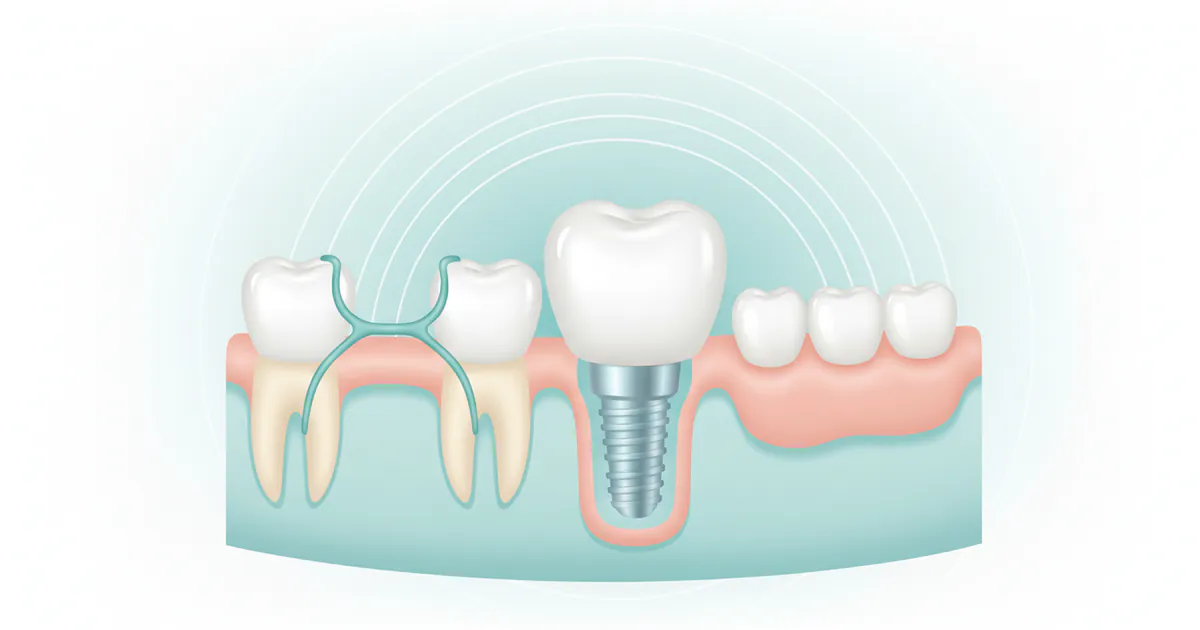
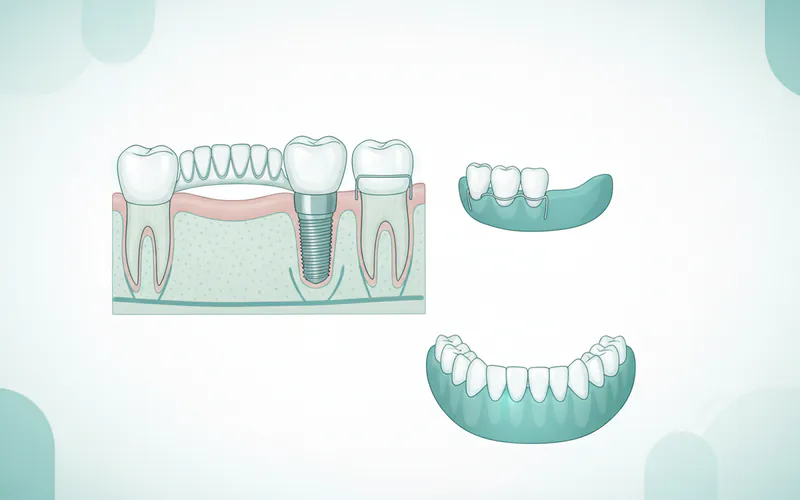
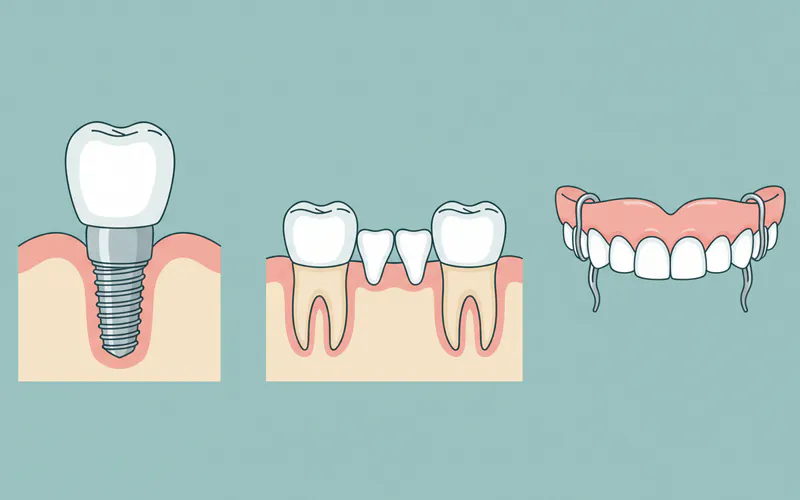
What It Is: A dental implant is considered the gold standard for replacing a single missing tooth or multiple teeth. It consists of three main parts:
- The Implant Post (Fixture): A small, screw-shaped post, usually made of titanium, that is surgically placed into the jawbone. It acts as an artificial tooth root.
- The Abutment: A connector piece that attaches to the implant post and extends above the gum line.
- The Dental Crown: The custom-made, tooth-shaped cap that is cemented or screwed onto the abutment, mimicking the visible part of a natural tooth. Crowns are typically made of porcelain, ceramic, or a combination of materials.
Pros:
- Highly Durable and Long-Lasting: With proper care, implants can last a lifetime.
- Preserves Jawbone: Stimulates the jawbone, preventing bone loss (resorption) that occurs after tooth loss.
- Looks and Feels Natural: Blends seamlessly with natural teeth.
- Doesn't Affect Adjacent Teeth: Unlike bridges, implants do not require altering healthy neighboring teeth.
- Improved Chewing and Speech: Offers stability comparable to natural teeth.
Cons:
- Higher Initial Cost: Generally the most expensive option.
- Requires Surgery: Involves a surgical procedure for placement.
- Longer Treatment Time: Osseointegration (the process of the implant fusing with the bone) can take several months.
- Not Suitable for Everyone: Requires sufficient bone density and good general health.
- Potential for Complications: Though rare, infection, nerve damage, or implant failure can occur.
Variations of Implants:
- Single Tooth Implant: Replaces one missing tooth.
- Multiple Implants: Used to support an implant-supported bridge or denture for several missing teeth or a full arch.
- All-on-4®/All-on-6®: A technique where a full arch of teeth is supported by only four or six strategically placed implants.
2. Dental Bridges
What It Is: A dental bridge literally "bridges the gap" created by one or more missing teeth. It consists of one or more artificial teeth (pontics) that are held in place by dental crowns cemented onto the natural teeth (abutment teeth) on either side of the gap.
Types of Dental Bridges:
- Traditional Bridge: The most common type. Involves preparing (shaping and reducing) the natural teeth adjacent to the gap to serve as anchors for the crowns.
- Cantilever Bridge: Used when there is only one natural tooth adjacent to the gap. The pontic is supported by crowns on only one side. Less common and generally not recommended for back teeth due to increased stress.
- Maryland Bonded Bridge (Resin-Bonded Bridge): Consists of a pontic with metal or porcelain "wings" on either side. These wings are bonded to the back surface of the adjacent teeth without significant enamel removal. Often used for front teeth, or as a temporary solution.
Pros:
- Faster Treatment Time: Typically completed in 2-3 appointments over a few weeks.
- More Affordable than Implants: Generally less expensive than dental implants.
- Restores Function and Aesthetics: Effectively fills the gap, allowing for better chewing and speech.
Cons:
- Requires Altering Healthy Teeth: Traditional bridges necessitate grinding down adjacent healthy teeth, which can make them more vulnerable to decay or sensitivity.
- Doesn't Prevent Bone Loss: Does not stimulate the jawbone beneath the missing tooth, leading to potential bone resorption over time.
- Less Durable than Implants: Typically last 5-15 years, requiring eventual replacement.
- Cleaning Challenges: Can be harder to clean underneath the pontic, increasing the risk of gum disease or decay in abutment teeth.
3. Dentures
What It Is: Dentures are removable appliances designed to replace multiple missing teeth or an entire arch of teeth. They are custom-made to fit comfortably over your gums and can be made from acrylic resin, metal, or a combination.
Types of Dentures:
- Partial Dentures (Removable Partial Denture - RPD): Used when some natural teeth remain. They consist of replacement teeth attached to a gum-colored base, often with metal clasps or precision attachments that connect to your existing teeth for stability.
- Complete Dentures (Full Dentures): Used when all teeth in an arch (upper or lower, or both) are missing. They rest directly on your gums.
- Conventional Dentures: Made after all remaining teeth are extracted and the gum tissues have healed (which can take several months).
- Immediate Dentures: Fabricated in advance and placed immediately after tooth extraction. They serve as a temporary solution during the healing period but typically require relining or replacement as the gums and bone change shape.
- Overdentures: A type of complete or partial denture that fits over a few remaining natural teeth or dental implants. The remaining teeth or implants provide stability and help preserve the jawbone.
Pros:
- Most Affordable Option: Generally the least expensive way to replace multiple missing teeth.
- Non-Invasive (for traditional dentures): Does not require surgery.
- Faster Fabrication: Can be made relatively quickly compared to implants.
- Restores Appearance: Significantly improves the smile and facial aesthetics.
Cons:
- Less Stable and Secure: Can slip or shift, especially full dentures, affecting chewing and speech.
- May Not Feel as Natural: Can take time to adjust to, and some people find them bulky.
- Requires Daily Removal and Cleaning: Must be taken out for cleaning and often at night.
- Doesn't Prevent Bone Loss: The jawbone beneath the denture will continue to resorb over time, leading to changes in fit and the need for relines or replacements.
- Can Cause Gum Irritation: Poorly fitting dentures can lead to sores or irritation.
- Dietary Restrictions: Some foods may be difficult or impossible to eat.
The Journey to a New Smile: Step-by-Step Processes
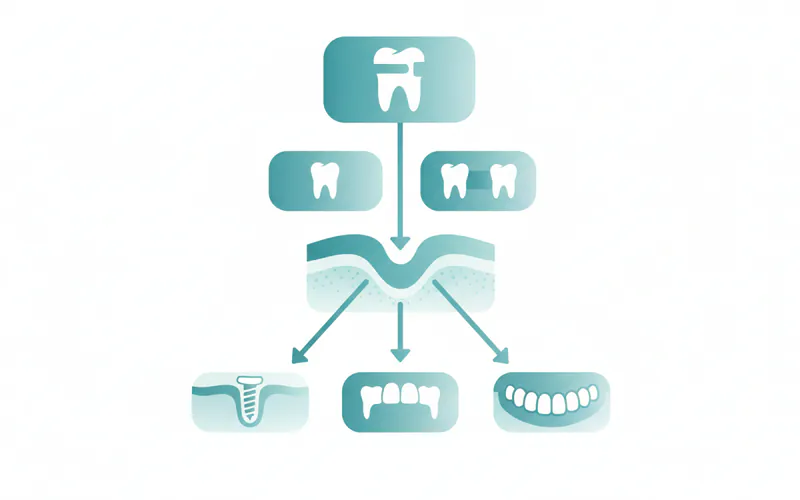
Each type of fake tooth involves a distinct treatment process. Here's a general overview of what you can expect:
A. Dental Implant Process
- Initial Consultation & Planning: The dentist performs a thorough examination, including X-rays and 3D scans (CBCT), to assess bone quality, quantity, and overall oral health. A personalized treatment plan is developed.
- Tooth Extraction (if necessary): If the damaged tooth is still present, it will be extracted.
- Bone Grafting (if necessary): If there isn't sufficient jawbone, a bone graft may be performed. This adds cost and several months to the overall treatment time for healing.
- Implant Placement Surgery: The titanium implant post is surgically placed into the jawbone. This is usually done under local anesthesia, sometimes with sedation.
- Healing Period (Osseointegration): The implant fuses with the jawbone over 3-6 months. During this time, a temporary prosthetic might be worn.
- Abutment Placement (Optional Second Surgery): In some cases, a small second surgery is needed to attach the abutment to the implant. Modern implants often have the abutment integrated or placed at the same time as the implant post.
- Crown Fabrication and Placement: Once healing is complete, impressions are taken of your mouth. A custom crown is fabricated in a dental lab to match your natural teeth. The crown is then attached to the abutment.
Pro Tip: Choose an experienced oral surgeon, periodontist, or general dentist with extensive implant training for predictable outcomes.
B. Dental Bridge Process
- Initial Consultation & Preparation: The dentist examines your teeth and gums, takes X-rays, and discusses the best type of bridge. If a traditional bridge is chosen, the adjacent abutment teeth are reshaped by removing some enamel to accommodate the crowns.
- Impressions: Detailed impressions (or digital scans) of your prepared teeth are taken. These are sent to a dental lab to custom-fabricate your bridge.
- Temporary Bridge Placement: A temporary bridge is usually placed to protect the prepared teeth and maintain aesthetics while your permanent bridge is being made.
- Permanent Bridge Placement: Once the custom bridge arrives from the lab (typically 2-3 weeks), the temporary bridge is removed, and the permanent bridge is carefully fitted, checked for bite and comfort, and then permanently cemented onto the abutment teeth.
C. Denture Process
- Initial Consultation & Impressions: The dentist examines your mouth and takes preliminary impressions.
- Extractions (if necessary): Any remaining teeth that need to be removed will be extracted.
- Wax Bite & Try-in (for custom fit): For complete dentures, a wax model of your new teeth is created and tried in your mouth to ensure proper fit, bite, and aesthetics before the final denture is made. For partials, a metal framework might be tried in first.
- Final Denture Delivery: Once the custom denture is ready, it's adjusted for comfort and fit. The dentist will provide instructions on care, cleaning, and adaptation.
- Adjustments: Several follow-up appointments may be needed for adjustments as your mouth adapts to the new denture.
How Much Does a Fake Tooth Cost? A Detailed US Price Breakdown
This is the central question, and the answer is complex due to the many variables involved. The costs provided here are national averages and can fluctuate significantly based on your geographic location (major metropolitan areas tend to be more expensive), the dentist's experience, the materials used, and the complexity of your case.
A. Cost of Dental Implants
A single dental implant is typically the most expensive option, but it offers the best long-term value and preserves jawbone health. The cost usually covers the implant post, the abutment, and the dental crown.
-
Single Dental Implant (post, abutment, crown):
- Low End: $3,000 - $4,500
- Mid-Range: $4,500 - $6,000
- High End: $6,000 - $7,500+ (for complex cases, premium materials, or specialist fees)
-
Additional Procedures (often necessary and add to the total cost):
- Tooth Extraction: $75 - $300 per tooth (simple extraction), $150 - $650 per tooth (surgical extraction)
- Bone Grafting: $200 - $1,200 per site (minor graft), $2,000 - $3,000+ (major graft for extensive bone loss)
- Sinus Lift: $1,500 - $2,500+ (for upper jaw implants where the sinus floor needs to be elevated)
- Temporary Crown/Partial: $300 - $700 (worn during healing)
-
All-on-4® / All-on-6® Implants (Full Arch Replacement):
- Per Arch: $15,000 - $30,000 (removable denture on implants)
- Per Arch: $20,000 - $40,000+ (fixed bridge on implants, more common)
- This is a significant investment but replaces an entire set of teeth.
B. Cost of Dental Bridges
The cost of a dental bridge is often quoted per "unit," where each crown and each pontic (fake tooth) counts as a unit. A typical three-unit bridge replaces one missing tooth and uses two adjacent teeth for support.
-
Traditional Dental Bridge (3 units, replacing one tooth):
- Low End: $2,000 - $3,500
- Mid-Range: $3,500 - $5,000
- High End: $5,000 - $7,000+ (depending on materials like zirconia, gold, or full porcelain, and lab fees)
-
Maryland Bridge (Resin-Bonded):
- Per Tooth: $1,500 - $2,500
- These are generally less expensive as they don't involve significant tooth preparation but are not suitable for all situations.
C. Cost of Dentures
Dentures offer the most cost-effective solution for multiple missing teeth, but costs still vary based on material, complexity, and whether they are partial or complete.
-
Partial Denture:
- Acrylic (temporary/flipper): $300 - $600
- Cast Metal Framework (more durable): $900 - $2,500
- Flexible (Valplast, nylon-based): $1,000 - $2,500
-
Complete Denture (Per Arch - upper or lower):
- Economy (basic materials, less customization): $600 - $1,500
- Standard (better materials, more customization): $1,500 - $3,000
- Premium (high-quality materials, extensive customization, highly aesthetic): $3,000 - $8,000+
-
Immediate Denture: Typically similar to conventional denture cost, but may have additional fees for relines.
-
Overdentures (supported by implants or remaining teeth): Can range from $2,500 - $8,000+ per arch, plus the cost of implants if applicable.
D. Dental Insurance Coverage and Financial Considerations
Understanding insurance is crucial as it can significantly offset your out-of-pocket expenses.
- Dental Insurance Plans: Most plans categorize procedures into preventive, basic, and major.
- Preventive: (Cleanings, X-rays) often covered at 80-100%.
- Basic: (Fillings, extractions) typically covered at 50-80%.
- Major Restorative: (Crowns, bridges, dentures) usually covered at 50%
- Dental Implants: Coverage varies widely. Some plans consider them cosmetic and offer no coverage. Others classify them as "major restorative" and cover 10-50%, often after a waiting period. It's essential to check with your specific provider. Some medical insurance plans may cover implants if tooth loss is due to an accident or medical condition.
- Deductibles: The amount you must pay out-of-pocket before your insurance begins to cover costs (e.g., $50-$150 annually).
- Co-pays: A fixed amount you pay for a covered service.
- Annual Maximums: The total amount your insurance company will pay in a given year (e.g., $1,000 - $2,000). For expensive procedures like implants, you might hit your annual maximum quickly.
- Waiting Periods: Many plans have waiting periods (e.g., 6-12 months) for major restorative procedures.
Pro Tip: Always get a pre-determination of benefits from your insurance company before starting extensive treatment. This will give you a clear estimate of what they will cover.
E. Payment Plans and Financing Options
Even with insurance, the out-of-pocket cost can be substantial. Many dental offices offer:
- In-house Payment Plans: Monthly installments directly with the practice.
- Third-Party Financing: Companies like CareCredit or LendingClub offer specialized healthcare credit cards with deferred interest options if paid within a certain period.
- Flexible Spending Accounts (FSA) / Health Savings Accounts (HSA): These tax-advantaged accounts allow you to set aside pre-tax money for healthcare expenses.
Comparison Table: Fake Tooth Options at a Glance
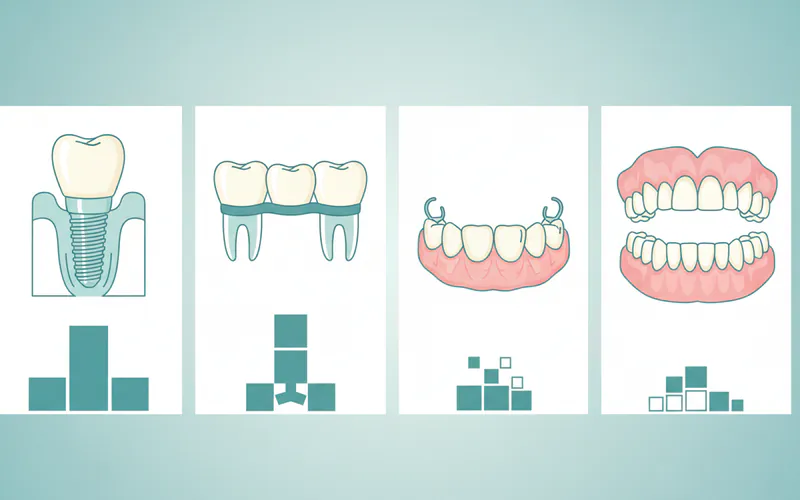
| Feature | Dental Implants | Dental Bridges | Dentures (Partial/Complete) |
|---|---|---|---|
| Cost Range (US) | $3,000 - $6,000+ (per tooth) | $2,000 - $7,000+ (per 3-unit bridge) | $600 - $8,000+ (per arch/partial) |
| Longevity | 20+ years, often lifetime | 5-15 years | 5-10 years (often require relines) |
| Jawbone Health | Preserves bone, prevents resorption | Does not prevent bone loss | Does not prevent bone loss |
| Adjacent Teeth | Does not affect adjacent teeth | Requires modification of adjacent healthy teeth | Relies on remaining teeth (partials) or gums |
| Stability/Feel | Very stable, feels like natural tooth | Stable, but may feel less natural than implant | Can slip/shift, less stable, requires adjustment |
| Maintenance | Regular brushing, flossing, dental check-ups | Thorough cleaning underneath bridge, flossing | Daily removal, cleaning, soaking |
| Treatment Time | 3-9 months (including healing) | 2-4 weeks | 1-3 months (after extractions) |
| Invasiveness | Surgical placement | Tooth preparation, non-surgical | Non-surgical |
| Insurance Cover. | Varies (often limited or major restorative) | Often covered as major restorative (50%) | Often covered as major restorative (50%) |
Life with a Fake Tooth: Recovery and Aftercare
The recovery and aftercare instructions vary significantly based on the type of fake tooth you receive. Adhering to these guidelines is crucial for the success and longevity of your prosthetic.
A. Dental Implants
- Immediate Post-Op: Expect some swelling, bruising, and discomfort for a few days. Pain medication, ice packs, and a soft diet are usually recommended.
- Oral Hygiene: Gentle brushing around the surgical site, saltwater rinses, or prescribed mouthwash. Avoid aggressive brushing initially.
- Diet: Stick to soft foods for the first few days, gradually reintroducing normal foods as tolerated. Avoid very hot or cold foods.
- Healing Phase: The osseointegration period (3-6 months) is critical. Avoid putting undue pressure on the implant site during this time.
- Long-Term Care: Implants require the same diligent oral hygiene as natural teeth: brushing twice a day, daily flossing (special floss or interdental brushes may be recommended), and regular dental check-ups and professional cleanings. Though implants can't get cavities, the surrounding gums can still get gum disease (peri-implantitis).
B. Dental Bridges
- Initial Adjustment: It's normal to feel some sensitivity to hot or cold after the bridge is cemented, which should subside. You might also need a few days to adjust to the feel of the new bridge in your mouth.
- Oral Hygiene: Brush twice a day and floss daily. Special tools like floss threaders, water flossers, or interdental brushes are often necessary to clean underneath the pontic (the fake tooth) and between the crowns and natural teeth to prevent plaque buildup.
- Diet: Avoid extremely hard or sticky foods that could potentially damage the bridge or pull it off.
- Regular Check-ups: Regular dental visits are essential to monitor the health of your bridge and the supporting abutment teeth.
C. Dentures
- Initial Adjustment: New dentures can feel bulky or awkward initially. You may experience increased saliva flow, minor irritation, or difficulty with speech or chewing. This is normal and improves with practice.
- Sore Spots: If persistent sore spots develop, contact your dentist for adjustments. Never try to adjust dentures yourself.
- Eating: Start with soft foods cut into small pieces. Chew slowly using both sides of your mouth to distribute pressure evenly. Gradually introduce more solid foods.
- Speaking: Practice speaking aloud to help your tongue and facial muscles adapt.
- Daily Care: Remove dentures daily for thorough cleaning. Use a soft-bristled denture brush and a non-abrasive denture cleaner. Rinse after every meal.
- Nighttime Removal: It's generally recommended to remove full dentures at night to give your gums a rest and clean them. Store them in water or a denture cleaning solution to prevent drying out.
- Regular Dental Visits: Dentures need to be checked annually. As your jawbone changes over time, dentures may need relining (resurfacing the underside) or even replacement to maintain a proper fit.
Preventing the Need for a Fake Tooth
The best fake tooth is often the one you don't need! Preventing tooth loss through excellent oral hygiene and proactive dental care is always the primary goal.
- Maintain Excellent Oral Hygiene:
- Brush Twice Daily: Use a fluoride toothpaste and a soft-bristled brush.
- Floss Daily: Remove plaque and food particles from between teeth and under the gum line.
- Use Mouthwash: An antiseptic or fluoride mouthwash can provide additional protection against plaque and decay.
- Regular Dental Check-ups and Cleanings: Visit your dentist every six months for professional cleanings and examinations. Early detection of issues like cavities or gum disease can prevent them from escalating to tooth loss.
- Healthy Diet: Limit sugary and acidic foods and drinks that contribute to tooth decay.
- Protect Your Teeth:
- Wear a Mouthguard: If you play contact sports, a custom-fitted mouthguard can prevent traumatic tooth injuries.
- Address Bruxism: If you grind or clench your teeth (bruxism), your dentist might recommend a night guard to protect your teeth from excessive wear.
- Don't Ignore Symptoms: Persistent toothaches, bleeding gums, or sensitivity are warning signs that should prompt a visit to your dentist immediately.
- Avoid Tobacco: Smoking and other tobacco products significantly increase the risk of gum disease and oral cancer, both of which can lead to tooth loss.
Risks and Complications Associated with Fake Teeth
While dental prosthetics are generally safe and effective, it's important to be aware of potential risks and complications.
A. Dental Implants
- Infection: Around the implant site (peri-implantitis), potentially leading to implant failure.
- Nerve Damage: Rare, but can occur if the implant is placed too close to a nerve, leading to numbness, tingling, or pain.
- Sinus Issues: If an upper jaw implant protrudes into the sinus cavity.
- Implant Failure: The implant may not fuse with the bone (lack of osseointegration), requiring removal and potentially re-implantation.
- Loose Abutment or Crown: Can occur over time and typically requires a simple re-tightening or re-cementing.
B. Dental Bridges
- Decay of Abutment Teeth: The natural teeth supporting the bridge can still get cavities, especially if cleaning is inadequate around the crown margins.
- Gum Disease: Increased risk around the abutment teeth and under the pontic if proper oral hygiene is not maintained.
- Abutment Tooth Fracture: The prepared teeth supporting the bridge can sometimes fracture, leading to bridge failure and potential loss of the abutment tooth.
- Bridge Failure: The cement can fail, or the bridge itself can fracture, requiring repair or replacement.
C. Dentures
- Sore Spots and Irritation: Especially common with new or ill-fitting dentures.
- Difficulty Chewing and Speaking: Requires an adjustment period.
- Bone Loss Progression: Since dentures don't stimulate the jawbone, resorption continues, leading to changes in facial structure and the need for frequent relines or new dentures.
- Fungal Infections (Thrush): Can occur under dentures if not cleaned properly.
- Fracture or Damage: Dentures can break if dropped or mishandled.
- Altered Taste Sensation: Some people report a slight change in taste, particularly with upper complete dentures covering the palate.
Children and Fake Teeth: Pediatric Considerations
While the primary focus of fake teeth is often on adults, children can also experience tooth loss or congenital absence of teeth, necessitating prosthetic solutions.
- Trauma: Children are prone to accidents, and a knocked-out permanent tooth (avulsion) needs immediate attention. If replantation isn't possible, temporary or interim solutions may be used until the child is old enough for an implant.
- Congenitally Missing Teeth: Some children are born without certain permanent teeth. In these cases, space maintainers might be used to prevent adjacent teeth from drifting. Once growth is complete (late teens/early twenties), dental implants are often the preferred long-term solution.
- Premature Loss of Primary (Baby) Teeth: If a baby tooth is lost too early due to decay or trauma, a space maintainer is crucial to hold the space for the permanent tooth underneath. If multiple primary teeth are lost, a pediatric partial denture (a "flipper") might be used to aid in chewing, speech, and aesthetics.
- "Flippers" (Pediatric Partial Dentures): These are temporary, removable acrylic partials used in children to replace missing teeth, especially front teeth, for aesthetic and functional reasons. They help maintain proper speech development and self-confidence until a more permanent solution can be placed.
- Cost for Children: The cost of space maintainers ranges from $150 - $400. Pediatric partial dentures (flippers) typically cost $300 - $800. These are generally covered better by dental insurance than adult implants.
Frequently Asked Questions
1. How much does a fake tooth cost without insurance?
Without insurance, the cost of a fake tooth can be substantial. A single dental implant might range from $3,000 to $6,000+, a three-unit dental bridge from $2,000 to $7,000+, and a partial denture from $600 to $2,500. Full dentures can cost anywhere from $1,500 to $8,000+ per arch. Always inquire about payment plans or financing options.
2. Is getting a fake tooth painful?
The procedure for getting a fake tooth, particularly for implants or bridges, involves local anesthesia, so you shouldn't feel pain during the treatment. Afterward, you might experience some discomfort, swelling, or soreness, which can be managed with over-the-counter pain relievers or prescribed medication. Dentures generally don't involve pain during placement, but an adjustment period with some irritation is common.
3. How long does a fake tooth last?
The longevity varies by type. Dental implants are the most durable, often lasting 20 years to a lifetime with proper care. Dental bridges typically last 5-15 years. Dentures usually last 5-10 years but may require relines or adjustments every few years as your mouth changes.
4. What is the cheapest option for a fake tooth?
The cheapest option for replacing a single tooth is often a removable partial denture (flipper), costing $300 - $600. For multiple missing teeth or an entire arch, conventional complete dentures are the most affordable, starting around $600 - $1,500 for an economy option per arch.
5. Are dental implants worth the cost?
Many dental professionals and patients consider dental implants to be worth the higher cost. They offer superior aesthetics, function, stability, and longevity, and crucially, they preserve jawbone health, preventing further bone loss that other options do not. They are often seen as a long-term investment in oral health.
6. Can I get a fake tooth if I have bone loss?
Yes, it's possible. If you have insufficient jawbone, your dentist may recommend a bone grafting procedure before implant placement. This adds to the cost and treatment time but can make implant treatment feasible for many individuals with bone loss.
7. How does the cost of Smile Direct Club compare to replacing a missing tooth?
Smile Direct Club and similar direct-to-consumer aligner services, which typically cost $1,900 - $2,500, are designed for orthodontic treatment (straightening existing teeth) and do not replace missing teeth. They are not a solution for a lost tooth; rather, they address alignment issues before or after addressing tooth loss, if relevant.
8. Does the Tooth Fairy give enough for a fake tooth?
While the Tooth Fairy might leave $1-$5 per tooth (or even more for first teeth!), this amount is purely symbolic and nowhere near the cost of replacing a real tooth, which ranges from hundreds to thousands of dollars. It’s a fun tradition, but practical dental care requires significantly more investment.
9. Can a fake tooth cause problems with speech?
Initially, any new fake tooth, particularly dentures or a bridge in the front of the mouth, can temporarily affect your speech. Your tongue and mouth muscles need to adapt to the new structure. With practice, most people adjust and regain clear speech. Ill-fitting dentures are more likely to cause ongoing speech difficulties.
10. How long do I have to wait to get a fake tooth after an extraction?
The waiting period varies. For dental implants, you might wait 3-6 months for the extraction site to heal and the bone to be ready for implant placement. Sometimes, immediate implants can be placed at the time of extraction. For conventional dentures, you'll also wait several months for gums to heal. Bridges can often be placed sooner, once the site is stable.
When to See a Dentist
It is crucial to see a dentist promptly if you suspect or experience tooth loss, or if you are considering replacing missing teeth.
- Immediate Consultation for Tooth Loss: If you lose a tooth due to trauma, decay, or gum disease, schedule an appointment as soon as possible. Early intervention can prevent surrounding teeth from shifting and help preserve jawbone.
- If You Are Missing Any Teeth: Even if it's an old problem, having a missing tooth can lead to long-term oral health issues like bone loss, shifting teeth, and bite problems. Your dentist can assess your situation and discuss replacement options.
- Difficulty Chewing or Speaking: If missing teeth are impacting your ability to eat a varied diet or communicate clearly, it's time to explore solutions.
- Changes in Your Smile or Facial Structure: Missing teeth can lead to a sunken appearance, especially if multiple teeth are gone.
- Pain, Swelling, or Infection: If you have discomfort in the area of a missing tooth or around an existing fake tooth (especially an implant or bridge), seek immediate dental attention.
- Loose or Ill-fitting Dentures/Bridges: If your current prosthetic feels loose, causes sores, or is no longer comfortable, it needs to be adjusted or replaced.
- Before Considering DIY Solutions: Never attempt to fix or replace a tooth yourself or use over-the-counter temporary kits for long-term solutions. These can cause more harm than good. Always consult with a qualified dental professional.
Restoring missing teeth is an investment in your health, confidence, and quality of life. By understanding the options and costs involved, you can work with your dental professional to choose the best fake tooth solution for your individual needs.
Frequently Asked Questions
Medically Reviewed Content
This article was written by our dental health editorial team and reviewed for medical accuracy. Our content follows strict editorial guidelines for reliability and trustworthiness.
Medical Disclaimer
This article is for informational purposes only and does not constitute medical advice. Always consult with a qualified dental professional for diagnosis and treatment. Do not delay seeking professional advice because of something you read on this website.
Related Articles
How Much Does Tooth Bonding Cost
Imagine looking in the mirror and seeing a smile that doesn't quite reflect your inner confidence – maybe a small chip from an unexpected accident, an annoying gap between your front teeth, or a stain that just won't budge. For many Americans, these minor imperfections can significantly impact self-
February 22, 2026
How Much Are Gold Grillz for Teeth
When considering a unique blend of personal style and dental aesthetics, many individuals find themselves drawn to the allure of gold grillz. But beyond the flashy appearance and cultural significance, a practical question often arises: how much are gold grillz for teeth? This isn't just a simpl
February 22, 2026
How Much Are Tooth Gems
In an age where personal expression extends to every facet of our lives, it's no surprise that cosmetic dentistry has evolved beyond mere functionality to embrace aesthetic adornment. From subtle enhancements to bold statements, teeth have become a new canvas for individuality. One increasingly popu
February 22, 2026

How Much Does a Dog Xray Cost
As a premier dental health portal, SmilePedia.net is dedicated to illuminating all facets of oral health and related medical costs for our valued readers across the US. While our primary focus remains squarely on human dentistry – from routine cleanings to complex restorative procedures – we underst
February 22, 2026