How Much Teeth Does a Snail Have

Key Takeaways
- When you type "how much teeth does a snail have" into a search engine, you might be surprised by the answer: while not true "teeth" in the mammalian sense, some snails can possess an astonishing 20,000 tiny, chitinous structures on a ribbon-like organ called a radula. These microscopic "teeth" are a
How Much Teeth Does a Snail Have: Understanding the Real Cost of a Full Smile
When you type "how much teeth does a snail have" into a search engine, you might be surprised by the answer: while not true "teeth" in the mammalian sense, some snails can possess an astonishing 20,000 tiny, chitinous structures on a ribbon-like organ called a radula. These microscopic "teeth" are among the hardest biological materials known, used to scrape and shred food, allowing snails to thrive in diverse environments.
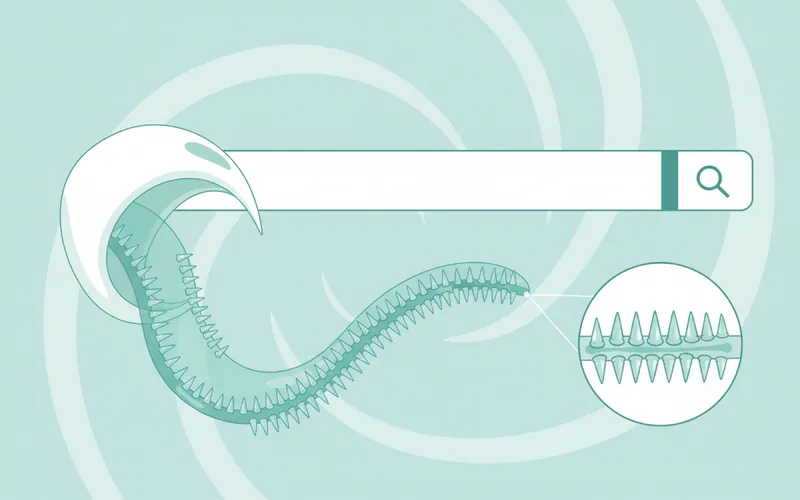
This intriguing fact about our gastropod friends often leads to a more profound human reflection: What if we lost our teeth? What if you faced the prospect of replacing not just one or two, but all your teeth? The reality for many Americans is that extensive tooth loss can occur due to various reasons, impacting everything from nutrition and speech to self-confidence and overall health. When considering the significant challenges and costs associated with restoring a full, functional human smile, the simple efficiency of a snail's radula seems almost enviable.
This article, unlike the simple answer to a zoological curiosity, delves deep into the complex, critical question: how much does it cost to replace all your teeth? We will explore the various options available, from traditional false teeth cost to advanced implant solutions, breaking down the financial implications, treatment processes, and what you can expect on your journey to a restored smile. Understanding these factors is crucial for making informed decisions about your long-term oral health and financial well-being.
Key Takeaways:
- Snail "Teeth" vs. Human Dentition: Snails possess a radula with thousands of chitinous scraping structures, not true teeth. Humans have a limited set of specialized teeth, and their loss requires complex, often costly, solutions.
- Total Tooth Replacement is a Significant Investment: Replacing all your teeth can range from $3,000 - $15,000 per arch for conventional dentures to $20,000 - $60,000+ per arch for full-arch implant-supported restorations.
- Main Options: The primary choices are complete removable dentures (traditional false teeth) and full-arch dental implant solutions (e.g., All-on-4/6). Each has distinct costs, benefits, and drawbacks.
- Costs Vary Widely: Factors influencing the price include the chosen treatment type, materials, geographic location, the dentist's expertise, and the need for preparatory procedures like extractions or bone grafts.
- Insurance Coverage is Limited for Major Restorations: Most dental insurance plans offer partial coverage for dentures (typically 50% for major restorative services, up to annual maximums of $1,000-$2,000) but very limited or no coverage for dental implants.
- Financing and Payment Plans are Common: Many dental practices offer in-house payment plans, and third-party financing options (like CareCredit) are widely available to help manage the upfront costs.
- Long-Term Health Benefits: While expensive, replacing missing teeth significantly improves chewing ability, speech, facial aesthetics, and prevents further bone loss, contributing positively to overall health and quality of life.
The Reality of Human Tooth Loss: Understanding Your Options for a Full Smile
Unlike the self-renewing radula of a snail, human teeth are a finite and precious resource. When multiple or all teeth are lost, it impacts more than just aesthetics; it compromises nutrition, speech, jaw bone health, and overall quality of life. Understanding the scope of this challenge and the available solutions is the first step toward reclaiming a healthy, functional smile.
What "Replacing All Your Teeth" Truly Means
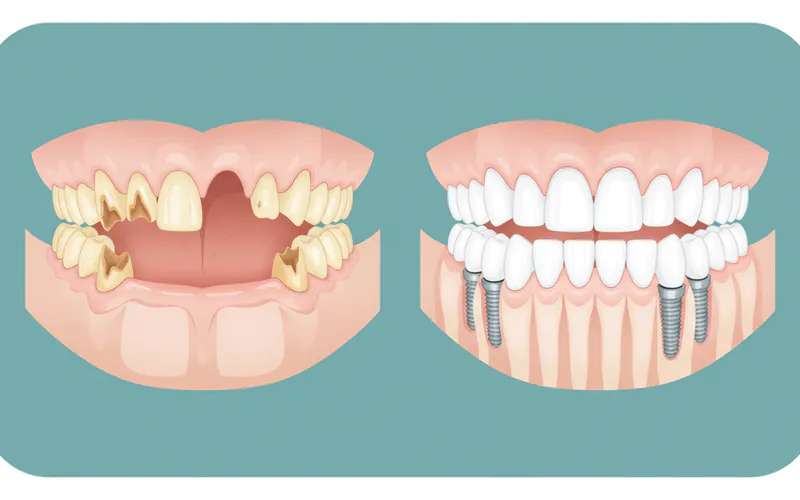
"Replacing all your teeth" typically refers to full mouth rehabilitation for individuals who are either completely edentulous (meaning all teeth are missing in one or both arches) or are facing the imminent loss of all remaining teeth due to severe decay, gum disease, or trauma. This process aims to restore full chewing function, clear speech, and a natural appearance. It's a comprehensive approach, often involving complex planning and multiple dental procedures.
Why Consider Full Mouth Tooth Replacement?
The causes of extensive tooth loss are varied and often interconnected:
- Severe Periodontal Disease (Gum Disease): This is the leading cause of tooth loss in adults. Untreated gum disease leads to inflammation, bone destruction, and ultimately, tooth mobility and exfoliation.
- Extensive Tooth Decay: Chronic and widespread cavities can destroy tooth structure beyond repair, necessitating extraction.
- Trauma: Accidents, falls, or sports injuries can result in the loss of multiple teeth.
- Genetic Factors: Some individuals are predisposed to weaker enamel, bone structure, or certain dental conditions that accelerate tooth loss.
- Neglect and Inadequate Oral Hygiene: Long-term poor oral hygiene significantly increases the risk of both decay and gum disease.
- Systemic Health Conditions: Diseases like diabetes, osteoporosis, and certain autoimmune disorders can compromise oral health and accelerate tooth loss.
- Failing Existing Restorations: Old, worn-out, or poorly maintained crowns, bridges, and fillings can fail, leading to further tooth damage or loss.
Replacing missing teeth is not merely a cosmetic concern; it's a critical step to prevent further health complications. Missing teeth lead to jawbone deterioration (resorption) because the bone no longer receives stimulation from chewing. This can alter facial structure, making a person look older and potentially complicating future prosthetic options.
Primary Tooth Replacement Options: Dentures vs. Dental Implants
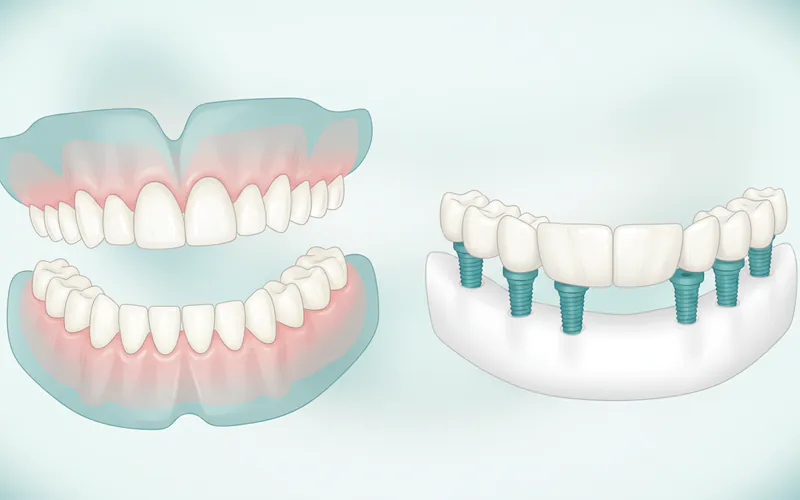
When facing the need to replace all your teeth, the primary decision typically boils down to two main categories: removable complete dentures or fixed, implant-supported prostheses. Each offers distinct advantages and disadvantages in terms of cost, stability, longevity, and patient experience.
Complete Dentures (False Teeth): The Traditional Solution
Complete dentures, often referred to as "false teeth," have been a long-standing solution for edentulous patients. They are removable appliances designed to replace all teeth in an arch (upper, lower, or both).
What They Are
Dentures consist of prosthetic teeth (made from acrylic or porcelain) set into an acrylic base that mimics the appearance of natural gums. They rest directly on the gum tissue and underlying bone.
Types of Complete Dentures:
- Conventional Dentures: These are fabricated after all remaining teeth have been extracted and the gum tissues have fully healed (typically 6-8 weeks, but sometimes several months). This healing period allows for stable impressions, resulting in a well-fitting, comfortable denture.
- Immediate Dentures: These are fabricated in advance and inserted immediately after the removal of remaining teeth. The primary benefit is that you don't have to go without teeth during the healing period. However, as the gums and bone heal and shrink, immediate dentures will require multiple adjustments, relines, or even replacement with a conventional denture after healing is complete.
- Overdentures (Implant-Supported Dentures): While technically still removable dentures, these are a significant upgrade. They snap onto a few strategically placed dental implants (typically 2-4 per arch) which provide much greater stability, retention, and chewing efficiency compared to conventional dentures. They still cover the palate (upper jaw) or rest on the gum tissue (lower jaw), but the implants prevent them from shifting or falling out.
Pros of Conventional Dentures:
- Affordability: Generally the most cost-effective option for full tooth replacement.
- Non-Invasive: Does not involve surgery (beyond necessary extractions).
- Quick Turnaround: Fabrication can be relatively fast once healing is complete.
Cons of Conventional Dentures:
- Lack of Stability: Can slip, click, or feel loose, especially the lower denture.
- Reduced Chewing Efficiency: Studies show a significant reduction (up to 80%) in chewing power compared to natural teeth.
- Accelerated Bone Loss: Dentures put pressure on the gum and bone, actually accelerating the natural bone resorption process, leading to a shrinking jawbone over time.
- Discomfort and Sore Spots: Can cause irritation, especially during the adjustment period.
- Impact on Speech: Can affect pronunciation, requiring an adjustment period.
- Maintenance: Requires daily removal for cleaning and soaking.
- Need for Relines/Replacement: Due to bone loss, dentures typically need relining every 1-2 years and replacement every 5-7 years to maintain a good fit.
Step-by-Step Process for Conventional Dentures:
- Initial Consultation & Impressions: Your dentist will take impressions of your mouth to create models.
- Tooth Extractions (if needed): Any remaining teeth are removed. For conventional dentures, a healing period follows.
- Fabrication & Wax Try-in: Once healed, more precise impressions are taken. A dental lab creates a wax prototype of your denture for you to try on, ensuring proper fit, bite, and aesthetics.
- Final Denture Delivery: After any necessary adjustments to the wax prototype, the final denture is fabricated and delivered.
- Adjustments: Multiple follow-up appointments may be needed for minor adjustments to improve comfort and fit.
Estimated Costs for Complete Dentures (US Ranges):
- Conventional Full Denture (Upper or Lower): $1,000 - $3,000
- Complete Set of Conventional Full Dentures (Upper & Lower): $2,000 - $6,000
- Immediate Dentures (per arch): $1,500 - $4,000 (often includes adjustments, but a secondary conventional denture may be needed later at additional cost)
- Implant-Retained Overdenture (per arch, including 2-4 implants): $6,000 - $15,000
Pro Tip: Always inquire if the cost of extractions, relines, or a secondary conventional denture (for immediate dentures) is included in the quoted price.
Full-Arch Dental Implants: The Modern Gold Standard
Dental implants represent the most advanced and effective method for replacing missing teeth, offering unparalleled stability, longevity, and health benefits. Instead of resting on the gums, implants fuse directly with the jawbone, providing a foundation that mimics natural tooth roots.
What They Are
Dental implants are small, screw-shaped posts, typically made of titanium, surgically placed into the jawbone. These posts act as artificial tooth roots, onto which various prostheses can be attached. For full-mouth rehabilitation, these can support permanent, non-removable bridges or overdentures.
Types of Full-Arch Implant Solutions:
- All-on-4® / All-on-6® Dental Implants: This revolutionary technique allows for a full arch of teeth to be supported by only four (All-on-4) or six (All-on-6) strategically placed dental implants. The posterior implants are often tilted to maximize contact with existing bone, reducing the need for bone grafting. A fixed, non-removable bridge (often acrylic with a titanium framework, or zirconia) is then attached to these implants. Patients can often receive a temporary set of teeth on the same day as implant placement.
- Implant-Supported Fixed Bridges: Similar to All-on-4, but may involve more implants (6-8 per arch) to support a custom-fabricated bridge. These bridges can be made from various materials, including porcelain-fused-to-metal, zirconia, or monolithic zirconia, offering exceptional aesthetics and durability.
- Full Mouth Reconstruction with Individual Implants: In some cases, if bone structure allows and the patient prefers, multiple individual implants (e.g., 10-14 per arch) can be placed, each supporting a crown or a small bridge, mimicking the natural dentition most closely. This is the most complex and expensive option.
Pros of Dental Implants:
- Superior Stability & Comfort: Implants are permanently anchored, feeling and functioning like natural teeth. No slipping, clicking, or discomfort from rubbing on gums.
- Preserves Jawbone: Implants stimulate the jawbone, preventing the bone loss that occurs with missing teeth and conventional dentures. This maintains facial structure.
- Enhanced Chewing Efficiency: Restores nearly full chewing power, allowing you to eat all types of food confidently.
- Improved Speech: Eliminates the speech impediments sometimes associated with dentures.
- Durability & Longevity: With proper care, dental implants can last a lifetime, and their restorations (crowns/bridges) can last 10-20+ years before needing replacement.
- Aesthetics: Look and feel like natural teeth, offering a significant boost in self-confidence.
- No Messy Adhesives: Unlike dentures, no adhesives are needed.
Cons of Dental Implants:
- High Cost: Significantly more expensive than traditional dentures.
- Surgical Procedure: Involves minor oral surgery for implant placement.
- Longer Treatment Time: The process, especially with bone grafting and osseointegration (fusion of implant to bone), can take several months (3-9 months or even longer).
- Potential Complications: While rare, risks include infection, nerve damage, sinus perforation, or implant failure.
- Not for Everyone: Patients need sufficient bone density and good general health to be candidates.
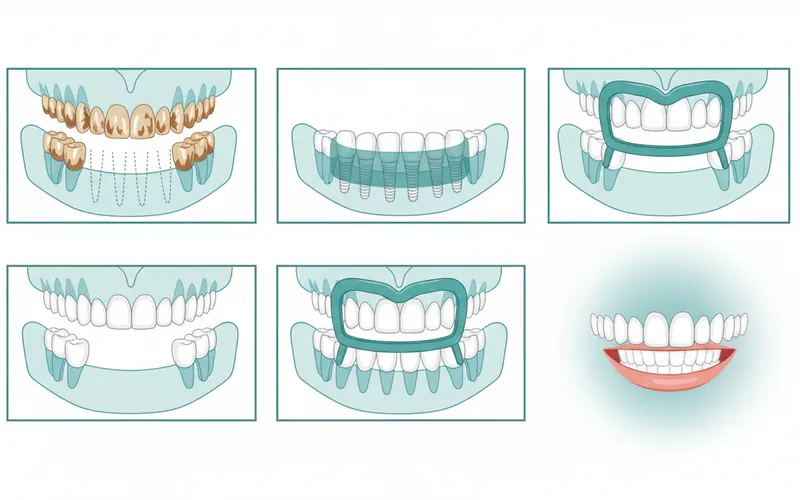
Step-by-Step Process for Full-Arch Dental Implants (e.g., All-on-4):
- Initial Consultation & Diagnostic Imaging: Comprehensive exam, 3D CT scans (CBCT), and X-rays to assess bone density and plan implant placement precisely.
- Treatment Planning: Digital planning to determine optimal implant positions. Discussion of prosthesis material (acrylic, zirconia, etc.).
- Preparatory Procedures (if needed): Extractions of any remaining teeth, bone grafting, or sinus lifts may be performed. This can add several months to the overall timeline.
- Implant Placement Surgery: The dental implants are surgically placed into the jawbone. In some cases (e.g., All-on-4), a temporary prosthesis can be attached on the same day.
- Osseointegration (Healing Period): The implants heal and fuse with the jawbone. This typically takes 3-6 months. During this time, a temporary prosthesis is worn.
- Abutment Placement (if not integrated): Once osseointegration is complete, abutments (connectors) are attached to the implants.
- Final Prosthesis Fabrication & Placement: Impressions are taken to create your custom, permanent bridge. Once fabricated by the dental lab, it is securely attached to the implants.
- Follow-up & Maintenance: Regular check-ups and professional cleanings are essential for long-term success.
Estimated Costs for Full-Arch Dental Implants (US Ranges):
- All-on-4/6 Dental Implants (per arch, including temporary and final prosthesis): $20,000 - $45,000
- Full Mouth Implant-Supported Fixed Bridges (upper & lower All-on-4/6): $40,000 - $90,000+
- Full Mouth Reconstruction with Individual Implants & Crowns/Bridges (most complex, could involve 10-14 implants per arch): $50,000 - $120,000+
Pro Tip: These implant costs often include the implants, abutments, and the final prosthesis, but always confirm what exactly is covered in the quote. Bone grafting or extensive extractions can be separate costs.
Detailed Comparison: Dentures vs. Implants
To help you make an informed decision, here's a comprehensive comparison of the two primary full mouth tooth replacement options.
| Feature | Conventional Complete Dentures (False Teeth) | Full-Arch Dental Implants (e.g., All-on-4) |
|---|---|---|
| Cost (per arch) | $1,000 - $3,000 | $20,000 - $45,000 |
| Cost (full mouth) | $2,000 - $6,000 | $40,000 - $90,000+ |
| Longevity | 5-7 years (due to bone changes, requires relines/replacement) | 20+ years to a lifetime for implants; 10-20 years for the prosthesis |
| Stability/Retention | Can slip, click, requires adhesives, reduced chewing force | Highly stable, permanent, feels like natural teeth, full chewing force |
| Bone Preservation | No stimulation, bone continues to resorb (shrink) over time | Stimulates jawbone, prevents bone loss, maintains facial structure |
| Comfort | Can cause sore spots, covers palate (upper), may feel bulky | Very comfortable, feels natural, no bulk, no palate coverage |
| Aesthetics | Good, but can look less natural over time as bone changes; may affect lips | Excellent, looks and feels highly natural, preserves facial contours |
| Maintenance | Daily removal for cleaning, soaking, regular relines | Brushing, flossing like natural teeth; professional cleaning similar to natural teeth; no removal required |
| Treatment Time | Weeks to a few months (after healing) | 3-9 months or more (including healing, but temporary teeth often same-day) |
| Impact on Speech | May require adjustment period, can cause lisping or muffled sounds | Natural speech, no adjustment period after initial recovery |
| Risk of Complications | Sore spots, infections, accelerated bone loss, poor fit | Surgical risks (infection, nerve damage), implant failure (rare) |
Pro Tip: When evaluating options, consider not just the initial cost, but the long-term value. While implants have a higher upfront cost, their longevity, bone-preserving benefits, and improved quality of life can make them a more cost-effective choice in the long run compared to repeated denture replacements and relines.
The Comprehensive Cost of Replacing All Your Teeth in the US
The question "how much does it cost to replace all your teeth" doesn't have a single, simple answer. The expense is highly variable, influenced by numerous factors. It's crucial to understand these elements to budget effectively and avoid surprises.
Factors Influencing Cost:
- Type of Restoration: As discussed, conventional dentures are the least expensive, while full-arch implant solutions are the most significant investment.
- Material Choices:
- Dentures: Basic acrylic, higher-quality acrylic with more natural-looking teeth, or even flexible (Valplast) dentures (though less common for full arches).
- Implants: The final prosthesis can be acrylic with a titanium frame (common for All-on-4), porcelain-fused-to-metal, or full zirconia (the strongest and most aesthetic, but also most expensive).
- Geographic Location: Dental costs vary significantly by region. Major metropolitan areas (e.g., New York, Los Angeles) often have higher prices than rural areas.
- Dentist's Experience & Specialization: A highly experienced prosthodontist or oral surgeon specializing in full-mouth rehabilitation may charge more than a general dentist.
- Preparatory Procedures:
- Tooth Extractions: The cost of removing any remaining teeth. Simple extractions can be $75-$300 per tooth; surgical extractions (impacted, fractured) can be $200-$600+ per tooth.
- Bone Grafting: If insufficient bone exists for implants, bone grafting (e.g., sinus lift, ridge augmentation) is necessary, adding $500-$3,000+ per site.
- Gum Disease Treatment: Any active gum disease must be treated before extensive restorative work can begin, incurring additional costs.
- Dental Lab Fees: The quality and sophistication of the dental lab used to fabricate dentures or implant prostheses contribute to the overall cost. High-quality labs with skilled technicians often command higher fees.
- Anesthesia: For implant surgery, local anesthesia is standard. Sedation (oral, IV) or general anesthesia will add to the cost, ranging from a few hundred to over a thousand dollars.
Cost Breakdown by Option (Average US Ranges):
Here's a detailed look at the approximate costs for replacing all teeth, broken down by the most common methods. These are broad ranges, and your specific quote will come from your dental professional.
| Full Mouth Replacement Option | Estimated Cost Range (per arch) | Estimated Cost Range (full mouth - upper & lower) | Key Considerations |
|---|---|---|---|
| Conventional Full Denture | $1,000 - $3,000 | $2,000 - $6,000 | Most affordable; does not prevent bone loss; requires regular relines/replacement. |
| Immediate Full Denture | $1,500 - $4,000 | $3,000 - $8,000 | Provides teeth immediately; will require adjustments/relines or a conventional denture later. |
| Implant-Retained Overdenture (2-4 implants) | $6,000 - $15,000 | $12,000 - $30,000 | Removable, but offers significantly improved stability over conventional dentures. |
| All-on-4/6 Dental Implants (Fixed Prosthesis) | $20,000 - $45,000 | $40,000 - $90,000+ | Fixed, non-removable; excellent stability; prevents bone loss; high aesthetics/function. |
| Full Mouth Reconstruction (Individual Implants) | $25,000 - $60,000+ | $50,000 - $120,000+ | Highest cost; multiple individual implants & crowns/bridges; most natural feel & look. |
Pro Tip: Request a detailed, itemized treatment plan from your dentist. This should clearly outline all proposed procedures, materials, and associated costs. Don't hesitate to ask questions about anything you don't understand.
Insurance, Financing, and Cost-Saving Strategies
Understanding how to pay for extensive dental work is as important as choosing the right treatment. While the costs can be substantial, various options exist to make a full smile restoration achievable.
Dental Insurance Coverage
Unfortunately, dental insurance typically offers limited coverage for major restorative procedures like full mouth tooth replacement.
- Dentures: Most dental insurance plans classify dentures as "major restorative" services and usually cover 50% of the cost, up to your annual maximum. Annual maximums for dental insurance plans are often quite low, typically $1,000 to $2,000 per year. This means if a full set of dentures costs $4,000, and your plan covers 50% up to a $1,500 annual maximum, you would pay $2,500 out-of-pocket ($4,000 - $1,500).
- Dental Implants: Coverage for dental implants is even more restricted. Many plans still consider them "cosmetic" or "experimental" and offer no coverage at all. Some newer, more comprehensive plans may cover a portion (e.g., 10-20%) of the surgical placement or the implant crown, but rarely the entire procedure. Even with coverage, it's subject to the annual maximum.
- Waiting Periods: Be aware that most dental insurance plans have waiting periods (e.g., 6-12 months) for major restorative procedures before benefits become active.
- Understanding Your Plan: Always review your specific policy details or contact your insurance provider directly. Ask about coverage for "edentulism," "prosthodontics," "major restorative services," and "dental implants."
Financing Options
To help manage the out-of-pocket expenses, several financing solutions are commonly available:
- In-House Payment Plans: Many dental practices offer their own interest-free payment plans, allowing you to spread the cost over several months.
- Third-Party Dental Credit Cards: Services like CareCredit or LendingClub offer specialized healthcare credit cards with deferred interest options (if paid within a specific timeframe) or low-interest financing for longer periods.
- Personal Loans: Banks and credit unions offer personal loans that can be used for any purpose, including dental work. Interest rates will vary based on your credit score.
- Health Savings Accounts (HSAs) & Flexible Spending Accounts (FSAs): If you have an HSA or FSA through your employer, you can use these tax-advantaged accounts to pay for qualified dental expenses.
Cost-Saving Tips
- Dental Schools: Universities with dental programs often operate clinics where students, under the close supervision of experienced faculty, provide services at a significantly reduced cost (often 30-50% less than private practice). The treatment may take longer, but the quality of care is high.
- Community Dental Clinics: Some non-profit or government-funded clinics offer sliding scale fees based on income or reduced rates for essential services.
- Shop Around: Get quotes from 2-3 different dentists. While price shouldn't be the only factor, comparing offers can help you understand the range and value.
- Negotiate: Don't be afraid to ask your dentist if they offer any discounts for upfront payment or if there's any flexibility in pricing.
- Travel for Treatment (with caution): Dental tourism, where patients travel to other countries for more affordable care, is an option. However, thoroughly research the qualifications of the dentists, facility sanitation, and potential complications with follow-up care if you choose this route.
The Treatment Journey: What to Expect
Embarking on full mouth tooth replacement is a significant journey. Knowing what to expect at each stage can alleviate anxiety and help you prepare.
Initial Consultation and Planning
This is the foundational step. Your dentist will conduct a thorough oral examination, review your medical and dental history, and take diagnostic records, which may include:
- Full Mouth X-rays: To assess bone levels and identify any underlying issues.
- 3D CT Scans (CBCT): Essential for implant planning, providing detailed images of bone structure, nerve pathways, and sinus cavities.
- Intraoral and Extraoral Photos: For documentation and treatment planning.
- Impressions: To create plaster models of your mouth.
Based on this comprehensive assessment, your dentist (or a team of specialists including an oral surgeon and prosthodontist) will discuss your treatment options, explaining the pros, cons, costs, and timelines for each. You'll have the opportunity to ask questions and collaboratively decide on the best path forward.
Preparatory Procedures
Before the actual restoration can begin, some patients require preparatory work:
- Tooth Extractions: Any remaining diseased or irreparable teeth must be removed. This can be done in one appointment or staggered.
- Bone Grafting: If you opt for dental implants and your jawbone has insufficient density or volume, a bone graft procedure will be necessary. This involves adding bone material (from your own body, a donor, or synthetic) to build up the jawbone, creating a stable foundation for implants. This procedure can add several months to the overall treatment timeline as the graft needs to heal and integrate.
- Gum Disease Treatment: Active periodontal disease must be resolved before any major restorative work can proceed to ensure a healthy foundation.
The Restoration Phase
This phase differs significantly depending on whether you choose dentures or implants.
For Dentures:
- Impressions: After any extractions and healing (for conventional dentures), precise impressions are taken of your oral tissues.
- Wax Try-ins: A dental lab creates a wax model of your new dentures, allowing you to "try on" the teeth and discuss aesthetics, bite, and fit with your dentist. Adjustments are made until you're satisfied.
- Final Denture Delivery: The final acrylic dentures are fabricated and delivered.
- Adjustments: Expect several follow-up appointments for minor adjustments. New dentures will almost always cause some sore spots initially.
For Implants (e.g., All-on-4):
- Implant Placement Surgery: The dental implants are surgically placed into the jawbone. This is typically done in a single session for an entire arch. If a "Teeth-in-a-Day" protocol is followed, a temporary, fixed prosthesis is attached to the implants immediately after placement.
- Osseointegration (Healing): The implants fuse with the jawbone over 3-6 months. During this period, you wear your temporary teeth. It's crucial to follow a soft diet to avoid putting excessive force on the healing implants.
- Abutment Placement (if necessary): Once implants are fully integrated, connector pieces (abutments) are attached to the implants.
- Final Prosthesis Fabrication & Attachment: Precise impressions are taken, and your custom, permanent bridge (made of acrylic, porcelain, or zirconia) is fabricated by the dental lab. This final prosthesis is then securely attached to the abutments on your implants.
Recovery and Aftercare
For Dentures:
- Adjustment Period: Expect an adjustment period of several weeks to months. Eating and speaking will feel different. Start with soft foods, cut into small pieces.
- Sore Spots: These are common. See your dentist for adjustments rather than trying to fix them yourself.
- Cleaning: Remove dentures daily for thorough cleaning with a denture brush and specialized cleanser. Store them in water or a soaking solution when not worn.
- Oral Hygiene: Gently brush your gums, tongue, and palate daily to stimulate circulation and remove bacteria.
- Regular Check-ups: Visit your dentist annually for denture checks, relines, and oral cancer screenings.
For Implants:
- Post-Surgical Care: Follow your dentist's instructions carefully for pain management, antibiotics, and swelling reduction immediately after implant surgery. Stick to a soft diet for the initial healing phase.
- Oral Hygiene: While your permanent teeth are fixed, they still require diligent cleaning. Brush twice daily, floss (or use a water flosser) around the implants, and use any prescribed mouth rinses. The ADA emphasizes regular brushing and flossing for all dental prostheses.
- Regular Check-ups: Crucial for long-term implant success. Your dentist will monitor the health of your implants, gums, and bone, and professionally clean around the implants to prevent peri-implantitis (a gum disease specific to implants).
Potential Risks and Complications
While both dentures and implants offer significant benefits, it's important to be aware of potential risks and complications.
With Dentures:
- Ill-fitting Dentures: Can cause constant irritation, sore spots, difficulty eating, and speech problems.
- Accelerated Bone Resorption: Dentures don't stimulate the jawbone, leading to continued bone loss over time, which necessitates frequent relines and eventual replacement.
- Fungal Infections: Poor hygiene can lead to candidiasis (thrush) under the denture.
- Speech and Eating Difficulties: It takes time to adjust, and some individuals never fully adapt to the feeling and function of conventional dentures.
With Implants:
- Infection: While rare, infection at the implant site can occur, potentially leading to implant failure.
- Nerve Damage: In the lower jaw, there's a small risk of damage to the inferior alveolar nerve during implant placement, which can cause numbness, tingling, or pain.
- Sinus Perforation: During upper jaw implant placement, there's a slight risk of perforating the sinus membrane, which can be managed by a sinus lift procedure.
- Implant Failure: Although success rates are very high (95-98%), implants can fail to integrate with the bone, usually due to poor healing, infection, smoking, or certain medical conditions.
- Peri-Implantitis: A chronic inflammatory disease affecting the soft tissues and bone surrounding an implant, similar to gum disease around natural teeth. It can lead to bone loss and implant failure if not treated.
General Risks:
- Allergic Reactions: Although rare, some individuals may have reactions to materials used in prostheses (e.g., acrylics, titanium).
- Healing Complications: Bleeding, swelling, or delayed healing can occur after any oral surgery.
Children / Pediatric Considerations
While this article primarily focuses on comprehensive tooth replacement for adults, it's important to briefly address pediatric considerations. Total tooth loss (edentulism) in children is extremely rare and usually due to specific genetic conditions (like anodontia, where teeth never form) or severe trauma/disease.
For children experiencing extensive tooth loss, the approach is vastly different. Full-arch adult implant solutions are generally not suitable until jaw development is complete (typically late teens or early twenties). Treatment for children often involves:
- Temporary Removable Prostheses: Specially designed pediatric dentures or "space maintainers" to help with eating, speech, and maintaining space for future adult teeth.
- Future Planning: Orthodontic treatment and subsequent placement of single implants, bridges, or other permanent restorations once jaw growth is complete.
Parents of children with extensive tooth loss should consult with a pediatric dentist or a prosthodontist specializing in children's dental needs to create a long-term treatment plan.
Frequently Asked Questions
How much do full dentures cost?
The cost for a conventional full denture typically ranges from $1,000 to $3,000 per arch. A complete set (upper and lower) can therefore cost between $2,000 and $6,000. Immediate dentures tend to be slightly more expensive, ranging from $1,500 to $4,000 per arch, often requiring additional costs for relines or eventual replacement with conventional dentures.
What is the most expensive way to replace all your teeth?
The most expensive way to replace all your teeth is typically a full mouth reconstruction using individual dental implants and custom crowns or bridges for each missing tooth. This can range from $50,000 to $120,000+ for both arches, depending on the number of implants, materials, and complexity of the case. Full-arch implant-supported fixed bridges (like All-on-4/6) are also a significant investment, ranging from $40,000 to $90,000+ for both arches.
How long does it take to replace all your teeth?
The timeline varies significantly by option. For conventional dentures, it can take 6-8 weeks for gum healing after extractions, plus a few weeks for denture fabrication. Immediate dentures provide teeth on the same day as extractions but require ongoing adjustments for months. Full-arch dental implant solutions typically involve a longer process, from initial surgery to final prosthesis placement, usually spanning 3 to 9 months or even longer if bone grafting is required.
Is replacing all my teeth painful?
Dental procedures for tooth replacement involve various levels of discomfort. Tooth extractions and implant surgery are performed under local anesthesia, so you won't feel pain during the procedure. Post-operative pain is managed with prescribed or over-the-counter pain medication. The adjustment period for new dentures can involve soreness and rubbing, which usually subsides with adjustments. Implants involve a surgical recovery, with discomfort generally subsiding within a few days to a week.
Can I get dental implants if I have bone loss?
Yes, it's often possible to get dental implants even with bone loss, but it usually requires bone grafting procedures before or during implant placement. Procedures like sinus lifts or ridge augmentation can rebuild the necessary bone structure to support implants. This will add to the overall cost and extend the treatment timeline as the grafted bone needs time to heal and integrate. Your dentist will assess your bone density with 3D imaging.
How long do full mouth dental implants last?
With proper care and maintenance, dental implants themselves can last a lifetime. The prosthetic teeth (the bridge or denture attached to the implants) typically last 10-20 years or more before needing replacement, depending on the material, your oral habits, and consistent professional care. Regular check-ups and diligent oral hygiene are crucial for their longevity.
What is All-on-4?
All-on-4 is a specific full-arch dental implant technique where an entire arch of prosthetic teeth (a fixed bridge) is supported by just four strategically placed dental implants. Two implants are placed vertically in the front, and two are tilted in the back to maximize contact with existing bone and often avoid the need for bone grafting. It allows for a stable, fixed solution for patients with complete tooth loss.
Are there alternatives to dentures and implants for full mouth replacement?
For replacing all your teeth, the primary comprehensive solutions are dentures and full-arch implant systems. If you're missing some teeth but not all, options like traditional dental bridges (anchored to adjacent natural teeth) or partial dentures are available. However, for complete edentulism, these are generally not suitable as they require remaining healthy teeth for support.
Will my insurance cover full mouth tooth replacement?
Most dental insurance plans provide limited coverage for full mouth tooth replacement. Dentures are usually covered as a "major restorative" service at around 50%, up to your annual maximum (typically $1,000-$2,000). Coverage for dental implants is much less common, with many plans offering no coverage or only a small percentage. It's essential to check your specific plan's details and annual maximums.
How do I choose between dentures and implants?
The choice depends on your budget, oral health, lifestyle, and priorities. Dentures are more affordable and non-invasive, but offer less stability and don't prevent bone loss. Implants are a larger investment, involve surgery, and take longer, but provide superior stability, comfort, natural aesthetics, and prevent bone loss, offering a significantly higher quality of life. Discuss your individual circumstances and goals thoroughly with your dentist to determine the best option for you.
When to See a Dentist
Recognizing the signs that you might need comprehensive tooth replacement, or at least a thorough evaluation, is crucial for timely intervention and better outcomes.
You should schedule an immediate appointment if you experience any of the following:
- Multiple severely loose teeth: Teeth that wobble significantly when you chew or touch them.
- Excruciating, persistent tooth pain: Especially if accompanied by swelling or fever, indicating a severe infection.
- Sudden tooth loss: One or more teeth falling out due to trauma or advanced disease.
- Difficulty eating or speaking: If your existing teeth or dentures are making it impossible to chew food properly or communicate clearly.
- Visible signs of advanced gum disease: Red, swollen, bleeding gums, pus, receding gums, and persistent bad breath, especially if teeth are also loose.
You should schedule a routine appointment if you notice:
- Progressive tooth decay: Growing cavities or weakening of multiple teeth.
- Chronic bad breath: Despite good oral hygiene, it could indicate gum disease or decay.
- Receding gums: Gums pulling away from your teeth, exposing roots.
- Jaw pain or clicking: Especially if associated with missing teeth and changes in bite.
- Unsatisfactory existing dentures: If your current dentures are loose, uncomfortable, or affecting your ability to eat and speak.
- General dissatisfaction with your smile: If missing or failing teeth are impacting your self-confidence and quality of life.
Early intervention can often prevent the need for more extensive and costly procedures down the line. If you're concerned about the health of your teeth or considering full mouth replacement, don't delay – consult with a dental professional on SmilePedia.net to explore your options and embark on the path to a healthier, more confident smile.
Frequently Asked Questions
Medically Reviewed Content
This article was written by our dental health editorial team and reviewed for medical accuracy. Our content follows strict editorial guidelines for reliability and trustworthiness.
Medical Disclaimer
This article is for informational purposes only and does not constitute medical advice. Always consult with a qualified dental professional for diagnosis and treatment. Do not delay seeking professional advice because of something you read on this website.
Related Articles
How Much Does Tooth Bonding Cost
Imagine looking in the mirror and seeing a smile that doesn't quite reflect your inner confidence – maybe a small chip from an unexpected accident, an annoying gap between your front teeth, or a stain that just won't budge. For many Americans, these minor imperfections can significantly impact self-
February 22, 2026
How Much Are Gold Grillz for Teeth
When considering a unique blend of personal style and dental aesthetics, many individuals find themselves drawn to the allure of gold grillz. But beyond the flashy appearance and cultural significance, a practical question often arises: how much are gold grillz for teeth? This isn't just a simpl
February 22, 2026
How Much Are Tooth Gems
In an age where personal expression extends to every facet of our lives, it's no surprise that cosmetic dentistry has evolved beyond mere functionality to embrace aesthetic adornment. From subtle enhancements to bold statements, teeth have become a new canvas for individuality. One increasingly popu
February 22, 2026

How Much Does a Dog Xray Cost
As a premier dental health portal, SmilePedia.net is dedicated to illuminating all facets of oral health and related medical costs for our valued readers across the US. While our primary focus remains squarely on human dentistry – from routine cleanings to complex restorative procedures – we underst
February 22, 2026