Do Dogs Lose Baby Teeth
Key Takeaways
- Every pet parent has likely experienced the adorable, yet often destructive, phase of puppyhood where everything becomes a chew toy. Those tiny, needle-sharp puppy teeth can certainly leave an impression – both literally and figuratively. But have you ever stopped to wonder, **do dogs lose baby teet
Every pet parent has likely experienced the adorable, yet often destructive, phase of puppyhood where everything becomes a chew toy. Those tiny, needle-sharp puppy teeth can certainly leave an impression – both literally and figuratively. But have you ever stopped to wonder, do dogs lose baby teeth just like human children do? The answer is a resounding yes! Just like us, dogs are born with a set of primary, or "deciduous," teeth that eventually make way for their stronger, adult counterparts. Understanding this natural process in our canine companions not only helps us better care for our pets but can also offer fascinating insights into the universal biological marvel of dental development, a journey shared by nearly all mammals, including humans.
This article from SmilePedia.net will delve deep into the world of canine dental development, exploring when and how dogs lose their baby teeth, the signs to look for, potential complications, and how this process compares to human baby teething. We'll also touch upon feline teething and discuss the crucial role of professional dental care for both pets and people. By understanding the intricacies of this natural transition, you'll be better equipped to ensure healthy smiles for everyone in your family, furry and otherwise.
Key Takeaways:
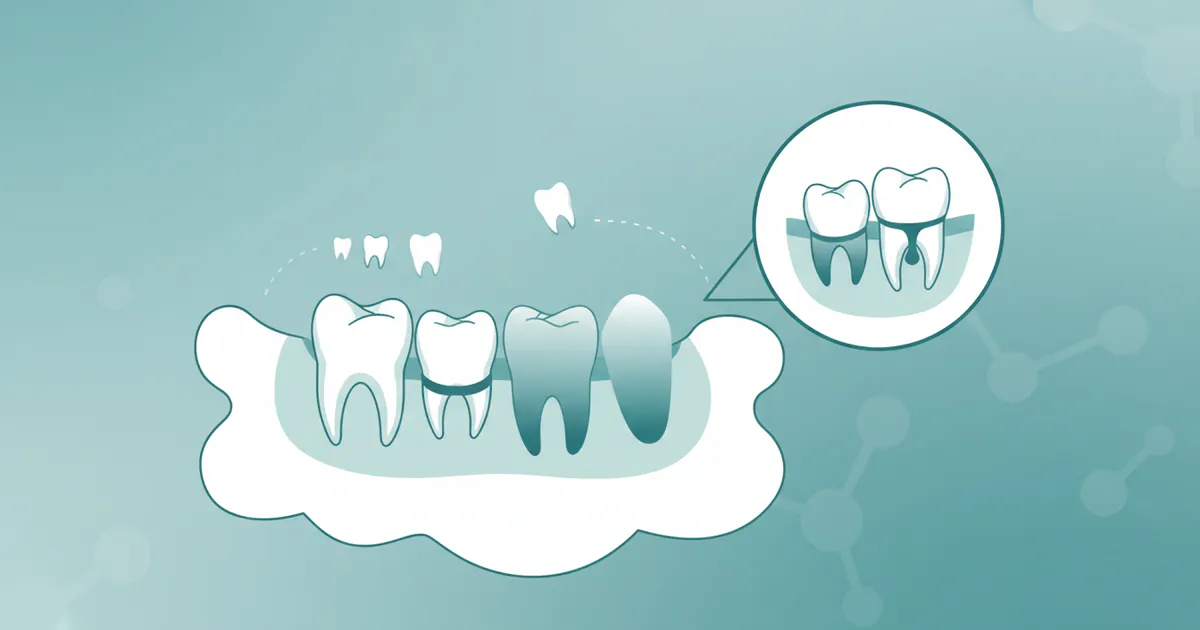
- Yes, dogs lose baby teeth: They are born with 28 deciduous (milk) teeth that are replaced by 42 permanent adult teeth.
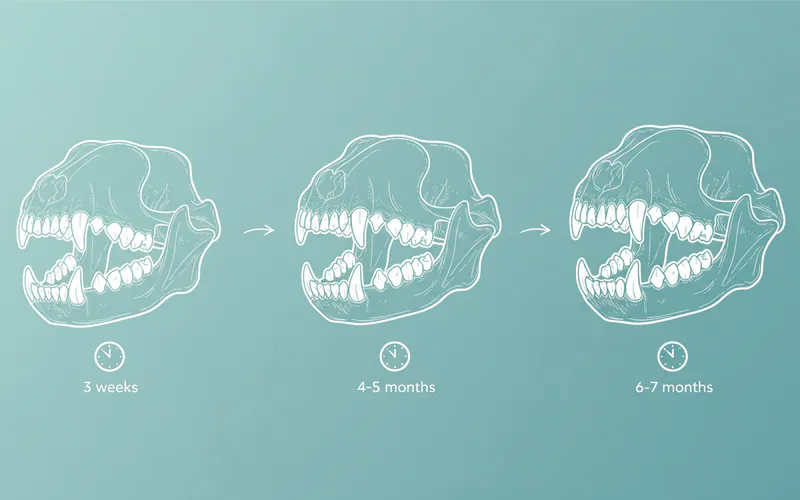
- Timeline: Puppy teeth typically start erupting around 2-4 weeks, and shedding begins around 3-4 months of age, with all adult teeth usually in by 6-7 months.
- Comparison to Humans: Both dogs and humans undergo a similar process, though dogs have a much faster timeline. Humans have 20 baby teeth replaced by 32 adult teeth.
- Common Complication: The most frequent issue is retained deciduous teeth, where baby teeth don't fall out, leading to crowding and potential dental problems.
- Veterinary Care: Regular vet check-ups are essential during puppyhood to monitor dental development. Extraction of retained teeth can cost $200 - $600 per tooth, potentially more if complicated or part of a larger dental cleaning procedure (ranging $1,000 - $2,000+).
- At-Home Care: Provide appropriate chew toys, monitor for discomfort, and begin early oral hygiene practices.
- Feline Fact: Cats also lose baby teeth, following a similar timeline and having similar potential complications as dogs.
The Curious Case of Canine Chompers: Do Dogs Lose Baby Teeth?
The journey of dental development in dogs is a remarkable biological process, mirroring in many ways the path human children take from their first gummy smiles to a full set of adult teeth. Understanding this transition is fundamental for any pet owner, and by extension, can highlight the importance of monitoring dental development in our own children.
What It Is: Deciduous Teeth in Our Furry Friends
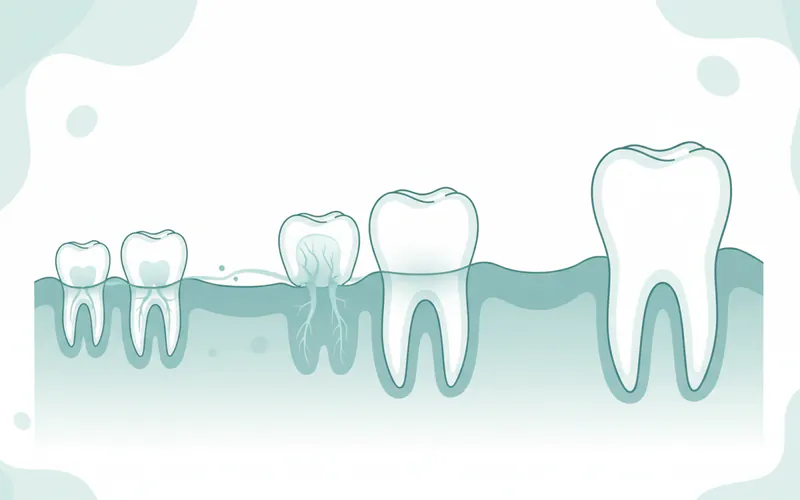
Just like human infants, puppies are born without visible teeth. Their first set of teeth, known as deciduous teeth, milk teeth, or more commonly, baby teeth, begin to emerge a few weeks after birth. These teeth are temporary, designed to help the puppy transition from nursing to solid food. They are smaller and often sharper than adult teeth, which any puppy owner can attest to during their teething phase!
In biological terms, deciduous teeth serve several crucial functions. They allow young mammals to begin chewing and processing solid foods, aiding in their growth and development. They also help guide the permanent teeth into their correct positions as they erupt. This temporary nature is a universal design, ensuring that as the jaw grows and strengthens, a more robust, permanent set of teeth is ready to take over.
The fascinating aspect for us at SmilePedia.net is the strong parallel this draws to human dental development. Our own children are born toothless, develop 20 deciduous teeth, and then gradually replace them with 32 permanent teeth. The underlying biological mechanisms, though adapted for different species, are strikingly similar.
Types of Teeth: A Canine Dental Map
Dogs, both puppies and adults, have different types of teeth, each serving a specific purpose in their carnivorous diet.
Puppy Teeth (Deciduous): Puppies typically develop 28 deciduous teeth. These include:
- Incisors: Small, sharp teeth at the front of the mouth, used for nibbling and grooming. (6 upper, 6 lower)
- Canines: Long, pointed teeth used for grasping and tearing. (2 upper, 2 lower)
- Premolars: Sharper, more pointed teeth located behind the canines, used for shearing food. (6 upper, 6 lower)
- Molars: Puppies do not have molars.
Adult Dog Teeth (Permanent): As puppies mature, their 28 baby teeth are replaced by a full set of 42 permanent teeth. This adult set includes:
- Incisors: (6 upper, 6 lower)
- Canines: (2 upper, 2 lower)
- Premolars: (8 upper, 8 lower)
- Molars: Larger, flatter teeth at the back of the mouth, used for grinding and crushing. (4 upper, 6 lower)
This increase in number and variety of teeth reflects the dog's mature diet and jaw strength. For comparison, humans have 20 baby teeth and 32 permanent teeth (including wisdom teeth), a testament to our omnivorous dietary needs.
The "Why It Happens": The Natural Cycle of Dental Development
The process by which dogs lose their baby teeth is a marvel of natural engineering. It's not simply that the baby teeth fall out; rather, it's an active process driven by the development of the permanent teeth.
Deep within the jawbone, beneath each baby tooth, the permanent tooth begins to form and grow. As the permanent tooth develops, its crown pushes upwards, and its root begins to resorb (dissolve) the root of the overlying baby tooth. This root resorption is the key mechanism. Without a stable root, the baby tooth becomes loose and eventually falls out, clearing the path for the permanent tooth to erupt into its proper position.
This natural cycle is crucial for several reasons:
- Space Creation: It ensures there's adequate space for the larger, stronger permanent teeth.
- Guidance: The presence of the baby tooth often guides the permanent tooth into its correct alignment.
- Strength and Longevity: Permanent teeth are designed to last a lifetime, providing the necessary strength for an adult dog's diet and activities.
This entire process, from the initial eruption of baby teeth to the final emergence of adult molars, is genetically programmed and usually unfolds smoothly. When it doesn't, complications can arise, which is why monitoring this phase is so important for both our pets and our children.
Decoding the Teething Timeline: What to Expect
Understanding the timeline of canine dental development is essential for managing your puppy's teething phase and identifying any potential issues early. This timeline is significantly faster than human teething, making vigilant observation even more critical.
Puppy Teething Chart: A Month-by-Month Guide
The timeline for puppy teeth eruption and shedding can vary slightly between breeds and individual dogs, but a general pattern holds true:
| Age of Puppy | Dental Development | Human Comparison (Approximate) |
|---|---|---|
| Birth | No visible teeth. Gums are smooth. | Human infants are also born without visible teeth. |
| 2-4 Weeks | First deciduous (baby) teeth begin to erupt, usually the incisors (front teeth). | Human incisors typically erupt between 6-12 months. |
| 3-6 Weeks | Canines and premolars erupt. Puppy now has a full set of 28 baby teeth. | Human canines erupt between 16-22 months. |
| 8 Weeks (2 Months) | All 28 baby teeth are usually in. This is a common age for puppies to go to their new homes. | Human children have all 20 baby teeth by about 2.5-3 years. |
| 12-16 Weeks (3-4 Months) | Shedding of deciduous incisors begins. Permanent incisors start to emerge. | Human incisors start shedding around 6-8 years. |
| 4-5 Months | Shedding of deciduous canines and premolars begins. Permanent canines and premolars start to erupt. | Human canines and premolars shed around 9-12 years. |
| 5-6 Months | Permanent molars begin to erupt. This is often the most intense chewing phase for puppies. | Human molars erupt between 6-12 years. |
| 6-7 Months | Most puppies will have their full set of 42 permanent adult teeth. | Human children typically have all permanent teeth by 12-14 years (excluding wisdom teeth). |
| 7+ Months | All permanent teeth should be present. Any remaining baby teeth at this stage are considered retained and require veterinary attention. | By 18 years, most humans have all 32 permanent teeth. |
Comparing to Human Teething: A Shared Journey
While the speed of development differs significantly, the fundamental process of teething and tooth replacement is remarkably similar between dogs and humans. Both species exhibit a predictable sequence of tooth eruption and shedding, guided by internal biological clocks.
For human children, the process looks something like this:
- 6-12 Months: First incisors erupt.
- 12-24 Months: Canines and first molars erupt.
- 2.5-3 Years: All 20 baby teeth are typically in.
- 6-8 Years: Incisors begin to shed, replaced by permanent incisors. First permanent molars erupt.
- 9-12 Years: Canines and premolars shed, replaced by permanent teeth. Second permanent molars erupt.
- 12-14 Years: Most permanent teeth are in (excluding wisdom teeth).
- 17-21 Years: Wisdom teeth (third molars) may erupt.
| Feature | Canine Teething | Human Teething |
|---|---|---|
| Number of Baby Teeth | 28 | 20 |
| Number of Adult Teeth | 42 | 32 (including wisdom teeth) |
| First Tooth Eruption | 2-4 weeks after birth | 6-12 months after birth |
| All Baby Teeth In | By 6 weeks | By 2.5-3 years |
| Shedding Begins | 3-4 months | 6-8 years |
| All Adult Teeth In | By 6-7 months | By 12-14 years (excluding wisdom teeth) |
| Common Symptoms | Chewing, drooling, gum irritation, finding teeth. | Irritability, drooling, chewing, mild fever. |
| Primary Concern | Retained deciduous teeth, malocclusion. | Cavities, thumb-sucking, early/late shedding. |
Pro Tip: Observing your puppy's teething can be a great way to understand the general principles of dental development. This knowledge can then be applied to recognizing the normal progression (and potential red flags) of your child's teething and tooth replacement, emphasizing the importance of monitoring.
Spotting the Signs: Is Your Puppy Teething?
Just like human babies, puppies exhibit clear signs when they are actively teething. Recognizing these symptoms allows you to provide comfort and intervene if necessary.
Behavioral Clues
Puppies communicate their discomfort and development through their actions. During teething, you'll likely observe:
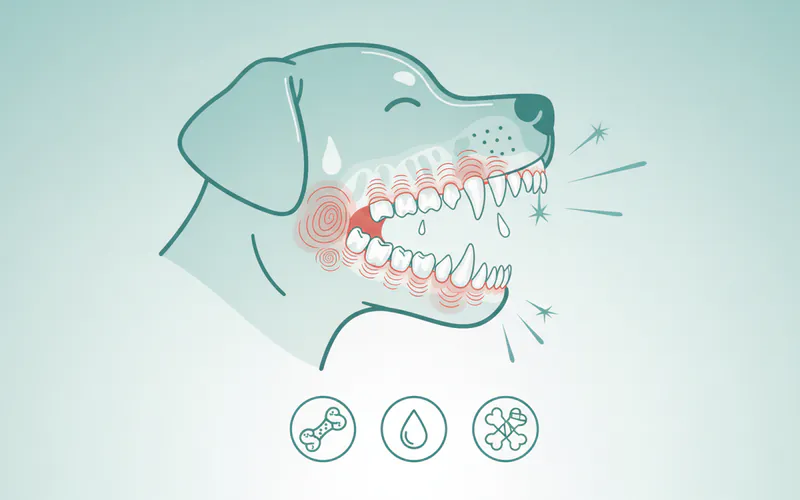
- Increased Chewing: This is the most obvious sign. Puppies will chew on anything and everything to relieve gum discomfort and help loosen baby teeth. This includes furniture, shoes, hands, and other pets.
- Drooling: Excessive drooling can be a symptom of irritated gums.
- Gum Inflammation/Redness: Upon inspecting your puppy's mouth, you might notice gums that are redder or slightly swollen than usual, especially around erupting teeth.
- Pawing at Mouth/Whining: Some puppies may paw at their mouths, rub their faces, or whine due to discomfort.
- Reduced Appetite: Sore gums can make eating painful, leading to a temporary decrease in appetite or a preference for softer foods.
- Finding Tiny Teeth: You might occasionally find a tiny, rice-grain-sized tooth on the floor or in your puppy's bedding. Don't worry if you don't find many; puppies often swallow their baby teeth, which is harmless.
- Mild Irritability: Just like teething babies, puppies can be a bit more cranky or restless during this period.
Oral Examination
Regularly (and gently!) examining your puppy's mouth is crucial during the teething phase. This allows you to monitor the process and spot potential issues early.
What to Look For:
- Missing Teeth: As adult teeth come in, you should see gaps where baby teeth have fallen out.
- Adult Teeth Erupting: You'll notice larger, whiter permanent teeth pushing through the gums.
- "Shark Teeth": This is a critical sign of a problem. If you see an adult tooth erupting next to a baby tooth that has not yet fallen out, it's a retained deciduous tooth. This requires veterinary attention.
- Redness or Swelling: While some mild inflammation is normal, excessive redness, bleeding, or swelling could indicate an infection or more serious issue.
- Fractured Teeth: Puppies can sometimes fracture a baby tooth, especially if they chew on something too hard. This can lead to pain and infection.
How to Safely Check: Start by gently lifting your puppy's lip to look at the front teeth. Gradually work your way back, praising and rewarding your puppy for cooperation. Make it a positive experience with treats. This habit will also make future vet visits easier.
Connection to Importance of Dental Check-ups for Children: Just as it's vital to inspect a puppy's mouth, parents should regularly check their children's mouths for signs of normal tooth eruption, shedding, or potential issues. The American Dental Association (ADA) recommends a child's first dental visit by their first birthday, or within six months of their first tooth erupting. This early visit allows a pediatric dentist to monitor development, address any concerns, and establish good oral hygiene habits.
Potential Pitfalls: When Teething Goes Wrong (for Pups & People)
While teething is a natural process, complications can arise in both dogs and humans. Recognizing these issues early is key to preventing long-term problems.
Risks and Complications in Dogs
The most common and significant complication during puppy teething is retained deciduous teeth. This occurs when a baby tooth fails to fall out on its own, even after the permanent tooth has begun to erupt.
-
Retained Deciduous Teeth: This is particularly common with canine teeth (the "fangs") and incisors. When a baby tooth is retained, it can lead to:
- Crowding: The permanent tooth has to erupt in an abnormal position, leading to overcrowding.
- Malocclusion (Bad Bite): The misaligned permanent tooth can cause an improper bite, leading to discomfort, trauma to other teeth or gums, and difficulty eating.
- Periodontal Disease: Food and debris can easily get trapped between the retained baby tooth and the permanent tooth, creating a breeding ground for bacteria, leading to plaque buildup, gingivitis, and eventually periodontal disease at a young age.
- Pain and Discomfort: The pressure from the erupting permanent tooth against the retained baby tooth can cause significant pain.
-
Impacted Teeth: Less common but serious, an impacted tooth occurs when a permanent tooth fails to erupt through the gums. This can be due to a physical barrier (like a retained baby tooth or cyst) or a developmental issue. Impacted teeth can lead to cysts, infections, and damage to adjacent teeth.
-
Fractured Teeth: Puppies sometimes chew on things that are too hard, leading to fractured baby teeth. This exposes the sensitive pulp, causing pain and a high risk of infection.
-
Oral Infections: While not a direct teething complication, teething can sometimes make gums more susceptible to infection if hygiene is poor or a fracture occurs.
Crucial Link to Human Pediatric Dental Problems: Many of these canine complications have direct parallels in human pediatric dentistry:
- Delayed Shedding: Children can sometimes have baby teeth that don't fall out on time, hindering the eruption of permanent teeth and causing crowding or impaction.
- Crowding and Malocclusion: Inadequate jaw space or issues with shedding can lead to crooked teeth and an improper bite in children, often requiring orthodontic intervention.
- Impacted Teeth: Wisdom teeth are a common example in humans, but other teeth can also become impacted.
- Early Childhood Caries: While not a teething complication, neglecting oral hygiene during teething can lead to early childhood caries (cavities) in human babies, just as poor hygiene can lead to infection in puppies.
Treatment Options for Retained Puppy Teeth
If a puppy retains one or more deciduous teeth, veterinary intervention is almost always necessary to prevent long-term problems.
- Veterinary Extraction: The primary treatment is surgical extraction of the retained baby tooth. This is performed under general anesthesia. The veterinarian will carefully remove the baby tooth, ensuring the permanent tooth is not damaged.
- Pros: Prevents crowding, malocclusion, and periodontal disease; alleviates pain; ensures proper development of the adult dentition.
- Cons: Requires anesthesia (always carries some risk, though minimal for healthy animals); involves a recovery period; cost.
- Early Intervention: The sooner retained teeth are identified and removed, the better the prognosis for the proper eruption and alignment of the permanent teeth. If left too long, even after extraction, orthodontic treatment (such as braces or tooth removal) might be necessary for the adult dog to correct severe malocclusion, though this is less common and more specialized in veterinary medicine.
It is paramount to have your puppy's mouth checked by a veterinarian by 6-7 months of age to ensure all baby teeth have been shed.
The Role of a Veterinarian (and a Pediatric Dentist for Kids)
Just as regular check-ups with a pediatric dentist are vital for children, routine veterinary visits are crucial for monitoring a puppy's dental development and addressing any issues promptly.
When to See a Vet
Don't wait until there's an obvious problem. Regular veterinary care during puppyhood includes dental assessments.
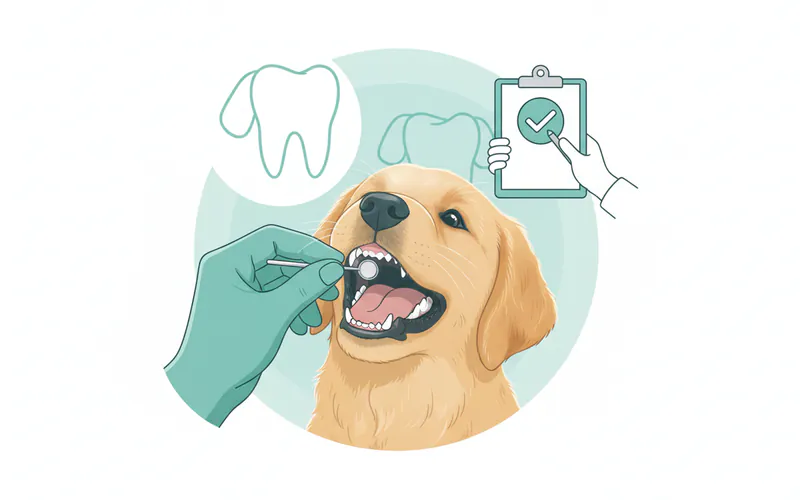
- Routine Puppy Check-ups: Your veterinarian will examine your puppy's mouth during their standard vaccination and wellness visits. They will check for normal tooth eruption and identify any retained deciduous teeth.
- Persistent Baby Teeth: If you notice a baby tooth still present when the adult tooth has already erupted (the "shark tooth" scenario), schedule an appointment immediately. This is the most common reason for an urgent vet visit related to teething.
- Severe Pain or Swelling: If your puppy is showing signs of severe pain, reluctance to eat, or significant swelling around the jaw or gums, this could indicate an infection, fractured tooth, or other serious issue.
- Gingivitis: Red, swollen, or bleeding gums, especially with bad breath, could be a sign of gingivitis, often exacerbated by retained teeth.
- Changes in Eating Habits: A sudden and persistent refusal to eat hard food or any food, beyond the mild appetite changes of normal teething, warrants a vet visit.
Analogies to Pediatric Dental Care
The principles of preventive care and early intervention are identical for our pets and our children.
- Regular Check-ups are Crucial: Just as annual veterinary visits are essential for monitoring a puppy's development, the American Dental Association (ADA) recommends that children have their first dental visit by their first birthday, and then regular check-ups every six months. These visits allow pediatric dentists to monitor tooth eruption, jaw development, and identify potential issues like crowding, delayed eruption, or malocclusion (bad bite) early on.
- Early Detection and Intervention: Detecting problems like retained baby teeth or early signs of malocclusion in a puppy can prevent more extensive and costly treatments later. Similarly, a pediatric dentist can spot signs of developing orthodontic issues, guide parents on proper oral hygiene, and apply preventive measures like fluoride treatments and sealants to avoid cavities.
- Comprehensive Oral Health: A veterinarian will assess not just the teeth but the entire oral cavity – gums, tongue, palate. A pediatric dentist does the same, emphasizing that oral health is integral to overall health.
Managing Teething Pains: Comfort for Puppies and Prevention for Problems
Just like with human babies, providing comfort and appropriate tools during teething is crucial for puppies. This phase also presents an excellent opportunity to establish lifelong habits of good oral hygiene.
Step-by-Step Guide to Comforting a Teething Puppy
- Provide Appropriate Chew Toys: This is paramount. Puppies need to chew to relieve gum discomfort and encourage baby teeth to fall out. Offer a variety of textures and hardness.
- Soft Rubber Toys: Good for gentle gnawing.
- Frozen Toys: Freeze wet washcloths (twisted), specific teething toys, or puppy-safe carrots (for older pups) to provide a numbing sensation for sore gums.
- Textured Toys: Toys with bumps or ridges can help massage gums.
- Avoid Hard Chews: Avoid very hard nylon bones, antlers, or ice cubes, as these can fracture delicate puppy teeth (both baby and newly erupted permanent teeth).
- Offer Soft Food Options: If your puppy seems reluctant to eat their regular kibble due to sore gums, temporarily soften their kibble with warm water or switch to a high-quality wet puppy food.
- Gentle Gum Massage: With clean fingers, gently massage your puppy's gums. Some puppies find this soothing.
- Positive Reinforcement: Reward your puppy for chewing on appropriate toys, especially if they try to chew on something they shouldn't. Redirect their attention calmly.
- Monitor for Discomfort: Keep an eye on their behavior. If they seem excessively painful, lethargic, or refuse to eat for more than a day, consult your veterinarian.
Oral Hygiene: A Lifelong Habit (for Both Species)
The teething phase is the perfect time to introduce your puppy to oral hygiene routines, which will be essential throughout their life. This early introduction also mirrors the importance of establishing dental care routines for children from an early age.
- Start Early with Brushing: Even before adult teeth are fully in, begin getting your puppy used to having their mouth handled and a toothbrush introduced. Use a puppy-specific toothbrush (finger brush or small soft brush) and canine-friendly toothpaste (never human toothpaste, as it contains ingredients toxic to pets). Start with just a few seconds daily.
- Make it Positive: Associate brushing with treats, praise, and gentle handling. The goal is familiarity and acceptance, not perfection initially.
- Regular Dental Chews (Appropriate Ones): Once all adult teeth are in, certain dental chews designed to reduce plaque can be beneficial, but always choose vet-approved options and monitor your puppy.
- Dental Check-ups: Ensure your puppy gets regular dental check-ups with your vet throughout their life, starting with their puppy visits.
Pro Tip: Introduce dental care like brushing to children early, just as you would with puppies. The ADA recommends brushing children's teeth twice a day with fluoride toothpaste (a tiny smear for children under 3, a pea-sized amount for children 3-6). Early establishment of these habits prevents cavities and sets the stage for lifelong oral health.
Do Cats Lose Baby Teeth? A Brief Comparison
While this article primarily focuses on dogs, it's a common question among pet owners: do cats lose baby teeth too? The answer is unequivocally yes! Feline dental development follows a similar pattern to canine and human development, albeit with its own specific timelines and tooth counts.
Kittens, like puppies, are born without visible teeth. Their first set of deciduous teeth begins to erupt a few weeks after birth.
- Kitten Teeth (Deciduous): Kittens develop 26 deciduous teeth, including 12 incisors, 4 canines, and 10 premolars. They do not have baby molars.
- Adult Cat Teeth (Permanent): These 26 baby teeth are replaced by 30 permanent adult teeth, consisting of 12 incisors, 4 canines, 10 premolars, and 4 molars.
Feline Teething Timeline:
- 3-4 Weeks: Incisors begin to erupt.
- 3-6 Weeks: Canines and premolars erupt. All 26 baby teeth are usually in by 8 weeks.
- 3-4 Months: Shedding of baby teeth begins.
- 4-6 Months: Permanent teeth begin to erupt, replacing the deciduous teeth.
- 6-7 Months: All 30 permanent adult teeth are typically in.
Similar to dogs, the most common complication in feline teething is retained deciduous teeth. These can lead to crowding, malocclusion, and increased risk of periodontal disease. Regular veterinary check-ups are just as important for kittens as they are for puppies to monitor this process.
| Feature | Canine Teething | Feline Teething | Human Teething |
|---|---|---|---|
| Baby Teeth Count | 28 | 26 | 20 |
| Adult Teeth Count | 42 | 30 | 32 |
| Baby Teeth Eruption | 2-6 weeks | 3-8 weeks | 6-24 months |
| Shedding Begins | 3-4 months | 3-4 months | 6-8 years |
| Adult Teeth Fully In | 6-7 months | 6-7 months | 12-14 years (avg.) |
| Primary Complication | Retained deciduous teeth | Retained deciduous teeth | Delayed/early shedding, cavities |
Cost Considerations: Veterinary Dental Care and Human Parallels
Understanding the financial aspects of dental care, for both pets and humans, is a critical part of responsible health management. While the specific costs differ, the principle of preventative care being more cost-effective than reactive treatment holds true across species.
Average US Costs for Canine Dental Procedures
Veterinary dental care costs can vary significantly based on your geographic location, the specific veterinary clinic, the dog's size, and the complexity of the procedure.

- Routine Veterinary Exam: A general wellness check-up, which includes a basic oral examination, typically costs $50 - $150. This is where retained baby teeth might first be noted.
- Extraction of Retained Deciduous Tooth (Simple): If a baby tooth needs to be extracted, the cost can range from $200 - $600 per tooth. This fee usually includes anesthesia, the extraction itself, pain medication, and potentially basic blood work.
- Complex Extractions / Full Dental Cleaning: If multiple teeth are retained, or if the retention has led to other problems requiring X-rays, extensive scaling, or gum treatments, the cost can easily escalate. A full dental cleaning under anesthesia, which often accompanies extractions, can range from $1,000 - $2,000+, depending on the extent of work needed. This could include pre-anesthetic blood work, IV fluids, dental radiographs (X-rays), scaling, polishing, and local nerve blocks.
- Emergency Visit for Infection/Trauma: An emergency vet visit for a painful infection or fractured tooth could cost $100 - $300 for the exam alone, with additional costs for medication, further diagnostics, or immediate treatment.
- Pet Insurance: Pet insurance policies often cover accidental injuries and illnesses, which can include dental extractions due to retained teeth or trauma. However, routine cleanings are often considered wellness care and may require an add-on or not be covered. Coverage details vary widely, so it's essential to read policies carefully. Monthly premiums can range from $30 - $70 for dogs, with varying deductibles and reimbursement percentages.
Cost of Pediatric Dental Care: A Human Perspective
Understanding the costs associated with human pediatric dental care can highlight the value of preventive measures and insurance.
- Routine Check-up and Cleaning: Without insurance, a standard check-up with cleaning and fluoride treatment for a child can cost $75 - $200.
- X-rays: Full mouth or bite-wing X-rays can add $25 - $200 to the visit, depending on the number and type.
- Fillings: If a child develops a cavity, a basic filling can range from $100 - $300+ per tooth, depending on the material (amalgam vs. composite).
- Orthodontic Evaluation: An initial consultation with an orthodontist might cost $50 - $200. Full orthodontic treatment (braces) can range from $3,000 - $7,000+, significantly more if complex.
- Dental Insurance: Most comprehensive health insurance plans in the US include some level of pediatric dental coverage, as mandated by the Affordable Care Act (ACA). Stand-alone dental plans can also be purchased, with monthly premiums ranging from $15 - $50 per person. These plans typically cover 80-100% of preventive care, 50-80% of basic procedures (fillings), and 20-50% of major procedures (like orthodontics).
- Payment Plans and Financing Options: Many dental offices offer in-house payment plans or work with third-party financing companies (e.g., CareCredit) to help manage costs over time.
- Cost-Saving Tips:
- Preventive Care: Regular check-ups, brushing, and flossing prevent costly problems.
- In-Network Providers: Choose dentists who are part of your insurance network.
- Community Clinics/Dental Schools: These can offer lower-cost services.
- Fluoride and Sealants: These preventive measures for children are relatively inexpensive and highly effective in preventing cavities.
Pro Tip: Early intervention and consistent preventative care are the most significant cost-saving strategies in both veterinary and human dentistry. Addressing issues like retained teeth or early cavities prevents them from escalating into more severe, painful, and expensive problems down the line.
Children / Pediatric Considerations
While the primary focus of this article is canine dental development, it serves as an excellent gateway to emphasize critical pediatric dental health considerations for human children. The biological principles are shared, and the importance of monitoring and early intervention applies universally.
Age-Specific Guidance for Parents:
- By Age One (or First Tooth): The American Academy of Pediatric Dentistry (AAPD) and ADA recommend a child's first dental visit by their first birthday or within six months of the first tooth erupting. This initial visit is not just about checking for teeth but also about educating parents on proper oral hygiene, diet, and habits.
- Teething in Infants: Human babies also experience discomfort during teething. Signs include irritability, drooling, chewing on hands or objects, and sometimes a mild fever. Provide clean, safe teething rings (chilled, not frozen), gentle gum massage, and consult your pediatrician for pain relief options if needed. Avoid amber teething necklaces as they pose choking and strangulation hazards.
- Monitoring Tooth Eruption: Keep an eye on your child's baby teeth. Ensure they are erupting in a relatively symmetrical and timely manner.
- Brushing Habits: Start brushing as soon as the first tooth appears. Use a soft, age-appropriate toothbrush and a tiny smear of fluoride toothpaste (rice-grain size) for children under three. For children aged 3-6, use a pea-sized amount. Supervise brushing until around age 7-8 to ensure proper technique and spitting.
- Importance of Primary Teeth: Baby teeth are not "just temporary." They hold space for permanent teeth, aid in speech development, and allow proper chewing for nutrition. Losing a baby tooth too early due to decay or trauma can lead to space loss, crowding, and alignment issues for the permanent teeth.
- Shedding of Baby Teeth: Typically, baby teeth start to loosen and fall out around age 6, usually starting with the front incisors. This process continues until around age 12-14. If a permanent tooth is erupting and the baby tooth is still firmly in place, or if a baby tooth falls out significantly earlier or later than expected, it's a good time to consult a pediatric dentist.
- Preventative Measures: Regular dental check-ups, fluoride treatments, and dental sealants (protective coatings on the chewing surfaces of back teeth) are highly effective in preventing cavities in children.
Understanding the systematic, yet sometimes challenging, process of dental development in our pets can foster a deeper appreciation for the parallel journey our children undertake, reinforcing the critical need for proactive dental care and vigilance from an early age.
Frequently Asked Questions
H3: Is it normal to find puppy teeth?
Yes, it is completely normal to find tiny puppy teeth on the floor, in their bedding, or embedded in a chew toy. Puppies shed their 28 baby teeth between 3 and 7 months of age as their 42 permanent adult teeth erupt. Don't be concerned if you don't find many; puppies often swallow their baby teeth, which is harmless.
H3: What happens if a puppy doesn't lose a baby tooth?
If a puppy doesn't lose a baby tooth (a retained deciduous tooth), it can cause significant problems. The permanent tooth may erupt crooked or misaligned, leading to crowding, an improper bite (malocclusion), and an increased risk of periodontal disease due to food trapping. These retained teeth almost always require veterinary extraction under anesthesia to prevent long-term dental issues.
H3: Do puppies swallow their baby teeth?
Yes, puppies frequently swallow their baby teeth. This is a very common and entirely harmless occurrence. The tiny teeth are usually digested or pass through their system without any issues, so there's no need to worry if you don't find every shed tooth.
H3: How long does puppy teething last?
Puppy teething generally lasts from about 3 weeks of age until all their permanent teeth are in, which is typically by 6 to 7 months of age. The most active shedding and chewing phase usually occurs between 3 and 6 months.
H3: What are the best chew toys for teething puppies?
The best chew toys for teething puppies are those that are appropriately soft and flexible to relieve discomfort without damaging teeth. Look for rubber teething toys, frozen KONG toys stuffed with puppy-safe treats, or wet washcloths that have been twisted and frozen. Avoid extremely hard toys like antlers, real bones, or ice cubes, which can fracture developing teeth.
H3: Can retained puppy teeth cause pain?
Yes, retained puppy teeth can cause significant pain. The persistent baby tooth can impede the proper eruption of the larger permanent tooth, leading to pressure, inflammation, and discomfort in the jaw and gums. Furthermore, retained teeth often cause food to get trapped, leading to gingivitis and infection, which are painful conditions.
H3: At what age should a puppy visit the vet for a dental check?
Puppies should have their mouths routinely checked during their initial vaccination series and wellness visits, usually starting around 8 weeks of age. A thorough dental check is especially important around 6-7 months of age to ensure all deciduous teeth have been shed and adult teeth are erupting correctly. This is the critical window to identify and address retained baby teeth.
H3: Does pet insurance cover retained tooth extractions?
Most pet insurance policies that cover illnesses and accidents will cover the cost of extracting retained deciduous teeth, as this is considered a necessary medical procedure to prevent future health problems. However, it's crucial to review your specific policy details, as coverage can vary, and pre-existing conditions or certain waiting periods might apply.
H3: How does puppy teething compare to human baby teething?
Both processes involve the eruption of a temporary set of teeth (baby teeth) that are later replaced by permanent adult teeth. The main difference is the timeline: puppies complete this process much faster, typically by 6-7 months, whereas human children take over a decade to complete their tooth replacement. Both species also experience similar symptoms like gum irritation and increased chewing, and face risks like retained teeth or malocclusion.
H3: Do cats lose their baby teeth at the same age as dogs?
Cats also lose their baby teeth, but their timeline is slightly different. Kittens develop their baby teeth between 3-8 weeks and begin shedding them around 3-4 months, with adult teeth typically fully erupted by 6-7 months, which is very similar to dogs. Both species are prone to complications like retained deciduous teeth.
When to See a Dentist
While this article discusses the fascinating world of canine dental development, its ultimate purpose on SmilePedia.net is to underscore the importance of professional dental care for human oral health, particularly in children. Monitoring your child's dental development is paramount, and knowing when to seek professional help can prevent minor issues from becoming major problems.
Clear Warning Signs That Need Immediate Attention (for Children):
- Severe Toothache: Persistent, intense pain in a tooth or jaw that doesn't subside with home remedies. This could indicate a deep cavity, infection, or abscess.
- Swelling in the Gums, Jaw, or Face: Swelling around a tooth or in the facial area is a sign of infection that needs immediate attention.
- Trauma or Injury to Teeth/Mouth:
- Knocked-out tooth (avulsed tooth): If a permanent tooth is knocked out, seek emergency dental care immediately. There's a chance it can be re-implanted. (If a baby tooth is knocked out, usually no re-implantation, but a dentist should check for damage).
- Fractured or Chipped Tooth: Even a small chip should be evaluated to check for pulp exposure or nerve damage.
- Loose Tooth (after injury): Any tooth loosened by trauma needs assessment.
- Delayed Eruption or Shedding:
- If a permanent tooth is visibly erupting but the baby tooth it's meant to replace is still firmly in place (similar to "shark teeth" in puppies), a dentist should evaluate to prevent crowding or malocclusion.
- If a child is significantly past the typical age for a tooth to erupt or shed, and there's no sign of movement, it warrants a check.
- White Spots or Discoloration on Teeth: These can be early signs of enamel demineralization or cavities, particularly near the gum line.
- Bleeding or Red Gums: While some mild bleeding during brushing can occur, persistent or heavy bleeding, along with red and swollen gums, could indicate gingivitis or other gum disease.
- Difficulty Chewing or Eating: If your child suddenly has trouble chewing, refuses certain foods, or complains of pain when eating, it's a red flag.
Red Flags vs. Routine Care Guidance:
- Emergency (Seek immediate attention): Severe pain, significant swelling, trauma (knocked-out, fractured tooth), suspected abscess.
- Scheduled Appointment (Seek within a few days): Persistent retained baby teeth, unusual tooth discoloration, persistent bad breath, minor gum irritation, minor chips.
- Routine Care (Regularly scheduled): Check-ups and cleanings every six months, fluoride treatments, sealants.
The American Dental Association (ADA) strongly recommends that children have their first dental visit by age one, or within six months of their first tooth erupting. These early visits are crucial for establishing a "dental home," preventing problems, and educating parents on proper oral hygiene practices. Just as you diligently monitor your puppy's dental development, apply the same vigilance and proactive approach to your child's oral health for a lifetime of healthy smiles.
Frequently Asked Questions
Medically Reviewed Content
This article was written by our dental health editorial team and reviewed for medical accuracy. Our content follows strict editorial guidelines for reliability and trustworthiness.
Medical Disclaimer
This article is for informational purposes only and does not constitute medical advice. Always consult with a qualified dental professional for diagnosis and treatment. Do not delay seeking professional advice because of something you read on this website.
Related Articles
Kitten Teething Toys: Complete Guide
Few milestones in early life bring as much joy – and sometimes, as much discomfort – as teething. Just as a playful kitten explores its new world by mouthing and chewing on everything it can, human babies also embark on a similar developmental journey. In fact, over 80% of infants experience som
February 22, 2026
How Many Teeth Do Children Have
Did you know that a child's smile goes through more dramatic transformations in their first 12 years than an adult's does in a lifetime? Understanding the journey of your child's dental development is fundamental to ensuring their lifelong oral health. For many parents, a common question arises: **h
February 22, 2026
Teething Syndrome: Complete Guide
As a parent, few things are as universally anticipated and often dreaded as the arrival of your baby's first tooth. While a milestone to celebrate, the process of primary tooth eruption, commonly known as teething syndrome, can bring with it a host of challenging symptoms. In fact, studies sugge
February 22, 2026
When Do Kittens Lose Their Baby Teeth
When Do Kittens Lose Their Baby Teeth
February 22, 2026