Crown Lengthening: Complete Guide
Key Takeaways
- Have you ever looked in the mirror and wished your teeth appeared longer, or perhaps your dentist informed you that you don't have enough tooth structure to support a dental crown? These common scenarios often point to a solution called crown lengthening. This specialized periodontal procedure,
Introduction
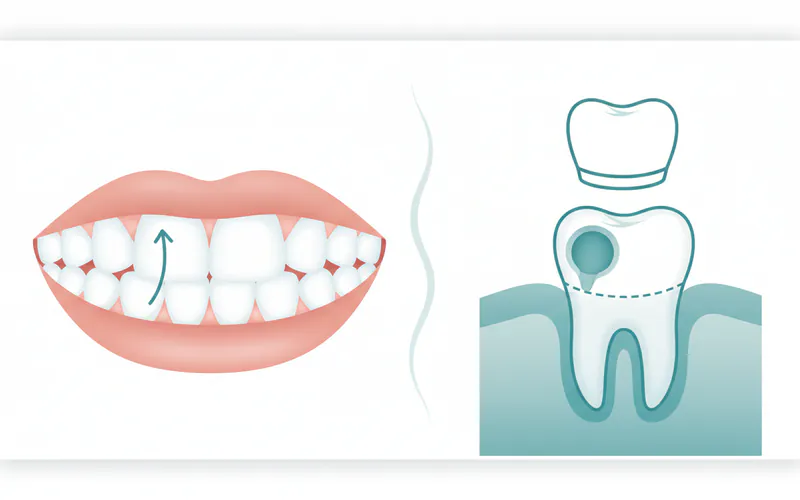
Have you ever looked in the mirror and wished your teeth appeared longer, or perhaps your dentist informed you that you don't have enough tooth structure to support a dental crown? These common scenarios often point to a solution called crown lengthening. This specialized periodontal procedure, despite its somewhat technical name, is a fundamental treatment in restorative and cosmetic dentistry, offering significant benefits for both oral health and aesthetics. It addresses situations where too much gum tissue or bone covers the natural tooth, making it difficult to properly restore a tooth or creating a "gummy" smile.
Understanding crown lengthening is crucial for anyone considering a dental crown, a veneer, or simply looking to improve their smile's appearance. It's not just about aesthetics; often, this procedure is a necessary step to ensure the long-term success of other vital restorative treatments. Without adequate exposure of healthy tooth structure, dental restorations like crowns may fail prematurely, leading to further dental complications and potentially higher costs down the line. This comprehensive guide will walk you through everything you need to know about crown lengthening, from what it is and why it's performed, to the procedure itself, recovery, costs, and potential risks, empowering you to make informed decisions about your dental health.
Key Takeaways:
- What it is: Crown lengthening is a surgical procedure that reshapes gum tissue and/or bone to expose more of a tooth's structure, either for restorative purposes or cosmetic enhancement.
- Cost: Average costs in the US range from $700 to $4,000 per tooth, varying by complexity, number of teeth, and location. Insurance typically covers a portion for medically necessary cases.
- Duration: The procedure usually takes 30 minutes to an hour per tooth, or longer for multiple teeth or complex cases.
- Recovery: Initial healing takes 1-2 weeks, with full gum healing in 2-3 months and bone remodeling up to 6 months.
- Purpose: It's often performed to prepare a tooth for a crown, fix a "gummy smile," or improve access for dental fillings below the gum line.
- Pain Management: Performed under local anesthetic, with manageable post-operative discomfort usually controlled with over-the-counter pain relievers.
- Success Rate: High success rate when performed by an experienced periodontist or oral surgeon, providing a stable foundation for future restorations.
What It Is / Overview
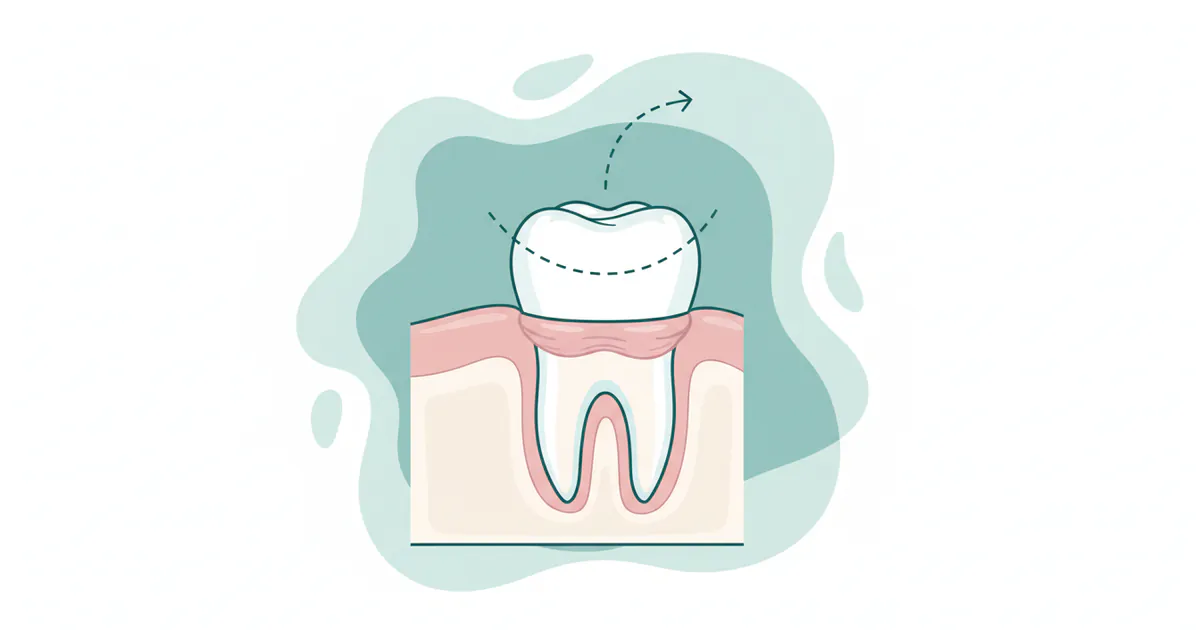
Crown lengthening is a common and highly effective periodontal procedure designed to expose more of a tooth's surface. It involves carefully reshaping the gum tissue and, in some cases, the underlying bone around one or more teeth. The primary goal is to create a longer clinical crown – the visible portion of the tooth above the gum line – either to facilitate restorative dental work or to improve the aesthetics of a smile.
Think of it this way: sometimes, a tooth may be broken or decayed deep below the gum line, or there might simply be too much gum tissue covering the tooth, making it appear short. In such situations, placing a dental crown, a veneer, or even a simple dental filling becomes challenging or impossible without first adjusting the surrounding soft and hard tissues. Crown lengthening creates the necessary space, known as the "biologic width," between the edge of a restoration and the bone, ensuring proper gum health and the long-term success of the dental work.
The term "biologic width" refers to the specific dimension of healthy gum tissue attached to the tooth root, which consists of the junctional epithelium and connective tissue attachment. Maintaining this precise distance (typically around 2.04 mm) is crucial for gum health. If a dental restoration encroaches upon this space, it can lead to chronic inflammation, gum recession, and even bone loss. Crown lengthening strategically re-establishes this biologic width, preventing these complications and providing a stable, healthy foundation for restorative treatments.
Why It's Performed: Indications for Crown Lengthening
Crown lengthening is performed for several key reasons, which can be broadly categorized into restorative and cosmetic indications.
1. Restorative Indications: These are the most common reasons and are often deemed medically necessary. * Insufficient Tooth Structure for a Crown: When a tooth is severely fractured, has extensive decay below the gum line, or has a significant amount of tooth structure removed during root canal therapy, there might not be enough healthy tooth above the gum to support a new dental crown. Crown lengthening exposes more tooth, allowing for a strong "ferrule effect" – a band of tooth structure that hugs the crown, crucial for its stability and longevity. * Deep Dental Decay: Decay that extends deep below the gum line cannot be effectively cleaned or filled without removing the overlying gum tissue and bone. This procedure allows the dentist access to completely remove the decay and place a proper teeth filling or build-up. * Subgingival Fractures: Similar to deep decay, a tooth fracture extending below the gum line requires exposure to be treated, whether through bonding, a filling, or a crown. * Inadequate Biologic Width: If a previous restoration (e.g., a filling or crown) impinges on the biologic width, it can cause persistent gum inflammation, bleeding, and discomfort. Crown lengthening can correct this, creating a healthy environment for the gums. * To Improve Retention for Removable Partial Dentures: In some cases, reshaping the gums and bone can create better support and retention for clasps of a removable partial denture.
2. Cosmetic Indications ("Gummy Smile" Correction): * Excessive Gingival Display: Often referred to as a "gummy smile" (or altered passive eruption), this occurs when too much gum tissue covers the natural teeth, making them appear short or disproportionate. Crown lengthening reshapes the gum line to expose more of the natural tooth, creating a more balanced and aesthetically pleasing smile. This is purely cosmetic but can significantly boost a patient's confidence. * Uneven Gum Line: If the gum line around several front teeth is uneven, crown lengthening can be used to sculpt and recontour the gums for a symmetrical and harmonious appearance.
``
Types / Variations of Crown Lengthening
While the fundamental goal of exposing more tooth structure remains the same, crown lengthening can be performed with slight variations depending on the specific clinical need and the amount of tissue to be removed.
-
Gingivectomy (Soft Tissue Recontouring Only):
- What it is: This is the simplest form of crown lengthening, involving only the removal of excessive gum tissue. No bone is removed.
- When it's used: Primarily for cosmetic cases where there's an abundance of gum tissue (gingival hyperplasia or altered passive eruption) but the underlying bone level is already appropriate. It can also be used for very minor restorative needs where only gum tissue is obscuring access.
- Method: Traditionally done with a scalpel, but increasingly performed with a soft tissue laser for minimal bleeding and faster healing.
- Pros: Less invasive, quicker recovery, typically less discomfort.
- Cons: Not suitable if bone needs to be reshaped; can result in gum re-growth if underlying bone isn't addressed and biologic width is violated.
-
Osseous Crown Lengthening (Soft Tissue and Bone Recontouring):
- What it is: This is the most common and comprehensive type of crown lengthening. It involves removing both gum tissue and a small amount of underlying bone to achieve the desired exposure of tooth structure and re-establish proper biologic width.
- When it's used: For most restorative cases where decay or fracture extends into the biologic width, or for cosmetic cases where the underlying bone is positioned too close to the gum line, contributing to the "gummy smile." This ensures the gum tissue won't grow back to its original position.
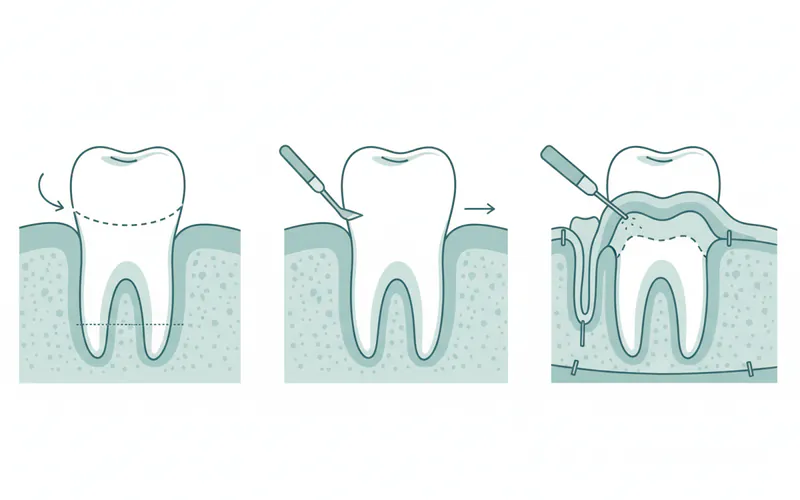
- Method: Involves lifting a small flap of gum tissue (flap surgery) to access the bone. Specialized instruments (scalpels, bone chisels, rotary burs) are used to carefully remove bone and reshape the area. The gum tissue is then repositioned and sutured.
- Pros: Provides stable, long-term results; allows for correction of biologic width violations; creates ideal conditions for crown placement.
- Cons: More invasive than a gingivectomy, longer recovery, potential for more post-operative swelling and discomfort.
-
Orthodontic Extrusion (Forced Eruption):
- What it is: While not a surgical crown lengthening in the traditional sense, this orthodontic technique achieves a similar outcome. It involves using braces or clear aligners to gradually pull a tooth out of the bone, exposing more tooth structure. As the tooth moves, the bone and gum tissue move with it. A subsequent surgical crown lengthening may still be needed to remove excess gum and bone.
- When it's used: When a fracture or decay is very deep and crown lengthening alone would compromise the bone support of adjacent teeth, or when there's insufficient root length.
- Pros: Preserves surrounding bone, can be ideal for deep fractures.
- Cons: Takes several months, requires orthodontic treatment, often followed by a minor surgical crown lengthening.
The choice of technique depends heavily on a thorough clinical examination and X-rays, assessing the amount of gum tissue, bone level, and the specific needs of the restorative or cosmetic treatment.
Step-by-Step Process: What to Expect During Treatment
The crown lengthening procedure, while surgical, is performed routinely and with precision. Understanding the steps can help alleviate any anxiety you might have.
1. Consultation and Planning:
*   **Initial Assessment:** Your dentist or [periodontist](/gum-disease/complete-guide-to-gum-periodontal-disease-everything-you-need-to-know) will conduct a thorough examination, including taking X-rays and possibly 3D scans, to assess the amount of gum tissue, bone level, and the overall health of the tooth requiring treatment. They will discuss your medical history and any medications you are taking.
*   **Treatment Plan:** A personalized treatment plan will be developed, outlining whether only gum tissue or both gum and bone need to be removed, and which teeth will be involved. This is also when your dentist will discuss the next steps, such as placing your final [dental crown](/general-dentistry/emergency-dentist-complete-guide) after healing.
*   **Questions:** This is your opportunity to ask any questions about the procedure, recovery, and costs.
2. Pre-Procedure Instructions:
*   Your [dentist](/general-dentistry/complete-guide-to-general-dentistry-oral-health-everything-you-need-to-know) might recommend avoiding certain medications (like blood thinners) before the procedure.
*   You may be advised to eat a light meal before your appointment.
*   Arrange for transportation if you will be taking any sedative other than local anesthetic.
3. The Procedure Day:
- Anesthesia: The area around the tooth (or teeth) will be numbed with a local anesthetic, similar to what you receive for a teeth filling. You should feel no pain during the procedure, only pressure or movement. If you're particularly anxious, your dentist might offer additional sedation options like nitrous oxide (laughing gas) or oral conscious sedation.
- Gum Incisions: The periodontist will make small incisions in your gum tissue to carefully separate the gums from the tooth and underlying bone.
- Tissue Repositioning (Flap Creation): A small flap of gum tissue is gently lifted back to expose the root and the bone surrounding it.
- Tissue and Bone Removal:
- Gingivectomy (Soft Tissue Only): If only gum tissue needs to be removed, a scalpel or laser will be used to trim away the excess gum.
- Osseous Resection (Soft Tissue and Bone): For cases requiring bone removal, specialized dental instruments, such as bone chisels or rotary burs, will be used to precisely remove a small amount of bone around the tooth root. The goal is to establish the correct biologic width and expose the desired amount of tooth structure. The amount of bone removed is typically very minimal, often less than a millimeter.
- Rinsing and Suturing: After the desired amount of tooth structure is exposed, the area is thoroughly rinsed with sterile saline. The gum tissue flap is then repositioned at a lower level on the tooth and secured with small sutures (stitches). These sutures are usually dissolvable or will be removed by your dentist at a follow-up appointment.
- Protective Dressing (Optional): In some cases, a protective periodontal dressing (similar to putty) may be placed over the surgical site to protect the healing gums and reduce discomfort.
The procedure itself typically takes 30 minutes to an an hour per tooth, but can be longer if multiple teeth are being treated or the case is particularly complex.
``
Cost and Insurance
Understanding the financial aspects of crown lengthening is crucial for planning your treatment. The cost can vary significantly based on several factors, including the complexity of the case, the number of teeth involved, whether bone needs to be removed, the region you live in, and the specific dental professional performing the procedure.

Average US Costs
In the United States, the average cost for crown lengthening typically ranges from $700 to $4,000 per tooth.
- Simple Gingivectomy (Soft Tissue Only): For a single tooth, this might range from $300 to $1,000.
- Osseous Crown Lengthening (Soft Tissue and Bone): For a single tooth, this usually falls between $700 and $2,500.
- Multiple Teeth/Quadrant: If multiple teeth are involved in a quadrant (e.g., for a "gummy smile" correction across several front teeth), the cost per tooth might be slightly lower, but the total cost will be higher, potentially ranging from $2,500 to $6,000 or more for an entire arch.
Factors Influencing Cost:
- Geographic Location: Costs tend to be higher in major metropolitan areas (e.g., New York City, Los Angeles) compared to rural areas.
- Specialist vs. General Dentist: A periodontist (a gum specialist) or an oral surgeon will typically charge more than a general dentist, but they also bring specialized expertise and equipment.
- Complexity: Cases requiring significant bone removal or involving difficult-to-access teeth will be more expensive.
- Anesthesia: While local anesthesia is usually included, additional sedation (like nitrous oxide or IV sedation) will add to the total cost.
- Pre- and Post-Operative Care: This usually includes consultations, X-rays, and follow-up appointments.
Comparison Table: Estimated Crown Lengthening Costs (US)
| Procedure Type | Per Tooth (Average Range) | Quadrant/Multiple Teeth (Average Range) | Typical Provider |
|---|---|---|---|
| Gingivectomy (Soft Tissue Only) | $300 - $1,000 | $800 - $2,500 | General Dentist, Periodontist |
| Osseous Crown Lengthening (Bone & Soft Tissue) | $700 - $2,500 | $2,500 - $6,000+ | Periodontist, Oral Surgeon |
| Consultations & X-rays | $100 - $300 (initial) | N/A | All |
| Additional Sedation (e.g., Nitrous Oxide) | $50 - $250 | $100 - $500 (IV sedation) | All |
Insurance Coverage
Dental insurance coverage for crown lengthening largely depends on whether the procedure is deemed medically necessary or purely cosmetic.
-
Medically Necessary Cases: If crown lengthening is required to treat decay, a fracture, or to allow for a proper dental crown placement (restorative indications), it is often at least partially covered by dental insurance. Most plans classify this as a major procedure.
- Coverage Levels: You can expect insurance to cover anywhere from 50% to 80% of the procedure cost after your deductible is met.
- Codes: Dental insurance companies typically use specific CDT (Current Dental Terminology) codes for crown lengthening, such as D4249 (Crown lengthening – hard tissue, per tooth) or D4210 (Gingivectomy, per quadrant) or D4211 (Gingivectomy, per tooth).
- Pre-Authorization: It is highly recommended to obtain a pre-authorization from your insurance company before the procedure. This will provide a clear estimate of what your plan will cover, preventing unexpected out-of-pocket expenses.
-
Cosmetic Cases: If the procedure is performed solely to improve the appearance of a "gummy smile" or to create a more even gum line without an underlying restorative need, it is generally not covered by dental insurance. In these instances, you would be responsible for 100% of the cost.
Pro Tip: Always call your dental insurance provider directly or have your dental office submit a pre-treatment estimate to understand your specific benefits and out-of-pocket expenses.
Payment Plans and Financing Options
For procedures not covered by insurance or for the remaining balance, several financing options are available:
- In-Office Payment Plans: Many dental offices offer flexible payment plans, allowing you to pay for the procedure in interest-free installments over several months.
- Third-Party Financing (e.g., CareCredit): Services like CareCredit offer special financing options for healthcare expenses, often with interest-free periods if the balance is paid within a certain timeframe.
- Health Savings Accounts (HSAs) or Flexible Spending Accounts (FSAs): If you have an HSA or FSA through your employer, you can use pre-tax dollars to pay for medically necessary dental procedures, including crown lengthening.
- Dental Schools: University dental schools often provide services at a reduced cost, as procedures are performed by students under the supervision of experienced faculty. This can be a more affordable option, though it may involve longer appointment times.
How Much Does a Crown Cost? (Related to Crown Lengthening)
Since crown lengthening is often a prerequisite for placing a dental crown, it's important to consider the combined cost. The cost of a dental crown varies widely based on the material (porcelain, zirconia, metal, porcelain-fused-to-metal), the tooth's location, and the dentist's fees.
- Average Crown Costs (US):
- Porcelain or Zirconia Crowns: $800 - $2,500 per tooth. These are popular for their aesthetic appeal and strength.
- Porcelain-Fused-to-Metal (PFM) Crowns: $700 - $1,800 per tooth.
- Gold or Metal Alloy Crowns: $800 - $2,500 per tooth.
- Temporary Crowns: Usually included in the overall crown cost, but can be a separate charge of $100-$300 if needed for an extended period.
When budgeting for a crown that requires prior crown lengthening, you should factor in both procedures. For example, a medically necessary crown lengthening might cost $1,500, and a subsequent porcelain crown might cost another $1,800, leading to a total of $3,300 before insurance, for a single tooth. Your insurance might cover a portion of both procedures.
Recovery and Aftercare
Proper post-operative care is crucial for successful healing and to prevent complications after crown lengthening.
Immediate Post-Operative Period (First 24-48 Hours):
- Pain Management: You will likely experience some mild to moderate discomfort as the local anesthetic wears off. Your dentist may prescribe pain medication, or recommend over-the-counter options like ibuprofen (Advil, Motrin) or acetaminophen (Tylenol). Avoid aspirin-containing products as they can increase bleeding.
- Swelling: Some swelling is normal. Apply an ice pack to the outside of your face, over the surgical area, for 15-20 minutes on, 15-20 minutes off, for the first 24 hours to minimize swelling.
- Bleeding: Slight oozing or minor bleeding is common. If bleeding is heavy or persistent, apply firm but gentle pressure with a clean gauze pad for 20-30 minutes and contact your dentist.
- Diet: Stick to soft foods and liquids for the first few days (e.g., yogurt, soup, mashed potatoes, smoothies). Avoid crunchy, spicy, or hot foods that could irritate the surgical site. Also, avoid using straws as the suction can dislodge blood clots.
- Oral Hygiene: Do NOT rinse your mouth vigorously or brush the surgical area directly for the first 24 hours. After that, your dentist might recommend a prescription antimicrobial mouthwash (like chlorhexidine) and gentle brushing around other teeth, carefully avoiding the surgical site.
- Rest: Get plenty of rest. Avoid strenuous activity or heavy lifting for at least 24-48 hours, as this can increase bleeding and swelling.
- Smoking/Alcohol: Absolutely avoid smoking and alcohol, as they can significantly impair healing and increase the risk of complications.
Ongoing Care (First 1-2 Weeks):
- Sutures: If non-dissolvable sutures were used, you will have a follow-up appointment, typically 7-10 days after the procedure, to have them removed. If dissolvable sutures were used, they will gradually disappear on their own.
- Oral Hygiene: Continue with gentle oral hygiene. Your dentist will advise when you can resume normal brushing and flossing around the treated area.
- Diet: Gradually reintroduce solid foods as comfort allows, but continue to avoid very hard or sticky foods until fully healed.
- Exercise: You can typically resume light exercise after a few days, but consult your dentist for specific guidance.
- Peridontal Dressing: If a periodontal dressing was placed, follow your dentist's instructions for its care. It usually falls off on its own or is removed at your follow-up appointment.
Long-Term Healing and Maintenance:
- Gum Healing: The gums will typically heal superficially within 1-2 weeks. However, complete maturation of the gum tissue and bone remodeling can take 2-3 months for soft tissue and up to 6 months for the bone.
- Restoration Placement: If the crown lengthening was performed for a dental crown, your dentist will wait until the tissues are adequately healed (usually 6-8 weeks, sometimes longer for bone procedures) before taking impressions for your permanent crown. This waiting period is critical to ensure the gum line is stable and the new crown will fit properly without impinging on the biologic width.
- Oral Hygiene: Maintain excellent oral hygiene with regular brushing and flossing to prevent future gum disease.
- Regular Dental Check-ups: Continue with your routine dental check-ups and professional cleanings as recommended by your dentist.
Pro Tip: If you experience any severe pain, persistent bleeding, fever, or signs of infection (pus, spreading redness), contact your dentist immediately.
Prevention (Addressing underlying issues)
While crown lengthening is a treatment, not something you "prevent" in the traditional sense, you can prevent the conditions that often necessitate it.
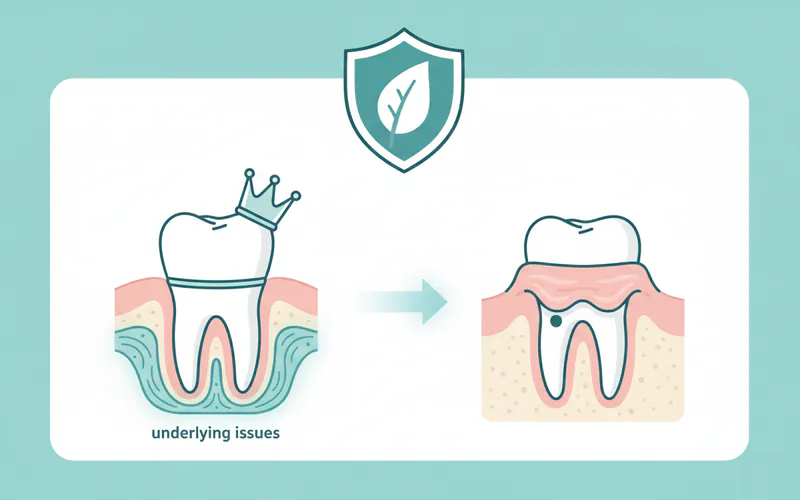
- Excellent Oral Hygiene: Regularly brushing twice a day and flossing once a day effectively removes plaque and prevents gum disease (gingivitis and periodontitis). Untreated gum disease can lead to gum recession or, paradoxically, overgrown gums (gingival hyperplasia) in some cases, which might warrant crown lengthening.
- Regular Dental Check-ups: Visiting your dentist for routine cleanings and examinations every six months allows for early detection and treatment of decay and gum issues, preventing them from advancing to a point where a procedure like crown lengthening becomes necessary. Early intervention with a simple teeth filling can prevent deeper decay requiring extensive treatment.
- Protective Measures: If you grind your teeth (bruxism) or play contact sports, wearing a nightguard or mouthguard can protect your teeth from fractures that might extend below the gum line, thus avoiding the need for crown lengthening.
- Avoid Habits that Damage Teeth: Biting on hard objects (ice, pens), using teeth as tools, or nail-biting can cause chips and fractures that compromise tooth structure.
Risks and Complications
Crown lengthening is a safe and common procedure, but like any surgical intervention, it carries some potential risks and complications, though they are generally rare and manageable.
- Sensitivity: It's common to experience temporary tooth sensitivity to hot and cold temperatures after crown lengthening, especially if root surfaces are newly exposed. This usually subsides over a few weeks or months but can be persistent in some cases. Desensitizing toothpaste or topical fluoride applications can help.
- Bleeding: Minor bleeding is normal after surgery. Persistent or heavy bleeding, however, requires immediate attention from your dentist.
- Swelling and Discomfort: Swelling and pain are expected but usually manageable with prescribed or over-the-counter pain relievers and cold compresses.
- Infection: Although rare with proper sterile techniques and post-operative care, bacterial infection can occur. Symptoms include increased pain, swelling, redness, pus, and fever. Antibiotics may be prescribed.
- Gum Recession: While crown lengthening intentionally reshapes the gum line, sometimes excessive recession can occur, potentially exposing more of the root surface than intended.
- Uneven Gum Line: In some cases, especially if not performed by an experienced specialist, the gum line around the treated tooth or adjacent teeth might not heal perfectly evenly.
- Tooth Mobility: Rarely, if too much bone is removed, it can compromise the stability of the tooth, leading to increased mobility. This is a significant concern and highlights the importance of precise planning and execution by a skilled practitioner.
- Damage to Adjacent Teeth: There is a slight risk of damaging adjacent teeth or their roots during the bone removal phase, particularly if the teeth are very close together.
- Aesthetic Concerns: For some cosmetic cases, the final gum line may not meet the patient's aesthetic expectations, even if functionally successful.
- Root Caries: With more root surface exposed, there's a slightly increased risk of root decay, especially if oral hygiene is not meticulously maintained.
Pro Tip: Choosing a board-certified periodontist or an experienced general dentist for your crown lengthening procedure significantly reduces the risk of complications. They possess the specialized training and knowledge required for precise surgical execution.
Children / Pediatric Considerations
Crown lengthening is less common in children than in adults, but there are specific scenarios where it might be considered.
- Altered Passive Eruption (Gummy Smile): Similar to adults, some children or teenagers may have an excessive display of gum tissue when smiling. However, it's crucial to differentiate this from "delayed passive eruption," where the adult teeth are still in the process of erupting through the gums. Often, it's advised to wait until adolescence, usually after all permanent teeth have fully erupted and jaw growth is mostly complete (typically late teens), before considering cosmetic crown lengthening in children. This allows for the natural maturation of the gum tissues.
- Restorative Needs (Trauma or Deep Decay): In rare cases, if a child's permanent tooth suffers a severe fracture or develops deep decay extending below the gum line, a limited crown lengthening might be necessary to save the tooth and allow for a restoration like a teeth filling or a pediatric crown. This is typically a last resort and performed conservatively to preserve as much developing bone and tissue as possible.
- Eruption Problems: In specific orthodontic or developmental cases, a minor gingivectomy might be performed to help an impacted or partially erupted tooth emerge more easily.
Pediatric crown lengthening is performed with extreme care, considering the developing dentition and bone structure. The decision to proceed requires careful evaluation by a pediatric dentist, orthodontist, or periodontist, often in conjunction with each other.
Frequently Asked Questions
How long does the crown lengthening procedure take?
The procedure typically takes 30 minutes to an hour for a single tooth. If multiple teeth are involved, or the case is complex requiring extensive bone recontouring, it can take longer, up to several hours for an entire quadrant or multiple front teeth.
Is crown lengthening painful?
During the procedure, you will receive local anesthesia, so you should not feel any pain, only pressure. Afterward, most patients experience mild to moderate discomfort, which can usually be managed with over-the-counter pain relievers like ibuprofen. Prescription pain medication may be provided for more extensive procedures.
How long is the recovery period for crown lengthening?
Initial healing of the gum tissue takes about 1 to 2 weeks, during which you should follow your post-operative instructions carefully. Full gum maturation takes 2 to 3 months, and complete bone remodeling can take up to 6 months. If a permanent crown is needed, your dentist will typically wait 6-8 weeks for sufficient healing before taking impressions.
Can my gums grow back after crown lengthening?
For osseous crown lengthening (which involves bone removal), the results are generally very stable and permanent because the underlying bone has been recontoured, establishing a new biologic width. For a simple gingivectomy (soft tissue only), there is a higher chance of the gum tissue growing back if the underlying bone level was not addressed or if inflammation persists.
Are there alternatives to crown lengthening?
Yes, depending on the reason. For deep decay or fracture, orthodontic extrusion (forced eruption) can sometimes be an alternative, where the tooth is slowly pulled out of the bone over several months. For cosmetic "gummy smile" cases, gum recontouring with a laser (gingivectomy) without bone removal is an option if the bone level is appropriate. In some severe cases of tooth damage, tooth extraction and replacement with a dental implant or bridge might be the only alternative, though this is a more invasive and costly option.
Will my tooth be sensitive after crown lengthening?
It's common to experience increased tooth sensitivity to hot and cold temperatures after the procedure, as more of the root surface may be exposed. This sensitivity usually diminishes over several weeks or months. Your dentist may recommend special toothpastes or rinses to help manage this.
How much does a crown lengthening procedure cost without insurance?
Without dental insurance, the cost of crown lengthening can range from approximately $700 to $2,500 per tooth for osseous (bone and soft tissue) procedures, and $300 to $1,000 per tooth for a simple gingivectomy. These are average ranges, and the final price depends on the complexity and your geographic location.
Will my dental insurance cover crown lengthening?
Dental insurance typically covers a portion of crown lengthening if it is deemed medically necessary (e.g., to treat decay, fracture, or facilitate a dental crown). Coverage usually ranges from 50% to 80% for major procedures after your deductible. Cosmetic crown lengthening for a "gummy smile" is generally not covered. It's crucial to get a pre-authorization from your insurance.
Who performs crown lengthening?
Crown lengthening is usually performed by a periodontist (a specialist in gum and bone tissue around teeth), or in some cases, by an experienced general dentist with advanced training in periodontal surgery, or an oral surgeon.
How long do I have to wait after crown lengthening to get my permanent crown?
Your dentist will typically recommend waiting 6 to 8 weeks after crown lengthening before proceeding with the final impression for your permanent dental crown. This waiting period allows the gum tissues to fully heal and stabilize, ensuring that your new crown will have a precise fit and a healthy gum margin. In cases involving significant bone removal, this waiting period might be extended up to 3-6 months.
When to See a Dentist
Recognizing when to seek professional dental advice is key to maintaining your oral health and preventing small issues from becoming larger problems that might require extensive procedures like crown lengthening.
Schedule a Routine Appointment If:
- You notice a "gummy smile": If you feel that too much gum tissue shows when you smile, making your teeth appear short, a cosmetic crown lengthening might be an option. This is not an emergency but an aesthetic concern worth discussing.
- Your dentist mentions deep decay: During a regular check-up, if your dentist finds decay that extends close to or below the gum line, crown lengthening might be necessary to adequately remove the decay and place a proper teeth filling or dental crown.
- You're planning a dental crown or veneer: If you know you need a dental crown or veneer due to significant tooth damage or aesthetic goals, and your dentist mentions you might not have enough tooth structure, inquire about crown lengthening. This is a pre-emptive step for optimal restorative outcomes.
- You have persistent gum inflammation around an existing restoration: If an old teeth filling or crown consistently causes your gums to be red, swollen, or bleed, it might be impinging on your biologic width, and crown lengthening could resolve the issue.
Seek Immediate Attention (Emergency) If:
- You experience a tooth fracture that goes below the gum line: A severe tooth fracture, especially one that extends deep into the gum tissue, can be very painful and expose the tooth's sensitive inner layers to bacteria. This requires prompt evaluation to assess if the tooth can be saved, potentially with crown lengthening.
- You have severe, persistent pain or signs of infection after a dental procedure: While minor discomfort is normal after dental work, increasing pain, significant swelling, pus, fever, or spreading redness after a procedure could indicate an infection or complication and warrants immediate contact with your dentist.
Regular dental check-ups are the cornerstone of preventive care. Your dentist can identify potential issues early on and recommend the most appropriate course of action, ensuring your smile remains healthy and functional.
Frequently Asked Questions
Medically Reviewed Content
This article was written by our dental health editorial team and reviewed for medical accuracy. Our content follows strict editorial guidelines for reliability and trustworthiness.
Medical Disclaimer
This article is for informational purposes only and does not constitute medical advice. Always consult with a qualified dental professional for diagnosis and treatment. Do not delay seeking professional advice because of something you read on this website.
Related Articles
Teeth Crown: Complete Guide
Imagine the confidence of a strong, healthy smile. Yet, for many Americans, dental issues like decay, cracks, or large fillings can compromise not just aesthetics, but also the vital function of their teeth. In fact, over 15 million Americans have undergone crown and bridge procedures, highlight
February 22, 2026
How Long Do Fillings Take
When you discover a cavity or experience tooth pain, one of the first questions that might come to mind is, how long do fillings take? Understanding the duration of a dental filling procedure is crucial for managing your schedule and expectations, but it's just one piece of the puzzle. Dental fi
February 22, 2026
Root Canal and Crown: Complete Guide
When a tooth suffers from significant damage or infection, a combination of two powerful restorative dental procedures often becomes necessary to save it: a root canal and crown. This comprehensive approach not only eradicates infection and alleviates pain but also restores the tooth's structura
February 22, 2026
Bridge Teeth Cost: Complete Price Guide 2026
Losing a tooth can be more than just an aesthetic concern; it can impact your ability to chew, speak clearly, and even lead to shifting teeth, affecting your overall oral health. If you're considering solutions for missing teeth, a dental bridge is a common and effective restorative option. But what
February 22, 2026