Teeth Grinding (bruxism): Complete Guide
Key Takeaways
- Do you often wake up with a dull, constant headache or a sore jaw? Perhaps your partner complains about the grating sound coming from your side of the bed at night. If so, you're not alone. An estimated 10-15% of adults in the United States experience some form of teeth grinding (bruxism), a
Teeth Grinding (bruxism): Complete Guide
Do you often wake up with a dull, constant headache or a sore jaw? Perhaps your partner complains about the grating sound coming from your side of the bed at night. If so, you're not alone. An estimated 10-15% of adults in the United States experience some form of teeth grinding (bruxism), a condition where you unconsciously clench or grind your teeth. While occasional teeth grinding might not be a cause for concern, chronic bruxism can lead to a host of dental and overall health problems, from cracked teeth and damaged dental restorations to severe jaw pain and even temporomandibular joint (TMJ) disorders. This comprehensive guide from SmilePedia.net will equip you with everything you need to understand, identify, and effectively manage teeth grinding, exploring its causes, symptoms, diverse treatment options including modern approaches like masseter Botox for teeth grinding, and practical strategies for prevention and recovery.
Key Takeaways:
- Teeth grinding (bruxism) is the unconscious clenching or grinding of teeth, occurring during sleep (sleep bruxism) or while awake (awake bruxism).
- Common symptoms include jaw pain, headaches, tooth sensitivity, worn enamel, and fractured teeth.
- Custom-fit nightguards are a primary non-invasive treatment, typically costing $300-$800 and lasting 3-5 years.
- Masseter Botox for teeth grinding offers relief by relaxing jaw muscles, with costs ranging from $500-$1,500 per session and effects lasting 3-6 months.
- Stress management, biofeedback, and addressing underlying sleep disorders are crucial components of long-term bruxism management.
- Early diagnosis and intervention are vital to prevent severe dental damage, TMJ disorders, and chronic pain.
- Dental insurance often covers a portion of nightguard costs, but elective treatments like Botox are typically out-of-pocket.
What It Is / Overview
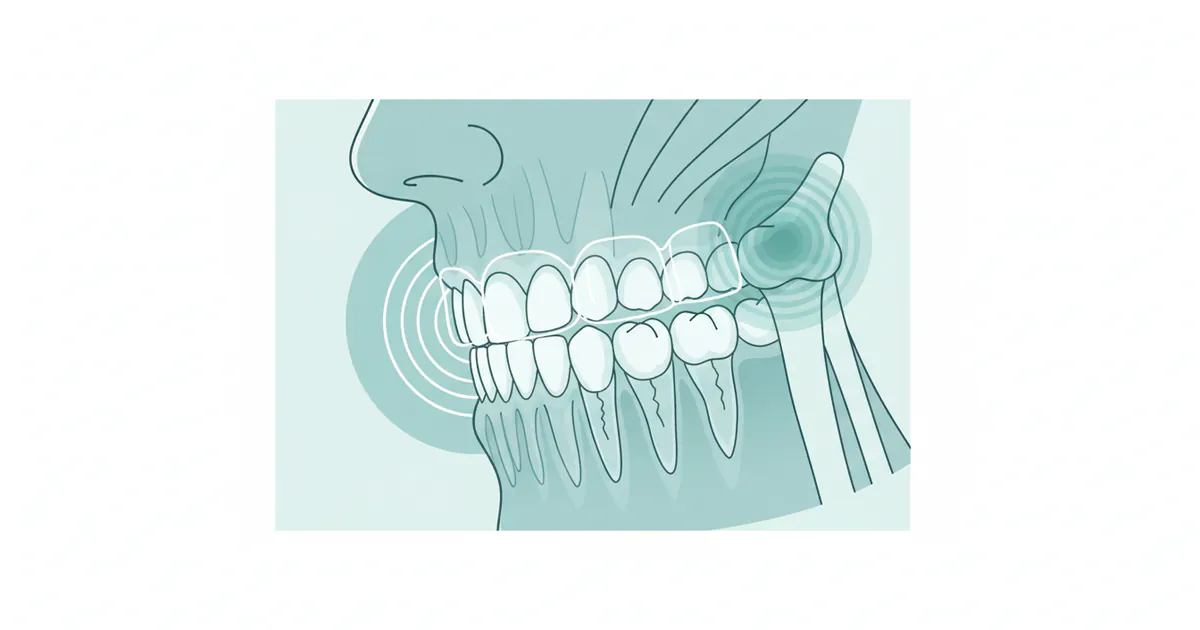
Bruxism, commonly known as teeth grinding, is a parafunctional activity of the masticatory system, meaning it involves jaw movements that are outside the normal functions of chewing, speaking, or swallowing. It manifests as either the rhythmic grinding of teeth together or the clenching of the jaw. This unconscious habit places immense pressure on your teeth, jaw muscles, and the temporomandibular joints (TMJs), which act like a sliding hinge connecting your jawbone to your skull.
The forces generated during bruxism can be significantly higher than those experienced during normal chewing. While chewing typically involves forces of 68-100 pounds per square inch (psi), bruxism can generate forces up to 250 psi, leading to substantial wear and tear over time. Many people aren't even aware they grind their teeth until a dentist notices the signs or a loved one points it out. Understanding bruxism is the first step toward protecting your oral health and preventing potentially severe complications.
Types / Variations
Teeth grinding isn't a singular phenomenon; it manifests in different forms, each with unique triggers and management strategies. Dentists categorize bruxism primarily based on when it occurs:
Awake Bruxism
Awake bruxism involves conscious or subconscious clenching of the jaw while a person is awake. It typically doesn't involve grinding sounds but rather a sustained clenching of the teeth.
- Characteristics: Often linked to stress, anxiety, concentration, or intense focus (e.g., during demanding tasks, driving, or studying). People might find themselves clenching their jaw during stressful meetings or while lifting weights.
- Awareness: Individuals may be more aware of this type of bruxism, although it can still be an unconscious habit.
- Symptoms: Jaw stiffness, headaches, and muscle fatigue are common.
- Management: Behavioral therapies, stress reduction techniques, and conscious awareness exercises are often effective.
Sleep Bruxism
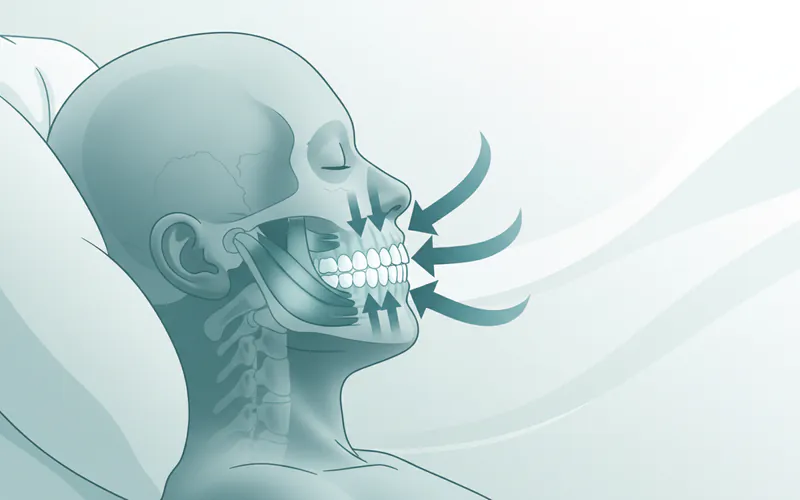
Sleep bruxism is the more common and often more damaging form, occurring unconsciously during sleep. It can involve both clenching and grinding.
- Characteristics: Often associated with sleep disorders like sleep apnea, certain medications, and lifestyle factors. It typically occurs during periods of light sleep or arousal.
- Awareness: Most individuals are unaware they have sleep bruxism until a sleep partner reports grinding noises or a dentist identifies tell-tale signs.
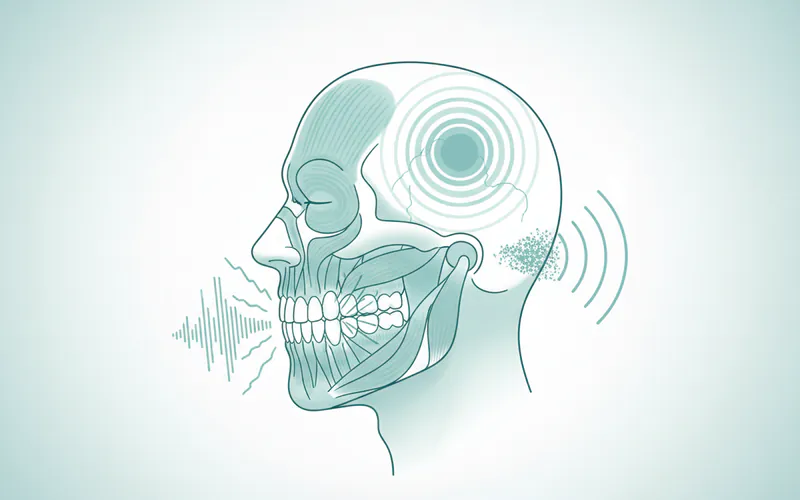
- Symptoms: Waking with jaw pain, facial pain, headaches (especially tension headaches), earaches, worn tooth enamel, fractured teeth, and sensitive teeth are hallmark signs.
- Management: Dental devices (nightguards), medication, and addressing underlying sleep issues are common treatments.
Pro Tip: If your partner reports you're making grinding noises at night, bring it up with your dentist immediately. This is one of the clearest indicators of sleep bruxism.
Causes / Why It Happens
The exact cause of bruxism isn't always clear, and it's often multifactorial, meaning a combination of physical, psychological, and genetic factors contribute to its development.
Psychological Factors
- Stress and Anxiety: This is arguably the most common culprit. High levels of stress, anxiety, anger, frustration, or tension can lead to unconscious clenching or grinding, particularly during sleep. The jaw muscles become a physical outlet for emotional strain.
- Personality Type: People with aggressive, competitive, or hyperactive personality types may be more prone to bruxism.
Physical and Dental Factors
- Misaligned Bite (Malocclusion): Historically considered a primary cause, an improper alignment of your upper and lower teeth was thought to trigger grinding as the jaw seeks a comfortable resting position. While its direct causal role is now debated, a misaligned bite can certainly exacerbate the effects of bruxism.
- Missing or Crooked Teeth: Gaps in the smile or teeth that are not properly aligned can lead to uneven biting forces, potentially prompting compensatory grinding.
- Dental Restorations: Poorly fitting crowns, fillings, or bridges can disrupt the bite and irritate the jaw, sometimes leading to bruxism.
- Sleep Disorders: Sleep bruxism is strongly linked to other sleep-related disorders, most notably obstructive sleep apnea (OSA). The body may clench or grind its teeth as a subconscious effort to open the airway during an apneic episode. Restless leg syndrome can also be a contributing factor.
Medical Conditions and Medications
- Neurological Conditions: Certain conditions like Parkinson's disease, Huntington's disease, and epilepsy can be associated with bruxism.
- GERD (Gastroesophageal Reflux Disease): Acid reflux can sometimes trigger clenching due to discomfort.
- Medications: Some psychiatric medications, particularly selective serotonin reuptake inhibitors (SSRIs) like fluoxetine (Prozac) and paroxetine (Paxil), can have bruxism as a side effect. Amphetamines and other stimulants can also contribute.
- Other Conditions: ADHD, hyperthyroidism, and even dehydration have been implicated.
Lifestyle Factors
- Alcohol and Caffeine: Consuming alcohol and caffeinated beverages, especially in the evening, can disrupt sleep patterns and increase bruxism activity.
- Tobacco Use: Nicotine is a stimulant that can exacerbate bruxism. Smokers are nearly twice as likely to experience bruxism as non-smokers.
- Recreational Drugs: Use of illicit drugs like ecstasy (MDMA) or cocaine can cause severe bruxism.
Signs and Symptoms
Recognizing the signs of teeth grinding is crucial for early intervention. Because sleep bruxism often goes unnoticed by the individual, it's important to be aware of the less obvious indicators.
Oral and Dental Symptoms
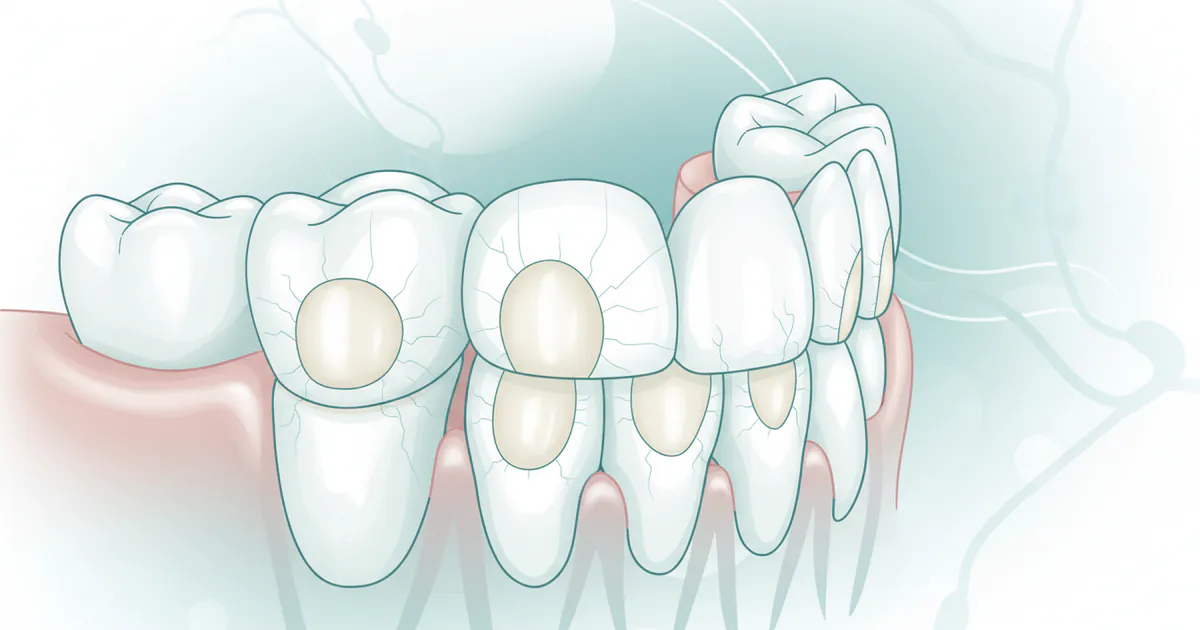
- Worn, Flattened, Fractured, or Chipped Teeth: This is often the most definitive sign. The constant friction can wear down the chewing surfaces of your teeth, making them appear flat or significantly shorter. Chips and fractures can occur, especially on the edges of front teeth.
- Increased Tooth Sensitivity: As enamel wears away, the underlying dentin (which contains microscopic tubules leading to nerve endings) becomes exposed, leading to sensitivity to hot, cold, or sweet foods and drinks.
- Loose Teeth: Persistent grinding can put excessive stress on the periodontal ligaments that hold teeth in place, potentially leading to tooth mobility.
- Indentations on the Tongue: Scalloped edges or indentations on the sides of your tongue can indicate consistent pressure from clenching against your teeth.
- Damage to Dental Restorations: Fillings, crowns, bridges, and veneers can become chipped, fractured, or dislodged due to the intense grinding forces.
- Gum Recession: Chronic clenching can contribute to gum recession and bone loss around the teeth.
Jaw and Facial Symptoms
- Sore or Painful Jaw Muscles: You might wake up with your jaw feeling stiff or tired, similar to how other muscles feel after an intense workout. This pain can radiate into the face.
- Tight Jaw Muscles (Masseter Hypertrophy): Chronic clenching can cause the masseter muscles (the main chewing muscles on the sides of your jaw) to become enlarged and feel firm to the touch, sometimes leading to a squarer facial appearance.
- Locking or Clicking Jaw: The temporomandibular joint (TMJ) can become inflamed or damaged, leading to sounds (clicking, popping) when you open or close your mouth, or even temporary locking of the jaw.
- Temporomandibular Joint (TMJ) Disorders: Untreated bruxism is a leading cause of TMJ disorders, characterized by pain, restricted jaw movement, and discomfort in the joint.
Head, Neck, and Other Symptoms
- Dull Headaches: Particularly tension-type headaches that start in the temples and radiate to the forehead, often present upon waking.
- Earaches: Pain that feels like an earache but isn't caused by an actual ear infection, due to the proximity of the jaw joint to the ear canal.
- Neck Pain: Jaw muscle tension can extend to the neck and shoulders, causing stiffness and pain.
- Sleep Disruption: While bruxism can disrupt a partner's sleep due to noise, the individual may also experience restless sleep.
Treatment Options
Effective management of teeth grinding often requires a multi-faceted approach tailored to the individual's specific type of bruxism and its underlying causes.
1. Dental Appliances (Occlusal Splints / Nightguards)
These are the most common and often the first line of defense against sleep bruxism.
- Custom-Made Nightguards: Fabricated by a dentist from impressions of your teeth, these are typically made of durable acrylic and fit precisely over your upper or lower teeth.
- How They Work: They create a physical barrier between your upper and lower teeth, preventing direct contact, protecting tooth surfaces from wear, and cushioning the jaw muscles, reducing clenching forces. They also help to realign the jaw into a more relaxed position.
- Pros: Highly effective for protecting teeth, reducing jaw pain and headaches, non-invasive, durable.
- Cons: Can be uncomfortable initially, requires consistent use, professional versions are costly, may not stop the act of grinding but mitigate its effects.
- Cost: $300-$800 for a custom-fit appliance, with some variations depending on materials and geographic location. Over-the-counter boil-and-bite guards are much cheaper ($20-$50) but less effective and can sometimes worsen the bite if not fitted correctly.
2. Behavioral Therapies
Crucial for both awake and sleep bruxism, especially when stress or habits are the root cause.
- Stress Management: Techniques like meditation, yoga, deep breathing exercises, mindfulness, and regular physical activity can significantly reduce overall stress levels, thereby lessening bruxism.
- Biofeedback: Involves using electronic devices to monitor jaw muscle activity. You learn to relax jaw muscles by seeing or hearing real-time feedback. While promising, it's not widely available for home use.
- Awareness Training (for Awake Bruxism): Consciously monitoring and correcting clenching habits throughout the day. Setting reminders, using sticky notes, or apps can help. The goal is to keep your teeth slightly apart, with your tongue resting on the roof of your mouth.
3. Medications
While not a primary long-term solution, certain medications can offer temporary relief.
- Muscle Relaxants: Prescribed for short-term use to relax jaw muscles, particularly before bedtime. Examples include cyclobenzaprine.
- Botulinum Toxin (Botox) Injections: Specifically, masseter Botox for teeth grinding has gained significant popularity.
- How It Works: Botox is injected directly into the masseter muscles (the large muscles at the back of your jaw). It temporarily paralyzes or weakens these muscles, reducing their ability to clench with extreme force.
- Pros: Highly effective in reducing grinding forces and associated pain, can help with aesthetic concerns (reducing jawline prominence), results typically last 3-6 months.
- Cons: Temporary (requires repeat injections), costly, potential for temporary muscle weakness or asymmetry, requires a skilled and experienced practitioner.
- Cost: Varies widely based on the amount of Botox needed and the provider's fees, typically ranging from $500-$1,500 per session.
- Antidepressants/Anti-anxiety Medications: If bruxism is strongly linked to anxiety or depression, treating the underlying condition with appropriate medication can sometimes alleviate bruxism, though some SSRIs can paradoxically cause bruxism.
- Pain Relievers/Anti-inflammatories: Over-the-counter NSAIDs (e.g., ibuprofen) can help manage pain and inflammation associated with jaw soreness and headaches.
4. Dental Corrections
Addressing structural issues in the mouth can sometimes reduce bruxism or its effects.
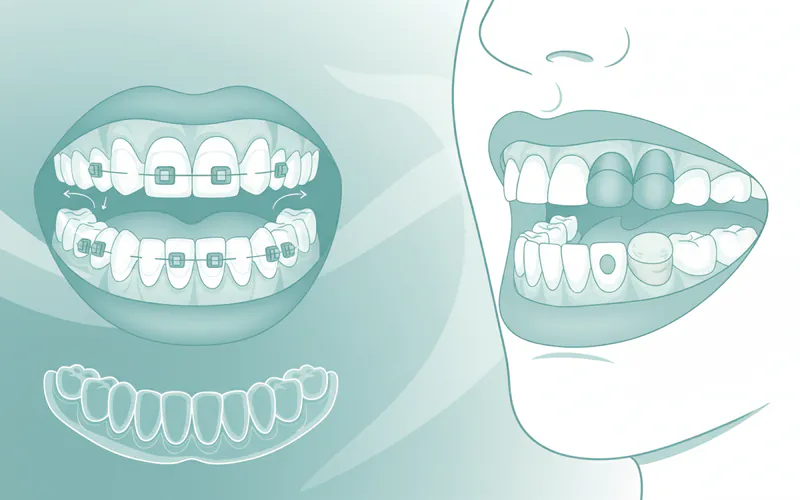
- Orthodontics: Braces or clear aligners can correct misaligned bites and crooked teeth, potentially reducing some triggers for bruxism, though this is a long-term solution.
- Restorative Dentistry: Replacing missing teeth, repairing chipped teeth, or adjusting poorly fitting restorations can improve bite alignment and reduce uneven pressure.
- Occlusal Adjustment: In rare cases, minor reshaping of the biting surfaces of teeth may be performed to balance the bite. This is a very conservative procedure and only considered after other treatments.
5. Addressing Underlying Sleep Disorders
If sleep bruxism is suspected to be linked to sleep apnea, addressing the apnea is paramount.
- CPAP (Continuous Positive Airway Pressure): The gold standard for treating sleep apnea, CPAP can often reduce or eliminate sleep bruxism by ensuring an open airway.
- Oral Appliance Therapy for Sleep Apnea: Custom-made dental devices can reposition the jaw to keep the airway open during sleep.
Step-by-Step Process: What to Expect During Treatment
Let's look at the typical process for two common and effective treatments: custom nightguards and masseter Botox.
Custom Nightguard Process
- Initial Consultation & Diagnosis: Your dentist will examine your teeth for signs of wear, assess your jaw muscles for tenderness, and discuss your symptoms and lifestyle. X-rays may be taken.
- Impressions: If a nightguard is recommended, your dentist will take accurate impressions (molds) of your upper and/or lower teeth. This can be done with traditional putty or digital scanning.
- Fabrication: The impressions are sent to a dental lab where a skilled technician will craft a custom nightguard from durable acrylic or a combination of hard/soft materials. This typically takes 1-2 weeks.
- Fitting Appointment: You'll return to the dental office for a fitting. The dentist will ensure the nightguard fits snugly but comfortably, checking your bite with the guard in place and making any necessary adjustments to ensure it doesn't interfere with your occlusion.
- Instructions & Care: You'll receive detailed instructions on how to insert and remove your nightguard, how to clean it daily, and when to wear it (typically every night).
- Follow-up: Regular dental check-ups are important to monitor the effectiveness of the nightguard and check for any continued signs of bruxism or wear on the appliance itself. Nightguards typically last 3-5 years but may need replacement sooner if wear is severe.
Masseter Botox for Teeth Grinding Process
- Consultation with a Qualified Practitioner: This is crucial. Seek out a dentist, oral surgeon, or cosmetic dermatologist experienced in therapeutic Botox for bruxism. They will assess your jaw muscles, discuss your symptoms, and determine if you are a suitable candidate.
- Treatment Planning: The practitioner will identify the specific injection sites on your masseter muscles and determine the appropriate dosage (units) of Botox.
- Injection Procedure:
- The skin around the injection sites will be cleaned.
- Topical numbing cream may be applied, though many find the injections tolerable without it.
- Using a very fine needle, Botox is precisely injected into several points in each masseter muscle. The procedure itself is quick, usually lasting 10-15 minutes.
- You might feel a mild stinging or pressure during the injections.
- Aftercare: You'll be advised to avoid rubbing or massaging the injection sites for at least 24 hours to prevent the Botox from spreading to unintended areas. Strenuous exercise should also be avoided for a day.
- Results and Follow-up:
- You won't see immediate results. It typically takes 3-7 days for muscle relaxation to begin, with full effects apparent after 2-4 weeks.
- Pain reduction and decreased clenching forces are the primary benefits. Some individuals also notice a slimming of the jawline over time.
- The effects usually last 3-6 months, after which repeat injections are necessary to maintain results.
Pro Tip: For maximum efficacy, combine a custom nightguard (to protect teeth) with behavioral therapies and, if appropriate, medical interventions like Botox (to reduce muscle activity and pain).
Cost and Insurance
Understanding the financial aspect of bruxism treatment in the US is vital, as costs can vary significantly.
Custom Dental Nightguards
- Cost Range: $300 - $800
- Low End ($300-$500): May be found at general dental practices, often with a simpler acrylic material.
- Mid-Range ($500-$700): Most common range, offering high-quality, durable custom appliances.
- High End ($700-$800+): May be from specialists, or for more complex designs/materials.
- Insurance Coverage: Many dental insurance plans offer partial coverage for nightguards, classifying them as a "dental appliance" or "TMJ therapy." Coverage typically ranges from 50% to 80% after your deductible is met. It's crucial to check your specific plan details, as some plans may have waiting periods or limitations.
- Over-the-Counter Alternatives: Boil-and-bite guards cost $20-$50. While cheap, they offer less protection, can be uncomfortable, and may not correctly support the jaw. They are generally not recommended as a long-term solution.
Masseter Botox for Teeth Grinding
- Cost Range: $500 - $1,500 per session
- This cost is primarily for the product (Botox units) and the provider's fee. The number of units needed varies per individual.
- Low End ($500-$800): May be for smaller doses or from newer practitioners.
- Mid-Range ($800-$1,200): Common range for experienced practitioners.
- High End ($1,200-$1,500+): For higher dosages or from highly specialized practitioners in premium locations.
- Insurance Coverage: Generally, medical insurance does NOT cover Botox injections for bruxism as it is often considered an "off-label" or elective cosmetic procedure, even though it's used therapeutically. Some medical insurance providers might cover it if a prior authorization indicates it's medically necessary for severe TMJ pain after other treatments have failed, but this is rare and requires specific diagnostic codes. Always confirm with your medical insurer.
- Frequency: Treatments are typically needed every 3-6 months, making it a recurring expense.
Other Treatments
- Orthodontics: $3,000 - $8,000+ (partially covered by some dental insurance for medical necessity, especially for children).
- Restorative Dentistry: Varies widely based on procedure. Fillings ($100-$300), crowns ($800-$1,500+). Partially covered by dental insurance.
- Physical Therapy/Chiro/Massage: $50-$200 per session (some medical insurance may cover a portion if prescribed for TMJ pain).
- Medications: Prescription muscle relaxants may be covered by medical insurance; OTC pain relievers are out-of-pocket.
Recovery and Aftercare
Once you've started treatment for bruxism, proper recovery and aftercare are essential for maximizing effectiveness and preventing recurrence.
For Nightguard Users
- Daily Cleaning: Clean your nightguard daily with a toothbrush and mild soap or non-abrasive denture cleaner. Rinse thoroughly. Do not use toothpaste, as it can be abrasive.
- Storage: Store your clean nightguard in its protective case when not in use. Avoid leaving it exposed or in direct sunlight, which can cause warping.
- Regular Dental Check-ups: Bring your nightguard to every dental appointment. Your dentist will check its fit, condition, and look for any signs of excessive wear that might indicate a need for replacement or adjustments to your treatment plan.
- Monitoring Symptoms: Pay attention to any changes in your jaw pain, headaches, or tooth sensitivity. Report these to your dentist.
For Botox Recipients
- Avoid Rubbing/Massaging: For the first 24-48 hours, avoid rubbing, massaging, or putting pressure on the injection sites to prevent the Botox from migrating.
- Avoid Strenuous Activity: Limit vigorous exercise, heavy lifting, and activities that significantly increase blood flow to the face for 24 hours.
- Monitor for Side Effects: Mild bruising, swelling, or redness at the injection site is common and temporary. Report any unusual or severe symptoms to your practitioner.
- Schedule Follow-ups: Remember that Botox effects are temporary. Plan follow-up injections every 3-6 months as recommended by your practitioner to maintain the benefits.
- Complementary Therapies: Botox reduces muscle strength, but it doesn't address underlying causes like stress. Continue with stress management techniques and, if applicable, use a nightguard to protect teeth.
General Aftercare for Bruxisim
- Continue Stress Management: Bruxisim often returns if stress levels escalate. Maintain relaxation practices like meditation, deep breathing, or yoga.
- Mindful Awareness: If you have awake bruxism, continue to practice keeping your teeth apart throughout the day. Set reminders.
- Dietary Adjustments: For temporary relief from jaw pain, stick to soft foods. Avoid excessively chewy or hard foods.
- Heat/Cold Therapy: Applying a warm compress to the jaw muscles can help relax them, while a cold pack can reduce swelling and pain, especially after intense grinding episodes.
- Gentle Jaw Stretches: Your dentist or a physical therapist might recommend specific exercises to gently stretch and relax the jaw muscles.
Prevention
While complete prevention isn't always possible due to the complex causes of bruxism, several strategies can significantly reduce your risk and mitigate its impact.
- Manage Stress Effectively: Implement stress-reduction techniques into your daily routine. This includes mindfulness, meditation, regular exercise, adequate sleep, and hobbies that help you unwind. Consider professional counseling if stress feels overwhelming.
- Avoid Stimulants: Limit or avoid caffeine and alcohol, especially in the hours leading up to bedtime. These substances can disrupt sleep and increase muscle activity.
- Quit Smoking: Nicotine is a stimulant that has been strongly linked to bruxism. Quitting smoking can have numerous health benefits, including reducing bruxism risk.
- Good Sleep Hygiene:
- Establish a consistent sleep schedule (go to bed and wake up at the same time daily).
- Create a relaxing bedtime routine (e.g., warm bath, reading, gentle stretching).
- Ensure your bedroom is dark, quiet, and cool.
- Avoid screens (phones, tablets, TV) for at least an hour before bed.
- Address Sleep Disorders: If you suspect you have sleep apnea or another sleep disorder, consult a physician. Treating the underlying sleep issue can often resolve or significantly improve sleep bruxism.
- Regular Dental Check-ups: Your dentist is often the first to spot signs of bruxism. Regular visits allow for early detection and intervention before significant damage occurs.
- Awareness for Awake Bruxism: Make a conscious effort to notice when you're clenching during the day. Practice keeping your teeth slightly apart, with your tongue resting lightly on the roof of your mouth.
- Review Medications: If you're starting new medications and notice an increase in clenching or grinding, discuss it with your doctor. There might be alternative medications or dosages.
Risks and Complications
Left untreated, chronic teeth grinding can lead to a cascade of painful and costly health problems.
- Severe Tooth Damage: This is the most direct consequence. Teeth can become severely worn down, chipped, fractured, or even lose substantial enamel, requiring extensive and expensive restorative dental work like crowns, veneers, or even extractions if the tooth is too damaged.
- Dental Restoration Failure: Fillings, crowns, bridges, and implants can be damaged or fail prematurely under the intense forces of bruxism, leading to costly repairs or replacements.
- Tooth Loss: In severe, chronic cases, bruxism can weaken the supporting structures of the teeth, leading to mobility and eventual tooth loss.
- Temporomandibular Joint (TMJ) Disorders: The sustained pressure on the TMJs can lead to inflammation, damage to the joint disc, and muscular imbalances, resulting in chronic pain, clicking, popping, limited jaw movement, and locking of the jaw.
- Chronic Headaches and Facial Pain: Frequent tension headaches, migraines, and generalized facial pain are common, significantly impacting quality of life.
- Earaches and Tinnitus: Pain radiating to the ears, often mistaken for an ear infection, and ringing in the ears (tinnitus) can result from TMJ dysfunction.
- Sleep Disturbances: While often a cause, severe bruxism itself can disrupt sleep for both the grinder and their partner, leading to fatigue and reduced concentration during the day.
- Changes in Facial Appearance: Chronic clenching can cause the masseter muscles to hypertrophy (enlarge), leading to a broader or more "square" jawline, which some individuals find aesthetically undesirable.
Pro Tip: Don't underestimate the long-term impact of seemingly minor symptoms. Early intervention can prevent significant pain and expense down the line.
Children / Pediatric Considerations
Bruxism is common in children, affecting an estimated 2-3 out of every 10 children. While often harmless and outgrown, it's still important for parents to be aware.
Why It Happens in Children
- Growth and Development: Children's jaws and teeth are constantly changing. Grinding can be a natural response to new teeth erupting or a bite adjustment during growth spurts.
- Stress and Anxiety: Similar to adults, stress (e.g., school pressure, family changes, new environments) can trigger bruxism in children.
- Allergies/Earaches: Discomfort from allergies or ear infections might cause children to unconsciously grind their teeth.
- Dental Issues: Misaligned teeth or certain dental conditions can contribute.
- Sleep Disorders: While less common than in adults, sleep apnea or other sleep disturbances can also be a factor.
Signs to Look For
- Grinding sounds during sleep
- Complaints of jaw pain or soreness in the morning
- Headaches
- Visible wear on primary (baby) teeth
- Tooth sensitivity
When to See a Pediatric Dentist
Most cases of childhood bruxism resolve on their own as permanent teeth erupt. However, consult a pediatric dentist if:
- Your child complains of significant jaw pain or tooth sensitivity.
- You notice severe tooth wear or chipping on their teeth.
- Your child also experiences other sleep disturbances (e.g., snoring, gasping for air).
- The bruxism persists once permanent teeth have erupted.
Treatment for Children
- Monitoring: Often, the first step is simply monitoring the child's teeth and symptoms over time.
- Stress Reduction: Helping children manage stress through calming routines, open communication, and consistent sleep schedules can be very effective.
- Nightguards (Rarely Needed): Custom-made nightguards are generally not recommended for very young children because their jaws are still developing. They may be considered for older children with severe bruxism and significant tooth damage, but only as a temporary measure and with careful monitoring by a dentist.
- Addressing Underlying Issues: If allergies, earaches, or sleep disorders are suspected, addressing these conditions with a pediatrician can help.
Pro Tip: Encourage a calm bedtime routine, limit screen time before bed, and ensure your child feels comfortable discussing any anxieties they might have.
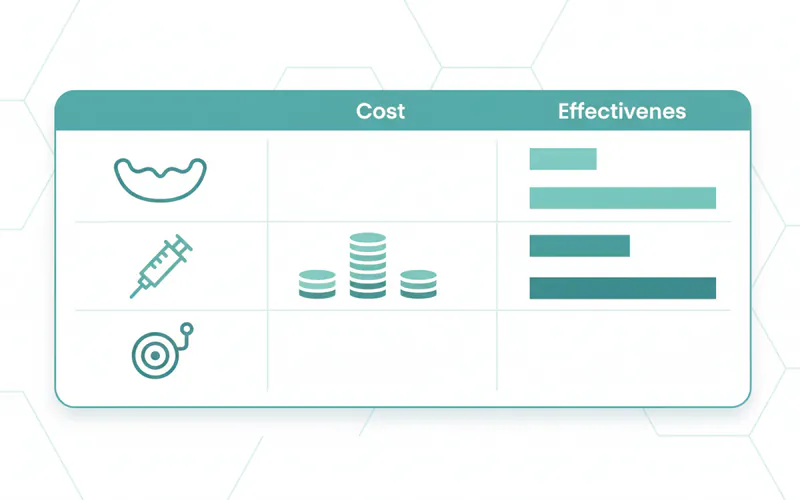
Cost Breakdown (Summary of US Costs)
Here's a concise overview of the average cost ranges for key bruxism treatments in the United States, along with insurance considerations.
| Treatment Type | Average Cost Range (USD) | Insurance Coverage | Notes |
|---|---|---|---|
| Custom Dental Nightguard | $300 - $800 | Often 50-80% | Varies by material/complexity; OTC guards ($20-50) are less effective. |
| Masseter Botox Injections | $500 - $1,500 per session | Rarely (elective) | Requires repeat injections every 3-6 months. |
| Orthodontics (Braces/Aligners) | $3,000 - $8,000+ | Limited (medical need) | Long-term solution for bite correction. |
| Dental Crowns (for damaged teeth) | $800 - $1,500+ per tooth | Often 50% | Varies by material and tooth location. |
| Physical Therapy for TMJ | $50 - $200 per session | Sometimes (medical need) | Requires physician referral, typically for severe TMJ. |
| Medications (Muscle Relaxants) | $10 - $50 (generic) | Often | Short-term use only; may be covered by medical insurance. |
Payment Plans and Financing Options
- Dental Office Payment Plans: Many dental practices offer in-house payment plans, allowing you to pay for treatment over several months.
- Third-Party Financing: Companies like CareCredit or LendingClub offer specialized healthcare credit cards with deferred interest options if paid within a certain timeframe.
- Health Savings Accounts (HSAs) & Flexible Spending Accounts (FSAs): These tax-advantaged accounts can be used to pay for qualified medical and dental expenses, including bruxism treatments, with pre-tax dollars.
- Dental Schools: University dental schools often provide treatments at a reduced cost, performed by supervised students.
Cost-Saving Tips
- Compare Quotes: Don't hesitate to get quotes from a few different dentists for custom nightguards or Botox.
- Ask About Discounts: Inquire about cash payment discounts if you don't have insurance.
- Utilize Insurance: Understand your dental and medical insurance benefits thoroughly. Prior authorization might be needed for certain procedures.
- Preventative Care: The best cost-saving tip is to address bruxism early. Preventative measures like nightguards are far less expensive than extensive restorative dentistry required to fix damaged teeth later on.
Frequently Asked Questions
### Is teeth grinding always bad for you?
Not always. Occasional or mild teeth grinding, especially in children, may not cause significant harm. However, chronic or severe bruxism can lead to serious dental damage, jaw pain, headaches, and TMJ disorders, making early intervention crucial.
### Can stress really cause teeth grinding?
Yes, stress and anxiety are among the most common triggers for bruxism, particularly awake bruxism. When you're stressed, your body's "fight or flight" response can lead to muscle tension, which often manifests in the jaw muscles through clenching or grinding.
### How long do custom nightguards last?
Custom-fit nightguards typically last between 3 to 5 years, depending on the material, your grinding intensity, and how well you care for it. Severe grinders may need replacements more frequently.
### Is masseter Botox safe for teeth grinding?
When administered by a qualified and experienced practitioner, masseter Botox is generally considered safe and effective for treating bruxism. Side effects are usually mild and temporary, such as bruising or temporary muscle weakness. It's crucial to choose a reputable provider.
### Will my dental insurance cover masseter Botox for bruxism?
In most cases, dental insurance does not cover masseter Botox for bruxism, as it's often considered an elective or cosmetic procedure. Some medical insurance plans might offer coverage for severe TMJ disorders if other treatments have failed, but this is rare and requires specific medical justification and prior authorization.
### What are some immediate remedies for jaw pain from teeth grinding?
Immediate remedies include applying a warm compress to the jaw, taking over-the-counter pain relievers (like ibuprofen), eating soft foods, and gently massaging the jaw muscles. However, these are temporary solutions and do not address the root cause.
### Can teeth grinding lead to tooth loss?
Yes, in severe and untreated cases, chronic teeth grinding can cause significant wear and tear, leading to cracks, fractures, and weakening of the tooth's supporting structures, ultimately resulting in tooth mobility and potential tooth loss.
### How long does it take to stop grinding teeth with a nightguard?
A nightguard won't necessarily stop you from grinding, but it immediately protects your teeth from damage and can significantly reduce the force and impact on your jaw muscles. Relief from jaw pain and headaches is often felt within a few days to a couple of weeks of consistent use.
### Can children outgrow teeth grinding?
Many children do outgrow bruxism, especially as their permanent teeth erupt and their jaw develops. However, if your child experiences pain, significant tooth wear, or other sleep issues, a visit to a pediatric dentist is recommended.
### What if I suspect I have bruxism but don't have a partner to tell me?
Look for other signs like waking up with jaw soreness, headaches, sensitive teeth, or noticeable wear on your tooth surfaces. Your dentist can often detect the characteristic signs of bruxism during a routine check-up, even if you're unaware of the habit.
When to See a Dentist
While occasional jaw stiffness might be fleeting, certain signs indicate that it's time to consult your dentist about teeth grinding. Ignoring these warning signs can lead to more severe and costly complications.
Schedule a routine appointment if you experience:
- Persistent jaw pain or soreness: If your jaw muscles feel consistently tired or painful, especially upon waking.
- Frequent headaches: Particularly tension headaches that start in your temples.
- Increased tooth sensitivity: If your teeth are suddenly more sensitive to hot, cold, or sweets.
- Your partner reports grinding noises: This is a clear indicator of sleep bruxism.
- Visible changes to your teeth: If you notice your teeth appear flatter, chipped, or worn down.
- Concerns about your dental restorations: If fillings, crowns, or other restorations feel loose, chipped, or are repeatedly damaged.
- Scalloped tongue edges or cheek indentations: These can be signs of clenching.
Seek prompt dental attention (within a few days) if you notice:
- Severe, persistent jaw pain that interferes with eating or speaking.
- Difficulty opening or closing your mouth fully or a jaw that locks.
- A fractured tooth or a piece of a tooth breaking off.
- Significant and rapid wear to your tooth enamel.
- Pain that radiates into your ear or neck without an obvious cause.
Consider an emergency dental visit if:
- You experience a sudden, acute, and unbearable pain in your jaw or teeth, potentially indicating a severe tooth fracture, abscess, or acute TMJ lock.
- Your jaw locks completely in an open or closed position, making it impossible to move.
Early diagnosis and treatment are key to preventing long-term damage and maintaining your oral health. Your dentist can accurately assess your condition, recommend appropriate interventions, and help you find lasting relief from teeth grinding.
Frequently Asked Questions
Medically Reviewed Content
This article was written by our dental health editorial team and reviewed for medical accuracy. Our content follows strict editorial guidelines for reliability and trustworthiness.
Medical Disclaimer
This article is for informational purposes only and does not constitute medical advice. Always consult with a qualified dental professional for diagnosis and treatment. Do not delay seeking professional advice because of something you read on this website.
Related Articles
What Causes Teeth Grinding in Sleep
More than one in ten adults—and even more children—clench or grind their teeth during sleep, a condition known medically as sleep bruxism. For many, it's an unconscious habit that goes unnoticed until significant damage or discomfort arises. Waking up with a dull, constant headache, jaw pain, or
February 23, 2026
How to Not Grind Teeth at Night
More than one in ten adults and a significant percentage of children experience teeth grinding, medically known as bruxism, a condition that often goes unnoticed, especially when it occurs during sleep. If you've woken up with a sore jaw, a dull headache, or noticed your teeth becoming unusually
February 23, 2026
What Is Jaw Clenching
Do you often wake up with a dull headache, a sore jaw, or unexplained tooth sensitivity? You're not alone. Approximately 1 in 10 adults and up to 3 in 10 children experience some form of bruxism, a condition characterized by grinding, gnashing, or clenching your teeth. At the heart of this wides
February 23, 2026
Severe Bruxism Molars: Complete Guide
When the quiet of the night is shattered by a grinding, grating sound, or when you wake up with an aching jaw and teeth that feel oddly sensitive, it’s often a sign of bruxism. But what happens when this condition intensifies, leading to significant damage, especially to your back teeth? This is the
February 23, 2026